

10 min 58 sec
Available in: English
 ไทย
EnglishไทยPoke the Box: When Was the Last Time You Did Something for the First Time?
By Seth Godin
Seth Godin argues that initiative now matters more than money or connections. He shows how to start ideas, live with failure, keep going to the end and avoid launching too many things at once.
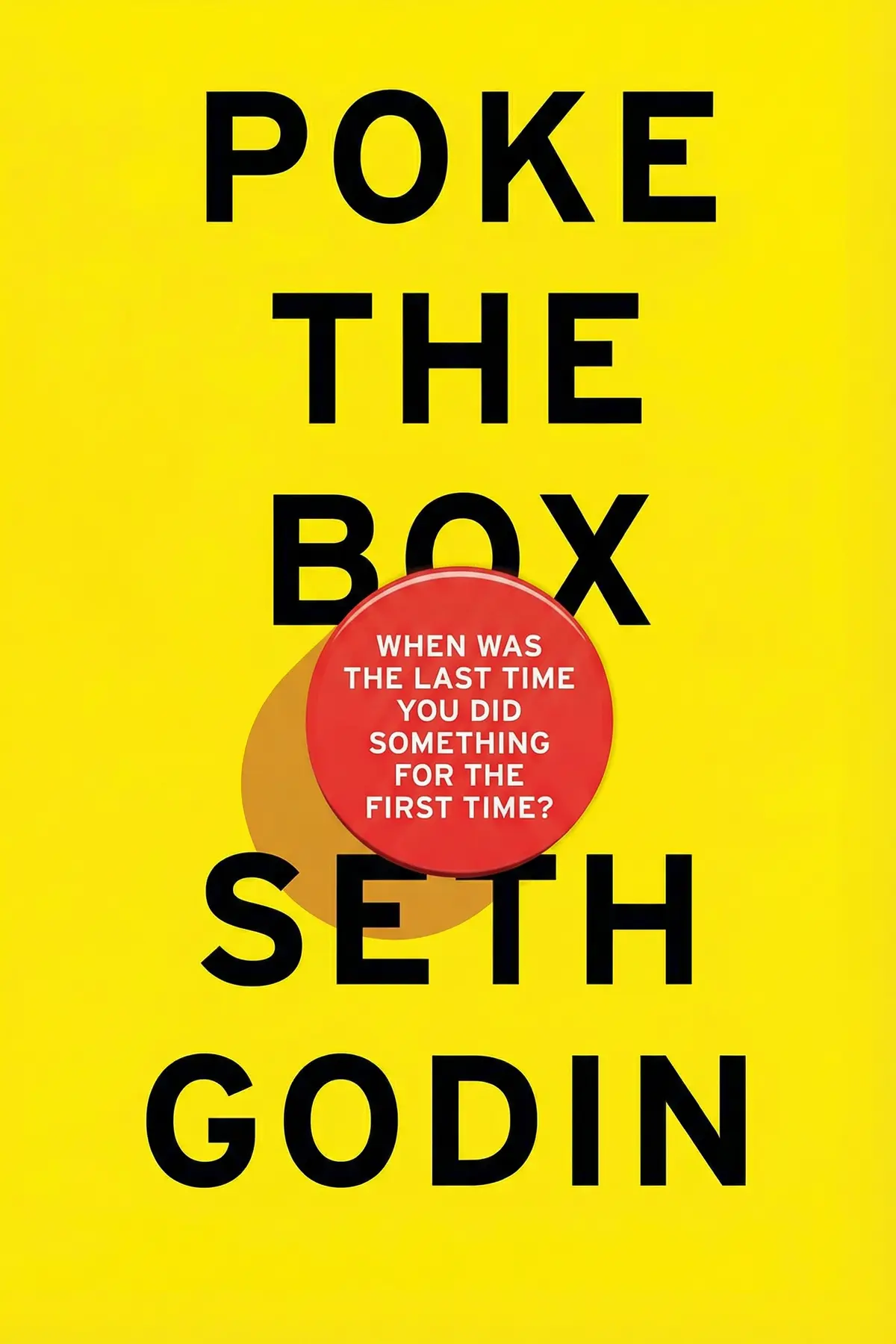
Table of Content
1. Introduction
55 sec
Most good ideas never leave a notebook, because their owners are waiting for someone to tell them to go. In Poke the Box, author and entrepreneur Seth Godin argues that money and connections are no longer the scarce ingredients in business. Initiative is: the willingness to start something, see how the world responds and try again. Godin calls this poking the box.
His case is that starting, with the nerve to fail and the discipline to finish, is the skill that decides who shapes change and who only watches it. He makes it with a poker champion who began broke, a Canadian rock band that talked its way onto stages and a nervous boy who would not get on a bike. He also warns about the opposite problem, which is starting too much. By the end you will know how to move one idea out of your head and into the world, and how to carry it all the way through.
2. Initiative now matters more than money
1 min 47 sec
The money that funded 67 internet start-ups in 2012 would once have paid for only about 20 companies in Silicon Valley. If cash is no longer the barrier, Godin asks what is really holding most people back.
3. Learn by poking, then keep poking
1 min 46 sec
A homemade toy covered in switches gave Godin his central image. A broke card player who went to one game to pay her bills shows what the image demands once the first try works.
4. Name the fear hiding behind your excuses
1 min 49 sec
An indie band that kept getting turned away found an unusual way onto stages. A boy with good reasons not to ride a bike had one more reason he never said out loud.
5. Keep going after the excitement fades
1 min 42 sec
A project can feel like a long walk to a distant city, with a reason to turn back at every step. Godin explains why some companies are built to keep walking and others are not.
6. Prepare before you pitch anyone your idea
1 min 50 sec
Spotting a famous singer across a restaurant can feel like a once-in-a-lifetime opening. Godin explains how acting on that moment can destroy the very partnership it seems to offer.
7. Conclusion
1 min 09 sec
The book’s subtitle asks an uncomfortable question: when was the last time you did something for the first time? Godin’s explanation for why many people can’t remember is fear, usually disguised as sensible excuses. Sometimes the problem is the reverse, a restless habit of starting things that never get the care they need to finish. Between those two mistakes sits the habit he wants you to build. Start, watch the response, adjust, and stay with it to the end.
The steps he supports are modest. Money is no longer the barrier it was, so what is usually missing is your own first move. When you catch yourself explaining why now is not the right time, look for the fall you are afraid of, as the boy on the bike was. Choose one idea that is small enough to test this month, and give it the time it needs to finish before you add another. When you take it to someone who can help, come prepared. A half-formed request across a restaurant table will not do.
Annie Duke’s $4 million career began with one game she went to because the bills were due. Your week has a first game like that too.
About this book
What is this book about?
Plenty of people carry an idea for years and never act on it. They wait for funding, the right contacts or someone's permission, and they fear that the attempt will fail. Seth Godin argues that this waiting has become the real obstacle. Starting a business has grown far cheaper, so money and networks no longer decide who gets to try. What is scarce is initiative, which Godin calls instigation capital. He names the habit behind it after a toy his uncle built: poking the box. You try something, watch what happens and adjust. Godin follows the idea through a poker champion who started out broke, a Canadian rock band that talked its way onto stages and companies like Google that keep many projects running at once. The book also covers the two ways initiative goes wrong. Some people never start because they fear falling. Others start too often and without preparation, and that ruins their chances. Readers get a plain way to begin one idea, accept the setbacks and carry it through to the end.
Book Information
Who it's for
Professionals waiting for permission
Professionals who have carried an idea for years and keep waiting for permission or funding.
Founders and side-project makers
Founders and side-project builders who fear failure or keep starting more than they finish.
Employees with rejected proposals
Employees whose proposals keep getting rejected and who want the energy to keep pitching.
About the Author
Seth Godin
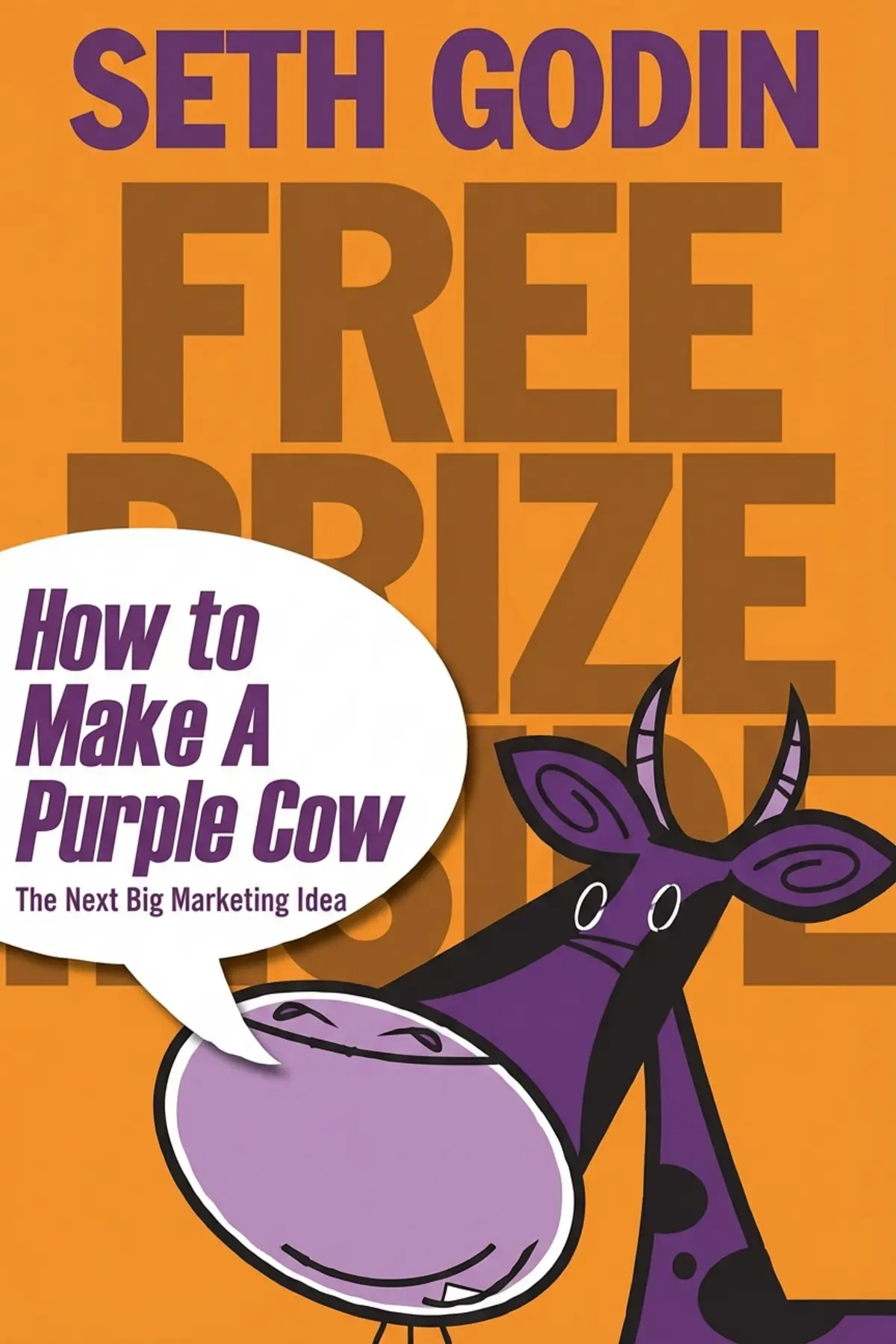
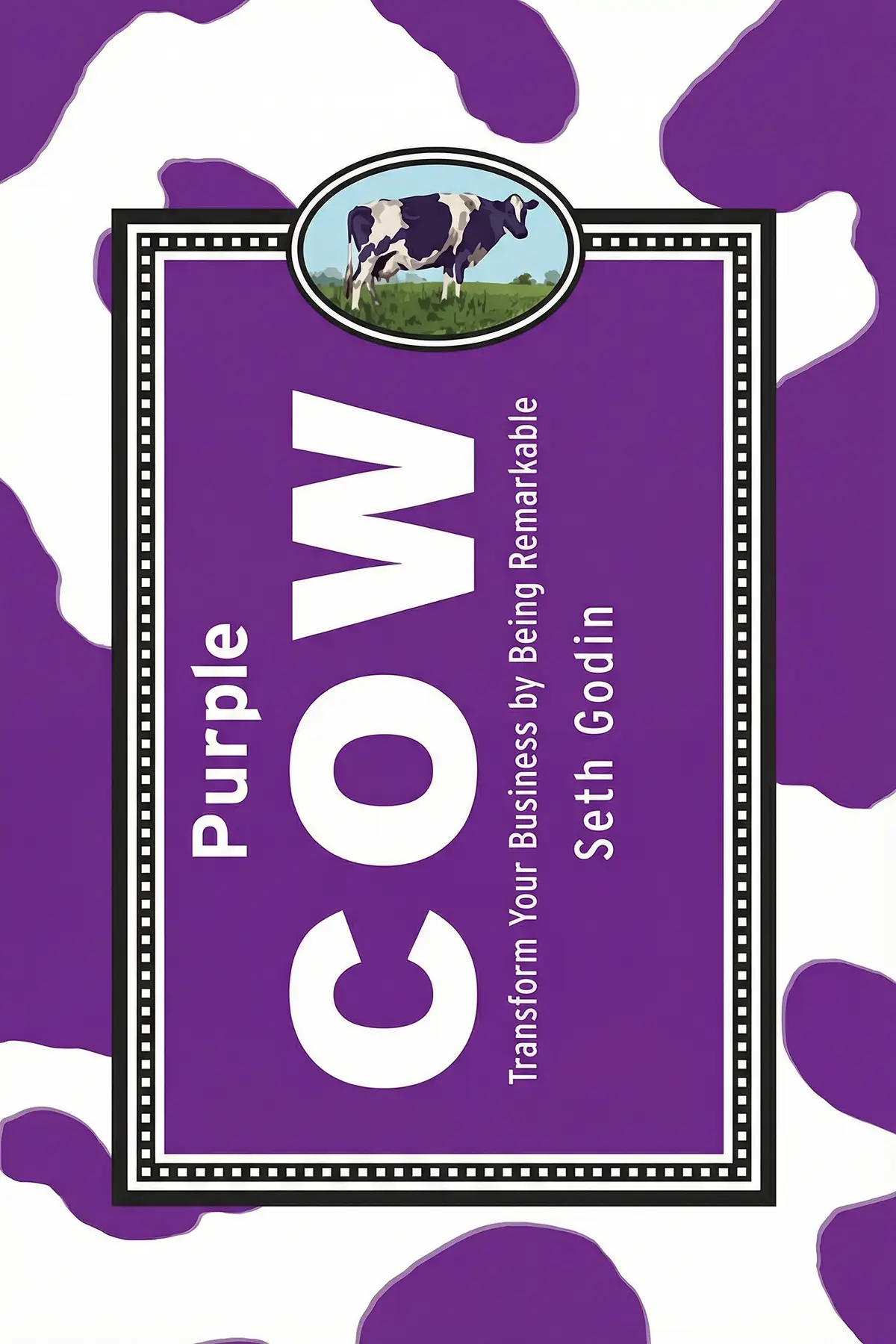
Seth Godin, born in 1960, is an American author, entrepreneur and blogger who also writes under the pen name F. X. Nine. He founded Yoyodyne, an early online company, and sold it to Yahoo!, where he became Vice President of Direct Marketing. He later founded Squidoo.com and the altMBA, an online education program. His books include Linchpin, Purple Cow and The Practice, and he has been inducted into the Marketing Hall of Fame.
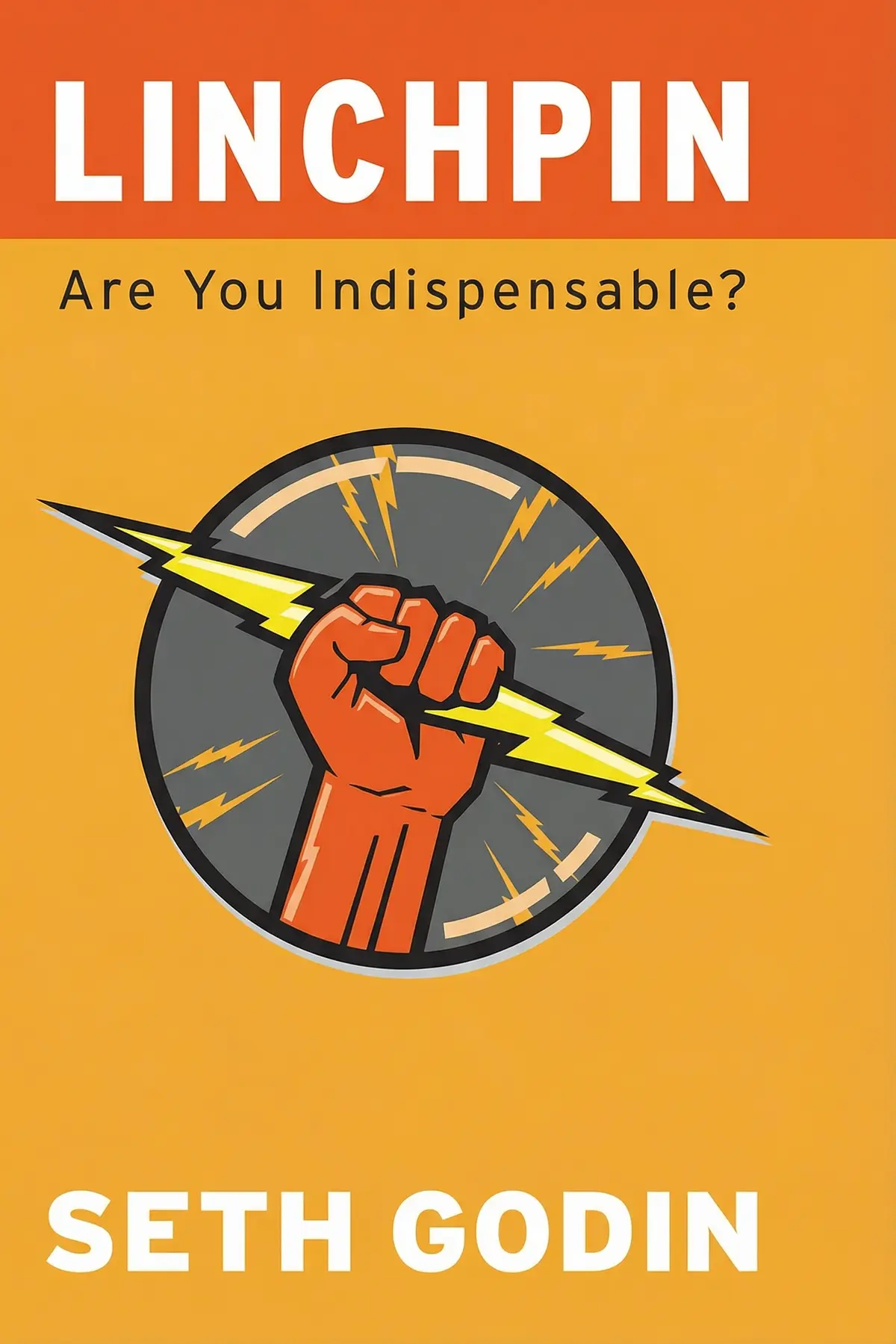
Linchpin: Are You Indispensable?
Seth Godin
The Practice: Shipping Creative Work
Seth Godin

This Is Strategy: Make Better Plans
Seth Godin
Tribes: We Need You to Lead Us
Seth Godin

Ratings & Reviews
Ratings at a glance

What people think
Listeners find this work by Seth Godin to be a swift and captivating listen, packed with significant observations and stimulating concepts that nudge them into taking initiative. This purposefully concise and articulate book translates complex business theories into accessible ideas. The guidance is highly regarded; one listener mentions it's useful on every page, and another finds it particularly helpful for work-related book clubs.
Top reviews
Yam
Picked this up during a lull in my career and it was exactly the spark I needed. The concept of the 'buzzer box' is such a simple, perfect metaphor for how we should approach life and work. We spend so much time fearing the buzzer that we never bother to see what happens when we flip the switch! Seth Godin is a master at making complex business psychology feel like common sense. Not gonna lie, I was the person waiting to be 'picked' for a promotion, but this book convinced me to pick myself instead. It’s short, punchy, and provides meaningful insights on every single page. If you need a kick in the pants to start that project you’ve been shelving, this is the one.
Show moreAnawin
Wow, Seth really knows how to get under your skin and make you feel guilty for playing it safe. This isn't a book you read for pleasure; it’s a book you read to be prodded into action. The central theme is that the world doesn't need more followers; it needs people who are willing to poke the box and see what happens. I loved the emphasis on 'shipping' your work, even when it’s not perfect. In my experience, waiting for perfection is just another word for being scared. This book is a short, sharp shock to the system. It’s the ultimate antidote to the 'let me think about it' mentality that kills so many great ideas.
Show moreAroon
Ever wonder why you’re stuck in the same routine while others seem to thrive? Godin suggests it’s because most of us are waiting for a map that doesn’t exist. This book is a loud, clear call to draw your own map instead of following someone else’s faded lines. The writing is punchy, intentionally short, and designed to make you feel uncomfortable about your own stagnation. While some might find the constant repetition annoying, I think the constant 'poking' is necessary to break through our natural resistance. It’s not just for CEOs; it’s for anyone who has been afraid to hit the 'send' button on a new project. I finished it in one sitting and felt genuinely fired up to initiate something new.
Show moreJack
As an entrepreneur who struggles with 'lizard brain' hesitation, I found this to be a quick, punchy reminder that the cost of not starting is usually higher than the cost of failure. We often treat failure like a fatal event, but Godin rebrands it as a necessary data point in the 'poking' process. The text is broken into these small, digestible bursts that make the complex principles of innovation feel accessible. Our work-related book club had a fantastic discussion about this, particularly the idea that we have a moral obligation to share our ideas with the world rather than 'stealing' them by staying silent. It’s not a deep dive into business mechanics, but it’s a great psychological tool for anyone afraid of making a ruckus.
Show moreFon
After hearing so much hype about the 'Godin method,' I finally dove into this short manifesto. Frankly, I was surprised by how much I enjoyed the minimalist style. It reads like a series of interconnected blog posts, which might bother some, but it works perfectly for a book meant to inspire movement rather than academic study. The advice about ignoring the 'tyranny of being picked' really resonated with me. We are so conditioned to wait for permission that we forget we can just start. It’s an engaging read that manages to distill complex business principles into something a child could understand. Perfect for a quick Sunday afternoon read to get you ready for Monday morning.
Show moreSarocha
Look, this isn't a technical manual for starting a business, and anyone expecting a 10-step plan will be disappointed. Instead, it’s a psychological reset. It focuses heavily on the 'initiator'—the person who starts things—and why they are the most valuable asset in any organization today. I found the section on 'intellectual integrity' to be particularly thought-provoking. It challenges the reader to consider whether they are actually contributing or just occupying space. The book is intentionally short, which I appreciate because it doesn't waste time with fluff, even if the main point is repeated often. It’s a great piece of encouragement for anyone feeling stuck in a 'factory' mindset and needing a push.
Show moreBird
Finally got around to reading this for our office book club and it sparked the most intense conversation we've had all year. We realized how much of our time is spent waiting for instructions instead of just poking the box to see if we can improve our internal processes. It’s rare to find a business book that is this engaging without being bogged down in charts and data. Seth’s writing is evocative and forces you to confront your own deep-seated fears about failure. Whether you’re an artist, a middle manager, or a student, the message is universal: stop waiting for the perfect moment. Start now. This book is essentially a permission slip to go out and make a mess.
Show moreAria
Let's call this what it really is: a blog post that got way too big for its britches. Seth Godin is a brilliant marketer, but here he just takes a single, solitary idea—that you should start things even if you might fail—and hammers it until the reader is dizzy. It’s a manifesto, sure, but the lack of organization makes it feel like a transcript of a frantic late-night rant. I get the 'poking the box' metaphor, truly. However, reading 'go' and 'ship' a hundred times doesn't actually provide a concrete strategy for those of us in the real world. At least it's a very fast read. If you’ve read his blog consistently, you have basically already finished this book without buying it.
Show moreKung
To be fair, Godin has a singular point that is absolutely worth hearing, but he shouts it for 100 pages. The core message—taking initiative is the only way to remain relevant in a changing economy—is powerful. But does it need an entire book? Probably not. It feels like a very long motivational poster with better typography. I appreciated the sections on the 'lizard brain' and how it sabotages our initiative, though much of this was covered better in his previous work. It’s a decent enough read for a flight or a commute, but don't expect deep case studies or a 'how-to' guide. It’s more of a 'why-to' that gets a bit redundant by the final chapter.
Show moreAey
The central metaphor of a 'buzzer box' is charming for the first five minutes, but the novelty wears off fast. Truth is, if you’ve spent more than ten minutes in a corporate environment or ever tried to start a side hustle, you already know that taking initiative is important. Godin doesn't offer much beyond 'just do it' in different fonts and shorter sentences. It felt incredibly repetitive, and the tone bordered on elitist at times, speaking as if everyone has the luxury to fail repeatedly without consequence. While there are a few nice anecdotes about SNL and innovation, they don't justify the price of a full book. You’re better off just reading his daily email for a week.
Show moreQuestions about this book
What is the main idea of Poke the Box by Seth Godin?
Godin argues that initiative, which he calls instigation capital, is now the scarcest asset in business. Funding is cheaper than it used to be, so what holds most people back is a reluctance to start. Poking the box means trying something, seeing how the world responds and adjusting. It also means accepting failure as part of the process and committing to finish what you begin.
What does poke the box mean?
The phrase comes from a toy Godin’s uncle built for his cousin. It was a box with switches and controls that made different lights and sounds depending on what you pressed. Godin uses it as a metaphor for learning by trial and error. Innovative programmers work this way: they don’t copy existing code, they try something new and adjust based on what happens.
How does Poke the Box deal with fear of failure?
Godin treats failure as a normal stage of any project and says the first step is to name the fear. He describes a boy who made excuses not to ride a bike when the real reason was fear of falling. The Canadian band Hollerado was rejected by American venues again and again and kept finding creative ways to play, eventually touring China twice.
What is overstarting in Poke the Box?
Overstarters take on new projects before finishing the old ones, and they treat every moment as a chance to pitch. Godin’s example is asking Elton John at a restaurant to sing at your daughter’s wedding, which ruins any chance of a real collaboration. His remedy is preparation and full commitment to seeing each project through to the end.
Who should read Poke the Box?
The book suits people who sit on ideas while waiting for funding or permission, founders who fear launching, and employees whose pitches keep getting rejected. It also helps chronic starters who need to slow down and prepare. Its examples range from Wikipedia and Google to the poker player Annie Duke, so it applies to businesses and to personal projects alike.
Readers also enjoyed

Be Obsessed or Be Average
Grant Cardone
Be Useful: Seven Tools for Life
Arnold Schwarzenegger


Can’t Hurt Me: Master Your Mind and Defy the Odds
David Goggins
Discipline Equals Freedom: Field Manual
Jocko Willink
AUDIO SUMMARY AVAILABLE
Listen to Poke the Box in 15 minutes
Get the key ideas from Poke the Box by Seth Godin, plus 5,000+ more nonfiction titles.
- 5,000+ titles
- Listen as much as you want
- 7-day free trial
- Cancel anytime









