Extreme Ownership: How U.S. Navy SEALs Lead and Win
Jocko Willink
 English
 ไทย
A retired Navy SEAL officer's blunt manual for ending procrastination. Find what you are fighting for, act before hesitation sets in, and build fixed routines for waking, training, self-defense and eating so excuses never get started.
1 min 00 sec
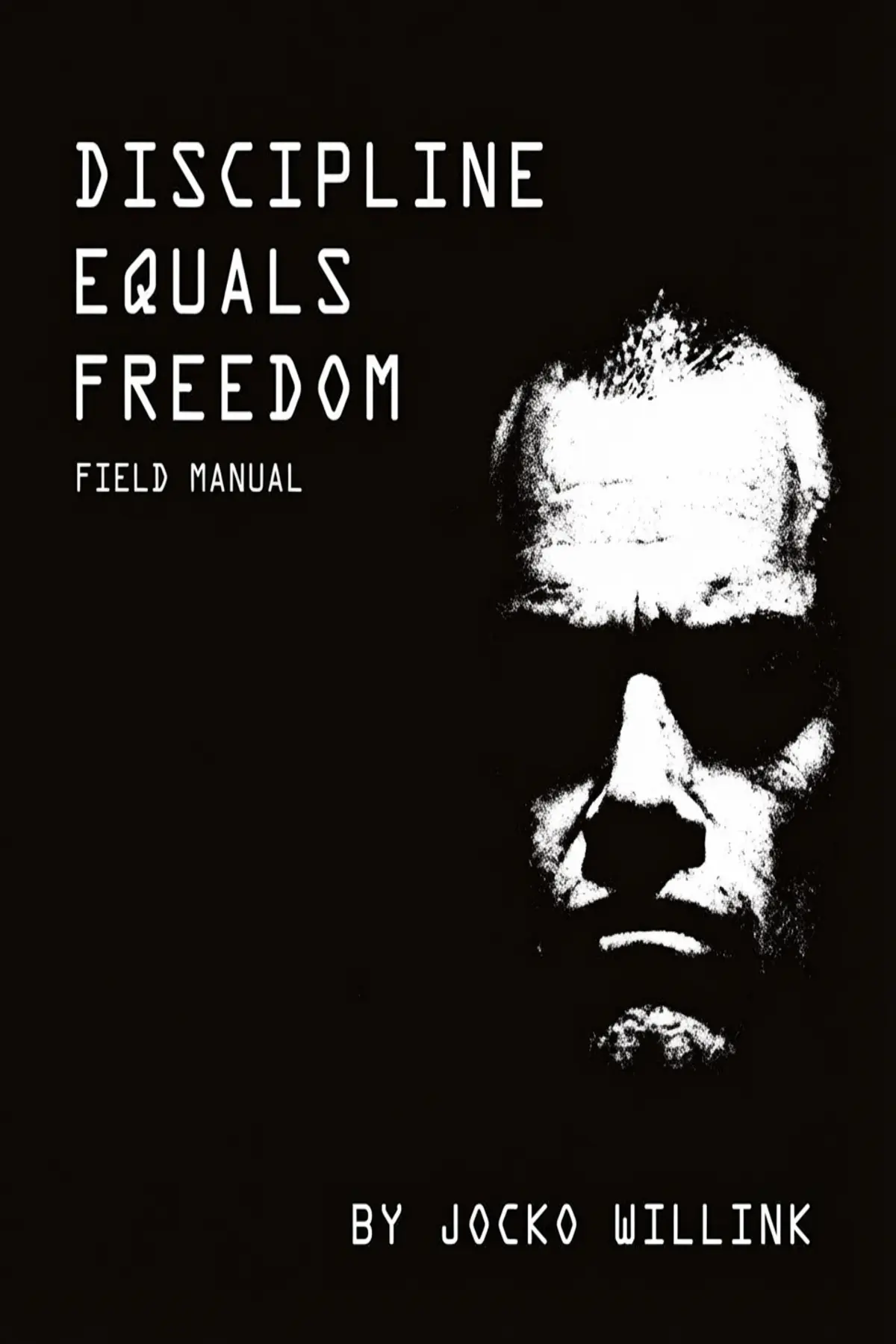
Most people know what would make them fitter and more successful, and they keep putting it off. In Discipline Equals Freedom, Jocko Willink says no trick fixes this. Willink is a retired Navy SEAL officer who led Task Unit Bruiser in the battle of Ramadi. In his view only discipline works, and it grows from a reason you find inside yourself rather than from talent.
The title carries his central claim. Strict rules about waking, training and eating give you more control over your life than waiting for motivation ever will. Willink builds the case from the mind outward. He starts with why you fight and how to act before fear takes over. Then he moves to early mornings, a cheap home gym, a martial art for real danger and a diet without cheat days. Each piece answers the voice that says not today, and together they make the daily argument with yourself much shorter.
1 min 32 sec
Everyone wants the fast route to a better body or career, and a former SEAL says it does not exist. What he offers in its place comes from a darker and more personal source than motivation.
1 min 36 sec
Aggression sounds like a flaw to fix, and Willink treats it as a habit to build. He also has an uncomfortable view of failure that runs against most popular advice about getting ahead.
1 min 29 sec
A few seconds sit between choosing to act and actually acting. Willink believes those seconds decide more than talent or planning ever do, and he borrows a lesson from combat to show why.
1 min 44 sec
Armies have woken their soldiers in the dark for generations, and punishment was never the reason. Willink applies the same logic to your alarm clock and argues the payoff goes beyond a finished workout.
1 min 50 sec
Many people spend months searching for the ideal workout plan and never start. Willink thinks the search itself is the problem, and he shows how a small corner and a modest budget remove the excuses.
1 min 51 sec
Being strong offers less protection than most people believe once someone grabs hold of them. Willink names the one fighting style he would learn first, and the habit that matters even before it.
1 min 50 sec
The popular habit of eating well most of the time and relaxing the rest strikes Willink as dangerous. His comparison is deliberately shocking, and his idea of a treat may surprise you.
1 min 12 sec
Willink’s title sounds like a contradiction until you watch it work. The early alarm, the pull-up bar in the garage, the meal without bread: each looks like a restriction. In practice each one removes a decision, and with it another chance for the voice that says tomorrow. Discipline ends up giving you back your time, energy and confidence. It starts with a reason only you can supply, such as a goal written down or, for Willink, the memory of men who did not come home.
The book asks you to begin today, even with something small. Write your long-term aim where you will see it every morning. Move bedtime toward ten so that getting up before five becomes realistic, and switch off screens well before sleep. Fix a pull-up bar somewhere you cannot avoid it and log each session. And when fear makes you pause before acting, recognize that pause as the moment the fight is decided.
Think of the soldiers in the First World War trenches, weapons loaded as first light came up. That readiness, chosen again every morning, is what Willink means by freedom.
Most people know what would make them fitter, sharper and more successful. The hard part is doing it today and not tomorrow. Jocko Willink says there is no shortcut and no hack. The only tool is discipline, and it comes from a reason you find inside yourself, not from talent or upbringing. Willink led SEALs in the battle of Ramadi. He starts with the mind: knowing why you fight, treating aggression as a habit of acting first, and refusing to let hesitation, regret or fear decide for you. Then he turns that mindset into daily practice. He recommends waking at 4:30 a.m., getting enough sleep, building a cheap home gym and training around injuries. He also recommends learning Brazilian jiu-jitsu, staying alert to danger, and eating an ancestral-style diet with no cheat days. The book is direct and demanding. You get a clear method for cutting the daily argument with yourself short, plus concrete routines to start this week, from a pull-up bar in the garage to a ten-minute power nap with your feet up.
People who keep promising themselves they will start training, eating better or waking early tomorrow.
Ambitious professionals who want a blunt, no-excuses routine for mornings, fitness and focus.
Readers curious how a SEAL officer's habits of mind and body carry over into ordinary civilian life.
Jocko Willink is a retired US Navy SEAL officer who left the service as a lieutenant commander. In the Iraq War he led Task Unit Bruiser of SEAL Team 3 in the battle of Ramadi and received the Silver Star and the Bronze Star Medal. He later trained SEALs as an instructor. He co-founded Echelon Front, a consulting firm that brings SEAL training ideas to business leaders. With Leif Babin he co-wrote Extreme Ownership and The Dichotomy of Leadership, and he hosts the weekly Jocko Podcast with Echo Charles.
Listeners find this work to be an outstanding guide that delivers practical self-discipline strategies and a mental framework. They like the direct and accessible writing, with one listener observing that the text captures Jocko's actual voice. The material is well-received, with one review specifically noting its 247 pages of aphorisms, and listeners admire the "tough love" perspective. Listeners believe the book is a worthwhile investment and find it deeply encouraging.
Look, this isn’t some complex psychological manual explaining the deep-seated nuances of human behavior or cognitive therapy. It is exactly what it claims to be: a Field Manual. You open it to find stark black pages with white text that screams discipline. If you’ve heard Jocko speak, you can practically hear his gravelly voice barking these aphorisms directly into your brain. The instructions are simple: wake up early, work out, eat right, and stop making excuses for your own laziness. I found the section on "Good" particularly impactful because it shifts your entire perspective on failure. While the "just do it" vibe might seem too simple for some, that simplicity is exactly why it works for me. It’s hard to argue with a man who leads by example every single day at 4:30 AM.
Show moreAfter hearing Jocko on a podcast, I knew exactly what I was getting into, and this book delivered in spades. It’s a 247-page kick in the pants that refuses to accept any of your pathetic "reasons" for not succeeding. Some might call it "meathead vacuity," but in a world where everyone wants a shortcut, his message of hard work is refreshing. I particularly enjoyed the sections on fasting and how it recalibrates your relationship with hunger and boredom. Every page feels like a tactical briefing where the only objective is self-mastery. The book doesn't waste time on flowery prose or "science" that gives you an out to be weak. It just demands that you step up and take ownership of your life right now.
Show moreFinally got around to reading this, and it’s essentially a 247-page manifesto for anyone tired of their own mediocrity. It’s not a narrative; it’s a collection of mantras designed to override your inner coward. I love the "Good" philosophy where every obstacle is viewed as an opportunity to improve or learn something new. The photography and layout are intense, matching the "tough love" tone of the advice perfectly. People complain it’s just a bunch of catchphrases, but those catchphrases actually stick in your head when you’re tempted to eat junk food. It’s about building a framework for your mind so that discipline becomes your default state. This book is worth every penny if you actually apply the principles.
Show moreAs someone who has struggled with chronic procrastination, Jocko’s "No Excuses" philosophy hit me like a ton of bricks. We often spend so much time planning to start that we never actually take the first step. This book strips away all that fluff and leaves you with the cold, hard truth: you just have to do the work. The sections on physical training are great, though I struggled with the pull-up negatives since I’m starting from absolute zero strength. Still, the message that "Discipline Equals Freedom" has become my new daily mantra. It’s the freedom from your own laziness and the freedom to achieve your goals. If you need a gentle hug, look elsewhere. If you need a wake-up call, this is it.
Show moreWow, this book is exactly the slap in the face I needed to get my life back on track. Jocko doesn’t care about your feelings; he cares about your results, and that honesty is incredibly refreshing in the self-help genre. I’ve started implementing the "stage your gear" tip at night, and it has made my 5:00 AM workouts so much easier to commit to. The idea that you should procrastinate on your breaks instead of your work is a total game-changer for my productivity levels. It’s simple, it’s brutal, and it’s effective if you’re willing to put in the actual effort. This isn’t a book you read once; it’s a manual you reference whenever you start feeling soft. GET AFTER IT.
Show morePicked this up because I was tired of making excuses for my total lack of progress at the gym lately. I’ll admit, the writing style is incredibly terse—sometimes it feels more like a collection of Instagram captions than a traditional book. However, the raw energy Jocko brings to the page is undeniable and surprisingly effective for the right mindset. The workout appendix in the back is actually quite useful for bodyweight routines when you're traveling. I do wish there were more personal anecdotes from his time in the SEAL teams to flesh out the principles. At times, the "DO IT" mantra feels repetitive, but maybe that's the point of discipline. It’s not about being clever; it’s about being consistent until the habit finally sticks.
Show moreEver wonder what it’s like to have a Navy SEAL shouting at you through black-and-white pages? That is the essence of this book. It’s written in Jocko’s distinct, punchy voice—lots of short sentences and bold declarations that leave no room for negotiation. I really appreciated the "Psychological Edge" chapter, even if his take on willpower is controversial to some academics. The focus on "Every day is a Monday" really helped me shift my mindset about the "weekend" being a time for total sloth. It’s a quick read, maybe an hour or two, but the value is in the re-read. I keep it by my bed to remind myself that my excuses are lies I tell myself.
Show moreThe truth is, the advice here is solid, but the presentation is a bit of a mixed bag for me. Jocko essentially argues that willpower doesn't deplete like a muscle, which flies in the face of most modern ego-depletion studies I've read. He suggests that using willpower actually makes you stronger in the moment, which is a bold claim, though I see his point about building momentum. I agree with the core tenets: sugar is poison, early mornings are a competitive advantage, and action cures procrastination. However, the book is incredibly thin on "how" to actually implement these things if you're starting from zero. It’s a great motivational tool to keep on your desk for a quick boost, but don't expect a deep dive.
Show moreTo be fair, this is more of a motivational coffee table book than a comprehensive guide to self-discipline. I found the "meathead" tone a bit much at times, especially with the constant use of all caps and aggressive font choices. While I appreciate the sentiment that "Hard" is a dosage, I think the book misses some nuance regarding burnout and actual mental health. However, you can't deny that the core message is effective for anyone who needs to stop overthinking and start acting. The fasting advice was interesting, though I would have liked more scientific backing for some of the bolder health claims. It’s a decent gift for a young person who needs a bit of direction in life.
Show moreIs it just me, or is telling someone to "BE TOUGHER" not actually a viable plan for becoming tougher? I went into this hoping for some tactical advice on building habits, but instead, I got a book that looks like a high-end goth scrapbook. The white-on-black aesthetic is cool for five minutes, but then it becomes a strain to read the giant block letters. Most of the "insights" here could be summarized in a two-minute YouTube video without the self-parodying "alpha" tone. If you are already disciplined, you don’t need this, and if you aren’t, I’m not sure shouting "HESITATION IS THE ENEMY" is going to fix your life. It feels more like a branding exercise for Jocko’s podcast than a book with real substance or depth.
Show moreJocko Willink argues that there is no shortcut to self-improvement, only discipline. That discipline comes from inside, from knowing what you are fighting for. Once you have it, strict routines for waking, training and eating give you more control over your life, not less. He moves from mindset, including aggression, beating hesitation and avoiding regret, to concrete daily practices.
Willink suggests setting the alarm for 4:30 a.m. and going straight to training. He links this to the military practice of standing to, when troops are ready at first light. Waking that early depends on going to bed early. Most adults need about seven hours, he notes, so bedtime at ten means waking rested at five. He also advises turning off screens well before sleep.
He suggests three items for a beginner. First, a pull-up bar, which he says supports pull-ups, push-ups, squats and ab work. Second, gymnastic rings mounted on a wall for dips, push-ups and L-sits. Third, a squat rack plus a barbell and weights, preferably rubber bumper plates so dynamic lifts are possible. A spare room, garage, backyard or office corner is enough space.
He recommends Brazilian jiu-jitsu. The first goal of self-defense is to escape, but if an attacker holds you, the fight usually goes to the ground. Brazilian jiu-jitsu teaches you to free yourself from that position. He also values its complexity, which keeps the mind engaged for years. Even before training, he puts situational awareness first, such as knowing the nearest exit and cover.
Willink favors an ancestral-style diet: grass-fed beef, free-range poultry, wild-caught fish, vegetables, nuts, roots and a little fruit. He avoids grains, potatoes, refined sugar, legumes and salt, and he eats few carbohydrates and plenty of fat. He rejects the 80/20 rule and wants the diet followed all the time. His treats are small, like dark chocolate dipped in coconut oil.

Richard Wiseman





William B. Irvine


Andrew D. Thompson


Deepak Chopra
AUDIO SUMMARY AVAILABLE
Get the key ideas from Discipline Equals Freedom by Jocko Willink, plus 5,000+ more nonfiction titles.