

13 min 41 sec
Available in: English
 ไทย
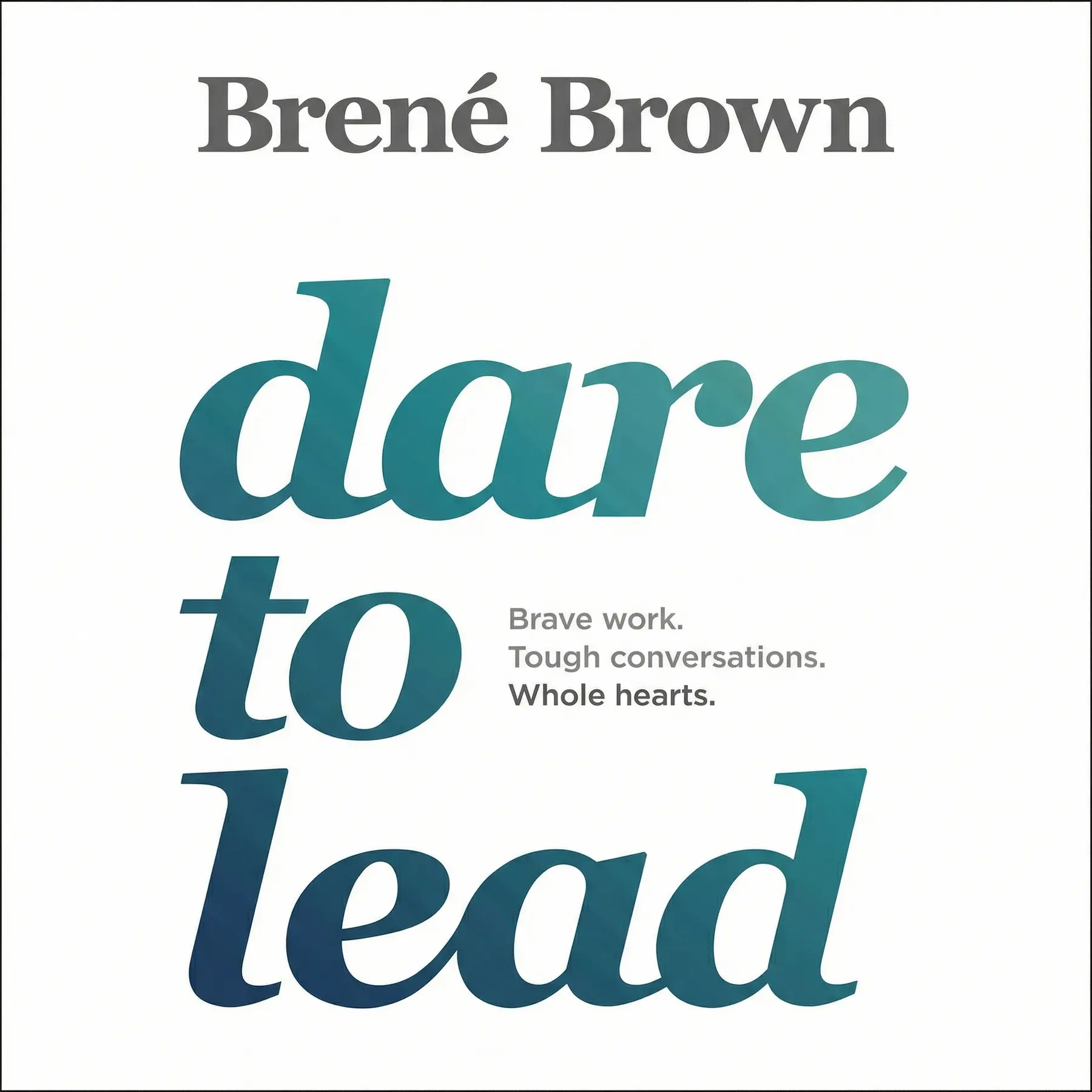
EnglishไทยDare to Lead: Brave work. Tough conversations. Whole hearts.
By Brené Brown
Shows managers and team leaders how to lead through vulnerability: holding honest conversations, exposing the stories people invent when information is missing, anchoring decisions to two core values and letting go of perfectionism.
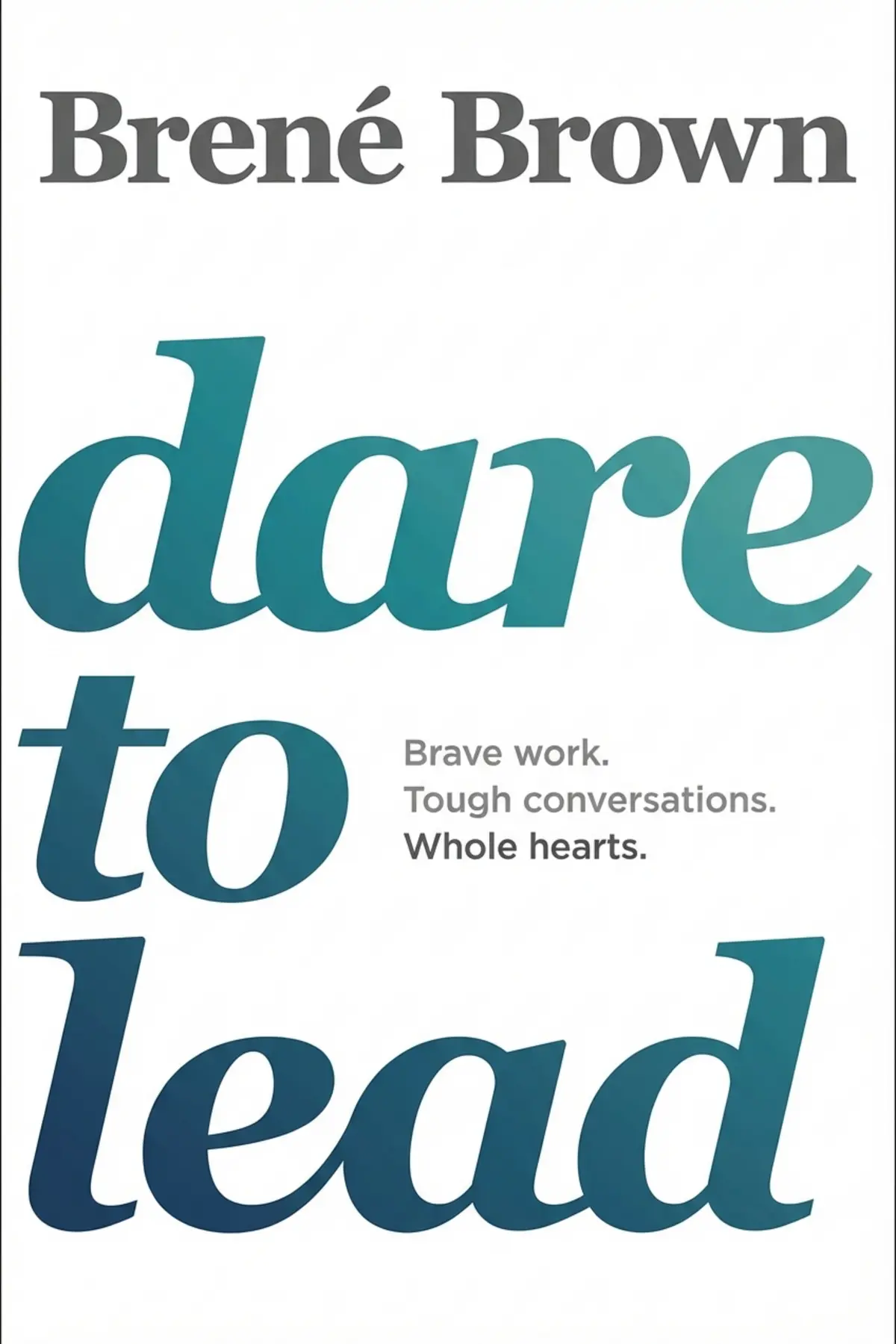
Table of Content
1. Introduction
59 sec
If you lead people, you have probably felt the pull to look certain and to have the answer before anyone asks. In Dare to Lead, researcher Brené Brown argues that this pull is exactly what holds leaders back. Great leadership, she says, depends less on title or power than on vulnerability: saying what is true, staying with discomfort and acting from a few clear values.
Her case runs on one idea. The leader who risks being seen makes it safe for everyone else to tell the truth, and truth is what a team grows on. Brown turns that idea into working tools: short check-ins that surface problems early, a sticky note that changes how a meeting starts, four sentence openers that expose the stories people invent when information is missing, and a test that cuts a long list of values down to two. Each one can be tried with a real team this week.
2. Turn the fear of looking weak into courage
1 min 31 sec
Admitting you don’t know something feels like the fastest way to lose a team’s respect. Brown argues the protection leaders reach for in that moment costs them far more than the admission ever would.
3. Being clear is the kinder choice for your team
1 min 42 sec
Softening bad news feels considerate, and putting off a tough talk feels like saving energy. Brown’s own team showed her what that politeness really costs, and the answer surprised her.
4. Get through the first eight hard seconds
1 min 41 sec
Most leaders know they should listen when someone raises a problem. Few manage it, because the first moments of an honest conversation feel unbearable. Brown offers a way to outlast them without rushing to a fix.
5. Start meetings with one honest permission slip
1 min 34 sec
People walk into meetings carrying worries nobody mentions, and the agenda rolls right over them. A single sticky note, filled in before anyone speaks, can change what happens in the room and long after it.
6. Catch the stories your team invents before they spread
1 min 52 sec
An unanswered email can turn into a whole drama in someone’s head, complete with a villain. Brown explains why missing information is so dangerous for a business and how four short sentence openers bring the hidden version into the open.
7. Two values that make tough calls easier
1 min 30 sec
Most leaders, asked to name their core values, produce a long and admirable list. Brown found that the bravest leaders she interviewed did something very different, and the reason is entirely practical.
8. Drop perfectionism and step into the arena
1 min 42 sec
Perfectionism sounds like high standards, the kind of trait people admit to proudly in job interviews. Brown traces it to a very different motive, one that can leave talented people frozen on the sidelines.
9. Conclusion
1 min 10 sec
Dare to Lead treats leadership as an emotional skill. Brown’s case is that the real test of a leader is whether they can feel uncertain in front of other people and keep going. Every tool she offers, from the check-in to the sticky note to the four openers, makes the truth cheaper to tell. Teams that can say what they see, and leaders who can hear it, fail faster, fix problems earlier and waste less energy guessing.
That work begins inside. When vulnerability shows up, Brown observes, the reflex is to make it go away and numb it with whatever is near: a glass of wine, a tub of ice cream, a shopping trip. Her advice is to pause first and ask what you are actually feeling and where it came from. Only then can you find what will truly help.
From there, the outward steps are small. Book a regular check-in and let the first eight seconds of discomfort pass. Ask your team for the stories they are telling themselves, and fill the gaps with facts. Keep two values close enough to use on a hard day.
Courage, in its oldest sense, meant telling what is in your heart. A team will do that once its leader goes first.
About this book
What is this book about?
Many leaders believe their job is to look certain, have every answer and steer around conversations that might get messy. Brené Brown argues that this armor is exactly what keeps them average. In her view, great leadership has little to do with position or power. It depends on vulnerability: the courage to speak the truth, to invite it from others and to act from clear values. Brown builds her case from her research with leaders and from her own experience running a company, including the day her employees told her that her impossible deadlines were hurting them. She turns that lesson into tools a team can use right away: regular check-ins, the 8-second rule for sitting through discomfort, permission slips that open meetings honestly, and a four-part prompt for exposing the first-draft stories people tell themselves when information is missing. Readers also learn why the bravest leaders she interviewed hold on to just two values, why perfectionism is really a bid for approval, and what to do with hard feelings instead of numbing them.
Book Information
Who it's for
Putting off hard feedback
Managers and team leads who put off hard feedback and watch small problems grow.
Newly in charge
New leaders who feel they must have every answer before they speak.
Perfectionists holding back ideas
Perfectionists in any role who hold back ideas until they feel flawless.
About the Author
Brené Brown
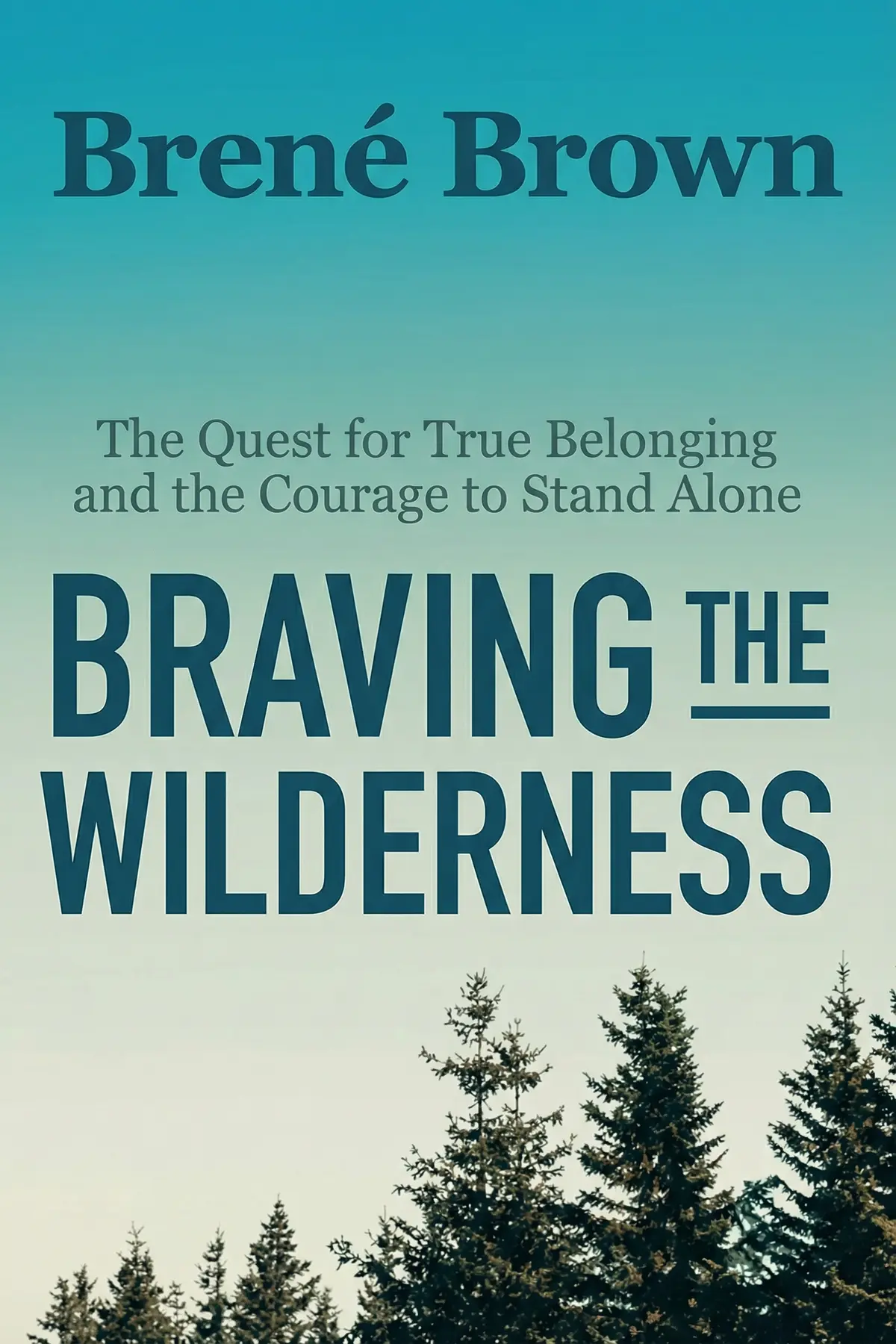
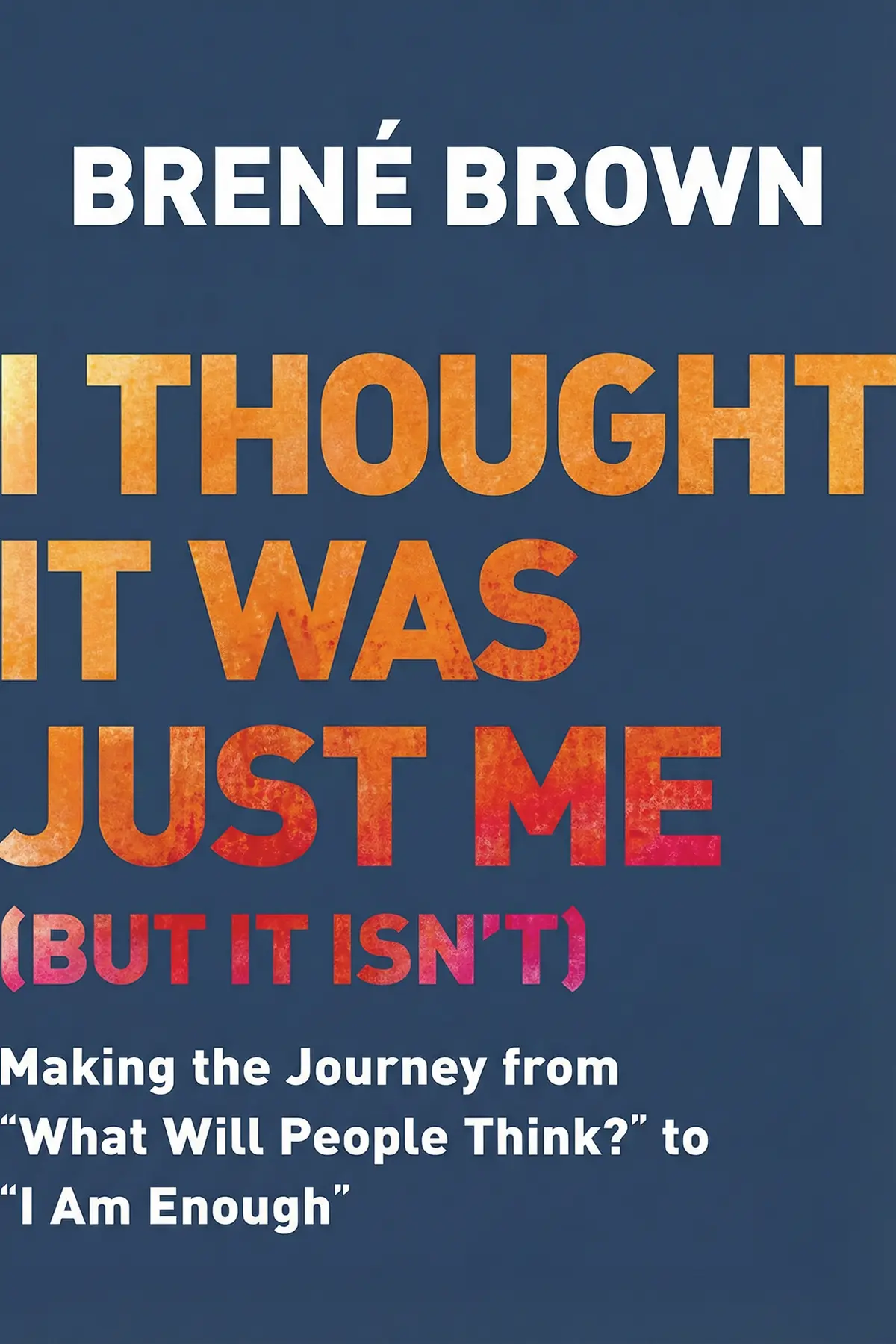
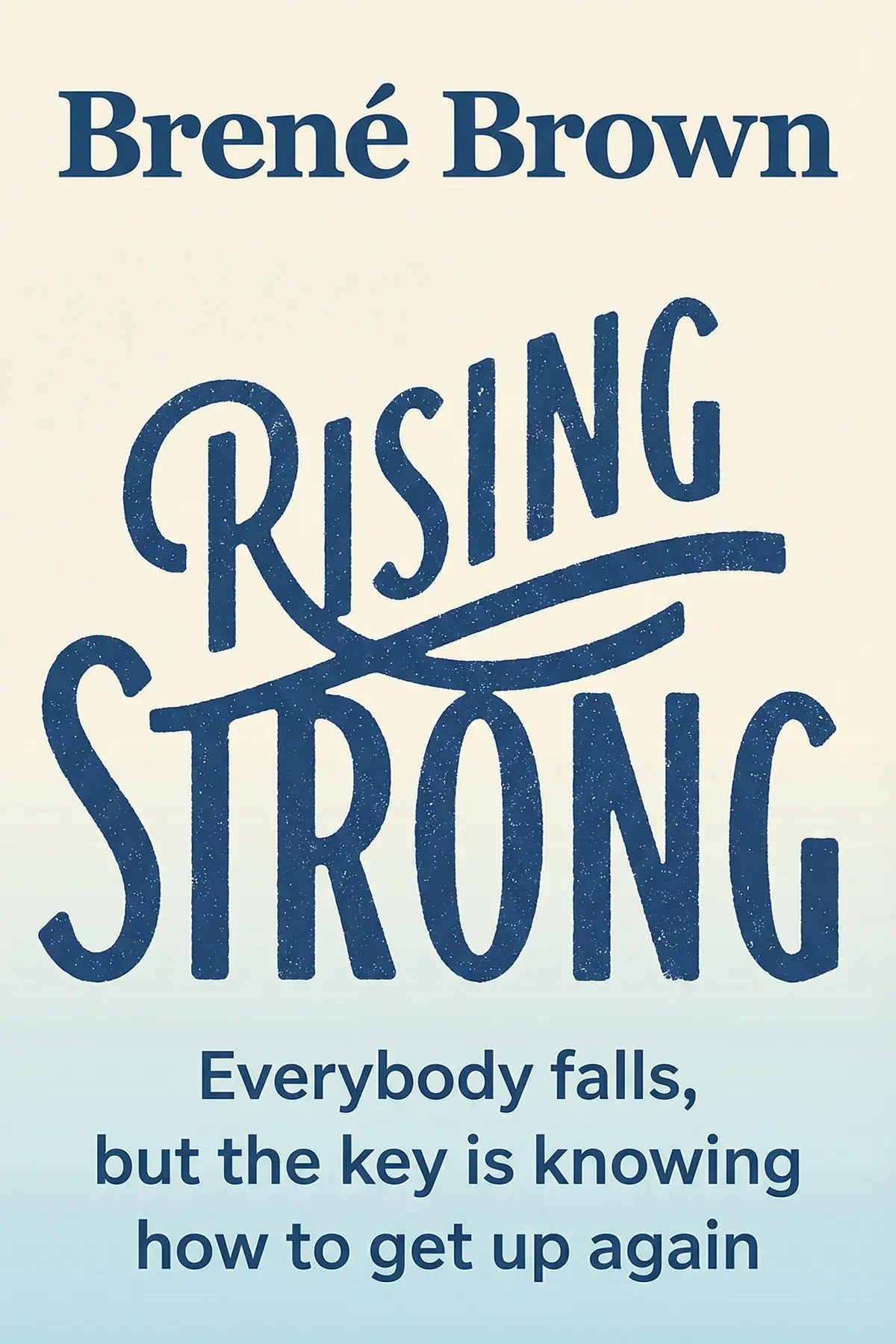
Brené Brown is a research professor at the University of Houston's Graduate College of Social Work and a visiting management professor at the McCombs School of Business at the University of Texas at Austin. Her books, including Daring Greatly and Atlas of the Heart, have been translated into more than 30 languages, and her TED talk on vulnerability ranks among the five most viewed ever. She has hosted podcasts, among them Dare to Lead, and in 2024 she was named executive director of the Center for Daring Leadership.

Ratings & Reviews
Ratings at a glance
What people think
Listeners view this title as an essential read that delivers superior lessons and enhances leadership capabilities, with one listener highlighting how it translates intricate research into clear concepts. Additionally, the content provides actionable advice and is accessible, proving to be a useful asset for both individual improvement and career success. Listeners also value the focus on vulnerability in management and the hands-on tools offered for application. Nevertheless, views on the book's pacing are varied, as some found it deeply absorbing while others had difficulty completing it.
Top reviews
Giulia
This book changed how I view my role as a manager. I’ve always thought that being a leader meant having all the answers and keeping a stiff upper lip, but Brown dismantles that myth entirely. She argues that true courage requires us to step into 'the arena' and embrace vulnerability, even when it feels uncomfortable or risky. The concepts are broken down into four teachable skill sets that feel incredibly relevant in our current age of uncertainty and AI. While some might find her tone a bit touchy-feely, the underlying message is essential for anyone wanting to build a culture of trust. It’s not just about being nice; it’s about having the tough conversations and 'rumbling' with the hard stuff instead of avoiding it. I found myself highlighting nearly every page because the insights into shame and empathy were so spot-on for our office dynamics.
Show moreGin
Wow, the section on shame in the workplace really hit home for me. We don't often talk about how shame drives behavior in corporate settings, yet it’s the primary reason people hide mistakes or refuse to take risks. Brown’s research-backed approach provides a roadmap for moving away from a culture of blame and toward one of accountability and growth. I especially loved her definition of a leader as anyone who takes responsibility for recognizing potential in people and ideas. It shifts the focus from hierarchy to influence, which is much more empowering for mid-level employees. The writing is conversational and warm, making it feel more like a mentorship session than a textbook. This should be required reading for anyone struggling to connect with their team on a deeper level.
Show morePhimwan
Ever wonder why some leaders command respect effortlessly while others struggle to keep a team together? Brené Brown has a gift for taking abstract concepts of vulnerability and making them feel like a survival kit for the modern workplace. Truth is, we are living in a world where machines can handle the logic, so our value as leaders lies in our humanity. This book provides a clear framework for developing those uniquely human skills like empathy and connection. I loved the emphasis on 'the arena' and the idea that we shouldn't take feedback from people who aren't also putting themselves out there. It’s an inspiring, heart-centered approach that actually feels sustainable in the long run.
Show moreCooper
In my experience, most business books just talk about ROI and spreadsheets, but this one focuses on the humans behind the work. Brown’s insights into 'braving' and how to build trust are incredibly well-articulated and actionable. I found the distinction between empathy and sympathy to be particularly profound, especially in a professional setting where we often default to 'fixing' things rather than just listening. The book is written in a very accessible way, making it easy to digest even if you only have twenty minutes a day to read. Frankly, it’s refreshing to see someone tackle the epidemic of scarcity and fear in our organizations with such grace and research. It’s a must-read for anyone who wants to lead with their heart without losing their edge.
Show moreChamp
Finally got around to reading this, and the chapter discussing the 1948 Air Force manual was an unexpected highlight that perfectly illustrated the need for humility. It was a great reminder that many of the 'new' leadership secrets are actually timeless truths about human connection. Brown does a fantastic job of distilling these complex emotional concepts into practical tools that any leader can implement. I especially appreciated the deep dive into 'values' and how we often pay lip service to them without actually living them out. The book is engaging, easy to understand, and filled with stories that make the theories feel real. It helped me realize that being a 'daring' leader is a choice we have to make every single day.
Show moreMind
After hearing so much buzz about Brené Brown's TED talks, I finally dove into her leadership manual. To be fair, it’s quite a departure from your typical dry, data-heavy business books. Instead of focusing on logistics, she drills down into the messy, human side of running an organization. I appreciated the focus on 'clear is kind' and how often we cause friction simply by being vague in our expectations. Some of the jargon—like 'SFD' or 'rumbling'—takes a minute to get used to, and it occasionally feels a bit repetitive if you’ve read her previous work. However, the practical tools for building trust and accountability are gold. It’s an easy read that manages to distill complex emotional research into something you can actually use during your Monday morning staff meeting.
Show moreOlivia
Picked this up during a particularly rough patch at my startup where morale was hitting rock bottom. I was looking for something tactical, and while this is more psychological, it ended up being exactly what we needed. The idea of 'rumbling' with vulnerability sounds cheesy at first, but it actually gives a team permission to be honest about their fears and failures. It helped us identify where our 'armor' was preventing us from innovating. I do think the book could have been shorter, as it tends to loop back to the same anecdotes a few too many times. Still, the focus on building trust through small, consistent actions rather than grand gestures was a game-changer for me. It’s a solid resource for anyone trying to foster a more resilient and transparent work environment.
Show moreFon
As someone who has always been skeptical of self-help, I found the practical 'skill sets' surprisingly grounded. I went in expecting fluff, but came away with a better understanding of how my own fear of failure was holding my team back. The concept of 'courage over comfort' is a simple but powerful mantra that I've started using daily. My only real gripe is that it feels a bit sanitized and repetitive if you’ve followed her career for a long time. It’s basically a 'greatest hits' album of her previous ideas, just repackaged with a tie and a briefcase. That said, for a first-time reader or a manager looking to humanize their leadership style, it’s a very valuable resource with plenty of 'aha' moments.
Show moreBae
To be fair, while the core message is powerful, the delivery feels a bit like a corporate retreat brochure. I struggled with the constant self-references and the way she seems to trademark common emotional experiences into catchy slogans. It felt like she was trying a bit too hard to make her previous research fit into a boardroom context. Don't get me wrong, there is definitely value here regarding empathy and active listening. However, the 'rumble' terminology started to grate on me by the middle of the book. If you can get past the 'TED Talk' vibe and the lack of specific, rigorous data citations within the chapters, you’ll find some helpful reminders about being a decent human being. It’s a decent primer for new supervisors, but seasoned leaders might find it a bit light on substance.
Show moreSau
Not what I expected, and frankly, a bit disappointing given the hype. I really wanted to like this, but I couldn't stop rolling my eyes at the constant jargon. Everything is a 'rumble' or a 'reckoning' or an 'SFD,' and it feels like the author is just trying to sell a specific brand of corporate-speak. It felt less like a research-based leadership book and more like a long advertisement for her consulting services. Where are the actual peer-reviewed studies to back up these claims? She mentions 'data' constantly, but the book is mostly filled with personal anecdotes and quotes from other famous people who like her work. If you enjoy the 'vibe' of a motivational speaker, you might love this, but if you’re looking for rigorous management science, look elsewhere.
Show moreQuestions about this book
What is the main idea of Dare to Lead by Brené Brown?
Brown argues that great leadership comes from courage, and courage comes from vulnerability, more than from position or power. Leaders who drop their emotional armor, speak clearly and invite honest feedback make it safe for their teams to tell the truth. She backs this with practical tools: regular check-ins, permission slips in meetings, check-ins on the stories people tell themselves, and a short list of two core values.
What does clear is kind mean in Dare to Lead?
It is Brown’s phrase for the idea that honesty is more caring than vagueness. She learned it when her employees told her that her impossible deadlines were hurting them. Most people avoid being clear because it feels kinder and easier, but Brown argues that unspoken problems keep growing until they seem too large to solve. Saying the hard thing early spares everyone that cost.
What is the 8-second rule in Dare to Lead?
Brown notes that the most intense discomfort in a difficult conversation lasts about eight seconds and then eases. Her advice is to breathe and stay with it instead of rushing to apologize or change the subject. Pair it with curious prompts such as asking how a problem plays out for the other person, and remember you can promise to come back with an answer later.
Why does Brené Brown recommend having only two core values?
After interviewing hundreds of executives, Brown found that most listed ten or more core values, while the most courageous leaders held on to no more than two. Two values are specific enough to guide real decisions, while a long list becomes pleasant words that drive nothing. She narrowed her own values to courage and faith and uses them like a North Star in hard times.
How can a manager apply Dare to Lead with their team?
Start with a weekly or biweekly check-in where people can raise concerns. Open meetings with permission slips, Post-it notes on which each person names one feeling or action they will allow themselves. After rough periods, hold a check-in where people share what they observe, the story they are telling themselves, and how it makes them feel and act. Share as much information as you can.



Readers also enjoyed

A Bigger Prize: How We Can Do Better Than the Competition
Margaret Heffernan





A Year with Peter Drucker: 52 Weeks of Coaching for Leadership Effectiveness
Joseph A. Maciariello



Acting with Power: Why We Are More Powerful Than We Believe
Deborah Gruenfeld
AUDIO SUMMARY AVAILABLE
Listen to Dare to Lead in 15 minutes
Get the key ideas from Dare to Lead by Brené Brown, plus 5,000+ more nonfiction titles.
- 5,000+ titles
- Listen as much as you want
- 7-day free trial
- Cancel anytime









