
14 min 21 sec
Available in: English
 ไทย
EnglishไทยLinchpin: Are You Indispensable?
By Seth Godin
Shows why work built on following instructions leaves you easy to replace, and how to become indispensable by facing the fear of standing out, putting real care into your work and delivering it.
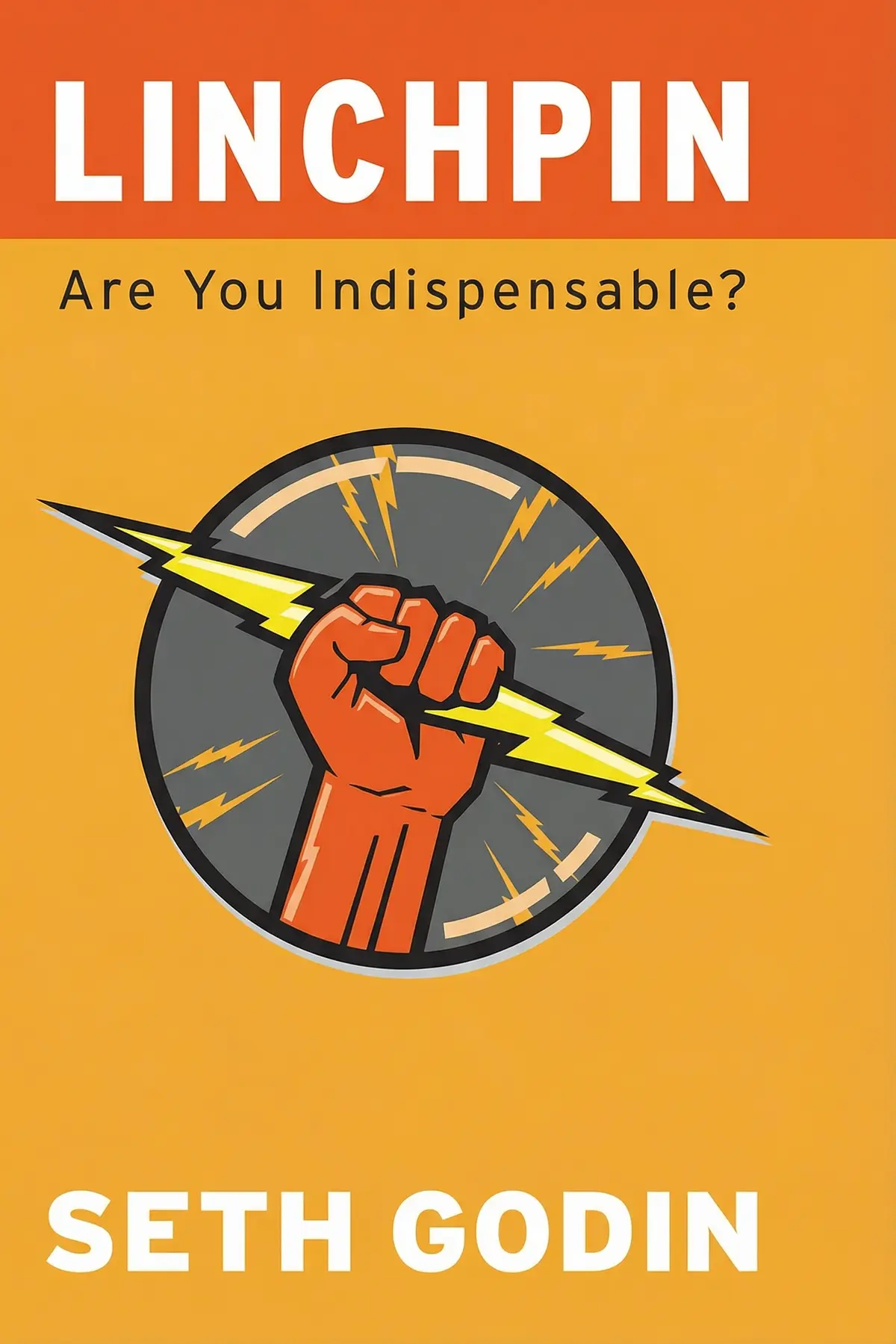
Table of Content
1. Introduction
59 sec
If your work mostly means doing what you are told, someone cheaper, somewhere else, can already do it. In Linchpin, author and entrepreneur Seth Godin argues that this now applies to office desks as much as factory floors, and that the only secure position left is to become someone your organization cannot replace. He calls such people linchpins, and he insists that becoming one depends on a choice, with no special talent or degree required.
The choice has three parts: putting your own judgment and emotion into the work, finishing it and giving it away generously. The biggest obstacle, in Godin’s view, sits inside your head, an old fear wired deep in the brain. His argument offers a way to tell replaceable work from indispensable work, tactics for handling the fear that keeps most people in line, and habits that can make a barista or a flight attendant as hard to lose as a star executive.
2. Spot the work that makes you replaceable
1 min 49 sec
A day laborer on a street corner and a travel agent at a desk face the same quiet threat. Godin traces it back to a pin factory, and it explains who gets cut first.
3. Become the person your company cannot lose
1 min 44 sec
Some employees are first out the door when money gets tight, while others are fought over. The difference has little to do with job title, and a coffee shop shows what it really is.
4. Understand how fear keeps you blending into the crowd
1 min 50 sec
Standing out sounds appealing right up until the moment you have to do it. Godin blames a very old part of the brain, and it speaks in excuses that sound perfectly reasonable.
5. Quiet your fear by refusing to feed it
1 min 44 sec
The anxious habit that seems to calm you down may be the very thing keeping the worry alive. Godin offers two simple tactics, and neither requires courage you do not already have.
6. Turn an ordinary task into your art
1 min 41 sec
A flight attendant reading the safety announcement holds the same choice every worker faces each day. Godin argues that the dullest minute of a job can become its most valuable one.
7. Finish the work and ship it anyway
1 min 45 sec
Picasso made far more paintings than anyone remembers, and a weekly comedy show airs whether its sketches are ready or not. Both point to a rare habit that employers value above polish.
8. Give real gifts and become hard to replace
1 min 44 sec
A photographer gave away every picture he took and ended up with more paid work, not less. Godin explains why generosity without strings now beats the careful fair trade.
9. Conclusion
1 min 05 sec
Godin’s book is, finally, an argument about where safety lives now. It used to live in fitting in: show up, follow the steps, collect the paycheck. That bargain is what left Hector on his corner, waiting to be picked. Godin moves safety to the opposite place, to being the person whose absence would be felt, and he insists the way there runs through choices open to anyone.
The fear will not disappear. The lizard brain will keep supplying reasons to wait, and the urge to refresh the inbox will return. Godin’s linchpins feel all of it and work anyway. They turn the safety announcement into a performance, set a date and keep it, and hand over things nobody asked them to give.
Start with the part of your job that feels most like a checklist and change one piece of it so it carries your own judgment and care. Then ship it, on time, to the people it is for.
The barista who makes strangers walk past a cheaper coffee shop holds no title. He simply decided that the coffee was his art.
About this book
What is this book about?
In factories and offices alike, plenty of jobs now require nothing more than turning up and following instructions. Seth Godin argues that this is exactly what makes those jobs easy to outsource, cut or hand to someone cheaper. The safe place has moved, and it now belongs to the people an organization cannot do without. He calls them linchpins. Linchpins are not defined by rank or talent. Godin describes them as artists in ordinary roles, like a barista or a flight attendant, who put emotional labor into their work, finish what they start and give generously. What holds most people back, in his account, is an ancient part of the brain that treats standing out as danger. Readers get a way to see which parts of their own job are replaceable, practical tactics for quieting the fear of being noticed, and three habits that build an indispensable reputation: treating the work as art, shipping it on time and offering it as a genuine gift.
Book Information
Who it's for
Office workers feeling replaceable
Office workers who suspect their role could be outsourced or automated and want to become harder to replace.
Early-career and feeling invisible
Early-career professionals who follow instructions well but feel invisible at work.
Putting off bold projects
People who procrastinate on bold projects because they fear criticism or standing out.
About the Author
Seth Godin
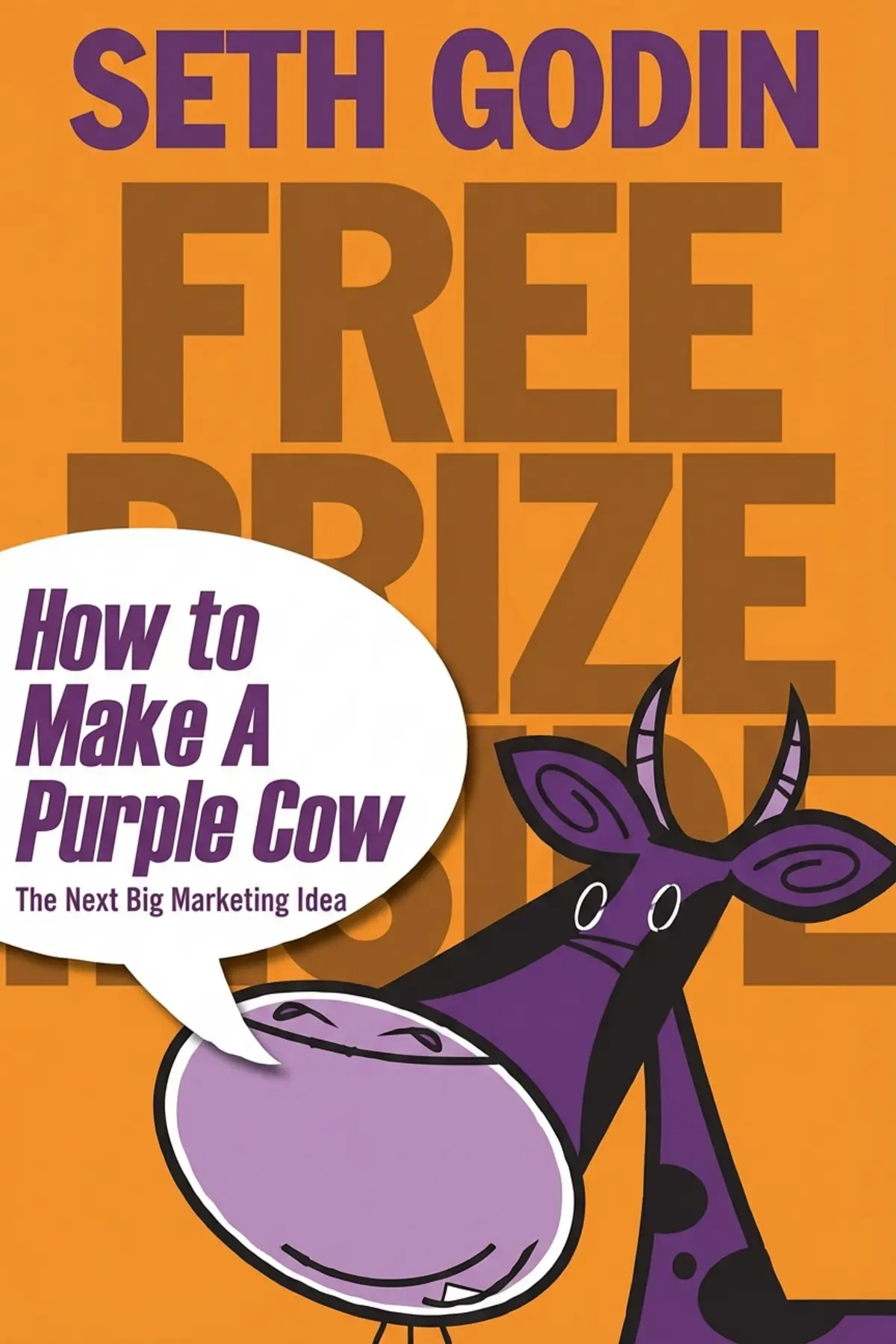
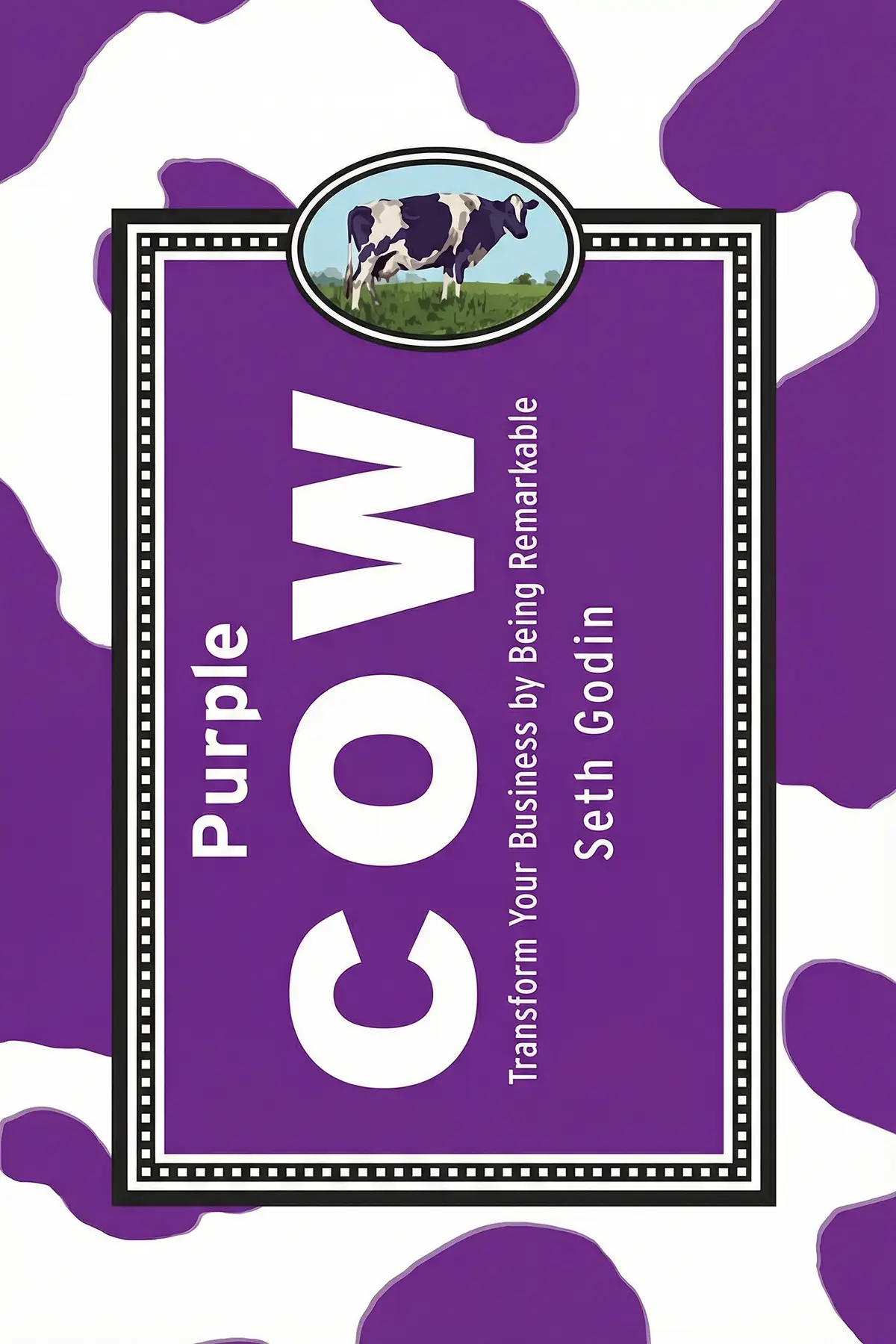
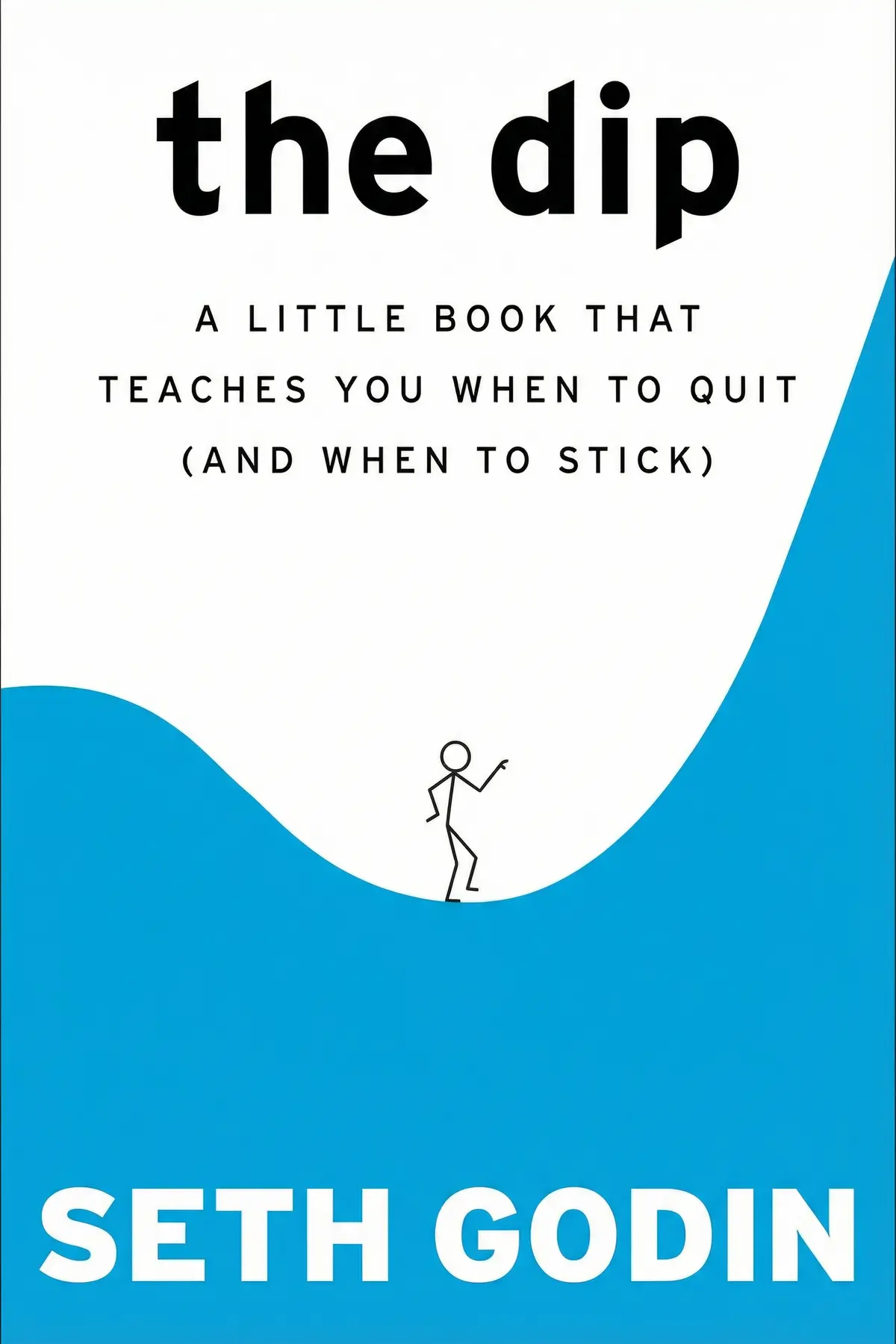
Seth Godin is an American author and entrepreneur, born in 1960, who also writes a blog and has published under the pen name F. X. Nine. He built an early online company, Yoyodyne, sold it to Yahoo! and then served there as Vice President of Direct Marketing. He later founded Squidoo.com and the altMBA, an online education program. His other books include Purple Cow and The Practice, and he has been inducted into the Marketing Hall of Fame.
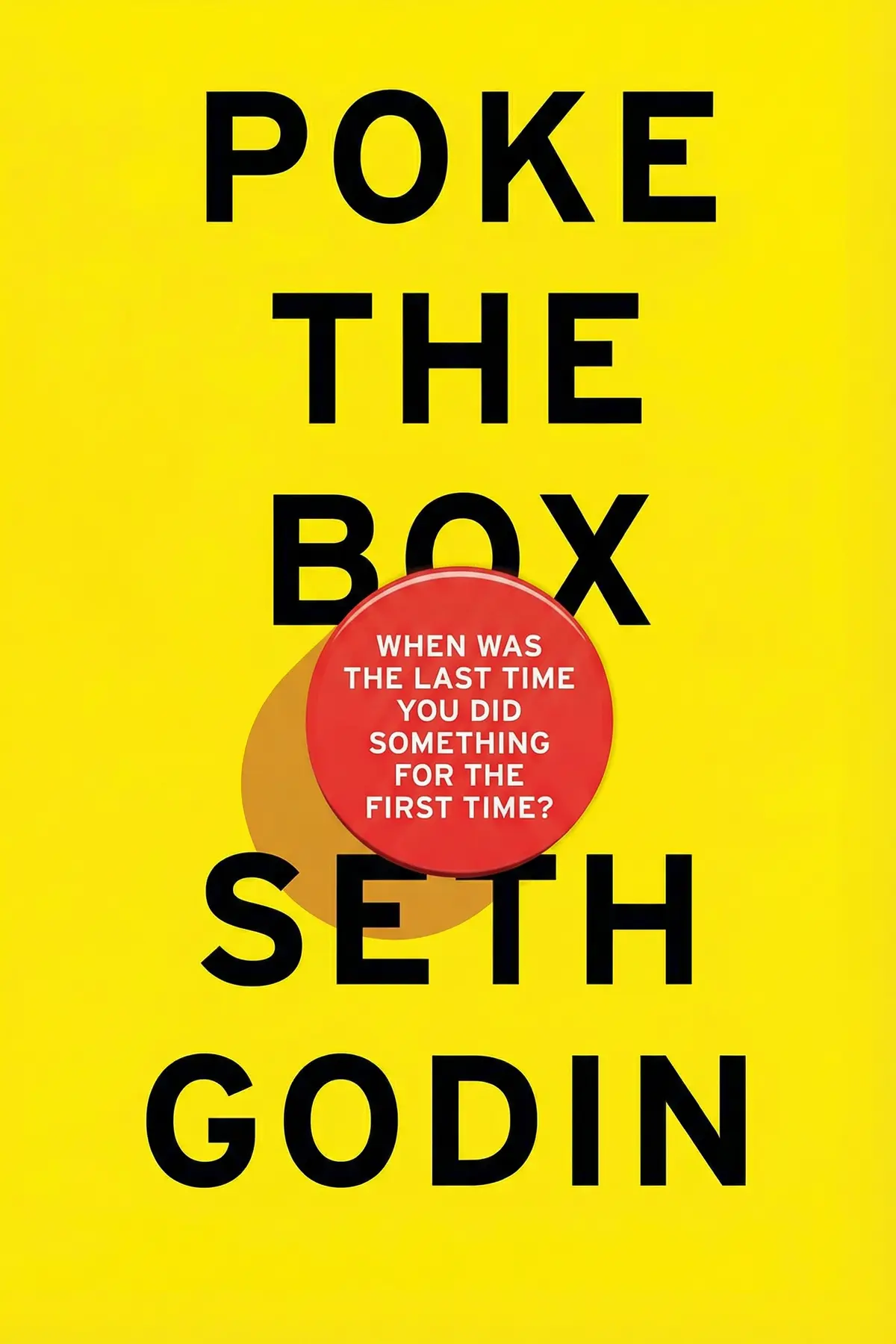

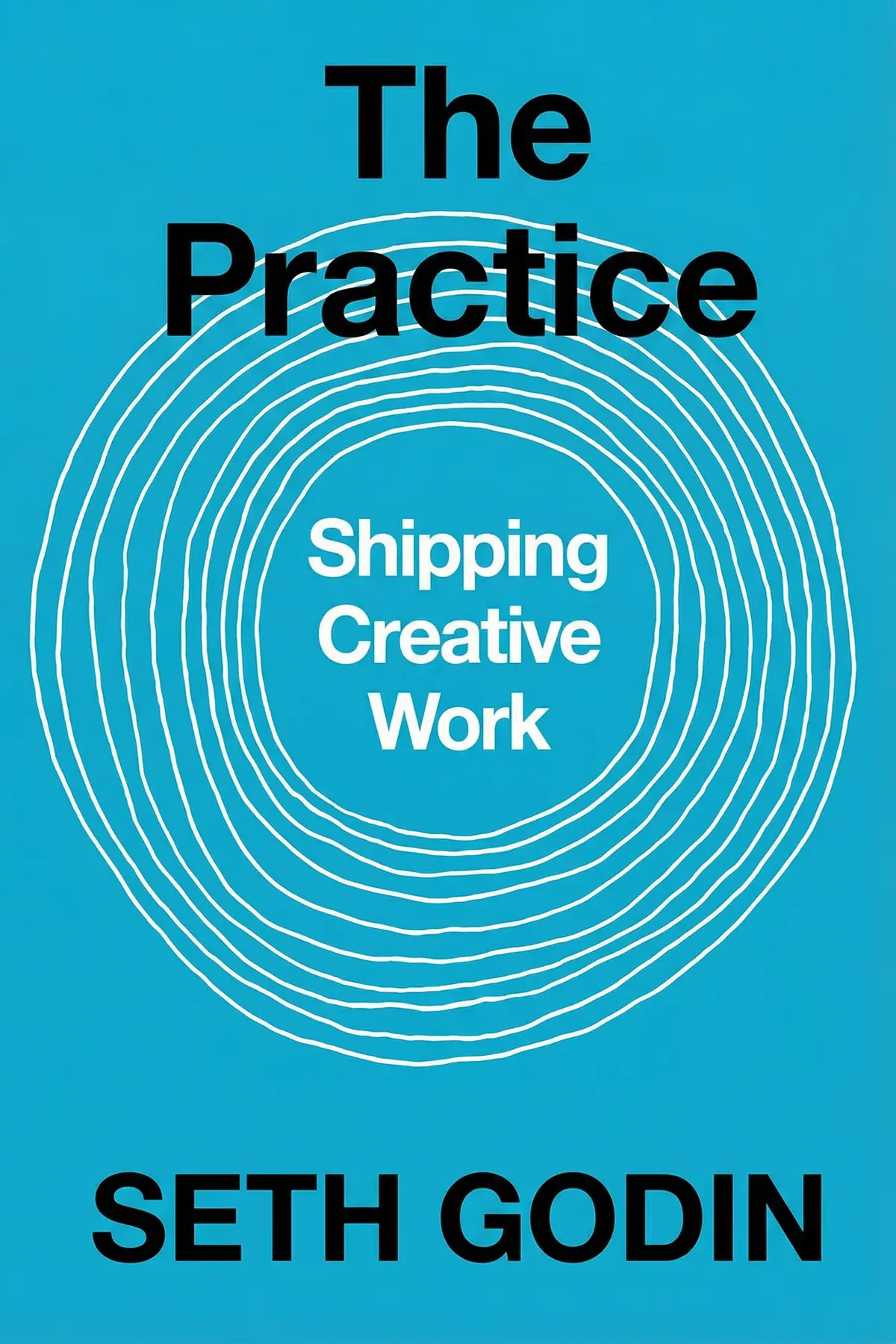
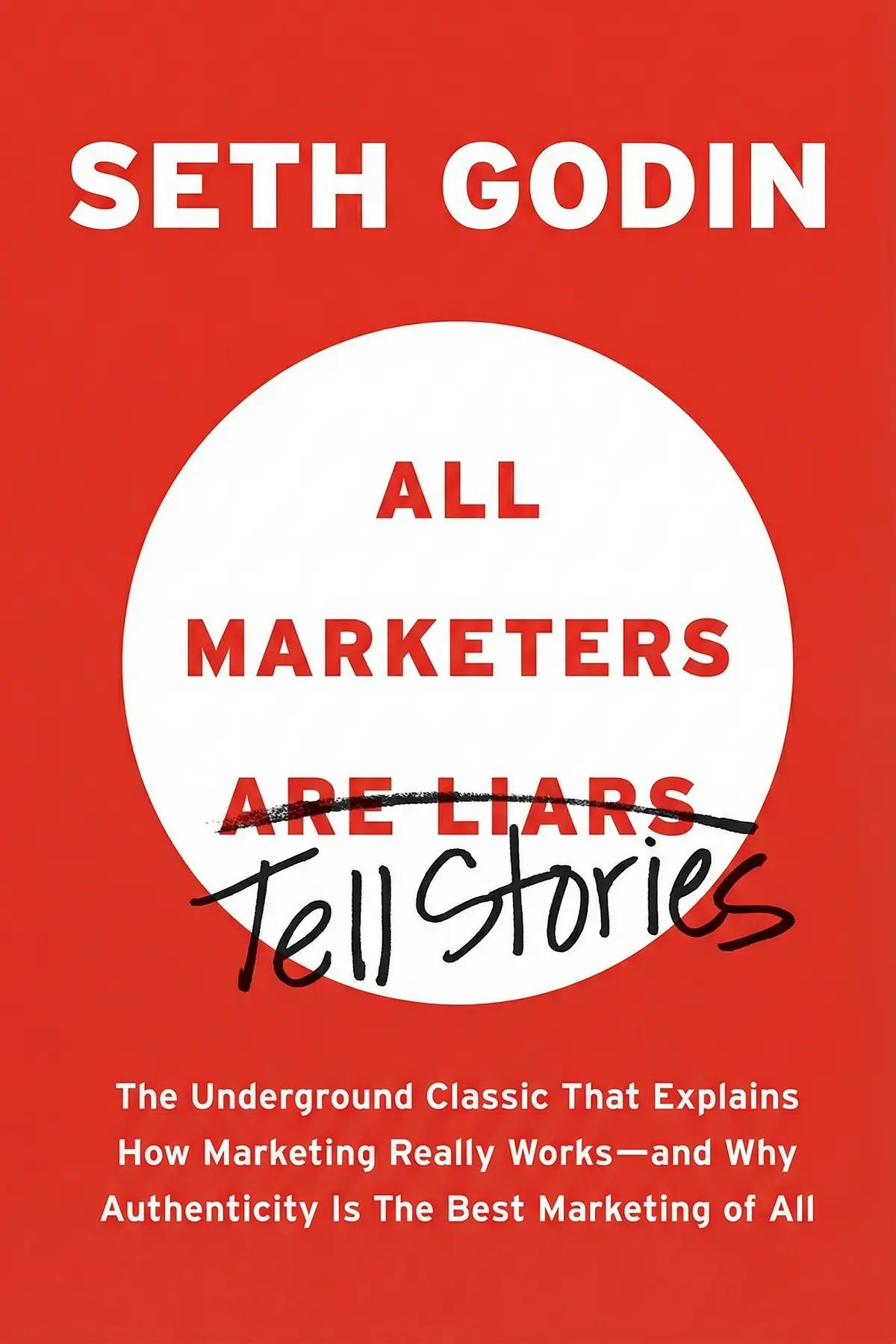
The Practice: Shipping Creative Work
Seth Godin
This Is Strategy: Make Better Plans
Seth Godin
Tribes: We Need You to Lead Us
Seth Godin
Ratings & Reviews
Ratings at a glance
What people think
Listeners find the work stimulating and absorbing, showcasing profound expertise and persuasive evidence. The narrative is skillfully written, with one listener highlighting its highly informal tone, and they value the actionable tips for becoming essential in the professional world. The concepts are impressive, with one review emphasizing the focus on building a legacy through creative thinking. Nevertheless, views on the tempo are varied; while some consider it provocative, others find the repetition irritatingly redundant.
Top reviews
Sirinat
Ever wonder why some people just seem irreplaceable at work while the rest of us feel like expendable cogs in a machine? Linchpin offers a radical shift in perspective that hits like a bolt of lightning for anyone feeling stuck in their career. Godin’s core argument—that we’ve been brainwashed by the outdated factory system—is both terrifying and liberating for the modern professional. I found the section on the lizard brain particularly illuminating, as it explains that nagging resistance we feel when trying to do something truly creative. The truth is, this isn't a manual for your boss; it's a manifesto for your own soul. While his conversational tone makes for a quick read, the depth of insight regarding emotional labor will stick with you for months.
Show morePop
What if the rules we were taught in school were actually designed to make us compliant factory workers rather than leaders? That is the central question Godin explores, and his answer is as challenging as it is inspiring for the modern worker. I loved the comparison to Daniel Pink’s work, but Seth takes it a step further by emphasizing the bravery required to be a linchpin. By choosing to bring your whole self to your work, you become a person who cannot be easily outsourced or automated away. It’s a must-read for anyone looking to reclaim their agency in an increasingly cold and digital economy. You will never look at your job description the same way again.
Show moreRapee
Finally got around to reading this classic and I'm quite annoyed that I waited so long to dive in. The way Godin describes the 'gift' we give through our work resonates deeply with my own experiences in the creative arts. He managed to articulate that weird, internal struggle we all face when we're about to put something new out into the world. This book isn't just about business; it’s a psychological deep dive into why we hold ourselves back from greatness. I’ll be recommending this to every young professional I know who feels trapped by the status quo. It is an engaging and deeply human look at what makes work meaningful.
Show moreTanyaporn
After hearing so much about the 'gift economy,' I finally picked this up to see what the hype was about. Godin argues that being indispensable isn't about working harder, but about bringing a unique human touch that a manual simply cannot replicate. The pacing is provocative and keeps you moving, though I’ll admit he circles back to the same points a bit too often for my taste. Nonetheless, the concrete suggestions on overcoming resistance and 'shipping' your work are invaluable for anyone stuck in a creative rut. It’s about building a legacy through innovation rather than just following orders. It is a thought-provoking read that challenges the status quo of the modern workplace.
Show moreTang
Picked this up during a particularly soul-crushing week at my office job and it was exactly the kick in the pants I needed. Godin’s take on 'emotional labor' changed the way I view my interactions with difficult clients. Instead of seeing it as an annoying chore, I started seeing my patience and empathy as a 'gift' I provide to the organization. This mindset shift is subtle but powerful enough to turn a boring desk job into a platform for genuine art. The writing is super conversational, though the middle chapters do drag a bit as he reiterates the same few themes. Despite the fluff, the message is essential for surviving the post-industrial economy.
Show morePacharapol
As someone who usually finds business books dry and academic, I was pleasantly surprised by how engaging and human this felt. The focus on 'art' being anything that changes another person is a beautiful way to reframe mundane daily tasks. I particularly enjoyed the historical context regarding the rise of the factory system and why those old rules no longer apply today. There are some sections that feel a bit like a motivational poster come to life, which won't appeal to everyone. Regardless, the underlying logic about the value of human connection in the workplace is undeniably sound. It is a well-crafted argument for the importance of being human in a digital world.
Show moreKavya
Not what I expected from a business book, but the unconventional approach is actually what makes it so compelling. Instead of charts and graphs, you get a deep dive into the 'resistance' that keeps us from being our best selves. While the author does repeat himself frequently, the core message about becoming indispensable is more relevant now than ever before. I appreciate how he challenges readers to stop waiting for a map and start drawing their own. It can be a bit provocative at times, but the ideas regarding innovation and leadership are absolutely top-notch. It is a solid resource for anyone wanting to make a real impact at their job.
Show moreHarper
To be fair, I have a love-hate relationship with Seth Godin’s writing style and this book is no exception. On one hand, he identifies the 'lizard brain' perfectly—that primitive part of our anatomy that fears failure and keeps us from standing out. On the other hand, the book is incredibly thin on actual data, relying mostly on anecdotes and pseudo-economics to prove its point. I appreciate the sentiment that we should all strive to be linchpins, but I left wanting more actionable steps rather than just poetic encouragement. It's a great motivational tool, but don't expect a step-by-step guide to career advancement. It feels like a missed opportunity to provide more substance.
Show moreIvan
Look, the ideas here are remarkable, but the delivery feels like it was stretched out just to meet a publisher's word count. The core message—stop being a drone and start being indispensable—is a fact of life that most high-achievers already understand intuitively. Godin’s insights into 'shipping' and why we fail to finish projects are the highlights of the book for me. However, the constant repetition of terms like 'resistance' and 'daemons' started to grate on me by the hundredth page. It's worth a skim for the nuggets of wisdom, but you might find yourself rolling your eyes at the repetitive fluff. It is more of an inspirational speech than a textbook.
Show moreChatchai
This book is basically a 250-page blog post that could have been summarized in a single, well-crafted paragraph. Godin spends the entire time yelling at you to 'be an artist' without ever explaining the actual mechanics of survival in a corporate environment. Frankly, the repetition is mind-numbing; I felt like I was being lectured by a peppy cheerleader who has never actually had to deal with a real-world HR department. The segments on Marxism felt strangely out of place and lacked any real academic rigor, serving only as a weird distraction. If you are looking for a practical guide with actionable steps, you should definitely look elsewhere. Save your time and just read his daily emails instead.
Show moreQuestions about this book
What is the main idea of Linchpin by Seth Godin?
Godin argues that jobs built on following instructions are easy to outsource or cut, in offices as well as factories. The secure path is to become a linchpin, someone an organization cannot do without. Linchpins work like artists: they put emotional labor into their jobs, solve problems without detailed instructions, deliver their work on time and give it generously. Godin says this requires no special talent, only the choice to face the fear of standing out.
What is the lizard brain in Linchpin?
The so-called lizard brain is one of the earliest-developing parts of the human brain, and it produces fear, hunger and anger. It once helped our ancestors escape predators, but today it treats standing out as danger. It fills you with fear before a speech or a bold project and supplies excuses such as having no good ideas or a boss who would never allow it. It also pushes procrastination.
What does shipping mean in Linchpin?
Shipping means finishing your work and releasing it to the people it is for, even when doubt peaks at the last moment. Godin notes that Picasso made over a thousand works and that Saturday Night Live airs every week, rehearsed or not. Ideas without an audience are worthless, he argues. The ability to define, complete and deliver projects as promised is rare, which is why it makes linchpins indispensable.
How can I apply the ideas in Linchpin at work?
Identify the parts of your job someone could do with a checklist, then add your own judgment and care to one of them, the way Godin imagines a flight attendant turning a dull safety announcement into a small performance. Break one anxious habit, such as constantly checking email for criticism. Spread risk across several projects, set a ship date and keep it, and offer colleagues something useful without expecting anything back.
Who should read Linchpin?
It suits employees who worry that their role is replaceable, young professionals who want to stand out, and anyone who keeps postponing bold work out of fear of criticism. Godin’s examples come from ordinary jobs, such as a barista, a customer service agent, a waiter and a flight attendant, so the book speaks to people at any level, with no executive title needed.
Featured in

Readers also enjoyed

60 Seconds & You’re Hired!
Robin Ryan





Be A Free Range Human: Escape the 9 to 5, Create a Life You Love,
Marianne Cantwell
Be the Unicorn: 12 Data-Driven Habits That Separate the Best Leaders from the
William Vanderbloemen
AUDIO SUMMARY AVAILABLE
Listen to Linchpin in 15 minutes
Get the key ideas from Linchpin by Seth Godin, plus 5,000+ more nonfiction titles.
- 5,000+ titles
- Listen as much as you want
- 7-day free trial
- Cancel anytime









