
15 min 03 sec
Available in: English
Heavily Meditated: The Fast Path to Dissolve Stress and Activate Inner Peace
By Dave Asprey
Shows how to stop old fears and emotional triggers from draining your energy, using a forgiveness method, curiosity, breathwork, brief safe discomfort and neurofeedback to reach calm, focused states far faster than traditional meditation.
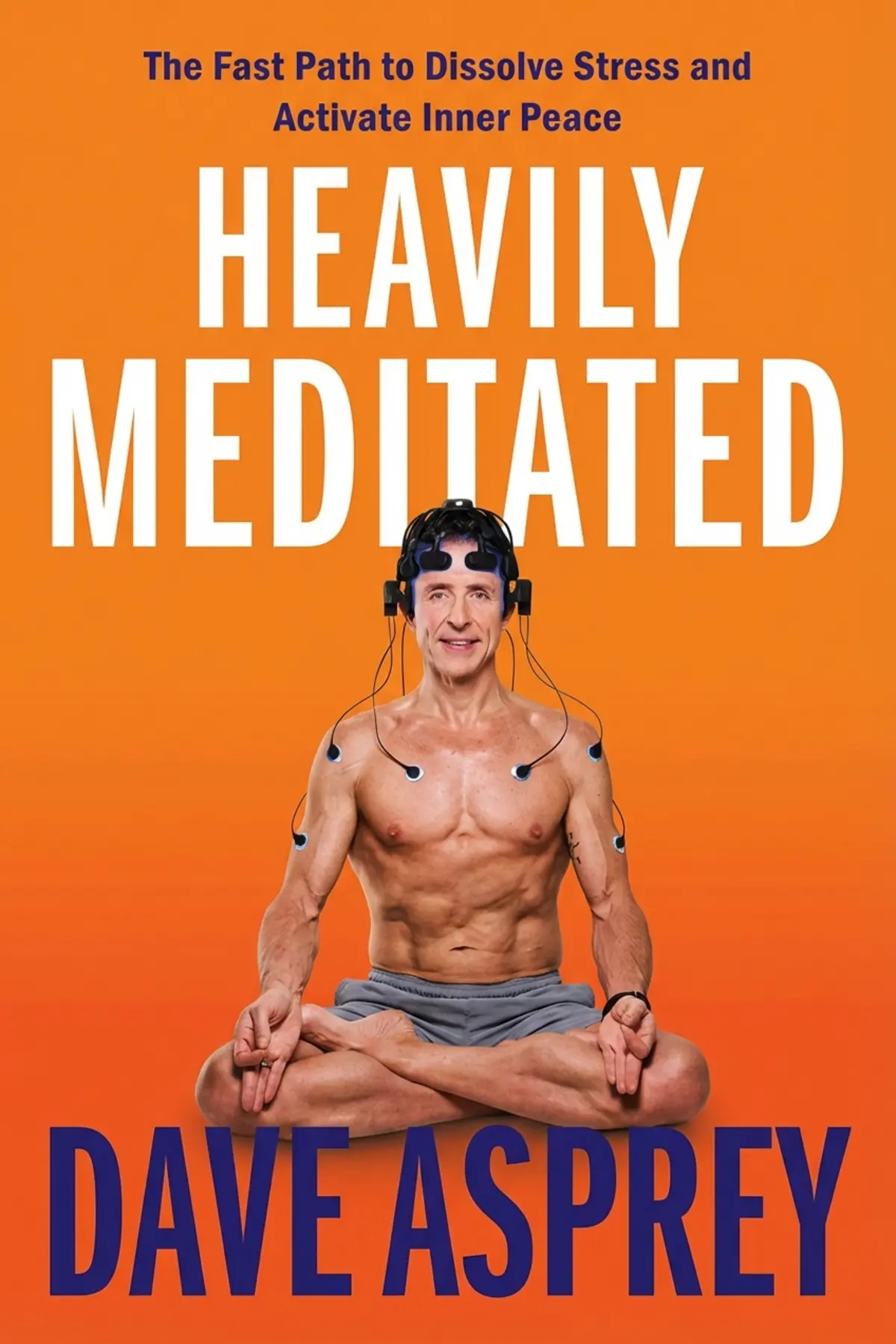
Table of Content
1. Introduction
1 min 02 sec
Running on coffee, snapping at people you love and feeling foggy when focus matters is no character flaw. In Heavily Meditated, tech executive turned biohacker Dave Asprey calls it a survival system stuck on high alert, one you can retrain. His test is blunt: anyone who can set you off has a finger on your trigger, which makes you, in his words, a “loaded gun”. The book grows out of his five-day 40 Years of Zen program and mixes old spiritual traditions with modern technology.
The throughline is that calm is a physical state you can train. Fear spends energy, old hurts store that fear in the body, and you win the energy back by clearing those triggers and giving your brain faster routes into deep meditative states. Expect a forgiveness method, a curiosity trick for anger, a four-count breath, a case for brief deliberate pain, and Asprey’s views on food and sleep.
2. Hear your gut feeling over your fearful ego
1 min 54 sec
Something in your head decides how you feel before you have even registered what happened. Asprey says it means well, overreacts to nearly everything, and can be trained with a few honest questions and a laugh.
3. Stop handing other people control of your mood
1 min 42 sec
A careless comment from a stranger can ruin a whole afternoon, and the reason has little to do with the stranger. Asprey traces it to an alarm system nobody ever taught you how to switch off.
4. Clear an old hurt so it stops firing
2 min 01 sec
Most advice on forgiveness asks you to think kinder thoughts about the person who wronged you. Asprey’s method starts somewhere else entirely, and he says you know it worked when your body stops reacting.
5. Anger loses its grip once you get curious
1 min 48 sec
Telling yourself to calm down rarely works, and telling a crying child to stop works even less. Asprey borrows a question that helps children and shows why it breaks the reaction loop for adults too.
6. Match your meditation to the brain you have
2 min 11 sec
Asprey once meditated for an hour and a half every dawn and found it a burden. His alternative aims to reach deep states in a sliver of that time, and he names the shortcuts he relies on.
7. Use a minute of discomfort to rebuild drive
1 min 32 sec
Easy pleasure all day can leave the things you care about feeling impossible to start. Asprey’s fix sounds like a punishment, and he named a whole chapter of the book after it.
8. A plate and a night that steady your mind
1 min 55 sec
The fog you blame on a busy week may begin at breakfast, or at two in the morning. Asprey’s advice on both runs against much of what many people were taught.
9. Conclusion
58 sec
Asprey warns that a person can be a “healthy jerk”, and that phrase explains what the book is after. A long life and a sharp body count for little if anyone can still set you off. His wager is that inner peace is physical: fear spends energy, old hurts lock it in the body, and the right practice returns it in minutes or days instead of decades of dawn sitting.
You can test that without a five-day program. Take one small trigger through the Reset this week, from naming exactly what happened to finding a spark of gratitude, then notice whether your body still reacts. When anger rises, make it a puzzle by describing where it sits and how heavy it feels. Before a tense meeting, run a few rounds of box breathing, four counts on each side of the box.
The finger on your trigger only matters while the gun stays loaded. Every trigger you clear takes out one more bullet.
About this book
What is this book about?
Plenty of capable people run on coffee and willpower, react sharply to small slights and feel foggy just when focus matters most. Dave Asprey argues that this is a survival system stuck on alert, and that the calm meditation promises can be reached much faster than decades of daily sitting. Drawing on his five-day 40 Years of Zen program, and on data he says comes from more than a thousand people wired with electrodes, Asprey treats the ego as an overeager bodyguard and emotional triggers as stored fear that eats energy. His Reset Process uses gratitude and empathy to switch triggers off in the body. Curiosity turns anger into a puzzle. Breathwork, neurofeedback and a practice of brief safe discomfort he calls BICEP are offered as shortcuts into focused, peaceful states, alongside his views on animal-based food and two-part sleep. Readers get practices they can try this week, from box breathing to a step-by-step forgiveness exercise, plus Asprey's case for matching meditation to the brain you actually have.
Book Information
Who it's for
Pressured professionals and founders
Professionals and founders who run on coffee and snap at people under pressure.
Finding meditation too slow
People who tried daily meditation, found it slow or a burden, and want faster routes to calm.
Wanting to release anger
Readers carrying an old grudge or a quick temper who want a concrete method for letting it go.
About the Author
Dave Asprey
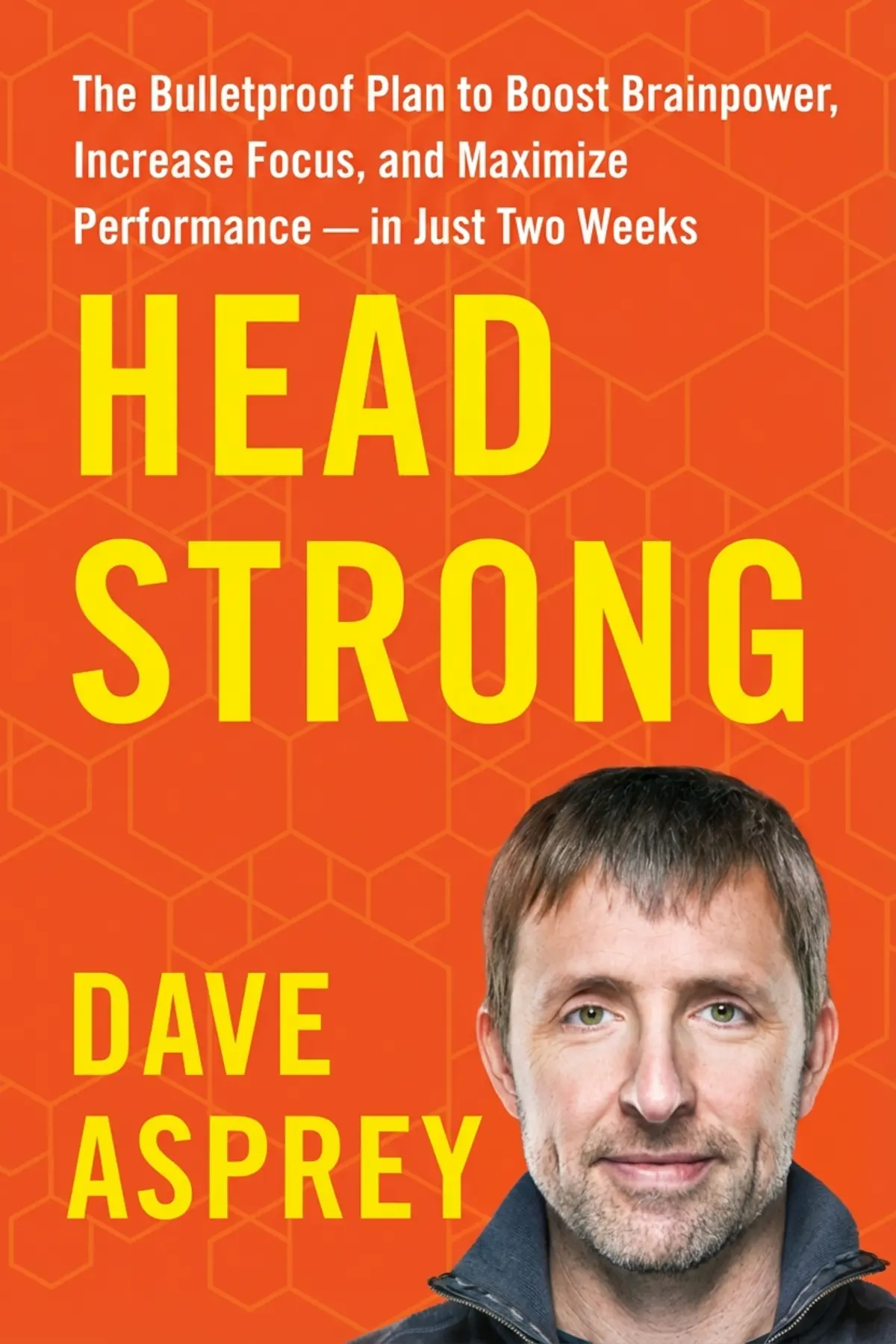
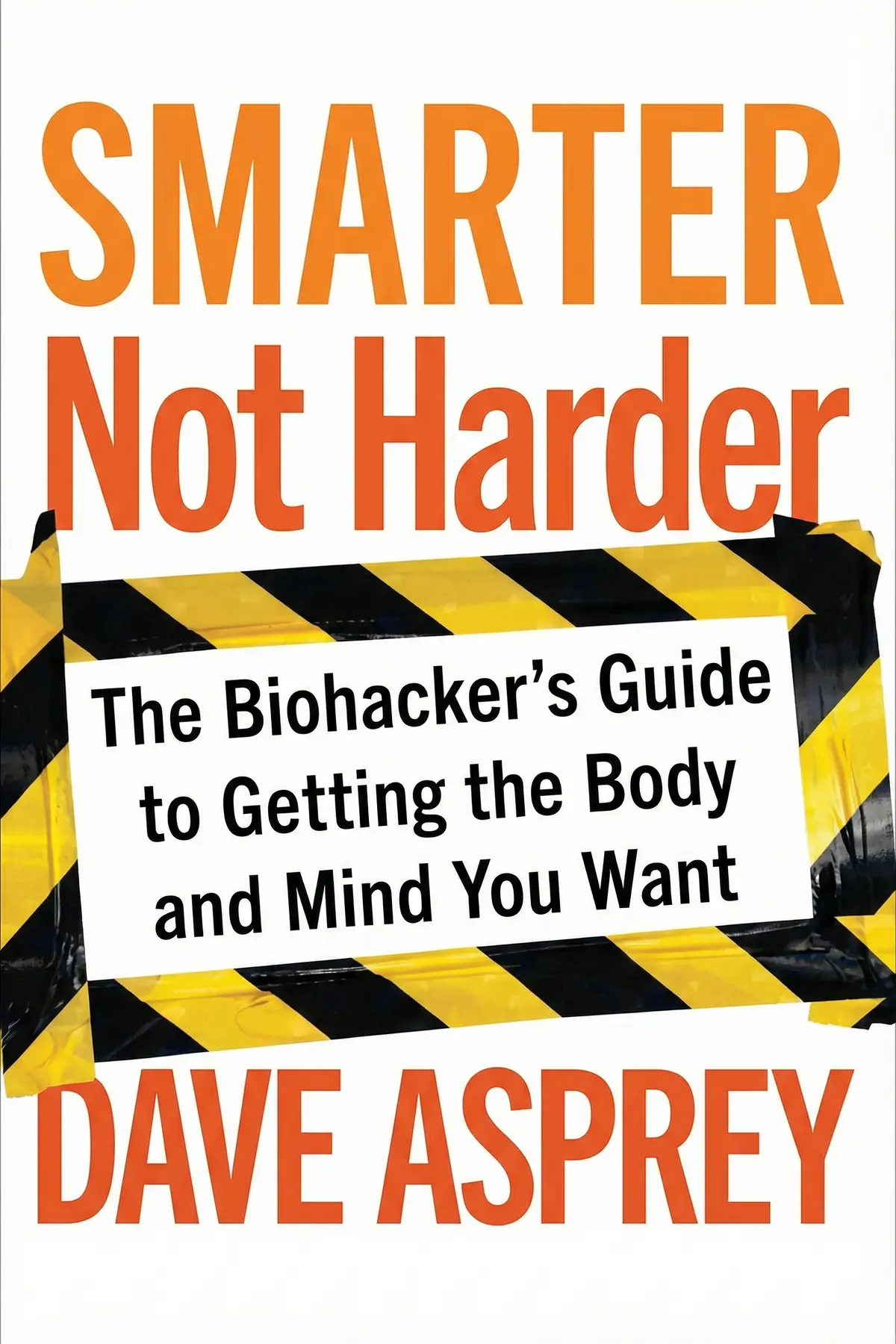
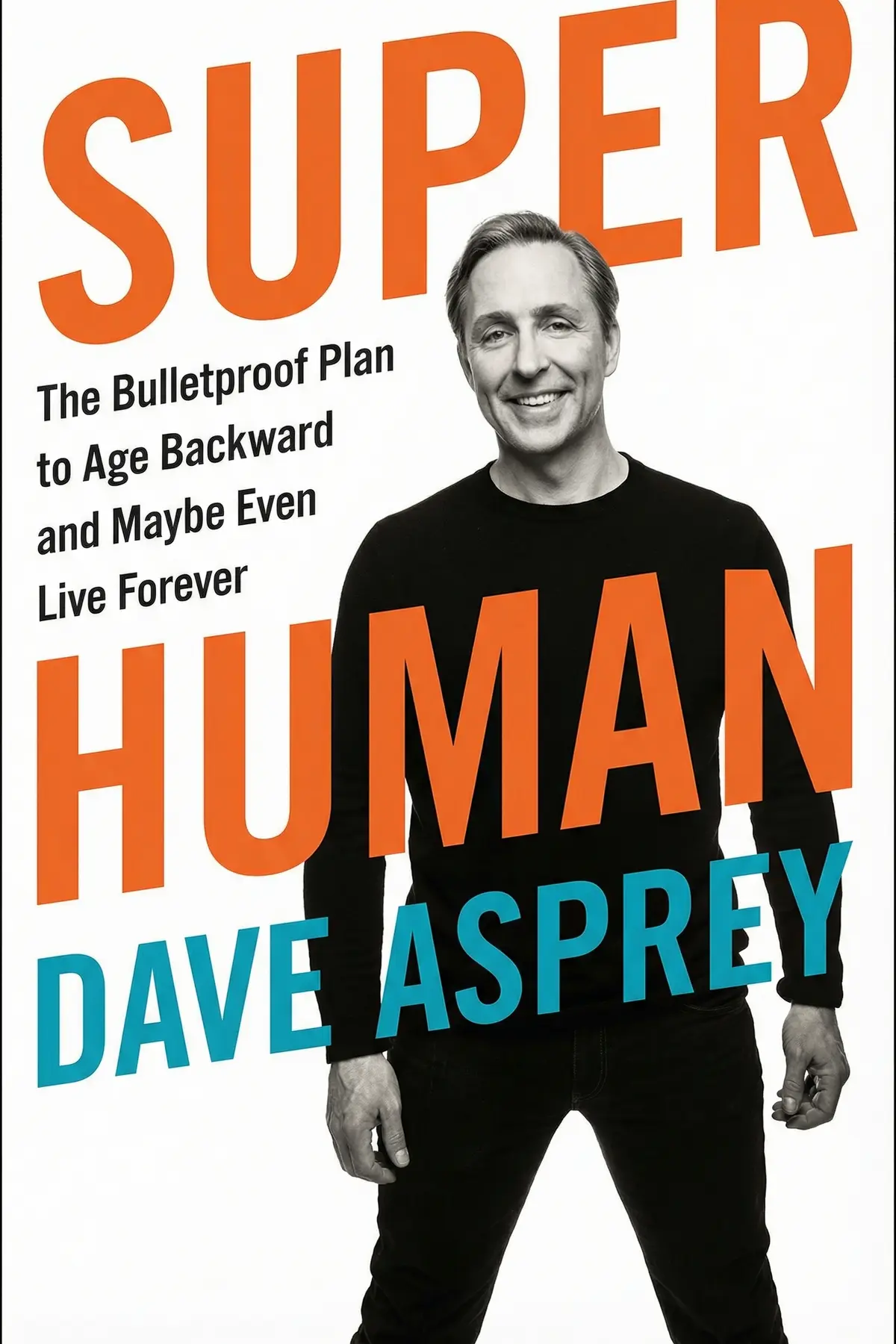
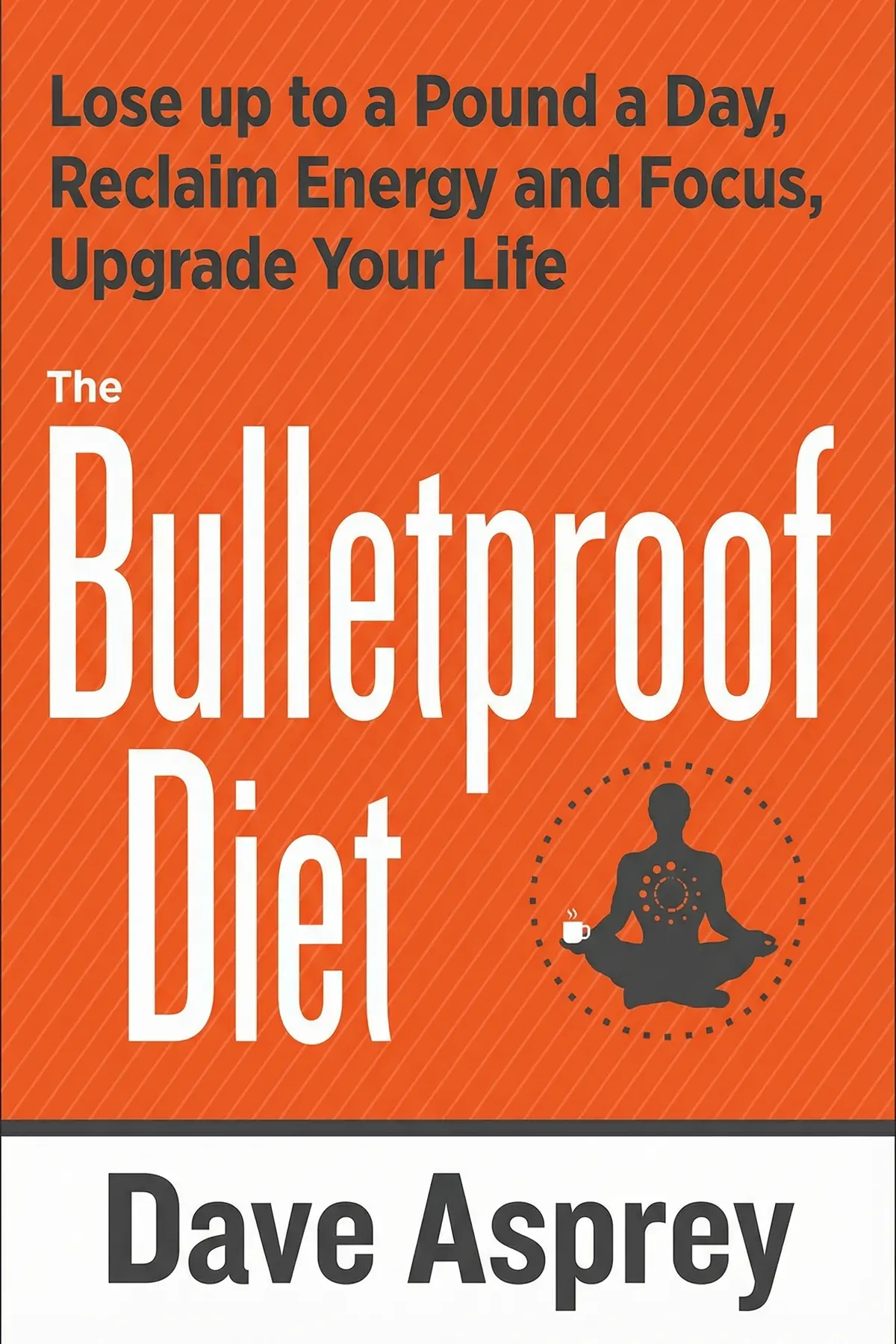
Dave Asprey, born in 1973, spent years in technology as an executive and director at Citrix Systems, Trend Micro and Blue Coat Systems before moving into health and wellness. In 2013 he founded Bulletproof 360 and created Bulletproof Coffee and the Bulletproof Diet, a low-carbohydrate, high-fat plan; dietitians have criticized some of its claims as pseudoscientific. He hosts the podcast The Human Upgrade, formerly Bulletproof Radio, started the Biohacking Conference, and also wrote Head Strong and Smarter Not Harder.
Ratings & Reviews
Ratings at a glance

What people think
Listeners value the book’s meditation methodology, with one listener highlighting the way it merges ancient wisdom and modern neuroscience. The material earns praise for its informative nature, and listeners find the emotional elements helpful, as one review emphasizes its focus on emotional regulation. The provided instruction is also well-regarded; one listener characterizes it as a no-fluff guide, while others appreciate its long-term utility, with one listener noting it functions as a blueprint to resilience.
Top reviews
Pick
The chapter on the Reset Process was a total game-changer for my daily routine. For years, I let my past hurts dictate my present reactions without really understanding the "why" behind my triggers. This book offers a surprisingly emotional path toward forgiveness and self-awareness that I didn’t expect from a "biohacking" guru. Dave explains the ego as an overly enthusiastic responder that avoids pain at all costs, and learning to train that system with curiosity instead of fear has been massive for me. It’s not just about sitting still; it’s about rebuilding your DNA and cellular response to stress. Truly an essential read for those carrying unresolved baggage.
Show moreYuki
If you’re looking for a blueprint to resilience that goes beyond basic "zen" platitudes, this is it. I’ve read a lot of self-help, but the way this book addresses unresolved trauma through a biological lens felt incredibly validating. It’s about more than just deep breaths; it’s about acknowledging your bad habits and actually doing the work to reset your nervous system. I was nervous about the emotional heavy lifting required, but the tools provided make it feel manageable. Don't listen to the skeptics who say it's just advertising—there is deep, transformative wisdom here if you’re willing to look for it.
Show morePun
Dave Asprey definitely brings a unique lens to the world of mindfulness by merging ancient traditions with the latest neuroscience. I found the sections on how mitochondria influence our empathy and general mood to be absolutely fascinating. Truth is, most meditation books ignore the physical hardware of the brain, but here it’s front and center. While some of the biohacking tips felt a bit out of reach for the average person, the "Reset Process" provides a tangible path toward resilience. It’s a solid manual for anyone wanting to clear their mental triggers. I just wish there were fewer mentions of his specific products scattered throughout the chapters.
Show moreHang
Finally got around to reading this and I have to say, the focus on emotional regulation is its strongest point. Many people think meditation is just about "emptying the mind," but Asprey shows how it's actually about training your body's survival systems to stop overreacting to minor inconveniences. The advice on biphasic sleep and the "quiet window" between 1-4 AM was particularly interesting and something I hadn’t considered before. Not gonna lie, some of the biohacking stuff is a bit extreme, but the core message of resilience is universal. It functions as a solid blueprint for anyone trying to upgrade their mental performance.
Show moreHana
Biohacking meets inner peace in a way that only Dave Asprey could pull off. I loved the deep dives into how protein impacts metabolism and how specific fats are essential for maintaining a calm demeanor. It’s a holistic approach that treats the mind and body as one interconnected system, which is something most meditation guides miss. Frankly, the middle section gets a bit bogged down in technical jargon, but the takeaways on clearing triggers are worth the price of admission alone. It’s a 4-star book that could have been a 5-star book with a tighter edit.
Show moreTariq
As someone who has struggled with trauma, I found the "Reset Process" to be a very compassionate and structured way to handle my emotions. The book does a great job of explaining that our triggers are just echoes of past hurts, which helped me view my own outbursts with more curiosity and less shame. Gotta say, I enjoyed the bits about how our ancestors used biphasic sleep before we invented artificial light; it really makes you rethink your entire schedule. While the constant promotion of the $16k Zen program is definitely annoying, the actual advice on grounding yourself and choosing your response is top-tier.
Show moreZoe
After hearing Dave on a podcast, I was excited to dive into his take on meditation, but the reality was a bit of a mixed bag. The first half is packed with practical tools and concepts that actually felt fresh, especially regarding how food changes your energy levels. However, the final third of the book really started losing me with its redundant explanations and circular logic. It honestly felt like the editors could have cut 100 pages without losing any of the core message. I’ll keep using the box breathing techniques, but I don’t think I’ll be revisiting the rest of the text anytime soon.
Show moreWillow
I’m torn on this one because the science is compelling but the delivery is uneven. On one hand, the way he links B12 and animal fats to mood stability and genetic repair is brilliant. On the other hand, the writing style can be a bit jarring and leans heavily into his existing brand ecosystem. Personally, I would have preferred a more streamlined "Bulletproof" format with more bullet points and less narrative filler. It’s a good resource for understanding how sleep and nutrition impact your meditative state, but be prepared to skim through the parts that feel like a podcast transcript.
Show morePhichai
Is this worth the $16k program it’s pitching? Look, I appreciate Dave’s commitment to being a human guinea pig, but this felt more like a 300-page brochure for his 40 Years of Zen retreat than a standalone guide. To be fair, there are some great nuggets about how your ego acts as a survival-focused bodyguard, but you have to dig through a lot of fluff to find them. The constant mentions of Danger Coffee and high-priced supplements got exhausting after a while. I was expecting a "no-fluff" blueprint for emotional regulation, but instead, I got a sales pitch. It’s okay if you’re a die-hard Bulletproof fan, but others might find it repetitive.
Show moreNew
Wait, why is there so much fluff in what was supposed to be a guide to meditation? I’ve been a fan of the Bulletproof diet for years, but this felt like a step backward in terms of quality. The best takeaways—like placing yourself in a past experience to de-escalate the trauma—are things you can find in any basic CBT workbook. I didn't need a 300-page book to tell me to drink Danger Coffee and try box breathing. It felt like a missed opportunity to provide something truly groundbreaking. Unless you’re new to the world of Dave Asprey, you can probably skip this one.
Show moreQuestions about this book
What is the main idea of Heavily Meditated?
Dave Asprey argues that stress, brain fog and quick reactions come from a fear-driven survival system that can be retrained. Clearing the old triggers stored in your body frees the energy fear consumes, and tools such as breathwork, neurofeedback and brief safe discomfort can bring deep meditative states far faster than traditional practice. The book draws on his five-day 40 Years of Zen program.
What is the Reset Process in Heavily Meditated?
The Reset Process is the central program from Asprey’s neurofeedback center, used to remove triggers. You start with a small trigger, picture the person, state exactly what they did and how it felt, and feel it in your body. Then you look for a spark of gratitude, try empathy for their fear or pain, and check whether tension remains. Done well, Asprey says, the memory stops producing a bodily reaction.
What is BICEP according to Dave Asprey?
BICEP stands for Brief Intentional Conscious Exposure to Pain, a name Asprey says he coined. It uses controlled stress that does no damage, such as sprints, ice baths or saunas, to reset a reward system thrown off by instant gratification. He claims one to three minutes can raise dopamine receptor sensitivity by up to 250 percent, so less dopamine is needed for willpower and motivation.
Does Heavily Meditated say traditional meditation works?
Asprey’s provocation is that meditation on its own, done the usual way, is a waste of time. He once meditated for 90 minutes every dawn for over a year and found it a burden despite some benefits. He argues meditation should be personalized and accelerated, using breathwork such as box breathing and technologies like neurofeedback, flickering light and tones to reach deep states in far less time.
Who should read Heavily Meditated?
It suits busy professionals who feel foggy, reactive or drained, and people who found traditional meditation too slow. Readers interested in biohacking will find tools like neurofeedback and cold exposure, while those holding old resentments get a step-by-step forgiveness method. One reader noted that the book largely promotes Asprey’s five-day program, priced at $16,000, though many practices, like box breathing, cost nothing.
Readers also enjoyed

A New Earth: Awakening to Your Life’s Purpose
Eckhart Tolle


Aflame: Learning from Silence
Pico Iyer
Aware: The Science and Practice of Presence
Daniel Siegel
Be Here Now
Ram Dass
AUDIO SUMMARY AVAILABLE
Listen to Heavily Meditated in 15 minutes
Get the key ideas from Heavily Meditated by Dave Asprey, plus 5,000+ more nonfiction titles.
- 5,000+ titles
- Listen as much as you want
- 7-day free trial
- Cancel anytime









