
14 min 51 sec
Available in: English
Super Human: The Bulletproof Plan to Age Backward and Maybe Even Live Forever
By Dave Asprey
Dave Asprey's plan for slowing aging at the level of the cell, through low-carb eating, fasting, morning sun, less blue light at night, tracked sleep, hormone care and stem cell repair.
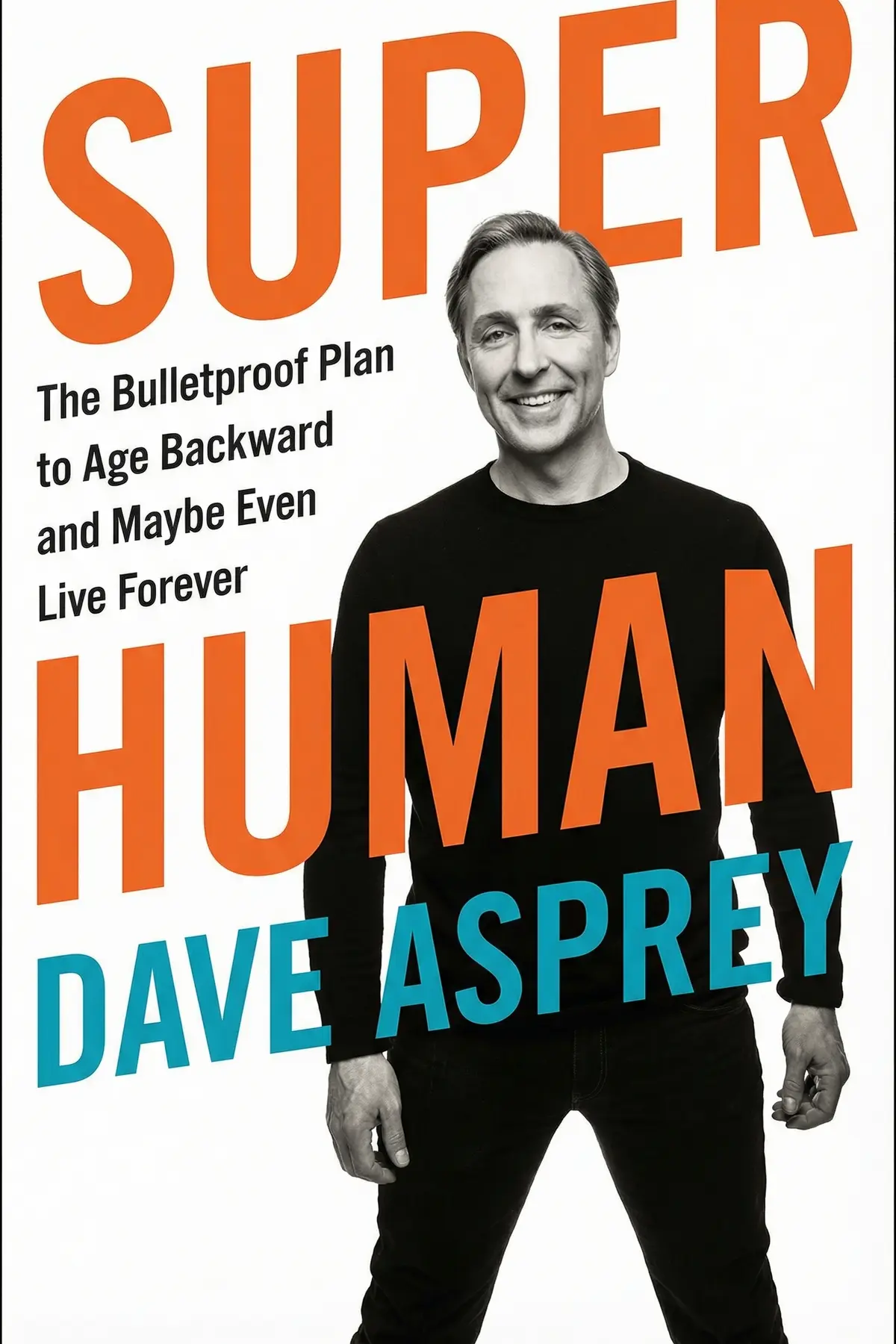
Table of Content
1. Introduction
55 sec
If you feel more tired than your age should allow, Dave Asprey says the cause may be in your cells and not in your birthdays. In Super Human, the entrepreneur behind Bulletproof Coffee argues that aging starts when mitochondria, the tiny power plants inside each cell, begin to fail. He also argues that daily habits can slow that decline and partly reverse it. He learned this the hard way. In his twenties, tests showed his body was already biologically middle-aged.
His case rests on one idea. Protect your mitochondria and the rest follows: lower odds of the diseases that kill most people, more energy now and a younger face as a side effect. The plan covers food, light, sleep, hormones and stem cells. Some steps cost nothing and some cost thousands. You will hear his reasons and a handful of experiments you can begin tonight.
2. Find your real age inside your cells
1 min 46 sec
A man in his twenties learned that his body was already middle-aged. What the tests found, and how he reacted, shaped a theory of aging that comes down to one tiny structure inside every cell.
3. Build your plate around fat and clean protein
1 min 46 sec
The very act that keeps us alive turns out to be one of the main things wearing our cells down. Asprey’s answer is not to eat less, but to be far pickier about two kinds of food.
4. Teach your body to run on two fuels
1 min 48 sec
One fuel burns more cleanly than the other, yet relying on it all the time carries its own risk. Asprey’s fix costs almost nothing, and a fasting study from Japan helps explain why it works.
5. Get morning sun and dim the evening glow
1 min 47 sec
A Swedish study found that one widely recommended health habit cut years off people’s lives. Meanwhile, a far more common exposure, the one in your pocket, gets almost no warning at all.
6. Track your sleep stages to rest deeper
1 min 48 sec
A study of adults over thirty challenged the familiar advice on how many hours to sleep. Asprey argues the number on the clock matters less than something most people never measure.
7. Rebalance your hormones with tests and short workouts
1 min 53 sec
A famous breakfast cereal was created to suppress desire. Asprey uses that strange history to explain why both men and women should care about one hormone usually linked only to the bedroom.
8. Repair from within and look younger too
1 min 52 sec
A large scar on a woman in her late sixties became almost invisible. Asprey describes the costly treatment behind that result, then turns to cheaper ways to fight wrinkles, gray hair and thinning hair.
9. Conclusion
1 min 16 sec
Asprey’s goal is extreme, since he expects to pass 180, yet the parts most people can use are modest and cheap. Each habit sends a signal to your mitochondria: what you eat, when you stop eating, what light reaches your eyes and how deeply you sleep. Some steps cost real money, since stem cell treatment runs to thousands of dollars, and he advises doing hormone therapy only under a specialist’s close guidance. Most of the rest costs nothing.
The evening is a good place to start, because several of his ideas meet there. Dim the lights from eight o’clock, warm the color of your screens and track a week of sleep to see what changes. Fit your meals inside an eight-hour window and swap one grain-based meal for fat and clean protein. Get ten to twenty minutes of early sun.
He offers one more test that takes a minute. Relax your jaw with your mouth open, then bite down slowly. If your back teeth do not meet evenly just before your front teeth touch, he says a misaligned bite may be pushing your trigeminal nerve to send stress signals through the body. A bite guard is his fix. For Asprey, staying young comes from small signals like these, repeated every day.
About this book
What is this book about?
Most people expect to reach about eighty and then die of cancer, Alzheimer's or heart failure. Dave Asprey thinks they are aiming too low. In his twenties, tests showed that his body was already biologically middle-aged. He set out to rebuild his health, and he now says he expects to live past 180. His argument starts with the mitochondria, the structures that make energy inside every cell. As they wear out, they release free radicals that inflame the body and prepare the ground for degenerative disease. Asprey's plan aims to protect them. He cuts grains and sugar and favors good fats and grass-fed meat. He cycles in and out of ketosis and eats within a short daily window. He takes morning sun and blocks blue light after dark. He tracks his sleep stages, gets his hormones tested, and in his own case has used bioidentical hormone therapy and stem cell injections. Readers get a set of habits ranging from free to expensive, his reasons for each, and the studies and personal stories he uses to back them.
Book Information
Who it's for
Professionals feeling worn out
Professionals who feel more tired than their age suggests and want specific daily habits to test.
Curious about health trends
People curious about keto, fasting, sleep trackers or hormone testing who want one plan connecting them.
Interested in biohacking
Readers interested in biohacking who want to hear the case for longevity from the man who started the Biohacking Conference.
About the Author
Dave Asprey
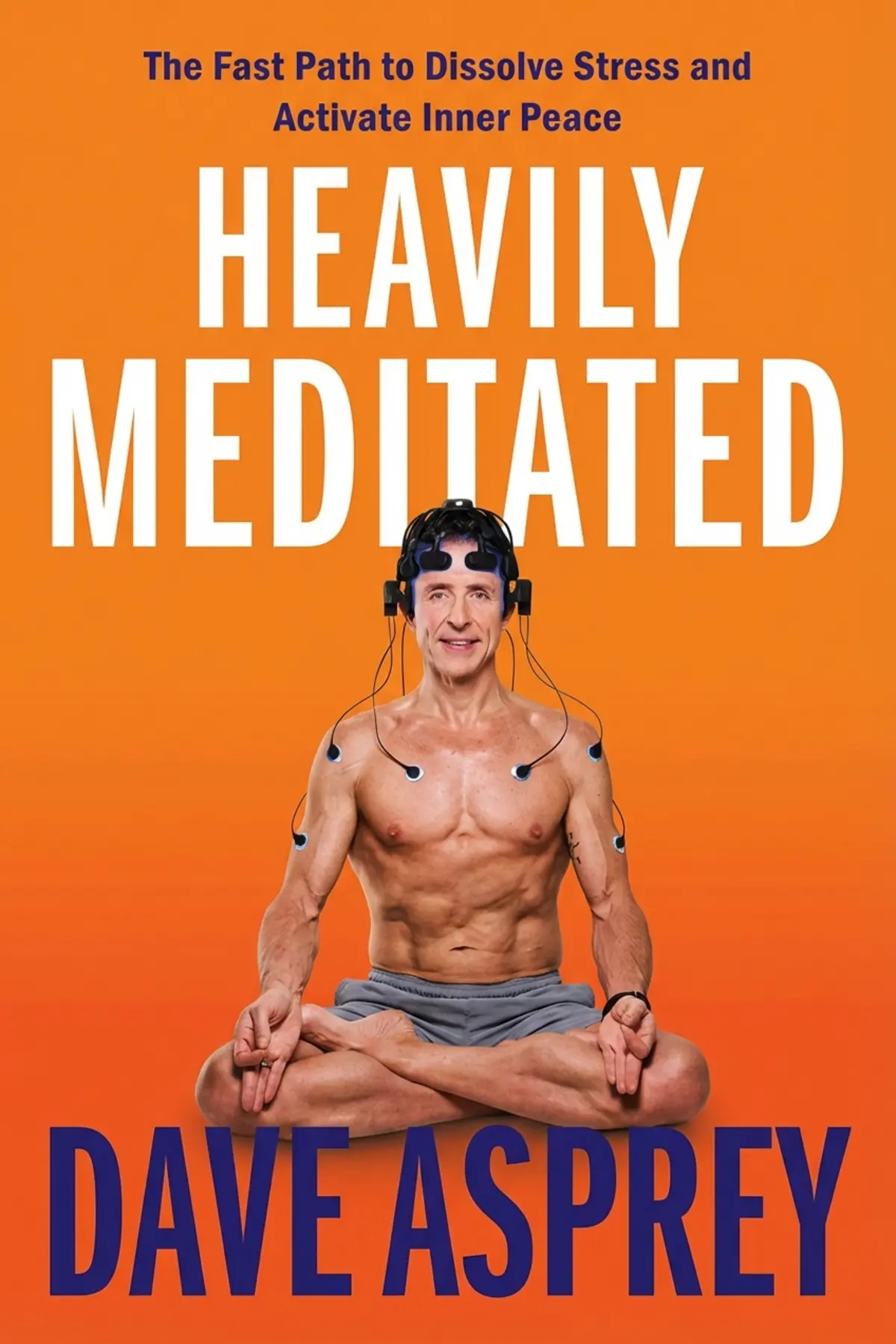
Dave Asprey, born in 1973, worked in technology, including executive and director roles at Trend Micro, Blue Coat Systems and Citrix Systems, before moving into health and wellness. In 2013 he founded Bulletproof 360 and created Bulletproof Coffee and the Bulletproof Diet, a low-carbohydrate, high-fat plan. Some dietitians have called parts of his diet claims pseudoscientific. He hosts the podcast The Human Upgrade, started the Biohacking Conference, and also wrote The Bulletproof Diet, Head Strong and Smarter Not Harder.
Ratings & Reviews
Ratings at a glance

What people think
Listeners find this to be a compelling read that is loaded with helpful details and well-documented research. They appreciate the guidance on boosting health, where one listener notes that changing one’s lifestyle can substantially decrease disease risk and provide hope for bettering every facet of life. Listeners regard it as one of the greatest books written on longevity and feel it is well worth the price, with one review calling attention to various actionable low-cost hacks. However, safety perspectives are split, with some listeners describing the material as dangerous.
Top reviews
Roongsak
Finally got around to reading this and my mind is completely blown by the sheer scope of the research presented here. Asprey is a true game-changer in the biohacking space, taking these seemingly outrageous ideas and turning them into a lifestyle that actually feels achievable. I love how he details his own journey as a human guinea pig, testing everything from jaw alignment to stem cell injections so we don't have to. The book provides a sense of hope that we can actually take control of our biology and drastically reduce our risk of chronic disease as we age. It’s not just about living longer; it’s about maintaining a high quality of life until the very end. Every page is packed with information that feels both revolutionary and grounded in a deep passion for human potential. This is easily one of the most important books on health I’ve read in the last decade.
Show moreSkylar
The chapter on lighting and mitochondrial health changed the way I set up my entire home office. I had no idea how much the "junk light" from my LED monitors was impacting my sleep and overall energy levels until I read this. This book is a goldmine for anyone who wants to optimize their environment for peak performance and long-term health. Asprey doesn't just tell you what to do; he explains the "why" behind it, providing a huge amount of notes for those who want to dig into the research. Personally, I found the information on jaw alignment and its impact on the nervous system to be one of the most fascinating parts of the entire book. It’s a dense read, but the index makes it easy to jump back to specific topics when you need a refresher. If you're serious about longevity, this belongs on your bookshelf.
Show moreTippawan
After hearing Dave on a few podcasts, I wasn't sure what to expect, but this book is surprisingly comprehensive. It covers everything from the air you breathe to the specific supplements that can help repair cellular damage over time. What I appreciate most is the sense of empowerment it gives you; you don't have to just accept aging as a slow decline into disease. The action items are clear, and while some are expensive, there are plenty of low-cost alternatives if you look closely. I bought the physical copy so I could highlight the research trails and use the index as a reference guide. It’s a fascinating read that challenges a lot of the conventional wisdom about what it means to get older. This book isn't just for health nuts; it's for anyone who wants to stay sharp and active for as long as possible.
Show moreEye
Dave Asprey has essentially created a handbook for those obsessed with the idea of living forever. I found the sections on mitochondrial health and lighting to be particularly enlightening, even if some of the ozone therapy stuff seems a bit too "out there" for the average person. Look, you don't have to agree with every single point to get value from the specific action items he lists at the end of each chapter. The writing is punchy and energetic, which keeps you engaged even when the science gets a bit dense or technical. I appreciated how he breaks down complex biological processes into something a layman can actually understand. It’s a solid resource for anyone looking to optimize their daily routine without spending a fortune on high-tech gear. Just be prepared to filter out the more experimental hacks that aren't quite ready for primetime yet.
Show moreRose
Ever wonder if it’s actually possible to live to 180 years old? Asprey certainly thinks so, and his enthusiasm for the subject is both infectious and slightly hilarious in its intensity. He reminds me a bit of a modern-day William Shatner, obsessed with his own legacy and longevity in a way that is actually quite entertaining to read. Despite the occasional narcissism, there are some really valid takeaways here regarding inflammation and toxic materials in our environment. I’ve already started implementing some of the dietary changes and I can say I feel more focused throughout the day. The book is well-structured and the narrative flows smoothly from one "hack" to the next without feeling disjointed. It’s a great starting point for anyone curious about anti-aging, provided you can navigate the author's larger-than-life personality.
Show moreSara
This book serves as a fascinating deep dive into the current state of anti-aging technology. Dave Asprey has a knack for finding the most cutting-edge research and distilling it into something that feels like a roadmap for the future. Not gonna lie, some of the hacks sound completely insane at first, but he usually provides enough context to make you at least consider them. I particularly enjoyed the sections on brain health and how to avoid the "four killers" of aging through specific dietary choices. My only real gripe is that he can be a bit dismissive of traditional medical advice, which might lead some readers down a dangerous path if they aren't careful. Overall, it’s a brilliant piece of work that will definitely make you rethink your daily habits. It’s worth the price of admission just for the insights into mitochondrial function.
Show morePla
As someone who has followed the Bulletproof journey for years, this book feels like a bit of a mixed bag compared to his earlier work. On one hand, you have these fantastic, low-cost hacks like changing your lightbulbs or adjusting your sleep position that anyone can do. On the other hand, a lot of the suggestions feel like "high hanging fruit" that require a massive amount of disposable income and time. Not everyone can afford regular ozone therapy or specialized blood work, which makes some chapters feel a bit alienating for the average reader. To be fair, he does include summaries that help you distill the main points, but I found myself skipping the parts that felt like a sales pitch. It’s worth a read for the novel ideas, but take the more extreme recommendations with a grain of salt.
Show moreOksana
To be fair, there are some gold nuggets buried in here if you are willing to sift through the more eccentric stuff. The first half of the book is quite strong, offering realistic ideas for diet and lifestyle that most people can implement without much trouble. However, the second half veers into territory that I would consider borderline irresponsible for a general audience to attempt. He is basically a human guinea pig, which is fine for him, but recommending some of these experimental hacks to the public feels a bit reckless. I also found the constant mention of his own product lines to be a bit distracting and it made me question his objectivity. That said, his perspective on biohacking is unique and he certainly knows how to popularize complex health topics. It’s an interesting read for the curious, but please use common sense.
Show moreJoseph
While the concept of slowing down the clock is appealing, I couldn't get past some of the questionable claims regarding hormonal health. Specifically, his take on birth control and aging seems to fly in the face of established research, which makes me doubt the validity of the rest of his "science." The truth is that Asprey often sounds like he’s trying to sell you his own line of products, like recommending XCT oil when standard coconut oil would likely suffice for most people. I found the tone to be a bit arrogant and the constant self-promotion really took me out of the reading experience. It’s disappointing because there are some decent tips on sleep and diet buried under a mountain of expensive, single-study experimental hacks. If you have an unlimited budget and a high tolerance for pseudoscience, you might enjoy this, but otherwise, I'd suggest looking elsewhere for longevity advice.
Show moreWatchara
Frankly, this felt more like a giant advertisement for specific supplements and expensive gadgets than a legitimate health guide. I was looking for actionable advice but instead found a lot of "solutions" that involved buying things directly from the author’s website. The safety aspect of some of these hacks is also quite concerning, as he often relies on single studies or anecdotal evidence to support rather extreme interventions. In my experience, real health comes from the basics—good food, exercise, and sleep—not from dangerous experimental procedures that haven't been properly vetted. The writing style is fine, but the substance feels thin once you strip away the marketing fluff and the high-tech jargon. I’m tired of health gurus who prioritize their profit margins over balanced, evidence-based recommendations for the general public.
Show moreQuestions about this book
What is the main idea of Super Human by Dave Asprey?
Asprey argues that aging begins in the mitochondria, the energy makers inside cells. As they falter, they release free radicals that cause inflammation and lead to diseases like cancer. His plan protects them through low-carb eating, fasting, morning sunlight, less blue light at night, better sleep, hormone care and stem cell treatments. He believes this can slow aging and partly reverse it.
What diet does Super Human recommend?
Asprey recommends avoiding grains and sugar and building meals around good fats and grass-fed meat. He suggests a cyclical ketogenic diet: high fat most days, with about 150 grams of low-sugar carbohydrates on one or two days a week. He pairs it with intermittent fasting, eating within a six to eight hour window each day, and avoids trans fats and charred or fried meat.
How does Super Human say light affects aging?
Asprey cites a Swedish study in which completely avoiding the sun cut life expectancy by 0.6 to 2.1 years. His advice is a daily dose of ten to twenty minutes of UV light, preferably in the morning. Blue light from LEDs and screens, he says, suppresses melatonin and raises blood sugar at night, so he dims lights from eight in the evening and uses screen filters or tinted glasses.
How can I apply Super Human without spending much money?
Most of Asprey’s habits are free or cheap. Eat within an eight-hour window, cut grains and sugar, get early morning sun and dim your lights after eight in the evening. Track your sleep with an app and compare one week with the next after changing a habit. Short HIIT or strength sessions one to three times a week can also raise testosterone, he says.
Who should read Super Human?
It suits people who feel older or more tired than they should and want a detailed list of habits to try, from fasting to sleep tracking. It also suits readers curious about biohacking and about costly options such as bioidentical hormone therapy and stem cell treatment, which Asprey has used himself and says should be done with a specialist.
Readers also enjoyed



AUDIO SUMMARY AVAILABLE
Listen to Super Human in 15 minutes
Get the key ideas from Super Human by Dave Asprey, plus 5,000+ more nonfiction titles.
- 5,000+ titles
- Listen as much as you want
- 7-day free trial
- Cancel anytime









