
15 min 08 sec
Available in: English
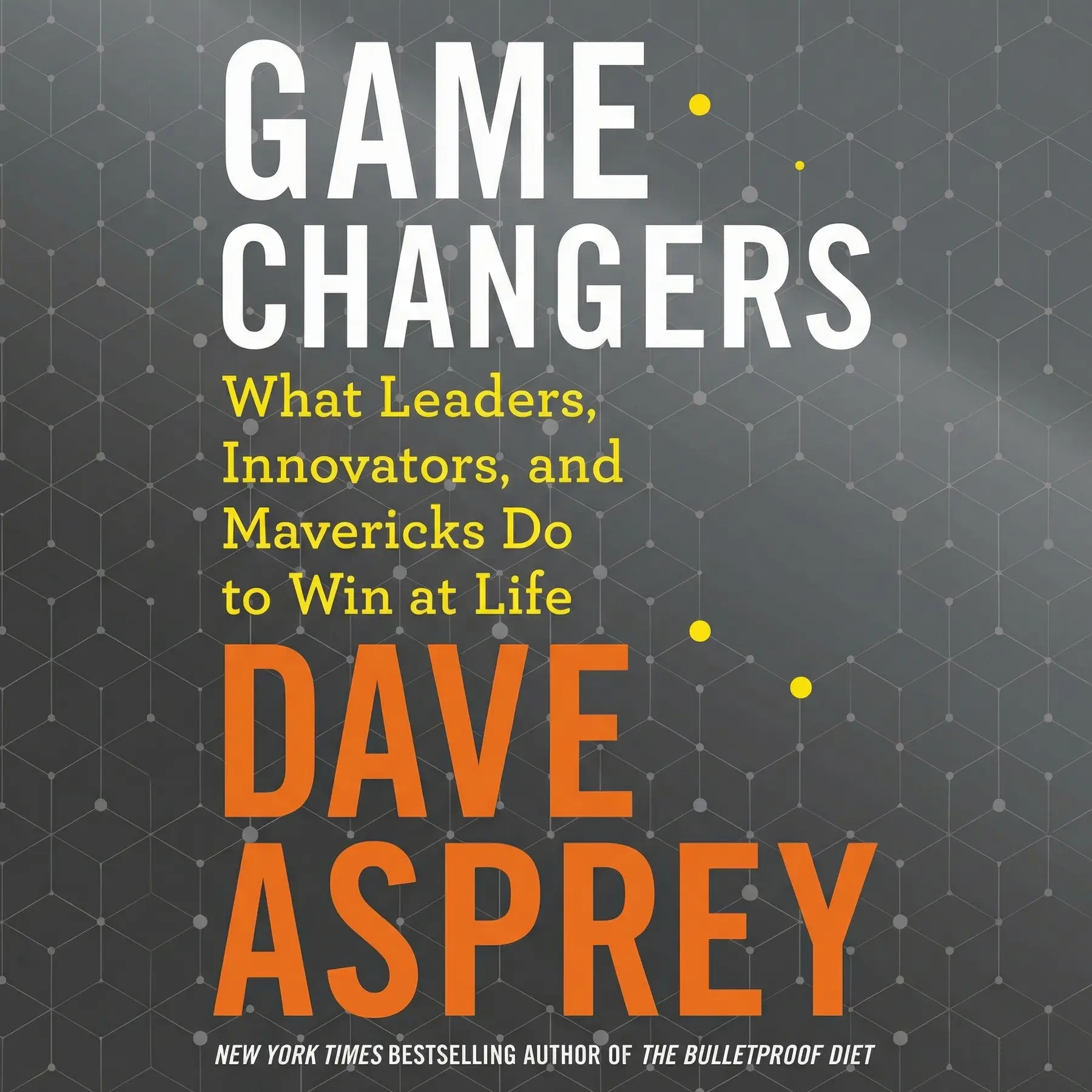
Game Changers: What Leaders, Innovators, and Mavericks Do to Win at Life
By Dave Asprey
Shows how to take charge of the old survival urges around food, sex and fear, so your energy, sleep and attention go to the goals you chose rather than to autopilot.
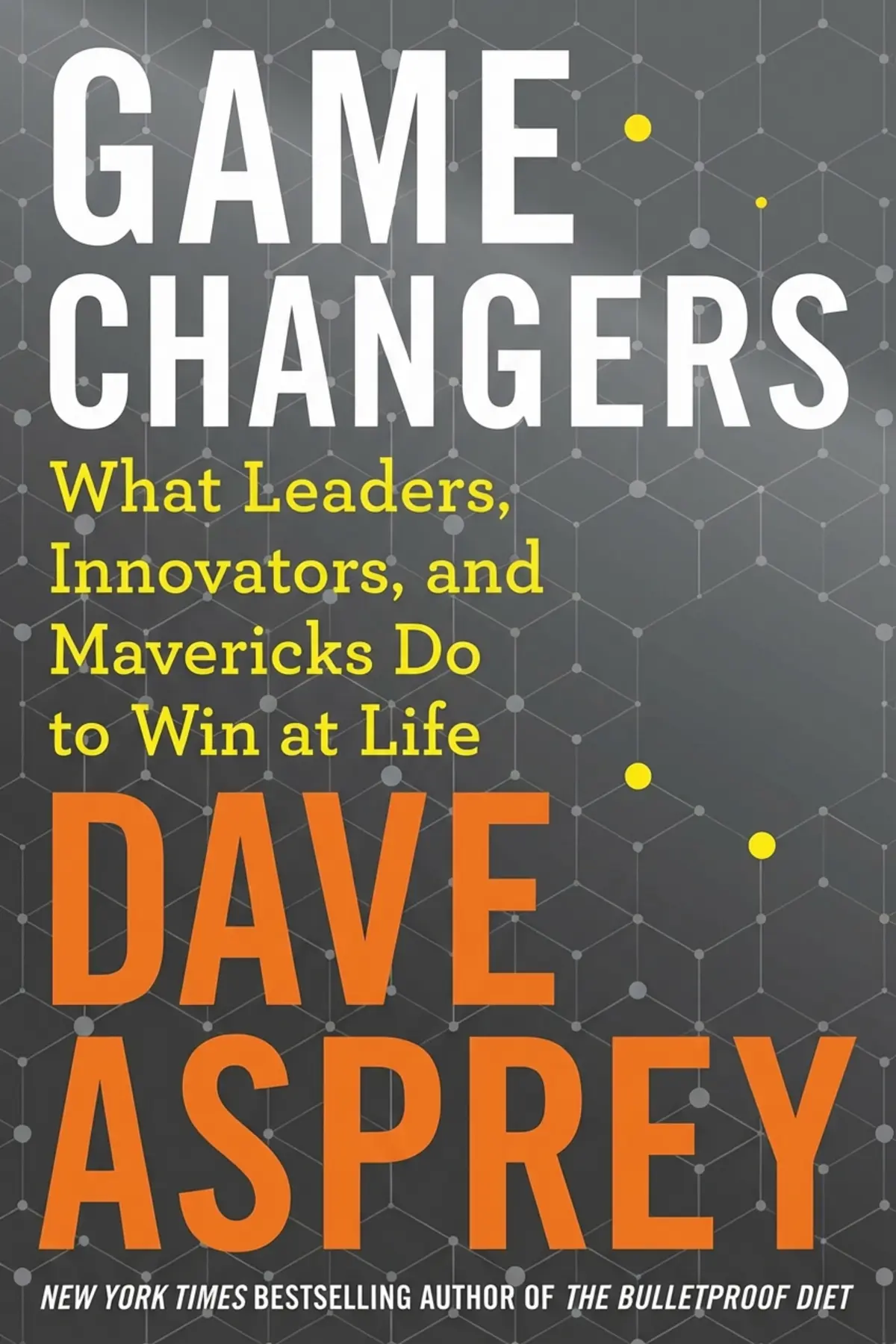
Table of Content
1. Introduction
1 min 09 sec
If your days end with an empty tank and little to show for your real ambitions, Dave Asprey blames old software. In Game Changers, the entrepreneur behind Bulletproof Coffee argues that your body and mind still run defaults built for prehistoric survival. They are tuned to three urges he calls the three Fs: fear, food and, politely put, fornication. Those urges once kept our ancestors alive. Today they drain the energy and attention you need for the goals you actually chose.
Asprey calls the fix biohacking: understanding your biology well enough to adjust it on purpose. His advice comes from interviews with 450 high performers across business, sports, science and the arts, filtered through his own experiments. The throughline is simple. Know what you want, stop spending energy on autopilot, then take charge of each survival urge in turn. Along the way you get a test for false hunger, a vacation experiment to find your natural sleep pattern and several ways to tell an anxious brain it is safe.
2. Spot the survival settings running your day
1 min 45 sec
Chasing money, status and good looks feels like modern ambition. Asprey traces much of it to three ancient urges, and argues that whoever holds the controls decides whether they help or hurt you.
3. Separate what you want from how you get it
1 min 42 sec
Plenty of hard-working people spend years chasing something they only wanted as a stepping stone. A billionaire thought experiment helps reveal which of your goals are the real ones.
4. Automate small choices to protect your willpower
1 min 40 sec
By evening, even simple decisions can feel heavy, because dozens of small choices have been piling up since morning. Steve Jobs found a fix in his closet, and the same trick works in your kitchen.
5. Tell real hunger from emotional hunger
1 min 59 sec
That sudden urge for ice cream after a hard conversation may have little to do with your stomach. Asprey offers a few quick questions, and a surprising role model, for eating with less guesswork.
6. Sleep and move in step with your body
1 min 52 sec
Forcing yourself to rise at five can make you less creative, and a daily workout can still leave you mostly sedentary. Asprey explains how to match rest and movement to the body you actually have.
7. Redirect sexual energy toward your ambitions
1 min 58 sec
Boxers and whole football squads have skipped sex before big contests. Asprey takes that old sports habit much further, with advice that differs sharply for men and women.
8. Calm your fear with signals of safety
1 min 52 sec
An empty clearing was never enough to relax our ancestors, since a tiger could be crouched behind any bush. Your brain still wants proof that you are safe, and you can supply it.
9. Conclusion
1 min 11 sec
Game Changers rests on one image: a modern life running on prehistoric code. Hunger that is really loneliness, an alarm clock set for someone else’s chronotype, a fear of failure built for a world of tigers. Asprey’s case, drawn from 450 conversations with high achievers and his own trial and error, is that none of this has to stay on autopilot. Once you know your end goals, every meal, every hour of sleep and every calm minute becomes energy you can direct.
The book supports a few concrete moves. Before the next snack, ask whether you are hungry or simply stressed or bored. Use a free week to let your body pick its own sleep times. Cut one daily decision down to a short fixed menu.
And watch your language. When you say you can’t do something, Asprey argues, the subconscious takes it literally and gives up. What you usually mean is that you lack a skill, a resource or the confidence, and each of those can be acquired.
Drop the word can’t, and the question changes from whether to how.
About this book
What is this book about?
Many capable people work hard all day and still feel pulled away from what they really want. Dave Asprey thinks the cause is biological. In his account, the brain still runs on default settings built for prehistoric survival, focused on three urges he calls the three Fs: fear, food and fornication. Left alone, they drain energy, lock in bad habits and push us toward caution when we need to take risks. Asprey calls his answer biohacking: understanding your biology well enough to adjust it on purpose. He grounds his advice in human biology and psychology and in interviews with 450 high performers from business, sports, science and the arts. It starts with telling end goals apart from means goals and cutting decision fatigue. Then it works through each urge in turn, from emotional eating and sleep chronotypes to exercise, sexual energy and fear. Readers get practical tools: questions that expose false hunger, a vacation test to find your natural sleep pattern, a capsule wardrobe and diet to save willpower, and safety cues such as guided meditation and a gratitude journal to quiet a fearful mind.
Book Information
Who it's for
Professionals wanting more energy
Professionals who end each day drained and want more energy for the goals they care about.
Emotional eaters, night owls
Emotional eaters and night owls forced into early mornings, looking for practical fixes.
Held back by fear
Founders and ambitious workers whose fear of failure keeps them from taking risks.
About the Author
Dave Asprey
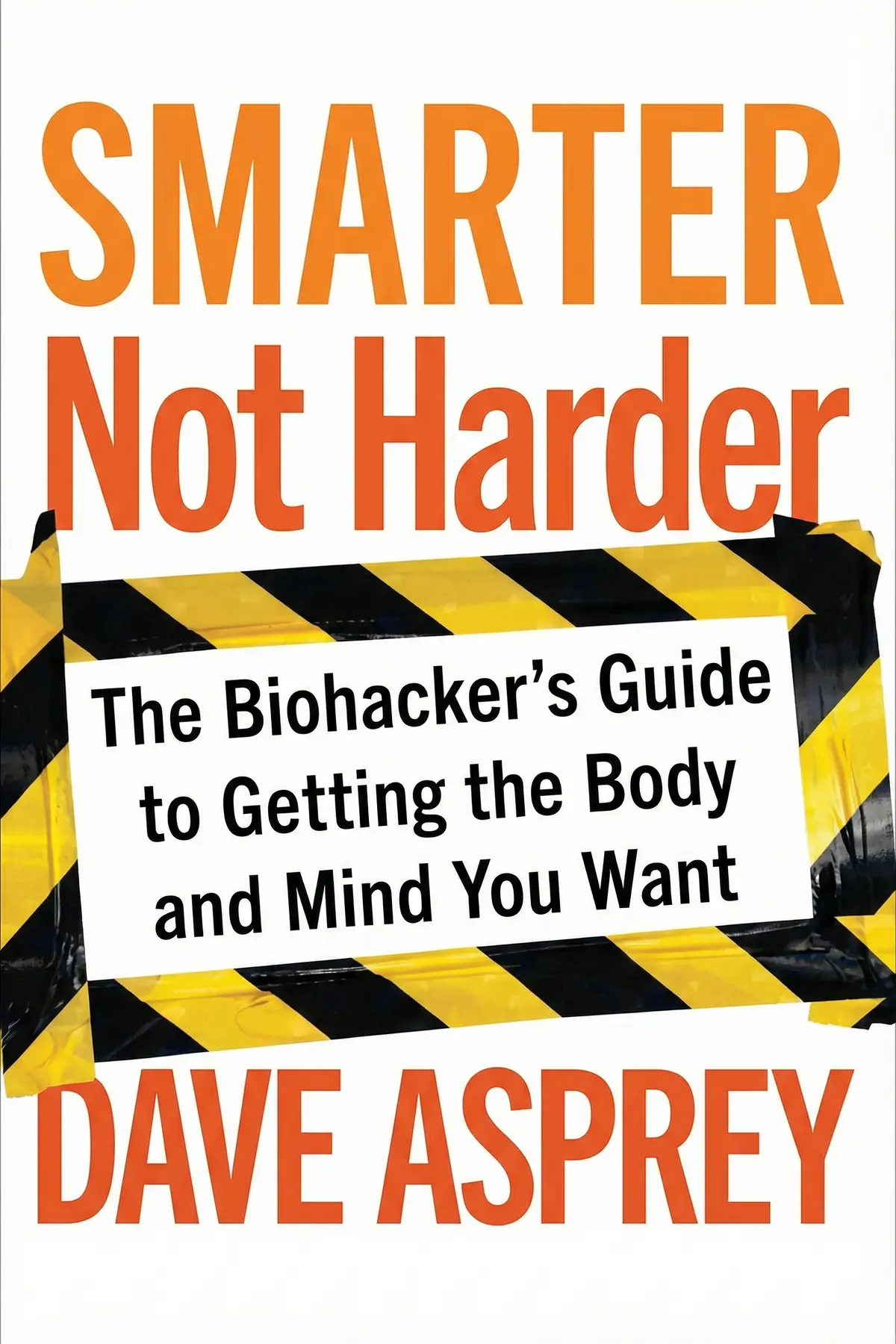
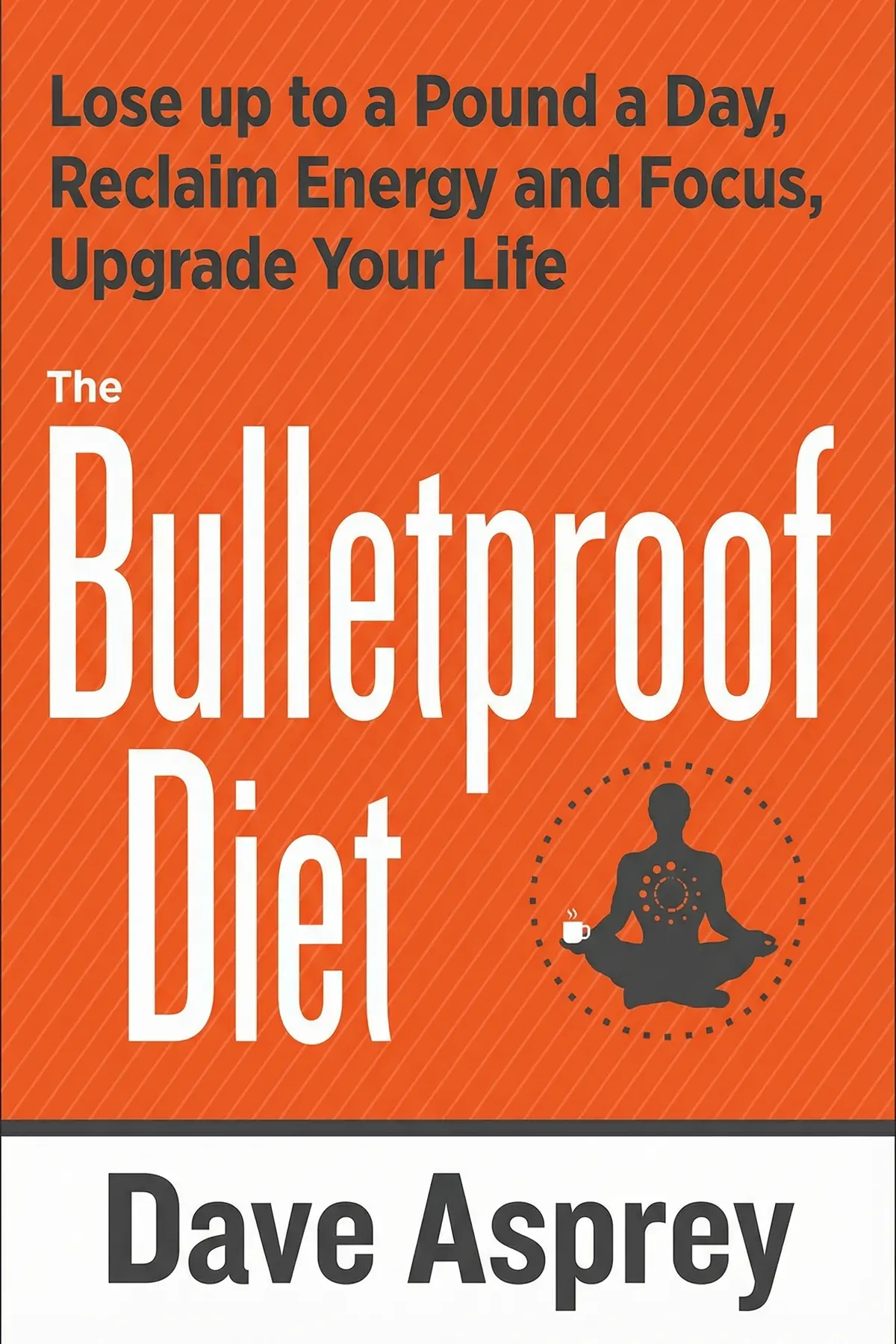
Dave Asprey, born in 1973, worked in technology as an executive and director at Trend Micro, Blue Coat Systems and Citrix Systems before turning to health and wellness. In 2013 he founded Bulletproof 360 and created Bulletproof Coffee and the Bulletproof Diet, a low-carbohydrate, high-fat plan; dietitians have criticized some of his diet claims as pseudoscientific. He hosts the podcast The Human Upgrade, formerly Bulletproof Radio, started the Biohacking Conference, and wrote The Bulletproof Diet, Head Strong and Smarter Not Harder.
Ratings & Reviews
Ratings at a glance
What people think
Listeners find this work highly beneficial for its deep research and the massive amount of knowledge shared, as one listener remarks that it provides scientific-proven tips. Furthermore, the content is life-changing, motivating people to live their best life and improve their physical state, all while being straightforward and engaging. Listeners also value the emphasis on practice through provided action items, and one listener draws attention to the way it integrates science and psychology.
Top reviews
Udom
This book acts as a manual for anyone looking to recalibrate their daily performance without needing a PhD in biology. Asprey breaks down his findings into 46 distinct laws, which makes the massive amount of data feel much more manageable. I particularly appreciated the Smarter, Faster, Happier categorization because it allows you to jump straight to the area where you feel most stuck. While some of the biohacking tips—like stem cell injections—feel a bit out of reach for the average person, the psychological insights are gold. The advice on gratitude and forgiveness actually feels scientifically grounded rather than just fluffy self-help nonsense. It is a dense read, yet the summaries at the end of each section ensure you do not get lost in the weeds of mitochondria and nootropics. If you want a comprehensive roadmap for total optimization, this is probably the best resource out there right now.
Show moreRiley
After hearing Asprey on a podcast, I knew I had to grab this to see if the lifestyle changes were realistic. Frankly, the depth of research here is staggering, covering everything from forest bathing to the chemistry of our blood under stress. It is a life-changing resource that bridges the gap between hard science and practical psychology in a way that feels incredibly modern. One of my favorite takeaways was the Gratitude to the power of three exercise, which has completely shifted my morning routine. I used to think biohacking was just for tech bros in Silicon Valley, but these laws apply to anyone wanting to age better. The book is definitely long, but the way it is structured into independent laws means you do not have to read it linearly. It is the kind of book you keep on your nightstand and refer back to whenever you feel your energy levels starting to dip.
Show moreMaja
Wow, the sheer volume of information packed into these pages is incredible and a little overwhelming at first. What I love most is that the 46 laws are totally independent, so you can flip to the Happier section if you are feeling down. Each law ends with a brief summary and specific action steps, which is perfect for someone like me who tends to forget what they read five minutes later. The focus on gratitude as a muscle to be trained is a fantastic takeaway that does not cost a dime to implement. Dave Asprey has a gift for making complex scientific concepts—like how nootropics affect the brain—feel accessible to the layperson. This is not just a book about dieting; it is a full-spectrum guide to human optimization that touches on sex, wealth, and community. It is easily one of the most comprehensive wellness books I have ever added to my library.
Show moreFilm
Direct and incredibly motivating, this book completely shifted my perspective on aging and what our bodies are truly capable of. The idea of healing like Wolverine through stem cells and better mitochondrial health sounds like science fiction, but Asprey makes a compelling case for it. I particularly enjoyed Law 13 about the importance of sprinting and then massively resting to avoid burnout. It is refreshing to see a health book that does not just preach hustle culture but actually values high-quality sleep and recovery. The writing is entertaining and moves quickly, which is impressive given the amount of data he is trying to convey. Not gonna lie, I have already started the 3-minute gratitude exercise mentioned at the end, and I am feeling the benefits. This is a must-read for anyone who refuses to accept average as their baseline for health and happiness in the modern world.
Show moreWararat
Ever wonder what the most successful people on the planet are actually doing differently behind closed doors? Asprey has interviewed hundreds of high-performers, and this book distills those conversations into actionable strategies that you can start implementing tomorrow. To be fair, there is a significant amount of self-promotion for his other products, which can get a little distracting if you are sensitive to marketing. However, the core information regarding sleep quality and the power of saying no is genuinely valuable for anyone struggling with burnout. I loved the focus on how our mitochondria dictate our fear and feeding responses. It turns out that much of what we consider personality is just biology in disguise. The writing style is punchy and entertaining, making it much easier to digest than a standard medical text. Even if you only use five of the laws, your life will see a measurable improvement.
Show morePia
Finally got around to finishing this massive volume last night, and my head is spinning with new ideas. The information on sleep alone was worth the price of admission, specifically the tips regarding bite guards and side-sleeping for better quality rest. Asprey’s track it to hack it philosophy really resonates with my analytical mind, even if some of the laws feel a bit repetitive. He does a great job of explaining how our environment—light, nature, and even our community—impacts our biology at a cellular level. Gotta say, I was skeptical about the smart drugs section, but he presents it as one tool among many rather than a magic bullet. The book combines psychology and biology in a way that makes you realize how much control you actually have over your performance. It is a bit wordy in places, but the actionable steps keep the momentum going through the slower chapters.
Show moreOrathai
As someone who has struggled with brain fog for years, this was a breath of fresh air compared to typical diet books. Dave focuses heavily on the Smarter aspect of biohacking, explaining how our mitochondria serve as the gatekeepers of our focus and energy. The chapter on eating like our ancestors and the importance of specific vitamins like K2 and D3 was incredibly eye-opening for me. In my experience, most health books ignore the mental side, but Game Changers links our blood chemistry directly to our worldview and emotional state. My only real gripe is the occasional drift into far-out territory, like some of the more extreme stem cell claims. Regardless, the overall message is one of empowerment and taking radical responsibility for your own health outcomes. It is an easy read that manages to stay engaging despite the technical subject matter and sometimes controversial opinions.
Show moreMikael
Not what I expected from a leader in the biohacking space, considering how much hype surrounds his name. While the book is well-organized and easy to skim, much of it feels like a rehash of older self-help classics or Tim Ferriss's Tools of Titans. Look, the basic tenets of better nutrition, meditation, and gratitude are solid, but they are not exactly groundbreaking in this day and age. I found the sections on smart drugs and nootropics like Modafinil interesting, yet they should be approached with extreme caution. There is a lot of pseudoscience floating around the chapters on fluid intelligence and Dual n Back training that did not quite sit right with me. That said, the action items at the end of the chapters are practical for people who need a structured plan. It is a decent primer for beginners, but veterans of the wellness world might find themselves flipping pages looking for something truly new.
Show moreOwen
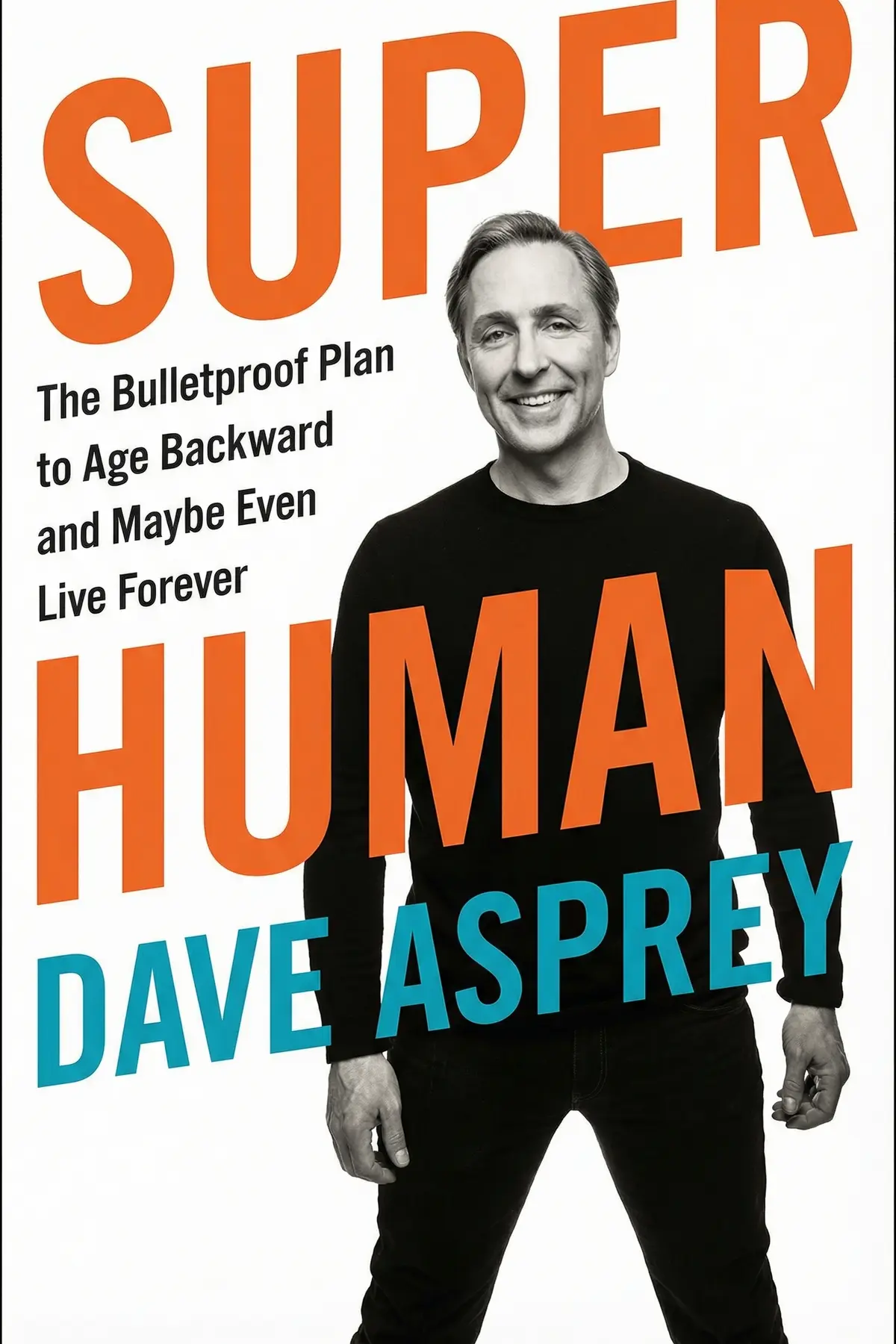
The core message is great, but the delivery is a bit hit-or-miss for me personally. At times, the diversity of topics—from forest bathing to high-end medical procedures—is fascinating, but other times I felt like he needed to reign it in. For instance, some of the dietary examples, like his dismissiveness toward plant-based options for athletes, felt more like personal bias than hard science. Truth is, if you have already read his previous books like Superhuman, you might find a lot of this material familiar. It feels like he is trying to cover too much ground in a single volume, which makes some of the more complex laws feel a bit rushed. However, the psychological focus on overcoming fear and celebrating failure is a nice touch that adds depth to the physical hacks. It is a solid read that offers some gems if you are willing to filter through the fluff.
Show morePornthip
Picked this up hoping for some rigorous science, but I was mostly disappointed by the sheer amount of anecdotal evidence presented as fact. As a serious runner, I found his claims about ultra-endurance athletes and nootropics to be completely off-base and frankly insulting to the community. He speaks with such authority on topics like fluid intelligence, but the math in his examples often does not even add up. Then there is the wealth chapter—listening to a millionaire claim that money does not buy happiness is always a tough pill to swallow for the average reader. It is hard to take the game-changing advice seriously when so much of it is buried under layers of self-promotion and questionable data. Unless you are already a die-hard fan of the Bulletproof brand, you are better off looking for health advice from more traditional medical journals. It is entertaining if you like buzzwords, but do not expect it to revolutionize your life.
Show moreQuestions about this book
What is the main idea of Game Changers by Dave Asprey?
Asprey argues that the body and mind still run on survival settings shaped by three urges: fear, food and sex. Left on autopilot, they waste energy and pull people away from their goals. Biohacking means understanding your biology well enough to adjust those urges on purpose. His advice draws on interviews with 450 high performers in business, sports, science and the arts.
What are the three Fs in Game Changers?
The three Fs are fear, food and fornication, Asprey’s polite term for sex. Each served survival: eating prevents starvation, reproduction keeps the species going and fear triggers fight or flight. Asprey says many modern pursuits, such as chasing money, power and attractiveness, still serve these urges, and the goal is to control them rather than renounce them.
How does Game Changers suggest dealing with emotional eating?
When hunger strikes, Asprey suggests asking whether you are really hungry or bored, stressed or lonely, and whether the craving followed something upsetting. Sudden flares, cravings for one specific food and hunger after a meal are warning signs. He also recommends eating like a grandmother from before World War Two: vegetables, protein and fish oil, in small, infrequent meals.
What are the four sleep chronotypes Asprey describes?
Lions wake with energy before sunrise and fade by evening. Wolves wake late and peak from noon to 2 p.m. and after dark. Bears follow the sun. Dolphins tend toward insomnia and do best from midmorning to early afternoon. Asprey, a wolf, says chronotypes are genetic, and suggests a vacation week of sleeping freely to discover yours.
How can I apply Game Changers to overcome fear?
Asprey says the subconscious needs a positive sign of safety, not just an absence of threat. He suggests a soothing voice or calm music, guided meditation, vividly imagining a happy place and practicing gratitude. One simple habit is writing three things you are grateful for each morning or night, as in the Five Minute Journal co-created by UJ Ramdas.
Readers also enjoyed

59 Seconds: Change Your Life in Under a Minute
Richard Wiseman





A Guide to the Good Life: The Ancient Art of Stoic Joy
William B. Irvine


A High-Performing Mind: Strengthen Your Mind and Live Your Best Life
Andrew D. Thompson


AUDIO SUMMARY AVAILABLE
Listen to Game Changers in 15 minutes
Get the key ideas from Game Changers by Dave Asprey, plus 5,000+ more nonfiction titles.
- 5,000+ titles
- Listen as much as you want
- 7-day free trial
- Cancel anytime









