
14 min 11 sec
Available in: English
 ไทย
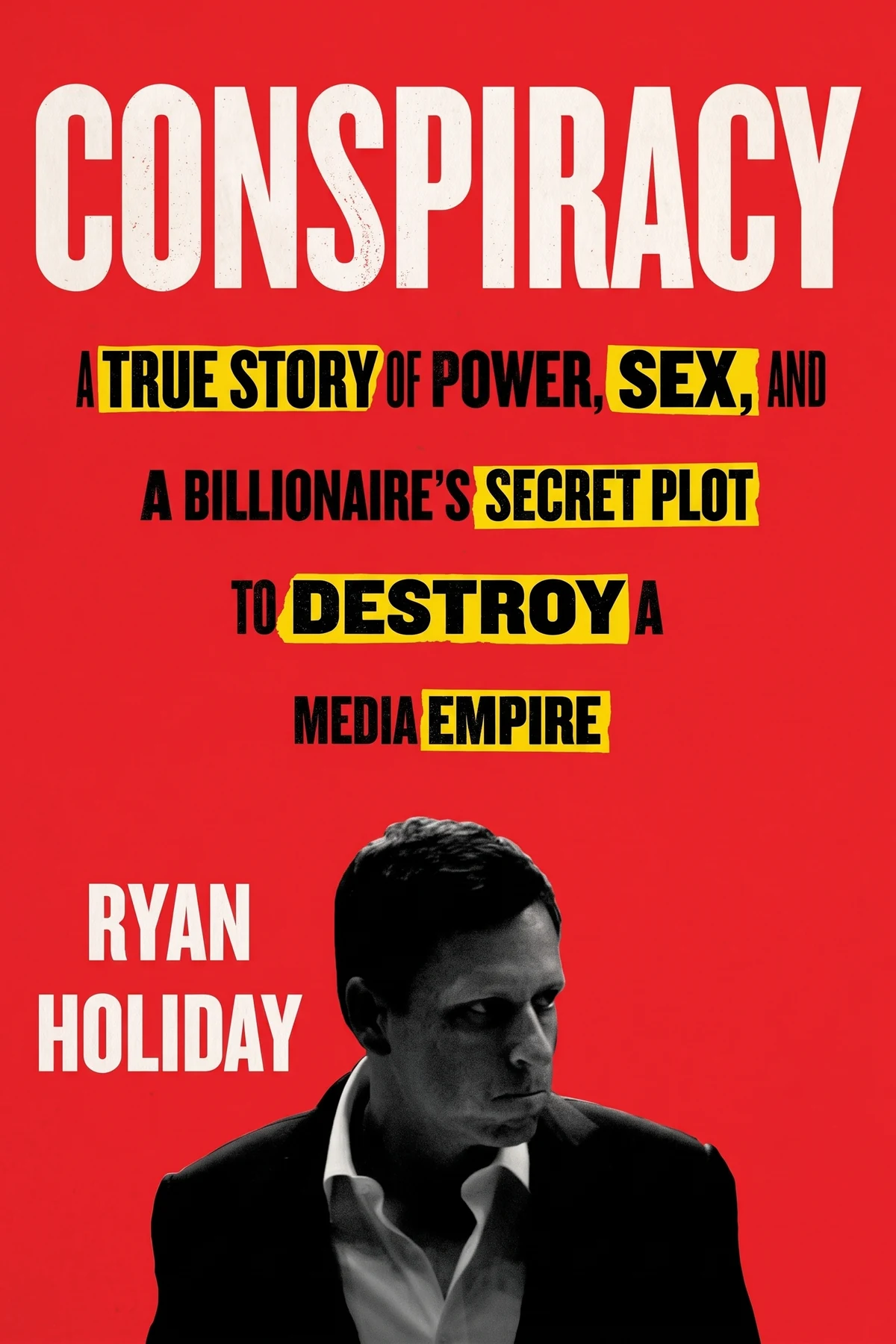
EnglishไทยThe Obstacle is the Way: The Timeless Art of Turning Trials Into Triumph
By Ryan Holiday
Shows how to treat setbacks as raw material. Read them calmly, answer them with small, disciplined steps and build the inner strength to endure what you cannot change, using Stoic ideas and stories from history.
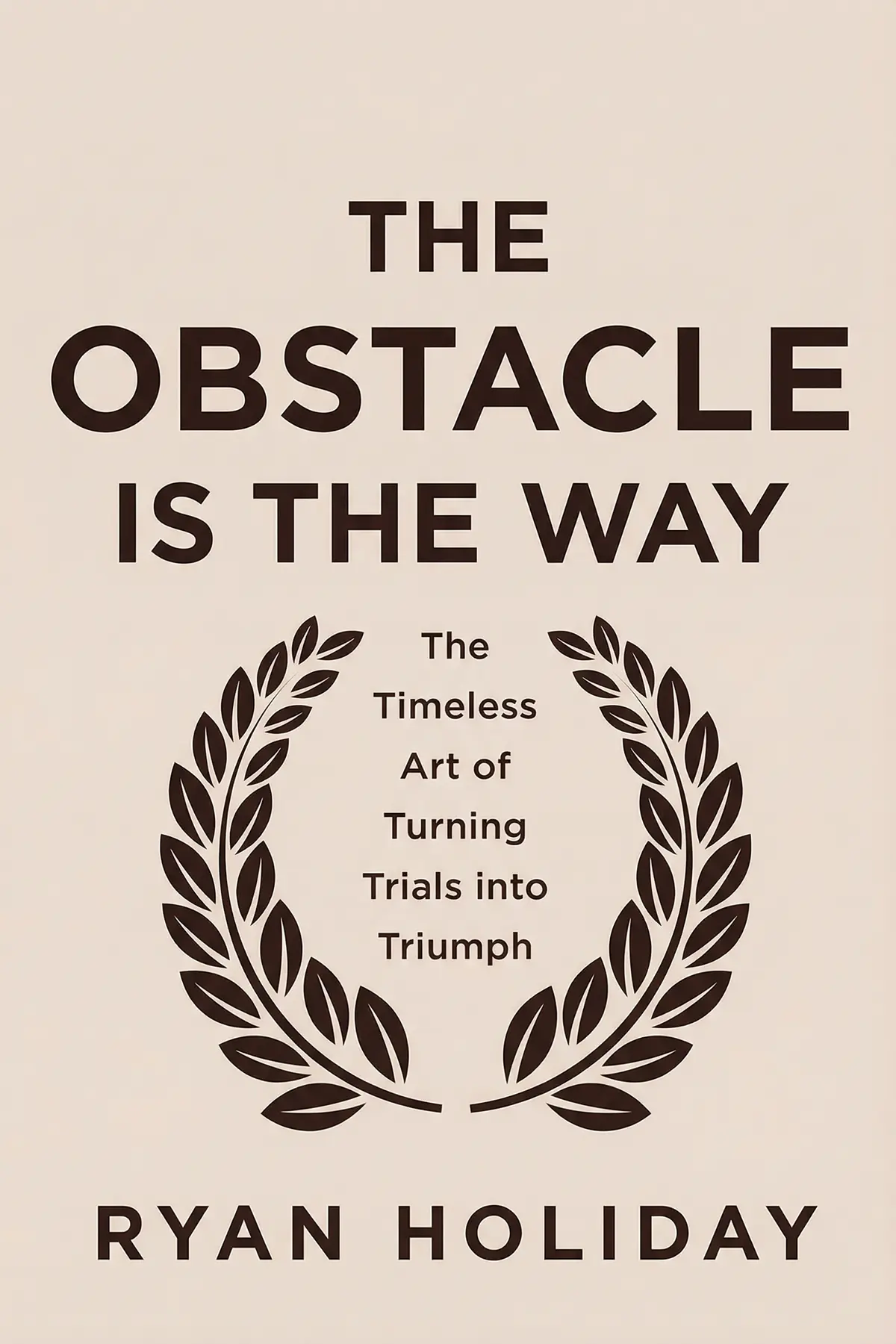
Table of Content
1. Introduction
58 sec
Most of us treat a setback as a wall: something to resent, wait out or walk away from. In The Obstacle is the Way, Ryan Holiday argues the opposite, borrowing words from the Roman emperor Marcus Aurelius: the thing blocking your path turns into the path itself. Holiday is careful to separate this from positive thinking. He asks for clear eyes, cool logic and practical preparation, so the problem itself becomes the material you work with.
His method has three parts. Perception decides what an event means. Action turns that meaning into steps. Will keeps you moving when the steps fail or the road runs long. The people who prove it include a teenage bookkeeper during a financial panic, a boxer wrongly jailed for murder and an orator who practiced with pebbles in his mouth. Each of their stories hands you one move to try during your next bad week, at work or at home.
2. Treat a crisis as your best classroom
1 min 32 sec
When a market collapsed and people around him fled finance in fear, a young bookkeeper still in his teens chose differently. What he did with the chaos laid the groundwork for an empire controlling most of the country’s oil refineries.
3. Keep the one power nobody can take
1 min 32 sec
A famous boxer was sentenced to life in prison for murders he did not commit. Holiday shows how he held on to something his jailers could never reach, and how that shaped the next two decades.
4. Change the frame and fear loses its grip
1 min 33 sec
A Greek general calmed a panicking crew with nothing but his cloak, and a struggling actor rescued his career with one change of viewpoint. Both moves cost nothing and are available to anyone.
5. Turn a weak start into real skill
1 min 27 sec
A sickly, unschooled boy with a speech impediment had his fortune stolen by the adults meant to protect him. The unusual training he invented for himself made him the most famous speaker of his city.
6. Finish goals that feel too big, step by step
1 min 28 sec
Many ambitions die before the first day of work, crushed by their own size. A coach of one of the top college football teams uses a simple rule that shrinks any project, and Holiday finds it surprisingly calming.
7. Fail well and still come out stronger
1 min 30 sec
You can see clearly, plan carefully and execute every step with focus, and the door can still stay shut. Holiday refuses to pretend otherwise, and his answer turns even a loss into something useful.
8. A mind that holds firm under pressure
1 min 38 sec
A boy whose asthma kept him in bed for weeks grew into a man who survived personal loss, political battles and attempts on his life. The ancient idea behind his strength has to be built, never inherited.
9. Outlast setbacks that keep on coming
1 min 30 sec
A Greek hero needed twenty years, a lost crew and a string of monsters to get home. Holiday uses his story to separate two qualities people confuse, and then turns to the one obstacle no one escapes.
10. Conclusion
1 min 03 sec
Holiday’s book is finally about where the real contest takes place. A market panic, a prison cell, a stolen inheritance and a twenty-year voyage all happened in the outside world, and none of the people in these stories could make them vanish. What each of them controlled was the reading, the next step and the staying power. Rockefeller turned panic into study. Carter turned a cell into a library. Demosthenes turned his weakest point into his trade.
The practice can start this week. When something goes wrong, split it into what you control and what you don’t, and let the second pile go. Write the event down in plain words before you decide what it means. Then pick one step you can finish today, the single sentence of the book you keep postponing, and do it well. If the effort still fails, look for the quality the failure can train in you, and expect the next obstacle, because there will be one.
Marcus Aurelius put it in a single line. The thing in your path is not blocking the route. It is the route.
About this book
What is this book about?
Setbacks rarely arrive when we are ready for them. A financial crash, a rejection, an illness or a failing project can feel like a wall between us and the life we planned. Ryan Holiday argues that the wall is itself the road, an idea he takes from the Roman emperor and Stoic philosopher Marcus Aurelius. Holiday separates this from positive thinking. He asks for clear eyes, cool logic and practical preparation, and he organizes his method in three parts. Perception decides what an event means. Action breaks the response into steps you can take now. Will is the strength to accept what cannot be changed and to keep going when obstacles keep coming. Each part comes with people who lived it: John D. Rockefeller learning from a market panic, the boxer Rubin Carter refusing to feel powerless in prison, Demosthenes training his voice with pebbles in his mouth, Theodore Roosevelt building his body against asthma, and Odysseus enduring twenty years before reaching home. Readers get a simple, repeatable way to face their own setbacks at work and in life.
Book Information
Who it's for
Young professionals wanting calm
Young professionals hit by a rejection, a layoff or a stalled project who want a calm way to respond.
Leading teams through setbacks
Founders and managers facing setbacks they cannot fully control and need to keep their teams moving.
Curious about Stoicism
Anyone curious about Stoic philosophy who wants it shown through real lives instead of theory.
About the Author
Ryan Holiday
Ryan Holiday left college at 19 to apprentice with the strategist Robert Greene and went on to advise authors and musicians. His first book, Trust Me, I'm Lying, appeared in 2012. He became known for presenting Stoicism as a practical way of life, in books including Ego is the Enemy and Stillness Is the Key, which reached number one on the New York Times bestseller list. He has hosted The Daily Stoic Podcast since 2018, and his books appear in more than 40 languages.
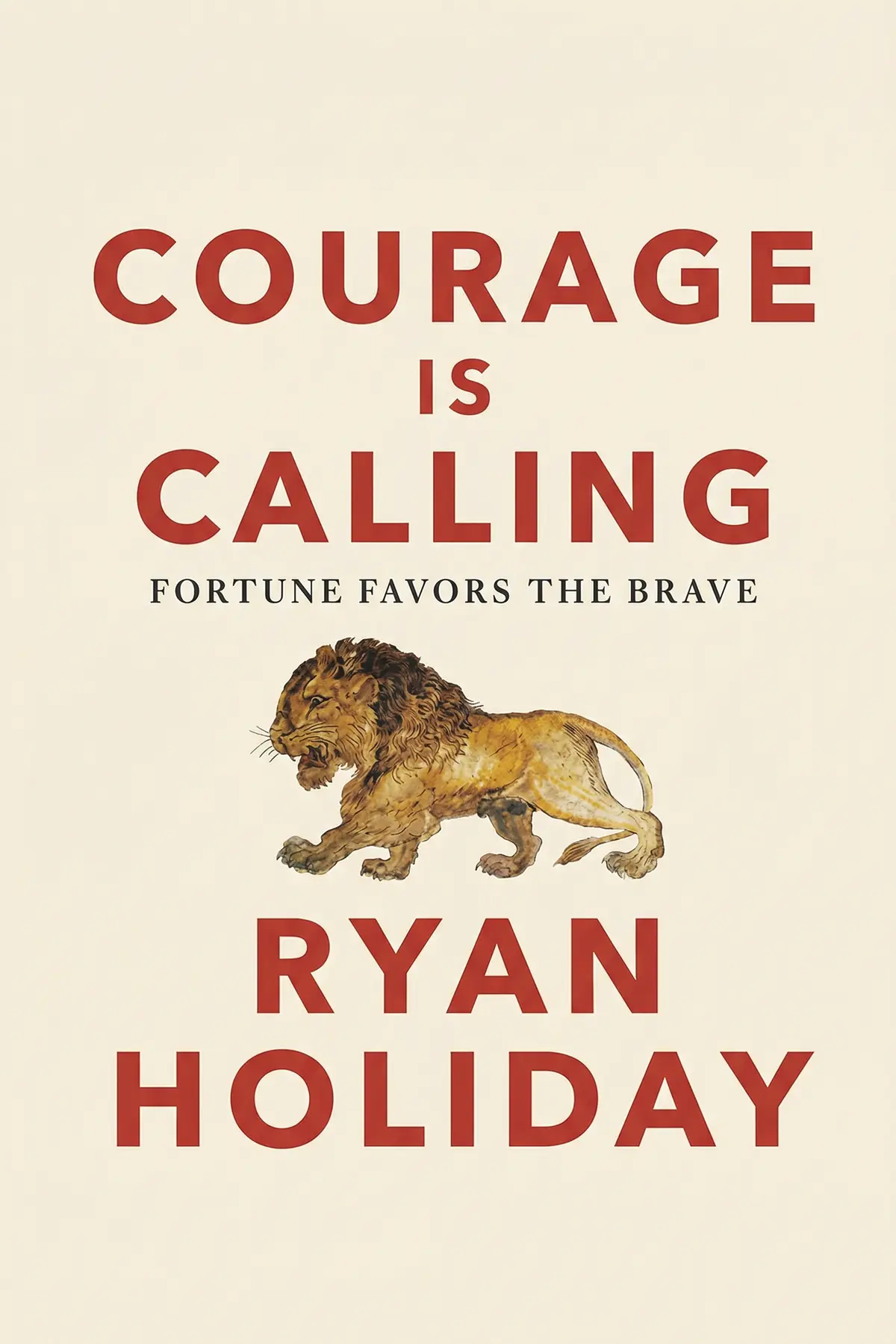
Courage is Calling: Fortune Favors the Brave
Ryan Holiday
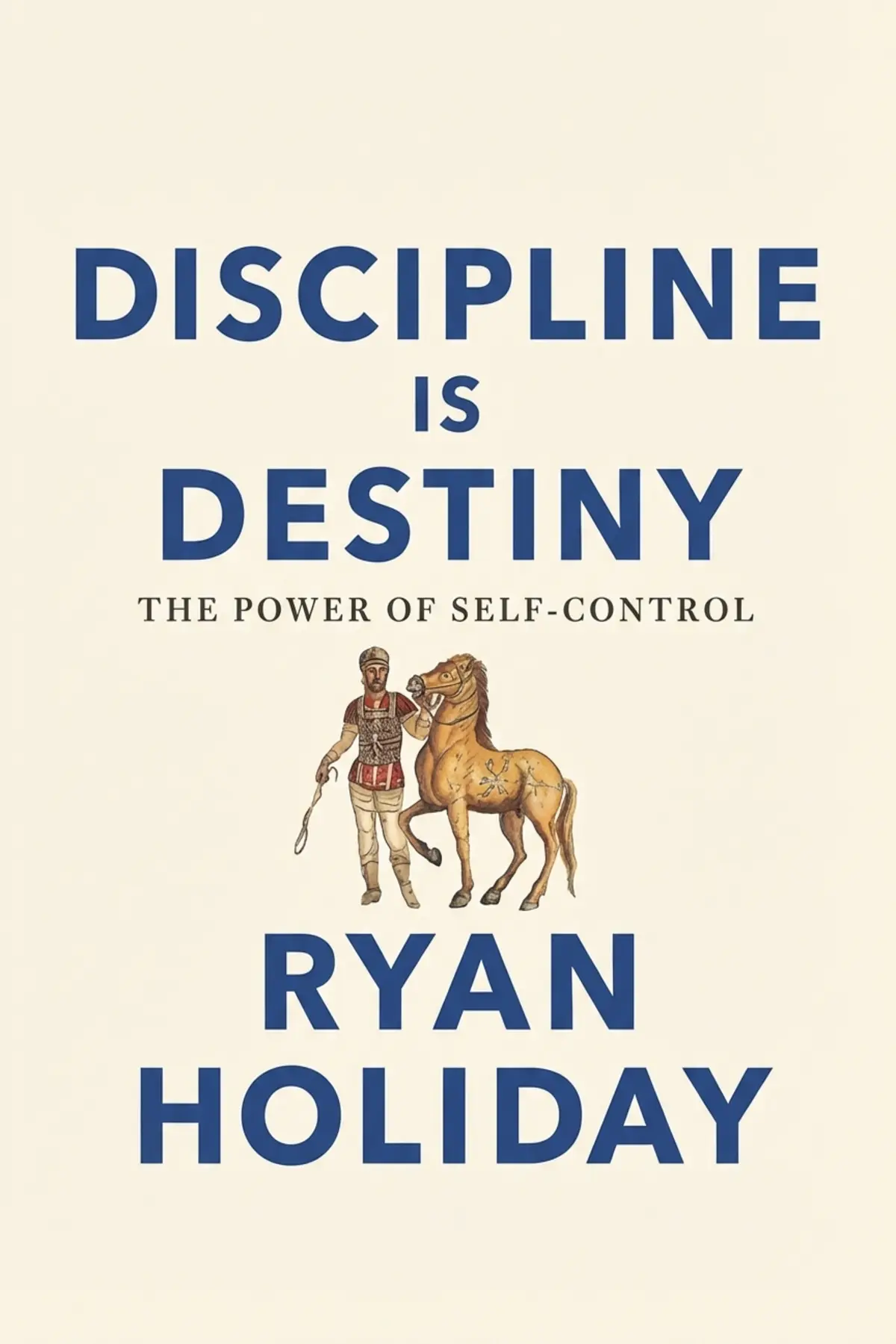
Discipline Is Destiny: The Power of Self-Control
Ryan Holiday
Stillness Is the Key
Ryan Holiday
Wisdom Takes Work: Learn. Apply. Repeat.
Ryan Holiday
Ratings & Reviews
Ratings at a glance
What people think
Listeners find this title to be a superb introductory guide that delivers deep insights and aids in using Stoic philosophy in daily life. Furthermore, the book shares valuable ideas with real-world utility, helping individuals shift their perspective and develop a more constructive mindset. Listeners also praise the outstanding prose and its ability to provide a helpful framework for moving through the world.
Top reviews
Luke
Ryan Holiday has a knack for making ancient philosophy feel like a modern survival guide. This book isn't about sitting in a room and meditating; it’s about taking the hits life throws at you and using that momentum to move forward. To be fair, some might find the writing a bit repetitive, but that repetition serves a purpose in drilling the core message home. I particularly enjoyed how he distilled the heavy wisdom of Marcus Aurelius into actionable concepts. Instead of feeling overwhelmed by obstacles, I now find myself looking for the hidden opportunity within them. The prose is lean and moves with a sense of urgency that matches the subject matter perfectly. It’s an excellent primer for anyone who wants to apply Stoic principles without getting bogged down in academic jargon.
Show moreJack
Wow, I didn’t expect a book on Stoicism to be this punchy and immediate. This isn't your standard dry philosophy text. Instead, it’s a tactical manual for navigating the world when things aren't going your way. The truth is, most of us let our emotions dictate our actions when we face a setback, but this book teaches you to defeat those emotions with logic. I loved the section on 'The Process'—it reminded me that focusing on the immediate step in front of you is the only way to conquer a massive goal. The writing is exceptional in its ability to provide perspective, making ancient Greek ideas feel as relevant as a Silicon Valley boardroom strategy. It really shifted my mindset from victimhood to agency. I’ll be keeping this on my desk for a long time.
Show moreElise
The chapter on the 'discipline of perception' changed how I view my current career setbacks entirely. We often forget that we choose how we see the world, and Holiday does a brilliant job of reminding us that obstacles are actually opportunities in disguise. I’ve read a lot of business books, but this one feels different because it focuses on character rather than just tactics. The writing style is direct and punchy, making it easy to digest a few pages every morning. It feels like rocket fuel for the mind. I especially appreciated the references to James Garfield and Andrew Johnson; their stories of rising from nothing through sheer Stoic will were incredibly moving. This isn't just a book you read; it’s a book you use. It genuinely helps you remain imperturbable when everything around you is in chaos.
Show moreSumalee
Pick this up if you’re feeling stuck or overwhelmed by circumstances beyond your control. Ryan Holiday takes the complex ideas of Marcus Aurelius and Epictetus and turns them into something you can actually use in your 9-to-5 life. I love the idea that 'the obstacle in the path becomes the path.' It’s such a simple shift, but it changes everything about how you approach a problem. The book is structured in a way that makes it very accessible, with short chapters and clear, vivid examples. Some critics call it banal, but in my experience, the most profound truths are often the simplest ones. It provides a much-needed perspective on navigating the world with a sense of calm and purpose. If you're looking for a way to build mental toughness, this is it.
Show moreAroon
Direct, gritty, and incredibly useful for anyone in a high-pressure environment. I’m an entrepreneur, and I deal with 'obstacles' every single hour of the day. This book gave me a framework to stop reacting emotionally and start acting strategically. Holiday’s writing is exceptional; it’s fast-paced and hits you right where you need it. I found the stories of the Roman Empire and the Industrial Revolution to be great illustrations of how Stoicism has always been the DNA of successful people. It's not about being a robot; it's about having the self-control to stay objective. Honestly, this should be required reading in schools. It teaches the kind of resilience that you usually only get from years of failure. It’s easily one of the most practical philosophy books I’ve ever encountered.
Show moreRafael
Finally got around to this after seeing it on every productivity list for the last decade. The book is heavily influenced by the style of Robert Greene, using historical anecdotes to illustrate points about perception, action, and will. While some of the stories about figures like John D. Rockefeller felt a bit superficial, the underlying message is incredibly powerful. Holiday argues that our reaction to a problem is often the problem itself, which is a perspective I desperately needed this year. I appreciate how he reframes adversity as fuel rather than a stop sign. My only real gripe is that the pacing can feel a bit rushed, almost like he’s trying to hit a page count by restating the same thesis. Still, it’s a solid 4-star read that offers a positive outlook without the usual toxic positivity fluff.
Show moreDek
As someone who usually finds self-help books a bit fluffy, this was a refreshing change of pace. Holiday avoids the 'power of positive thinking' traps and instead focuses on mental endurance and grit. The book provides useful concepts with practical applications, particularly the idea of turning a disadvantage into your greatest strength. I found the chapter on Demosthenes particularly inspiring, as it showed how a physical limitation could be leveraged into a world-class skill. There are moments where the prose feels a bit repetitive, and some of the historical links are tenuous at best, but the overall impact is undeniable. It’s a great introduction to the discipline of perception. If you're struggling with a career hurdle or personal drama, this will help you reframe the situation in a much more productive light.
Show moreNatalie
After hearing Tim Ferriss mention this for the hundredth time, I gave in and bought a copy. I'm glad I did, even if I was skeptical at first. The book is an excellent primer that offers profound wisdom without being overly academic or dense. Holiday has a talent for distilling ancient truths into clear, contemporary prose. I particularly liked the focus on action—the idea that it's not enough to just think differently, you have to do differently. While some of the historical examples feel a bit like 'Great Man Theory' cherry-picking, the psychological benefit of the advice is real. It’s about building a mindset that sees every setback as a chance to practice a new virtue. Not every chapter hit home, but the ones that did were worth the price of the book alone.
Show moreCha
Is it a masterpiece of historical research? No, but it works as a basic primer for those unfamiliar with the classics. Personally, I found the anecdotes about the American pioneer spirit and the Civil War interesting, even if they were presented a bit perfunctorily to fit the author's narrative. There are some odd moments—like the claim that the brain is a muscle—that pulled me out of the experience. To be fair, the book does offer some solid reminders about focusing on what we can control and maintaining equanimity during a crisis. However, the writing style can feel a bit computer-generated at times and lacks the depth found in the works of his mentor, Robert Greene. It’s a decent enough read for a flight or a weekend, but don't expect it to provide a life-altering epiphany if you've already read the Stoics.
Show moreLuckana
Not what I expected based on the massive hype surrounding this title. Look, the core advice isn't bad, but it feels like a collection of trite platitudes you’d find on a Dove chocolate wrapper or a motivational poster. The author relies heavily on selection bias, picking famous figures like Steve Jobs or Bill Gates to prove his points while ignoring the complications of reality. I found the tone to be incredibly preachy, as if he discovered some secret of the universe that is actually just basic perseverance. Frankly, it felt like a rushed student project where the research was done the night before it was due. There were even medical inaccuracies that irked me, like the claim that the brain is a muscle. If you want actual Stoicism, just go read the original texts like Meditations instead of this superficial repackaging.
Show moreQuestions about this book
What is the main idea of The Obstacle is the Way?
Ryan Holiday argues that the problems blocking us can become the path forward. Drawing on the Stoic emperor Marcus Aurelius, he sets out three steps. Perception means seeing a setback clearly and choosing a useful meaning for it. Action means breaking the response into small, disciplined steps. Will means accepting what cannot be changed and enduring a long series of obstacles. He stresses that this is clear thinking and preparation, not blind optimism.
What are the three steps in The Obstacle is the Way?
Holiday names Perception, Action and Will. Perception is about focusing on what you can control, staying objective and living in the present, as Rockefeller did during the Panic of 1857. Action is disciplined, step-by-step effort, shown by Demosthenes training his voice and by Nick Saban’s idea of the process. Will is the inner strength the Stoics called the Inner Citadel, illustrated by Theodore Roosevelt and by Odysseus’s long voyage home.
How can I apply The Obstacle is the Way in daily life?
Start by separating any problem into what you control and what you don’t, and spend energy only on the first. Describe what happened in plain words before deciding whether it is good or bad. Then shrink a big goal to one small step you can complete today, such as writing a single sentence of a book. If it still fails, ask which quality the loss can help you build, such as acceptance or forgiveness.
What does Holiday mean by perseverance versus persistence?
Holiday treats them as different qualities. Persistence is attacking a single problem again and again until it gives way, like the Greeks at Troy finally finding the wooden horse. Perseverance is endurance for the long run: staying ready for every obstacle still to come. He uses Odysseus, who spent ten more years facing captivity, whirlpools, a cyclops and a six-headed monster before reaching home, as his picture of perseverance.
Readers also enjoyed

A Theory of Justice
John Rawls

59 Seconds: Change Your Life in Under a Minute
Richard Wiseman






A Guide to the Good Life: The Ancient Art of Stoic Joy
William B. Irvine

AUDIO SUMMARY AVAILABLE
Listen to The Obstacle is the Way in 15 minutes
Get the key ideas from The Obstacle is the Way by Ryan Holiday, plus 5,000+ more nonfiction titles.
- 5,000+ titles
- Listen as much as you want
- 7-day free trial
- Cancel anytime









