
14 min 12 sec
Available in: English
 ไทย
EnglishไทยDiscipline Is Destiny: The Power of Self-Control
By Ryan Holiday
A practical guide to temperance, the Stoic virtue of self-control. It shows how training your body, pausing before you react, guarding your focus and forgiving your slips can turn easy freedom into a purposeful life.
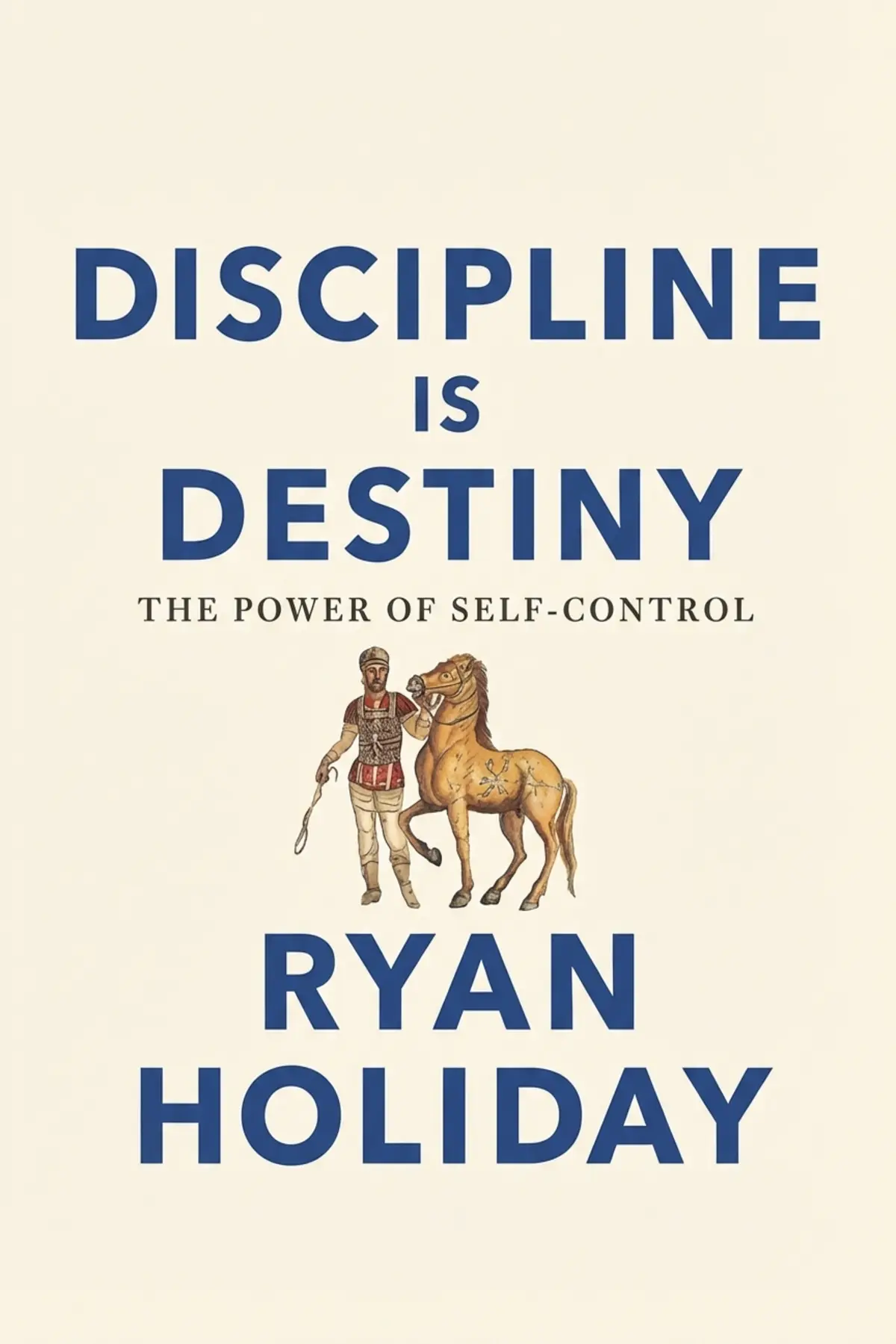
Table of Content
1. Introduction
1 min 08 sec
Most of us can order food, switch jobs or broadcast an opinion within minutes, and many of us still feel restless and adrift. In Discipline Is Destiny, Ryan Holiday, a writer known for bringing Stoic philosophy to modern readers, argues that this is no accident: access without self-restraint tips a life out of balance. His answer is temperance, the ancient virtue of self-control, which the Stoics counted among the four parts of goodness alongside courage, justice and wisdom.
Holiday’s case is that discipline is what makes freedom worth having, and that it is built in order: first in the body, then in the mind, and finally in a balanced spirit that stays kind, including to yourself. Along the way come a baseball player who never missed a game for 17 years, a queen who shrugged off a falling cement block and an emperor whose last word was equanimity. Each leaves a habit to try this week, from an earlier bedtime to a short pause before you answer.
2. Turn self-control into a wider kind of freedom
2 min 08 sec
A young hero at a fork in the road was offered a life with no pain at all. His choice, and a general’s patient rise to the presidency, suggest that limits can give more than they take.
3. Make your body tougher with chosen discomfort
2 min 02 sec
Comfort feels like the reward for hard work, yet the ancient Stoics treated too much of it as a danger. Their small daily tests point to a strength that no setback can easily take away.
4. Beat raw talent by showing up every day
1 min 51 sec
An overweight, clumsy boy became one of baseball’s greatest players and set a record that stood for decades. His edge had little to do with gifts, and it is available to anyone willing to copy it.
5. Use the pause before you react
2 min 01 sec
A fit body cannot save a life that keeps being wrecked by bad moods and snap judgments. A queen who stayed calm through a falling cement block and a gunman’s shots shows where the real control lies.
6. Focus deeply and stop waiting to be perfect
1 min 48 sec
A great composer drifted out of conversations, and friends had to wait. That odd habit, and a philosopher’s one certainty, reveal two mental traps that keep capable people stuck.
7. Hold high standards without turning on yourself
2 min 02 sec
Ancient charioteers and one unusually calm Roman emperor show what complete self-control looks like. Then a Stoic on an Athens street offers a single sentence that changes how strictness should feel.
8. Conclusion
1 min 12 sec
Holiday turns an old word, temperance, into a daily practice with a clear order. It starts in the body, where results are easiest to see, moves into the mind, where the real tests arrive, and ends in a balance that keeps discipline humane. Hercules at the crossroads was really choosing whether impulse or purpose would shape his life, and that choice returns every morning.
The practice can begin small. Take one uncomfortable step each day, and get to bed early enough to own the morning. Show up for your main priority even in a ten-minute version, the way Gehrig kept appearing through sickness and injury. When something provokes you, spend the pause asking whether it is really true. And when you fail, as everyone does, remember Cleanthes stopping on that street in Athens.
Holiday never claims that discipline makes life easy. He offers something sturdier: knowing you did your best, and knowing you can stand up again after a fall. Antoninus spent his final breath on a single word. Equanimity is worth practicing long before then.
About this book
What is this book about?
Many people can order food, change jobs or share an opinion in seconds, and still feel restless and directionless. Ryan Holiday argues that this is what happens when access comes without restraint. His answer is temperance, the ancient Stoic virtue of self-discipline, which he presents as a source of freedom and never as a form of self-denial. Holiday builds the case in three steps. Discipline starts in the body, with hard exercise, chosen discomfort, early nights and the habit of showing up every day. It moves into the mind, through a calm pause before reacting, deep focus and a refusal to let perfectionism stall progress. It ends in balance, where high standards sit alongside kindness, including kindness toward yourself after a failure. The lessons come through vivid figures: Lou Gehrig and his streak of 2,130 straight games, Eisenhower's patient rise, Queen Elizabeth's calm under attack, Beethoven's fierce concentration and the Roman ruler Antoninus, whose final word was equanimity. Readers get a set of small daily practices and a gentler way to treat their own mistakes.
Book Information
Who it's for
Professionals feeling scattered
Professionals with endless options who still feel scattered, distracted or stuck.
Quitting after one slip
People who keep starting exercise, writing or morning routines and quitting after one missed day.
Curious about Stoicism
Readers curious about Stoicism who want daily practices for calm and focus, with room for self-forgiveness.
About the Author
Ryan Holiday
Ryan Holiday left college at 19 to apprentice with the strategist Robert Greene and later advised authors and musicians. He became known for presenting Stoicism as a way of life for people today, in books including The Obstacle Is the Way, Ego Is the Enemy and Stillness Is the Key, which reached number one on the New York Times bestseller list. He has hosted The Daily Stoic Podcast since 2018 and runs a bookstore, The Painted Porch, in Bastrop, Texas.
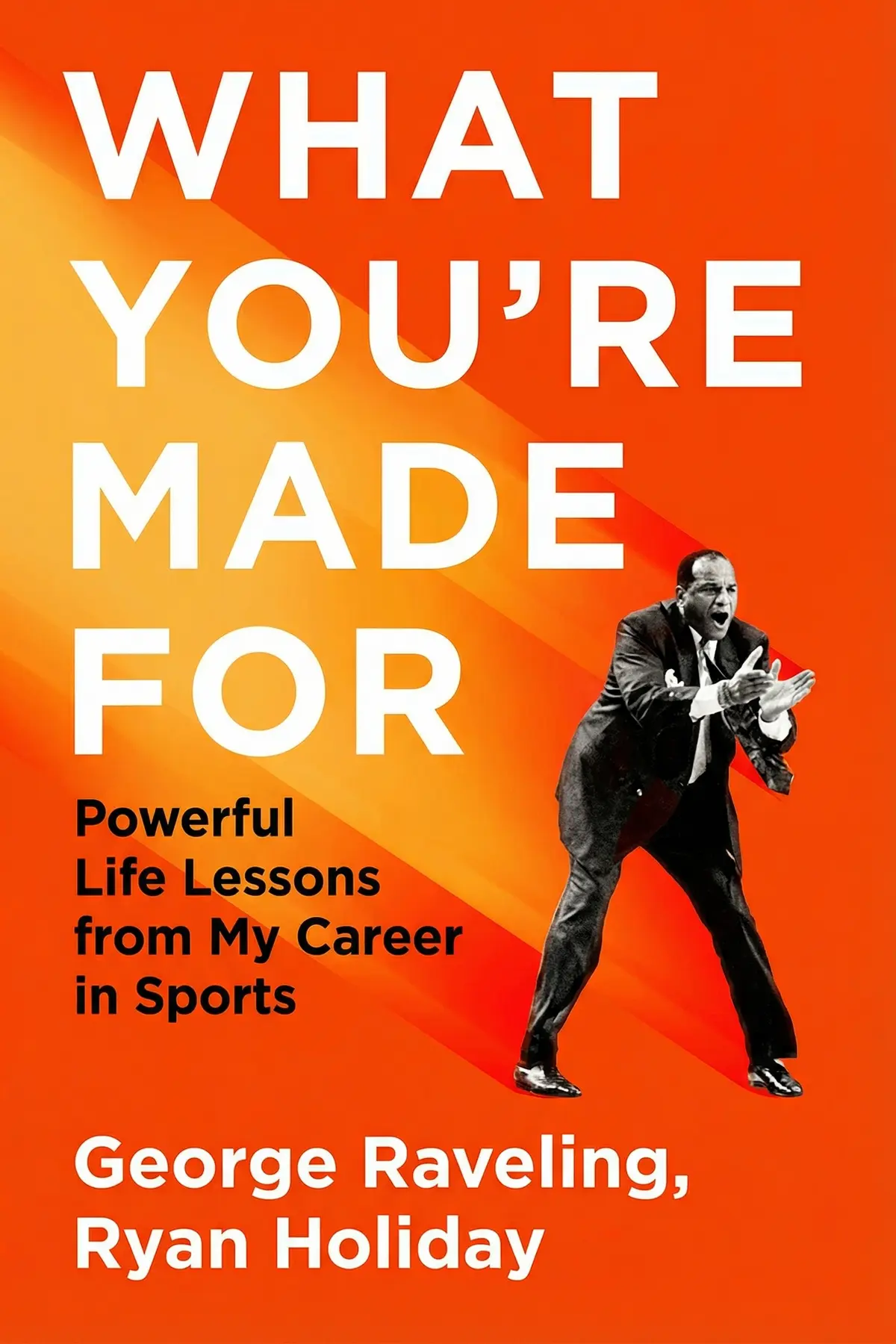
Courage is Calling: Fortune Favors the Brave
Ryan Holiday
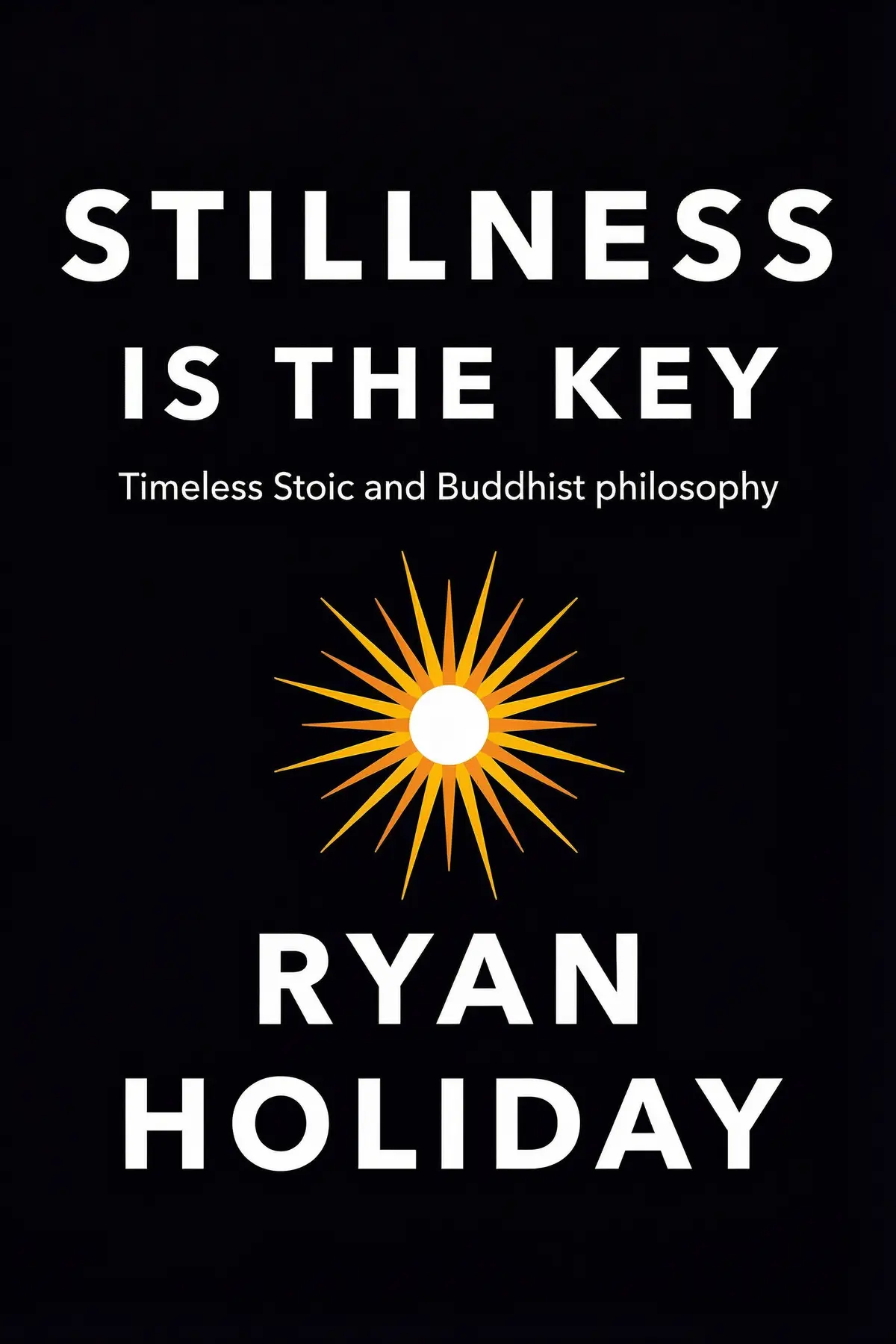
Stillness Is the Key
Ryan Holiday
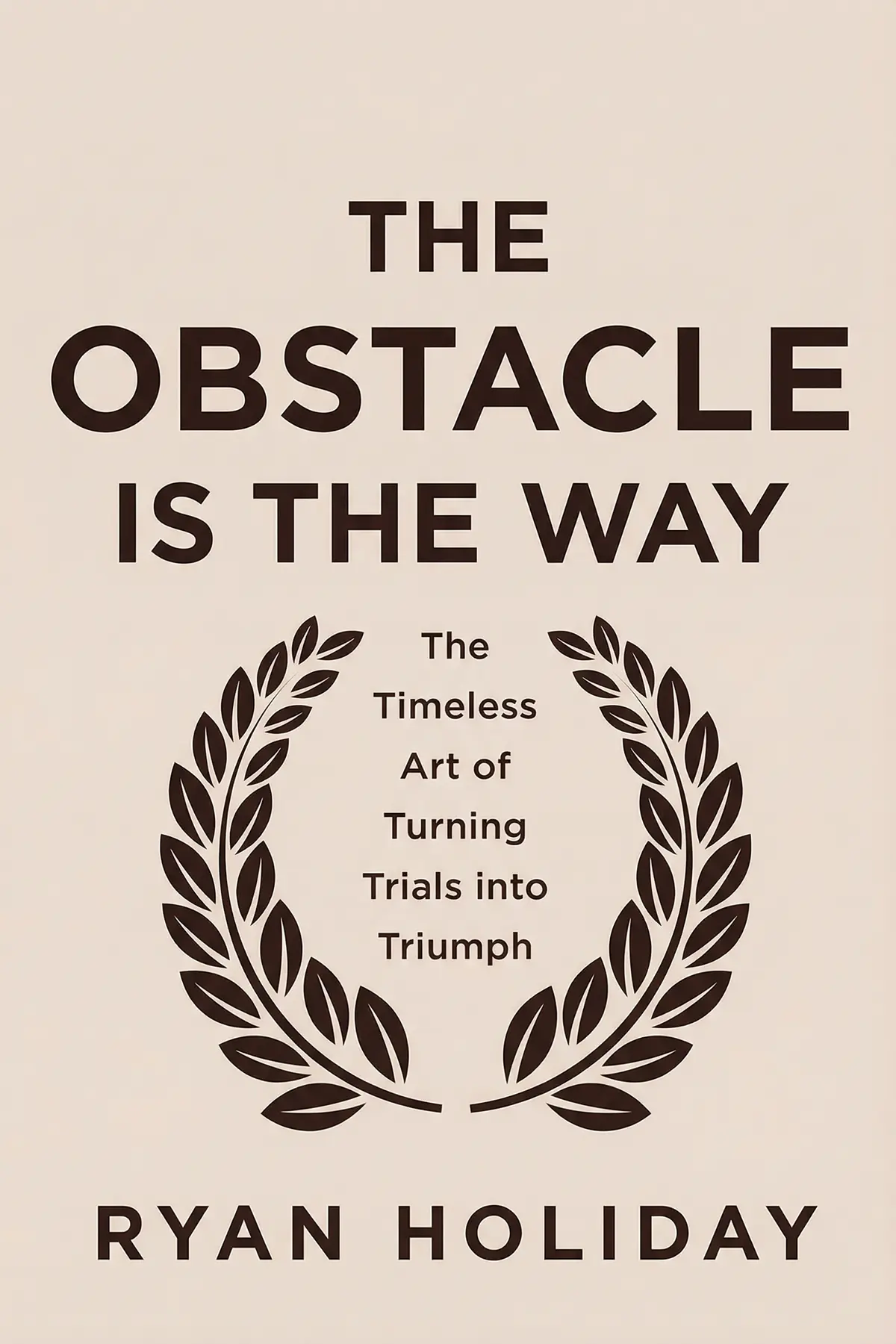
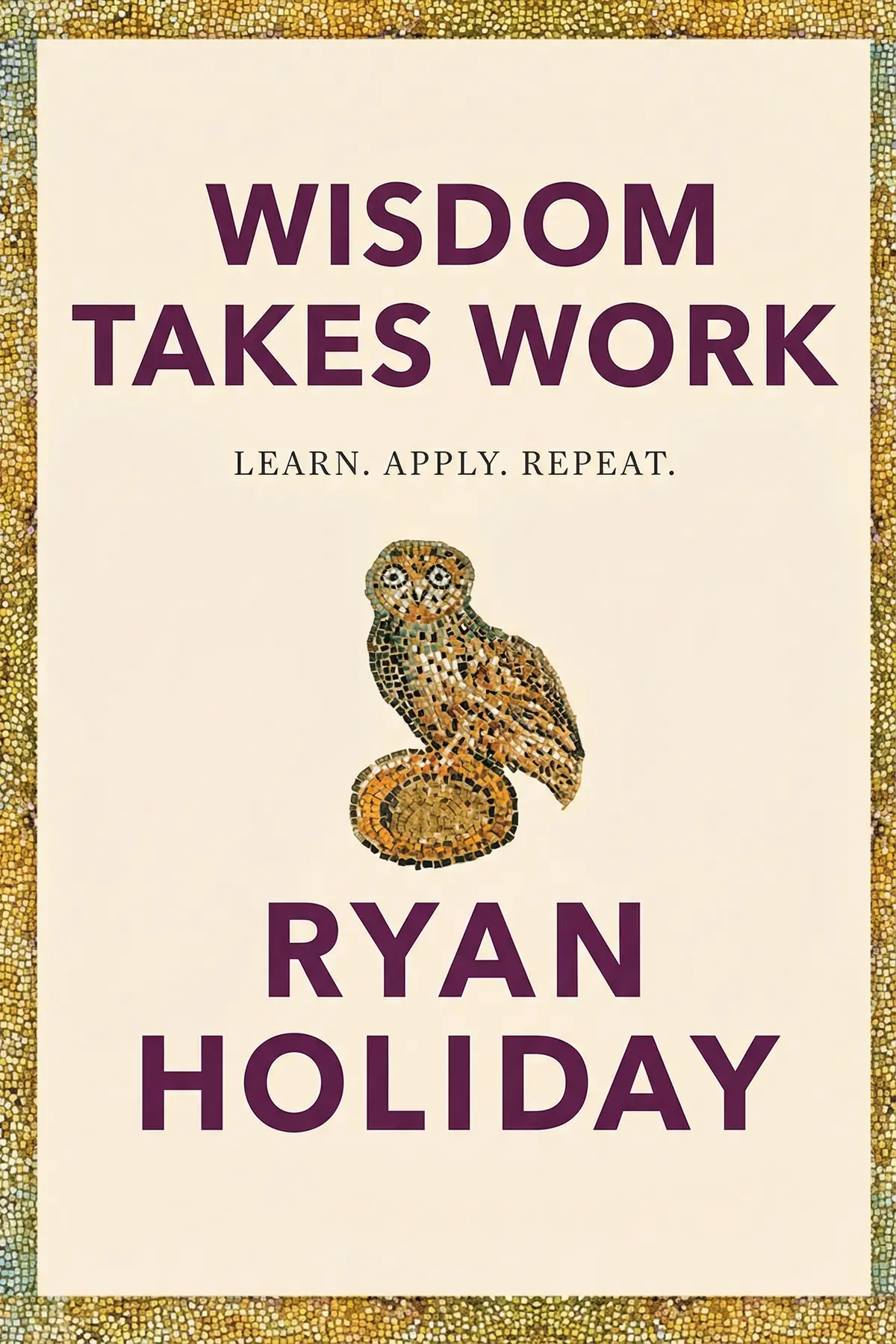
Wisdom Takes Work: Learn. Apply. Repeat.
Ryan Holiday
Ratings & Reviews
Ratings at a glance
What people think
Listeners find this work to be a masterpiece filled with distinctive lessons and guidance, while one review highlights its particular worth for individuals in leadership roles. The prose is exceptional, resulting in a fast-paced read that is both evocative and life-altering. They value the profound exploration of self-discipline, the inclusion of historical figures, and the practical examples integrated throughout the narrative.
Top reviews
Hannah
After hearing Ryan Holiday on a few podcasts, I decided to dive into "Discipline Is Destiny," and it’s a total masterpiece. The way he weaves stories of historical figures like Lou Gehrig and Queen Elizabeth into modern lessons is truly brilliant. Each chapter is short and punchy, making it easy to read a few pages before starting my day. I particularly appreciated the focus on self-restraint as a form of power rather than just a set of rules. While some might find the sports analogies a bit much, they serve as grounded examples of what it looks like to push through pain. This book isn't just for leaders; it’s for anyone trying to get their life in order. It’s thought-provoking and, in my case, genuinely life-changing.
Show moreTeng
Wow, this really hit home in a way I didn't expect. I used to think discipline was just about waking up at 4 AM and grinding, but Holiday shows it’s actually about temperance and balance. The chapter on Floyd Patterson and the importance of sleep was a revelation. It’s rare to find a "productivity" book that actually encourages you to rest as an act of character. The real-life examples are varied enough to keep things interesting, though it does lean heavily on Western history. Every page felt like a nudge to be a better version of myself without being overly preachy. It’s a quick read but one that I know I’ll be reflecting on for months. If you feel like your life is disordered or disconnected, this is the guidance you need.
Show moreKanchana
Discipline is often misunderstood as just "grinding," but Holiday reframes it as true freedom. I was particularly struck by the stories of George Washington and how he managed his temper. It’s a masterpiece of research and storytelling that makes ancient philosophy feel incredibly modern and urgent. The book is especially valuable for people in positions of power who need to remember that their first duty is to rule themselves. I read through it in about two days because the prose is just that smooth. Some of the chapters are only two pages long, which kept me saying "just one more." Honestly, it’s one of the most thought-provoking things I’ve read this year. It forces you to look in the mirror and ask where you’re being lazy or indulgent.
Show moreFah
Ryan Holiday has a gift for taking dusty history and making it feel urgent. The way he describes Queen Elizabeth’s stoic endurance or Lou Gehrig’s iron will is nothing short of brilliant. This book isn't just a list of "to-dos"; it’s a deep dive into what it means to live a virtuous life. I found the section on "ruling over the body" to be particularly challenging in a good way. It’s easy to be disciplined when things are going well, but Holiday focuses on how to maintain your standards when everything is falling apart. The writing is accessible and quick, yet it leaves you with heavy questions to chew on. Truly a life-changing read for anyone who wants to stop being a slave to their own whims.
Show morePornpimon
Finally got around to finishing the second book in the virtues series, and it’s even better than the first. The focus on temperance is so needed in our modern world of constant distraction and overconsumption. Holiday draws on such a wide range of historical figures—from Toni Morrison to Marcus Aurelius—that there’s something here for everyone. I loved the practical advice on cleaning up your desk and just showing up, even when you don't feel like it. It’s an easy read that hits hard. Some might say it's repetitive, but in my experience, that's exactly what you need when you're trying to build new habits. You need to hear the message again and again until it sticks. This is a must-read for anyone serious about self-improvement.
Show moreIsaiah
Not what I expected from a book on self-restraint, in the best way possible. I thought it would be a dry lecture, but instead, it’s a vibrant collection of stories and unique lessons. Holiday’s deep understanding of discipline shines through every anecdote. The book emphasizes that being "great" isn't about fame, but about the quality of your character. I found the afterword about his own struggles with the writing process to be incredibly relatable and moving. It humanized the author and made the advice feel much more attainable. While it’s a quick read, the weight of the wisdom is substantial. It provides a roadmap for anyone looking to navigate the pressures of modern life with grace and strength.
Show moreRome
The structure here is perfect for busy people who need their wisdom in bite-sized chunks. Holiday explores discipline through three lenses: the body, the soul, and the mind, using figures like Eisenhower to illustrate his points. Truth is, there is a lot of repetition, and if you’ve read his previous work, some of this will feel like a retread of familiar Stoic ground. However, the writing style is so engaging that you hardly mind the overlap. I loved the section on "Managing the Load," though I did spot a few contradictions regarding when to rest versus when to push through injuries. Despite those small logic gaps, the overall message is incredibly valuable for those in influential positions. It’s a solid 4-star read that offers a deep understanding of why we fail to stay on track.
Show moreWoramet
Picked this up during a rough patch at work, and the timing couldn't have been better. Ryan Holiday writes with a clarity that is rare in the self-help genre, avoiding the "stoic-bro" clichés that plague the internet. He treats discipline as a destiny you choose through small, daily actions rather than one big heroic feat. My only gripe is that he occasionally inserts his own political leanings into the text, which felt out of place given the focus on ancient virtues. Still, the deep understanding of human nature on display here is impressive. The stories of Martha Graham and Thomas Edison provide great inspiration for anyone in a creative field. It’s a brilliant guide for those looking to master their impulses and focus on what truly matters.
Show moreBoy
To be fair, I wanted to love this more than I did, especially since "The Obstacle Is The Way" was so impactful. This felt a bit like a collection of newsletter essays expanded into a full book, which made the pacing feel disjointed at times. Must everything be a war analogy or a story about an American athlete? I found the historical "cherry-picking" a bit frustrating because life is rarely as clean-cut as these anecdotes suggest. Look, there are definitely nuggets of gold here—the advice on silence and routine is fantastic—but they are buried under layers of hero-worship. It’s not a bad book by any means, but it lacks the depth of his earlier work. If you’re new to Stoicism, you’ll likely love it, but long-time fans might find it a bit redundant.
Show moreGai
Personally, the constant contradictions in this book made it a frustrating slog to get through. On one page, Holiday praises an athlete for playing through broken bones, and on the next, he preaches the virtue of moderation and "managing the load." Which is it? The writing feels like a series of catchy sound bites designed for Instagram rather than a coherent philosophy. It’s very clearly written for the "Silicon Valley" type who wants to feel like a Roman Emperor while sitting in an air-conditioned office. Most of us work for bosses and don't have the luxury of "attacking the dawn" on our own terms. I appreciate his passion for the Stoics, but this felt out of touch and repetitive. I'm disappointed because his earlier series was so much more relatable to the average person.
Show moreQuestions about this book
What is the main idea of Discipline Is Destiny?
Ryan Holiday argues that self-discipline, which the Stoics called temperance, is what makes freedom worth having. Without restraint, technology, privilege and success leave people drifting. He presents discipline as control over your actions, thoughts and emotions, built in three stages: the body, the mind and finally a balanced spirit that combines high standards with kindness toward others and yourself.
How does Ryan Holiday suggest building physical self-discipline?
He recommends a strenuous, slightly uncomfortable activity each day, from long walks to weightlifting, and small tests such as cold showers or sleeping on the ground. He urges an early bedtime for better energy and decisions and to win the quiet morning hours. Above all, show up daily for your priorities, even in a tiny way, as Lou Gehrig did across 2,130 straight games.
How can I control my reactions according to Discipline Is Destiny?
Holiday points to the brief gap between something happening and your response. Use it to gather yourself and wait for more information instead of taking offense, jumping to conclusions or blaming. Ask whether what you feel is true and whether it is as upsetting as it seems. Queen Elizabeth, calm when a cement block hit her car and when shots were fired at her, is his model.
Does Discipline Is Destiny say you should be hard on yourself?
No. Holiday insists that discipline means little without kindness, compassion and love, including toward yourself. He tells of the Stoic Cleanthes reminding a self-critical man he was not talking to a bad man. Everyone you admire has slipped. Standards are meant to aim at, never an excuse to quit, so when you fail, encourage yourself and carry on.
Who should read Discipline Is Destiny?
It suits people who have plenty of freedom but little direction: professionals fighting distraction, anyone whose routines collapse after one missed day and perfectionists who stall instead of finishing. Readers drawn to Stoic philosophy get practical habits for body and mind, from early nights and daily effort to a calm pause before reacting and a kinder response to failure.
Featured in
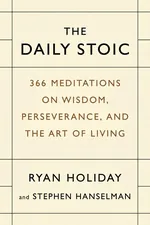
Readers also enjoyed
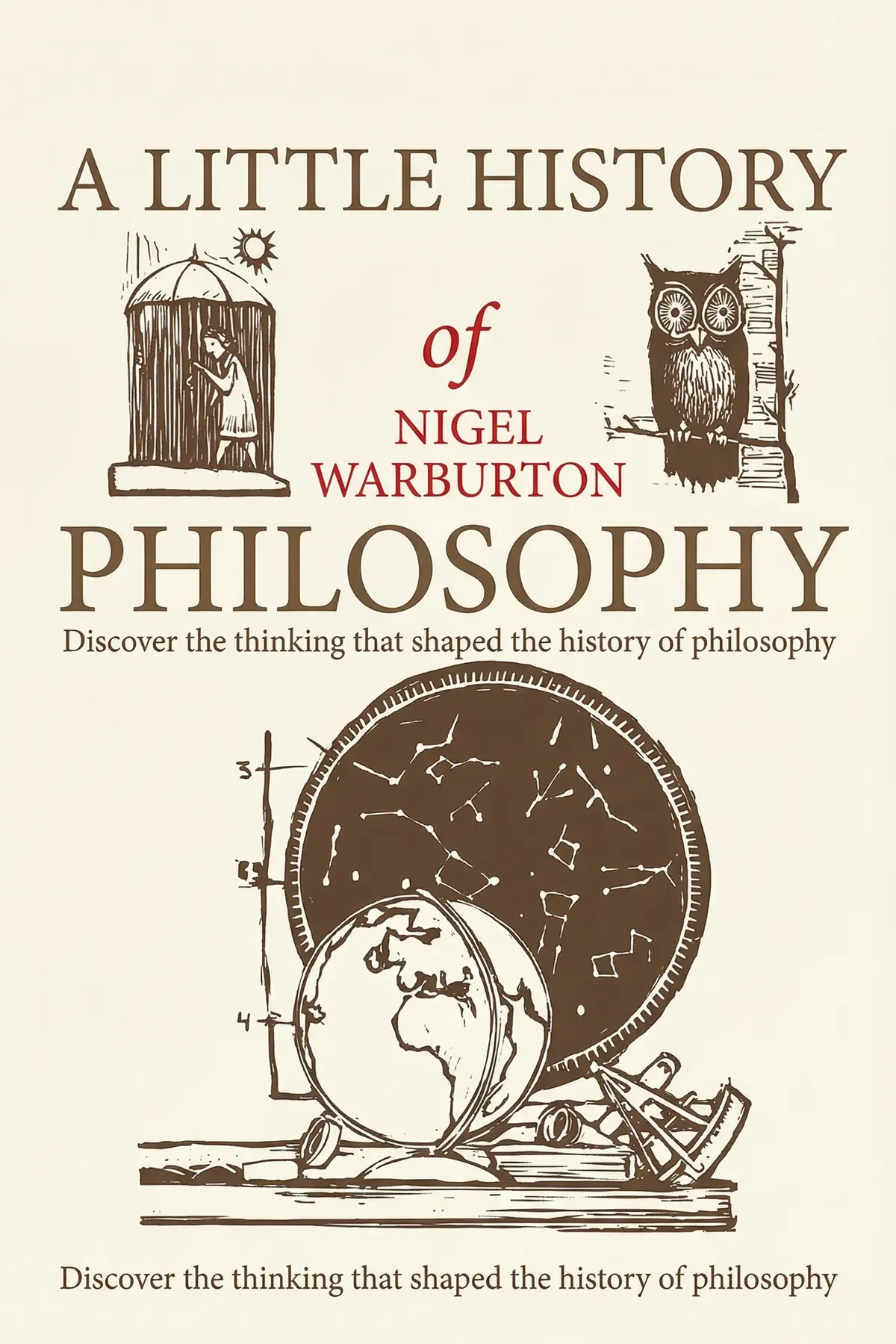
A Little History of Philosophy
Nigel Warburton

A Theory of Justice
John Rawls

59 Seconds: Change Your Life in Under a Minute
Richard Wiseman






A Guide to the Good Life: The Ancient Art of Stoic Joy
William B. Irvine
AUDIO SUMMARY AVAILABLE
Listen to Discipline Is Destiny in 15 minutes
Get the key ideas from Discipline Is Destiny by Ryan Holiday, plus 5,000+ more nonfiction titles.
- 5,000+ titles
- Listen as much as you want
- 7-day free trial
- Cancel anytime









