
13 min 31 sec
Available in: English
 ไทย
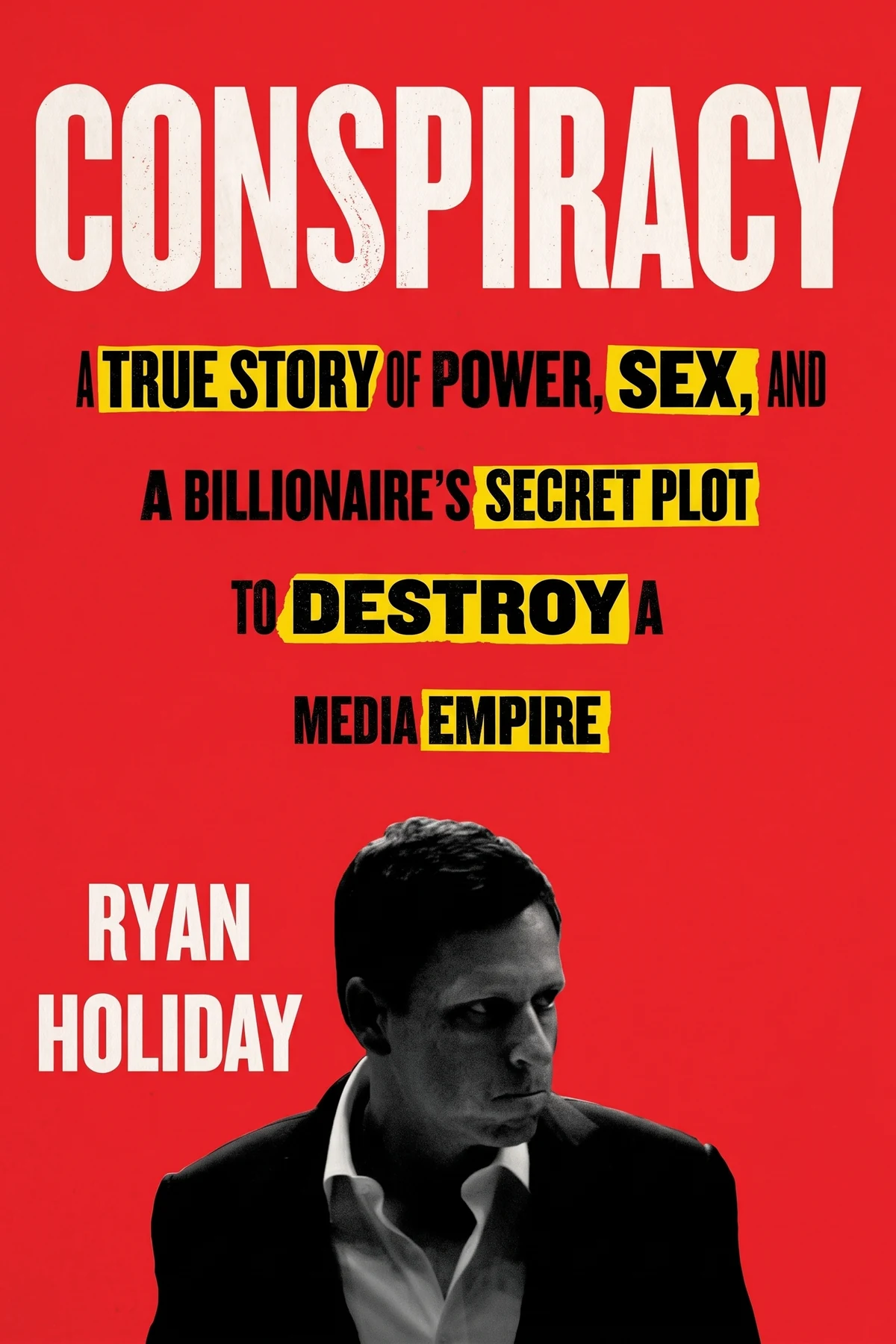
EnglishไทยCourage is Calling: Fortune Favors the Brave
By Ryan Holiday
Ryan Holiday shows that courage is a choice anyone can practice. Reason through your fears, give them exact limits, start with small steps that point somewhere important, and take the one-minute brave acts you keep postponing.
Table of Content
1. Introduction
1 min 03 sec
Most people already know the brave thing they should do: the hard conversation, the career leap, the email that finally says no. What stops them is fear, and in Courage is Calling, Ryan Holiday argues that fear is the very material courage works on. Holiday, best known for bringing Stoic philosophy to modern readers, defines courage as choosing hardship and risk on purpose, for the sake of doing right.
His case is that courage belongs to anyone willing to practice it. It is built from ordinary moves: examining a fear until it shrinks, giving it exact limits, taking a small first step, making a one-minute phone call, and putting other people first. The stories run from Hercules at a crossroads and Pericles in a thunderstorm to a presidential election decided by a few calls. By the end, the brave act you have been postponing should look smaller, clearer and much closer than it did before.
2. Choose the harder road on purpose
1 min 54 sec
A young hero stood between two goddesses, one promising a life without pain and one promising only struggle. His answer still shapes how we define bravery, and it starts long before any heroic deed.
3. Shrink a fear by reasoning it through
1 min 42 sec
An army facing no enemy at all was ready to fall apart. Their general had no scientific explanation for what scared them, yet he found a way to calm them in seconds.
4. Give your fears edges so they stop growing
1 min 57 sec
A man who made a fortune during nineteenth-century market panics kept asking himself an uncomfortable question about his own business. A Roman philosopher had recommended the same uncomfortable habit centuries earlier, for the same reason.
5. Start brave with one small, well-aimed step
1 min 50 sec
One of Britain’s most admired women began her career with a commitment so modest it hardly sounded brave. An inventor known for chasing huge problems seems to disagree with her, until you look closer.
6. Act in the minute when courage counts
1 min 58 sec
In a razor-close presidential race, two candidates got the same desperate request for help. One had every reason to say yes and stayed silent. The other picked up the phone, and history turned.
7. Make your courage lift the people around you
1 min 46 sec
A man who wrote speeches for one of history’s great leaders is almost entirely forgotten. The reason is the bravest thing he did, and it involved no speech, no protest and no credit.
8. Conclusion
1 min 21 sec
Holiday’s book turns courage into something ordinary people can practice: a series of decisions, each one modest enough to make. Hercules chooses a road. Pericles knocks two stones together. Nightingale signs up for one summer, and Kennedy picks up a phone. Fear is present in every one of these stories. What changes is what the person does with it.
He also warns that courage is not always rewarded quickly. Socrates challenged the moral beliefs of ancient Greece and was executed for it. Seneca was sent into exile, and so was the philosopher Epictetus. People who speak plainly and honestly often irritate the majority and the powerful of their time. Holiday’s advice is to expect some loneliness first, a stretch in the wilderness before any recognition arrives.
The practice he supports is concrete. When a fear blocks you, write it out in exact terms until you can see how big it really is. Choose a first step small enough to take now but pointed in a direction that matters. And watch for the one-minute acts, the call or the email, that you keep putting off. The harder road at the crossroads is usually closer than it looks, and it often starts with a single message you could send today.
About this book
What is this book about?
Most people know the brave thing they ought to do. It might be a hard conversation, a career change or a message that says no. Fear keeps them waiting. In Courage is Calling, Ryan Holiday argues that courage is not a rare gift held by a heroic few. It is a choice to accept hardship and risk for the sake of doing right, and ordinary people can practice it. Holiday makes his case through stories. Hercules picks the harder of two roads. Pericles calms terrified soldiers with two stones. Seneca and Rockefeller make a habit of rehearsing disaster. Florence Nightingale begins with a single summer in a hospital. John F. Kennedy wins an election after a few phone calls on behalf of Martin Luther King Jr. Stanley Levinson steps away from a cause he loved so that it could succeed. Readers get a working method for fear: test it with reason, write it out until its real size shows, and then act. Holiday also offers an honest warning that brave people are often met with loneliness before they get any recognition.
Book Information
Who it's for
Professionals delaying hard choices
Professionals who keep postponing a hard conversation, a resignation or a risky career move.
Young adults starting out
Young people starting out who want a practical way to handle fear of failure.
Team leads
Team leads who want their bravery to strengthen the people who depend on them.
About the Author
Ryan Holiday
Ryan Holiday left college at 19 to apprentice with the strategist Robert Greene and went on to advise authors and musicians. He became known for presenting Stoic philosophy as a practical way of life, in books such as The Obstacle is the Way, Ego is the Enemy and Stillness Is the Key, which reached number one on the New York Times bestseller list. He has hosted The Daily Stoic Podcast since 2018, and his books appear in more than 40 languages.
Discipline Is Destiny: The Power of Self-Control
Ryan Holiday
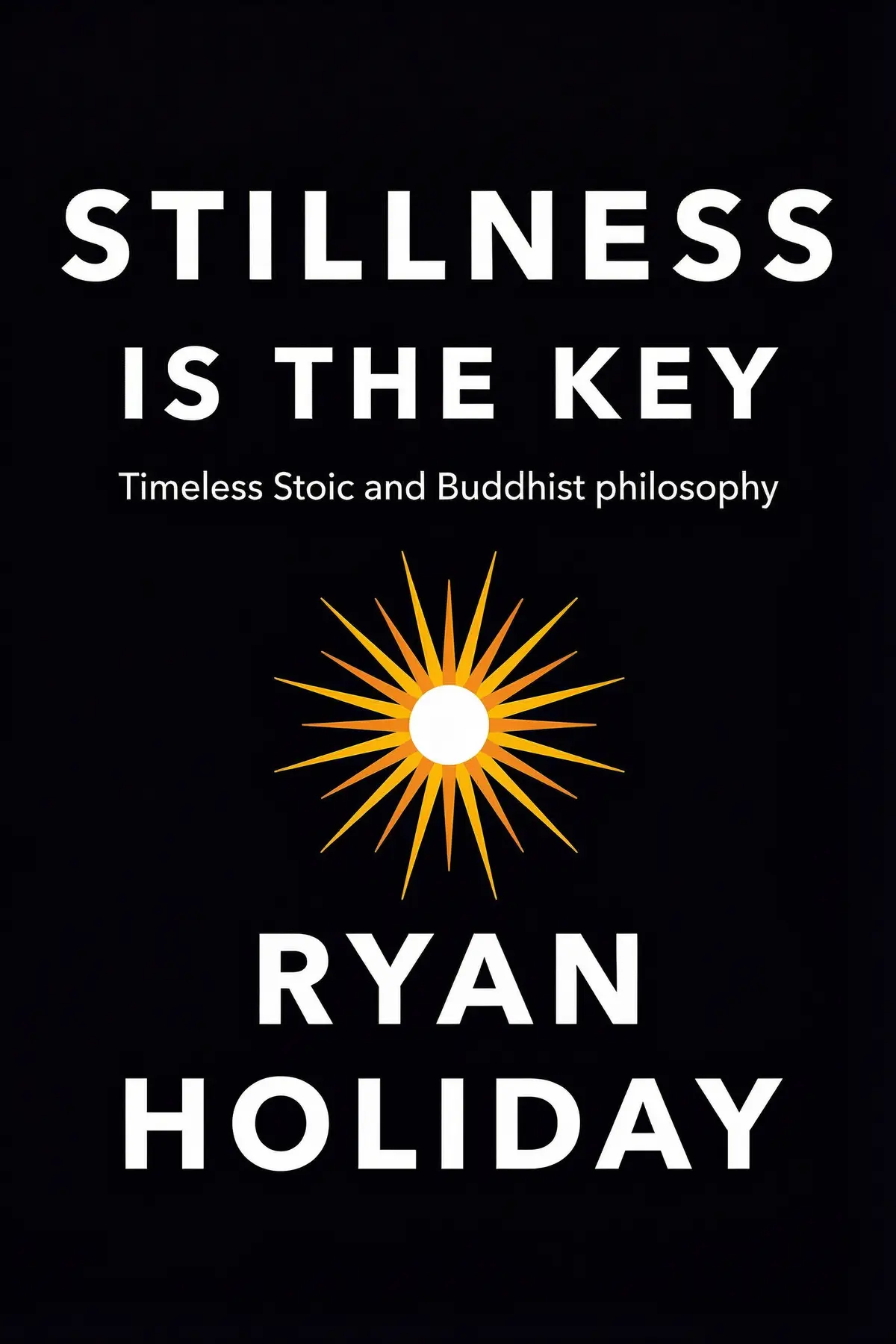
Stillness Is the Key
Ryan Holiday
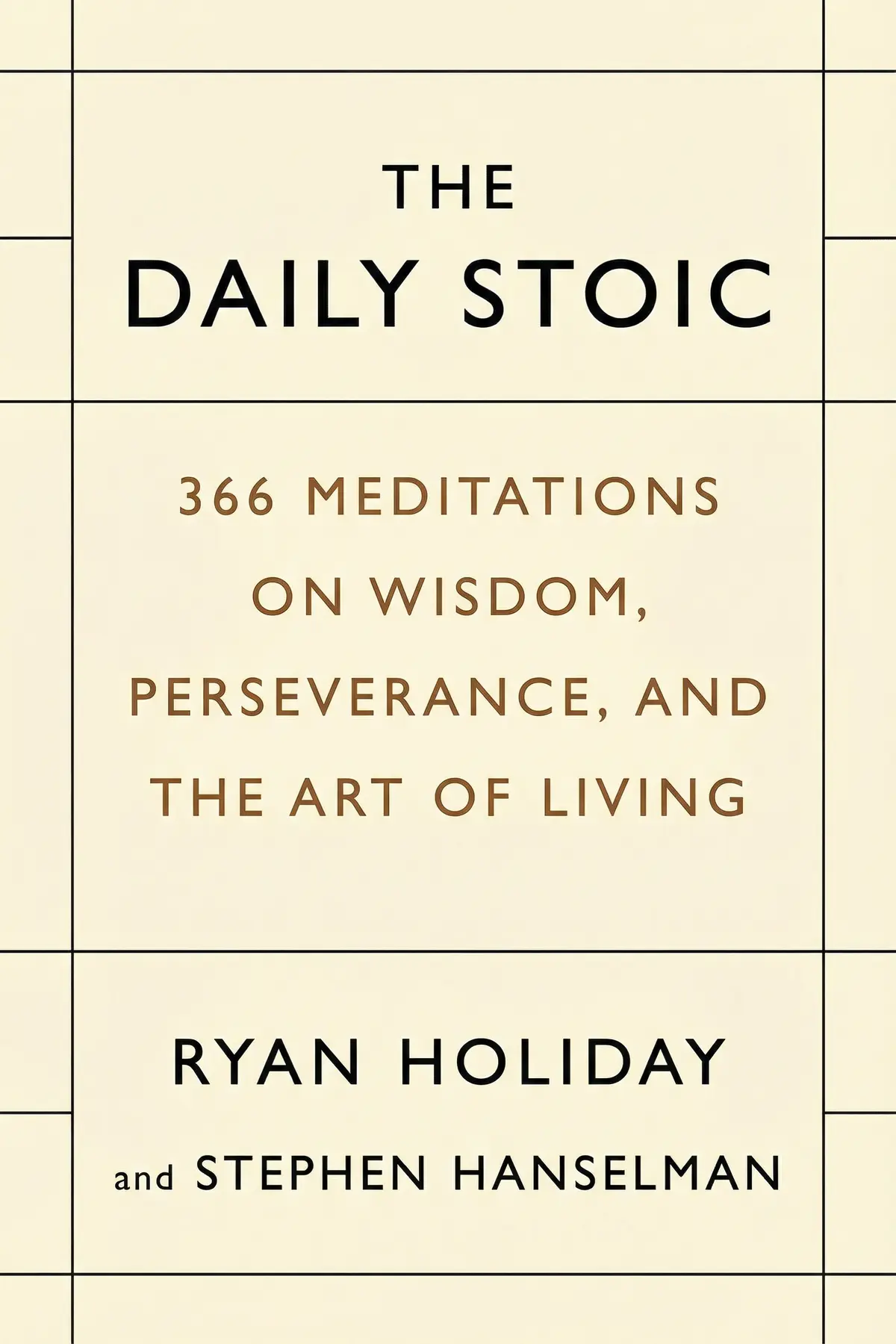
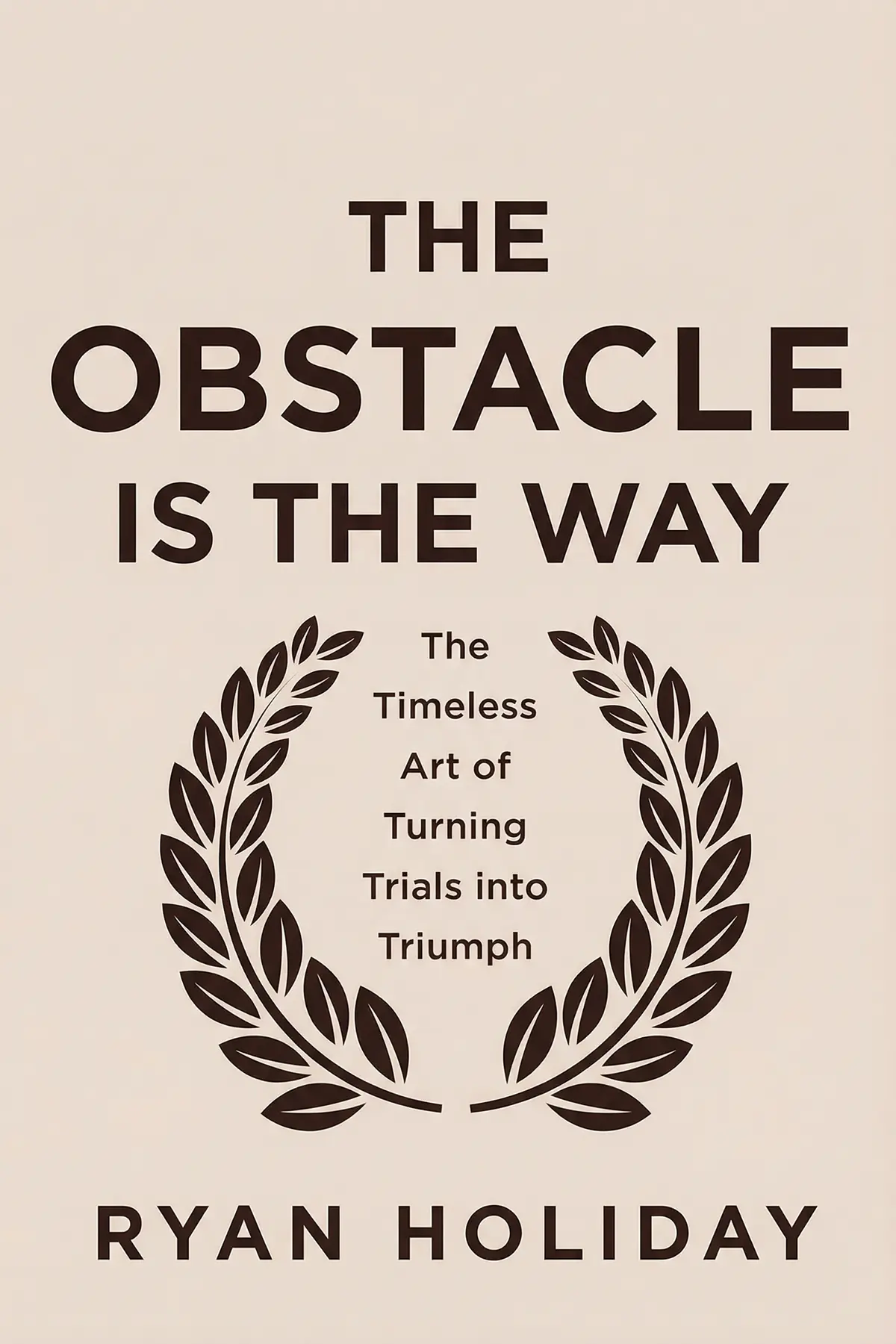
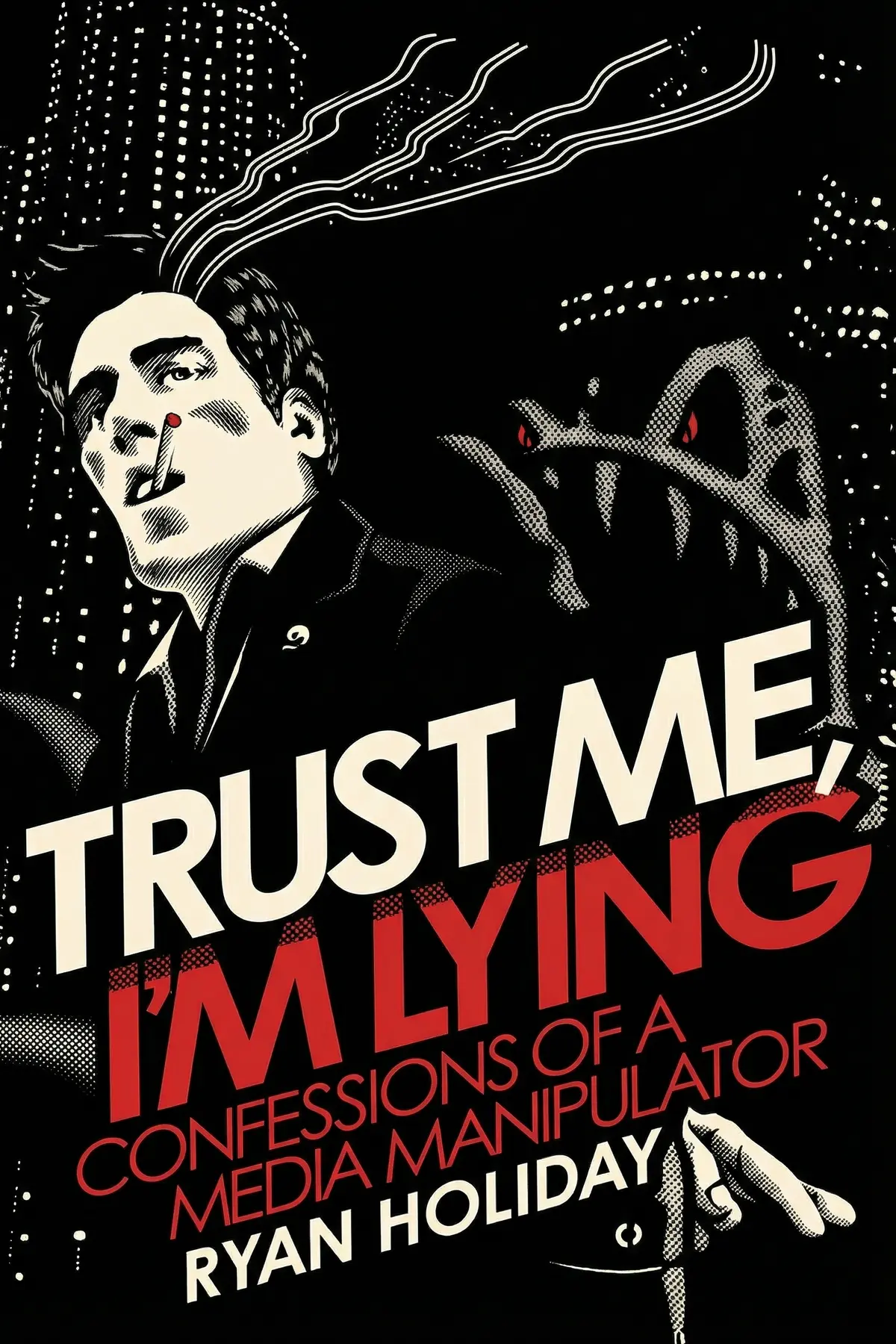
Wisdom Takes Work: Learn. Apply. Repeat.
Ryan Holiday
Ratings & Reviews
Ratings at a glance
What people think
Listeners find the work stimulating and motivating, specifically appreciating the way it examines bravery through historical precedents. The writing style is also highly regarded, with one listener mentioning that it acts as a portal to older, classic texts. Additionally, the book draws praise for its moving narratives and functional tips. However, the structure gets a varied response, with several listeners remarking that the chapters are too short.
Top reviews
Supatra
Ryan Holiday has a gift for taking dusty ancient philosophy and making it feel like a jolt of electricity to the system. This book is a masterclass in using historical figures like Florence Nightingale and Winston Churchill to illustrate that courage isn't the absence of fear, but the triumph over it. The writing is sharp, urgent, and incredibly direct. I found myself highlighting passages on nearly every page because the advice felt so immediately applicable to my own life's crossroads. While the chapters are short, they pack a punch that lingers long after you close the cover. It’s a thought-provoking call to action for anyone feeling stuck in a cycle of hesitation. Frankly, this is exactly the kind of kick in the pants I needed this year.
Show moreChanpen
Finally got around to reading the first installment of the Virtue series, and it arrived at the exact moment I needed a push. The way Holiday explores the transition from fear to courage is both poetic and practical. I loved the inclusion of Harry Burn’s story regarding the 19th amendment—it showed how one small act of bravery can change the course of history. The prose is clean and rhythmic. Sometimes the sentences are short and punchy. Other times, he weaves together complex historical threads that leave you reflecting on your own legacy. It’s an inspiring read that doesn’t shy away from the cost of doing the right thing. I’m definitely looking forward to 'Discipline is Destiny' after this experience.
Show moreTum
Looking at history through the lens of virtue is a refreshing change from the typical 'self-improvement' books saturating the market right now. Holiday’s exploration of heroism through figures like Captain James Stockdale is both harrowing and deeply moving. He has a way of making you feel like the ancient Stoics are standing right next to you, urging you to be better. The book is divided into logical sections that flow well, even if the individual chapters are brief. I found the afterword about his own personal struggles with an abusive boss to be a brave and vulnerable touch. It proves he isn't just preaching from an ivory tower. This is a must-read for anyone who wants to live a life governed by principle rather than convenience.
Show moreUbolrat
Wow, I didn't think a book about ancient virtues could feel so urgent and contemporary. Holiday cuts through the noise of modern life to remind us that courage is the foundation of everything else. Without it, we can't be just, wise, or temperate. The stories are impactful and the advice is actually useful for the small battles we face every day. Gotta say, the way he describes 'Nihilism as a loser’s game' really hit home for me. It’s a bold, unapologetic, and highly inspiring read that challenges you to stop making excuses. I finished it in two sittings and immediately felt more energized to tackle some difficult conversations I've been avoiding. Highly recommended for any leader.
Show moreKanchana
As someone who typically avoids the self-help genre, I was pleasantly surprised by the historical weight behind these chapters. Holiday doesn't just give you platitudes; he anchors his arguments in the lived experiences of leaders and activists. The section on Charles de Gaulle was particularly compelling to me. My only real gripe is that the chapters sometimes feel a bit too brief, ending just as I was getting settled into the narrative. It functions well as a gateway to more dense Stoic writings, though it leans heavily on military examples. To be fair, the focus on virtue is a refreshing change from the typical 'hustle' books. It’s a solid four-star read that offers practical wisdom without being overly academic.
Show moreOtt
The chapter on 'Fear' really shifted my perspective on how I handle stress at my corporate job. Holiday argues that we often let our imaginations create monsters that don't exist, and seeing how historical figures faced actual life-and-death stakes made my problems feel much more manageable. The writing style is very accessible, which I appreciate. I did notice that the book leans heavily on male figures, with only a few women like Eleanor Roosevelt getting significant page time. Despite that, the core message about taking a stand for what is right is universal. It’s a quick read that provides a much-needed morale boost. Personally, I found the practical advice on 'training' for adversity to be the most valuable part of the entire book.
Show moreWillow
Picked this up because I enjoyed his previous work, and Holiday continues to deliver his signature style here. It’s a very fast read, which makes it perfect for a morning routine or a commute. The historical examples are varied enough to stay interesting, though he does return to the Spartans a bit too often for my liking. The transition from 'The Fear' to 'The Courage' felt very organic. While some of the observations are a bit obvious, the way he frames them makes you look at your own hesitation in a new light. It’s not a deep philosophical treatise, but it’s a great motivational tool. I’ll be keeping this on my shelf to flip through whenever I need a reminder to be bolder.
Show moreRoo
Ever wonder if a book can be too fast-paced for its own good? I enjoyed the historical snapshots, but the structure of this book is a bit fragmented for my taste. It jumps from one anecdote to another so quickly that it’s hard to build any real momentum. Some of the 'courageous' examples felt a bit stretched to fit the narrative, and the tone occasionally veers into being a bit preachy. Look, it’s not a bad book by any means, and there is plenty of inspiration to be found in the stories of Frank Serpico or Frederick Douglass. However, I was hoping for more deep psychological insight into the mechanics of bravery. It’s a decent introductory text, but it lacks the intellectual depth of Holiday's earlier works like 'The Obstacle Is the Way'.
Show moreRod
Not what I expected after hearing all the hype surrounding this 'Stoic guru' on social media. Truth is, the book felt incredibly shallow, almost like a collection of blog posts that were padded out to reach a target page count. Holiday relies on the same handful of historical anecdotes you’ve heard a thousand times before. He spends way too much time gushing over Spartan warriors and not nearly enough time discussing the quiet, everyday courage that most people actually need. It feels like a 'pulp' version of philosophy for people who want to feel deep without doing the work. If you want real Stoicism, just go read Marcus Aurelius or Seneca directly. This felt more like a marketing exercise than a profound study of virtue.
Show moreLeah
This book is basically a secular sermon filled with cherry-picked anecdotes that don't hold up under any real scrutiny. The author seems more interested in being a 'media manipulator' than a philosopher, turning ancient wisdom into a shallow brand. Some of the stories are so doctored to fit his points that they lose all historical context. Calling this 'Stoicism' is a stretch; it’s more like a collection of 'woke' talking points mixed with toxic 'hustle' energy. The chapters are so short they have zero substance. It’s incoherent and honestly felt like a waste of money. I don't understand why people find this insightful when it's just a bunch of clichés dressed up in fancy covers. Total disappointment.
Show moreQuestions about this book
What is the main idea of Courage is Calling by Ryan Holiday?
Holiday argues that courage means choosing hardship and danger willingly, for the sake of doing right. It does not require being free of fear. It requires handling fear well, by reasoning through it, defining it precisely and then acting. He shows that brave acts are often small or brief, and that courage spent on others becomes heroism.
How does Ryan Holiday suggest dealing with fear?
He offers two tools. The first is reasoning in the moment, as Pericles did when he banged two stones together to show his soldiers that thunder was nothing to fear. The second is defining fears ahead of time, close to Seneca’s premeditation of evils and Tim Ferriss’s fear setting. Rockefeller used it by asking what he would do if the oil fields gave out.
Does courage have to mean big, heroic acts?
No. Holiday draws on Aristotle’s view that virtues grow through repeated practice. Florence Nightingale started by committing to one summer in a hospital. Some brave acts take under a minute, like the phone calls Kennedy made for Martin Luther King Jr. before the 1960 election. The step can be small, but it should point toward something important.
What does Holiday mean by heroism?
Heroism is courage used for the benefit of others rather than for personal glory. His main example is Stanley Levinson, a key aide to Martin Luther King Jr., who left the movement on his own when accusations against him threatened to harm it. Holiday also points to Bill Cartwright, Michael Jordan’s co-captain, as the kind of team player who makes others stronger.
How can I apply Courage is Calling in daily life?
Write down a fear you keep avoiding in exact terms: what could happen, how likely it is, and what you would do next. Choose a small first step in a direction that matters. Notice the brief acts you keep delaying, such as an email or a phone call. Holiday also advises expecting some resistance or loneliness before recognition comes.
Readers also enjoyed
A Little History of Philosophy
Nigel Warburton

A Theory of Justice
John Rawls

59 Seconds: Change Your Life in Under a Minute
Richard Wiseman






A Guide to the Good Life: The Ancient Art of Stoic Joy
William B. Irvine
AUDIO SUMMARY AVAILABLE
Listen to Courage is Calling in 15 minutes
Get the key ideas from Courage is Calling by Ryan Holiday, plus 5,000+ more nonfiction titles.
- 5,000+ titles
- Listen as much as you want
- 7-day free trial
- Cancel anytime









