
14 min 39 sec
Available in: English
Wisdom Takes Work: Learn. Apply. Repeat.
By Ryan Holiday
Ryan Holiday shows how to turn what you know into good judgment. He argues that wisdom is a practiced skill and finds it in Montaigne, Monet, Temple Grandin and Confucius, built through practice, lifelong learning and humility.
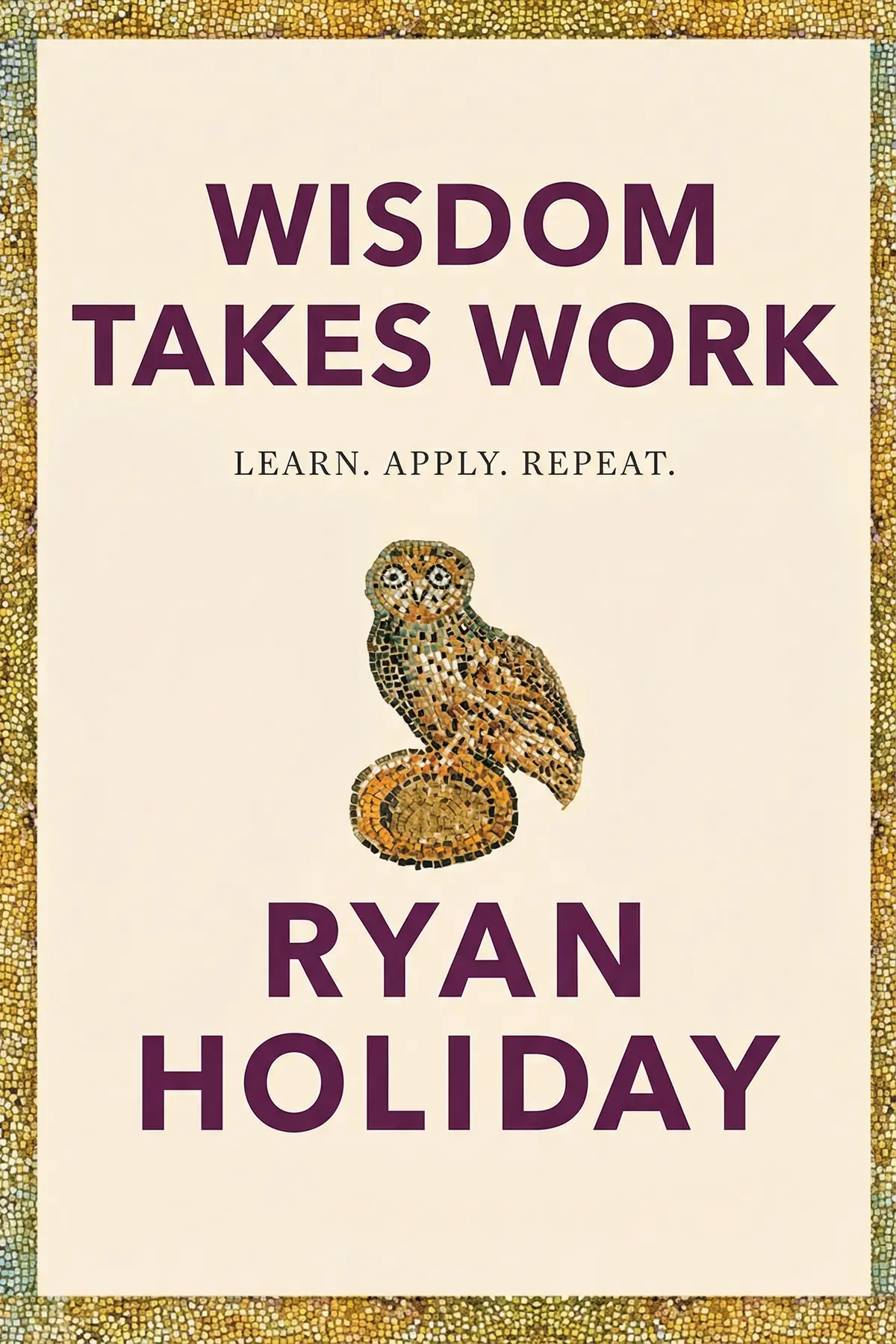
Table of Content
1. Introduction
1 min 08 sec
If you have read plenty of books and still freeze when a hard decision arrives, the gap may lie in what you do with what you know. In Wisdom Takes Work, Ryan Holiday argues that wisdom is a skill: knowing the right move, the right moment and the right way to make it. Nobody is born wise, he says, and nobody is born foolish either, so staying unwise is a choice.
Holiday opens with a Greek myth. A young Hercules stands where two paths split in the hills. One goddess offers easy pleasure. The other offers justice, temperance, courage and wisdom, and she warns that her road is hard work. Holiday’s case is that wisdom guides the other three virtues and grows through a handful of deliberate practices: owning your education, entering other people’s worlds, distrusting your own certainty and placing happiness where nothing can take it. Each practice comes with someone who lived it, from a French mayor in a library tower to a scientist crawling through cattle chutes.
2. Treat wisdom as a skill you practice
1 min 54 sec
Wisdom can sound like a gift some people simply have. A curve from mathematics suggests something more hopeful and more demanding: nobody ever arrives, and that is exactly why the effort keeps paying off.
3. Ask better questions the way Montaigne did
1 min 49 sec
A Renaissance nobleman was thrown from his horse, woke up hours later and rebuilt his life around a three-word question. The way he answered it still offers a model for anyone who wants to keep growing.
4. Find the classroom that actually teaches you
1 min 50 sec
A young painter turned down a famous art school and joined the army instead. What looked like a wasted detour became the training behind a whole artistic movement, and it raises a question about your own education.
5. See the world from inside someone else's head
1 min 45 sec
An animal scientist got down on her hands and knees in a cattle chute and saw what everyone else had missed. Her method works on frightened animals, and also on colleagues whose behavior seems to make no sense.
6. Spot the certainty that leads leaders into disaster
1 min 38 sec
An ancient fleet, an emperor’s army and a modern war all failed for one shared reason, and it had little to do with a lack of intelligence. The same mistake shows up in ordinary offices every week.
7. Hold two opposing ideas and still act
1 min 46 sec
Confucius gave one student advice and then told another the exact opposite. When a third student challenged him, his answer revealed why rigid rules fail and why a little uncertainty can be a pleasure.
8. Build a happiness no setback can take
1 min 40 sec
A famous basketball coach makes the same small choice every morning before he gets out of bed. Behind it sits an ancient argument that happiness is not waiting at the end of the promotion or the diet.
9. Conclusion
1 min 09 sec
Hercules at the crossroads is the image Holiday starts from, and by the end the harder road looks less mysterious. It is made of ordinary acts, repeated: reading and then testing what you read, choosing a classroom that suits you, getting down to someone else’s eye level the way Grandin did in the chutes, doubting the plan everyone around you trusts, and letting a hard question stay open. None of these makes anyone wise once and for all. The asymptote never touches the line. What changes is your place on the curve, and with it the quality of your choices when a real dilemma arrives.
A few habits follow directly from the book. Before a big decision, name what would prove you wrong, the step Athens skipped when it ignored every warning. When someone baffles you, describe the world from their side before you reply. And each morning, like Raveling, decide that your happiness will rest on what you control.
Montaigne carved his chosen lines into the ceiling beams above his head in the library tower. Pick one question worth looking up at daily, and keep working on it.
About this book
What is this book about?
Plenty of people read widely and still make poor choices when it counts. In Wisdom Takes Work, Ryan Holiday argues that this gap closes through practice. Wisdom, the virtue the Stoics called the mother of courage, justice and temperance, is knowing the right move, the right moment and the right way to make it. Nobody is born with it, and nobody ever finishes acquiring it. Holiday builds his case through people who earned their wisdom deliberately. Montaigne began writing in a library tower after a near-fatal fall. Monet learned to see under the Algerian sun. Temple Grandin crawled through cattle chutes to understand fear, and Confucius gave two students opposite advice. Disasters at Syracuse, in Russia and in Iraq show what certainty costs. Readers get a practical picture of wisdom: choose a classroom that suits you, step into other people's view of the world, hold your confidence loosely and stay comfortable with open questions. The book ends by linking wisdom to happiness. Following the Stoics and Aristotle, Holiday locates contentment in the judgments and responses you control, where circumstances cannot take it away.
Book Information
Who it's for
Well-read professionals
Professionals who read a lot but want better judgment when real decisions arrive.
Reflective founders and managers
Managers and founders who suspect their confidence sometimes outruns their knowledge.
Stoicism fans seeking contentment
Readers drawn to Stoicism who want happiness that does not depend on the next promotion.
About the Author
Ryan Holiday
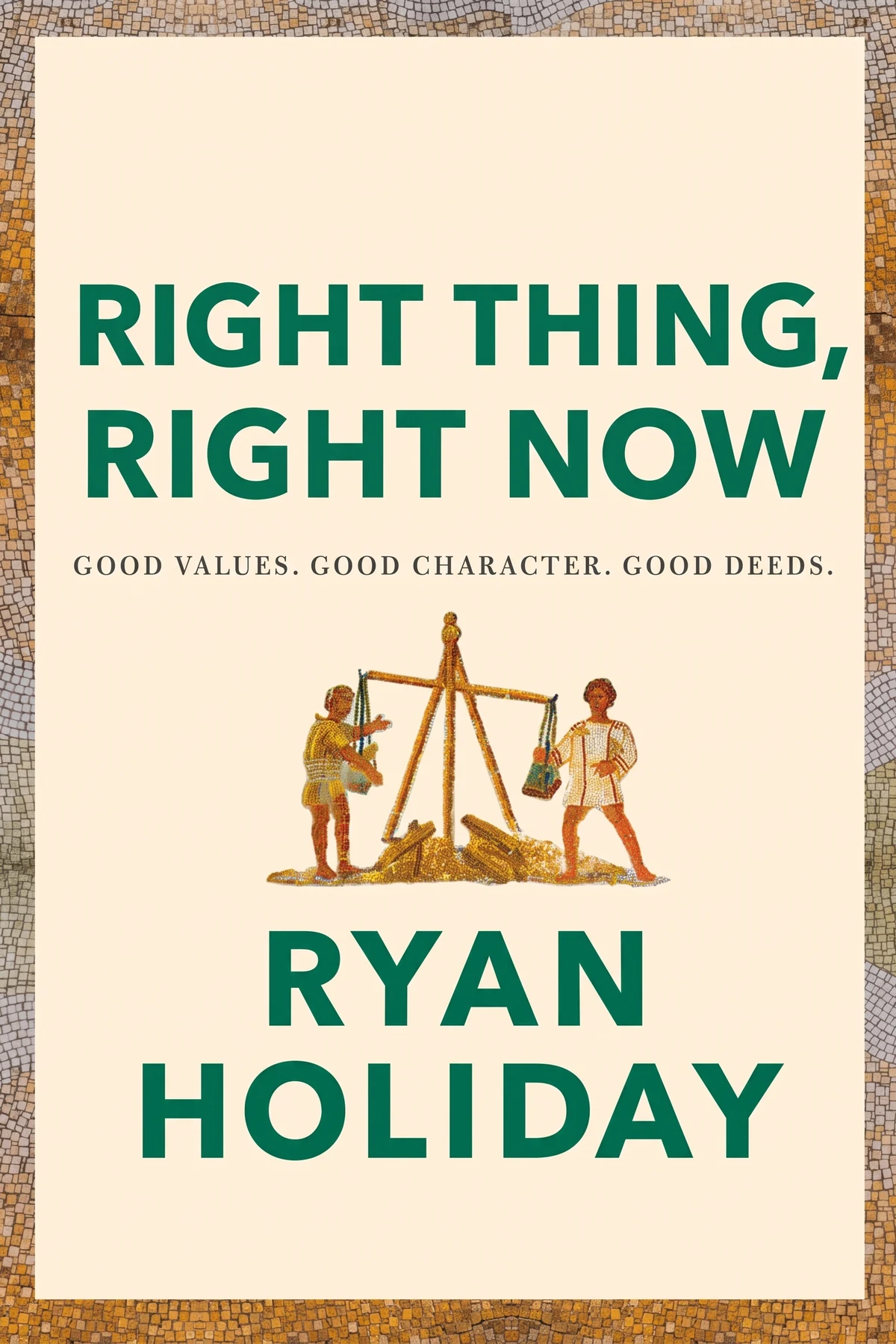
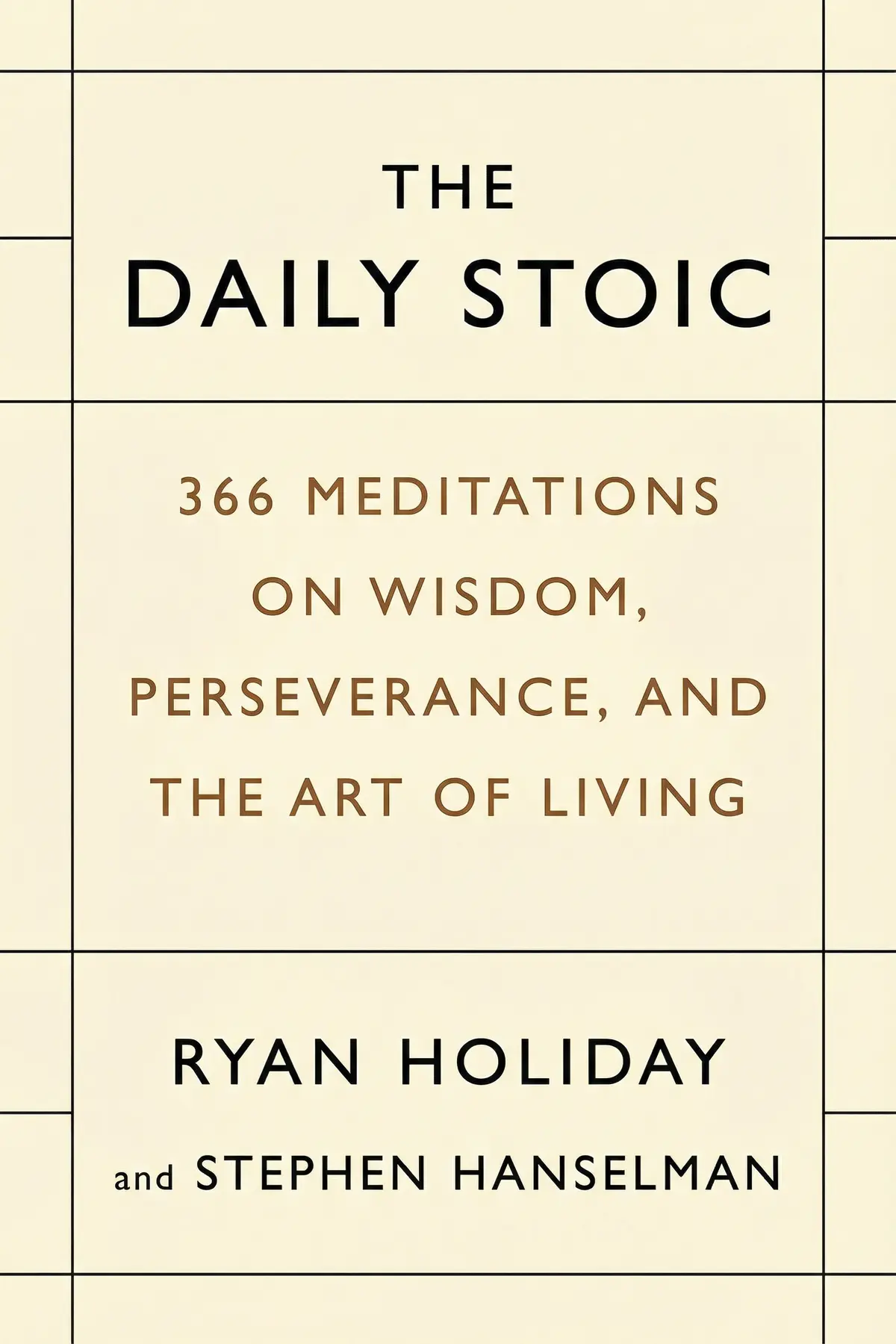
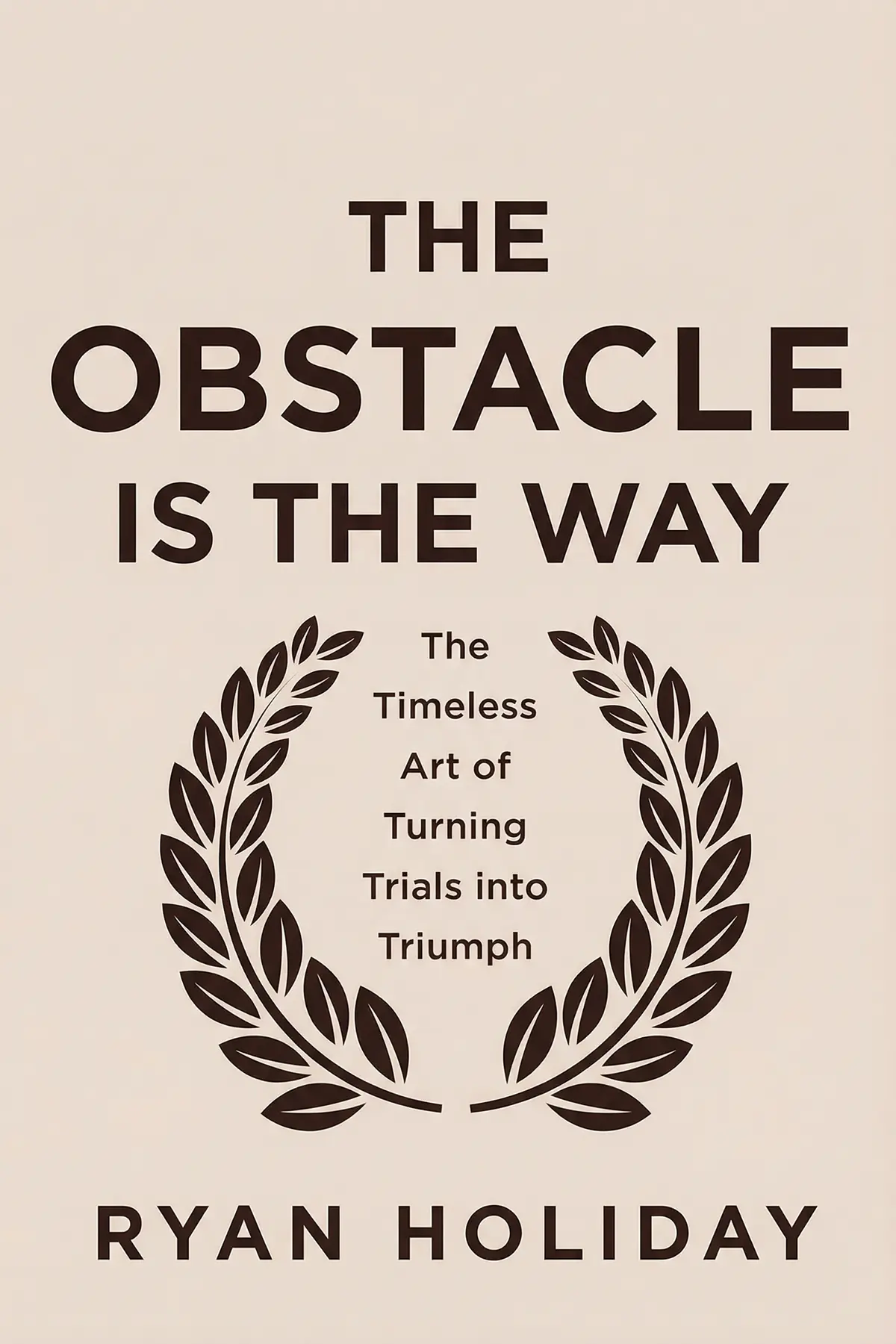
Ryan Holiday left college at 19 to apprentice with the strategist Robert Greene and went on to advise authors and musicians. His first book, Trust Me, I'm Lying, came out in 2012. He became known for presenting Stoicism as a way of life for people today in books such as The Obstacle Is the Way, Ego Is the Enemy and Stillness Is the Key, which reached number one on the New York Times bestseller list. He has hosted The Daily Stoic Podcast since 2018 and runs a bookstore, The Painted Porch, in Bastrop, Texas.
Courage is Calling: Fortune Favors the Brave
Ryan Holiday
Discipline Is Destiny: The Power of Self-Control
Ryan Holiday
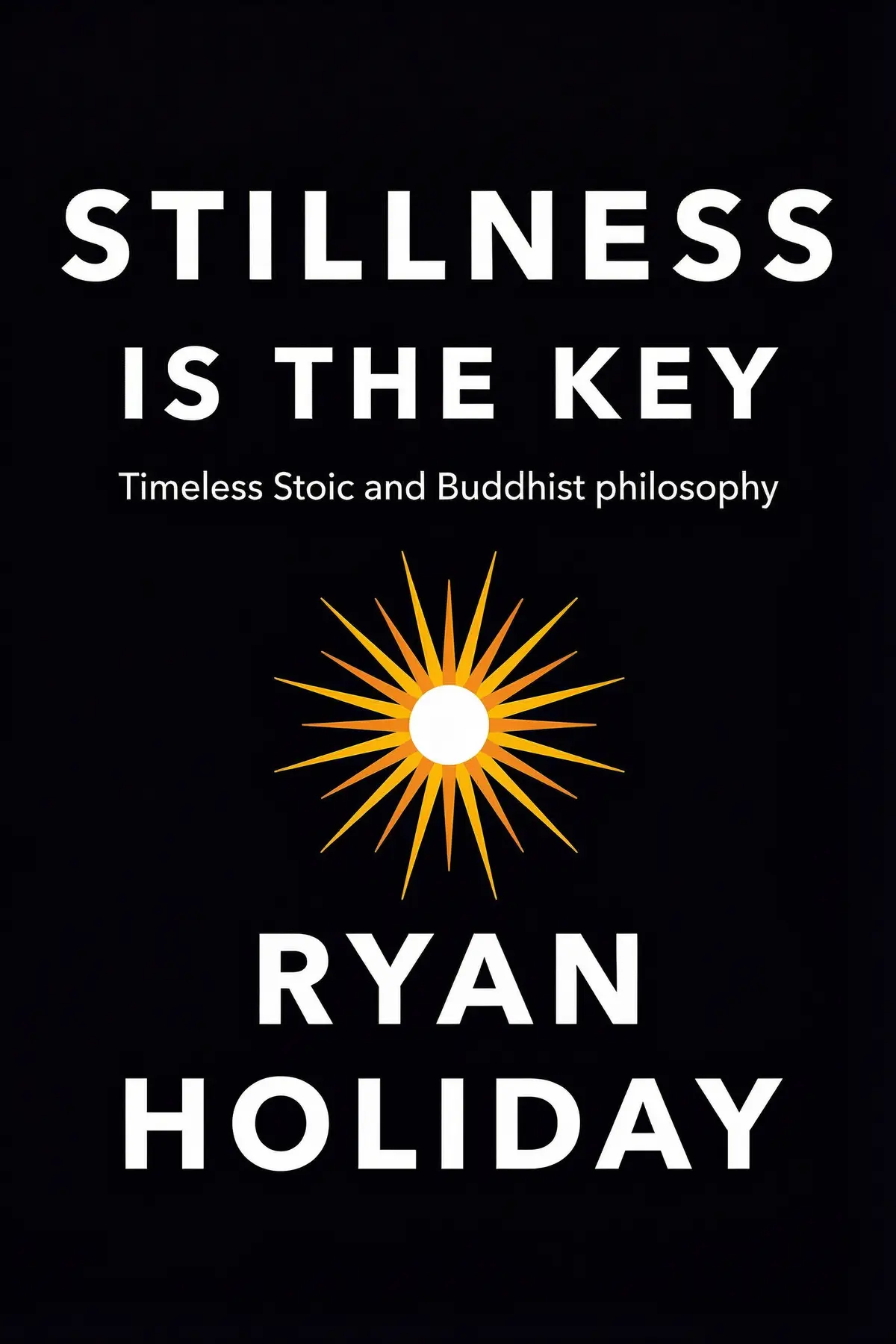
Stillness Is the Key
Ryan Holiday
Ratings & Reviews
Ratings at a glance

What people think
Listeners find the work to be a significant expansion of the Stoic body of knowledge, with one highlighting how it synthesizes the teachings of the stoics. Furthermore, the prose earns positive marks, with one listener characterizing it as inspiring. The book is also seen as a quality read for just being. However, viewpoints on the value for money are varied.
Top reviews
Maja
As a long-time follower of the Stoic Virtues series, I found this conclusion to be the most profound yet. Holiday masterfully illustrates that discernment isn’t a trait we are born with but a skill we must labor for every single day. The synergy of ancient insights from Marcus Aurelius with modern reflections on figures like Joan Didion creates a practical roadmap for anyone seeking clarity. I particularly resonated with the section on 'The Agoge,' which reminded me that our training ground is the life we lead right now. While the prose is as polished and reader-friendly as ever, the depth here feels different, almost urgent. It is a refreshing reminder that in a world of constant noise, the loudest voice in the room is rarely the wisest. This is an indispensable companion for those of us trying to find grounding and purpose in a chaotic era.
Show moreMarasri
Finally got around to finishing this today and I’m feeling incredibly centered. Ryan Holiday has a gift for making these old, dusty Roman ideas feel like they were written specifically for our modern problems. The way he describes wisdom as a choice between two paths—like the crossroads of Hercules—is a beautiful and haunting image that stayed with me long after I closed the cover. I loved the emphasis on self-education and the discipline of listening more than we speak. Honestly, the book is worth it just for the insights into how General Patton used reading to 'bend space and time' to learn from the dead. It’s an inspiring guide that doesn’t just preach; it invites you to do the hard work of reflecting on your own life. This is easily my favorite entry in the series.
Show moreCarlos
This book should be required reading for anyone who thinks they've already figured it all out. Holiday argues convincingly that ignorance is a solvable problem, but only if we are humble enough to admit we are students of life. I was particularly moved by the chapters on Abraham Lincoln’s self-made education and how he led through the nation's worst crisis. The structure, moving from 'The Agoge' to 'The Apotheosis,' provides a satisfying arc that ties the entire Stoic series together beautifully. Not gonna lie, I highlighted so many passages that I basically have a new quote journal now. It’s rare to find a nonfiction writer who can combine history, philosophy, and self-help so seamlessly. If you want to grow up and see things from the other side of the road, pick this up. It’s a masterpiece of modern Stoicism.
Show moreRung
After hearing Holiday talk about this on his podcast for months, I had high expectations, and he delivered. This isn't just a book of facts; it’s a call to action to ruthlessly question your own beliefs every single day. The chapter on 'The Sirens' was a brilliant warning against the perils of power and intelligence without moral discipline. I love how he uses the image of a horizon to explain progress—we never actually reach the end, but we can see how far we've come. It’s an intimate and energized look at what it means to live a life of character. Even if you aren't a 'neo-stoic,' the lessons on curiosity and self-education are universal. It is easily the best in the bunch and left me with more answers than questions. I’m truly grateful for this series.
Show moreTeng
Wow. I didn't expect a book on wisdom to be this punchy and practical. Holiday manages to blend the teachings of the greats into something that feels fresh and vital for right now. The sections on Joan Didion and Maya Angelou were highlights for me, showing that wisdom isn't just for ancient men in togas. It’s a daily practice of listening, learning, and repeating. The writing is incredibly inspiring and makes you want to go out and live better immediately. If you're looking for a guide to help you navigate a world that rewards noise over nuance, this is it. It’s a terrific finish to an impactful series. Truly, wisdom is work, but Holiday makes you realize why it’s worth every bit of effort.
Show moreNatalie
The final installment in Holiday’s virtues quartet is perhaps the most challenging to digest, yet it remains undeniably useful as a trigger for self-assessment. Truth be told, I struggled with the section titled 'The Storm Within Us.' The author’s choice to spend so much time dissecting Elon Musk’s public stunts felt a bit like a shallow tabloid analysis that derailed the book’s momentum. To be fair, the rest of the content—especially the chapters on Maya Angelou and active listening—is classic Holiday at his best. He bridges the gap between ancient philosophy and contemporary relevance with a style that is both inspiring and accessible. Even with the political rants, the core message that wisdom is earned through mental struggle holds up. It’s a solid four-star read that encourages you to think with nuance, even if some modern examples feel slightly out of place.
Show moreChai
Wisdom really does take work, and Holiday makes you earn it in these pages. The book is packed with great examples of virtue, and I loved the inclusion of Zeno’s love for reading. Frankly, some of the contemporary targets like Trump and Musk felt a bit hastily written compared to the deep dives into Marcus Aurelius. However, the overall message about mental struggle and avoiding shortcuts is incredibly timely for our distracted culture. The prose is energizing and it serves as a wonderful tool for daily self-reflection. I found myself nodding along to the call for filling our minds with books that stretch our thinking into unfamiliar territory. It’s a very good read for just 'being' and finding a sense of tranquility. While not perfect, it’s a strong finish to a series that has helped me immensely.
Show moreMattanee
Ever wonder why it's so easy to be smart but so hard to be wise? Holiday tackles this head-on by exploring how brilliance can be turned against itself without the tempering influence of virtue. The connection to his previous work, 'Right Think, Right Now,' is clear, but this feels like a deeper dive into the soul. I enjoyed the historical anecdotes, though I agree with other reviewers that the Musk obsession was a bit much. Still, the chapters on Zeno and the importance of physical strength alongside mental toughness were excellent. It’s a thoughtful and practical guide that encourages you to hit the road and see the world from different perspectives. Despite a few political rants, the core philosophy is sound and worth the read. It’s a great addition to any library.
Show moreWaree
Look, I appreciate what Holiday is trying to do here, but it felt a bit like a repetitive cycle of his previous newsletters. While the writing style is undeniably polished and easy to breeze through, the value for money is questionable given how many stories I’ve heard him tell before. The book is dense, and even though he apparently cut 20,000 words, some sections still feel like they are dragging. My biggest gripe is the 15-page rant about Elon Musk and Twitter; it felt like he let a personal grievance get under his skin and stay there. Stoicism is supposed to be about not letting others get to us, but here, the author seems to have lost the plot. It’s an okay read for a weekend, but I’m not sure I’d pay the full license price for it again.
Show moreSayan
What happened to the objective, historical Ryan Holiday we used to know? I’ve enjoyed his previous work, but this book feels like a bait and switch designed to get a political beef into the reader's hands. He spends page after page summing up tweets from Elon Musk in what can only be described as a fanatical rant. Ironically, Holiday obviously still needs to apply the lessons of detachment and perspective from his own book. When he isn't complaining about Musk or Trump, the writing is decent, but those sections are so jarring they completely ruined the experience for me. If I wanted to hear thoughtless political commentary, I’d turn on the news for free. I paid for a book on wisdom, not a 300-page grievance session. This was a major disappointment for a long-time fan.
Show moreQuestions about this book
What is the main idea of Wisdom Takes Work by Ryan Holiday?
Holiday argues that wisdom is a skill earned through practice. He defines it as knowing what to do, when and how. Drawing on the Stoics, he calls it the virtue that guides courage, justice and temperance. Wisdom grows through a cycle of learning and acting, and like a curve that approaches a line without touching it, it can always deepen.
Who are the main examples in Wisdom Takes Work?
Holiday uses Michel de Montaigne, who turned a near-fatal fall into a life of questioning, and Claude Monet, who learned to see light as a soldier in Algeria. Temple Grandin studied cattle at eye level. Confucius tailored opposite advice to two students. Marcus Aurelius and Epictetus appear throughout, and Athens, Napoleon and the Iraq War serve as warnings about certainty.
How does Ryan Holiday connect wisdom and happiness?
Following Aristotle, Holiday treats happiness, or eudaimonia, as deep flourishing that wisdom produces from within. He rejects conditional happiness tied to promotions or partners because it depends on circumstances. Using the Stoic split between what we control and what we do not, he places happiness in our judgments and responses. Marcus Aurelius said those judgments can be revised at any moment.
How can I apply the ideas in Wisdom Takes Work?
Choose a classroom that truly teaches you, even if it looks unconventional, and commit to it. When someone’s behavior puzzles you, describe the situation from their point of view first. Before big decisions, ask what would prove you wrong. Let hard questions stay open longer. When a worry comes up, separate what you control from what you do not, and act only on the first part.
Featured in
Readers also enjoyed
A Little History of Philosophy
Nigel Warburton

A Theory of Justice
John Rawls


59 Seconds: Change Your Life in Under a Minute
Richard Wiseman





A Guide to the Good Life: The Ancient Art of Stoic Joy
William B. Irvine
AUDIO SUMMARY AVAILABLE
Listen to Wisdom Takes Work in 15 minutes
Get the key ideas from Wisdom Takes Work by Ryan Holiday, plus 5,000+ more nonfiction titles.
- 5,000+ titles
- Listen as much as you want
- 7-day free trial
- Cancel anytime









