
14 min 40 sec
Available in: English
 ไทย
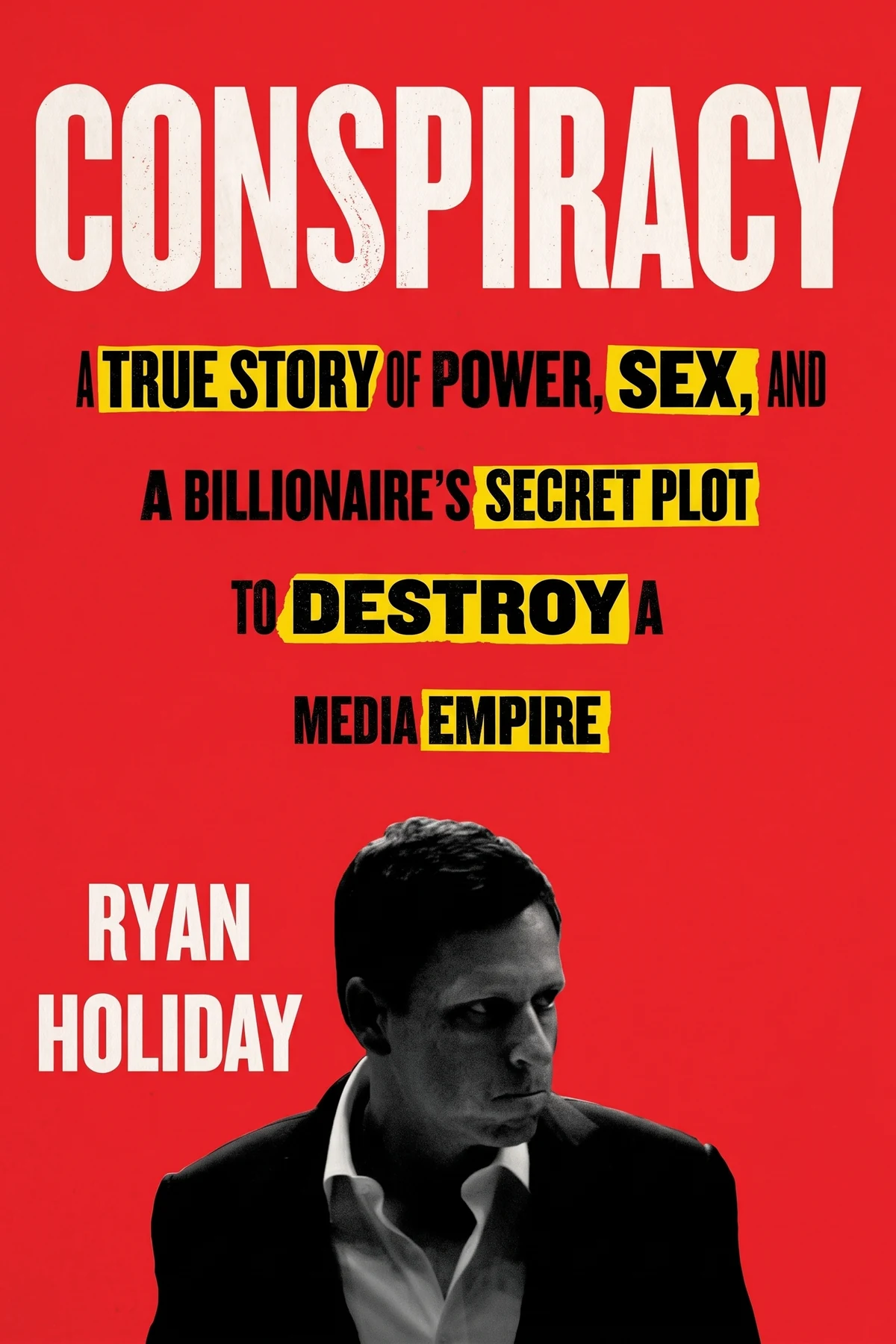
EnglishไทยEgo is the Enemy: The Fight to Master Our Greatest Opponent
By Ryan Holiday
Shows how unearned self-regard sabotages you whether you are starting out, winning or losing. It offers habits of honest self-assessment, steady work, lifelong learning, clear priorities and trust in others that keep ego in check.
Table of Content
1. Introduction
1 min 05 sec
If a goal keeps slipping away even though you feel sure you are good enough, Ryan Holiday has an uncomfortable diagnosis. In Ego is the Enemy, he argues that the biggest obstacle in your path is not bad luck, rivals or the economy, but your own ego: the unhealthy self-regard that rates you higher than your record allows.
Holiday also notices that life keeps cycling through three stages: aspiring, succeeding and failing. We are always in one and always heading toward another. Ego wears a different face in each, yet it works against you in all three. The case made here is simple. At every stage, ego distorts how you see yourself, and an honest view backed by steady work is the cure.
Through a general of the American Civil War, a rock guitarist, a failed carmaker and a football team that distrusted its own luck, the book offers habits for aiming high without fooling yourself, winning without stalling and losing without breaking.
2. Judge your own ability without flattering yourself
2 min 04 sec
When his president offered a promotion, one of America’s most famous generals accepted it but said he did not want superior command. His reason points to the single skill that matters most when you are starting out, and most beginners skip it.
3. Swap big talk for small daily work
2 min 10 sec
Describing a project in detail can feel almost as good as finishing it. Holiday explains why that warm feeling is a trap, and what real writers and runners do while everyone else is still talking.
4. Keep improving after you have already arrived
1 min 55 sec
Two decades after joining one of the world’s biggest rock bands, a guitarist was ranked among the greatest ever. The choice that got him there is one most successful people refuse to make.
5. Decide what you want before ego decides for you
2 min 15 sec
Two Civil War heroes came home with equal fame. One chased the biggest prize available and left it disliked, puzzled by how poorly he had done. The other understood something about himself that kept him safe.
6. Trust your team with work you used to own
2 min 00 sec
A car executive left General Motors sure he knew the business better than his bosses, a belief with little behind it. His company collapsed, and the cause will sound familiar to anyone who has ever quietly redone a colleague’s work.
7. Learn from both your losses and your lucky breaks
1 min 52 sec
A football team found a future champion by luck and, instead of celebrating, went back to work on its scouting. Its response offers a better way to handle both rejection and good fortune.
8. Conclusion
1 min 19 sec
Holiday’s three stages form a loop. Aspiring leads to success or to setbacks, success brings new obstacles and new ambitions, and every failure opens the way to fresh aims. You will pass through each stage many times, and ego will be waiting in all of them, dressed differently each time: as a shortcut when you start, as pride when you win, as resentment when you lose.
What separates the people in his stories is how honestly they looked at themselves. Sherman and Grant had the same war and the same fame. One kept working where he knew he was strong; the other reached for a prize he was not suited to. Hammett and the students who quit Satriani had the same teacher. The difference was the willingness to keep learning.
Every great figure in history made mistakes, Holiday reminds readers. The ones who grew took the lesson, even when it was only that nobody is immune to error and the world will not always obey.
So rate your skills as a stranger would, do today’s work before talking about it, and after every result, ask what actually caused it. You can aim high, win and lose without ego. It only ever gets in the way.
About this book
What is this book about?
Most people blame stalled plans on outside forces: bad luck, a difficult boss, a hard economy. Ryan Holiday points somewhere closer. The real opponent, he argues, is ego, meaning plain arrogance and unhealthy self-regard, the voice that rates you higher than your record allows. Holiday describes life as a loop of three stages: aspiring, succeeding and failing. Ego takes a different shape in each. When you start out, it tells you talent will spare you the practice. When you win, it turns into pride and a hunger for more of whatever looks impressive. When you lose, it insists you were owed a better result. He separates ego from confidence and ambition, which rest on real work and real achievement. The book builds its case through stories: Civil War generals William Tecumseh Sherman and Ulysses S. Grant, Metallica guitarist Kirk Hammett, carmaker John DeLorean and the New England Patriots football team. Readers get habits for every stage, from rating their abilities honestly and talking less, to staying a student, delegating with trust and studying both failures and lucky breaks.
Book Information
Who it's for
Eager to rise fast
Ambitious early-career professionals who want to rise fast without overrating themselves.
First-time managers
New managers who struggle to hand off work and let others take the credit.
Recovering from a setback
Anyone recovering from a rejection, a failed project or a lost job who wants to learn from it instead of resenting it.
About the Author
Ryan Holiday
At 19, Ryan Holiday dropped out of college to train under the strategist Robert Greene, and he later advised authors and musicians. His first book, Trust Me, I'm Lying, published in 2012, drew on his own marketing techniques. He became known for presenting Stoicism as a practical way of life for people today, in books including The Obstacle is the Way and Stillness Is the Key, a number one New York Times bestseller. He has hosted The Daily Stoic Podcast since 2018, and his books appear in more than 40 languages.
Courage is Calling: Fortune Favors the Brave
Ryan Holiday
Discipline Is Destiny: The Power of Self-Control
Ryan Holiday
Stillness Is the Key
Ryan Holiday
Wisdom Takes Work: Learn. Apply. Repeat.
Ryan Holiday
Ratings & Reviews
Ratings at a glance

What people think
Listeners find this book to be a fast-paced and captivating read that provides enduring wisdom and deep reflections, encouraging them to look inward at their own lives. Furthermore, the prose is polished and backed by extensive research, utilizing historical anecdotes to demonstrate its core concepts. Listeners also value the practical guidance provided and view it as essential material for both leaders and dedicated learners.
Top reviews
Anna
This book is a gut punch in the best way possible. Ryan Holiday moves away from the typical "believe in yourself" fluff and instead focuses on the quiet, disciplined work required to actually achieve something. The division into Aspire, Success, and Failure makes the advice feel grounded regardless of where you are in your career. Truth is, I found myself wincing at some of the descriptions because they hit too close to home. The historical examples, from Howard Hughes to Katherine Graham, aren't just filler; they illustrate how easily we can become our own worst enemies when we start believing our own hype. It’s a quick read but one that demands you sit with your thoughts for a long while after. For anyone serious about personal growth, this is a mandatory addition to the bookshelf.
Show moreSeksan
Wow. This was exactly what I needed to hear right now. I’ve been struggling with a new project and feeling a lot of entitlement about how it "should" be going, and Holiday’s writing acted as a mirror for my own arrogance. The concept of the "beginner’s mind" isn't new, but the way it’s framed here against the backdrop of historical figures makes it feel fresh and urgent. It's not just a book for CEOs; it's for anyone who wants to do meaningful work without getting lost in the search for recognition. I finished it in two sittings because the prose is so lean and punchy. Truly a masterclass in humility that I'll likely revisit every year to keep myself in check.
Show moreGor
Picked this up during a transition in my career and it completely shifted my perspective. The "Aspire" section was a game-changer for me, especially the advice about doing the work rather than just talking about it. We live in such a performative age where social media encourages us to "pose" rather than "be," and Holiday calls that out brilliantly. The stories are short enough to digest during a morning commute but carry enough weight to stay with you all day. Look, if you’re looking for a book that will pat you on the back and tell you you’re special, this isn't it. It’s a book for people who actually want to get better and are willing to look at their own flaws.
Show moreJack
This is an essential manual for anyone who wants to lead a purposeful life. Ryan Holiday has a knack for taking complex philosophical concepts and making them feel incredibly practical. Unlike many business books that feel like they could have been a single blog post, this one earns its keep by providing a comprehensive look at the self-sabotage we all engage in. The focus on "purpose over passion" was a radical idea for me, but the way he explains it makes total sense. It’s well-written, punchy, and deeply convicting. I’ve already recommended it to my entire team because the lessons on accountability and humility are just that important for a healthy culture. A truly thought-provoking read.
Show morePong
Ever wonder why some brilliant people self-destruct just as they hit their peak? Holiday argues it’s the ego, and he builds a compelling case through a series of well-researched vignettes. I loved the section on the danger of passion, which felt like a necessary cold shower in a culture that worships "following your heart" at all costs. To be fair, some of the historical interpretations feel a bit cherry-picked to fit the narrative, and the tone can occasionally veer into the preachy territory. However, the core message about staying a perpetual student is vital. If you enjoyed 'The Obstacle Is The Way', you’ll find this to be a natural and perhaps more convicting successor. It’s well-written, fast-paced, and offers plenty of food for thought for modern leaders.
Show moreTum
As someone who works in a high-pressure corporate environment, I see the "ego" Holiday describes every single day. The contrast he draws between the erratic, ego-driven style of someone like early Steve Jobs and the quiet, effective leadership of Angela Merkel was particularly eye-opening. Not gonna lie, I used to think being loud and demanding was the only way to get things done, but this book argues for a much more sustainable path. The writing is accessible and avoids the dense jargon you find in some self-help. My only gripe is that it can feel a bit repetitive by the final third, but the actionable advice on "sweeping the floor" and staying humble during success makes it well worth the time.
Show moreAroon
The chapter on the "Hedonic Treadmill" was worth the price of the book alone. Most success-oriented books focus on how to get to the top, but Holiday spends a significant amount of time talking about how to stay there without losing your mind or your integrity. I appreciated the research that went into this; it’s clear he’s well-read in the Stoics, yet he translates those old ideas into a modern context that feels relevant to today’s challenges. Personally, I found the "Failure" section the most comforting, as it recontextualizes setbacks as opportunities for growth rather than personal indictments. It's a solid 4-star read that offers timeless lessons for any aspiring professional or creative who wants to keep their feet on the ground.
Show moreNoah
Finally got around to reading this after finishing 'The Obstacle Is The Way' last year. While I think the first book was a bit tighter in its construction, 'Ego Is The Enemy' is arguably more important for the world we live in now. It’s a sobering look at how our need for validation can derail our actual progress. The historical examples are diverse and provide a great roadmap of what to do—and more importantly, what not to do. In my experience, the best books are the ones that make you question your own behavior, and this one certainly did that. It’s a quick read that packs a significant intellectual and emotional punch, reminding us that our biggest hurdle is often ourselves.
Show moreFon
After hearing so many people rave about this, I finally picked it up, but I have mixed feelings. On one hand, the central thesis is solid: we often get in our own way by obsessing over our image. On the other hand, the book lacks the pragmatic "how-to" that I was looking for. It tells you what to avoid, but the steps to actually cultivating humility feel a bit vague. The vignettes are short and engaging, making it a very fast read, but I didn't find the insights particularly groundbreaking. It's a decent book that probably could have been a long-form essay. Still, it’s a helpful reminder to stay grounded when things are going well, even if it feels a bit preachy at times.
Show moreLuke
Not what I expected at all, and frankly, quite disappointing given the hype. My biggest issue is that Holiday never actually defines "ego" in a consistent way; it just becomes a catch-all term for any human flaw or bad decision he wants to criticize. One minute it’s pride, the next it’s passion, then it’s just lack of focus. It felt more like a repetitive sermon than a psychological or philosophical exploration. While the historical stories are interesting, they often feel stretched to prove a point that isn't always there. If you’re looking for a rigorous look at the self, this isn't it. It’s mostly just a collection of platitudes disguised as ancient wisdom. I struggled to finish it despite the short length.
Show moreQuestions about this book
What is the main idea of Ego is the Enemy?
Ryan Holiday argues that your biggest obstacle is internal: ego, meaning arrogance and unhealthy self-regard. Life cycles through three stages, aspiring, succeeding and failing, and ego works against you in each one. It tells beginners they can skip practice, tempts winners to stop learning or chase the wrong prizes, and makes losers feel cheated. The remedy is an honest view of your abilities, steady work and a habit of learning from every result.
What is the difference between ego and confidence according to Ryan Holiday?
Holiday says confidence rests on hard work, accurate self-assessment and real achievements, while ego has no foundation at all. His shorthand is that ego is stolen and confidence is earned. General William Tecumseh Sherman is his model: he turned down top command until his experience justified it, and when he finally led his own plan, it worked because it rested on expertise he had built over years.
What are the three stages in Ego is the Enemy?
Holiday describes aspire, success and failure. You are always in one and moving toward another, in work and in relationships. In the aspire stage, ego overestimates your talent. In the success stage, it shows up as pride, resting on past wins and wanting more without asking why. In the failure stage, it insists you deserved a reward. Each stage calls for its own habits of humility.
How can I apply Ego is the Enemy at work?
Rate your skills honestly, as a harsh outsider would. Spend less time describing projects and more time doing them. Keep studying your craft even after a promotion, as Kirk Hammett did after joining Metallica. Decide what you actually want before chasing the next title. Delegate real tasks and trust your team. After any surprise, good or bad, ask why it happened, as the New England Patriots did after drafting Tom Brady.
Who should read Ego is the Enemy?
It suits ambitious people early in their careers who want to grow without overrating themselves, and successful people at risk of resting on past wins. New managers who find it hard to delegate will recognize themselves in the story of John DeLorean. Anyone handling rejection or a setback gets a practical way to review what went wrong without blaming the world.
Readers also enjoyed

59 Seconds: Change Your Life in Under a Minute
Richard Wiseman





A Guide to the Good Life: The Ancient Art of Stoic Joy
William B. Irvine


A High-Performing Mind: Strengthen Your Mind and Live Your Best Life
Andrew D. Thompson


Abundance: The Inner Path to Wealth
Deepak Chopra
AUDIO SUMMARY AVAILABLE
Listen to Ego is the Enemy in 15 minutes
Get the key ideas from Ego is the Enemy by Ryan Holiday, plus 5,000+ more nonfiction titles.
- 5,000+ titles
- Listen as much as you want
- 7-day free trial
- Cancel anytime









