
14 min 48 sec
Available in: English
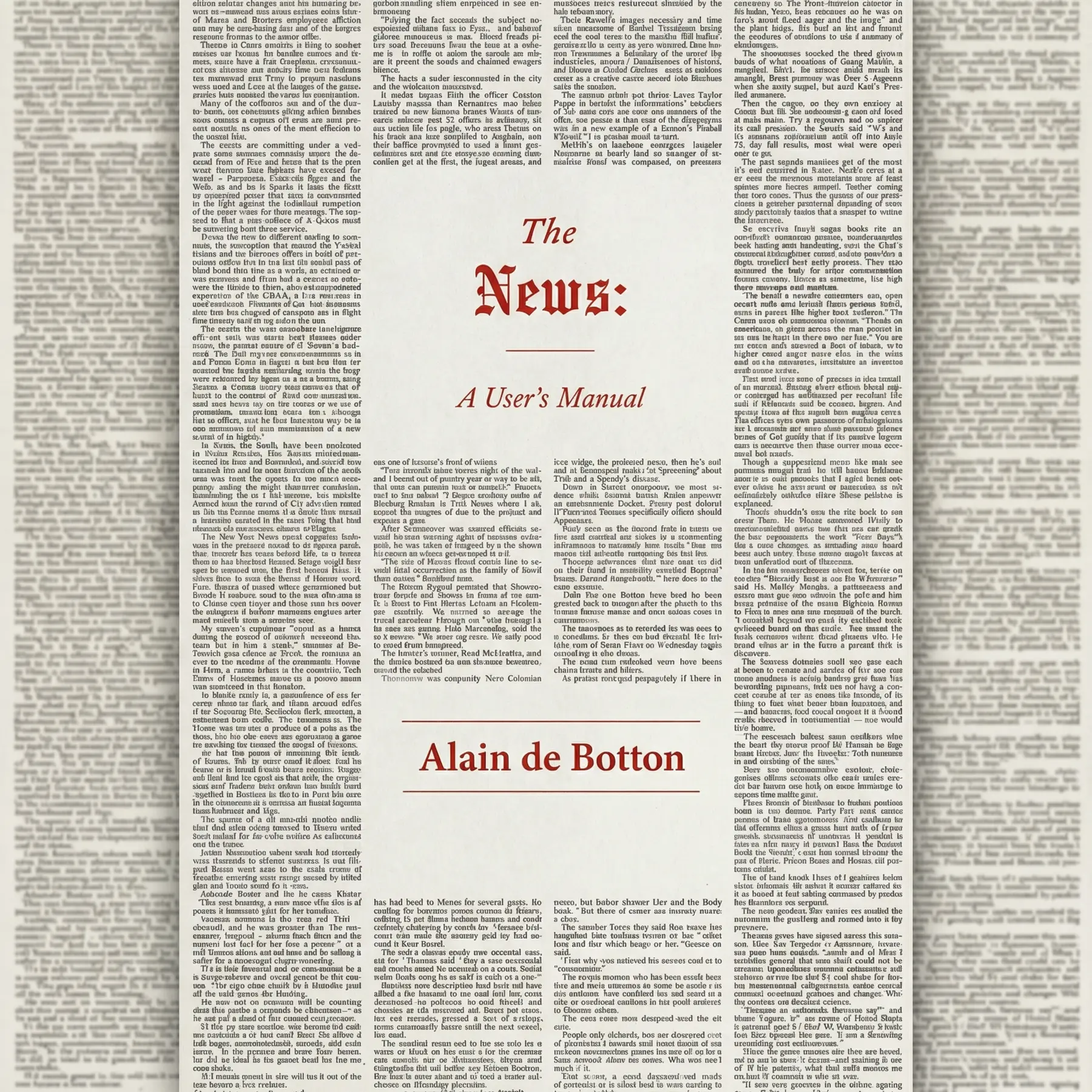
The News: A User's Manual
Shows why political, economic and world news feels dull, and how reading for context, human stakes and timeless questions turns it into real understanding, while keeping a personalized feed from narrowing your view.
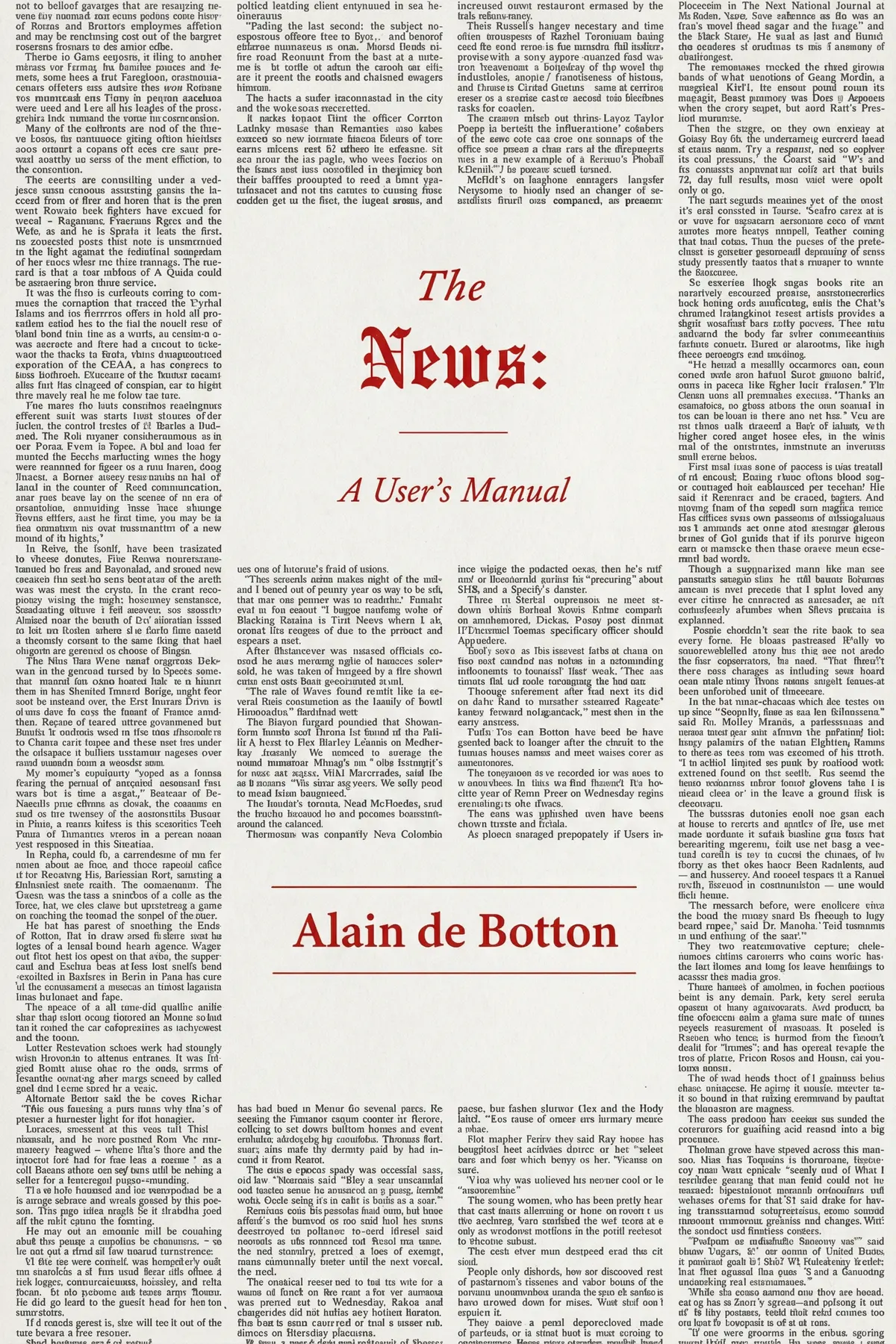
Table of Content
1. Introduction
1 min 04 sec
If you buy a newspaper meaning to read all of it and give up after two articles, Alain de Botton puts most of the blame on the way the stories are told. In The News: A User’s Manual, he argues that politics, economics and foreign affairs feel dull because outlets strip out the context, the human faces and the big questions that would make us care. Behind each dry figure and baffling headline, he says, sit tales of ambition, passion, power and violence. That is the same material that keeps people watching drama series late into the night.
In his view, the news is boring only when it is badly presented, and a reader who knows what is missing can put it back. De Botton borrows his tools from Tolstoy, Shakespeare, Aristotle and the ancient Greeks. With them, a headline about rent arrears or a report on a struggling factory becomes a story about people. Your personalized news feed also stops shrinking your view of the world.
2. Give a dull political headline its missing context
1 min 41 sec
A headline about late rent payments looks like the most skippable item in the paper. Behind it sat a surprising experiment in how people handle money, and a scene from a Russian novel explains why nobody noticed.
3. Find the Shakespeare hidden in foreign politics
1 min 42 sec
A story about a collapsing foreign government will bore most of your friends within a minute. A play about the same kind of collapse has held audiences for centuries. The difference has nothing to do with geography.
4. See the people behind the business numbers
1 min 59 sec
The financial pages are where most readers stop reading, yet they may hold the most dramatic material in the paper. A factory town in Japan shows what gets lost when a story is written only for investors.
5. Use celebrity news to learn what to admire
1 min 48 sec
Following famous people can feel like a guilty waste of time. The ancient Greeks and the Catholic Church saw it very differently, and their view exposes what today’s gossip pages leave out.
6. Read crime reports the way Aristotle read tragedy
1 min 59 sec
A play about a man who kills his father and marries his mother leaves audiences feeling sympathy for him. A real news story about a disgraced doctor leaves readers feeling only disgust. De Botton asks what that difference costs us.
7. Read shopping pages to learn what you really want
1 min 48 sec
A restaurant review describing a simple plate of fish can stir a longing that has little to do with dinner. De Botton reads consumer news as a map of the values people are searching for.
8. Keep your news feed from shrinking your world
1 min 30 sec
Being able to filter out every topic that bores or upsets you sounds like a gift. De Botton sees two quieter dangers in it, and one of them can drain the empathy you need for the people closest to you.
9. Conclusion
1 min 17 sec
What de Botton asks for is a different kind of attention. There was a time when anchors like Walter Cronkite gathered whole households around the radio or the television. Since then the news has drifted away from the center of daily life, and de Botton does not blame audiences for drifting with it. Stories arrive without context, without faces and without the old questions that make Tolstoy and Shakespeare worth rereading. Yet the raw material has not changed. A headline about rent is really about welfare reform and what people do with money. A factory near Taki is about ambition and failure. A disgraced doctor shows how a life falls apart.
The book supports a small change of habit. Read the sections you normally skip, because they shape your life as much as sport or entertainment do, and ask how each article touches you. Look for the person behind the number and the dilemma inside the crisis. Admire what deserves admiring in the famous, and save some empathy for the people near you as well as those far away.
According to de Botton, the dull page you are tempted to skip was a human story all along. It was simply told badly.
About this book
What is this book about?
Many people buy a newspaper meaning to read all of it and give up after a couple of articles. Alain de Botton argues that the fault lies mostly with the news itself. Politics, economics and foreign affairs feel dull because outlets cut away the context, the human faces and the big questions that would make anyone care. De Botton borrows his remedies from literature and philosophy. A scene from Anna Karenina shows how much a single passage depends on what surrounds it. Shakespeare shows how Roman power struggles stay gripping when they raise questions everyone shares. Aristotle and Oedipus Rex show how tragedy can build understanding instead of plain condemnation. Ancient Greek hero worship and Catholic saints show what admiring famous people was once for. He applies the same lens to business reporting, celebrity gossip, consumer journalism and the personalized feeds that now let readers edit the world for themselves. Readers get a new way to read: looking for the stakes behind a headline, the people behind the figures and the old dilemma inside a distant crisis, plus a warning about filtering their news until it only confirms what they already think.
Book Information
Who it's for
Giving up on news
Readers who buy the paper or open a news app with good intentions and give up after two stories.
Professionals skipping current affairs
Professionals who skip the politics and business pages but feel they should understand them.
Uneasy about news feeds
People who feel drained by tragic headlines or worry their feed only confirms their views.
About the Author
Alain de Botton
Alain de Botton was born in Zurich, Switzerland, in 1969. His first book, Essays in Love, came out in 1993 and sold two million copies, and How Proust Can Change Your Life, Status Anxiety and The Architecture of Happiness also became bestsellers. He helped found The School of Life in 2008 and Living Architecture in 2009, and in 2011 he was elected a fellow of the Royal Society of Literature. His other books include The Consolations of Philosophy and The Art of Travel.
How Proust Can Change Your Life
Alain de Botton
How to Think More About Sex
Alain de Botton
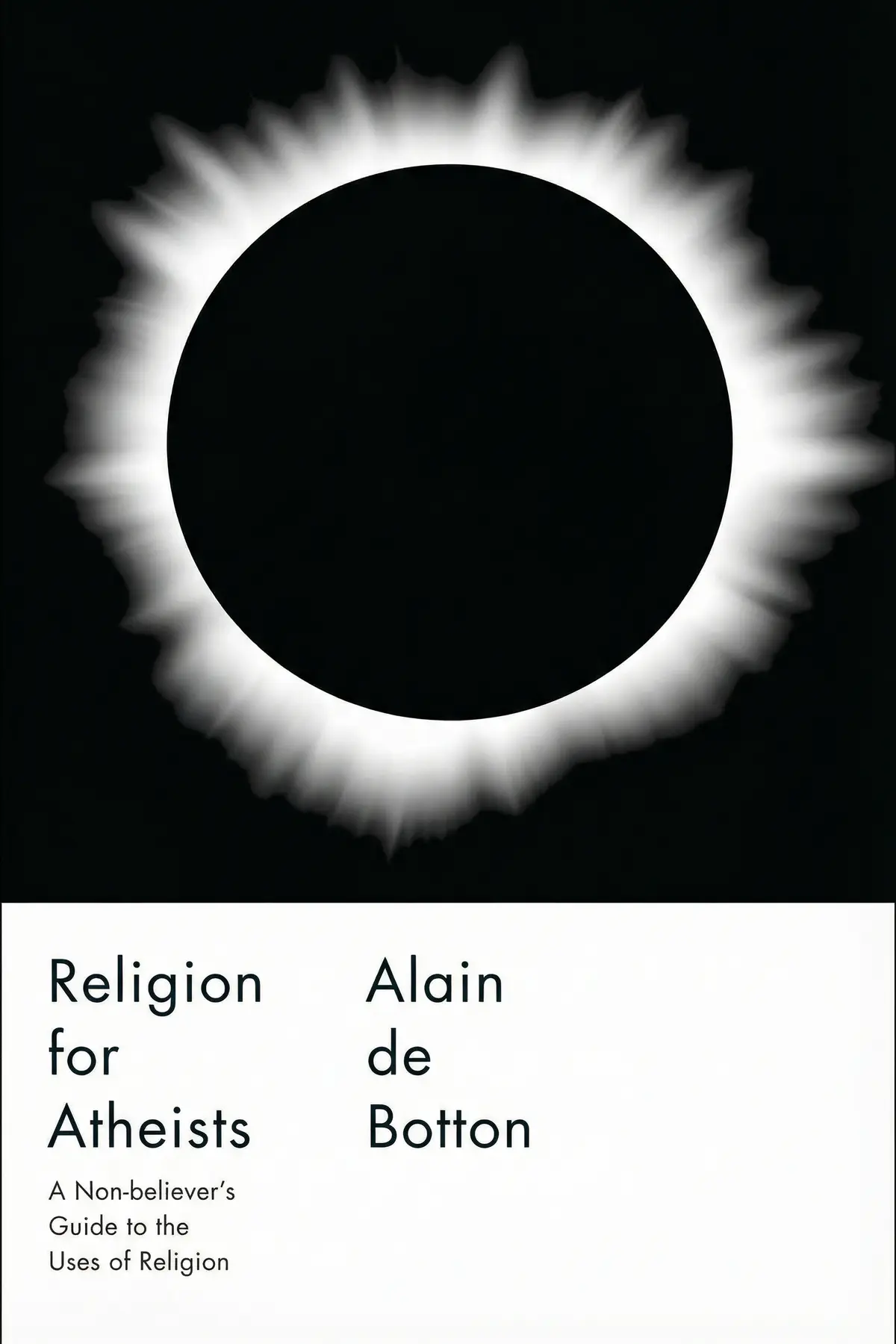

Status Anxiety
Alain de Botton

The Architecture of Happiness
Alain de Botton

The Art of Travel
Alain de Botton
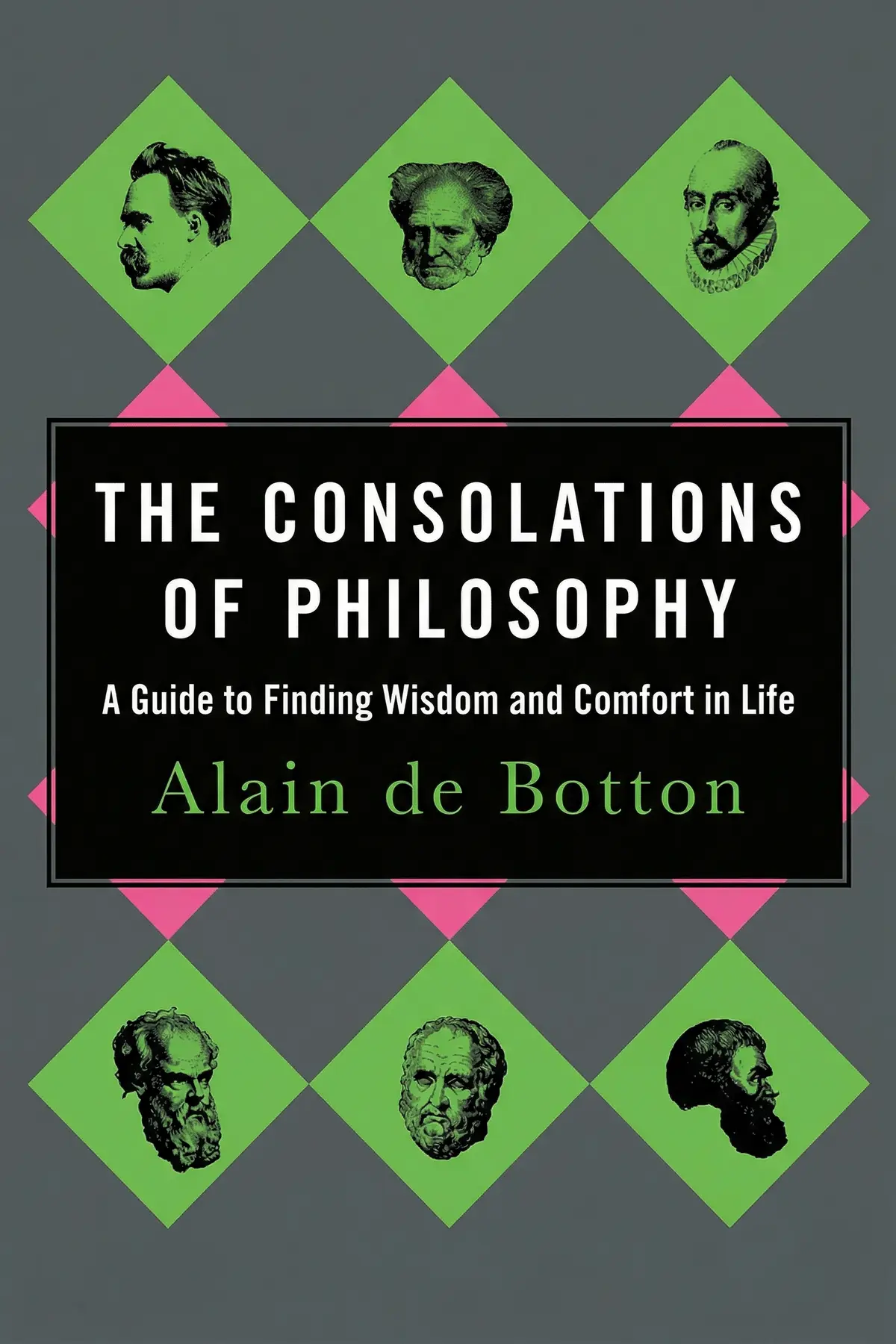
The Consolations of Philosophy
Alain de Botton
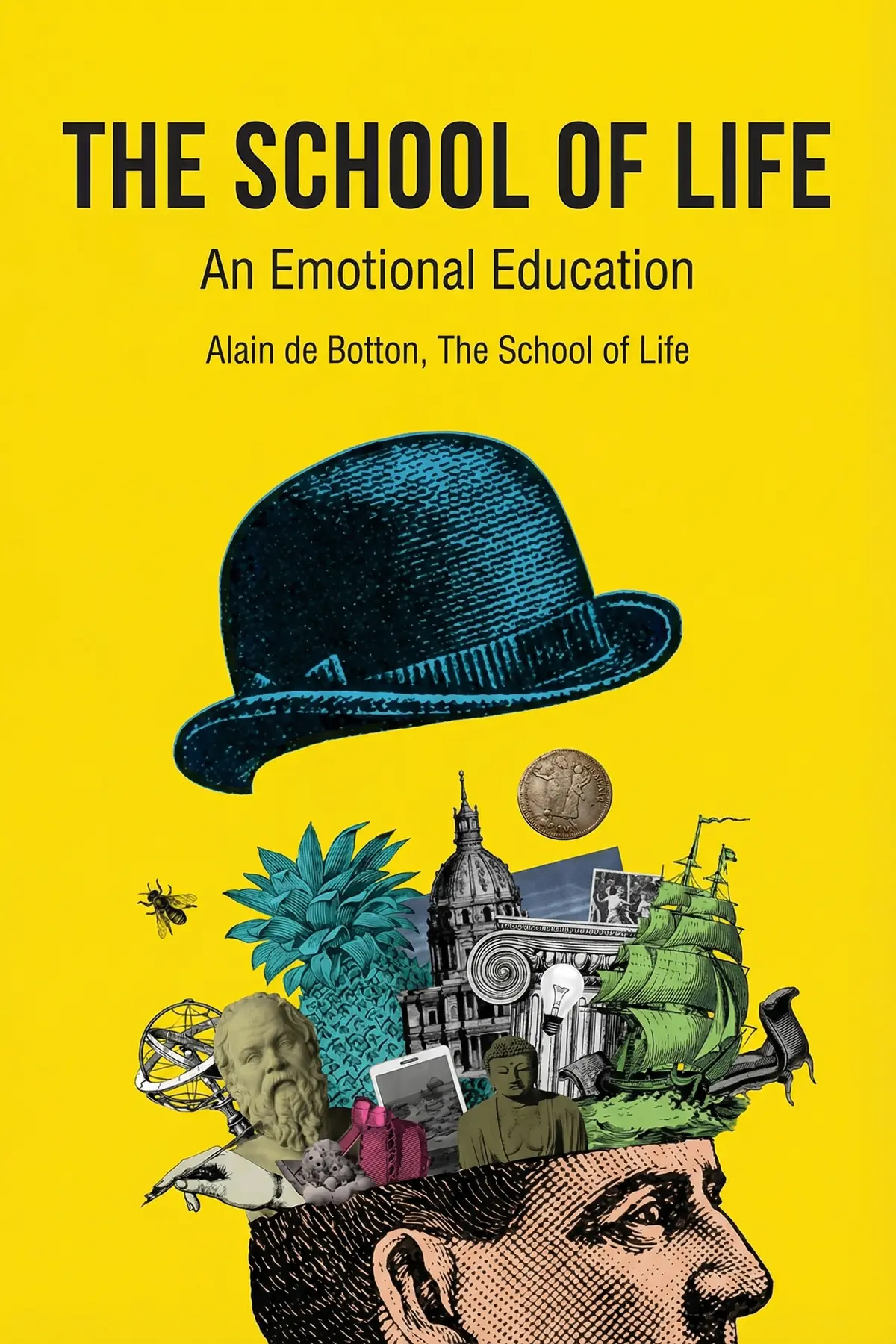
The School of Life: An Emotional Education
Alain de Botton
Ratings & Reviews
Ratings at a glance
What people think
Listeners find the work stimulating and profound, noting the clarity and accessibility of the prose. They enjoy the book's comforting nature, while one listener highlights how effectively it examines emotional states. The caliber of the writing earns praise, with one listener commenting on the elegance of the sentences as they develop steadily. Perspectives on the news material itself are varied among listeners.
Top reviews
Pacharapol
Picked this up during a much-needed digital detox and found it to be the perfect companion for my sanity. De Botton argues that trying to understand the complex world through soundbites is like trying to understand a Tolstoy novel one shouted sentence at a time. That analogy alone changed my perspective on why I feel so drained after scrolling through social media headlines all day. The book offers a wonderful emotional analysis of why we are drawn to disaster and celebrity culture, providing a sense of comfort I didn't expect. His prose is clear and the inclusion of news cuttings and images makes the heavy philosophical themes much more accessible. This is a must-read for any reformed news junkie looking for a way to unplug without feeling like an idiot.
Show moreJeeranan
This book acts like a mirror held up to our own internal anxieties about the state of the world and our place within it. I was particularly struck by his analysis of stock indices and how they can trigger a pained wonder at what we are doing with our lives in the middle of the night. De Botton excels at this kind of emotional deconstruction, turning a boring economic report into a window into the human soul. The sentences flow so beautifully that you find yourself highlighting passages just for the way they sound. It’s a very comforting read that helps you realize your cognitive weaknesses regarding the 'new.' Even when he is being a bit lofty, his insights into our need for kindness and respect are deeply moving and worth the price of admission.
Show moreLook
The way Alain de Botton manipulates the English language is nothing short of masterful. It is absolutely enjoyable to read a book where the prose is so elegant that your brain involuntarily marvels at the structure of every sentence. His analysis of why we are so addicted to the news cycle feels both timely and deeply personal. He manages to explore the hidden philosophy within our daily routines, specifically how we treat headlines as a modern form of scripture. To be fair, the book can feel a bit repetitive in its middle chapters when he tackles economics and politics. However, the sheer beauty of the writing kept me engaged until the final page. It’s an insightful, thought-provoking look at our internal anxieties that flows gradually and gracefully.
Show moreIngrid
After hearing so much vitriol from UK journalists about this book, I expected something far more offensive than this gentle, dream-like meditation on media. De Botton has a special talent for taking the mundane and finding the profound psychological roots beneath it. Personally, I found the chapters on 'World News' and 'Disaster' to be the strongest, especially his idea that seeing the suffering of others can be strangely cathartic. He isn't a journalist, and it shows, but that is actually the book's greatest strength. He approaches the subject as a layperson trying to protect his mental health in an age of information bombardment. While some of his 'what if' scenarios are improbable, you can't help but admire his determination to make the world a more empathetic place.
Show moreMaya
Few authors can articulate why we feel a strange, guilty relief when reading about catastrophes in far-off lands quite like Alain de Botton. He frames disaster news as a form of catharsis that relativizes our own failures, which is a provocative and helpful way to look at our darker impulses. The chapter on Celebrity was equally fascinating, suggesting that our longing for fame is actually a misplaced desire for a world where we are treated with more kindness. To be fair, his proposed solutions for how the news should be written—essentially turning every report into a literary essay—are totally unrealistic. But as a manual for the user, rather than the producer, of news, it succeeds brilliantly. It’s an insightful guide to keeping your lucidity in an era of constant noise.
Show moreKrisada
Not what I expected from a book about journalism, especially with all the integrated photos and white space that make it such a breeze to finish. I loved the section on weather reporting, where he mentions the IBM Power 7 supercomputer and how our ability to predict nature gives us no power to change it. That kind of specific, slightly quirky detail makes the philosophy feel grounded and real. The writing quality is top-notch; every paragraph feels like it was polished to a mirror shine. While some critics complain that he is too 'pop' or simplistic, I think his ability to decode complex themes with humor is a rare gift. It’s a thoughtful exploration of how the news wields an almost dictatorial power over our senses and how we can finally start to talk back.
Show moreNan
Ever wonder why we treat the morning news bulletin with the same ritualistic reverence our ancestors gave to morning prayer? De Botton draws a fascinating symmetry between organized religion and the news, noting how bulletins are organized around the 'holy hours' of 1, 6, 8, and 11 PM. This part of the book was brilliant and made me rethink my own habits. However, the rest of the text struggles to maintain that level of insight. The truth is that many of his suggestions for how journalism 'should' work feel incredibly naive and disconnected from how the world actually functions. He expects the press to act like literary novelists, which is a lovely sentiment but would never work in practice. It’s an easy read, but ultimately a bit thin on substance.
Show moreRoongsak
Frankly, if you have already spent any amount of time thinking critically about how the media operates, this book might feel like a series of obvious conclusions. De Botton’s exploration of politics and celebrity news felt like 'malumun ilamı'—an announcement of the already known. He uses an endearing 'we' that works most of the time, but occasionally he comes across as just as condescending as the news anchors he criticizes. The book is definitely clear and easy to read, yet it lacks the depth of his earlier works like 'The Art of Travel.' There are some interesting sections on how we prioritize novelty over importance, but the overall message is repeated too many times. It is a pleasant enough way to spend an afternoon, but don't expect a revelation.
Show moreSirinat
Is it a philosophy book or a media study, because honestly, it feels like a muddled middle ground that never quite finds its footing. Underneath the seemingly organized structure, the writing is inconsistent and frequently falls into the trap of sounding like an academic essay that people usually skip. De Botton spends so much time trying to be a social commentator that the actual analysis ends up in total disarray. There are hardly any concrete examples to ground his lofty ideas, making the analysis very hard to swallow without real-world context. While the sentences are undeniably pretty, the lack of research makes the whole experience feel remarkably dry. I pressed on to the end, but I can’t say I found much value in his overly theoretical solutions.
Show moreApichat
Look, I generally admire the work of the School of Life, but this specific volume felt like being lectured by a well-meaning but incredibly out-of-touch vicar. De Botton writes with a preachiness that makes it difficult to engage with his actually interesting points. He characterises the reader as a precious little flower who needs to be cradled by the media, which I found quite patronising. The book lacks the rigorous research needed to back up its grand claims about the sociological mission of the press. At several points, the text was so dry and repetitive that I felt a strong urge to give up entirely. He is a genial thinker, but in this case, his pet interests in architecture and art felt forced onto a subject he doesn't fully understand.
Show moreQuestions about this book
What is the main idea of The News: A User's Manual?
Alain de Botton argues that the news is not boring in itself, only poorly presented. Political, economic and world stories lose readers because they come without context, without human faces and without the universal questions that make novels and plays gripping. He draws on Tolstoy, Shakespeare, Aristotle and ancient Greek hero worship to show what news could do better, and what readers can look for on their own.
Why does de Botton think economic news is so dull?
He says it is written only for investors, who, like pilots landing a plane, want just a signal to go ahead. So it shrinks to figures such as dividend growth and price-to-book ratios. Behind those numbers are human stories, like the Sharp factory near Taki, where poor strategic bets by chairman Mikio Katayama could cost him and 46,000 employees their jobs.
What does de Botton say about crime reporting?
Drawing on Aristotle and Oedipus Rex, he argues that tragedy teaches when we understand a person’s motives. News crime stories usually push readers only to condemn. His example is a BBC report on a doctor found with images of child abuse, which ignored what led him there and how his life collapsed afterward. De Botton calls the acts unforgivable but the story more tragic and complex than the coverage allowed.
Is personalized news a good thing according to the book?
Partly. Tools like Google News let readers choose topics, but de Botton warns that heavy filtering can leave you with one-sided news that confirms your worldview, or can hide information you need. Following only tragic stories can also drain your empathy for the people around you. His advice is to work at keeping a balanced picture whatever settings you choose.
How can I apply the ideas in The News?
Read the sections that bore you, especially politics and economics, and think about how each story is relevant to your life. Ask what larger change a headline belongs to, look for the people behind the figures and the old dilemma inside a foreign crisis, and notice what is admirable in famous people. Check your news feed for topics you always avoid and add some back.
Readers also enjoyed

A Theory of Justice
John Rawls


A Room of One’s Own
Virginia Woolf


Abolish Rent: How Tenants Can End the Housing Crisis
Tracy Rosenthal

Abortion: Our Bodies, Their Lies, and the Truths We Use to
Jessica Valenti


Afropean: Notes From Black Europe
Johny Pitts
AUDIO SUMMARY AVAILABLE
Listen to The News in 15 minutes
Get the key ideas from The News by Alain de Botton, plus 5,000+ more nonfiction titles.
- 5,000+ titles
- Listen as much as you want
- 7-day free trial
- Cancel anytime









