
15 min 49 sec
Available in: English
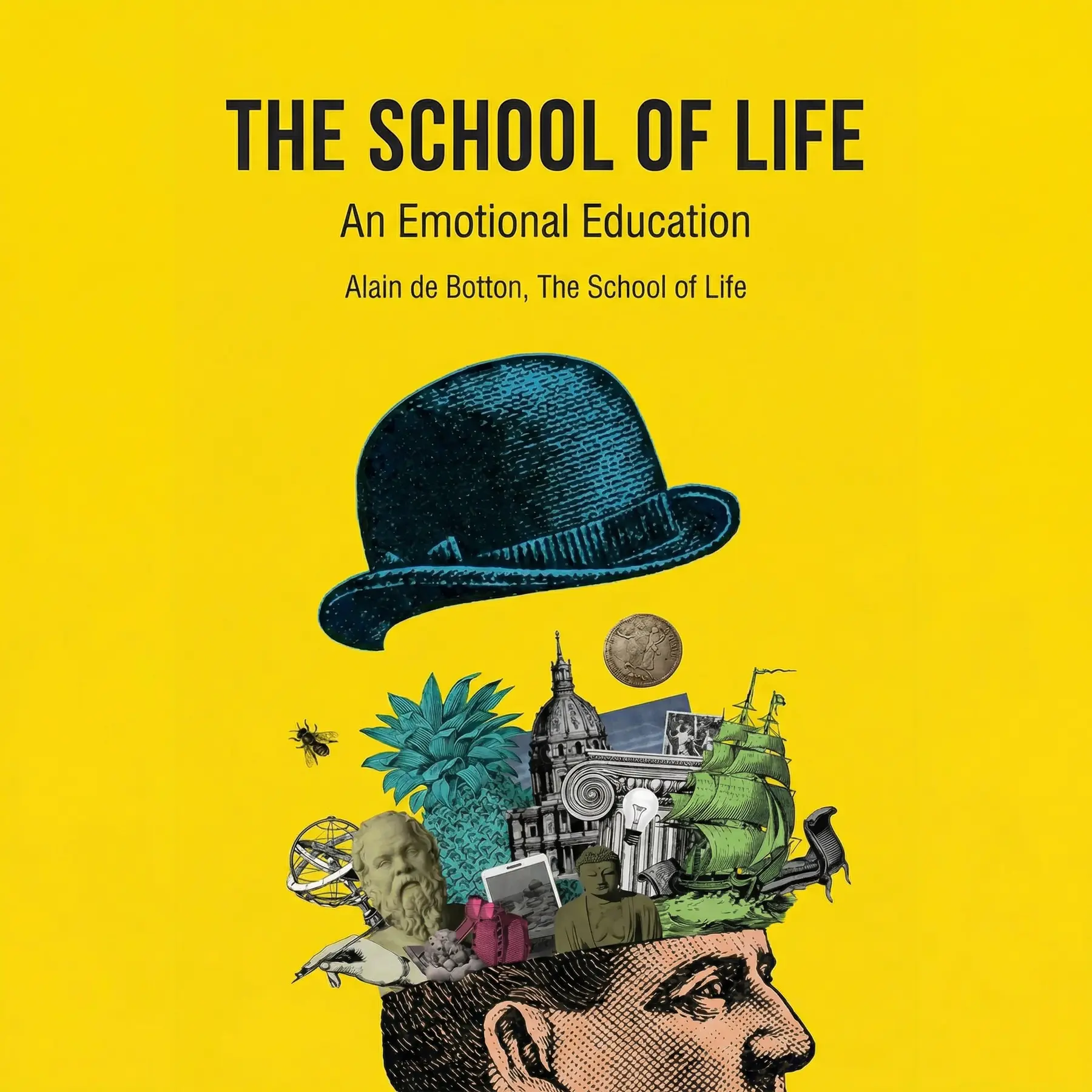
The School of Life: An Emotional Education
Shows how childhood shapes adult reactions, and how understanding that history makes you kinder to yourself, more generous with others, wiser in love and calmer about work, money and anxiety.
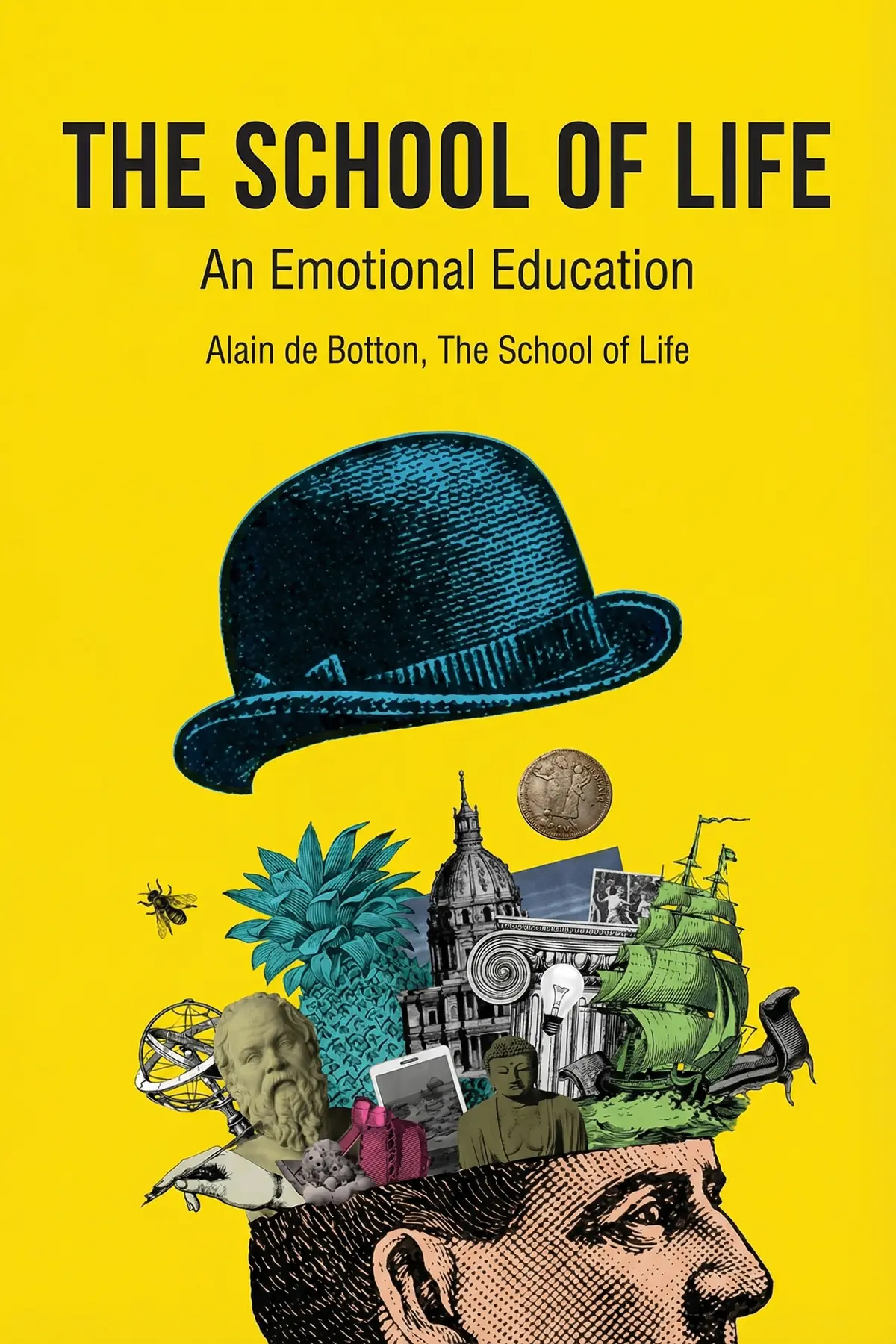
Table of Content
1. Introduction
1 min 05 sec
Most of us leave school able to explain cloud formations and French verbs, yet unable to say why we sulk, explode or wreck a relationship worth saving. In The School of Life, Alain de Botton and the organization he founded in London argue that this missing education can be learned on purpose, instead of through years of painful mistakes. Their starting point is that the way you react today was shaped long ago.
A foal stands on its own half an hour after birth; a person has depended on parents for some 25,000 hours by age 18. From there the book argues that emotional maturity means understanding where feelings come from, then treating yourself, your partner and strangers with more generosity than our myths about success and romance allow. Along the way come questions to ask yourself, two sentence openers that can save a relationship, and a good reason to look up at the sky.
2. Trace today's reactions back to childhood
1 min 47 sec
Two people look at the same meaningless inkblot. One sees a gentle creature, the other a threat about to strike. The difference between them began decades earlier, and it still steers how both react today.
3. Untangle your thoughts with therapy and three questions
1 min 37 sec
Most meditation asks you to push your thoughts away. The book recommends a version that does the opposite, alongside a frank view of what therapy can and cannot do for an unhappy mind.
4. Meet failure and hostility with generosity
1 min 42 sec
We cheer winners and offer losers hollow slogans. Great tragedies treat failure very differently, and they hint at a surprising response to the people who hurt us.
5. Win people over by admitting you struggle
1 min 42 sec
Politeness has fallen out of fashion, and bragging rarely charms anyone. The book argues that the people we warm to most do something many of us avoid at all costs.
6. Practical love outlasts the romantic kind
1 min 49 sec
The soulmate, the endless thrill, the partner adored without complaint: an eighteenth-century movement planted these ideals, and the book argues they set couples up to fail. Its alternative sounds unromantic until you see what it spares you.
7. Stop small resentments before they become affairs
1 min 39 sec
We picture the unfaithful partner as a villain and the other as a saint. The book traces affairs to a much earlier and more ordinary place, and offers a simple way to close it off.
8. Make peace with work that uses part of you
1 min 33 sec
After 1800, growing economies gave ordinary families spare money for once unimaginable items like combs, mirrors and spare underwear. Yet many people feel their job uses only a sliver of who they are, and this chapter explains why.
9. Let art and the sky ease anxiety
1 min 34 sec
Feeling small is usually something we try to avoid. The book argues it can be one of the most reliable sources of calm available, and that a novel or a painting can work like a friend.
10. Conclusion
1 min 21 sec
The School of Life adds up to one steady claim: most suffering becomes understandable once you ask where it came from, and understanding is the first form of kindness. A man who sees an attacker in an inkblot, a partner who frets about money, a colleague who lashes out: each makes more sense with that question. Turned on yourself, the same question loosens the boxes you were put in as a child.
The book also asks for lower, truer expectations. Love that rests on practical fit and accepted flaws. Work that uses only part of you. An economy that meets bodily needs and leaves deeper ones waiting. Accepting these limits frees energy for what can change.
So ask the meditation prompts when your mind feels crowded, and open one honest talk with a partner before resentment hardens. And learn to value what is cheap. Columbus, Catherine the Great and Charles II all loved pineapples, once so costly that a single fruit could sell for 5,000 pounds; people wrote poems to them and built structures in their honor. Today one costs about 1.50 pounds, and nobody writes the poems. The fruit is just as sweet. Let price stop deciding what you treasure.
About this book
What is this book about?
School teaches cloud formations and verb tables but almost nothing about anger, love or loss, so most people learn emotional skills the hard way. Alain de Botton and The School of Life argue that this education can be taken on deliberately. The book begins in childhood, where long years of dependence leave marks on everyone, and offers questions and four markers of emotional health for judging where yours lie. It then turns outward. Therapy and a form of philosophical meditation help untangle the mind. The idea that every strength carries a weakness, and that people who attack us are usually in pain, makes generosity easier. Warm politeness and honest vulnerability make us better company. The sharpest sections challenge Romanticism's picture of love, offering a more practical Classical view, and recast affairs as the end point of slow emotional disconnection. The book closes with work that can never use all our talents, a consumer economy that meets basic needs without bringing happiness, and the consolation of art and nature. Readers get a gentler, more realistic way to read their own feelings and other people's.
Book Information
Who it's for
Curious about strong reactions
People who react strongly and want to know where those reactions come from.
Couples feeling worn down
Couples worn down by recurring fights, fading closeness or unrealistic ideas about love.
Professionals feeling underused
Professionals who feel their job uses only a sliver of who they are.
About the Author
Alain de Botton
Alain de Botton, born in Zurich in 1969, is the author of Essays in Love, which sold two million copies, as well as Status Anxiety, The Architecture of Happiness, How Proust Can Change Your Life and The Consolations of Philosophy. He was elected a fellow of the Royal Society of Literature in 2011. In 2008 he helped found The School of Life, a London-based organization with premises in cities including Amsterdam and Seoul, which uses films, workshops and books to help people understand themselves and improve their relationships and working lives. He edits its book series.
How Proust Can Change Your Life
Alain de Botton
How to Be Alone: The School of Life
Sara Maitland
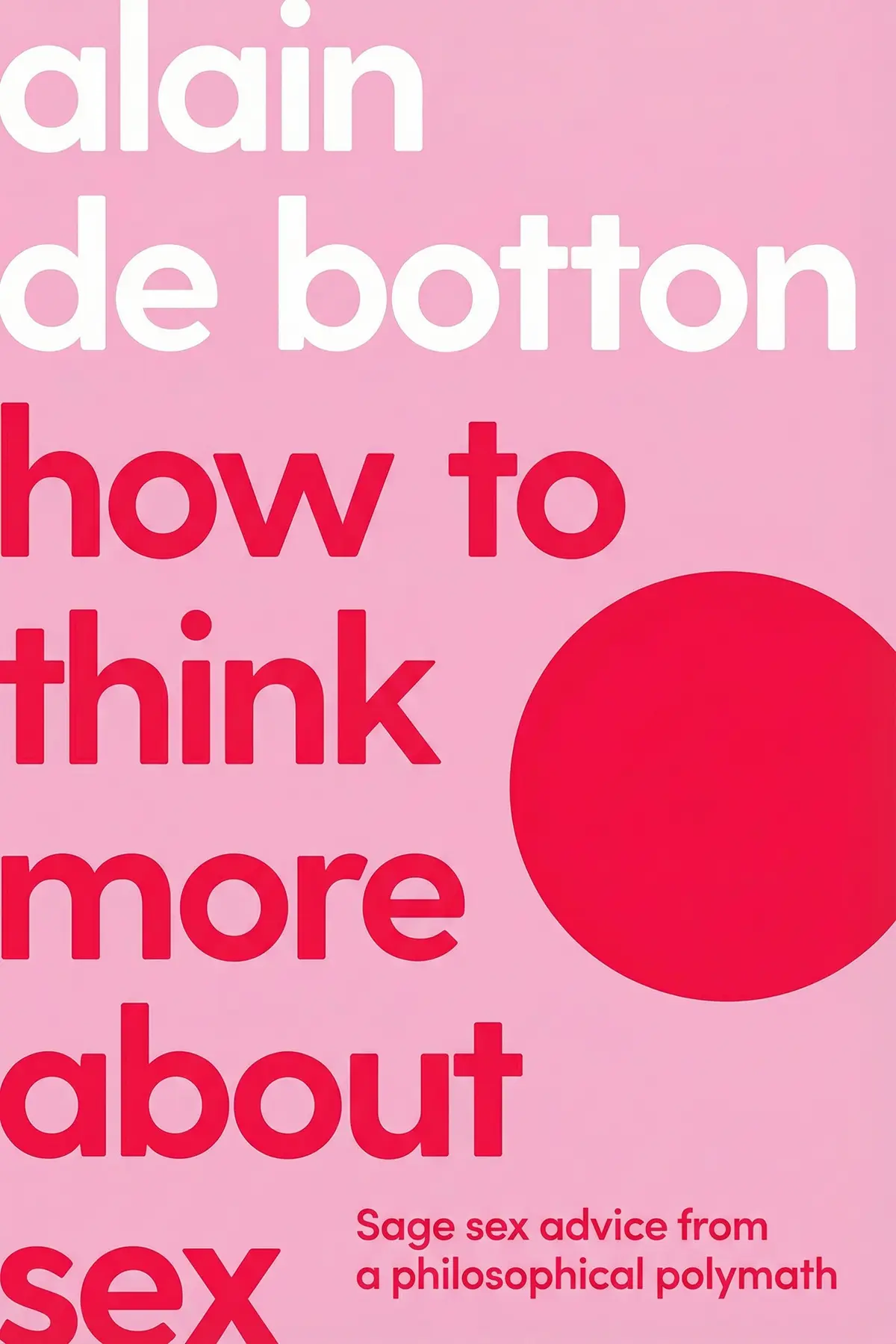
How to Think More About Sex
Alain de Botton
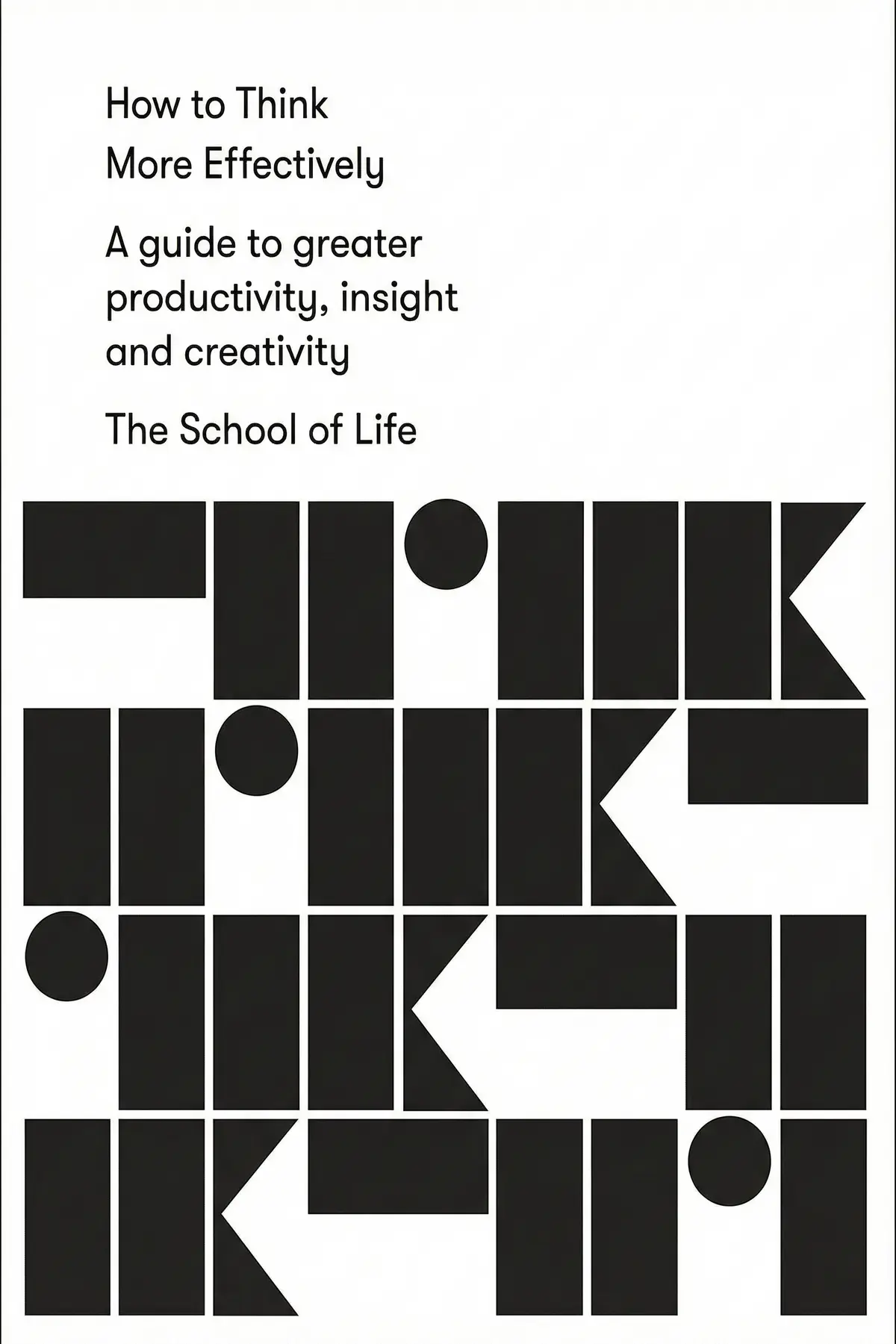
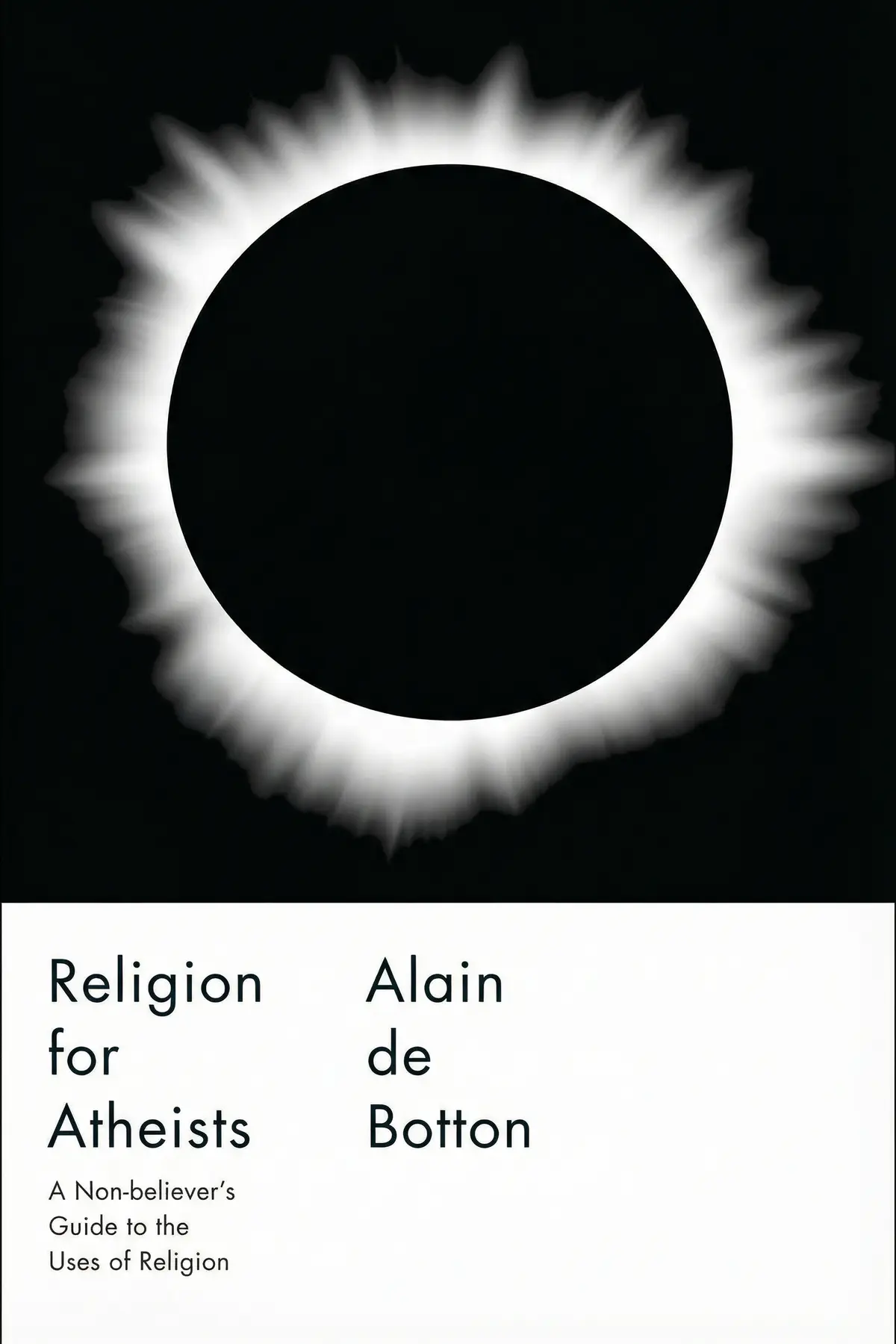

Status Anxiety
Alain de Botton
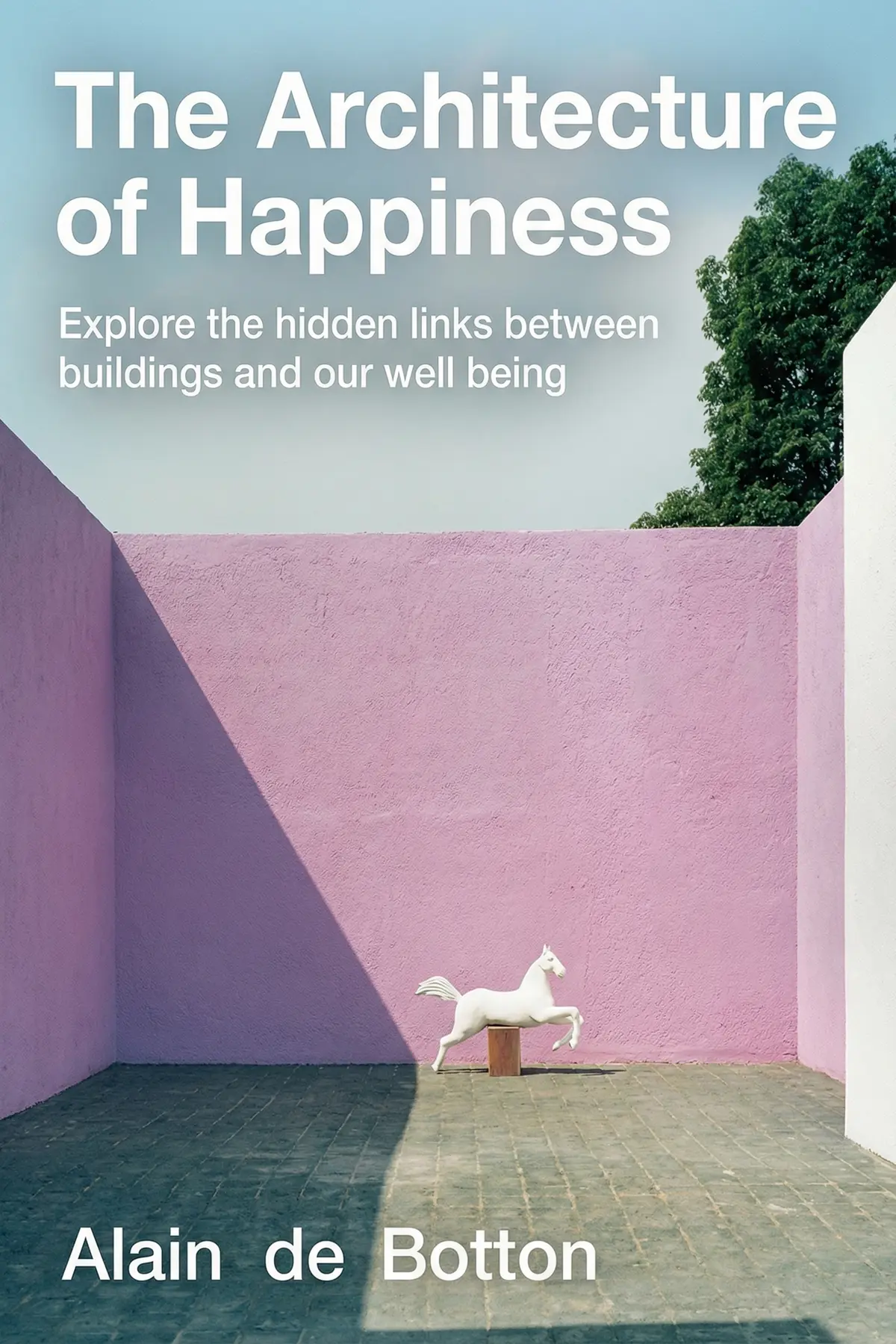
The Architecture of Happiness
Alain de Botton
The Art of Travel
Alain de Botton
The Consolations of Philosophy
Alain de Botton
The News: A User's Manual
Alain de Botton
Ratings & Reviews
Ratings at a glance
What people think
Listeners find this work deeply perceptive, providing a wholesome outlook on life experiences alongside actionable tips for better living. They enjoy the sophisticated prose and think it is a wonderful piece, with one listener noting it is especially helpful for managing emotions. The material earns praise for its kind tone and high caliber, with one review highlighting the fantastic sections on self. Although listeners feel the content is helpful, some perceive it as intricate and hard to follow.
Top reviews
Kru
This book feels like a warm embrace for the modern, over-stimulated mind. Alain de Botton explores the concept of emotional intelligence with such clarity that it makes you wonder why these lessons aren't part of every school curriculum. The sections on 'Self' and 'Work' provided me with immediate, practical insights into my own patterns of anxiety. While the author occasionally drifts into high-concept philosophy that feels a bit detached from everyday struggles, his overall message remains deeply compassionate. To be fair, some readers might find the prose a bit flowery, but the core wisdom regarding our psychological shortcomings is undeniable. It is a rare find that manages to be both intellectually stimulating and profoundly soothing at the same time.
Show moreWaree
Wow, I was genuinely surprised by how much the section on Culture resonated with my daily life. It’s not just a book; it’s a comprehensive guide to becoming a functional, self-aware adult in a world that thrives on our insecurities. De Botton has a unique talent for articulating those tiny, nagging feelings that we usually ignore or can't quite put into words. I especially appreciated the historical anecdotes and the inclusion of artwork, which helped ground the philosophical arguments in something tangible. Some might argue it’s overhyped, but I found the content quality to be consistently high across all five major sections. It’s a sane, reassuring voice that tells you it’s okay to be a bit broken as long as you’re trying to understand why.
Show moreJin
The chapter on Relationships alone makes the entire purchase worthwhile for any adult trying to navigate the complexities of long-term commitment. De Botton dismantles the dangerous idea that love should be easy, replacing it with a far more helpful—if less 'romantic'—vision of mutual education. His writing is incredibly perceptive, often highlighting flaws in my own behavior that I hadn't even realized were affecting my partner. I did find the sections on work a bit less engaging, but the overall quality of the insights is fantastic. This is the kind of book you want to keep on your nightstand to dip into whenever you feel the world is becoming too much. It offers a sense of sanity and perspective that is desperately needed in our current age of instant gratification.
Show morePatcharaporn
As someone who usually avoids the self-improvement genre, De Botton’s philosophical approach felt refreshing and intellectually grounded rather than cheesy. He doesn't promise a perfect life, but rather a more understood one, which feels much more achievable and honest. The book covers everything from the importance of art to the necessity of mourning our lost potential at work. I found the prose to be eloquent and the examples to be highly relatable, even when the subject matter got quite heavy. It’s a dense read that requires focus, so don't expect to breeze through it in a single afternoon. If you’re willing to put in the mental work, this 'school' provides an education that is truly life-changing and deeply humane.
Show moreThanit
After hearing so much buzz, I’m glad to report that this 'emotional education' actually delivers on its lofty promises for the most part. It’s a comforting, sane guide for anyone struggling with the pressures of modern life, perfectionism, and the exhausting pursuit of success. De Botton writes with a remarkable ease that makes even the most daunting psychological concepts feel like common sense once he explains them. I particularly appreciated the section on 'Others,' which helped me cultivate more patience for the difficult people I encounter daily. While the book is a bit expensive, the wealth of wisdom inside justifies the investment for those seeking a healthier perspective on life. It is truly a must-read for anyone who wants to grow into a more mature and compassionate version of themselves.
Show moreSarawut
Finally got around to reading this, and while I didn’t love every single essay, the overarching message is vital for anyone feeling lost. De Botton’s critique of Romanticism in favor of a more Classical, Stoic approach to life is particularly eye-opening. He argues that our expectations for constant happiness are actually what make us miserable, which is a tough pill to swallow but necessary. Frankly, the book can feel a bit repetitive in the middle sections, especially when he discusses workplace dynamics. However, the way he connects art and culture to our inner well-being is masterfully done and worth the price of admission. It isn't a quick fix, but it provides a solid foundation for building a more resilient and mature emotional life.
Show moreSomsri
Ever wonder why we aren't taught how to handle a breakup or a career crisis in high school? This book acts as the syllabus for the classes we actually needed as young adults. I found the chapter on 'Others' to be a game-changer for how I perceive social awkwardness and the defensive behaviors of people around me. The writing is incredibly lucid, making complex psychological theories accessible without stripping them of their depth. My only real gripe is that the perspective feels somewhat privileged at times, focusing on 'middle-class' anxieties rather than broader human struggles. Despite that, the advice on navigating relationships through the lens of psychoanalysis is something I will keep returning to for years.
Show moreRung
Picked this up on a whim, thinking it would be another generic self-care manual, yet it offers something much deeper and more analytical. The way it tackles the 'myth of the normal person' helped me lower my own defensive walls almost immediately. I loved the emphasis on how our childhoods shape our adult reactions, though I wish there were more specific exercises to implement the changes he suggests. At times, the tone can be a bit dry, feeling more like a university lecture than a guide for living. Nevertheless, the insights into how we can be kinder versions of ourselves in our relationships are worth the effort it takes to finish. It’s a thoughtful read that demands you slow down and actually introspect about your flaws.
Show moreWin
Truth is, the book covers so many subjects so quickly that it often feels superficial despite the flowery language and high-minded tone. I enjoyed the parts about therapy and historical stoicism, but many other chapters felt like they were just scratching the surface of very complex issues. It’s certainly a pretty book to have on the shelf, and the writing is undeniably polished, yet I left feeling like I needed more depth. The author makes some very broad generalizations about human nature that don't always hold up under scrutiny or diverse life experiences. It’s a decent introduction to emotional intelligence for beginners, but those who have read widely in psychology might find it a bit elementary. It's a bit of a mixed bag for me.
Show moreRodrigo
Look, I really wanted to enjoy this, but the author’s tendency to state personal opinions as objective facts drove me crazy. For a book that preaches emotional maturity, it often feels incredibly condescending and out of touch with anyone not living in an academic bubble. I found the structure confusing and the constant tangents made it difficult to maintain any sense of momentum while reading. To be honest, it felt more like a collection of pretentious blog posts than a cohesive educational tool for the masses. There are a few decent nuggets of wisdom regarding therapy and self-reflection, but they are buried under mountains of tedious, repetitive prose. I wouldn't recommend this if you're looking for practical, evidence-based self-help that respects the reader's own perspective.
Show moreQuestions about this book
What is the main idea of The School of Life by Alain de Botton?
The book argues that schools ignore emotional education, so most people learn it through painful experience. It traces adult reactions back to childhood, then shows how understanding those origins makes us more generous toward ourselves and others. It challenges Romantic ideas about love, recasts affairs as the result of slow disconnection, accepts that specialized work cannot fulfill every part of us, and points to art and nature as sources of comfort.
What are the four markers of emotional health in The School of Life?
The book names self-love, candor, communication and trust. Self-love covers whether you feel you deserve good treatment or blame yourself for everything. Candor is accepting your flaws without defending your normality. Communication is putting feelings into words instead of sulking or lashing out. Trust is how safe the world feels to you and how much risk you will take. Weakness in a marker shows where an old wound lies.
What does The School of Life say about love and relationships?
It argues that Romanticism, which began in Europe in 1750, gave us harmful ideals: soulmates found by instinct, marriage as thrilling as an affair, and adoring every part of a partner. The book prefers a Classical view: be wary of instant attraction, weigh practical compatibility, accept that both partners can be hard to live with, and understand where each other’s flaws came from.
What is philosophical meditation according to The School of Life?
Unlike meditation that tries to empty the mind, philosophical meditation untangles thoughts. It asks what you are anxious about right now, what is upsetting you through sadness, regret or envy, and what you feel ambitious or excited about. The book presents it as a tool for the present, complementing therapy, which mainly helps people understand themselves in relation to their past.
Readers also enjoyed

59 Seconds: Change Your Life in Under a Minute
Richard Wiseman





A Guide to the Good Life: The Ancient Art of Stoic Joy
William B. Irvine


A High-Performing Mind: Strengthen Your Mind and Live Your Best Life
Andrew D. Thompson


Abundance: The Inner Path to Wealth
Deepak Chopra
AUDIO SUMMARY AVAILABLE
Listen to The School of Life in 15 minutes
Get the key ideas from The School of Life by Alain de Botton, plus 5,000+ more nonfiction titles.
- 5,000+ titles
- Listen as much as you want
- 7-day free trial
- Cancel anytime









