
15 min 02 sec
Available in: English
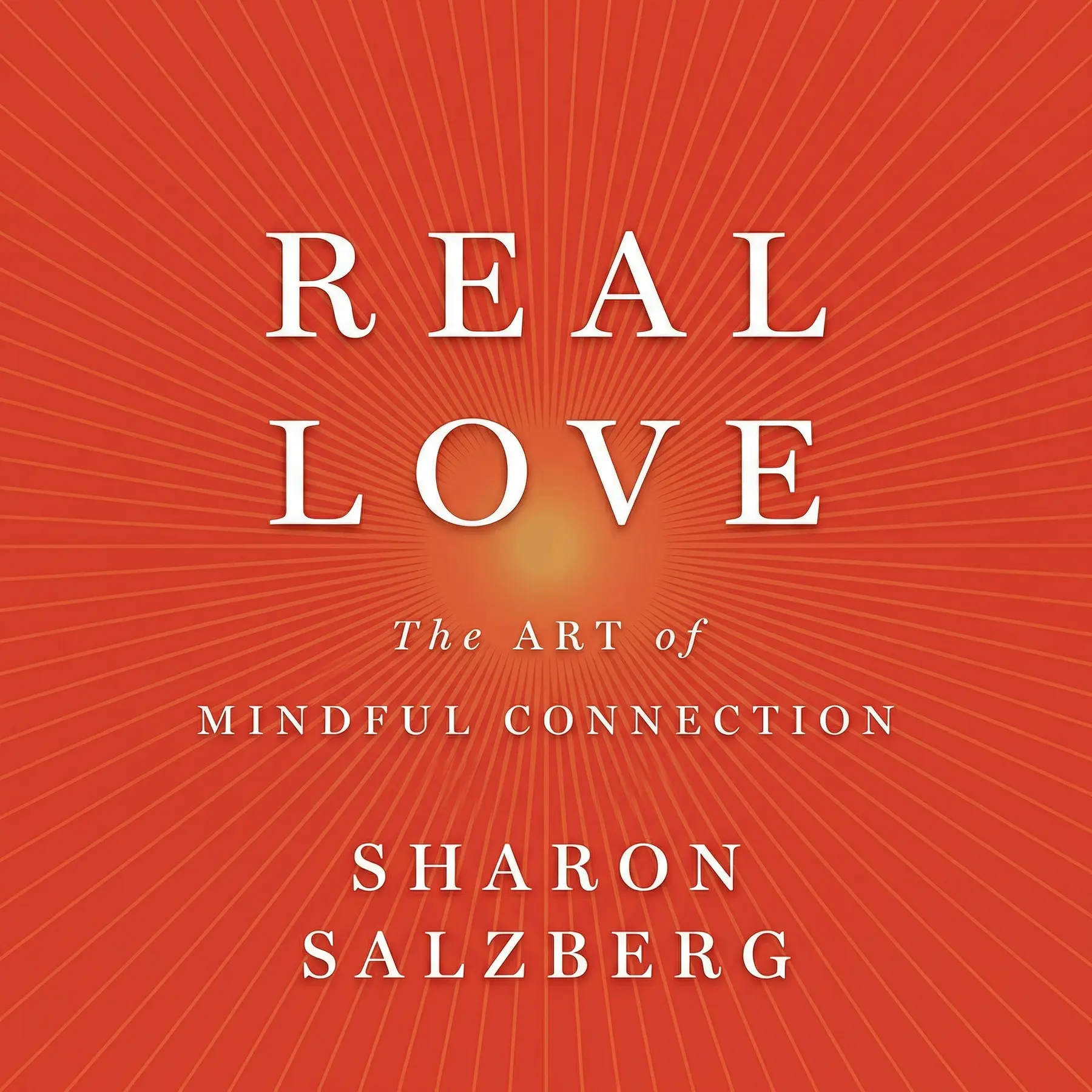
Real Love: The Art of Mindful Connection
Shows how to treat love as a daily practice of attention, from doubting the harsh stories you tell about yourself to handling conflict with kindness and finding real joy in other people's success.
Table of Content
1. Introduction
1 min 01 sec
If love, for you, mostly means a handful of close people and the warm feeling they bring, Sharon Salzberg thinks you are living on a fraction of what is possible. In Real Love, the meditation teacher argues that love is a practice of attention, one that can reach a partner, a stranger at a checkout and even someone you dislike. Her first step is a surprise: before connecting with anyone, doubt the stories you tell about yourself.
Drawing on her own life and on the lives of her friends and students, Salzberg works outward from there. Love, she shows, grows wherever we swap a fearful assumption for honest, kind attention, and anyone can practice that every day. Along the way come a method for facing painful feelings, a way to argue without keeping score, a cure for envy and a one-minute experiment with trees, each with something to try in your next conversation.
2. Rewrite the harsh story you tell about yourself
1 min 25 sec
A broken engagement left one woman certain of a verdict she had carried since childhood. Another boy’s family nearly convinced him he was a misfit, until one relative told the story differently.
3. Feel the hard emotion so it can pass
1 min 39 sec
At a retreat after a friend’s death, Salzberg tried to keep her grief small and tidy. The monk leading it was shocked, and his advice runs against almost everything we are taught about self-control.
4. Turn your next argument into a shared project
1 min 42 sec
A distracted partner over coffee can set off a whole private drama of rejection. Research on marriages points to one trait that predicts which couples last, and it is easy to forget mid-fight.
5. Make the space between you feel safe
1 min 41 sec
A too-hot car and a wife’s three-month trip with her sister both expose the distance that sits between us and the people we love. Forty years of watching couples suggests what separates the ones who thrive inside it.
6. Help a struggling friend without trying to fix them
1 min 37 sec
When someone we love falls ill, the instinct to rescue them feels like pure generosity. Salzberg’s teacher gave her very different advice, and a young cancer patient learned the same lesson from the other side.
7. Turn jealousy into joy for others
1 min 35 sec
A friend’s wedding, a colleague’s book deal, a yoga partner’s perfect pose: each can sting. Salzberg describes a route from that sting to real delight, and it starts by admitting the pettiness.
8. Find common ground with strangers and rivals
1 min 45 sec
A tissue on a crowded train and a dinner-table surprise about Proust show how much we miss when we sort people into boxes. A grieving mother offers the starkest lesson of all.
9. One minute of awe makes you kinder
1 min 35 sec
A rainbow lost to a slow phone in Santa Fe, and a group of students staring up at giant trees, point to a source of everyday happiness most people walk straight past.
10. Conclusion
1 min 02 sec
Real Love moves love from something that happens to us to something we do, many times a day. Salzberg’s practice starts inside, with the stories we tell and the feelings we avoid, then widens to partners, friends, rivals, strangers and finally a sky full of pink clouds. At every stage the work is the same: notice what is really there, and meet it with kindness.
That puts love in places most people never look. A fight becomes a chance to begin again. A friend’s success becomes a second source of joy. A crying stranger on a train becomes someone you can reach with a tissue.
Begin where it is easiest. When a painful feeling arrives, walk it through RAIN: name it, allow it, get curious about it, and remember it is not who you are. When someone you love shares good news, celebrate it as fully as you would your own. And at the next checkout, look up from your list.
The cashier may already be smiling.
About this book
What is this book about?
Most people think of love as a warm feeling kept for a partner, family and a few close friends. Sharon Salzberg, a longtime meditation teacher, argues that this view is far too small and shuts us off from much of the joy available to us. In Real Love, she treats love as a skill of attention that can be practiced every day, with loved ones, with strangers and even with people we dislike. Using stories from her own life and from her friends and students, Salzberg shows how unreliable stories about ourselves block connection, why painful emotions must be felt before they can be released, and how kindness and emotional safety shape what happens in conflict. She draws on research from the Gottman Institute on couples, Shelly Gable's work on sharing good news and an experiment linking awe to helpfulness. Readers get practical tools: the RAIN method for difficult feelings, a three-stage path from jealousy to sympathetic joy, and simple ways to stay present for a friend who is suffering without trying to fix them.
Book Information
Who it's for
Lonely even among others
People who feel lonely or disconnected even when surrounded by others.
Couples stuck keeping score
Couples stuck in score-keeping arguments who want a kinder way through conflict.
Into meditation and wellness
Meditators and wellness seekers who want to carry mindfulness into their relationships.
About the Author
Sharon Salzberg
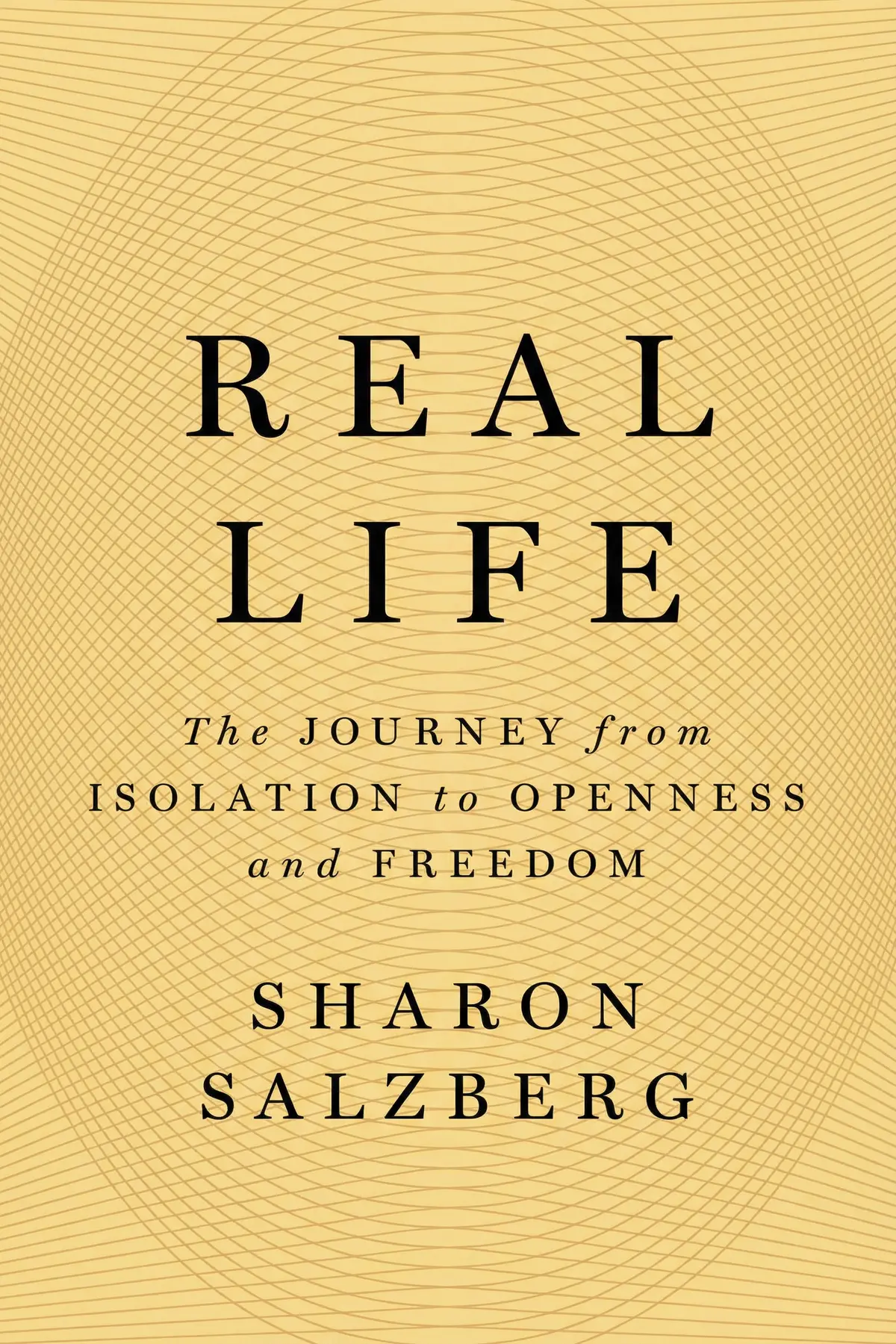
Sharon Salzberg, born in 1952, teaches Buddhist meditation in the West. In 1974 she co-founded the Insight Meditation Society in Massachusetts with Jack Kornfield and Joseph Goldstein. Her teaching rests on vipassana, or insight, and metta, or lovingkindness, practices from the Theravada Buddhist tradition, and she has led retreats around the world for decades. Her earlier books include Lovingkindness, published in 1995, and Real Happiness, a New York Times bestseller in 2011. She also hosts a podcast, The Metta Hour.
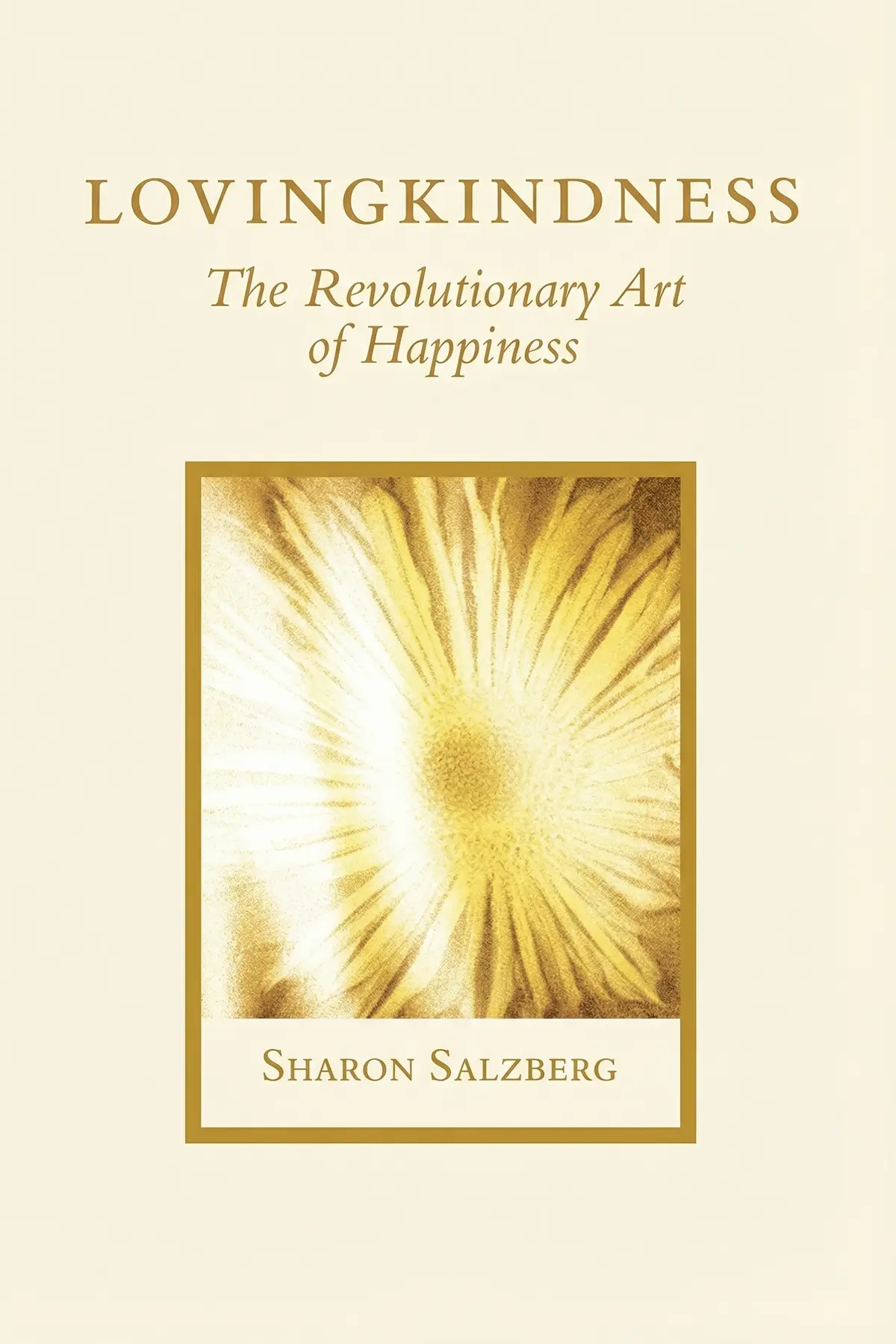
Lovingkindness: The Revolutionary Art of Happiness
Sharon Salzberg
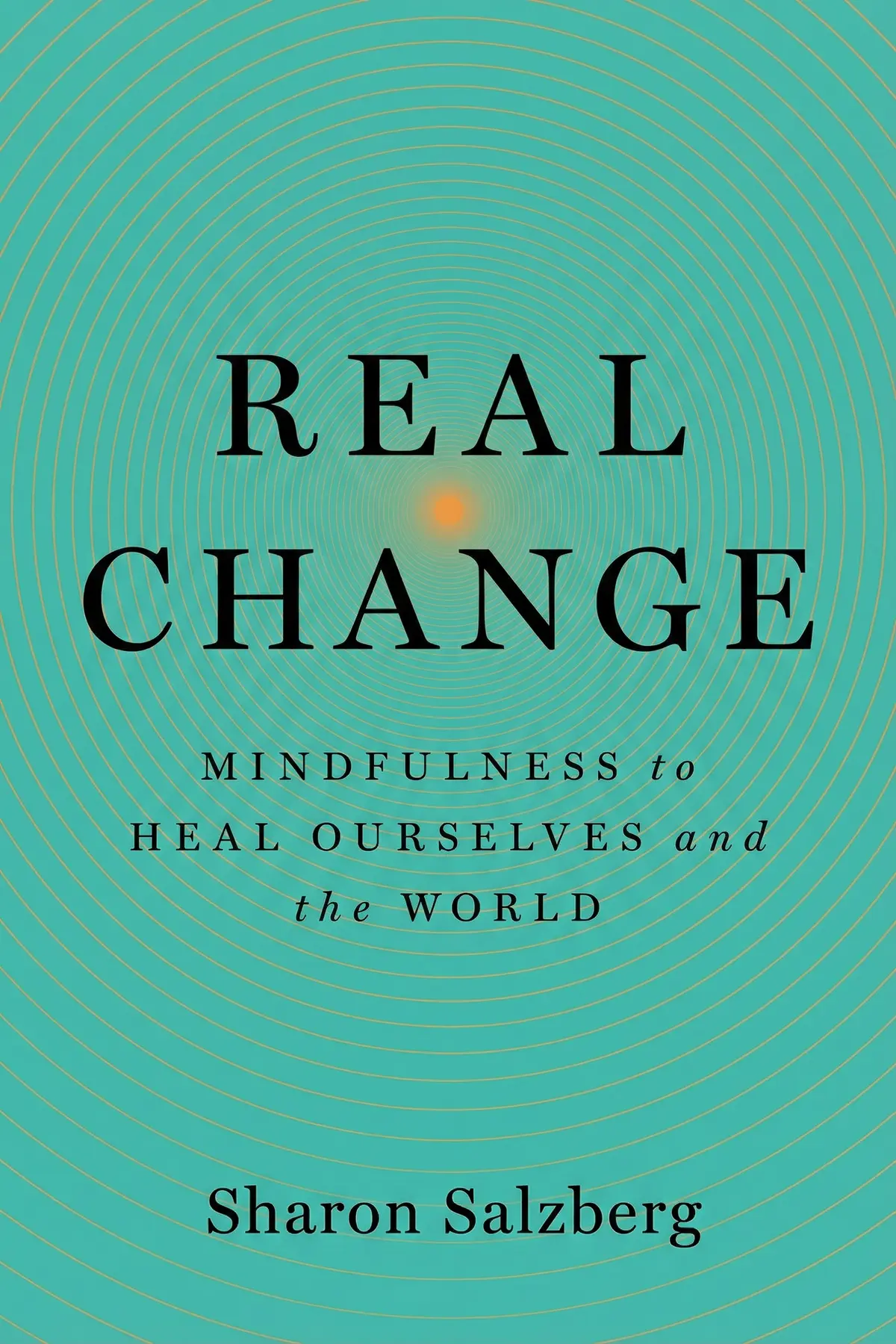
Real Change: Mindfulness to Heal Ourselves and the World
Sharon Salzberg
Ratings & Reviews
Ratings at a glance
What people think
Listeners describe this work as transformative and full of deep wisdom, particularly valuing its introduction to meditation and the concept of lovingkindness. Furthermore, the prose is skillfully written and simple to follow, incorporating engaging anecdotes throughout. They also appreciate how the book helps them implement these ideas in real life and value its overall approachability.
Top reviews
Ahmed
Finally got around to reading this, and it actually changed how I view my morning commute. Salzberg writes with the warmth of a wise aunt, making the concept of lovingkindness feel less like a chore and more like a relief. The stories are relatable, even if some of the 'Samantha' anecdotes feel a bit repetitive after a while. I found the RAIN protocol particularly helpful for those moments when I’m spiraling into self-criticism. Truth is, I didn't expect a book about meditation to be this grounded in reality. It’s a gentle, accessible guide that doesn't demand you become a monk overnight. The way she bridges psychology and mindfulness is seamless and deeply practical for the average person.
Show moreSaengdao
The chapter on self-compassion hit me like a ton of bricks. We often think of love as something we give away, but Salzberg argues that it must start with an internal shift toward the self. Her writing is clear and incredibly easy to understand, stripping away the esoteric jargon often found in mindfulness literature. I loved the idea that every being, even a random wasp or a slug, is part of our circle of concern. It brings a sense of awe-struck humility that I haven't found in other books. This is truly a treasury of wisdom that I’ll keep on my nightstand for years because it feels so life-changing.
Show moreNuk
Recently, I found myself apologizing to my own body after a particularly grueling work week. That moment of remorse, rather than self-judgment, was a direct result of reading this book. Salzberg helps you realize that your body isn't just a machine; it's a partner deserving of infinite care and attention. The exercises are sterling and surprisingly easy to implement into a busy schedule if you actually commit to them. I felt the effects on my mood almost immediately after starting the mindfulness practices. This is life-changing work for anyone who struggles with a loud inner critic or feels like they are constantly failing.
Show moreWatchara
This book isn't just about romance; it's about how you greet the entire world with a sense of curiosity. Salzberg broadens our notions of what 'real love' is, moving it away from Hollywood clichés and toward a sustainable daily practice. The inclusion of the RAIN protocol provides a vital bridge between ancient mindfulness and modern emotional regulation. While I've encountered some of these concepts before, having them pulled together in such a compassionate voice is invaluable. It’s a comprehensive guide that feels both ancient and incredibly modern at the same time. Truly, a must-read for anyone seeking more depth in their relationships and more peace in their mind.
Show moreAnna
Sharon Salzberg has a way of making complex Buddhist psychology feel like a kitchen-table conversation. This isn't your typical fluffy self-help; it’s a structured dive into how our mental habits block us from genuine connection. Section one was the strongest for me, especially the focus on self-compassion as a prerequisite for loving others. To be fair, Section three got a little too 'universal energy' for my taste, and I ended up skipping some of those exercises. However, the core message about widening our circle of care is profound. I’d recommend a physical copy over the audiobook so you can actually reference the practice sections and bullet points more easily.
Show morePridi
As someone who usually rolls their eyes at self-help, I found the RAIN technique surprisingly grounded and effective. It mirrors a lot of what you see in Cognitive Behavioral Therapy, making it feel more like mental hygiene than 'hippy' fluff. Salzberg's tone is consistently gentle, though I’ll admit the book drags slightly in the middle sections. The focus on 'neutral' people—the bus driver or the cashier—was a game-changer for my daily anxiety. Not gonna lie, I skipped a few of the more esoteric meditations toward the end. Even so, the practical value of the first few chapters is worth the price alone for anyone struggling with anger.
Show moreOlivia
After hearing Sharon on a podcast, I decided to dive into the full text to see if the hype was real. The book is essentially a recipe book for a more compassionate life, blending personal stories with very specific meditative practices. I particularly valued the section on handling anger without letting it become your entire identity. My only gripe is that the 'testimonials' can feel a bit staged or idealized at times, making the progress seem easier than it is. Regardless, the summary at the end of the book is a concentrated wallop of wisdom. It’s a beautiful reminder that real love is a skill we can actually practice daily.
Show morePla
Is it radical to suggest we stop being so mean to ourselves? This book argues that real love is a radical act of meeting the world with openness instead of fear. The writing style is fluid and accessible, which makes the deeper psychological concepts much easier to digest for a beginner. I did find the 'all beings' section a little vague, as I would have loved more depth on non-human compassion. However, the focus on breaking down personal barriers is top-notch. It’s a solid resource for anyone feeling disconnected or burnt out by the current state of the world. Personally, I found the forgiveness meditation to be the most impactful part.
Show moreWachira
Look, I appreciate the message, but some parts of this book felt like a bit of a slog. While the insights into mindfulness are definitely profound, the narrative structure often relies too heavily on testimonials from students. I’m the kind of reader who prefers bullet points and direct instructions over long-winded stories about someone else's breakthrough. The exercises are lovely in theory, but trying to stop mid-argument to meditate isn't exactly practical for my life right now. It’s a nice overview of metta practice, but seasoned meditators might find it a bit basic. Still, it is a well-crafted entry point for those new to the concept of lovingkindness.
Show moreSamuel
Not what I expected, unfortunately. I found myself honestly bored by the middle of the second section because the anecdotes started to feel interchangeable and lacked real bite. While I respect Salzberg’s work, this particular volume felt a bit too anthropocentric for my liking. It spends so much time on human relationships that it misses the vastness of the natural world she occasionally hints at in the 'all beings' practice. If you want a very basic introduction to lovingkindness, this might work for you. For me, it felt like a diluted version of her earlier, more rigorous teachings. It’s simply too repetitive for a cover-to-cover read.
Show moreQuestions about this book
What is the main idea of Real Love by Sharon Salzberg?
Salzberg argues that love is far more than a warm feeling for a few close people. It is a practice of attention we can bring to every moment: questioning the stories we tell about ourselves, feeling difficult emotions fully, meeting conflict with kindness, letting go of expectations, sharing in other people’s happiness and noticing the world around us.
What is the RAIN method in Real Love?
RAIN is a tool for working with difficult emotions. You Recognize the feeling by naming it, Acknowledge it and allow yourself to feel it, Investigate it with curiosity, and practice Non-identifying, remembering that the feeling does not define you. Salzberg’s point is that emotions we refuse to face prolong suffering, while emotions we explore can be released.
How does Real Love suggest dealing with jealousy?
Salzberg describes a path to sympathetic joy, taking happiness from someone else’s good fortune. First, find the insecurity behind your sour reaction. Second, treat yourself with patience and humor instead of scolding. Third, question the belief that love, success or opportunity is scarce. She cites Shelly Gable’s 2006 study, which found that responses to a partner’s good news mattered more than responses to bad news.
What does Real Love say about conflict in relationships?
Drawing on the Gottman Institute, Salzberg notes that kindness was the most accurate predictor of a marriage’s success, and that couples with emotional safety, who assume their partner means well, could be predicted to last with 90 percent accuracy. She recommends explaining hurt instead of attacking, and a willingness to begin again: stop keeping score and look for solutions that help both people.
Featured in

Readers also enjoyed

A New Earth: Awakening to Your Life’s Purpose
Eckhart Tolle


Aflame: Learning from Silence
Pico Iyer
Aware: The Science and Practice of Presence
Daniel Siegel
Be Here Now
Ram Dass
AUDIO SUMMARY AVAILABLE
Listen to Real Love in 15 minutes
Get the key ideas from Real Love by Sharon Salzberg, plus 5,000+ more nonfiction titles.
- 5,000+ titles
- Listen as much as you want
- 7-day free trial
- Cancel anytime









