
15 min 23 sec
Available in: English
Real Change: Mindfulness to Heal Ourselves and the World
Shows how meditation can keep people engaged with hard problems like racism, poverty and climate change. It helps them face grief, rest without guilt, see their own biases and stay balanced over the long haul.
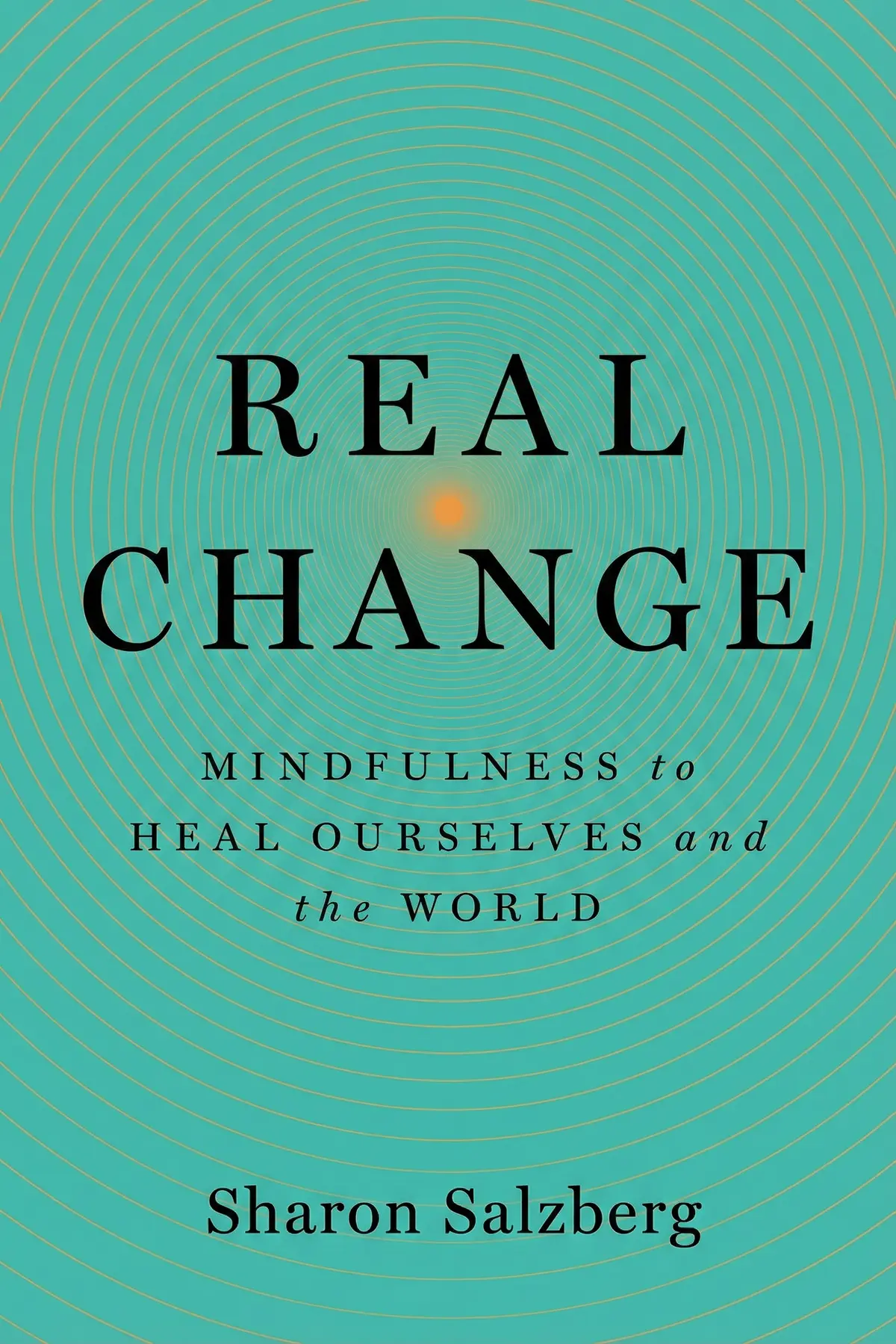
Table of Content
1. Introduction
1 min 09 sec
If the news leaves you torn between anger and the urge to switch everything off, there is another option. In Real Change, meditation teacher Sharon Salzberg argues that mindfulness is not a way to escape a troubled world but a way to stay in it, steady enough to keep working for something better. Salzberg co-founded the Insight Meditation Society in 1974. Here she pairs Buddhist practice with the stories of people pushing for change, from a Parkland student to a lawyer living with ALS.
Her argument runs through every idea that follows. Lasting change, in the world and in yourself, depends on a mind that can believe its actions count. That mind also has to face pain, rest without guilt, see its own blind spots and hold steady for years. Each idea builds one of those abilities. Along the way you collect a few short practices, a breath, a kind phrase and an honest question. They make it easier to care deeply about hard problems without being worn down by them.
2. Turn inner calm into fuel for action
1 min 49 sec
A teenager who escaped a school shooting had to choose all over again in the months that followed. Her choice challenges a common picture of what meditation is for and what it can do.
3. Close the gap between your values and actions
1 min 53 sec
Millions of people have looked at one famous monument without noticing a detail about its feet. That small detail holds a lesson about the difference between caring about a problem and doing something about it.
4. Treat emotional pain like an injured ankle
1 min 56 sec
Most of us handle grief and hurt the same way: we push them out of sight as fast as possible. Salzberg thinks that habit makes the wound heal badly, and she borrows a lesson from physical therapy.
5. Eat the banana and keep going
1 min 54 sec
A hungry activist stares at a bunch of bananas and cannot bring herself to eat one. Her small dilemma exposes a habit that wears down many dedicated people long before their cause is won.
6. See the web that ties strangers to you
1 min 53 sec
A tree looks like a single thing until you ask what keeps it alive. A grieving father applied the same insight in the hardest moment of his life, and changed what his community heard.
7. Catch the shortcuts that distort your judgment
1 min 48 sec
A simple riddle about a car crash and a surgeon stumps most people who hear it. The reason has nothing to do with intelligence and a lot to do with how all of us see others.
8. Stay steady when the news is bad
1 min 47 sec
A child cries over a broken toy, and the adult watching has two tempting reactions. Both are mistakes, and the better third response is the same one that keeps campaigners from sliding into despair.
9. Conclusion
1 min 14 sec
What Salzberg offers is staying power. Caring about the world matters, but care that burns out changes nothing. Sari Kaufman and Ady Barkan kept acting in conditions that would stop most people, and the practices in Real Change aim to give ordinary listeners a share of that endurance. A breath, a kind phrase and an honest look at your own assumptions are small tools, and they are meant to be used for years.
Her closing advice concerns hard emotions. Anger or even hatred can grip the calmest person, and when it does, remember that the feeling will pass. A short session of mindfulness can reveal the steadier layer of feeling underneath. Alongside that, count rest and joy as part of the work rather than a break from it. When a stranger irritates you, ask which assumption is doing the judging. And when the problems look too large, keep the hard facts and a small picture of something better in view together.
The Statue of Liberty has stood with her heel raised for generations. Real change, as Salzberg sees it, looks like that: balanced, steady, and always ready to take the next step.
About this book
What is this book about?
Many people care deeply about problems like climate change, racism, poverty and online harassment, and many of them end up feeling powerless or exhausted. The usual reactions are to look away or to freeze. Sharon Salzberg, a longtime teacher of Buddhist meditation, argues for a third response: train the mind so it can stay engaged and keep acting. Salzberg draws on mindfulness and lovingkindness practice and on the stories of people who kept working under hard conditions. Among them are a Parkland student who survived a school shooting, a lawyer diagnosed with ALS at 32, and a father who refused to let his daughter's death feed racial hatred. Each story backs one part of her argument. It covers recognizing that you can affect the world, treating emotional pain like an injury that needs patient exercise, making rest and joy part of serious work, seeing how strangers are tied to you, catching the mental shortcuts that distort judgment, and holding your balance when the news is bad. Readers get short practices they can use right away, among them a breathing exercise, kind phrases to repeat and a way to examine their own assumptions. They also get a clear case that caring well means caring for the long term.
Book Information
Who it's for
Weary activists, volunteers, caregivers
Activists, volunteers and caregivers who feel worn down by problems that never seem to shrink.
Burnout-wary professionals and managers
Managers and professionals in demanding, people-centered work who want to avoid burnout.
Action-minded meditators
Meditators who want their practice to support action in the world, not just private calm.
About the Author
Sharon Salzberg
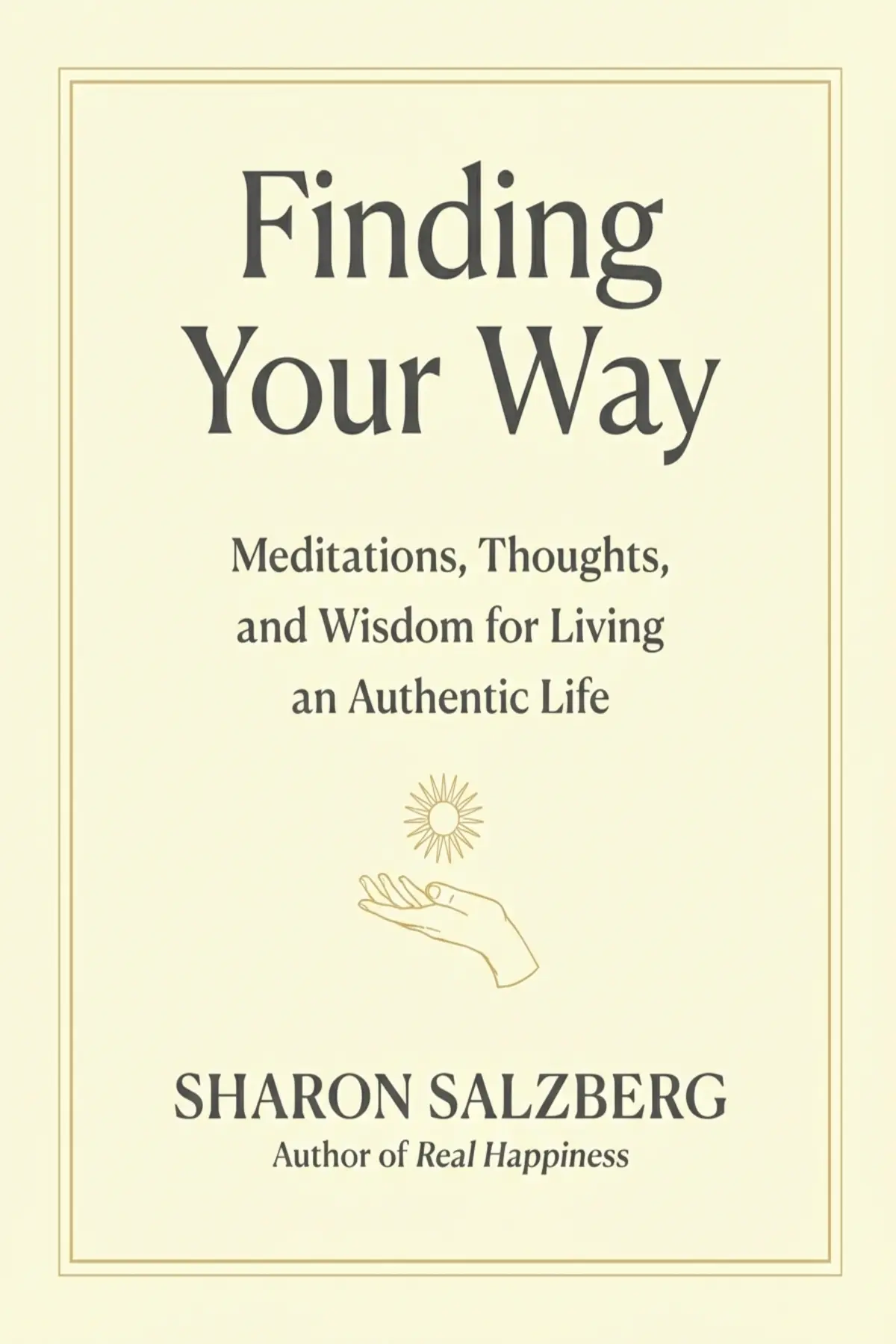
Sharon Salzberg, born in 1952, teaches Buddhist meditation in the West. In 1974 she co-founded the Insight Meditation Society in Barre, Massachusetts, with Jack Kornfield and Joseph Goldstein. Her teaching rests on vipassana (insight) and metta (lovingkindness) practice from the Theravada tradition, and she has led retreats around the world for decades. Her earlier books include Lovingkindness (1995) and Real Happiness, a New York Times bestseller in 2011, and she hosts the podcast The Metta Hour.
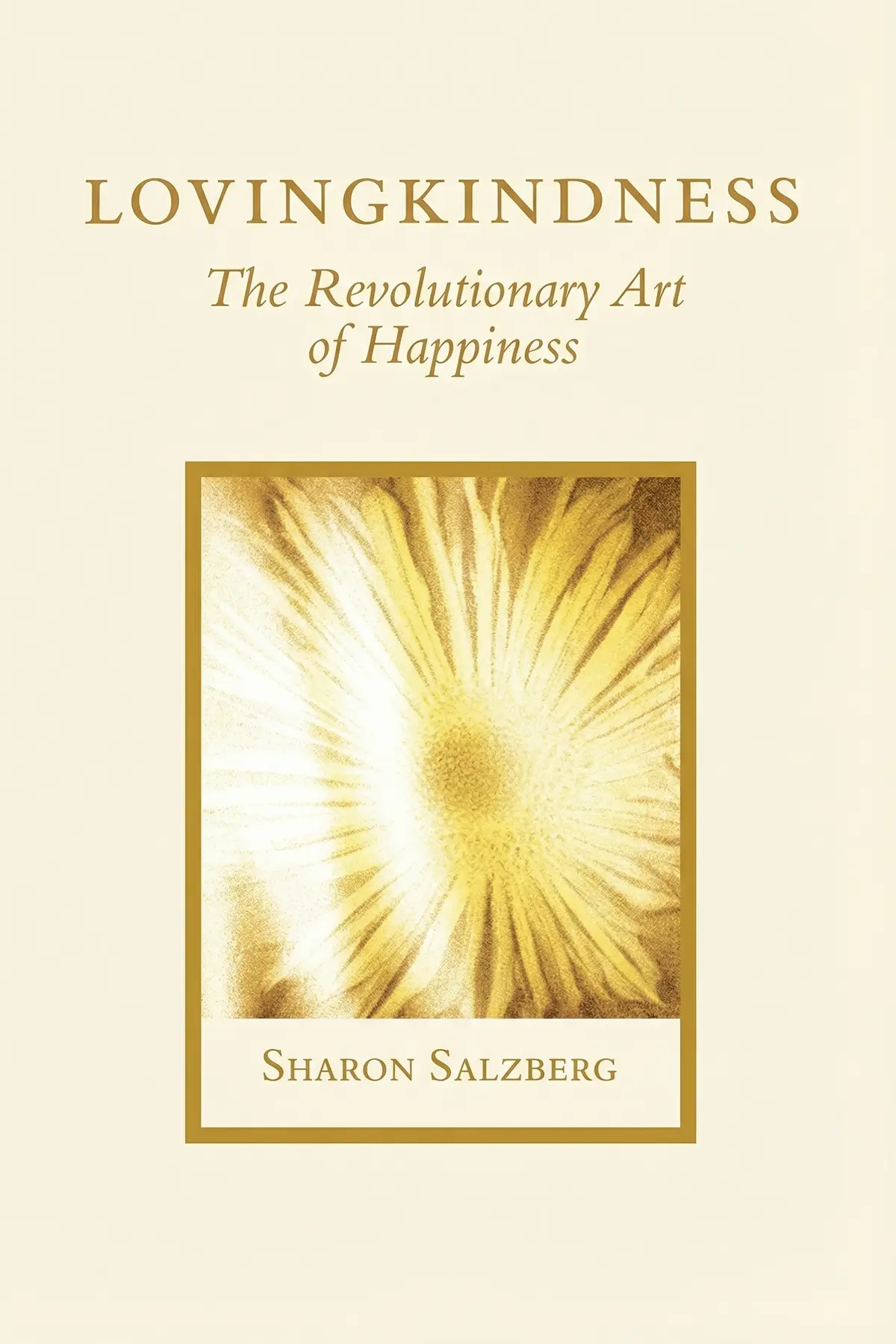
Lovingkindness: The Revolutionary Art of Happiness
Sharon Salzberg
Real Love: The Art of Mindful Connection
Sharon Salzberg
Ratings & Reviews
Ratings at a glance
What people think
Listeners find the book highly accessible and value its perspective on mindfulness, with one listener emphasizing how it bridges this practice with social action. The content is well-regarded, as one listener mentions that it pulls from diverse sources and features examples from grassroots movements.
Top reviews
Sureerat
Wow. This felt like exactly the medicine I needed for the burnout I’ve been carrying lately. Salzberg takes the concept of mindfulness and expands it far beyond the meditation cushion, showing us how to engage with a divided world without losing our own sanity. I loved the "gyroscope" metaphor—the idea of finding a core that is steady yet flexible enough to duck and weave with life’s punches. The book is filled with diverse voices from various grassroots movements, which makes the advice feel grounded and actionable rather than just theoretical. It’s a beautifully written invitation to move from "othering" to a sense of shared humanity. I found myself highlighting passages on almost every page to return to later.
Show moreBenjamin
Finally got around to reading this and I’m so glad I did, especially given the current state of the world. It’s a rare book that can balance deep spiritual wisdom with the grit of real-world activism without sounding preachy or disconnected. Sharon draws from such a wide range of sources and grassroots examples that the book feels incredibly inclusive and modern. The focus on "transportable tranquility" is a game changer for me. It’s about carrying that sense of peace into the storm rather than just waiting for the storm to pass. This isn't just a book about feeling better; it's a book about doing better for the people around us. It offers a clear, radiant path forward.
Show moreSuthinee
In my experience, most self-help books ignore the systemic issues that cause us stress, but Real Change faces them head-on. Sharon Salzberg beautifully illustrates how our personal healing is inextricably linked to the healing of our communities and the world at large. The concept of "benevolent contagion"—where our own generosity and joy can spark something in others—is such a hopeful way to look at influence. I felt a profound sense of "transportable tranquility" after finishing this, a feeling that I can actually handle what’s coming next without being destroyed by it. It is an essential read for anyone who wants to marry their spiritual practice with a commitment to justice. Truly a beautiful, perspective-shifting work.
Show moreEthan
After hearing so much about Salzberg’s traditional meditation guides, seeing her pivot toward social action felt both timely and necessary. Truth is, I worried it might be too political, but she manages to ground every call to activism in the core tenets of lovingkindness. The stories about grassroots organizers were particularly moving because they show how inner peace isn't just for people on retreats; it's a fuel for those fighting for justice. Each chapter ends with a meditation that helps bridge the gap between internal calm and external work. While some of the transitions between different interview subjects felt a little jumpy, the core message is unmistakable. It’s a powerful reminder that our "North Star" can guide us even through periods of massive societal upheaval.
Show moreWaree
Picked this up during a particularly stressful month and found it to be a wonderful "mindful hug" that encouraged me to keep going. Sharon has this way of speaking that makes you feel seen and supported, even when the topics—poverty, racism, and systemic injustice—are incredibly heavy. Look, some of the platitudes can feel a bit cliché if you’ve been in the mindfulness world for a long time, but sometimes we need the simple reminders the most. The emphasis on being "gentle" with ourselves while doing the hard work of social change is a perspective often missing from activist circles. It’s not a revolutionary manual for political strategy, but it is a vital manual for the human spirit behind the strategy.
Show moreNina
As someone who often feels overwhelmed by the 24-hour news cycle, I appreciated how this book addresses the "poison" of anger and reactivity. Salzberg argues that we don't have to withdraw from the world to find peace; instead, we can use our practice to become more effective participants in it. The sections on "soul wounds" and "gaslighting" were particularly insightful, providing a vocabulary for the mental fatigue many of us are feeling. While the structure can feel a bit loose at times with so many different interview snippets, the overall effect is one of deep empathy and resilience. It’s a quick read, but the meditations at the end of each chapter give it a lot of staying power for those of us trying to make a difference.
Show morePierre
The chapter on equanimity was worth the price of the book alone, offering a clear path through the intense sorrow we all feel. Frankly, I wasn't sure how Sharon would handle the intersection of meditation and politics, but she does it with her signature grace and lack of judgment. Some of the stories did feel a bit familiar if you’ve read Real Love, yet they served as useful reminders in this new context of social change. The guided meditations are very practical and easy to follow, even for someone who doesn't have a regular practice. It’s a solid 4-star read that offers a lot of comfort and a few gentle nudges to get back into the world and face challenges with a balanced heart.
Show moreJirapat
Ever wonder how to stay engaged with social issues without burning out completely? This book offers some very tangible answers through the lens of mindfulness and compassion. I really enjoyed the "Tell me something good" section because it reminds us to look for the light even when things feel overwhelmingly dark. The writing is radiant and calm, though I will admit that a few sections felt a bit disorganized, almost like a collection of essays rather than a cohesive narrative. However, the core message about developing a "North Star" of values is something everyone needs to hear right now. It’s a lovely, thoughtful guide for anyone trying to live with more intention and less reactivity.
Show morePisit
Not what I expected from a Buddhist teacher, but in the best way possible. Instead of just focusing on internal peace, Salzberg looks outward, interviewing activists and leaders to see how they maintain their balance. Personally, I found the variety of voices to be the book’s greatest strength, even if the transitions between them were sometimes a bit clunky. She tackles tough subjects like poverty and the pandemic with a level of "skillful means" that is truly impressive. It’s a readable, inspiring text that makes a strong case for why the world needs more meditators in the streets. A few parts felt like they were padding the length, but the high points are truly transformative and deeply necessary for today.
Show moreRatchanee
This book was a massive letdown for me as a longtime student of Salzberg's work. To be fair, her writing style is still gentle and comforting, but the actual content felt scattered and highly repetitive of her previous titles like Real Happiness. I noticed several anecdotes that were lifted almost directly from her earlier books, which feels a bit lazy for an author of her stature. Beyond the recycled stories, the organization is quite messy; one moment we are talking about deep Buddhist concepts and the next we are shoved into a political anecdote without a clear bridge. For a book about "real change," it offered very few concrete takeaways that I hadn't already read in her other works. I’d suggest skipping this one and sticking to her classics.
Show moreQuestions about this book
What is the main idea of Real Change by Sharon Salzberg?
Salzberg argues that mindfulness and lovingkindness meditation help you stay engaged with the world’s hardest problems instead of escaping them. Regular practice builds resilience to stress and keeps goals clear. It helps you face grief, rest without guilt, notice your biases and keep your balance. The aim is to keep caring and acting over many years without sliding into despair or burnout.
Who should read Real Change?
It suits people who care about issues such as climate change, racism or poverty but feel overwhelmed or powerless. Activists, organizers, caregivers and anyone in demanding service work will find practices for avoiding burnout. Meditators who wonder how their practice connects to action in the wider world will also find a clear answer, backed by stories like those of Sari Kaufman and Ady Barkan.
What is equanimity according to Sharon Salzberg?
Salzberg describes equanimity, which Buddhists sometimes call upekkha, as balance held inside you rather than equal shares of work and play. You still feel anger, sadness, joy and fear, but you do not give in to them completely. Like a spinning gyroscope that is pushed and rights itself, you notice the emotion and then return to calm.
How can I use lovingkindness meditation from Real Change?
When stress builds, close your eyes, breathe deeply and repeat kind phrases like “may I be safe” or “may I live with ease,” then picture yourself moving beyond the pain. Salzberg also suggests a version for connection. Bring to mind someone you met today, consider how your well-being and theirs affect each other, and send them good wishes.
How does Real Change address burnout?
Salzberg argues that nobody can give everything all the time, so rest and recovery must be built into demanding work. Myles Horton rested in nature near the Highlander Folk School, and Shantel Walker of the Fight for 15 campaign takes long bike rides. She also urges joy within the work itself, like the singing in 1960s protest marches, which Buddhists call gladdening the mind.
Readers also enjoyed

A New Earth: Awakening to Your Life’s Purpose
Eckhart Tolle


Aflame: Learning from Silence
Pico Iyer
Aware: The Science and Practice of Presence
Daniel Siegel
Be Here Now
Ram Dass

AUDIO SUMMARY AVAILABLE
Listen to Real Change in 15 minutes
Get the key ideas from Real Change by Sharon Salzberg, plus 5,000+ more nonfiction titles.
- 5,000+ titles
- Listen as much as you want
- 7-day free trial
- Cancel anytime









