
13 min 33 sec
Available in: English
Real Life: The Journey from Isolation to Openness and Freedom
Sharon Salzberg shows how grief, hardship and plain numbness can shrink a life. She also offers small meditation-based practices that turn each of those states into a way back to clarity and connection.
Table of Content
1. Introduction
1 min 04 sec
Many people move through their days half there. They skim the good moments, brace against the bad ones and drift through the rest. In Real Life, meditation teacher Sharon Salzberg argues that this smallness is not a fixed condition. Fear, grief or a sharp disappointment can shut us down, the way a flower closes, but in her view we can open again at any moment. Salzberg grew up in an observant Jewish home and has practiced Buddhism since her late teens. She draws on both traditions and never asks anyone to follow a single path.
Her throughline is that the very experiences that make us feel small and cut off can lead us back to clarity and connection, if we meet each season of life with the right practice. Along the way you meet a Burmese teacher who told her to weep, a scholar who lost an eye at 20 and a night at a Broadway show that got her writing again. Each one leaves a small practice for the hard seasons. The last leaves a question worth answering for the rest of your life.
2. Spot the three habits that keep you small
1 min 51 sec
A square of chocolate, a lost set of keys and a boring afternoon look unrelated. In Buddhist thought they share a root, and spotting it is the first step out of a cramped, disconnected life.
3. Let a painful feeling run its course with RAIN
1 min 55 sec
A grieving student told her teacher she had cried only a little, hoping to seem disciplined. His reply changed how she handled sorrow, and it comes with a four-step method anyone can use.
4. Face illness and loss without shrinking yourself
1 min 51 sec
A young scholar lost an eye in an accident, and his teacher refused to call it a tragedy. The reason exposes a small habit of speech that makes hardship heavier than it needs to be.
5. Widen a narrowed mind with awe and gratitude
2 min 03 sec
A stalled author went to a Broadway show and ran home to write. The emotion behind that turnaround is hard to summon on demand, but two of its close relatives are within reach every day.
6. Come back from autopilot through small connections
1 min 47 sec
Some days nothing hurts, yet nothing feels alive either. An ancient image of a jeweled net and a psychologist’s term for tiny shared moments suggest how little it takes to wake back up.
7. Name the aspiration that guides every season
1 min 35 sec
Goals end the moment you reach them. Salzberg points to something that kept her steady through lockdown, and it comes from a ceremony that has been repeated for generations.
8. Conclusion
1 min 27 sec
Salzberg’s book adds up to a gentle reversal. The moments that shrink us, the grief we hold back, the diagnosis, the stalled project, the gray afternoon, turn out to be where the way back begins. Each hindrance has its matching door: clinging gives way to peace, resistance to compassion and numbness to vibrancy. Life brings what she calls ten thousand joys and ten thousand sorrows, and everyone will feel small and cut off at some point. Staying there is optional.
Her practices are modest on purpose. When a feeling hits hard, name it, let it be, look into it with curiosity, and say “I’m feeling fear” in place of “I’m scared.” When a situation will not change, watch your words so the illness or the loss does not become your whole identity. When your attention narrows, study your breath or give thanks for something small. When you drift, make something, or smile at a stranger. Underneath all of it, find the aspiration you can carry through every season.
Thurman lost an eye at 20 and came to see more clearly. That is the wager of Real Life: a dark season, held well, can become a way of seeing.
About this book
What is this book about?
Many people go through life half engaged. They hold on to what feels good, fight what feels bad and switch off in between. Sharon Salzberg is a meditation teacher who was raised in an observant Jewish household and has practiced Buddhism since her late teens. She argues that this smallness is a season, and that nobody has to stay in it. She draws on the Buddhist teaching of three hindrances, grasping, aversion and delusion, and shows how each one keeps us cramped. Each has an opposite, peace, compassion or vibrancy, and she says it is available at any moment. Her stories include a Burmese teacher who told her to weep freely, a scholar of Tibetan Buddhism who lost an eye at 20, and a Broadway show that ended a stubborn stretch of writer's block. Readers get small practices they can use right away. The RAIN method handles difficult emotions, and a shift in language keeps hardship from becoming identity. Curiosity and gratitude widen a narrowed mind, and microconnections with strangers pull us out of a fog. Finally, she asks readers to name the aspiration that guides a whole life. Salzberg invites readers to keep what fits them and leave the rest.
Book Information
Who it's for
Grieving, ill or caregiving
People going through grief, illness or caregiving who want a way to hold it without being swallowed by it.
Professionals on autopilot
Busy professionals who feel numb or on autopilot and want small daily practices to feel present again.
New to meditation
Meditation beginners curious about Buddhist ideas without signing up to one path.
About the Author
Sharon Salzberg
Sharon Salzberg, born in 1952, is a teacher of Buddhist meditation in the West. She helped found the Insight Meditation Society in Barre, Massachusetts, in 1974, alongside Jack Kornfield and Joseph Goldstein. Her teaching rests on vipassana, or insight, and metta, or lovingkindness, two practices from the Theravada Buddhist tradition, and she has led retreats around the world for decades. Her books include Lovingkindness, published in 1995, and Real Happiness, a New York Times bestseller in 2011. She also hosts the podcast The Metta Hour.
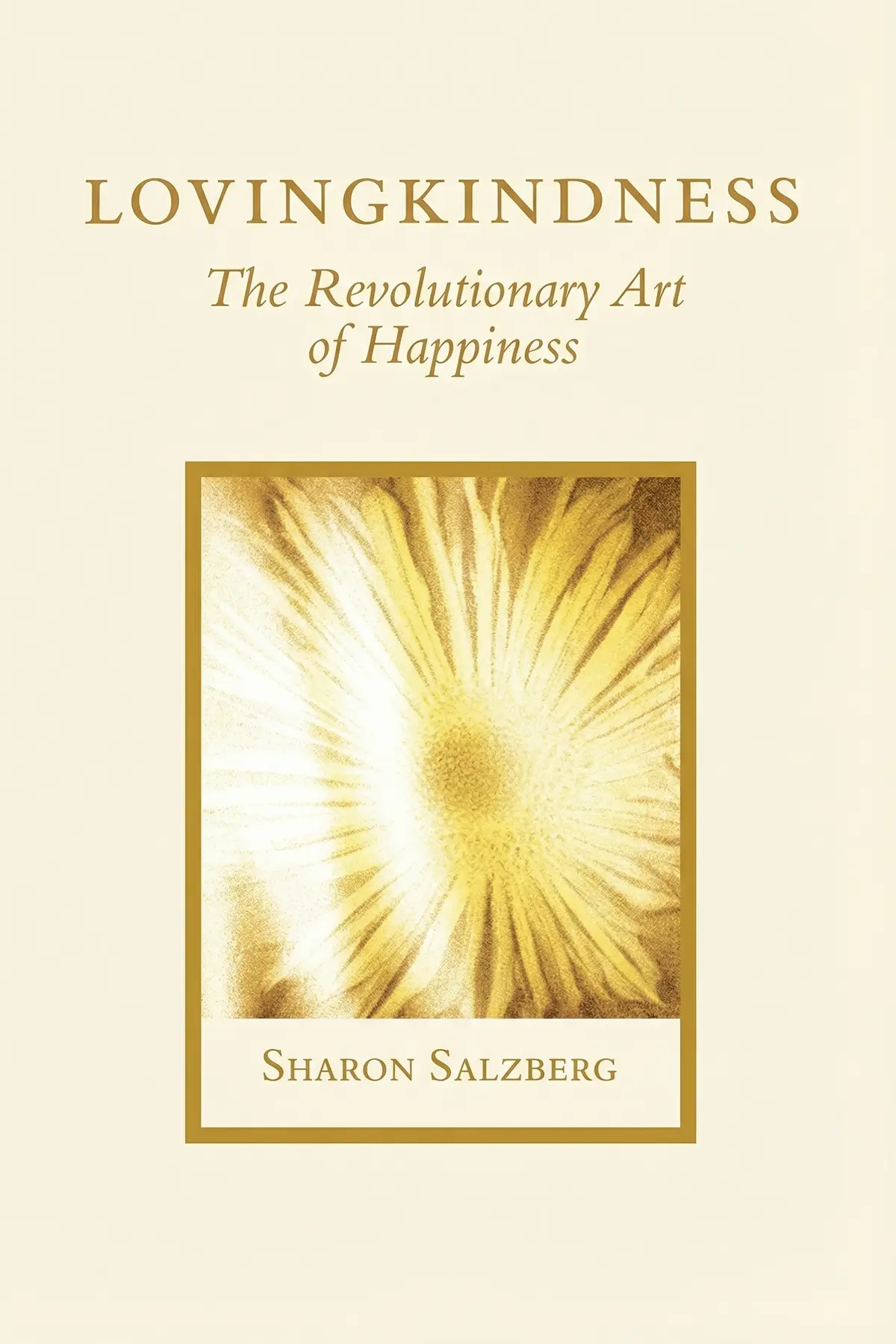
Lovingkindness: The Revolutionary Art of Happiness
Sharon Salzberg
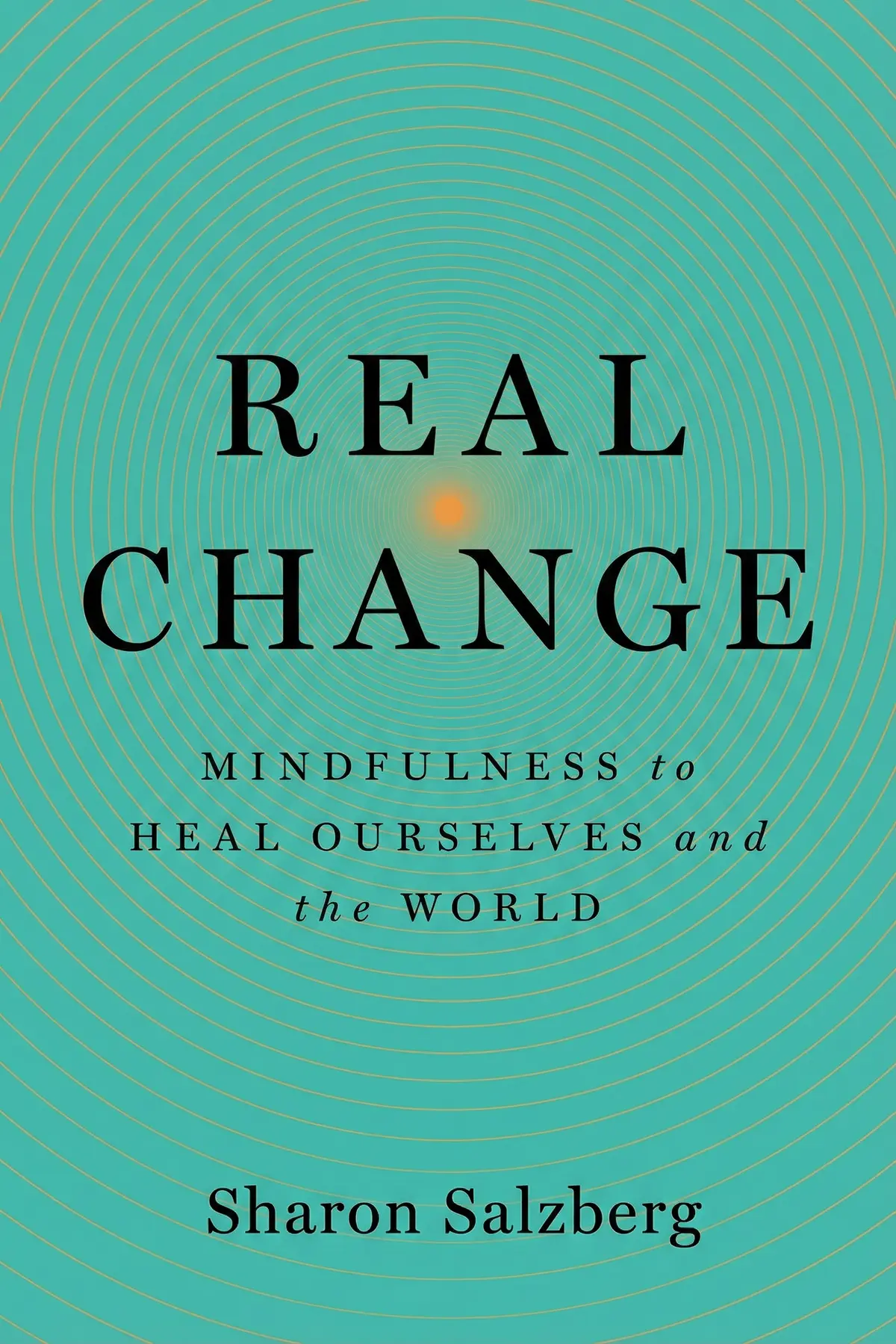
Real Change: Mindfulness to Heal Ourselves and the World
Sharon Salzberg
Real Love: The Art of Mindful Connection
Sharon Salzberg
Ratings & Reviews
Ratings at a glance
What people think
Listeners appreciate the spiritual nature of this work, with one noting how it simplifies complex ideas. The writing is filled with sincerity, as one review highlights the way it helps people work through tough emotions. There is also acclaim for the storytelling, with one listener finding the material remarkably applicable to their Dharma practice.
Top reviews
Omar
After hearing Sharon Salzberg's voice on meditation apps for years, I finally dove into her latest writing, and it didn't disappoint. There is a specific kind of heartfeltness here that feels incredibly grounded in the present moment. She talks about 'Real Life' as an engagement with our everyday challenges rather than an escape from them. I particularly loved the focus on moving from isolation to a sense of belonging. While she does quote a lot of other thinkers—which can occasionally slow the rhythm—her core message about choosing spaciousness is powerful. It’s a book that reminds you that you are perfect while simultaneously encouraging growth. If you are looking for a spiritual guide that doesn't feel like it's floating in the clouds, this is it. It’s about the soul-healing routine of the mundane.
Show moreFilm
This book feels like a warm hug during a storm. Sharon has this incredible ability to make complex Buddhist concepts like equanimity feel like something you can actually achieve while doing the dishes or stuck in traffic. I was deeply moved by her description of joy as simply what is happening minus our opinion of it. It’s a radical way to look at freedom. The way she incorporates the 'handshake practice' to deal with our 'beautiful monsters' is a game changer for anyone dealing with deep-seated shame or anxiety. The pacing is gentle, which encourages you to slow down and actually breathe through the chapters. I found myself highlighting so many passages to return to later. It is truly a beautiful guide to living a more expansive and open-hearted life.
Show moreHiroshi
Wow, the way Sharon explains the RAIN method—Recognize, Allow, Investigate, Nurture—made it finally click for me. I’ve read about these concepts in other mindfulness books, but her specific framing of the 'Nurturing' part felt so much more accessible. This book is less about escaping reality and more about leaning into the 'real life' we actually have, including all the messy parts. There is a sense of vibrancy and connection throughout the text that is quite infectious. I found the section on the 'handshake practice' to be an incredibly profound way to approach my own internal struggles without judgment. Even though the writing can be a bit academic in spots, the warmth of the author’s intent always shines through. It’s a deeply comforting read for anyone feeling overwhelmed.
Show moreMaya
Picked this up during a particularly rough month and found Sharon's perspective on the 'amazing and awful' parts of life to be exactly the medicine I needed. The truth is, most of life is lived in the mundane, and this book teaches you how to exhale during those routine moments. I was struck by how much emphasis she puts on personal effort and goodness over everything else. It’s a very empowering message. The appendix alone is worth the price of the book for the meditation guides and the breakdown of the Eightfold Path. It’s a five-star read for me because it didn't just give me information; it gave me a different way to breathe. I will be coming back to these pages many times.
Show moreChloe
Ever wonder how to bridge the gap between spiritual ideals and the messy reality of everyday existence? Salzberg answers that question with a vulnerability that is rare in contemporary Dharma writing. She doesn't promise a life without pain; instead, she offers a way to navigate the 'amazing, awful, and ordinary' with equanimity. I found her explanation of the Eightfold Path in the appendix to be one of the clearest summaries I’ve encountered recently. The book feels especially relevant in a post-pandemic world where so many of us are struggling with isolation. My only minor gripe is that some of the metaphors felt a little recycled from her previous work. Despite that, the emphasis on personal goodness through effort rather than birth is a refreshing reminder. It’s a solid addition to any spiritual library.
Show moreAndrew
To be fair, Salzberg’s style can be a bit abstract at times, leaning heavily on the insights of figures like bell hooks and Audre Lorde, which might not be for everyone. Personally, I enjoyed the eclectic mix of influences, but I can see why some readers might find the frequent citations distracting from the main message. That said, the core of the book—moving from aversion to compassion—is handled with such grace. The section on the RAIN technique was particularly useful for my own practice, especially the 'Nurture' step which we so often forget. It’s a book that asks for your full engagement and rewards you with a sense of peace. It isn't a quick read, nor should it be. It’s a manual for the inner river.
Show moreManee
Finally got around to finishing this, and the timing couldn't be better. I’ve been feeling quite stuck lately, and the concept of the 'inner river' shrinking due to denial or guilt really hit home. Sharon’s voice is so calm and reassuring, even on the page. She reminds us that we have the power to choose our spaciousness, regardless of the challenges we face. I loved the breathing techniques included toward the end; they are simple but effective for grounding yourself in the body. Some parts were a little difficult to comprehend on the first pass because the language is quite dense with spiritual terminology. However, the effort is worth it. It’s a heartfelt look at what it means to be human and how to stay open when life gets hard.
Show moreSue
As someone who has dabbled in Dharma for years, I found this remarkably relevant for our current times. Look, many spiritual books try to gloss over the 'awful' parts of life, but Sharon looks them straight in the eye. She uses the idea of 'Real Life' to describe a state where we are no longer running away from ourselves. The book is filled with wisdom, though I will say it feels like a bit of a 'greatest hits' collection of her various teachings and inspirations. While I didn't find everything entirely original, the way she weaves the different strands together is masterful. It’s a very peaceful read that invites a lot of contemplation. If you’re a fan of her Insight Timer meditations, you’ll likely hear her soothing voice as you read.
Show morePatcharaporn
The chapter on the 'handshake practice' was a definite highlight for me, but frankly, I struggled with the overall flow of the narrative. Salzberg is a legend in the Buddhist community, yet this specific volume felt a bit disjointed compared to her earlier classics. She brings in so many voices—Bruce Springsteen, bell hooks, and various Tibetan teachers—that her own unique perspective sometimes gets buried under the weight of these citations. At times, the prose became so abstract that I had to reread paragraphs just to grasp the concrete meaning. It’s certainly not a bad book, and the sections on RAIN are quite helpful for managing difficult emotions. However, if you are looking for a tight, original thesis, you might find this a bit scattered. It’s better used as a slow-burn contemplative tool than a straightforward read.
Show moreAva
Not what I expected given how much I loved her previous work like 'Lovingkindness.' To be honest, I found myself abandoning this one around the halfway mark because it just wasn't resonating with where I am on my path right now. The writing style felt a bit too vague and circular for my taste. I prefer my spiritual guides to be a bit more concrete and actionable, whereas this felt like a collection of loosely tied-together thoughts and other people's anecdotes. I can see why others might find it peaceful, but for me, it felt like it lacked a central, original punch. It’s a fine book for a beginner, perhaps, but if you’ve been practicing for a while, it might feel like you’ve heard most of this before in a more concise format.
Show moreQuestions about this book
What is Real Life by Sharon Salzberg about?
Salzberg argues that life moves in seasons of opening and closing. Fear, grief or disappointment can leave us stuck in a small, disconnected state. Drawing on Buddhist teaching, she names three causes of that smallness, grasping, aversion and delusion, and offers practices that turn each into a path back to clarity and connection. Her stories include a retreat with Sayadaw U Pandita and scholar Robert Thurman’s loss of an eye.
What is the RAIN method in Real Life?
RAIN is a meditation tool for difficult emotions. You recognize the feeling by naming it, such as fear or shame. You allow it to be there. You investigate what set it off and where you feel it in your body. Finally, you non-identify, saying “I’m feeling fear” in place of “I’m scared.” Salzberg suggests finishing by changing your view, for example by lying on grass or looking at the stars.
What are grasping, aversion and delusion?
They are the three causes of suffering in Buddhist thought, as Salzberg presents them. Grasping is clinging to a person, thing or experience to keep a pleasant feeling. Aversion is fighting ourselves, others or experiences to avoid an unpleasant one. Delusion is tuning out during neutral or dull stretches. Their opposites are peace, compassion and vibrancy, which she says are available at any moment.
How can I apply Real Life in daily life?
Start small. When you feel tight or flat, ask whether you are holding on, pushing away or switched off. Describe hardship as something you are experiencing, not who you are. When your attention narrows, look closely at your breath or appreciate something ordinary, like your morning coffee. Try one microconnection a day, such as smiling at a stranger. Then take time to name your own lifelong aspiration.
Readers also enjoyed

A New Earth: Awakening to Your Life’s Purpose
Eckhart Tolle


Aflame: Learning from Silence
Pico Iyer
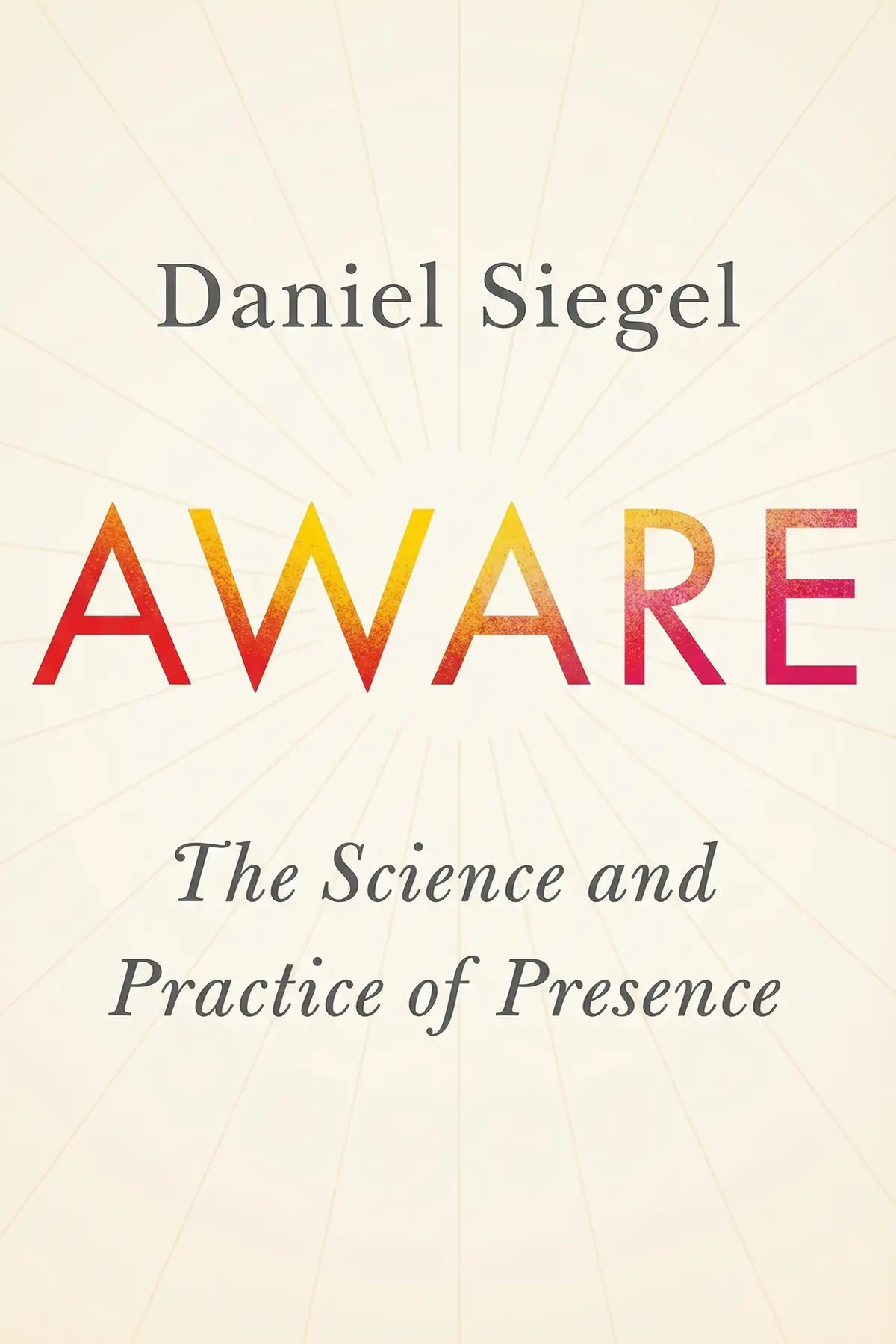
Aware: The Science and Practice of Presence
Daniel Siegel
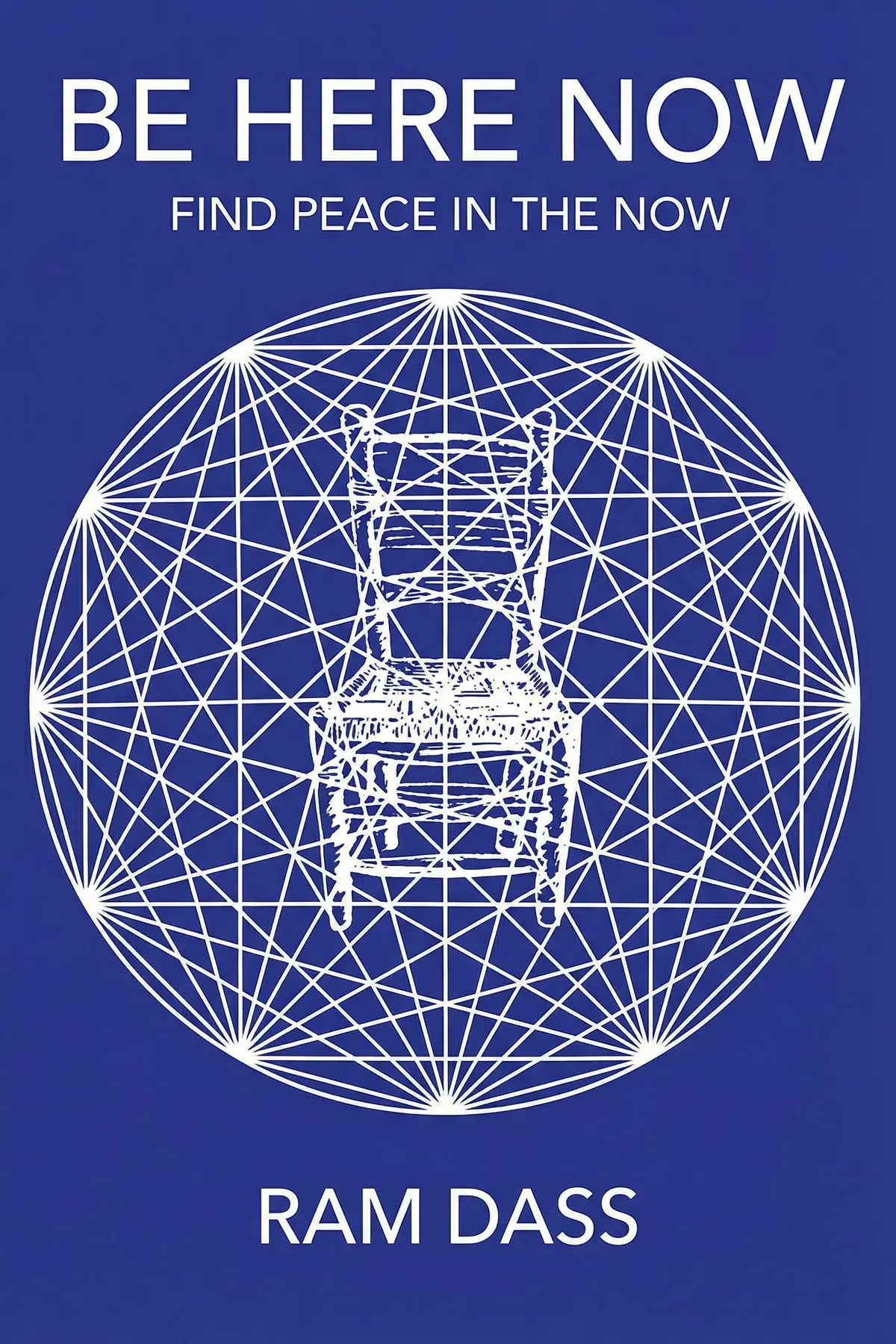
Be Here Now
Ram Dass
AUDIO SUMMARY AVAILABLE
Listen to Real Life in 15 minutes
Get the key ideas from Real Life by Sharon Salzberg, plus 5,000+ more nonfiction titles.
- 5,000+ titles
- Listen as much as you want
- 7-day free trial
- Cancel anytime









