
13 min 47 sec
Available in: English
 ไทย
EnglishไทยGoals!: How to Get Everything You Want – Faster Than You Ever Thought Possible
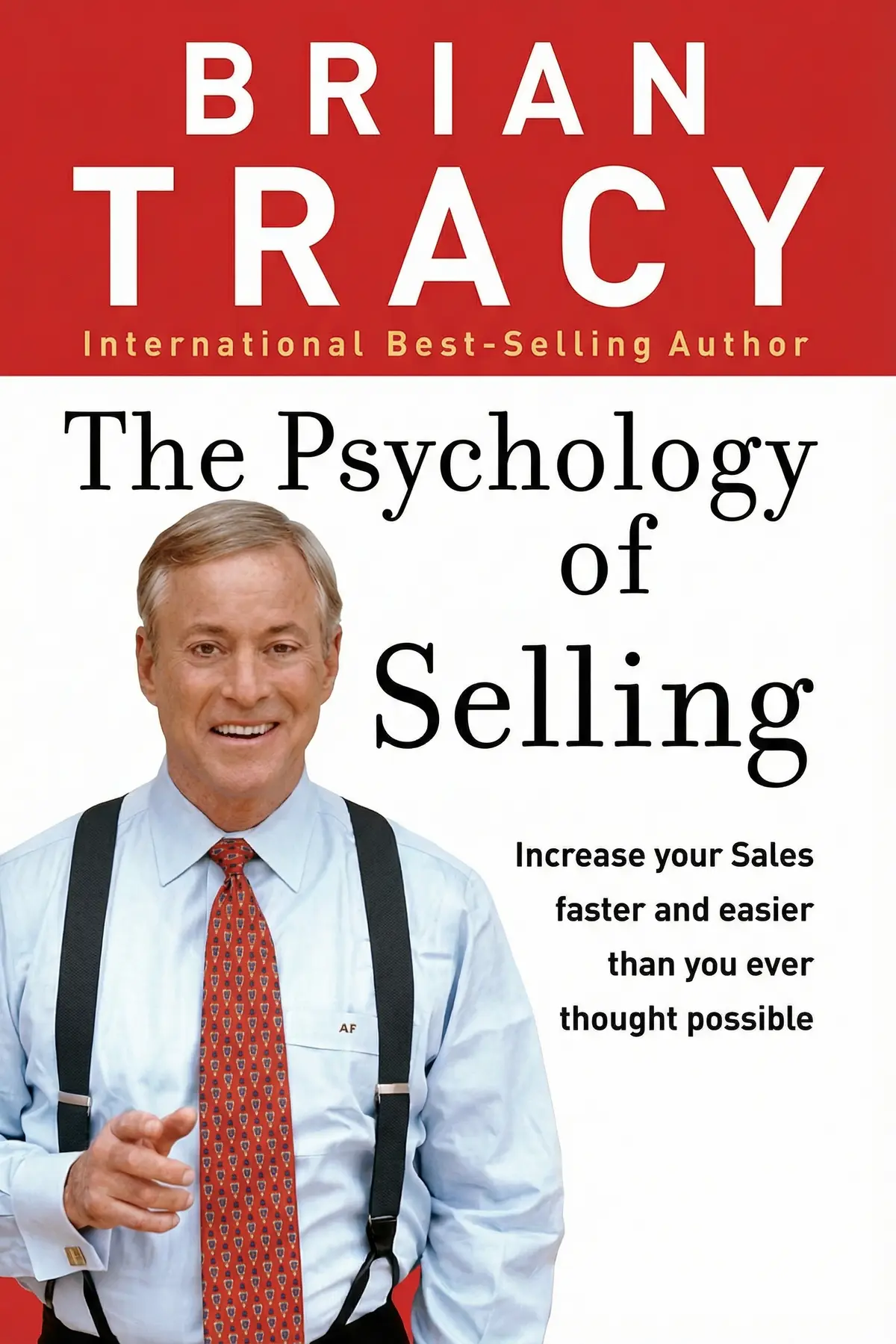
By Brian Tracy
Shows how to turn vague hopes into specific, written goals. It also covers how to clear out the negativity that drains your energy, plan before committing, and protect your best hours for the work that matters.
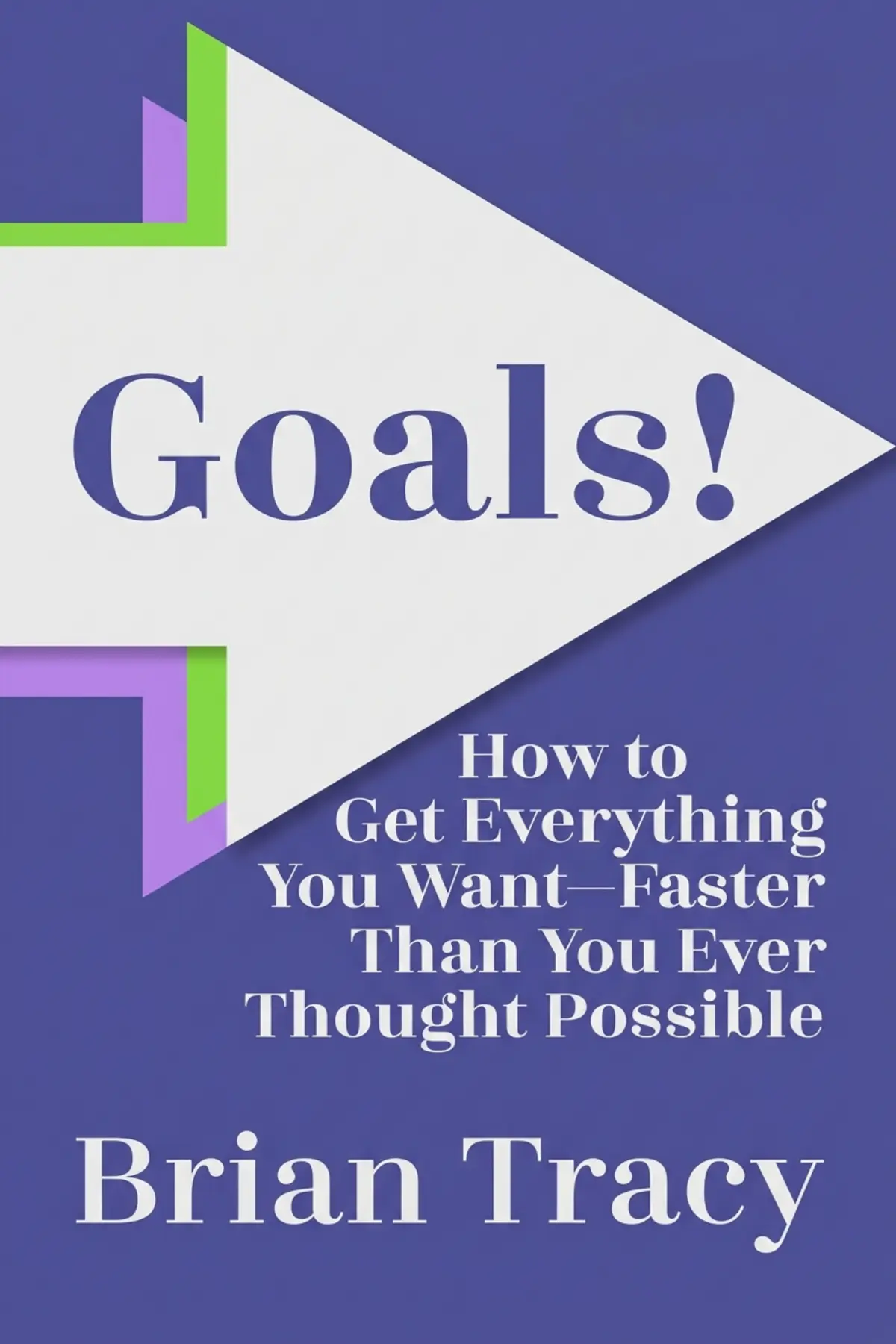
Table of Content
1. Introduction
56 sec
Most people who dream of a bigger life never get there, and Brian Tracy thinks the difference is surprisingly practical: the ones who arrive decided exactly what they wanted and wrote it down. In Goals!, the motivational speaker and trainer cites a Harvard study in which the few graduates with written goals were earning ten times as much as their classmates a decade later.
His argument is that goal-setting can be learned like any other skill. Pick a clear target, put it on paper and plan for it. Then guard your mind, your attitude and your hours so that each day moves you closer.
The book works from the inside out. It shows how to drop the blame and resentment that drain your energy and how to shape a goal you can measure. It explains why failing often is a good sign, and how one undivided hour each morning can carry a large ambition forward.
2. Point your thoughts at what you want
1 min 47 sec
Two groups of graduates left the same school with the same degree. Ten years later, one small group was earning far more than the rest, and the difference started with something that takes about a minute.
3. Drop the blame and win back your energy
1 min 47 sec
Two people lose their jobs on the same day. One shrugs and starts looking for new work, while the other burns that energy on bitterness. Tracy traces the gap to a habit most of us defend without noticing.
4. Turn a vague wish into a goal you can hit
1 min 39 sec
Wanting to be happy or to earn well feels like a goal, yet it gives you nothing to aim at. Tracy’s six tests show why most resolutions fail before they start, and what a real target looks like.
5. Test how badly you really want it
1 min 36 sec
A perfectly worded goal can still die within a month. Tracy’s handful of blunt questions reveals whether the desire is really yours, and one exercise he gives clients runs to hundreds of answers.
6. Fail more often to win bigger
1 min 42 sec
A spotless record can be the worst sign of all. Tracy explains why the people who reach their goals collect far more failures along the way, and how each problem solved invites a bigger one.
7. Plan first, even if the plan changes
1 min 33 sec
Start-ups that wrote business plans ended up far more profitable, yet most of their founders admitted they never followed those plans. Tracy explains what the planning really bought them.
8. Give one task your full, unbroken attention
1 min 35 sec
Thomas Edison credited his success to one working habit above all others. Tracy turns it into a daily practice, and suggests the best time to use it is an hour most people spend asleep.
9. Conclusion
1 min 12 sec
Tracy makes success sound less like luck and more like a set of choices made again and again. Decide what you want precisely enough to measure it and write it down. Believe you deserve it, plan for the ways it could go wrong, and treat each failure as the cost of attempting something hard. Underneath every step is the same move: taking responsibility instead of waiting for someone to knock on the door of the cold apartment.
He adds one more piece. Nobody reaches a big goal alone. Friends, family and colleagues all play a part, so Tracy urges readers to give generously to others while also chasing their own ambitions. The surest way to win someone’s help, he says, is often to offer yours first.
So this week, write your one main goal with a number and a date, and list as many reasons for wanting it as you can find. Set the alarm an hour earlier and spend that hour on the task that moves the goal most. Then look for one person you can help.
The young man in that apartment had no money and no rescuer. What he had was a decision, and the rest of the book grows from it.
About this book
What is this book about?
Plenty of people dream about a better career, more money or a bigger life, and most of them are still dreaming years later. Brian Tracy argues that what separates the few who get there is rarely talent or luck. They decide precisely what they want, put it on paper and organize their days around it. Goals! sets out that method step by step. Tracy starts with the mind: what you think about most shapes where you end up, and blame, resentment and hypersensitivity burn the energy success needs. He then gives six principles for shaping a goal you can measure and chase, plus the questions that show whether you really want it. From there he explains why successful people fail more often, why planning pays even when the plan is abandoned, and how single handling turns a free hour into real progress. Readers come out with a clear routine they can start right away. They write the goal down, check it against six tests, list their reasons and map the obstacles. Then they spend one uninterrupted hour a day on the task that moves it furthest.
Book Information
Who it's for
Ambitious young professionals
Young professionals with big ambitions but no written plan for reaching them.
Career changers, future founders
Career switchers and would-be founders who want to test a goal before committing money and years to it.
Busy with small tasks
Busy people whose days fill up with small tasks while their most important goal waits.
About the Author
Brian Tracy
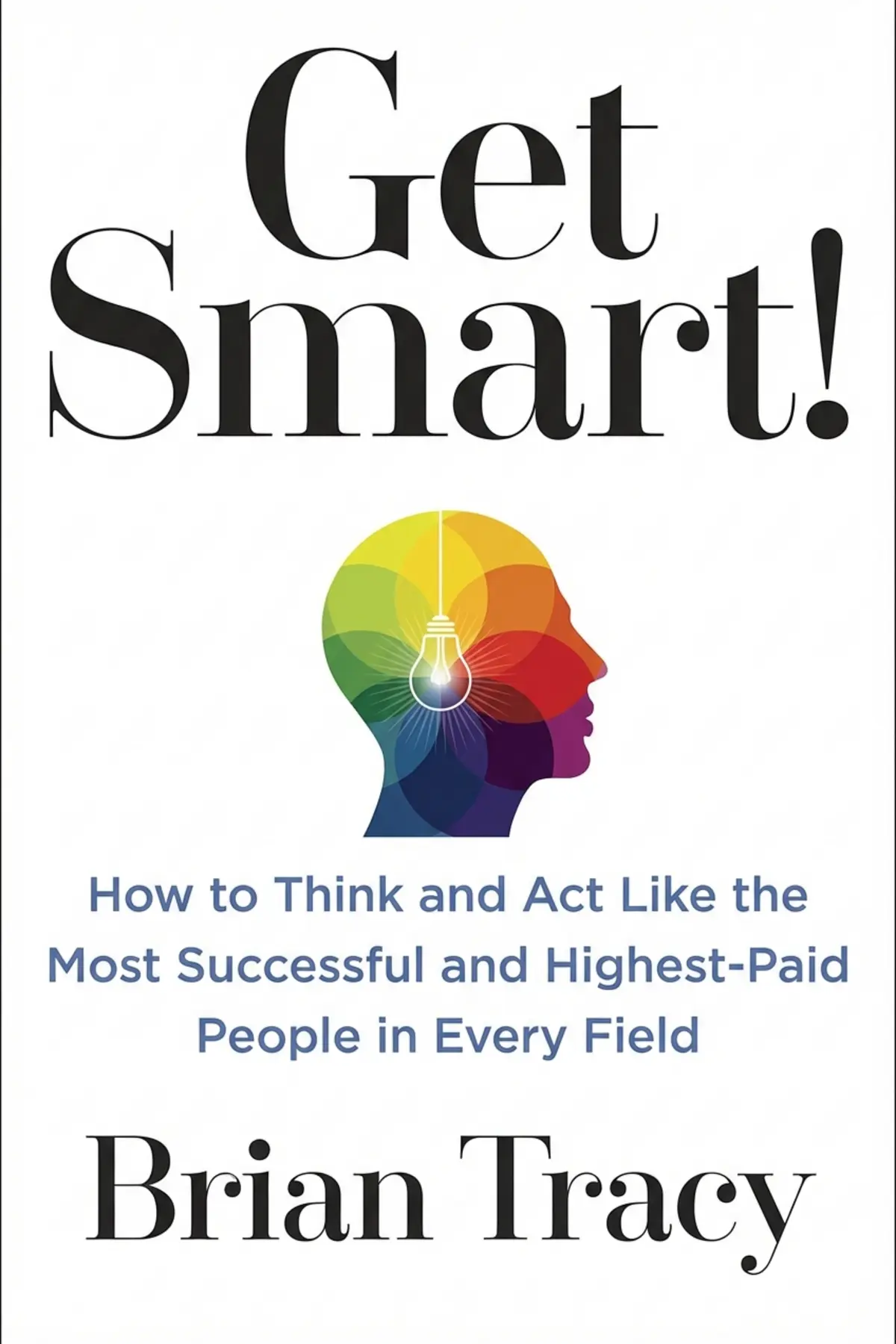
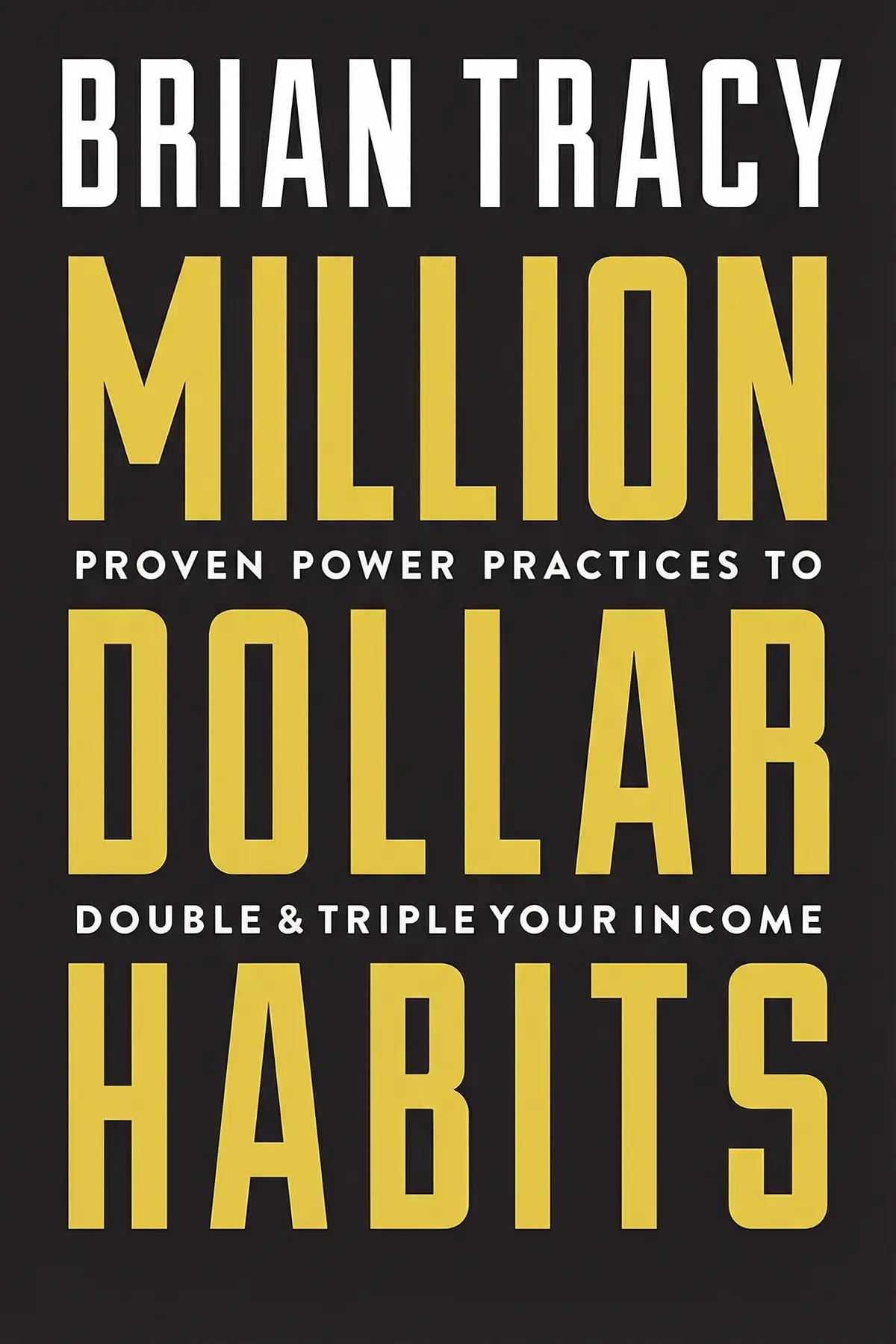
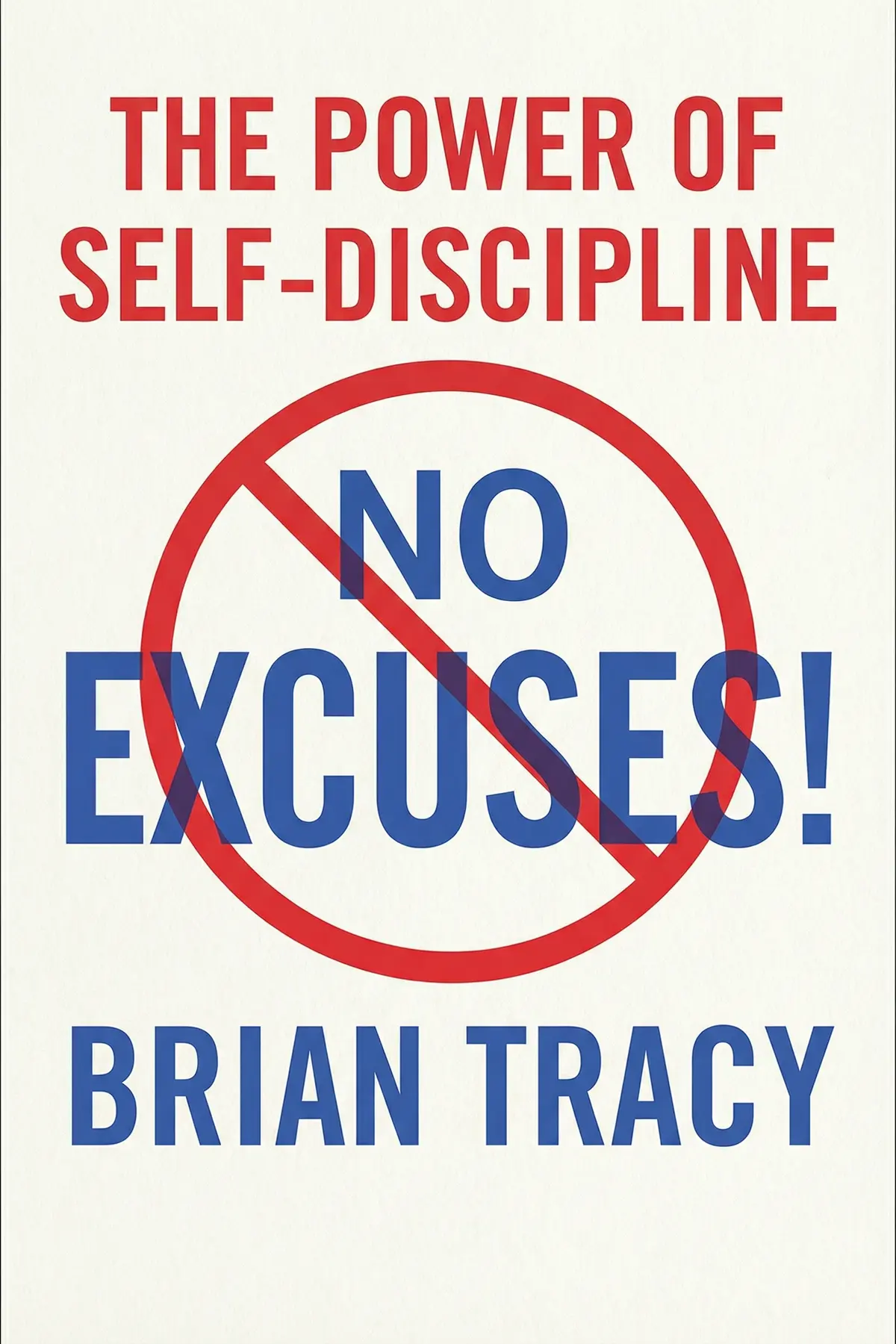
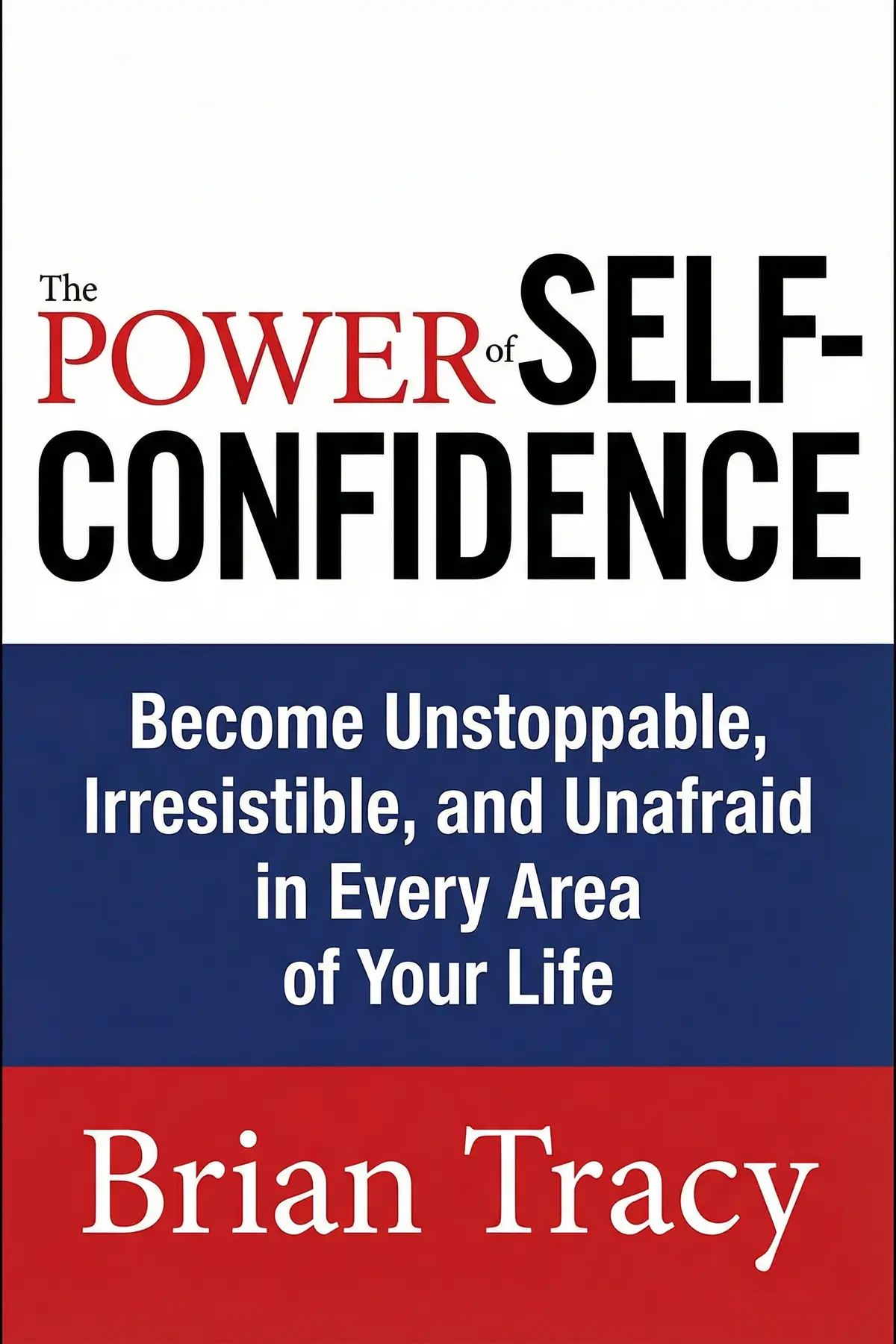
Brian Tracy is a Canadian-American motivational speaker and self-development author. He founded the training company Brian Tracy International and serves as its chairman and CEO. Earlier he was chief operating officer of a $265 million development company. He has advised more than 1,000 companies, worked in over 80 countries and produced more than 300 audio and video learning programs, including Psychology of Achievement. His other books include Eat That Frog! and No Excuses!
Ratings & Reviews
Ratings at a glance

What people think
Listeners find the book to be motivating, with one noting that it outlines everything needed to change their life. Additionally, they consider the writing to be both accessible and engaging.
Top reviews
Ruangrat
This book is essentially a blueprint for anyone who feels stuck or directionless in their career. Brian Tracy doesn't just offer vague platitudes; he provides a concrete 12-step system that feels manageable regardless of your age or background. Even a teenager could pick this up and find value because the writing is so remarkably accessible and entertaining. I particularly appreciated the emphasis on how a written goal transforms from a mere wish into a measurable target. Truth is, most of us are just floating through life without a map, and this book provides the compass. It’s a very practical manual on unlocking your inner potential and taking charge. While some sections felt a bit like a sales pitch for his other work, the core message about personal responsibility and persistence is undeniable. If you actually do the exercises he suggests, you will see a shift in your mindset almost immediately. It’s an easy, motivating read that genuinely lives up to the hype.
Show moreWararat
After hearing my mentor rave about this for years, I finally decided to see what the fuss was about. The book is structured around the premise that you can’t hit a target you haven't set, which sounds obvious until you realize you haven't written anything down. Tracy’s tone is incredibly authoritative, almost like a drill sergeant who really wants you to succeed. He breaks down the psychology of achievement into digestible bites, focusing heavily on self-discipline and the 'hourly rate' mindset. Not gonna lie, some of the advice regarding getting rid of all negative emotions felt a bit unrealistic and dated. Life isn't always about being a hyper-productive robot. Still, the section on treating everyone like a million-dollar customer is a game-changer for anyone in sales or service. It’s a powerful, inspirational read that helped me identify where I was leaking time and energy. It definitely provides the kick in the pants most of us need.
Show morePrasarn
Picked this up because I wanted a straightforward guide to getting my life back on track. What I found was an incredibly motivating manual that strips away the fluff and gets straight to the point. Brian Tracy writes with a clear, concise style that makes you feel like he’s speaking directly to your situation. The 'corridor principle' alone was worth the price of admission for me. It basically suggests that action creates opportunity, rather than the other way around. My favorite part was the 'Belief Store' analogy, which helps you visualize replacing self-limiting thoughts with empowering ones. Frankly, some parts are repetitive, but that might be intentional to help the concepts sink into your subconscious. It’s an easy read that serves as an excellent 'forcing system' for anyone who has big dreams but zero execution. I’ve started writing my goals down every single morning as he suggests, and the mental clarity is startling.
Show moreMichael
Wow. This book is exactly what I needed to stop wishing and start doing. Tracy explains that a goal is distinctly different from a wish because it is written, specific, and measurable. That distinction changed everything for me. I used to have 'wishes' for my career; now I have a roadmap with deadlines. The writing style is very conversational and supportive, making the 12 steps feel achievable rather than overwhelming. I especially loved the concept of 'superconscious' thinking and how to program your mind for success while you sleep. To be fair, some of the anecdotes about Edison or Jefferson are things we've all heard before, but he frames them in a way that feels fresh and applicable. This is a must-read for anyone who feels like they are capable of more but can't quite figure out how to bridge the gap. It's a fantastic, high-energy guide to taking control of your destiny.
Show moreAnucha
Finally got around to reading this classic, and I regret waiting so long. It’s essentially a masterclass in self-mastery disguised as a simple book on goals. The way Tracy discusses the 'forcing system' of self-imposed deadlines is brilliant. He makes the argument that your weakest skill sets the height of your potential, which was a harsh but necessary realization for me. Since finishing the book, I’ve been focusing on that one key skill, and my confidence has skyrocketed. The text is packed with actionable quotes and exercises that keep you engaged from start to finish. It’s remarkably easy to read—I finished it in just two sittings because I couldn't put it down. Even if you only implement 20% of what he suggests, your life will improve significantly. This is easily one of the most practical career advice books I've ever encountered. Highly recommended for any high-achiever.
Show moreKomsan
Ever wonder why some people seem to move through life with effortless precision while others just struggle? Tracy argues it all comes down to the clarity of their objectives and the discipline of their planning. Look, the cover art and the tele-shop style subheadings almost turned me off completely. It looks like your typical high-gloss, 'get rich quick' manual from the nineties. However, once you get past the aesthetic, the advice on the 'corridor principle' is actually quite profound. The idea is simple: you have to start moving down the hallway before any doors will open for you. I’ve read a lot of self-help, but the way he explains the subconscious mind’s role in goal attainment felt fresh. It’s not perfect—he oversimplifies the complexity of human emotions—but for sheer motivational fuel, it’s hard to beat. This is the kind of book you keep on your desk to flip through whenever you lose focus.
Show moreTariq
The chapter on character and persistence really hit home for me. Tracy has this way of making success seem like a mathematical certainty if you just follow the formula. He talks about 'stick-to-it-iveness' in a way that is both old-fashioned and deeply necessary in our distracted age. Personally, I found the advice on choosing your boss with care and acting like the president of your own company to be incredibly empowering. It shifts the power dynamic from being a victim of circumstances to being the architect of your own future. There are moments where the book feels a bit like a sales pitch, and the exclamation point in the title is definitely a bit much. But if you can look past the 1980s corporate vibe, the core principles are timeless. It’s a solid resource for anyone looking to increase their productivity and sharpen their focus. Just don't expect it to solve every emotional problem you have.
Show moreKru
Look, this book isn't going to win any awards for literary depth, but it is incredibly effective at what it sets out to do. It takes the most basic advice on goal setting and packages it into a system that is impossible to misunderstand. Tracy’s focus on the 'why' behind our unhappiness—specifically our lack of clear direction—is spot on. I appreciated the practical tips on time management and the importance of simplifying your solutions. My only real gripe is that it can feel a bit repetitive, as he hammers the same points home in almost every chapter. But maybe that's the point? It’s meant to be internalized until it becomes second nature. It’s an inspirational read that focuses heavily on the 'how' rather than just the 'what.' If you're looking for a clear path to follow, this is a great place to start. It’s simple, effective, and strangely addictive to read.
Show morePing
Not what I expected, to be frank. While there is plenty of praise for this book online, I found it to be a bit of a mixed bag of pop-psychology and oversimplified reality. Tracy promotes a very specific view of success where money and accomplishment are the only true metrics of a person’s worth. If you value balance and inner peace over raw ambition, this might feel a little hollow or even slightly toxic. He makes claims—like the idea that you can just 'decide' to never feel bad—that simply don't align with modern psychological understanding. That being said, the '12-step' framework for setting deadlines is genuinely helpful if you struggle with procrastination. It’s a decent enough primer on productivity, but it lacks the nuance of something like David Allen’s work. Read it with a grain of salt and take what works while leaving the more hyperbolic stuff behind. It’s an okay read, just not the life-altering miracle I was led to believe.
Show moreFord
As someone who prefers a more holistic approach to life, this book felt a bit one-dimensional. The author seems to believe that persistence is the only measure of character, which ignores so much of what makes us human. He interweaves basic goal-setting advice with a lot of 'think and grow rich' style rhetoric that doesn't always grapple with the messy reality of the world. Truth is, not every obstacle can be overcome by just 'thinking positively' or working harder. I found David Allen’s 'Making It All Work' to be much more grounded in actual reality. Tracy’s book is entertaining and certainly easy to read, but it lacks the depth I was looking for. It’s probably great for someone who just wants a quick boost of adrenaline, but for long-term strategy, it feels a bit thin. The repetition started to get on my nerves by the halfway point. It's okay, but definitely overrated.
Show moreQuestions about this book
What is the main idea of Goals! by Brian Tracy?
Tracy argues that the people who achieve what they want decide exactly what that is, write it down and plan for it, while others only dream. He backs this with a Harvard study in which graduates with written goals were earning ten times as much a decade later. Around that core he adds a positive mindset, a willingness to fail often and disciplined time management.
What makes a good goal according to Brian Tracy?
Tracy gives six principles. A goal should be specific enough to picture and measurable, with an exact amount or result. It needs a realistic deadline and should be challenging, with roughly a 50 percent chance of success. It must fit with your other goals, and one overarching goal, the defining purpose of your life, should take priority over all the rest.
What is single handling in Goals!?
Single handling means that once you start a task, you give it your full attention until it is completely finished, with no breaks or diversions. Tracy cites Thomas Edison, who wrote that his success came mainly from working on one thing without stopping. When distracted, Tracy suggests repeating the phrase back to work, and protecting blocks of 30 to 90 minutes, ideally early in the morning.
Why does Brian Tracy say planning matters even if you don't follow the plan?
He cites an Inc. magazine study of 50 start-ups: those that wrote business plans were much more profitable two years later, though most founders admitted they had not followed the plan. Tracy’s point is that planning forces you to organize your thinking, ask what-if questions, prepare for disasters and notice opportunities. It can also show early that a goal is not worth pursuing.
How can I start applying Goals! this week?
Write one main goal with a specific number and a deadline, and check that it does not clash with your other goals. Record your starting point honestly and list as many reasons for wanting the goal as you can. Then set your alarm an hour earlier and spend that hour on the highest-value task, giving it your full attention until it is done.
Readers also enjoyed
168 Hours: You Have More Time Than You Think
Laura Vanderkam


59 Seconds: Change Your Life in Under a Minute
Richard Wiseman






AUDIO SUMMARY AVAILABLE
Listen to Goals! in 15 minutes
Get the key ideas from Goals! by Brian Tracy, plus 5,000+ more nonfiction titles.
- 5,000+ titles
- Listen as much as you want
- 7-day free trial
- Cancel anytime









