
15 min 13 sec
Available in: English
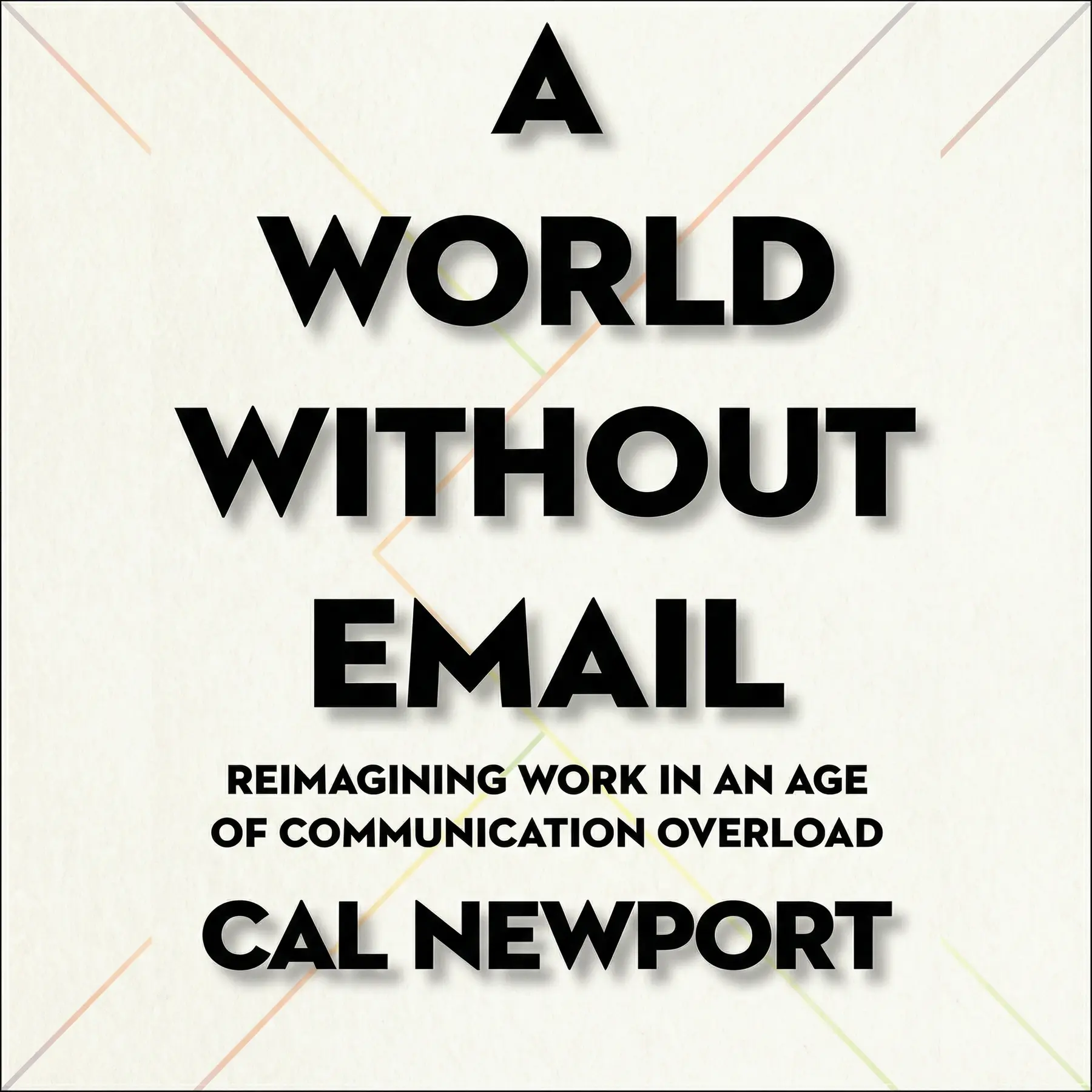
A World Without Email: Reimagining Work in an Age of Communication Overload
By Cal Newport
Shows why running work through constant email and chat drains focus and morale. It also explains how to replace the inbox with clear processes, cheaper coordination and protected time for skilled work.

Table of Content
1. Introduction
1 min 03 sec
If your inbox decides your day and real work gets squeezed into the minutes left over, the fault may not be yours. In A World Without Email, computer science professor Cal Newport cites a 2018 study of 50,000 computer users. It found that the average knowledge worker managed only an hour and 15 minutes of focused work a day. He blames a way of working he calls the hyperactive hive mind, one endless conversation in which messages, not plans, set everyone’s tasks.
Better subject lines and muted notifications cannot fix it, he argues. Redesigning how work flows can, through clear processes, cheaper ways to coordinate and real support that take over jobs the inbox does badly. Expect a 1913 car factory, a marketing firm run on project boards, a five-minute unit for pricing any message, and a way to become your own assistant for part of each afternoon.
2. Win back the focus your inbox keeps stealing
1 min 37 sec
A tech founder found himself working past midnight every night, and the culprit was not his workload. Newport’s numbers on how often people check messages show why so many working days produce so little real work.
3. Give managers and support staff room to focus
1 min 36 sec
A consultant friend insisted that quick replies are the whole point of a manager. The early history of IT help desks suggests that answering about a problem and solving it may be working against each other.
4. Calmer workdays start with fewer open conversations
1 min 33 sec
Heart monitors on office workers revealed a link between inbox time and stress, and a Harvard experiment nearly doubled the share of people eager to start work. Newport traces the strain to an instinct far older than email.
5. Treat attention as your company's real capital
1 min 31 sec
Henry Ford changed manufacturing by rethinking how work moved, not what was built. Newport argues offices need a change on that scale, and a small marketing firm shows what it looks like in practice.
6. Change team habits without taking away freedom
1 min 38 sec
Knowledge workers were promised autonomy, and many used it to drift into inbox chaos. Newport separates team changes from personal ones and gives surprising advice about how much to tell colleagues about your own new routine.
7. Let a shared process replace the email chain
1 min 43 sec
A loosely assigned task can bounce from inbox to inbox until a manager finally steps in to claim it. A media company that publishes videos daily shows two very different ways to stop that, one for routine work and one for messy work.
8. Price every message in five-minute blocks
1 min 39 sec
A quick email feels free, yet a few dozen of them can cost more than a weekly meeting. Newport offers a simple unit for comparing ways of coordinating, along with a second cost that email users rarely notice.
9. Guard your skilled hours from administrative chores
1 min 44 sec
Companies more than doubled their technology spending per worker in the 1980s and saw almost nothing for it. The explanation changes how you might think about support staff, and about how to split your own day.
10. Conclusion
1 min 09 sec
Newport’s book asks you to treat attention the way Ford treated the factory floor: as the thing that produces value, and therefore the thing to design around. Email is just a tool in his account. The trouble starts when an unplanned conversation becomes the only system a team has, and brains pay for it in switching, in stress and in days that yield little more than an hour of real output.
The fixes he supports can start small. Move one recurring job out of the inbox and onto a shared board or spreadsheet. Before a long thread, count its five-minute buckets against a short standing meeting. Check email at set times and let reliable delivery do the explaining. Newport also suggests nonpersonal addresses, named for a department, project or activity instead of a person, so a slow reply stops feeling like a personal slight.
The inbox will keep filling. What can change is who decides your day: the messages, or a way of working built for a brain that does one thing at a time.
About this book
What is this book about?
Many knowledge workers open their inbox in the morning and let it run the rest of the day. Cal Newport argues that this is a broken way of working rather than a personal failing. He calls it the hyperactive hive mind: one endless conversation in which incoming messages decide what everyone does next. Newport draws on research into attention, stress and job satisfaction, from heart monitors strapped to office workers to a Harvard experiment with scheduled disconnection. He shows how constant switching costs output and how unanswered messages trigger an ancient social anxiety. Then he treats the human brain as a company's main capital and asks how to get a better return from it, much as Henry Ford's assembly line did for the factory. The payoff is practical. Readers learn to build shared processes that make ownership obvious, to price any coordination method in five-minute units of attention, to change team habits without taking away autonomy and to keep administrative chores away from their most valuable hours, even without the power to hire help.
Book Information
Who it's for
Answering messages all day
Knowledge workers who spend their days answering messages and their evenings doing the real work.
Questioning email and chat
Team leads and founders who suspect email and chat are slowing their people down.
Specialists stuck with admin
Specialists buried in scheduling and admin who want their skilled hours back.
About the Author
Cal Newport
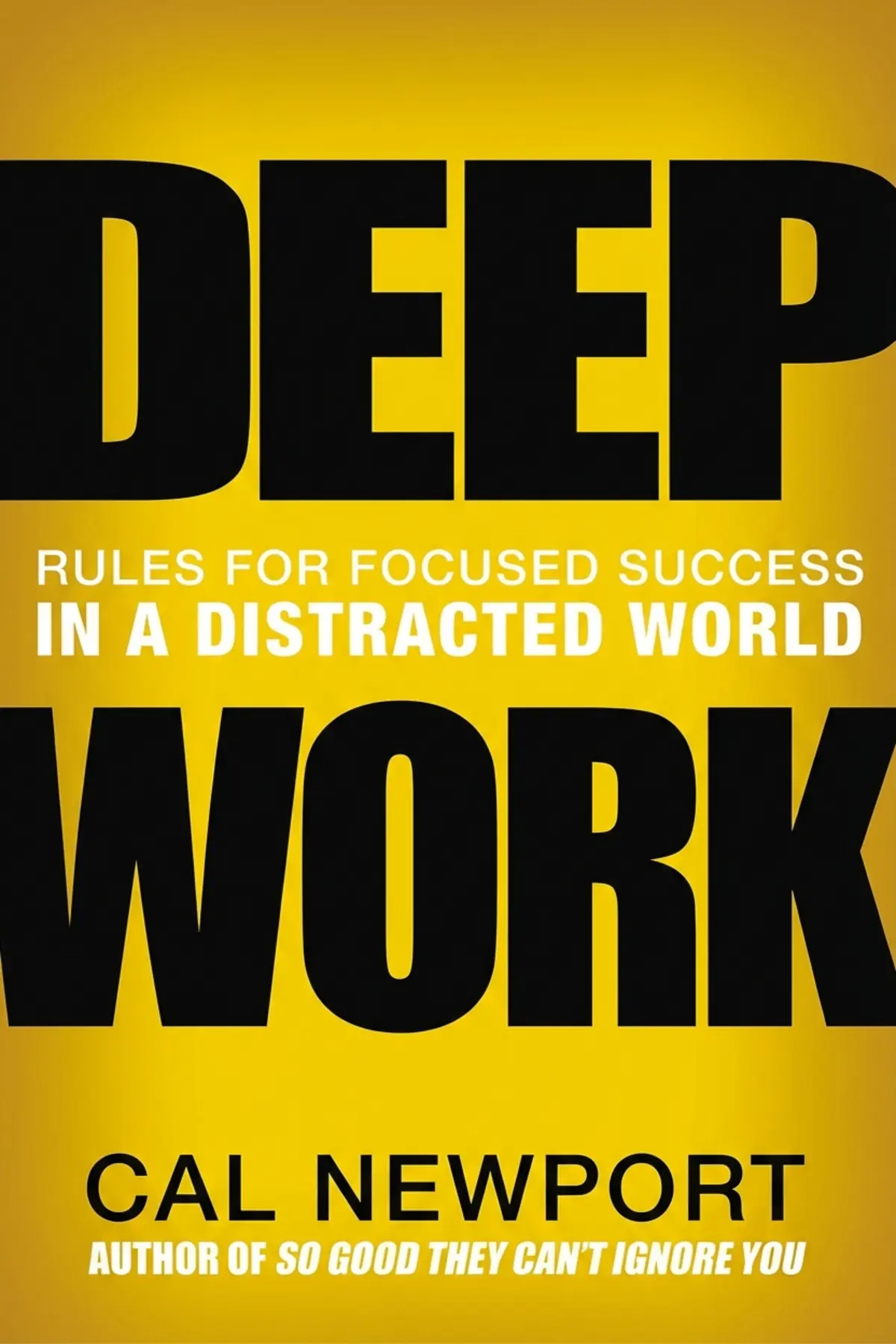
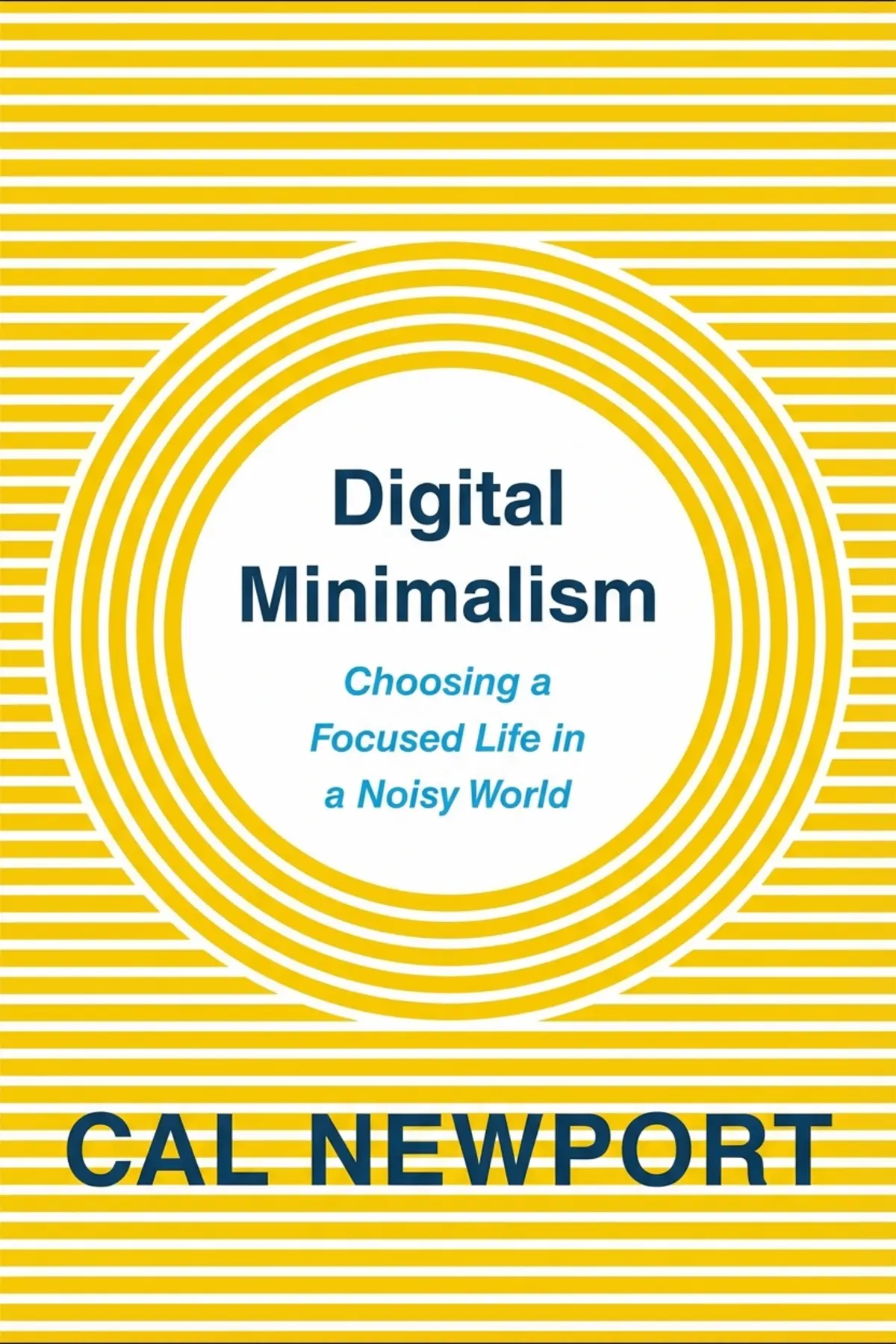
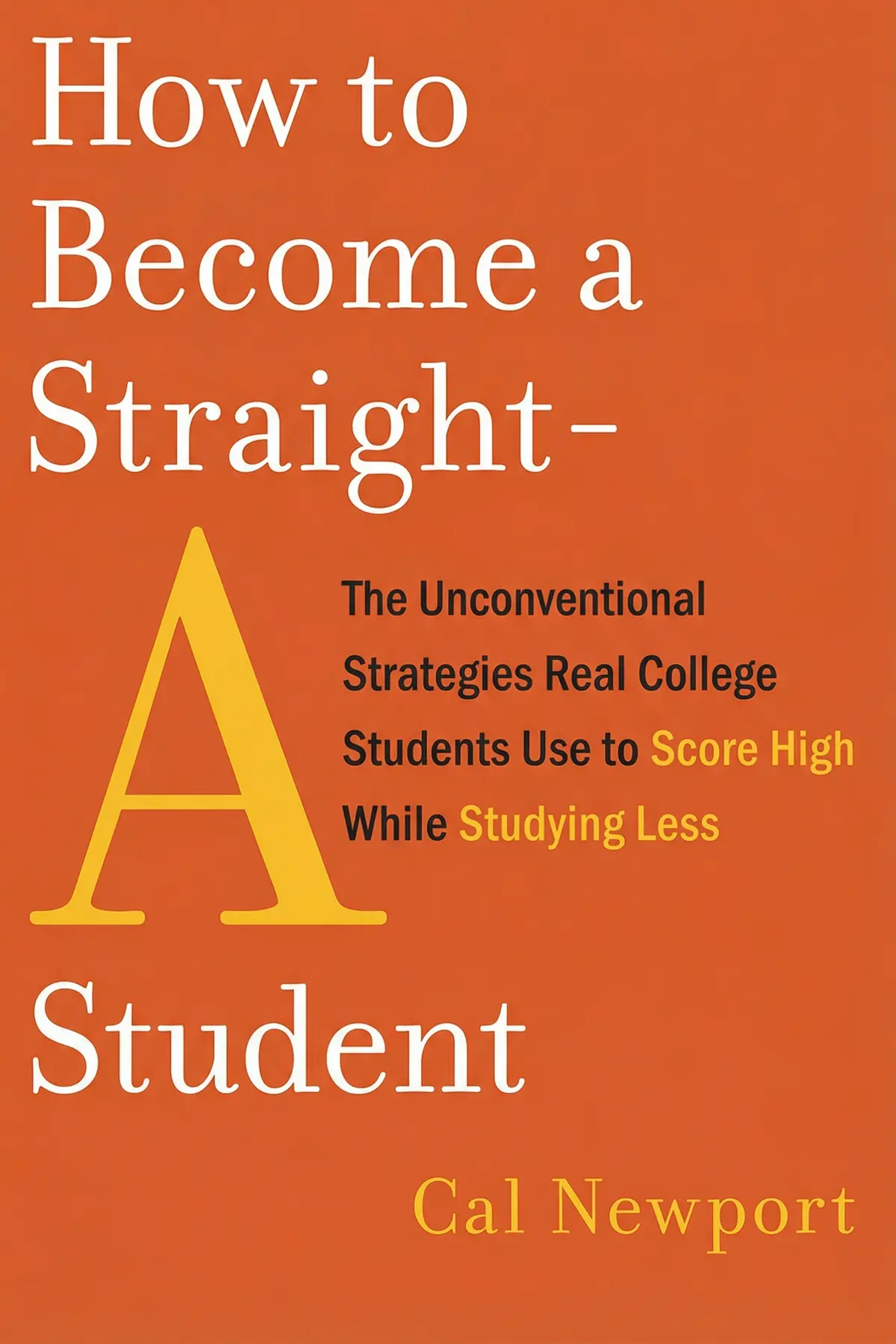
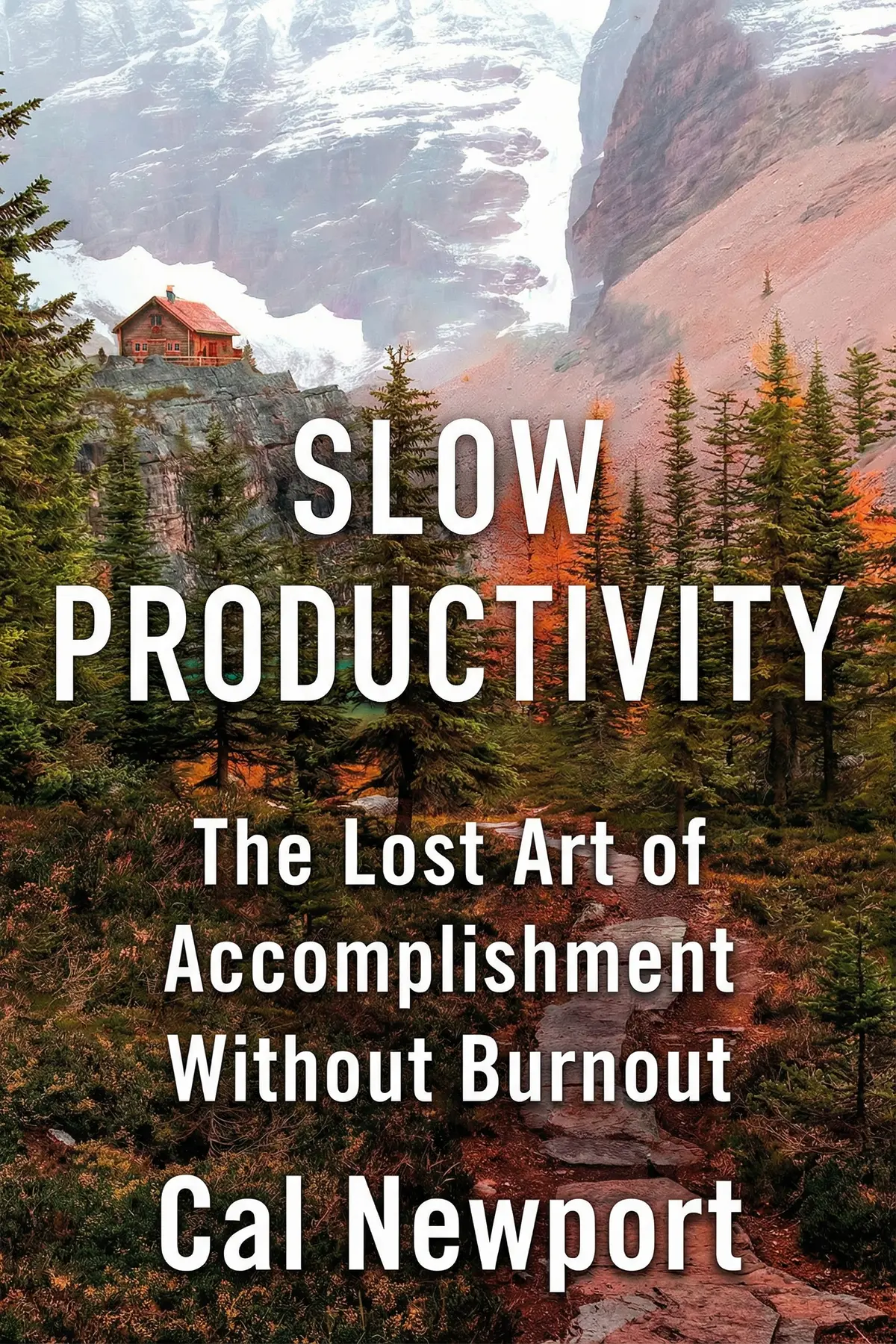
Cal Newport is an American author and a professor of computer science at Georgetown University. He writes about how digital technology shapes culture and how people can use these tools in service of what they care about. He started the Study Hacks blog, has written for The New Yorker, The New York Times and Wired, and hosts a weekly podcast. He is a New York Times best-selling author whose books include Deep Work, Digital Minimalism and Slow Productivity.
Ratings & Reviews
Ratings at a glance
What people think
Listeners find the work highly stimulating, especially for those managing knowledge workers, and appreciate its polished writing and readability. They value the focus on productivity and efficiency, with one listener noting it makes a meaningful difference to engagement and productivity. The text earns praise for its clarity; one listener describes the book as concise and useful, while another enjoys the balance between stories and principles.
Top reviews
Madison
Finally got around to reading this and it’s a total game-changer for anyone in knowledge work. Newport hits a home run by identifying why we feel so busy yet accomplish so little: the friction-less nature of email has turned our workdays into a Sisyphean battle against the inbox. Unlike his previous books, this one offers a framework for actual structural change rather than just personal discipline. The chapter on 'Attention Capital' is worth the price of admission alone. I’ve already started implementing some of the workflow processes he suggests, and the reduction in cognitive switching is palpable. If you liked The Shallows or Digital Minimalism, you absolutely need this on your shelf.
Show moreOn
Wow, this really spoke to the burnout I’ve been feeling lately. Newport describes the 'misery-inducing approach' of modern work so accurately that it’s almost painful to read. We spend our entire day fighting fires in our inbox only to do our actual 'productive output' in the evenings or on weekends. It’s a broken system. The book is a fascinating look at how we’ve become slaves to connection. I loved the meticulous way he builds his argument, even if some of the solutions—like hiring extra staff just to handle communication—seem a bit out of reach for the average worker. It’s a very readable, practical guide for anyone who wants to reclaim their brain from the digital noise.
Show moreOksana
Cal Newport continues his streak of being the most important voice in modern productivity. This book is a total 'pepinaco'—meticulous, rigorous, and incredibly timely. He doesn't just complain about distractions; he presents a solid, evidence-based argument for why our current way of working is against our evolutionary nature. The shift from individual 'digital minimalism' to organizational 'attention capital' is the logical next step in his philosophy. I devoured the whole thing in two sittings because the prose is so engaging. It’s a masterclass in how to build a case for a better, more focused way of living and working. Absolutely essential reading.
Show moreClara
Newport’s latest offering is a deep dive into what he calls the 'hyperactive hive mind,' a phenomenon where constant messaging dictates our workflow. It’s a compelling follow-up to Deep Work, shifting the focus from individual habits to organizational structures. I found his 'attention capital theory' particularly insightful, as it treats our cognitive capacity as a finite resource that companies currently waste on administrative overhead. The writing is clear and the case studies about Kanban boards are practical, though some might find the implementation daunting in a traditional corporate setting. It’s not just about deleting your inbox; it’s about rebuilding how we collaborate. A must-read for any manager feeling the burn of digital exhaustion.
Show moreFinn
As a team leader in a tech-heavy environment, I found this book to be a refreshing take on productivity that moves beyond simple 'hacks.' Newport argues that constant communication isn't just a distraction; it’s a fundamental flaw in how we organize professional efforts. The book is remarkably well-written and balances high-level principles with actionable stories. We’ve been experimenting with his idea of 'office hours' and structured workflows to minimize the back-and-forth, and the difference in team engagement is already visible. It’s concise, thought-provoking, and offers a realistic path toward a more focused workplace. Even if you can't go entirely 'email-free,' the principles here will make your workday significantly more manageable.
Show moreHana
Picked this up after hearing Newport on a podcast, and I'm glad I did. The book is a solid mix of theory and practice, focusing on how we can use 'attention capital' more effectively. Frankly, I was skeptical that anyone could envision a world without email, but he’s not actually saying we delete the technology—he’s saying we need to move away from the 'hive mind' workflow. The writing is clear and concise, making it a very quick read. I especially liked the section on the 'Theory of Constraints' and how it applies to knowledge work. It’s a useful manual for anyone looking to increase their efficiency without just working more hours.
Show moreEllie
Truth is, I went into this expecting a manifesto on why email is evil, but it’s actually much more nuanced. Newport admits a world without email isn't entirely practical, but he proves that being 'slaves to connection' is a choice we make through poor process design. He moves past short-lived stunts like 'email-free Fridays' to advocate for fundamental changes in how tasks are assigned and tracked. I found the balance between historical anecdotes and modern project management principles to be just right. It’s a bit repetitive in the middle, but the core message is vital: our brains aren't wired for the constant context-switching that modern tools demand. Highly recommended for the thoughtful worker.
Show moreSamroeng
While I appreciate Newport's attempt to tackle the misery of the modern office, this book often feels like a long-form article stretched thin. He makes a solid case against the 'hyperactive hive mind,' but the middle section gets bogged down in repetitive case studies that don't always translate to every industry. It’s also strange that he barely acknowledges how the pandemic shifted remote work dynamics, making some of his 'collocation' suggestions feel dated. The focus on Trello and project management tools as the ultimate savior is a bit simplistic. It’s an interesting read with some good principles, but it lacks the punch and tight focus of his earlier work like Deep Work.
Show moreYanin
Is email actually the problem, or is it just the most visible symptom of a deeper organizational rot? Cal Newport does a phenomenal job as an analyst within a very narrow band, but I found his conclusions a bit daft at times. He treats the 'hyperactive hive mind' as an accidental glitch in the system rather than a feature of how companies now operate. It’s like describing the tail of an elephant and thinking you’ve understood the whole animal. I'd recommend reading this alongside something like Graeber’s Bullshit Jobs for a more robust context. It’s a decent book for CEOs to hand out to employees, but it doesn't quite get to the root of the 'red queen' phenomenon in industry.
Show moreGrace
The central premise here is incredibly frustrating because it feels like Newport is treating a systemic economic issue as a simple software problem. He spends hundreds of pages arguing that email is the enemy, only to suggest we replace it with Trello or Scrum boards. To be fair, constant notifications are draining, but moving the 'hive mind' to a different platform doesn’t solve the underlying culture of ceaseless availability. He ignores the fact that modern capitalism demands this level of frantic productivity. It feels like a technodeterminist approach that misses the forest for the trees—shifting from Outlook to a Kanban board won't suddenly give knowledge workers their lives back if the expectations of profit remain the same.
Show moreQuestions about this book
What is the main idea of A World Without Email?
Cal Newport argues that most offices run on the hyperactive hive mind, a constant flow of email and chat that decides what people do next. Because the brain focuses on one thing at a time, this flow drains productivity and raises stress. His solution is to redesign workflows with shared processes, deliberately chosen coordination methods and protected time for skilled work, so the inbox stops running the day.
What is the hyperactive hive mind?
It is Newport’s name for a workflow built around one ongoing, unstructured conversation, where incoming messages set everyone’s tasks. He cites figures showing knowledge workers check email about every six minutes and spend over a third of their hours in it, while a 2018 RescueTime analysis found only about an hour and 15 minutes of undistracted work per day.
How can I apply A World Without Email if I am not a manager?
Newport suggests changing expectations through your own habits, such as checking email only twice a day, without announcing it, and simply delivering reliably. Another option is to divide your workday into blocks for specialist work and blocks for support tasks, for example doing admin from noon to one and three to five, or you could bring in a part-time virtual assistant from a site such as Upwork.
How does Newport measure the cost of email versus meetings?
He divides attention into five-minute buckets and counts how many a coordination method uses, calling this its cost in cognitive cycles. Dozens of emails about a prospective client use dozens of buckets, while a 30-minute Friday meeting uses six a week. He also weighs inconvenience, such as delays, and suggests tweaks like promising clients a reply within one week.
Does reducing email really improve job satisfaction?
Newport points to Leslie Perlow’s study of consultants given predictable time off, weekly periods fully disconnected from email and phones. The share excited to start work rose from 27 percent to over 50 percent, and those planning to stay long term rose from 40 to 58 percent. Gloria Mark’s heart-monitor study also linked more email time to higher stress.
Featured in

Readers also enjoyed


A Bigger Prize: How We Can Do Better Than the Competition
Margaret Heffernan

168 Hours: You Have More Time Than You Think
Laura Vanderkam

AUDIO SUMMARY AVAILABLE
Listen to A World Without Email in 15 minutes
Get the key ideas from A World Without Email by Cal Newport, plus 5,000+ more nonfiction titles.
- 5,000+ titles
- Listen as much as you want
- 7-day free trial
- Cancel anytime









