
14 min 41 sec
Available in: English
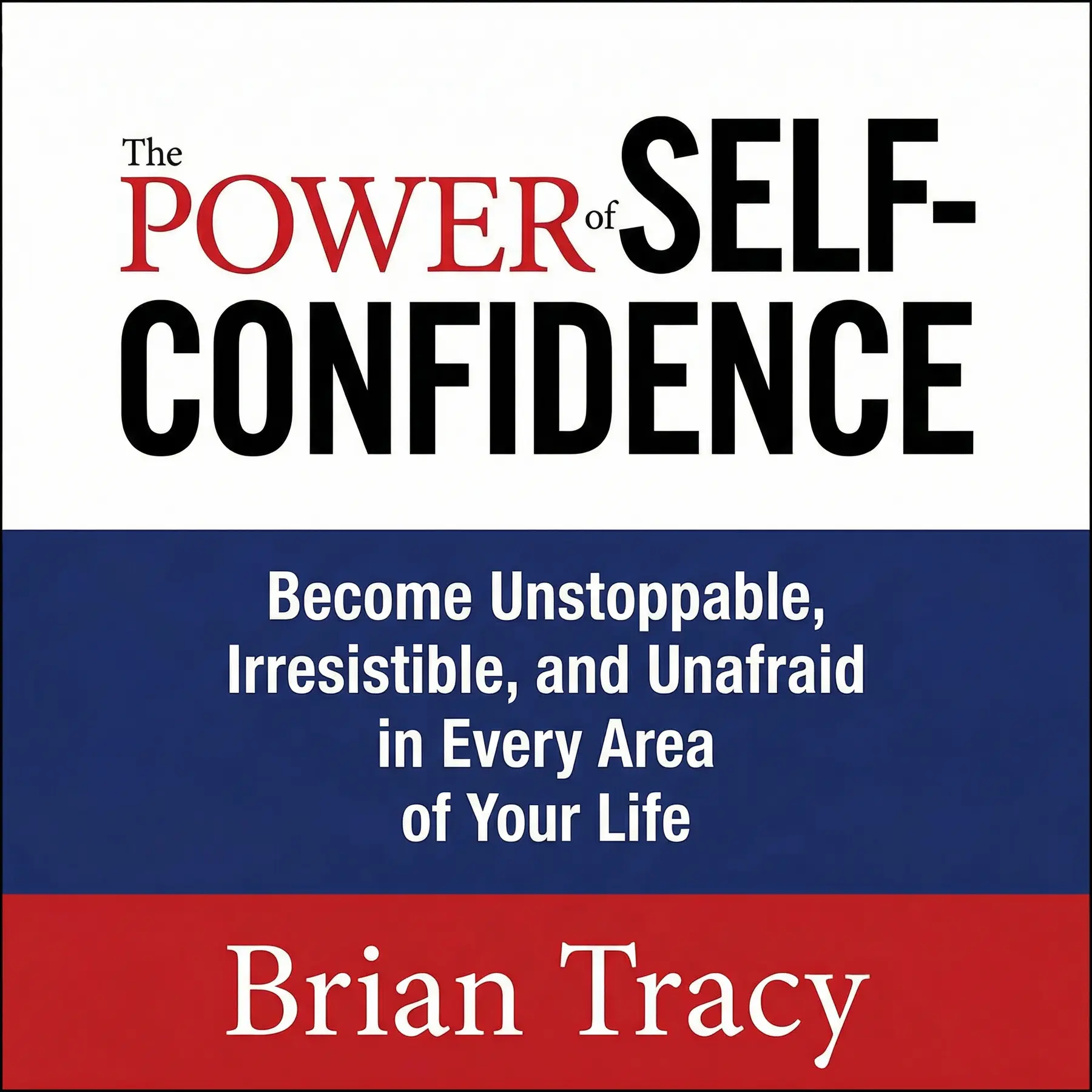
The Power of Self-Confidence: Become Unstoppable, Irresistible, and Unafraid in Every Area of Your Life
By Brian Tracy
Brian Tracy shows how to build self-confidence on purpose: direct your thoughts, live by your values, pursue one clear goal, develop your strengths and keep acting through setbacks and failure.
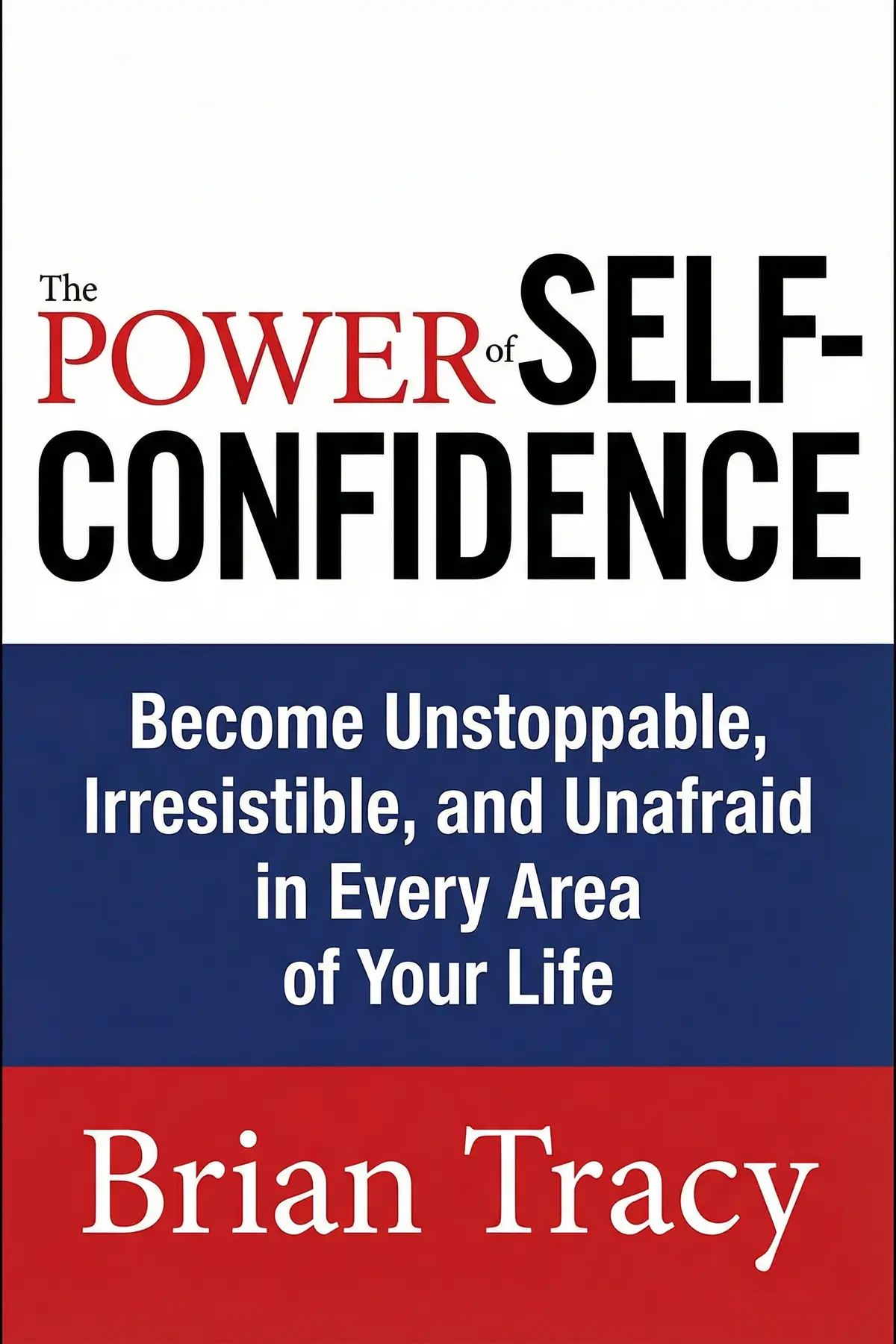
Table of Content
1. Introduction
1 min 02 sec
Plenty of capable people hold back, waiting to feel sure of themselves before they act. In The Power of Self-Confidence, self-development author Brian Tracy argues they have the order backward: behaving confidently, even while nervous, is what teaches the mind to feel confident. Confidence, in his account, is a result you build on purpose.
Tracy grounds this in a handful of mental laws and a set of daily practices. Your thoughts set the direction and your values keep you steady. A clear goal gives effort a target, competence gives belief something solid to stand on, and repeated action through failure turns hope into what he calls positive knowing. Along the way come a worthless check signed by John D. Rockefeller, a painter who started at 78 and an oil company with a three-word strategy. What you get is a sequence of practices to begin this week, from a notebook of ten goals to a backup plan for your next setback.
2. Steer your thoughts and stand by your values
1 min 52 sec
Confidence seems to rise and fall with whatever happens to you. Tracy points to three mental laws that put it back in your hands, and one of them changes the order in which feeling and action arrive.
3. Make belief work for you before proof arrives
1 min 49 sec
A struggling businessman saved his company with a check he never cashed, and then discovered it was worthless. Tracy uses the story to show where confidence really comes from and how to feed it daily.
4. Write one goal that pulls your confidence forward
1 min 54 sec
Aristotle noticed that happiness slips away when you chase it head-on. Tracy applies the same logic to self-belief and offers a notebook exercise that changes how a goal sits in your mind.
5. Your strengths point to work worth doing
1 min 49 sec
Of 1,500 ambitious people followed for two decades, only a small group grew rich. What separated them had little to do with wanting money, and it suggests where your own confidence should be invested.
6. Competence grows fastest at your weakest link
1 min 45 sec
A woman who began painting at 78 ended up famous around the world. Tracy uses her to show that mastery has no deadline, and he names the one skill most worth improving first.
7. Setbacks that make you harder to shake
1 min 41 sec
Thomas Edison’s long string of failed attempts is usually told as a story about stubbornness. Tracy reads it as a lesson in preparation, and he offers a habit that takes the shock out of bad news.
8. Drill more holes and let results build belief
1 min 47 sec
An oil company outperformed its rivals with a strategy its president summed up in four words. Tracy finds in it the difference between hoping you can do something and knowing it.
9. Conclusion
1 min 02 sec
Tracy’s book adds up to a reversal of the usual order. Most people wait to feel confident before they act. Tracy argues that confidence is what action leaves behind, once clear thoughts point it, values steady it and a goal suited to your strengths gives it a target. The businessman with the worthless check never spent a cent of it. He behaved as if he could not lose, and the results made the belief true.
Start with a notebook: ten goals in the present tense, with the one that would change the most circled. Look at your job’s Key Result Areas, name the weakest, and feed it with an hour of reading a day. Before your next big project, write down what could go wrong and how you would answer each problem. And when doubt arrives, act the way a confident person would, trusting the law of reversibility to bring the feeling afterward.
Amoco never waited for certainty about where the oil lay. It kept drilling, and every hole taught it something the last one could not.
About this book
What is this book about?
Many capable people stall because they wait to feel confident before they act. Brian Tracy argues that confidence works the other way around. You build it step by step, through what you think about, what you stand for and, above all, what you do. Tracy organizes his case around a set of mental laws, among them concentration, correspondence, reversibility, indirect effort and belief, and he turns each one into a practice. He asks readers to focus their thoughts on what they want, clarify their values, write goals in the present tense, find the work their strengths suit and improve their weakest Key Result Area. His examples include a businessman rescued by a worthless Rockefeller check, Grandma Moses starting to paint at 78, Thomas Edison's thousands of failed attempts and an oil company that simply drilled more holes. The promise is practical. Readers get a set of daily habits, from an hour of reading in their field to backup plans for likely setbacks. Tracy says these habits turn hope into what he calls positive knowing: a belief in yourself that your own results have earned.
Book Information
Who it's for
Workers who hold back
Professionals who hold back in meetings, negotiations or interviews because they are waiting to feel ready.
Career starters
Early-career people who want a daily system for setting goals and building the skills that matter.
Those recovering from setbacks
Anyone recovering from a setback who wants a practical way to keep acting.
About the Author
Brian Tracy
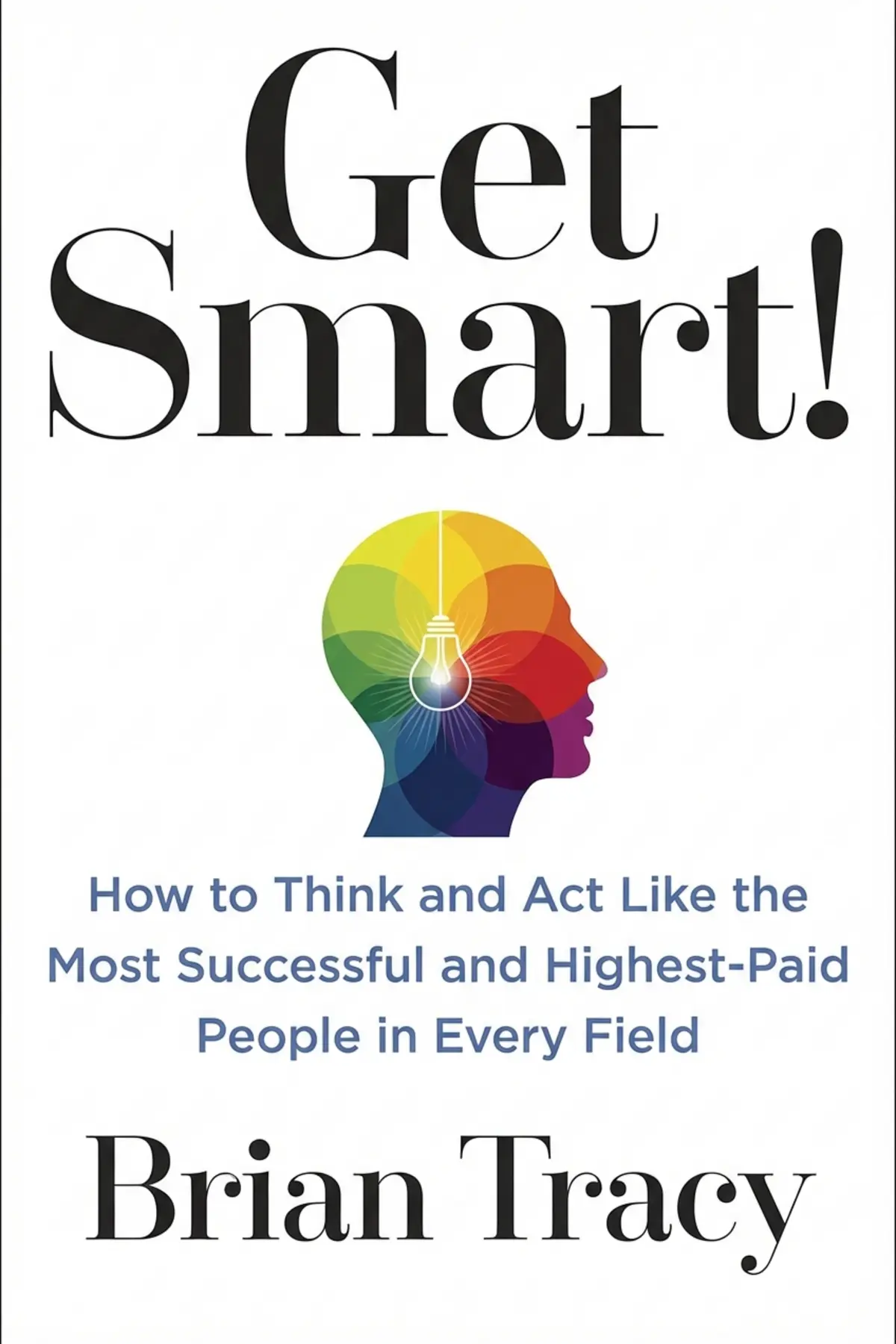
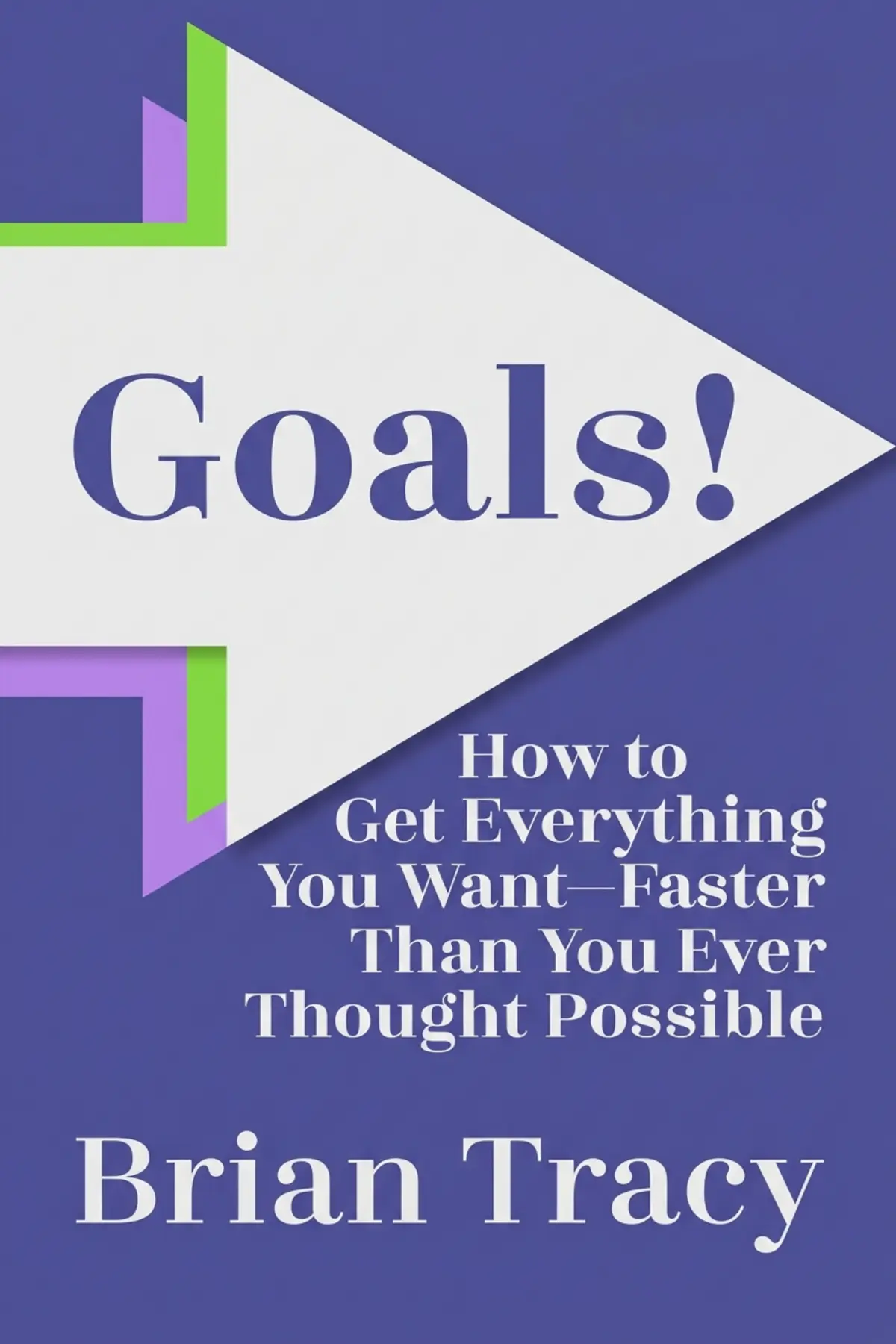
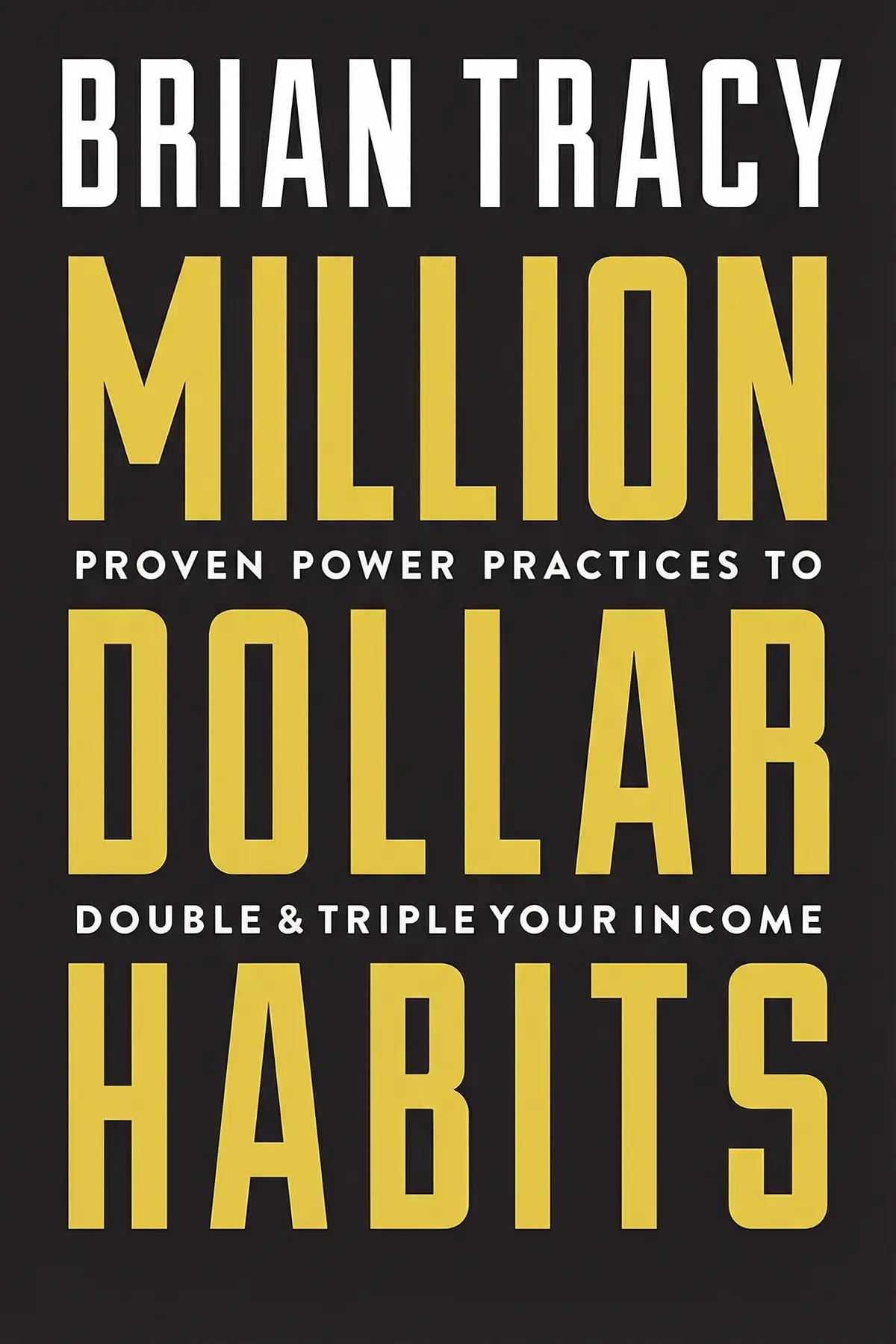
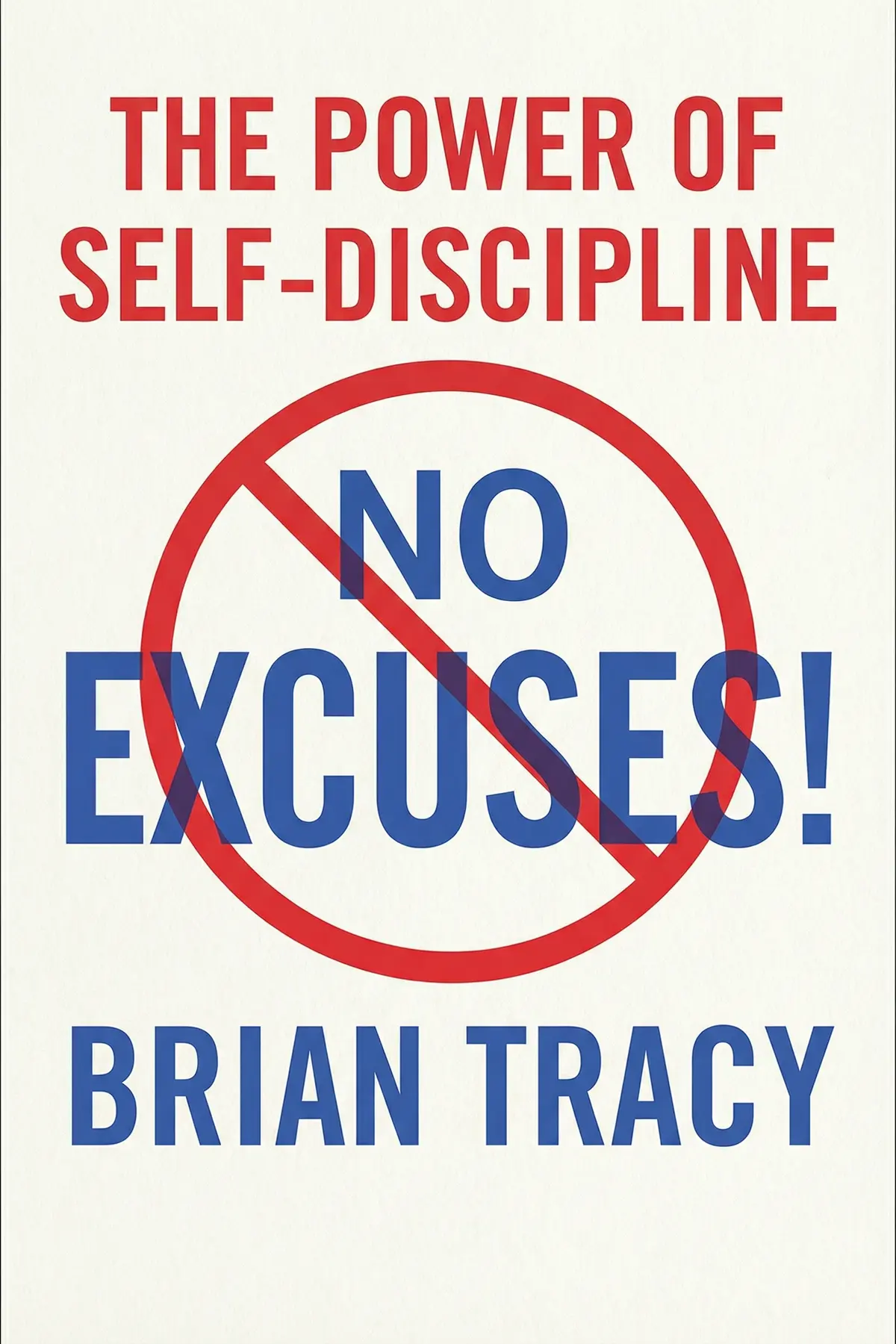
Brian Tracy is a Canadian-American motivational speaker and self-development author. He is chairman and CEO of Brian Tracy International, a company that trains individuals and organizations. Before that, he was chief operating officer of a $265 million development company. He has advised more than 1,000 companies, worked in over 80 countries and made more than 300 audio and video learning programs, including Psychology of Achievement. He speaks on leadership, selling, self-esteem and goals, and his other books include Eat That Frog! and No Excuses!
Ratings & Reviews
Ratings at a glance
What people think
Listeners consider this guide extremely inspiring, providing numerous concepts for boosting self-assurance and useful advice throughout. Additionally, the material is straightforward and a delight to engage with, with one listener noting it can be read multiple times. They also value its overall impact, as one review draws attention to its actionable strategies while another highlights its excellent organization.
Top reviews
Pakinee
Brian Tracy has a way of cutting through the noise and delivering high-impact advice that actually sticks. I’ve found that many self-help books feel like they’re just spinning wheels, but this one provides a clear roadmap for anyone looking to build a foundation of mental strength. The focus on writing down goals on paper rather than just thinking about them was a huge turning point for my productivity. Truth be told, I didn't expect the sections on the Law of Attraction to resonate, yet Tracy frames them in a way that feels surprisingly practical. It’s not just about wishing for success; it’s about creating a mental environment where success becomes the only logical outcome. While the writing can occasionally feel a bit repetitive, the sheer volume of actionable strategies makes it worth every penny. This is the kind of book you keep on your nightstand and revisit whenever you feel your resolve starting to waver.
Show moreIsaiah
Finally got around to reading this, and it’s a total game-changer for my business mindset. As a small business owner, I often feel the weight of every decision, and Tracy’s advice on approaching challenges unafraid was exactly what I needed to hear. The book doesn't just tell you to be confident; it shows you how to build that confidence through consistent, proven actions. I've started implementing the daily goal-writing exercises, and the clarity I’ve gained is nothing short of remarkable. Not gonna lie, I was skeptical about the perfectionist tone toward the end, but the results speak for themselves. This isn't just motivational fluff; it’s a tactical manual for anyone who is tired of playing small and ready to take their life to the next level. If you actually apply the information instead of just skimming it, your perspective will shift almost immediately.
Show moreMats
Wow, I wasn't expecting to finish this in one sitting, but the momentum is just that good. Brian Tracy writes with a level of conviction that is infectious, making you feel like you really can accomplish anything you put your mind to. I appreciated how he broke down the concept of self-confidence into smaller, manageable components rather than treating it like a mysterious personality trait. The emphasis on proving your worth to yourself through small wins was particularly helpful for my current situation. Look, some people might find his style a bit too salesy, but I think that’s just part of the motivational genre. The structure of the book is impressive, leading the reader from internal mindset shifts to outward displays of competence. I’ve already recommended this to three friends who are looking to make career changes this year.
Show moreSkylar
Ever wonder why some people just seem to walk into a room and own it? After hearing so many people rave about this, I finally understood the hype once I hit the third chapter. The way Tracy explains the link between your thoughts and your life events makes so much sense when you look back at your own history. I’ve noticed a huge difference in my energy levels since I started guarding my thoughts and focusing on positive knowing instead of just wishing. The book is highly motivational and provides a structure that I haven't seen in many other development books. It’s an enjoyable read that you can get through quickly, but I think the real value comes from reading it multiple times to let the principles sink in. Even the parts that felt a bit woo-woo initially started to make sense once I saw the actionable results in my career.
Show moreOmar
Picked this up while looking for a mental reset, and I was pleasantly surprised by how well-structured the entire journey felt. The book is organized in a way that builds momentum, starting with internal beliefs and moving toward external results. Frankly, some of the black and white statements about always reaping what you sow felt a bit heavy-handed for my skeptical taste. However, if you can look past the occasionally rigid phrasing, the core message about personal responsibility is incredibly powerful. I particularly enjoyed the exercises focused on identifying your unique talents and leveraging them to build genuine self-assurance. It is an easy read that doesn’t hide behind complex jargon or academic fluff, making it accessible for anyone at any stage of their career. It might not be scientific in the traditional sense, but the results I've seen in my daily attitude are undeniable.
Show moreSamroeng
The chapter on the Law of Indirect Effort really stuck with me because it reframed how I view my social and professional interactions. I’ve spent years trying to force results, but Tracy argues that confidence comes from a place of knowing rather than hoping, which is a subtle but vital distinction. To be fair, the writing style borders on evangelizing at points, and the always/never statements can be a bit grating for a skeptical reader. Still, the underlying principles of self-discipline and mental guarding are timeless for a reason. I found the book easy to navigate, with clear headings and a logical flow that makes it easy to go back and find specific tips. It’s a bit dated in its presentation, but the psychological triggers it discusses are still very much relevant in today’s high-pressure environment. A solid 4-star read for anyone needing a structured push toward their full potential.
Show moreRungtip
As someone who has struggled with public speaking and social anxiety, I found these exercises surprisingly effective for my daily life. The book focuses heavily on the idea that your outer world is a reflection of your inner world, which is a powerful concept if you actually sit with it. Personally, I think some of the Law of Attraction stuff is a bit overblown, but the practical advice on goal setting and preparation is top-tier. Tracy’s writing is very direct and down-to-earth in its own way, even if he does use a lot of black-and-white phrasing. He pushes you to stop being soft on yourself, which might be jarring for some, but it’s exactly the kick in the pants I needed. It’s not a magic wand, but it’s a very sturdy shovel if you’re willing to do the work and dig deep into your own habits.
Show moreLily
In my experience, Brian Tracy is either a hit or a miss, and this one leans heavily toward being a hit. The book is peppered with quotes that stay with you, like the one about your mind being structured to attain anything you can clearly write down. It’s a bold claim, and maybe a bit hyperbolic, but it instills a sense of possibility that most people lack. I liked that the formatting wasn't too dense; it allowed me to digest the laws of self-development without feeling overwhelmed by theory. To be honest, it does feel a bit like a late-night infomercial at times with the repetitive you can do it messaging. However, the actionable strategies for building a positive mindset are far more useful than the fluff you find in most modern self-help. It’s a great choice for anyone who wants a straightforward, no-nonsense approach to improving their self-image.
Show moreRoongsak
Not what I expected when I hit play on the audiobook version of this otherwise fantastic title. I’m a huge fan of Tracy’s written work, but I have to give a massive warning about the audio quality here. The mouth sounds are incredibly distracting—lots of clicks and breathing that should have been edited out during production. I managed to finish it because the content regarding building confidence and time management is so strong, but it was a struggle to ignore the recording issues. As for the book itself, it’s a classic Brian Tracy manual: full of laws and direct advice that leaves no room for excuses. Truth is, I preferred the earlier chapters on mental guarding more than the later sections on being hard on yourself. If you’re sensitive to audio quality, definitely stick to the physical book or the Kindle version instead of the narration.
Show moreKae
Is it just me, or are these 'Laws' getting a bit ridiculous in the self-development world? I really wanted to like this because Tracy is such a big name, but the constant references to the Law of Correspondence and the Law of Substitution felt like pseudo-science. The author makes these massive, sweeping claims that if you think positively, it is impossible for negative things to happen, which just isn't how life works. To be fair, there are a few decent tips about time management and goal setting buried under the woo-peddling and infomercial-style tone. The formatting also felt a bit jumpy, with the narrative hopping from one point to another without really digging deep into the why behind the advice. I found myself rolling my eyes at the suggestion that merely writing a goal on paper guarantees the ability to achieve it. If you enjoy pop self-help that relies on positive knowing, you might like this, but it didn't work for me.
Show moreQuestions about this book
What is the main idea of The Power of Self-Confidence by Brian Tracy?
Tracy argues that self-confidence is something you build on purpose rather than a fixed trait. It grows from focusing your thoughts on what you want, living by clear values, pursuing one specific goal, developing your natural strengths and acting persistently through failure. Over time, repeated action turns hopeful thinking into what he calls positive knowing, a belief in yourself backed by results.
What is the law of reversibility in Brian Tracy's book?
The law of reversibility says that feelings shape actions, and in the same way actions shape feelings. If you behave the way a confident person would, even when you feel nervous, your mind gradually takes on that quality. Tracy uses it to argue that you do not need to wait for confidence before acting, because acting confidently is how the feeling develops.
How does Brian Tracy recommend setting goals?
Tracy suggests that you write your goals as though they were already achieved, using the present tense, for example I earn $100,000 a year. He believes this helps the subconscious treat them as real. His exercise is to list your top ten goals in a notebook, choose the one with the biggest effect on your life, and work on it every day.
How can I build confidence at work using this book?
Tracy recommends breaking your job down into Key Result Areas, meaning the skills or tasks that determine your success, and strengthening the weakest one, since it holds back everything else. He also advises an hour of reading in your field daily, planning backup responses to likely problems, and reviewing your performance regularly to see what went well and what to improve.
Who should read The Power of Self-Confidence?
It suits people who hesitate to act until they feel ready, whether in their careers, negotiations or personal goals. Early-career professionals will find a structured approach to goals and skills, and people coming back from a setback will find Tracy’s ideas on persistence, the reality habit and planning for adversity especially practical.
Readers also enjoyed

59 Seconds: Change Your Life in Under a Minute
Richard Wiseman





A Guide to the Good Life: The Ancient Art of Stoic Joy
William B. Irvine


A High-Performing Mind: Strengthen Your Mind and Live Your Best Life
Andrew D. Thompson


Abundance: The Inner Path to Wealth
Deepak Chopra
AUDIO SUMMARY AVAILABLE
Listen to The Power of Self-Confidence in 15 minutes
Get the key ideas from The Power of Self-Confidence by Brian Tracy, plus 5,000+ more nonfiction titles.
- 5,000+ titles
- Listen as much as you want
- 7-day free trial
- Cancel anytime









