

13 min 42 sec
Available in: English
 ไทย
EnglishไทยFailing Forward: Turning Mistakes Into Stepping Stones For Success
Shows how to treat mistakes as steps toward success: spot the opening a setback creates, own the recovery, study what went wrong and keep taking smart risks instead of freezing.
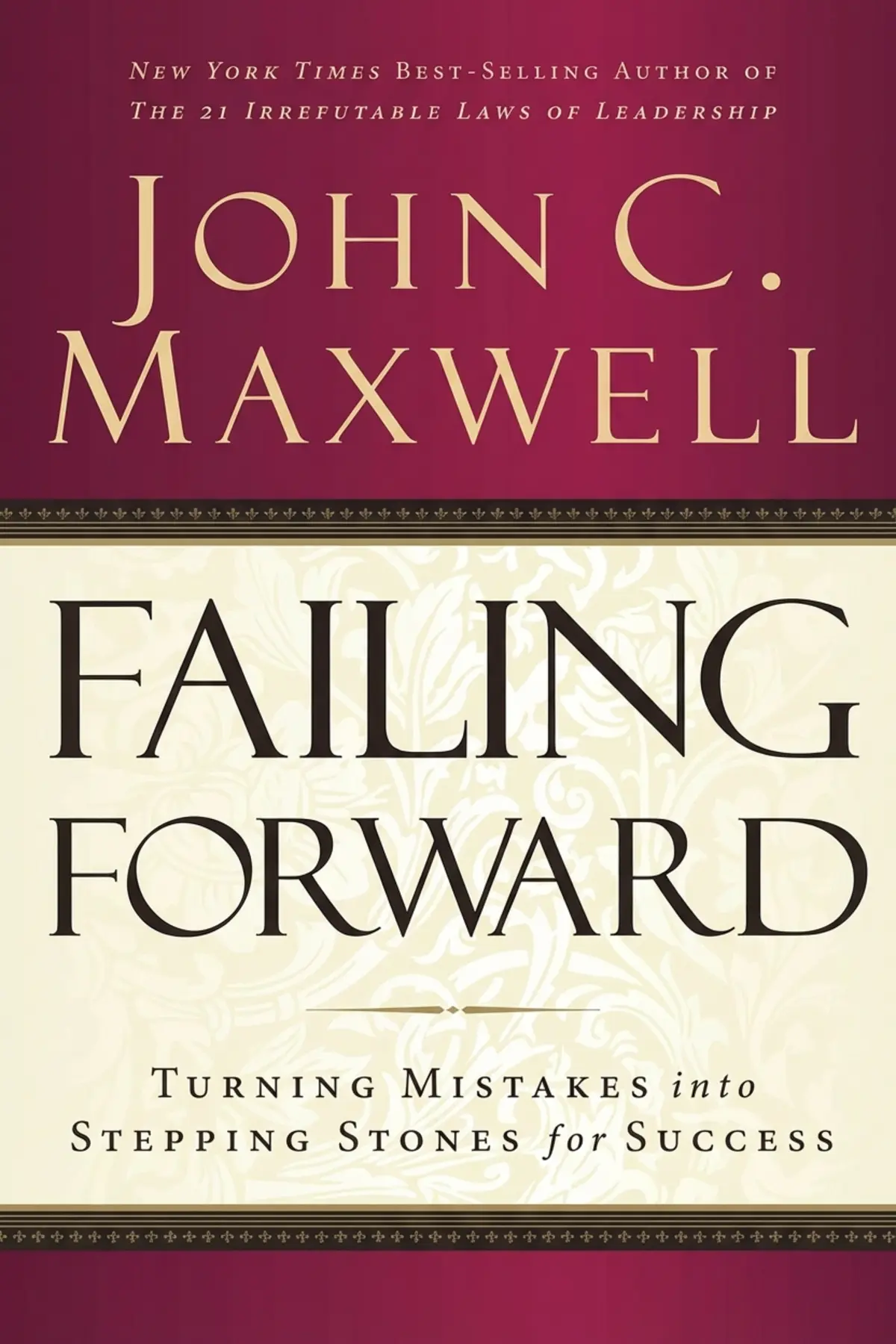
Table of Content
1. Introduction
58 sec
If a missed target or a rejected idea still feels like a verdict on you, John C. Maxwell offers a different reading. In Failing Forward, the leadership author argues that failure is not success’s opposite but one of its working parts, and he observes that, before a business finally works, entrepreneurs typically sit through 3.8 ventures that fail.
Maxwell’s case is that people who rise and people who stall differ less in how often they fail than in what they do next: whether they look for the opening a setback creates, take charge of the recovery, study what went wrong and keep taking risks. His examples run from a $100 million soft drink disaster to a flooded supermarket, a tennis professional born without most of his fingers and a pottery class that learned more by making more. Each one turns a mistake into a step you can practice at work and at home.
2. Turn a public flop into your next comeback
2 min 00 sec
A marketing executive bet his career on a new recipe, lost his company a fortune and was shown the door. What happened over the following years changes how a public mistake should be judged.
3. Find the opening hidden inside a setback
1 min 48 sec
An inventor who could not fix the telegraph and an executive fired over office politics both ended up somewhere they never planned to go. Their stories show where to look after things fall apart.
4. Own the recovery even when it isn't your fault
2 min 03 sec
A flood the insurance did not cover, and a body that seemed to rule out professional sport. Two men faced bad luck they did not cause, and one choice shaped everything after.
5. Make more pieces and learn faster than by chasing perfect
1 min 50 sec
A pottery teacher graded half her students on quantity and half on quality. The results surprised everyone, and a cartoon character on a beach shows the trap that keeps most people from benefiting.
6. Treat failures as red lights and keep moving forward
1 min 54 sec
A famous pilot crashed before her flight even left the ground. The fear that stops most people after a fall is common, yet everyday life already shows how badly that fear misjudges risk.
7. Make new openings pay off with three habits
1 min 57 sec
Getting past failure creates new chances, but chances alone do not deliver results. A letter from a worried mother and an old story about two prisoners point to what makes the difference.
8. Conclusion
1 min 12 sec
Maxwell’s book reads at first like a collection of comeback stories, but the stories share a single shape. A setback arrives. Someone refuses to treat it as the final word. They look for what it opened, take ownership of the repair, figure out the cause and step back into risk. Zyman returned to Coca-Cola. Horn reopened in three weeks. Earhart kept flying after the crash. Failure, in this view, works like a red light on a long drive: it stops you, and then you go on.
There are a few ways to begin. Maxwell suggests choosing someone you admire, from history or from today, and researching the ideas that did not work for them along with their wins. Their missteps make their success easier to understand and may hold a lesson for you. The next time something of yours falls apart, give it the attention Charlie Brown never did, and write down what caused it before you move on. And keep one bold proposal in play at work, knowing it may fail.
The sand castle will get washed away again. What matters is where you build the next one.
About this book
What is this book about?
Most people treat failure as something to avoid at any cost, the opposite of the success they want. John C. Maxwell disagrees. He argues that failure is a normal and even useful part of getting anywhere, and that what separates people who succeed is how they respond when things go wrong. Maxwell builds the case through stories. A Coca-Cola marketer loses his job over New Coke and is later hired back. Thomas Edison stumbles onto sound recording while failing to improve the telegraph. A supermarket owner reopens 21 days after a flood his insurance did not cover, and a tennis player missing many fingers and toes from birth becomes a certified professional. A ceramics class shows that making more beats polishing one piece. From these, readers get a working method: look for the opening in each setback, take responsibility for the recovery even when the cause was out of your hands, study your mistakes instead of shrugging them off, and keep taking risks at work. Maxwell adds three habits that help turn new openings into results: clear goals, strong people skills and a positive outlook.
Book Information
Who it's for
Professionals after a setback
Professionals still stinging from a failed project, launch or job loss.
Repeat founders
Founders on their second or third venture who want to use what went wrong.
Young employees holding back
Young employees who keep good ideas to themselves for fear of being wrong.
About the Author
John C. Maxwell
John C. Maxwell, born in 1947 in Garden City, Michigan, is an American author, speaker and pastor whose books focus mostly on leadership, several of them New York Times best sellers. He founded EQUIP, a non-profit devoted to leadership development, and his organizations include Maxwell Leadership and the Maxwell Leadership Foundation. According to his Amazon author bio, he has sold more than 40 million books and received the Horatio Alger Award.

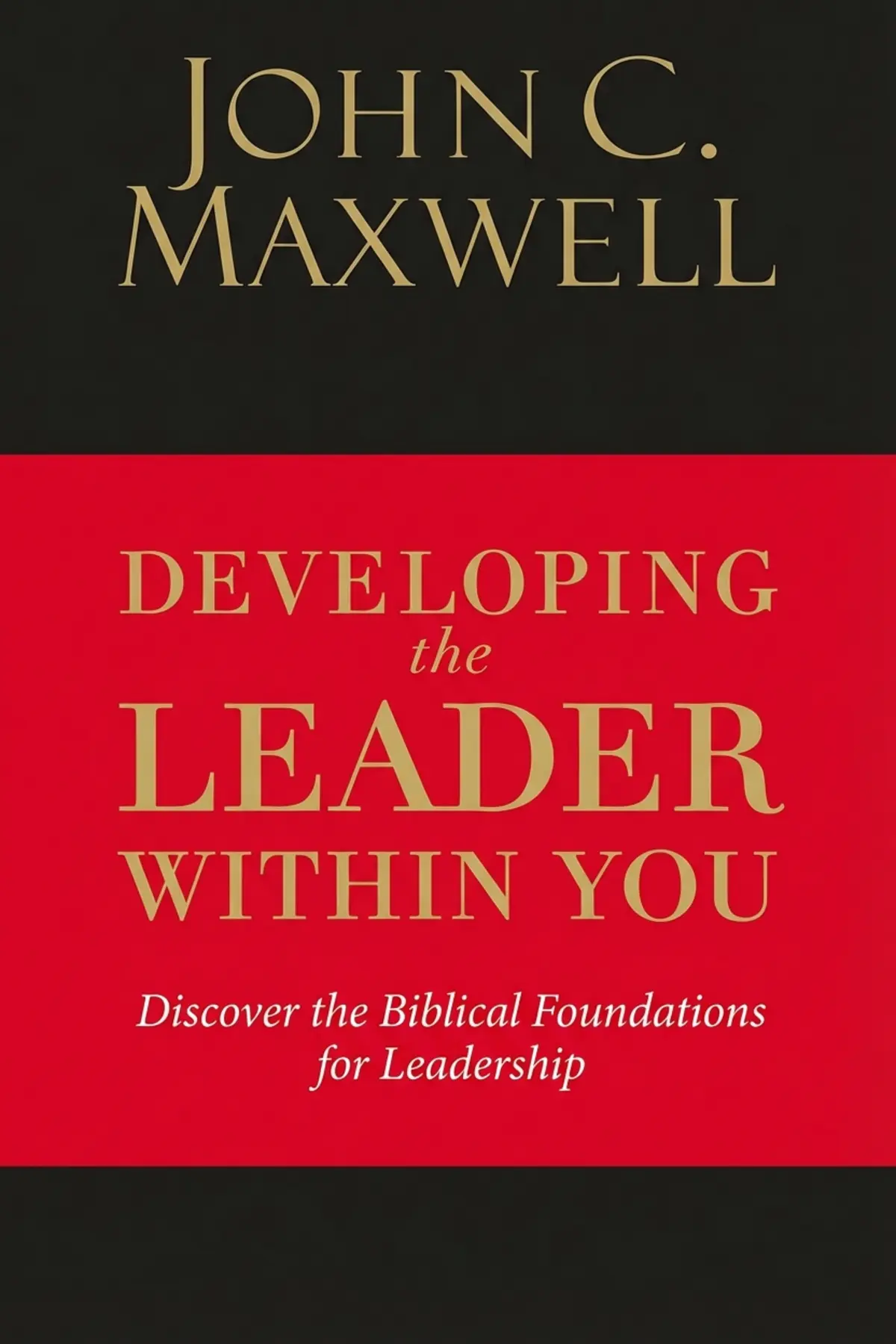
Developing the Leader Within You
John C. Maxwell
Leadership 101: What Every Leader Needs to Know
John C. Maxwell

No Limits: Blow the CAP Off Your Capacity
John C. Maxwell
Ratings & Reviews
Ratings at a glance

What people think
Listeners consider this title an excellent resource that offers an insightful outlook on transforming errors into building blocks for achievement. They value the real-world illustrations, inspiring material, and guidance on conquering the dread of failing. Listeners characterize the work as straightforward and highly actionable, with one listener highlighting that it acts as a mental game changer for reclaiming power over one’s circumstances and choices.
Top reviews
Seksan
Finally got around to reading Maxwell’s classic, and it’s a total shift in perspective for my professional life. Most people treat error like a terminal illness, but this book rebrands those moments as essential stepping stones for success. I found the practical examples extremely grounding. The truth is, we spend so much time running from mistakes that we never actually learn how to use them as fuel. The author provides a clear action plan that makes the concept of ‘failing forward’ feel achievable rather than just another vague self-help cliche. It’s a simple read, yet it serves as a massive mental game changer for anyone feeling stuck in their current circumstances. I especially appreciated the emphasis on taking full ownership of your path. If you are tired of playing it safe and want to actually achieve something, buy this book immediately.
Show moreLiam
Picked this up during a particularly rough patch in my career, and the timing couldn't have been better. This isn't just a collection of feel-good quotes; it’s a manual for mental toughness. Maxwell has a way of stripping away the shame we associate with falling short. Not gonna lie, I used to spend weeks ruminating over minor errors, but this book taught me to see them as data points rather than character flaws. The focus on 'failing early and failing often' changed how I approach my business strategy. It’s an easy read, but the impact is lasting. I’ve started implementing the action plans mentioned toward the end, and I already feel more in control of my trajectory. It’s a fantastic read for anyone needing a push to get back in the game.
Show moreAria
Ever wonder why some people bounce back while others just crumble? This book answers that question with surgical precision. It’s not just about ‘trying harder,’ it’s about failing intelligently. I love the Henry Ford quote included: ‘Failure is simply the opportunity to begin again, this time more intelligently.’ That really sums up the book’s heart. The author moves beyond simple-minded cliches to give readers a real action plan for growth. I’ve started viewing my recent project setbacks as stepping stones rather than stop signs. This shift in thinking has been a total game changer for my productivity. It’s a must-read for anyone in a leadership role or anyone trying to build something from the ground up. Truly an inspiring piece of work.
Show morePiyanart
Maxwell has a way of making high-level leadership concepts feel accessible to anyone. I’ve read a lot of business books, and many are too academic, but this is simple and easy to apply immediately. It focuses on the internal work required to handle external pressure. Personally, I found the section on accepting responsibility to be the most challenging and rewarding. We live in a culture of blame, and this book demands that you take ownership of your failures to turn them into success. The practical examples of superachievers who were once 'great failures' provided exactly the kind of motivation I needed. It’s a fantastic read that I’ll likely revisit whenever I feel my confidence wavering. Five stars for the clarity and the call to action.
Show moreSophia
Frankly, I think this should be required reading for anyone in a management position. Most of us are terrified of looking bad, but Maxwell proves that the only way to get ahead is to fail early and often. The book provides a great mental framework for overcoming that paralyzing fear of making a mistake. It’s about more than just business; it’s about life as a whole. Since finishing it, I’ve been more willing to take calculated risks and lead my team through setbacks with a more positive outlook. Some might find it a bit ‘woo-woo’ in its optimism, but the reality is that mindset is 90% of the battle. It’s a mental game changer that has helped me take control of my career. Definitely worth the time and money.
Show moreArjun
As someone who struggles with perfectionism, the core message here resonated deeply with my daily anxieties. Maxwell argues that the only difference between an average person and a high achiever is their response to failure. That’s a powerful thought to chew on. To be fair, I did find the writing style a bit redundant at times, and the heavy reliance on numbered lists can feel a bit like reading a very long PowerPoint presentation. However, the motivational content far outweighs the stylistic quirks. The book helped me realize that my fear of failure was actually a fear of growth. It provides a wonderful perspective on turning setbacks into opportunities for intelligent restarts. It isn’t revolutionary, but it is a necessary reminder that disappointment is just a normal part of the arrival process.
Show moreVipawan
After hearing about 'Failing Forward' for years, I expected something more complex, yet the simplicity is actually its greatest strength. It’s straightforward and punchy. Maxwell breaks down the fear of failure into manageable parts, making it much easier to digest and apply to real-world scenarios. I did notice the repetition that other reviewers mentioned—some ideas are hammered home multiple times—but perhaps that’s necessary to break through old habits. The book serves as a great mental game changer for taking control of your actions. It helped me stop blaming external factors for my setbacks. While it’s written in that traditional, slightly formal self-help tone, the wisdom inside is undeniable. It’s a solid resource for building a more resilient mindset, even if some of the anecdotes feel a bit dated.
Show moreConnor
The chapter on the difference between average people and achieving people really hit home for me. It’s all about the mental approach. Frankly, I think we are all trained for success when we should be training for the inevitable disappointments that come with life. Maxwell provides a wonderful perspective on why we shouldn't fear the 'no' or the 'not yet.' My only minor complaint is that it can feel a bit generic in places. Many of the stories are the typical 'famous person failed before they were rich' tropes we’ve all heard. Still, the way he connects these stories to specific steps for moving forward is very effective. It’s a quick read that packs a motivational punch, especially if you’re currently facing a professional hurdle.
Show morePongpan
To be fair, there are some great nuggets of wisdom buried in here, but you have to wade through a lot of fluff to find them. It’s basically a series of numbered lists. Every. Single. Chapter. While I appreciate the attempt at structure, it eventually felt a bit lazy, as if the author didn't want to weave his thoughts into a cohesive narrative. The repetition makes it feel about 50 pages longer than it needs to be. On the positive side, the quotes are fantastic and the core premise is sound. It’s a decent book for someone brand new to personal development, but if you’ve read a lot of Maxwell before, you might find this a bit redundant. It’s helpful, but it didn’t exactly blow my mind.
Show morePim
Look, I really wanted to like this given the high praise from people like James Altucher, but it felt hollow to me. My biggest gripe is the author’s lack of genuine vulnerability throughout the text. He shares an anecdote about being a young preacher and feeling devastated because one person voted ‘no’ on him. Seriously? When you compare that to people facing real, life-altering setbacks like bankruptcy or loss, it feels incredibly tone-deaf and condescending. The book is essentially a book-sized list of quotes and stories about other people’s failures, while the narrator stays on a pedestal. It lacks a clear definition of what constitutes a mistake versus a tragedy. While the overarching message of perseverance is admirable, the execution felt superficial and lacked the grit I expected. I’d recommend Brene Brown instead.
Show moreQuestions about this book
What is the main idea of Failing Forward by John C. Maxwell?
Maxwell argues that failure is a necessary part of success rather than its opposite. Setbacks can reveal new opportunities, push people to change their lives and teach them about their weaknesses, provided they study what went wrong. He observes that before one venture succeeds, entrepreneurs typically sit through 3.8 that fail, and he adds clear goals, people skills and a positive outlook as the habits that turn new chances into results.
What does the New Coke story teach in Failing Forward?
Sergio Zyman, a Coca-Cola marketing executive, pushed the New Coke rebrand and convinced the company to stop making the original drink. It flopped, cost about $100 million and cost him his job. Yet the relaunched Coca-Cola Classic became more popular than ever, and in 1993 chairman Roberto Goizueta rehired Zyman. Maxwell uses it to show that one failure rarely ends a story, and that bold thinkers will sometimes be wrong.
How do you learn from failure according to John C. Maxwell?
Maxwell says learning only happens when you deliberately look for the cause. He contrasts a ceramics class where students who made many pieces improved fastest with Charlie Brown, who knows his flattened sand castle holds a lesson but never tries to find it. Make more attempts, examine each miss, and change one thing next time instead of telling yourself you are too busy to look back.
Who should read Failing Forward?
It suits people recovering from a setback, such as a failed project, a lost job or a business that did not work, and anyone whose fear of being wrong keeps them from proposing ideas or taking on responsibility. Founders, early-career professionals and people changing direction will find its stories, from Home Depot’s origins to a flooded supermarket reopened in 21 days, useful for reframing their own mistakes.
Readers also enjoyed


A High-Performing Mind: Strengthen Your Mind and Live Your Best Life
Andrew D. Thompson


Abundance: The Inner Path to Wealth
Deepak Chopra


59 Seconds: Change Your Life in Under a Minute
Richard Wiseman




AUDIO SUMMARY AVAILABLE
Listen to Failing Forward in 15 minutes
Get the key ideas from Failing Forward by John C. Maxwell, plus 5,000+ more nonfiction titles.
- 5,000+ titles
- Listen as much as you want
- 7-day free trial
- Cancel anytime









