

14 min 12 sec
Available in: English
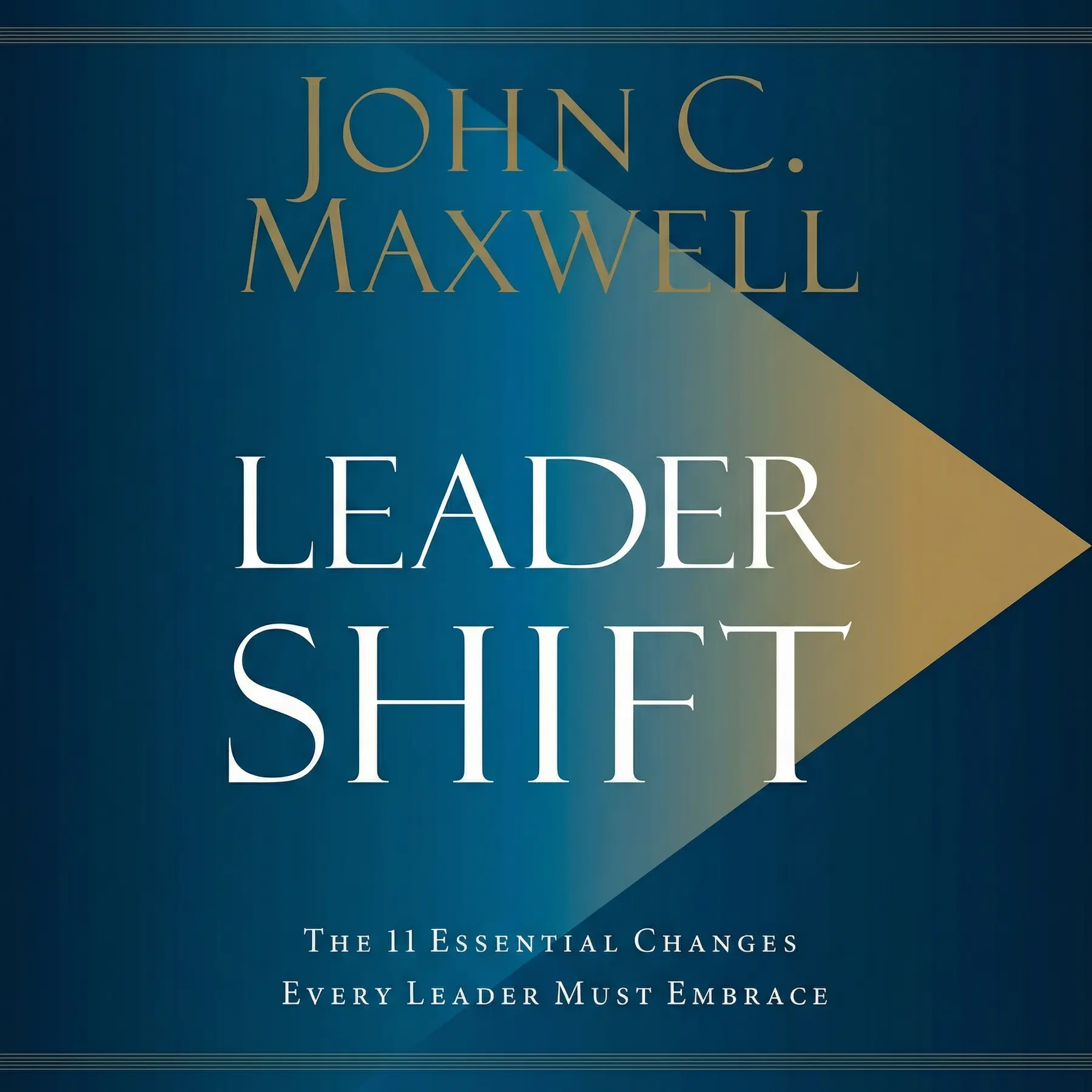
Leadershift: The 11 Essential Changes Every Leader Must Embrace
Shows how leaders gain real influence by changing how they think: listening before directing, choosing growth over targets, mentoring others, valuing different voices and earning moral authority instead of relying on a title.
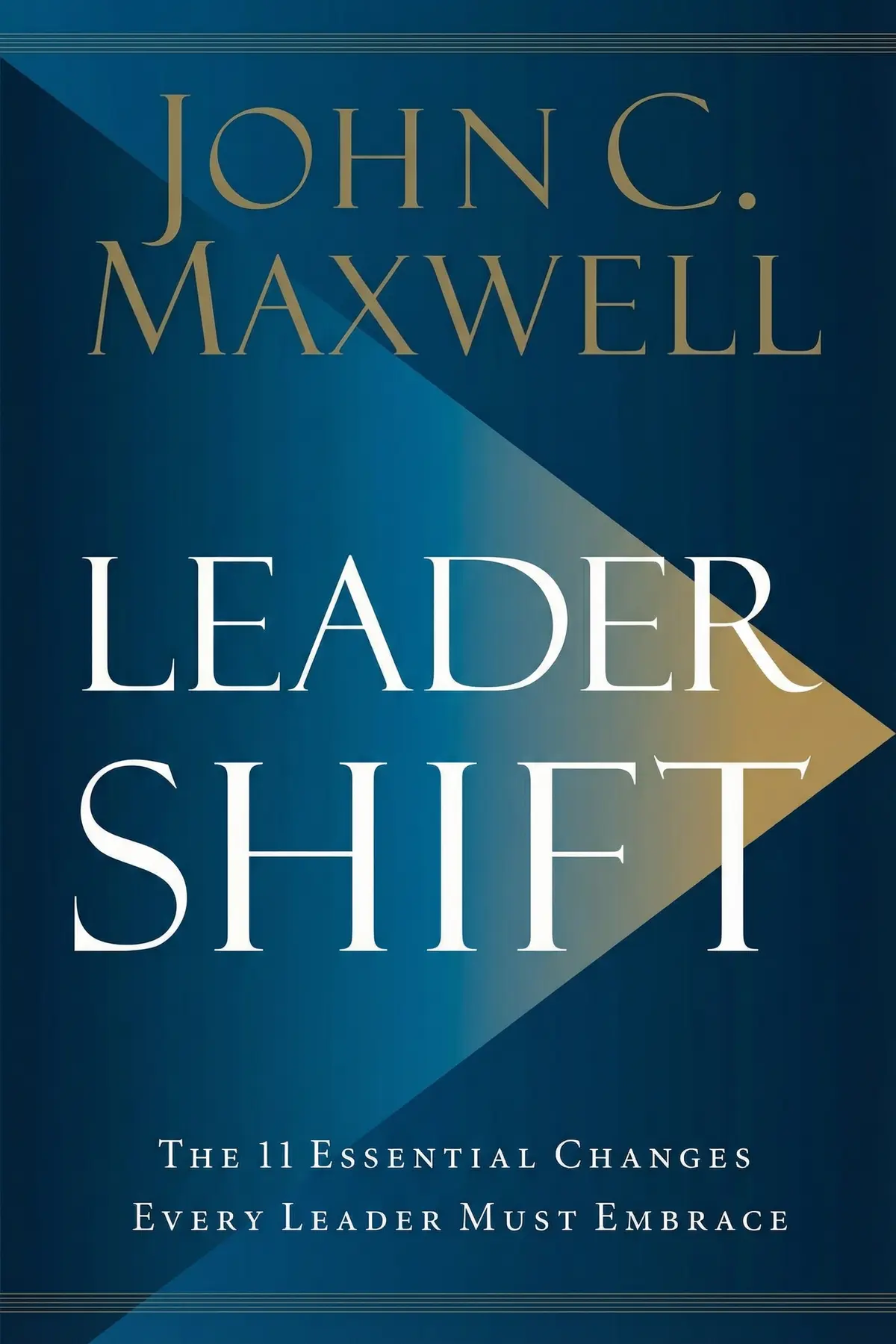
Table of Content
1. Introduction
1 min 02 sec
Getting a leadership title is easy compared with getting people to follow you, and a title alone moves almost no one. In Leadershift, author, speaker and pastor John C. Maxwell argues that real influence comes from a series of deliberate changes in how a leader thinks, which he calls leadershifts. A fast-changing world, he says, needs leaders more than ever: stable times can get by with managers, uncertain ones cannot, and leaders must stay nimble themselves.
Of the eleven shifts the book’s subtitle promises, seven are covered here, and they all point the same way. Each moves a leader’s attention from their own shine to the people they serve, and that is where lasting influence comes from. Along the way you’ll meet a farmer named Claude who ran a church board with no title, a basketball coach who let her players speak first, and a tango hall in Buenos Aires. Each gives you a habit for your next meeting, your next mentoring choice or your next career decision.
2. Lead like a conductor and let others shine
1 min 42 sec
The person who makes no sound on stage can decide how good the whole performance is. An evening watching two hundred tango dancers showed Maxwell what that role really demands from anyone in charge.
3. Aim for growth and outgrow your own goals
1 min 45 sec
Maxwell once set himself a precise sales target borrowed from a professor he admired. Letting go of that number turned out to matter far more than reaching it, and the reason changes how ambition should work.
4. Turn your success into ladders for others
1 min 44 sec
Every ambitious person asks how high they can climb. Maxwell asks a different thing, and his two tests for choosing whom to invest in could change how you spend your scarcest resource at work.
5. Get better answers by letting your team talk first
1 min 32 sec
At halftime, a legendary basketball coach stayed out of her own locker room while her players argued over a whiteboard. What she did when she finally walked in is a lesson for every meeting you run.
6. Fill your blind spots with different voices
1 min 52 sec
Two of history’s great wartime leaders filled their inner circles with rivals and opponents. Maxwell, raised in a town where everyone looked alike, explains why sameness costs leaders more than they realize.
7. Earn influence that no job title can give
1 min 52 sec
On paper, Maxwell was in charge of his first church. Then a respected farmer, not especially rich or well educated, took charge of the board meeting. Understanding why everyone followed that farmer is the heart of leadership.
8. Find the work that makes you come alive
1 min 38 sec
Three medieval craftsmen were doing the same work, yet only one of them saw a cathedral. Maxwell uses their answers to separate a job from a career from a calling, and offers a test for finding yours.
9. Conclusion
1 min 05 sec
Leadershift adds up to a portrait of influence that has little to do with rank. Claude the farmer had no title and ran the room. Pat Summitt had every title and let her players speak first. Maxwell’s own best result, a million books sold, came only after he stopped chasing a sales figure. In each case the leader’s attention moved outward, toward the people being led and the purpose behind the work, and the influence followed.
The changes can start small. Before your next meeting, put a big L across the top of your notepad, and invite one colleague to rate your listening with honesty. Pick one person who is hungry and could lead others, and give them an hour of your time. Look through your contacts for the kinds of voices you never hear, and go find one. Keep your learning within reach too: Maxwell clips articles and quotations that interest him and files them by theme, so nothing he learns gets lost.
The tango dancers in Buenos Aires moved as one because each person leading knew exactly how it felt to follow.
About this book
What is this book about?
Many people reach a leadership role and find that the title alone moves almost no one. John C. Maxwell argues that a fast-changing world needs leaders more than ever, and that those leaders must keep changing themselves. He calls each of these deliberate changes a leadershift. The book names eleven of them. The core ones share one direction: away from the leader's own ambitions and toward the people being led. Maxwell moves from soloist to conductor, from hitting goals to pursuing growth, from climbing the ladder to building ladders for others, from directing to connecting, from sameness to diversity, from positional to moral authority, and from career to calling. He makes his case through stories from his own working life and the people who shaped it: a farmer who ran a church board without any title, a basketball coach who let her players talk first, a mentor's hot-poker principle and a tango hall in Buenos Aires. Readers get simple habits to try at once, from a letter written at the top of a meeting notepad to a sharper way of choosing whom to mentor.
Book Information
Who it's for
New managers
New managers who have the title but not yet the trust of their team.
Wondering about wider influence
Ambitious professionals wondering how to turn personal success into wider influence.
Wanting simple coaching habits
Team leads and mentors who want simple habits for listening, coaching and choosing whom to develop.
About the Author
John C. Maxwell
John C. Maxwell is an American author, speaker and pastor, born in 1947 in Garden City, Michigan, whose books focus mostly on leadership. Several have appeared on the New York Times Best Seller list, and his Amazon author bio says he has sold more than 40 million books. He founded EQUIP, a non-profit devoted to leadership development, and his organizations include Maxwell Leadership and the Maxwell Leadership Foundation. He has received the Horatio Alger Award.

Developing the Leader Within You
John C. Maxwell
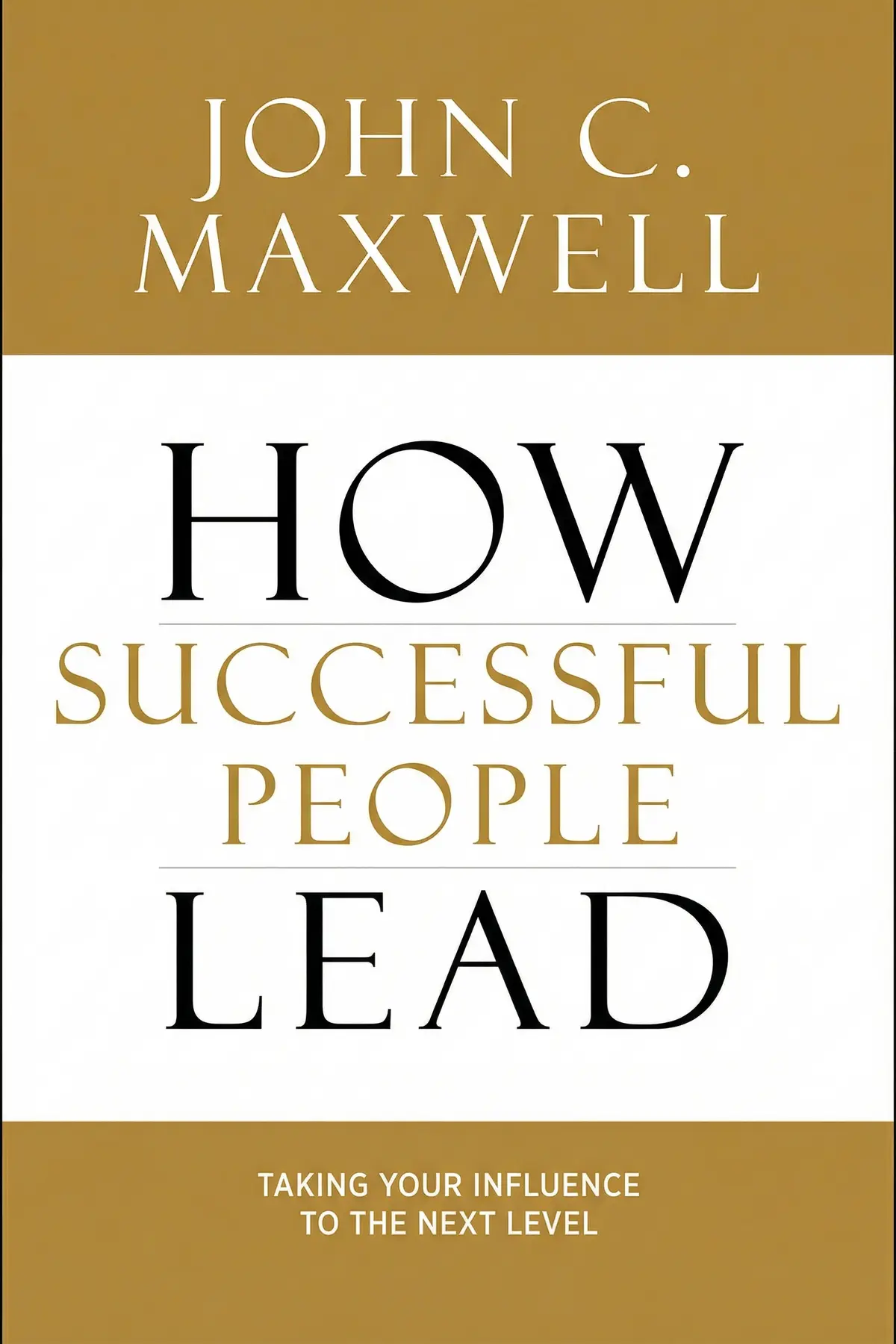
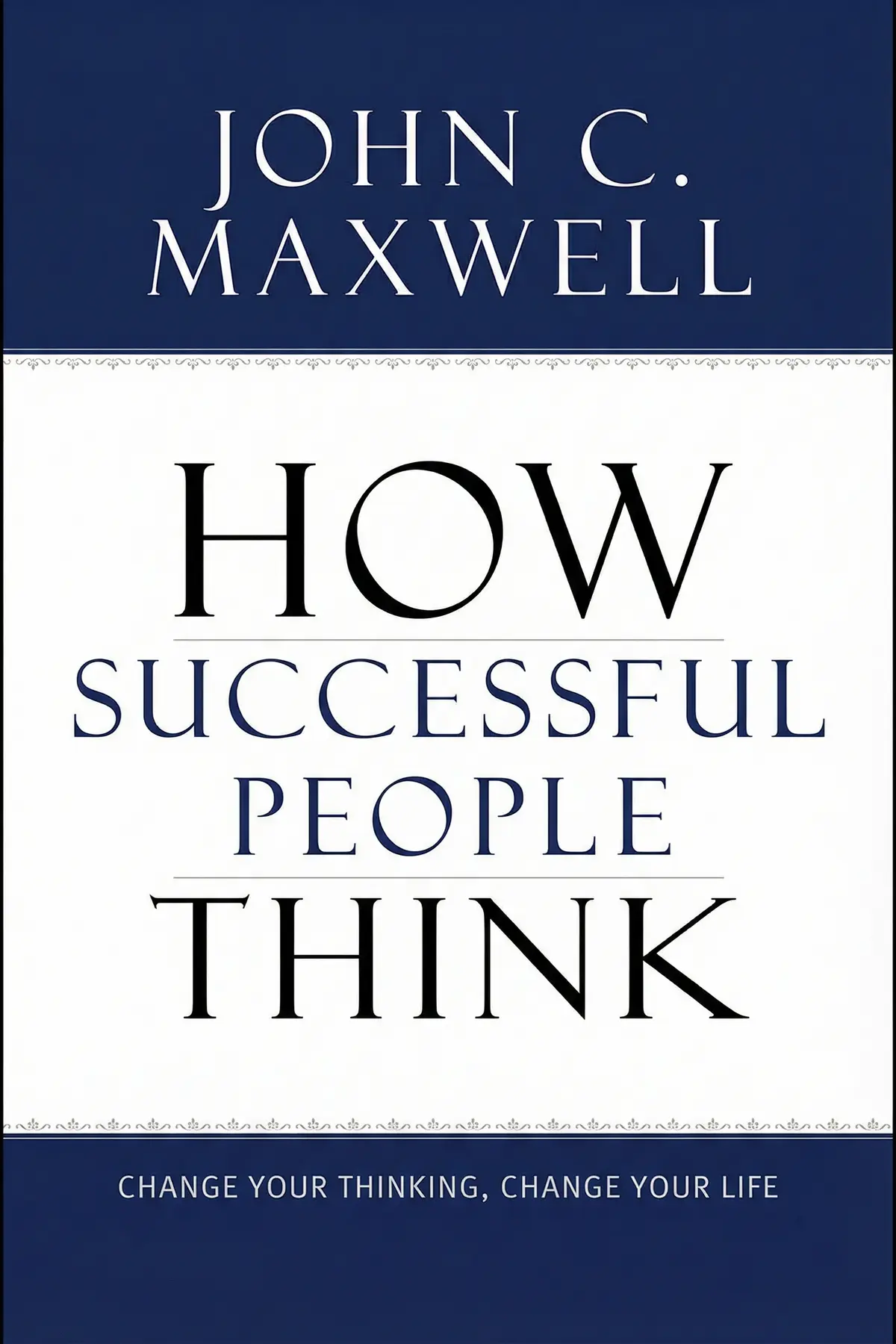
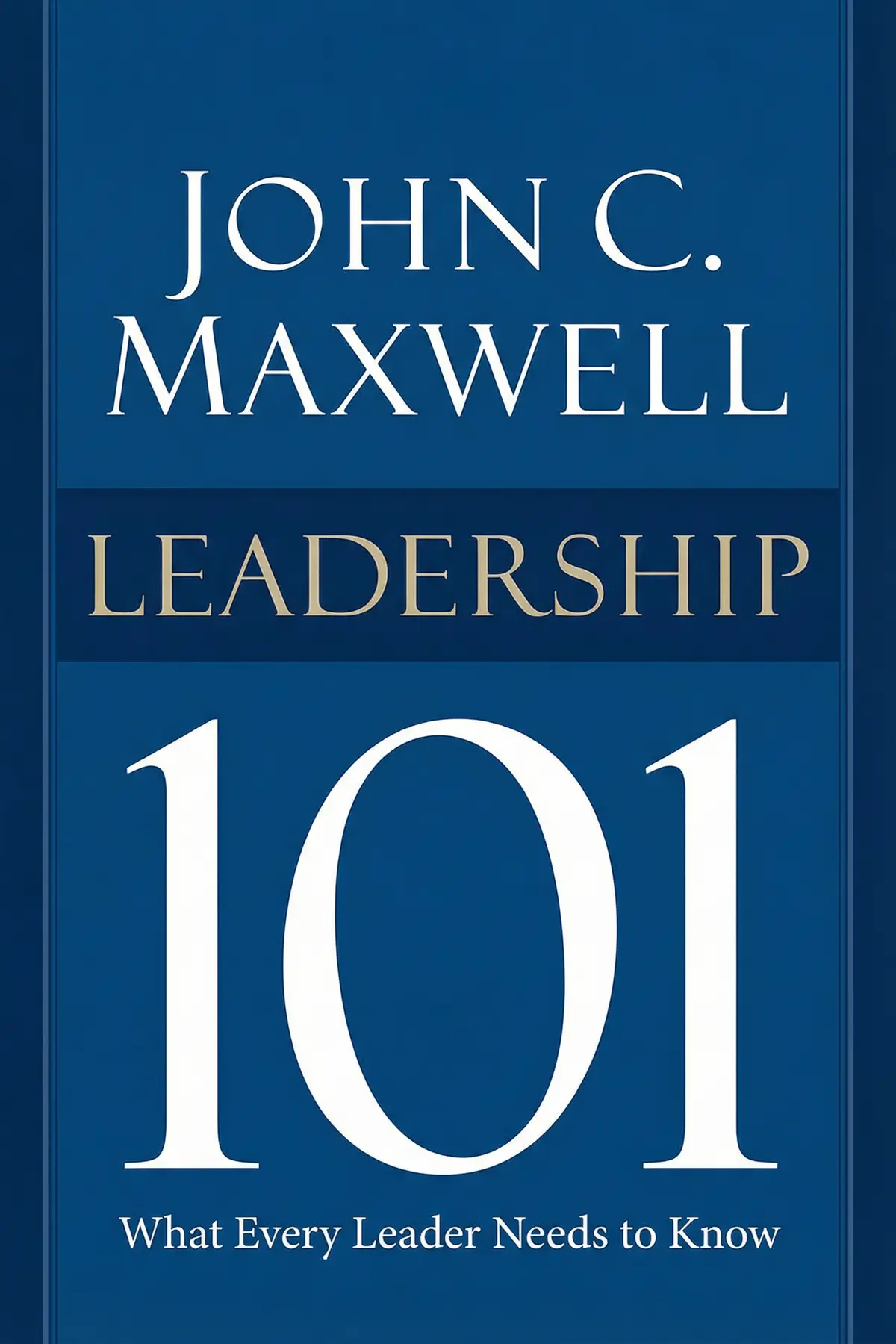
Leadership 101: What Every Leader Needs to Know
John C. Maxwell

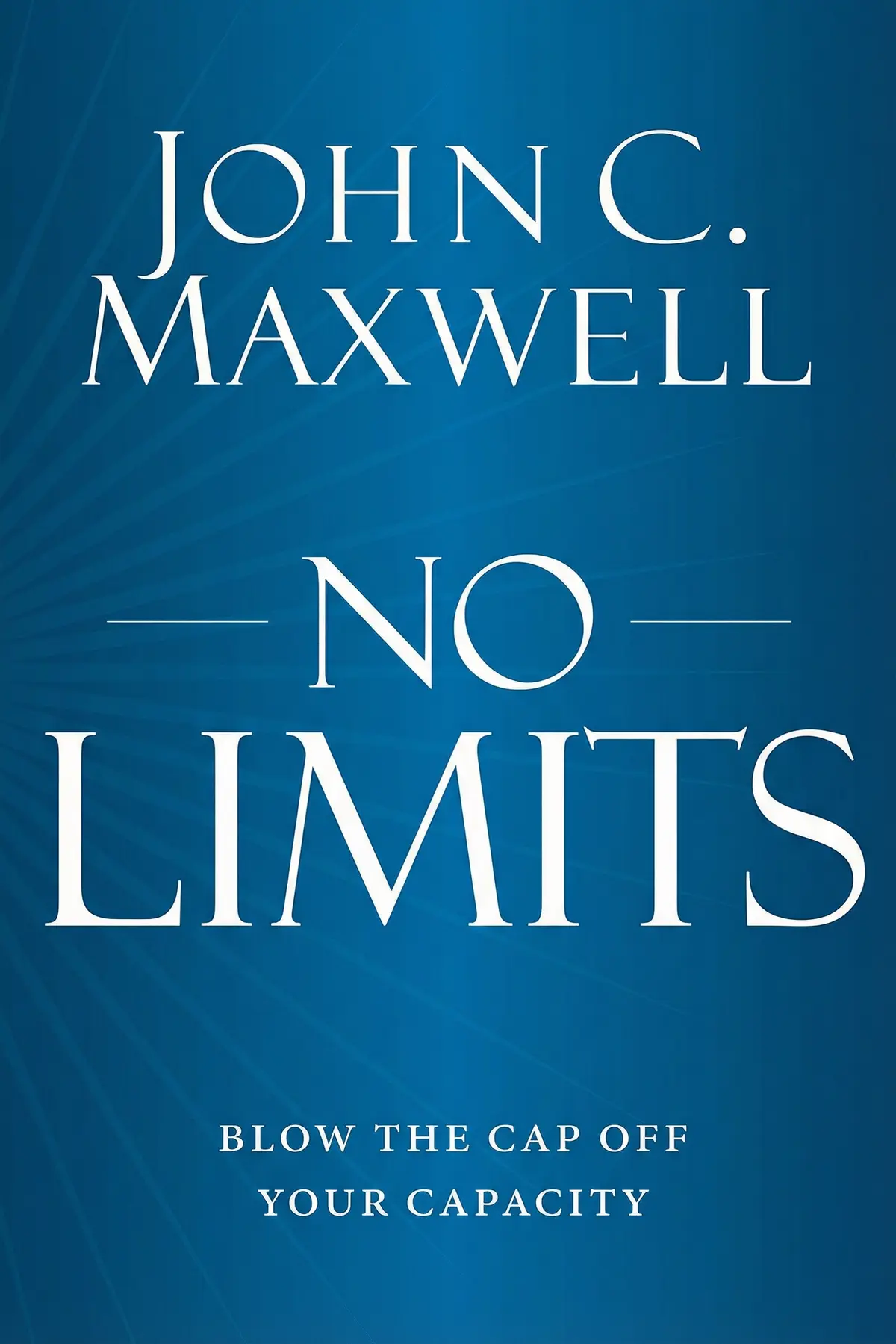
No Limits: Blow the CAP Off Your Capacity
John C. Maxwell
Ratings & Reviews
Ratings at a glance
What people think
Listeners find this book outstanding for developing into a Transformational Leader, as it provides pragmatic tips through many examples and is very simple to read. They value the purchase and view it as a requirement for every leader, with one listener mentioning its applicability to church leadership. Feedback highlights the book’s impact on personal lives, with one review noting its focus on leading oneself alongside others.
Top reviews
Thida
As a long-time follower of Maxwell’s philosophy, I found Leadershift to be a refreshing evolution of his core principles. It isn't just about managing a team; it's about the internal pivot required to stay relevant in a fast-paced culture. I particularly appreciated the distinction between career and calling, which adds a layer of depth often missing from corporate-focused manuals. To be fair, if you’ve read his previous work, some concepts will feel familiar, but the application here is much more suited for the modern landscape. The writing is incredibly accessible, almost like a conversation with a mentor over coffee. Some might find the frequent religious references a bit much, yet they ground the concept of 'moral authority' in a way that feels authentic to his voice. It's a solid investment for anyone looking to transition from a 'soloist' mindset to a truly collaborative 'conductor' role.
Show moreEli
Wow, this really hit home for me as I navigate a major career transition. The way Maxwell describes the shift from 'goals to growth' changed my entire perspective on how I measure my daily success. I used to be obsessed with hitting specific benchmarks, but now I’m focusing on the value I add to my team every single day. Frankly, the advice on 'failing forward' and being creative with failures was exactly what I needed to hear during a stressful quarter. The book is filled with these little nuggets of wisdom that stay with you long after you put it down. It feels very personal, almost as if he’s sharing his own mistakes to save you from making the same ones. Even the bits about moral authority, while definitely rooted in his faith, offer a high standard for integrity that any leader should aspire to.
Show moreIff
After hearing so much about the 'Leadershift' concept, I decided to dive in. In today's volatile market, the ability to be flexible and adapt your leading style is no longer optional; it’s a requirement for survival. Maxwell does a great job illustrating how to move from being a 'soloist' who does everything to a 'conductor' who orchestrates the talents of the whole group. Personally, I found the section on 'connecting' instead of just 'directing' to be the most impactful for my current project. He uses plenty of anecdotes to keep the pace moving, which helps the more abstract concepts feel grounded in reality. While the religious undertones are present, the underlying principles of humility and service are universal. This is a must-read for anyone who feels like their current management style is hitting a ceiling.
Show moreRungrat
Picked this up on a whim and ended up highlighting half the book. Maxwell has this way of saying things that make you go, 'Why didn't I think of that?' The idea of having a seed-sowing mindset is such a powerful way to look at mentoring and team development. You can really tell he cares about the reader's growth, and that passion comes through on every page. To be fair, he does quote himself and other famous figures a lot, which some might find a bit much, but the quotes are usually spot-on. I particularly loved the focus on 'moral authority' because it reminds us that leadership is earned through character, not just assigned by a board. It’s an easy, uplifting read that provides a lot of value for the money. Highly recommended for new managers and veterans alike.
Show moreLook
Every leader needs a copy of this on their desk. Whether you are leading a Fortune 500 company or a local non-profit, the eleven shifts outlined here are essential for long-term impact. I loved the focus on moving from 'trained leaders' to 'transformational leaders.' It shifts the focus from mere skill acquisition to actual character transformation. The truth is, many people in management are afraid of uncertainty, but Maxwell shows how to embrace it as a catalyst for growth. Yes, there are several references to church leadership and scripture, but these examples only serve to highlight the moral weight of leading others. The prose is clear, the chapters are well-organized, and the nuggets of wisdom are incredibly practical. It is easily one of the best books on self-leadership I’ve read.
Show moreJonathan
Finally got around to finishing this after seeing it all over my LinkedIn feed. Look, John Maxwell has a very specific style—lots of lists, alliteration, and anecdotes—and if you can get past the occasional fluff, there is real gold here. The '11 essential changes' provide a clear roadmap for anyone feeling stuck in traditional, positional power structures. I specifically resonated with the shift from pleasing people to challenging them, as that’s been a personal hurdle in my management career. Not gonna lie, the book could probably have been fifty pages shorter without losing much impact. He does tend to repeat himself to drive points home, which makes it a slow burn at times. However, the focus on 'ladder building' instead of just 'ladder climbing' is a message today’s corporate world desperately needs. It’s a practical, easy-to-digest guide for becoming a more transformational leader.
Show morePor
The chapter on moving from 'perks to price' alone makes this worth the purchase. It’s a reality check for anyone who thinks leadership is just about the corner office and the title. Maxwell is a master at taking complex social dynamics and breaking them down into simple, actionable steps. In my experience, most leadership books are either too academic or too vague, but this strikes a nice balance. My only gripe is that the formatting feels a bit formulaic at times, which can make the chapters feel repetitive if you read them all in one sitting. However, the emphasis on building others up rather than just directing them is a timeless principle that bears repeating. It’s a quick read, but the implications for your professional life are quite significant if you actually apply the shifts.
Show moreManop
Does anyone else feel like leadership books are becoming too formulaic? I felt that way for the first two chapters of this book, but then the insights on 'ladder building' versus 'climbing' really hooked me. It’s about creating a legacy rather than just hitting your own KPIs. Maxwell’s writing is always very approachable, which makes it a great choice for a team book club or a leadership retreat. In my experience, I've seen too many managers focus on their own perks while neglecting the growth of their subordinates. Not gonna lie, I rolled my eyes at a couple of the name-dropping moments, but the core principles are too good to ignore. The emphasis on diversity and moving away from team uniformity was a welcome addition that felt very current. It might not be a revolutionary academic text, but it is a very useful tool for anyone who wants to improve their influence.
Show moreLena
Not what I expected given the hype from the management community. While the core message about being others-focused is valuable, the execution feels more like a collection of Sunday sermons than a business strategy book. Truth is, the constant name-dropping and mentions of 'calling' and 'pastors' might alienate readers looking for secular, evidence-based leadership data. I found the chapter on moving from 'uniformity to diversity' to be a bit surface-level, missing the nuance required for today's complex workplace environments. It’s certainly an easy read, but I struggled to find truly original concepts that haven't been covered in his previous thirty books. If you are a fan of his specific worldview, you will likely love it, but others might find it a bit redundant. It’s decent for a quick hit of motivation, just don't expect a deep dive into organizational psychology.
Show moreNannapat
Is it a good book? Yes. Is it groundbreaking? Not really. If you have a shelf full of Maxwell’s previous titles, you might find yourself experiencing some serious déjà vu while reading this. It’s essentially a re-packaging of his core tenets—humility, service, and growth—under a new 'shift' metaphor. Look, the advice is solid and it’s certainly written in an engaging way, but I was hoping for more specific case studies from the modern tech world. Instead, we get more of the same church-centric illustrations and generic success stories. It’s a great introduction for someone who has never read a leadership book before, but for those of us who have been in the trenches for years, it feels a bit thin. Still, it’s a quick read and serves as a decent reminder of the basics of good character in management.
Show moreQuestions about this book
What is the main idea of Leadershift by John C. Maxwell?
Maxwell argues that a fast-changing world needs leaders who keep changing themselves. He calls each deliberate change a leadershift. The central ones all move a leader’s focus from personal success to the people being led: from soloist to conductor, goals to growth, climbing to building ladders for others, directing to connecting, sameness to diversity, title to moral authority, and career to calling.
What is moral authority in Leadershift?
Moral authority is influence that comes from character rather than position. Maxwell learned it at his first church in Indiana, where a farmer named Claude ran the board meeting despite holding no title, because he had lived honest, fair and hardworking values for decades. Maxwell says it rests on integrity, keeping your words and actions aligned, and on courage, which frees others to act bravely too.
How can I apply Leadershift at work?
Start with listening. Maxwell writes a large L at the top of his notepad in every meeting and suggests asking colleagues to rate your listening from one to ten. Choose one or two people to mentor who are truly hungry and show leadership potential. Review your contacts for missing perspectives, and file away articles and quotations you learn from, sorted by theme.
What is the difference between a goal mindset and a growth mindset for Maxwell?
A goal mindset values achievement and status and asks how long a target will take. A growth mindset values development and asks how far something can go. Maxwell once aimed to sell 110,000 books, the figure a professor he admired had reached. When he switched to simply becoming a better writer, he eventually received a trophy for one million books sold.
Who should read Leadershift?
It suits new managers who find their title is not earning them influence, team leads who want to listen and coach better, and ambitious professionals asking how to use their success to help others rise. Readers questioning whether their career has real meaning will also find Maxwell’s case for moving from a career to a calling useful.
Readers also enjoyed



A Year with Peter Drucker: 52 Weeks of Coaching for Leadership Effectiveness
Joseph A. Maciariello



Acting with Power: Why We Are More Powerful Than We Believe
Deborah Gruenfeld

All In: How Great Leaders Build Unstoppable Teams
Mike Michalowicz


7 Powers: The Foundations of Business Strategy
Hamilton Helmer
AUDIO SUMMARY AVAILABLE
Listen to Leadershift in 15 minutes
Get the key ideas from Leadershift by John C. Maxwell, plus 5,000+ more nonfiction titles.
- 5,000+ titles
- Listen as much as you want
- 7-day free trial
- Cancel anytime









