A Force for Good: The Dalai Lama's Vision for Our World
Daniel Goleman
 English
 ไทย
Shows why recognizing and managing feelings, your own and other people's, can matter as much as IQ. It also gives practical habits for calmer arguments, clearer feedback, better health and emotionally capable children.
53 sec
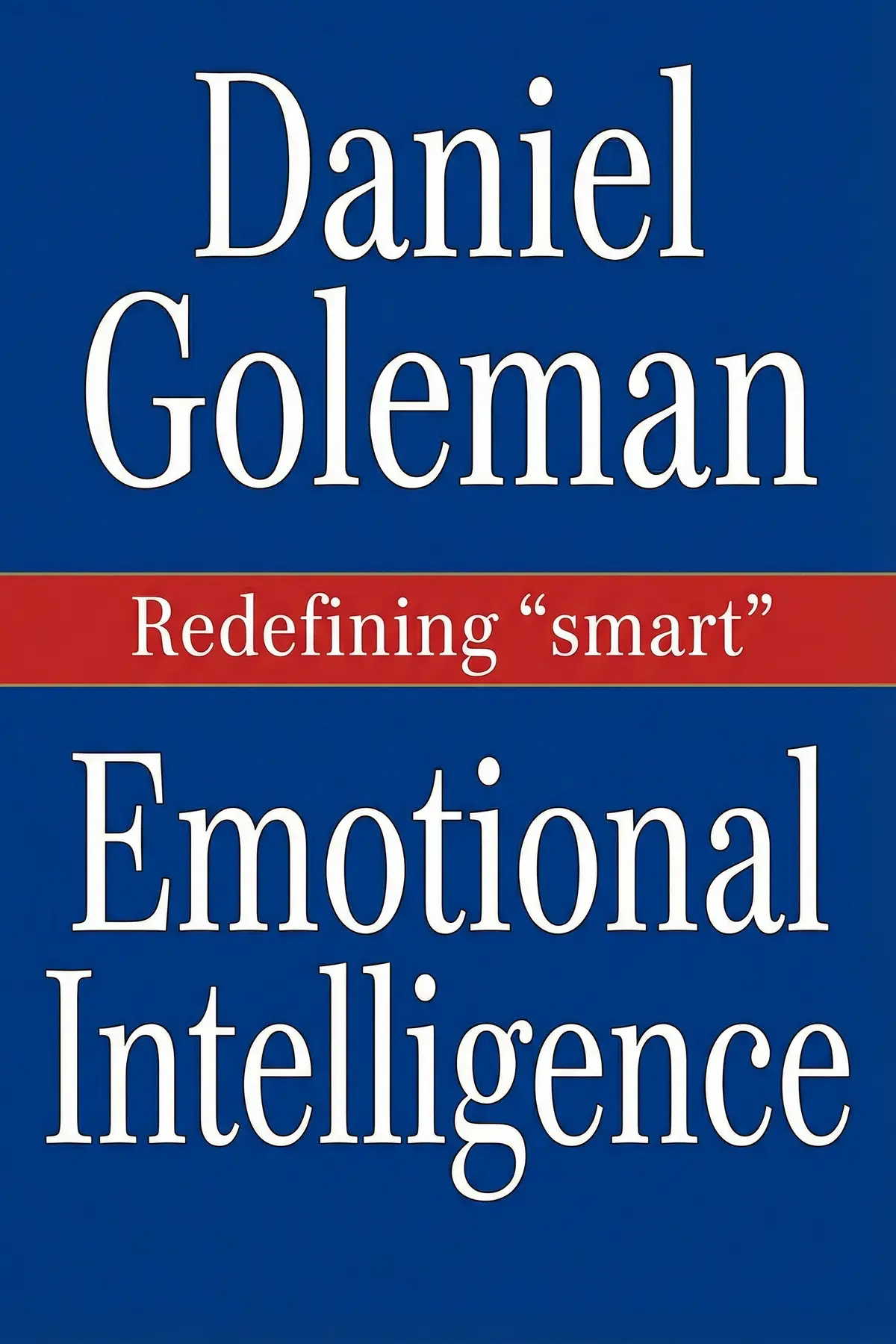
If your temper, your worries or a tense exchange with a colleague keep costing you, thinking harder may not be the fix. In Emotional Intelligence, Daniel Goleman, who spent twelve years covering brain and behavioral science for The New York Times, argues that the ability to recognize and steer feelings, your own and other people’s, can matter as much as IQ. Feelings store lessons, read other people and push us to act, yet they can also take over judgment in a split second.
Emotional intelligence is what keeps the feeling brain and the thinking brain working as partners, and Goleman insists it can grow throughout life. His evidence runs from four-year-olds facing a treat to heart patients learning to handle anger. What follows is a set of habits for calmer arguments, clearer feedback and children who can name what they feel.
1 min 36 sec
A burned hand, a clenched fist and a brain operation from the last century that cut patients off from their drive to act all point the same way. They suggest that a person without feelings would be weaker, slower and strangely unable to get anything done.
1 min 38 sec
A sheet on a washing line, a shape in a dark forest and a grown man who still fears his school bully. Each shows a different way the mind can mislead you while feeling completely sure of itself.
1 min 37 sec
A sudden bang makes everyone jump, yet most of us calm down within seconds. What happens in that short gap, and what happens to people who lose it, explains where emotional intelligence actually lives.
1 min 41 sec
A friend walks past you without a word, or confides in everyone except you. The hurt seems automatic, but Goleman shows a short conversation with yourself that can shrink it, and keep you working when you would rather quit.
1 min 53 sec
Criticism that is accurate can still backfire, and a well-meant solution can feel like rejection. The difference often lies in a skill most of us use without noticing, and one simple physical check during arguments.
1 min 41 sec
A group of four-year-olds was tested on whether they could resist eating a treat. What happened to them years later, and to heart patients who learned to handle anger, challenges the idea that intelligence is mostly about IQ.
1 min 46 sec
A sharp rise in teenage violence, the habits of emotionally skilled parents and a few words of praise at the right moment. Goleman connects them into one argument about what children need and what communities stand to lose.
1 min 08 sec
Goleman’s book corrects an old picture in which reason must keep emotion locked down. In his account, feelings know things reason cannot work out alone: where the stove burned, what a clenched fist means, when to move. What fails is the partnership between them, when the alarm outruns the check or an old fear answers a new situation. Emotional intelligence repairs that partnership, and unlike IQ, Goleman argues, it can keep growing throughout life.
The practice can start small. When a reaction feels too big, name the feeling and its cause to yourself in one sentence, then look for a second explanation, the way a friend who walked past may simply have been lost in thought. When you have to criticize, keep to one incident and say both what should change and what went well. When an argument heats up, step away until your pulse settles. And if there are children in your life, give them words for what they feel.
None of this asks you to feel less. It asks you to give the thinking brain a moment to read the message the feeling brain has already sent.
Many people treat emotion as a weakness that gets in the way of clear thinking. Daniel Goleman argues the opposite case. Feelings store the lessons of experience, help us read other people and give us the drive to act. They can also flood the mind, fire before reason is consulted or replay old fears in new situations. Goleman's answer is emotional intelligence: the ability to name a feeling, trace its cause, manage it and read the emotions of others. He grounds it in the link between a feeling brain and a thinking brain, and he gathers evidence that it shapes school results, persuasion at work, heart health and even rising youth crime. Readers get a clear model of why reactions go wrong and a set of concrete habits that follow from it. These include inner dialogue to reframe a hurt, a pulse check during quarrels, specific criticism that people can accept and simple ways for parents and teachers to build these skills in children.
Professionals whose temper, anxiety or blunt feedback keeps hurting their work relationships.
Managers and team leads who need people to change without becoming defensive.
Parents and teachers who want children to name, manage and talk about their feelings.
Daniel Goleman spent twelve years at The New York Times reporting on the brain and behavioral sciences. He was twice nominated for the Pulitzer Prize and received a Lifetime Achievement Award from the American Psychological Association for his media writing. Emotional Intelligence spent eighteen months on the New York Times bestseller list and is in print in 40 languages. He also wrote Working with Emotional Intelligence, Social Intelligence and Focus, and co-wrote Primal Leadership.
Daniel Goleman
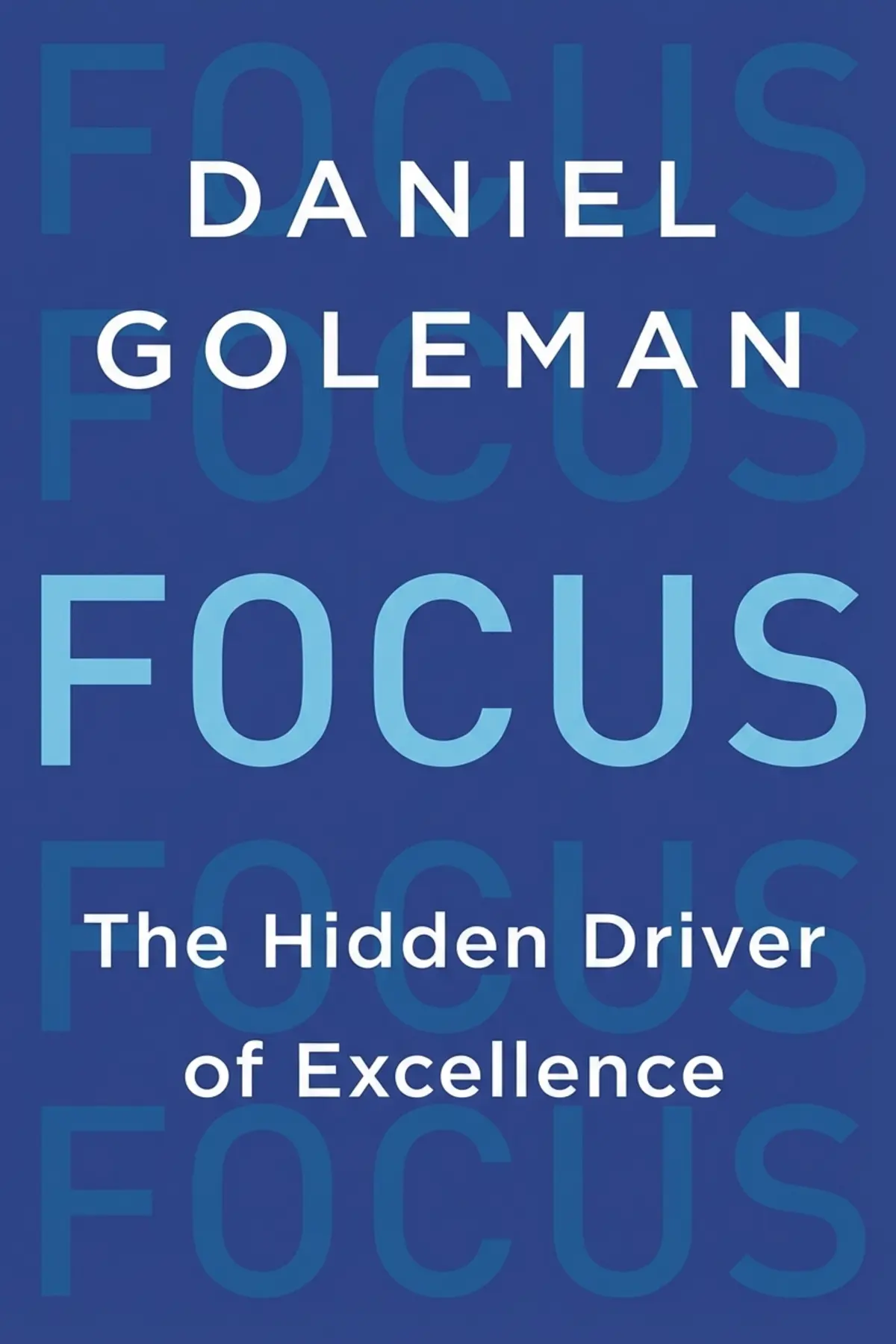
Daniel Goleman
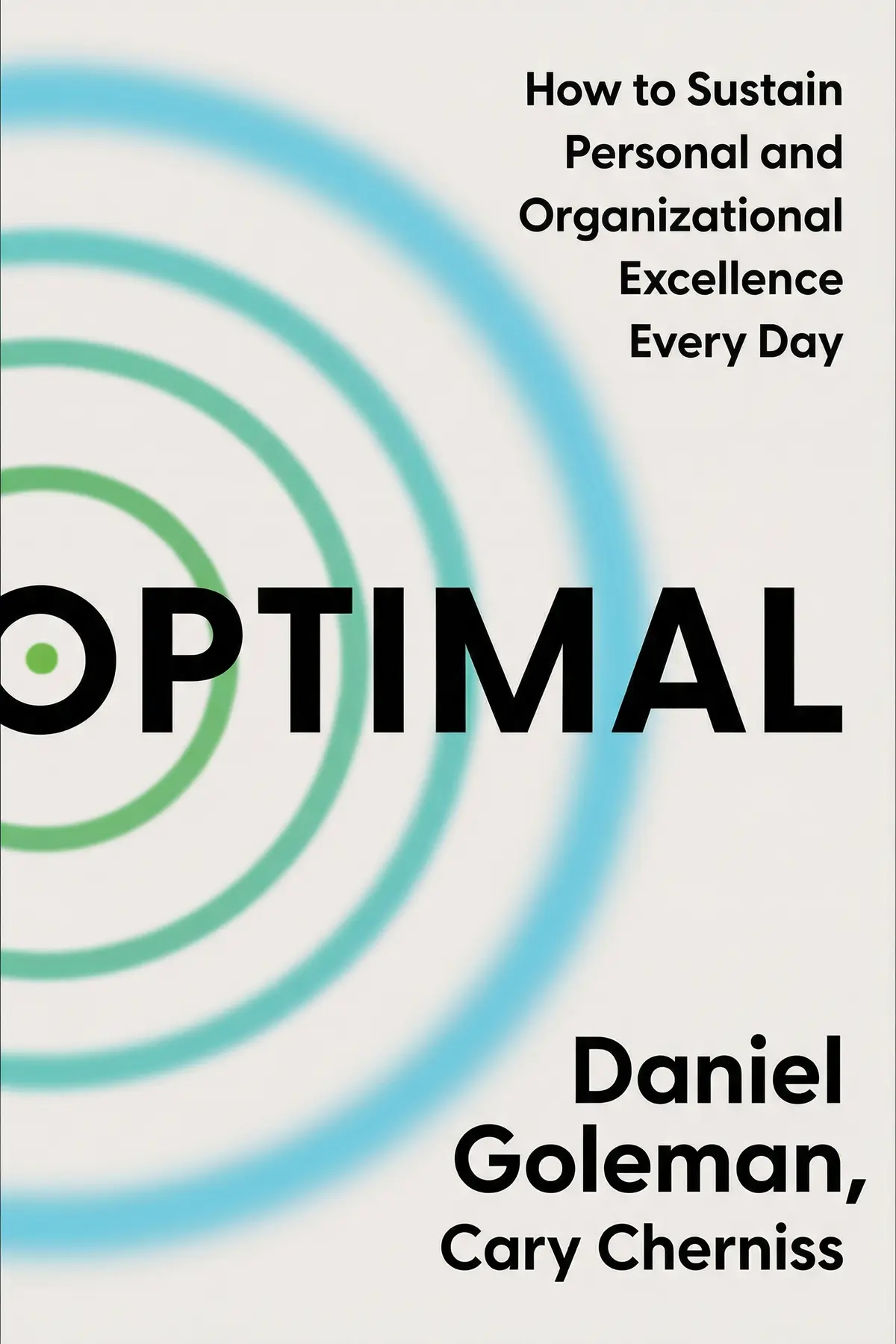
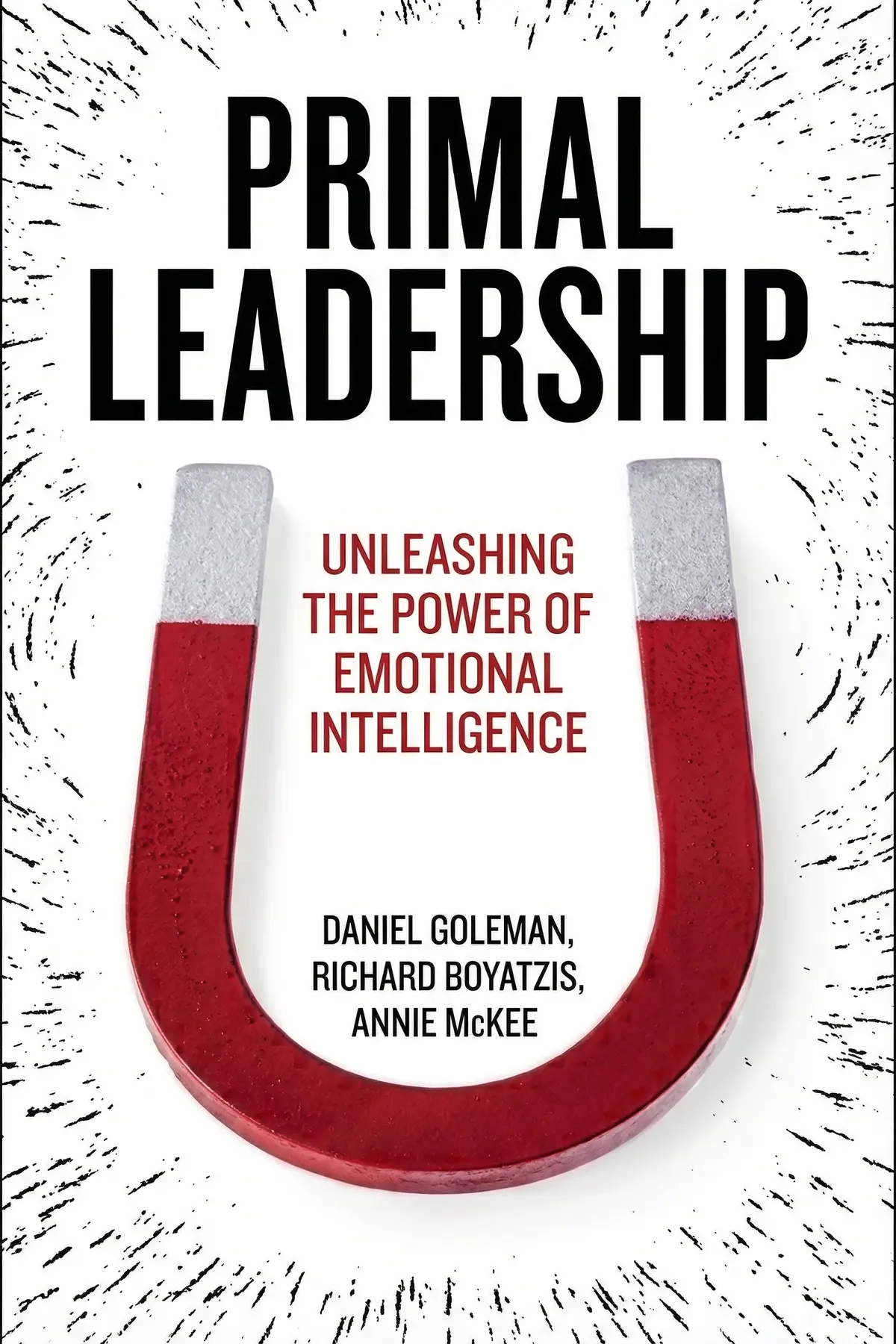
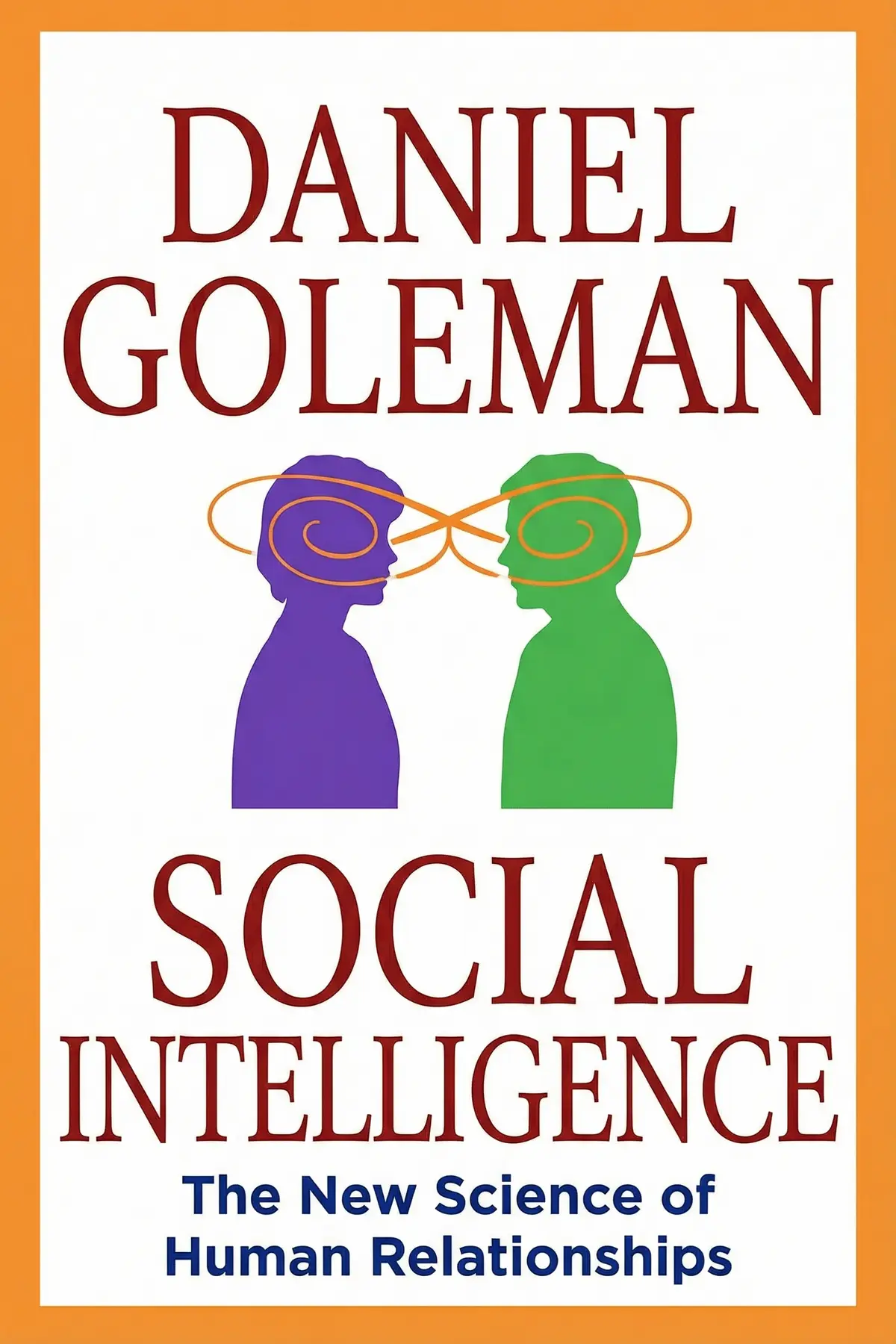
Daniel Goleman
Listeners consider this work essential reading for professionals, highlighting its perceptive material and unique perspective on emotional intelligence. The text offers an enhanced grasp of how the brain operates, assisting listeners in making sound life choices, while one listener points out the way social engagement influences emotional processing. Although many regard it as fairly engaging and accessible, others describe the content as dull and overly specialized.
Ever wonder why brilliant people make such catastrophic life choices? Goleman’s exploration of the 'emotional brain' finally provided the answers I've been seeking about human behavior. This isn't just a self-help book; it’s a deep dive into the evolutionary biology of our limbic system and how it interacts with the modern world. Truth is, I was particularly struck by the discussion on how social interactions literally reshape our neural pathways. Understanding that my 'emotional literacy' is just as important as my technical skills has completely changed how I approach my career and my marriage. The text can be a bit technical in the middle chapters, but the insights regarding brain function are worth the effort. It’s an essential read for anyone who wants to understand the mechanics of their own mind. This is foundational stuff.
Show moreAs someone who works in education, I believe this should be mandatory reading for every teacher and parent on the planet. Goleman highlights the 'window of opportunity' we have during childhood to shape a child’s emotional trajectory. The biology is fascinating—explaining how the amygdala acts as an early-warning system—but the social implications are what really hit home. We spend so much time on academic testing, yet we ignore the 'emotional literacy' that actually determines a child's success in life. Personally, I was moved by the attributes listed for school readiness, like curiosity and self-control. It’s a beautiful, visionary book that challenges us to be better humans. Even if some parts are dense, the core message is too important to ignore.
Show moreWow. This is one of those rare books that actually changes the way you see every single person you interact with. Not gonna lie, I used to think of emotions as a weakness or a distraction from 'real' work, but Goleman proves they are the very engine of our success. The way he breaks down the evolution of the neocortex versus the limbic system makes so much sense of our internal conflicts. I’ve started applying the 'self-awareness' techniques at home. The results have been immediate. It’s not just about being 'nice'; it’s about having the mental discipline to manage your own impulses. It’s a dense read, sure, but the depth of understanding it provides is unparalleled. If you want to master yourself, start here.
Show moreLook, this is the 'OG' book on EQ for a reason. Goleman didn't just write a book; he started a movement that redefined how we approach leadership, parenting, and mental health. I loved the deep dive into brain evolution—understanding that we have a 'layer cake' brain where the older emotional parts can still override the newer thinking parts. It explains so much about the 'senselessness' we see in the news every day. While some readers find the technical details boring, I found them grounding; they give the advice more weight than just empty platitudes. It’s a masterclass in human psychology that provides a roadmap for a more civil society. Truly a must-read for anyone serious about personal growth.
Show morePicked this up on a recommendation from a management seminar, and it’s easy to see why it's considered a classic. Goleman makes a compelling case that our traditional obsession with IQ is misplaced, especially in professional environments. The way he describes 'flooding'—where anger or stress shuts down our ability to think rationally—was a huge 'aha' moment for me. I’ve started noticing those physical triggers in my own body during tense meetings. My only gripe is that it’s quite a heavy read; you can’t just breeze through it in a weekend. Some of the data feels a bit recycled by now since so many other authors have built upon this work, but the original source is still powerful. It’s a solid 4-star read that offers a much-needed corrective to our purely rational view of decision-making.
Show moreFinally got around to this after years of it sitting on my shelf. I’ll be honest: it’s a bit of a mixed bag, though ultimately very rewarding. On one hand, the scientific explanations of how the brain processes fear and rage are absolutely top-tier and provide a great foundation for self-awareness. On the other hand, the prose is definitely more 'textbook' than 'page-turner.' I loved the anecdote about the elderly man on the Japanese train who de-escalated a drunk passenger through simple kindness; it perfectly illustrates the power of empathy over force. Goleman is clearly an expert, but he doesn't always make the information easy to digest for the layperson. Still, the chapters on application in marriage and the workplace are quite insightful. If you have the patience for a more academic tone, you’ll gain a lot of wisdom here.
Show moreThe chapter on 'Amygdala Hijacking' alone is worth the price of the book. Gotta say, most people have no idea why they lose their heads in an argument, and Goleman explains the physiological 'short-circuit' perfectly. It’s quite enlightening to see how our evolutionary history (fighting woolly mammoths) clashes with our modern stressors like email and traffic. While the book is a bit long-winded and repeats its main points more than necessary, the foundational concepts are life-changing. I find myself thinking about 'flow' and 'self-regulation' almost every day now. It's not a quick fix, but it's a profound lens through which to view your life. Just be prepared for a lot of talk about neurotransmitters and brain scans. It’s definitely more 'hard science' than your typical airport self-help book.
Show moreAfter hearing so much praise, I was left feeling a bit underwhelmed by the actual reading experience, though the content is undeniable. In my experience, Goleman’s research is impeccable, and he changed the way we think about intelligence. However, the book suffers from being a product of its time. The writing is quite dense, and the tone feels slightly clinical and detached. I found the sections on 'socially incompetent' individuals to be a bit judgmental, lacking the very empathy the author promotes. Also, for a book about emotions, it doesn't really stir many—it’s very much a head-heavy exploration of the heart. It’s a landmark book, yes, but I think newer authors have taken these same concepts and made them far more accessible for a modern audience.
Show moreThis book is definitely a seminal work, but I found it frustratingly descriptive rather than prescriptive. Goleman does a brilliant job explaining the 'what' and the 'why' of our emotional responses, but the 'how-to' for daily life is surprisingly thin. I kept waiting for concrete exercises or a step-by-step framework to improve my own EQ, but instead, I got page after page of psychological studies and medical evidence. It’s dense, pushing through it felt like a chore at times, almost like reading a textbook for a class I didn't sign up for. While the concept of the amygdala hijacking the neocortex is fascinating, the message gets repetitive over a long read. To be fair, it’s groundbreaking for its time, but if you’re looking for a practical workbook, this isn't it. It’s more of a scientific defense for why we shouldn't just value raw IQ.
Show moreNot what I expected based on the hype. Frankly, this felt like hacking through a jungle of academic jargon with a very dull machete. While I appreciate the importance of the topic, Goleman’s writing style is incredibly dry and, at times, feels condescending toward those who don't 'fit in' socially. There’s a specific section on 'socially incompetent' children that felt unnecessarily harsh and lacked empathy. The book is heavily rooted in that 90s 'nature over nurture' mindset which feels a bit dated compared to modern neuroplasticity research. I struggled to finish it because the central thesis—that emotions matter—could have been explained in fifty pages instead of several hundred. It’s far too technical for a casual reader and lacks the practical application needed to make the information useful in a real-world setting.
Show moreGoleman argues that emotions are essential guides that help us learn from experience, read others and act quickly, but that they can also cloud judgment. Emotional intelligence is the set of skills for recognizing and managing feelings, both your own and other people’s. It depends on the link between the feeling brain and the thinking brain, and Goleman presents it as at least as important as IQ for success and health.
Yes, according to Goleman, and unlike IQ it can grow throughout life. He suggests inner dialogue to name a feeling, find its cause and consider a gentler explanation. To build empathy, he suggests mirroring another person’s posture, since body language can create feelings as well as express them. For motivation, he advises explaining failures by causes you can change rather than by a permanent personal flaw.
Goleman describes a Stanford University study he calls the Marshmallow Challenge, in which four-year-olds were tested on whether they could resist eating a treat. Years later, the children who had controlled their impulses did better both academically and socially throughout their youth. Goleman uses it as evidence that impulse control, a core part of emotional intelligence, predicts success alongside IQ.
Goleman recommends that adults invite kids to speak openly about how they feel, and offer them vocabulary to name their emotions when they have trouble doing so. When children succeed, praise their effort and self-control so they learn that their own actions shape their lives. He cites a study finding that children of emotionally intelligent parents manage their emotions better, show less stress and are better liked by their peers.
During a heated dispute, Goleman advises taking a break, because strong emotion distorts thinking. Some marriage counselors suggest watching your pulse: a rate more than 10 beats a minute above your usual level means it is time to pause. When criticizing someone, pick one specific incident, say what should change and what went well, so the person understands without feeling devalued.



Steven C. Hayes



Deborah Gruenfeld




Anthony Pratkanis
AUDIO SUMMARY AVAILABLE
Get the key ideas from Emotional Intelligence by Daniel Goleman, plus 5,000+ more nonfiction titles.