

15 min 17 sec
Available in: English
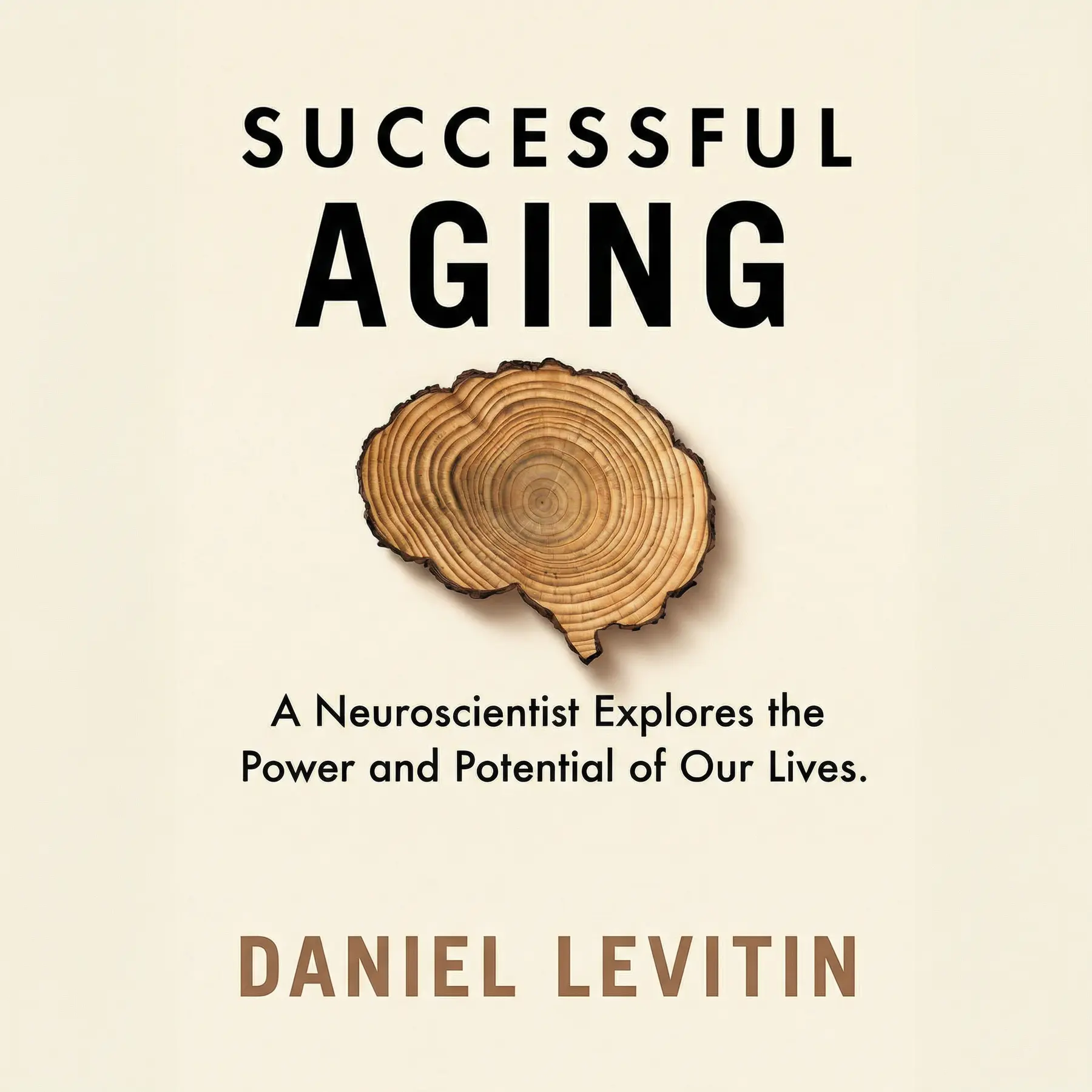
Successful Aging: A Neuroscientist Explores the Power and Potential of Our Lives.
Shows what the aging brain gains as well as loses, and which everyday habits, from curiosity and friendship to wandering walks and regular sleep, add healthy years to later life.
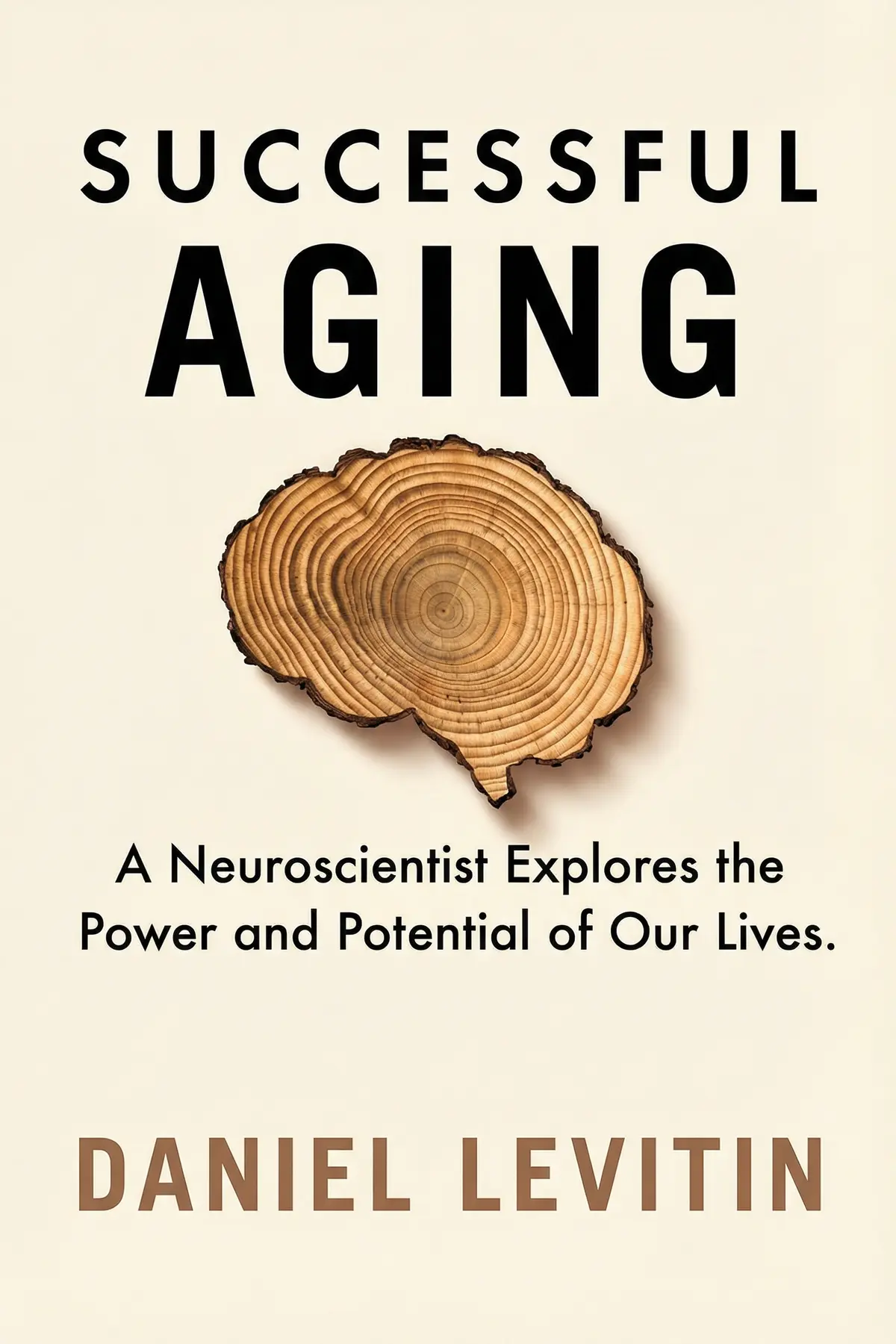
Table of Content
1. Introduction
56 sec
Most people picture old age as a slow slide: slower recall, lost keys, fewer things you can still do. In Successful Aging, neuroscientist and musician Daniel Levitin argues that this picture leaves out half the story, because the aging brain also gets better at staying calm, solving practical problems and filling in missing information. Much of how we age, he says, is shaped by habits we control.
His case is that later life can be a time to flourish, and that a short list of everyday choices about curiosity, people, food, movement and sleep tips the balance. The evidence runs from rats licked by their mothers to a painter who began at 75 and a walk that made people more creative. What you gain is a fairer view of the strengths age brings, and a handful of mostly free habits that lengthen the years you spend in good health.
2. Count the strengths your brain gains with age
1 min 41 sec
Slower recall and misplaced keys are real, but they are only one column of the ledger. Some mental abilities peak after 50, and one of them shows up every time you glance at a road sign.
3. Stop blaming every memory lapse on age
1 min 42 sec
The same forgotten name means something different at 25 and at 70, at least in our heads. Levitin explains why that story is misleading, and why late starters keep proving the calendar wrong.
4. Personality stays open to change into your eighties
2 min 14 sec
Early care and personality both leave fingerprints on health decades later, which sounds like a life sentence. Research spanning three continents suggests the sentence can be revised far later than Freud believed.
5. Stay curious and social to protect your health
2 min 00 sec
Two people enter the same nursing home on the same day, one ashamed of his cane, one signing up for everything. Their choices predict far more than how pleasant their days will be.
6. Eat with common sense instead of chasing fads
1 min 52 sec
Every office has someone swearing by a miracle diet, and sometimes it really did work for them. A Stanford scientist explains why that proves almost nothing, and what the steady evidence favors instead.
7. Take the unfamiliar path on your daily walk
1 min 48 sec
A stroll around the block can feel too modest to bother with once the races and matches are over. One study involving chopsticks suggests that where you walk changes what your mind can do.
8. Treat seven hours of sleep as real work
1 min 50 sec
Older people are often told they simply need less sleep. Levitin says the truth is harder and more fixable, and the Dalai Lama’s own answer about his health points the same direction.
9. Conclusion
1 min 14 sec
Levitin’s book adds up to a hopeful bargain. The brain loses some speed with age, yet it gains calm, judgment and practical sense, and it never stops being able to change. So the later decades are not a verdict handed down by genes or childhood. They respond to how we live, and the responses Levitin points to are ordinary ones.
The people who fare worst, in his account, withdraw, feel useless and stop trying new things, like Luca hiding with his cane. Those who fare best keep moving, keep meeting people and keep learning, while eating sensibly and sleeping enough, like Fatima with her book club.
Many of the oldest successful people say the key is to stay engaged and resist slowing down. Levitin turns that into a clear suggestion: find a way to hand on what you know. Volunteer, join a club or mentor someone younger, and curiosity, company and purpose arrive in a single habit. Add a walk off your usual path and a bedtime you keep, and the plan is already under way.
Old age will bring obstacles. It can also be the stretch of life when you have the most to give.
About this book
What is this book about?
Most people expect old age to mean forgetfulness, frailty and a shrinking life. Neuroscientist Daniel Levitin agrees that some decline is real, but he argues that the usual picture leaves out half the story. The aging brain becomes calmer, better at practical problem solving and better at filling in missing information, and many of the fears about memory loss rest on myths. Levitin then asks what actually shapes how we age. Childhood care leaves a lasting mark on the stress and immune systems, and personality strongly predicts health. Yet thanks to neuroplasticity, personality can still change in our eighties. His COACH principle names five areas to work on: curiosity, openness, associations, conscientiousness and healthy practices. Readers get a fairer view of later life and a short set of practical habits drawn from research: sensible eating instead of fad diets, walking in new places, protecting seven hours of sleep and staying engaged with other people by passing on what they know.
Book Information
Who it's for
Midlife adults fearing decline
Adults in midlife who fear decline and want a realistic, research-based view of aging.
Retirees wanting healthy habits
Retirees looking for simple habits in movement, food, sleep and social life that protect health.
Caring for aging parents
People caring for aging parents who want to understand what the older brain gains and needs.
About the Author
Daniel Levitin
Daniel Levitin is a cognitive psychologist, neuroscientist, writer and musician. He is a professor emeritus at McGill University in Montreal and was a founding dean at Minerva University in California. Before turning to neuroscience he worked as a session player, sound engineer and record producer, contributing to records involving Stevie Wonder, Steely Dan and Joni Mitchell. His research has covered absolute pitch and music cognition, and his book This Is Your Brain on Music has sold more than 1.5 million copies.
Ratings & Reviews
Ratings at a glance
What people think
Listeners describe the writing as accessible and high-quality, noting the inclusion of useful tips throughout. Furthermore, many value the emphasis on cognitive wellness and living longer, with one listener highlighting how physical activity can boost both memory and creative thinking. The text also earns praise for its sophisticated perspective on the aging process. Conversely, opinions are divided regarding the scientific elements; while some listeners consider the material thoroughly documented, others question its scientific basis. Reactions to the overall value for the price are also mixed.
Top reviews
Num
This book completely flipped my perspective on what it means to grow old in our modern, youth-obsessed society. Levitin argues convincingly that we shouldn't just discard older adults, especially since the happiest age for most people is actually eighty-two! I loved the emphasis on how slow walking and simple social interactions can actually physically reshape the cognitive processes in our brains. While the science-based content is heavy at times, it feels grounded in real research rather than the usual gimmicky brain games you see advertised everywhere. It’s a long journey through the pages, but the holistic view of health span versus life span is incredibly empowering and life-affirming.
Show moreNaomi
As someone who prefers audiobooks, I was pleasantly surprised to hear Daniel Levitin narrate this himself with such clarity and warmth. He manages to make complex concepts like neurochemical changes and DNA repair functions feel accessible to a layperson. I particularly enjoyed the discussion on how staying curious and avoiding retirement can ward off the despair that often accompanies aging. The advice follows the Michael Pollan school of thought—eat real food, move your body, and stay connected with your community. It’s rare to find a science book that feels this life-affirming and optimistic about the later years. Definitely worth the credit if you’re looking for a deep dive into brain longevity.
Show morePrinya
After hearing Daniel Levitin on a podcast, I knew I needed the full story on how to keep my mind sharp. This isn't your typical health book; it’s a comprehensive deep dive into how our brains develop from birth through our final decades. I loved the connection he made between varied physical exercise and the spark of creativity in the aging mind. The book challenges the stereotype of the 'babbling old fool' and presents a much more dignified vision of late-life productivity. Even though it's a big commitment to finish, the evidence-based approach gave me a lot of confidence in the lifestyle changes I’m making. It’s a masterclass in aging well.
Show moreMoo
Personally, I found the advice in this book to be incredibly well-researched, even if the author's privileged background occasionally seeps through the prose. He suggests staying active by continuing to work, which is great if you’re a famous musician, but less practical for someone in a labor-intensive job. That said, the science regarding social interaction and its impact on the immune system is too important to ignore. I appreciated the nuanced take on 'brain training' games, which are mostly a waste of money according to the data. It’s an intelligent, comprehensive guide that values real science over trendy fads. Just be prepared for a very long read.
Show moreArt
Pick this up if you're tired of gimmicky 'brain game' apps and want the actual neuroscientific truth about longevity. Levitin explains that our genes only account for about 7% of how long we live, putting the power back in our hands. The book covers everything from the importance of childhood attachment to the specific ways sleep helps clear toxins from our brains. I found the case studies particularly moving, showing that decline is not an inevitable part of getting older. It’s an inspiring read that encourages you to keep learning and contributing to the world regardless of your age. Highly recommended for anyone who wants to age with purpose and vitality.
Show moreHom
Finally got around to reading Levitin's latest, and it’s a refreshingly intelligent approach to a topic usually filled with snake oil. Instead of promising a magic elixir, the author breaks down the intersection of personality psychology and developmental neuroscience. I found the section on 'conscientiousness' being the top predictor of successful aging to be absolutely fascinating. The book is definitely long, and some of the advice about high-tech fridges feels a bit out of touch for the average person. However, the core message about staying social and physically active in natural environments is solid. It’s a dense read that demands your full attention, but the payoff for your brain health is worth the effort.
Show moreBank
The chapter on personality traits was a total eye-opener for me and my husband. We always focus on diet, but Levitin highlights how our inherent traits—like being organized and curious—actually influence our physical health over decades. To be fair, some of the scientific descriptions of eye anatomy and ear function felt like padding, but the section on sleep was crucial. It’s a relief to read a book that admits we don't have all the answers yet regarding Alzheimer's. While the book is quite thick, the conversational tone keeps it from feeling like a dry textbook. It’s a solid resource for anyone wanting to take a proactive approach to their senior years.
Show moreNatnicha
Ever wonder why we're so obsessed with the 'fountain of youth' while ignoring the actual science of longevity? This book attempts to answer that, though it gets frequently bogged down in detailed descriptions of decapitated worms and hormonal pathways. Frankly, the middle section on the choices we make regarding sleep and diet was the only part that felt truly applicable to my life. I appreciated the myth-busting regarding Omega-3 supplements and the 'Blue Zones' research, which was quite eye-opening. Still, the tone can be a bit 'boomer-centric,' assuming we all have the resources to keep working as famous neuroscientists forever. It’s informative, but definitely keep your highlighter ready to find the practical bits.
Show morePakinee
I really wanted to like this, but it felt like wading through a swamp of irrelevant tangents and overly technical neuro-jargon. Why am I reading about the author learning to drive a manual transmission in San Francisco when I’m here for advice on cognitive decline? To be fair, there are some gold nuggets hidden in Part Two about exercise and environment, but the signal-to-noise ratio is just too low. Honestly, you could probably skip the first 400 pages and just hit the appendix for the actual 'how-to' tips. It’s a bit frustrating because Levitin is clearly brilliant, but the book needs a much more aggressive editor. If you aren't a fan of academic rabbit holes, this might be a slog for you.
Show moreTaw
Look, I’m going to save you about ten hours of your life: just read the appendix on page 401. This book is a classic example of a 150-page idea stretched into a 500-page repetitive marathon. I was looking for actionable health advice, but instead, I got a memoir about the author’s life mixed with dense medical lingo. It feels like it was written for a very specific, wealthy demographic that can afford a cocktail of expensive drugs and high-tech gadgets. If you want a witty and concise take on this stage of life, go find Barbara Ehrenreich’s 'Natural Causes' instead. This was just a frustrating, technical mess that failed to deliver on its promising title.
Show moreQuestions about this book
What is the main idea of Successful Aging by Daniel Levitin?
Levitin argues that aging is not only decline. The older brain grows calmer and scores higher on practical intelligence and perceptual completion, and many memory fears rest on myths. Because the brain stays plastic for life, habits such as curiosity, social contact, sensible eating, walking and good sleep strongly shape how many healthy years we enjoy.
What is the COACH principle in Successful Aging?
COACH is Levitin’s name for five traits and habits linked to healthy aging: curiosity, openness, associations (social connection), conscientiousness and healthy practices. He illustrates it with Fatima, who joins classes and a book club in her nursing home, and Luca, who withdraws out of shame. Studies tie Fatima’s profile to lower risk of heart disease, Alzheimer’s and diabetes.
Do older people need less sleep according to Levitin?
No. Levitin says older people need as much sleep but find it harder to get, because signals from the brain’s master clock, the suprachiasmatic nucleus, weaken with age. He points to research finding that at least seven hours of sleep is needed by 99 percent of people. His advice: no screens two hours before bed, a fully dark room and fixed sleep and wake times.
What kind of exercise does Successful Aging recommend?
Levitin reports that physical exercise, even in small doses, has the biggest impact of all healthy practices, and that walking, especially outdoors in new places, is most beneficial. In one study, older people who wandered off a set path came up with far more uses for chopsticks than those who stayed on it.
How can I apply Successful Aging in daily life?
Start small. Join one class or group you would usually skip, vary your walking route, keep a fixed bedtime and judge diets by common sense rather than hype. Levitin also suggests passing on your skills by volunteering, joining a club or mentoring a younger person, which keeps you engaged with people and learning.
Featured in
Readers also enjoyed


A Liberated Mind: How to Pivot Toward What Matters
Steven C. Hayes


Acting with Power: Why We Are More Powerful Than We Believe
Deborah Gruenfeld


Age of Propaganda: The Everyday Use and Abuse of Persuasion
Anthony Pratkanis




59 Seconds: Change Your Life in Under a Minute
Richard Wiseman
AUDIO SUMMARY AVAILABLE
Listen to Successful Aging in 15 minutes
Get the key ideas from Successful Aging by Daniel Levitin, plus 5,000+ more nonfiction titles.
- 5,000+ titles
- Listen as much as you want
- 7-day free trial
- Cancel anytime









