
14 min 12 sec
Available in: English
 ไทย
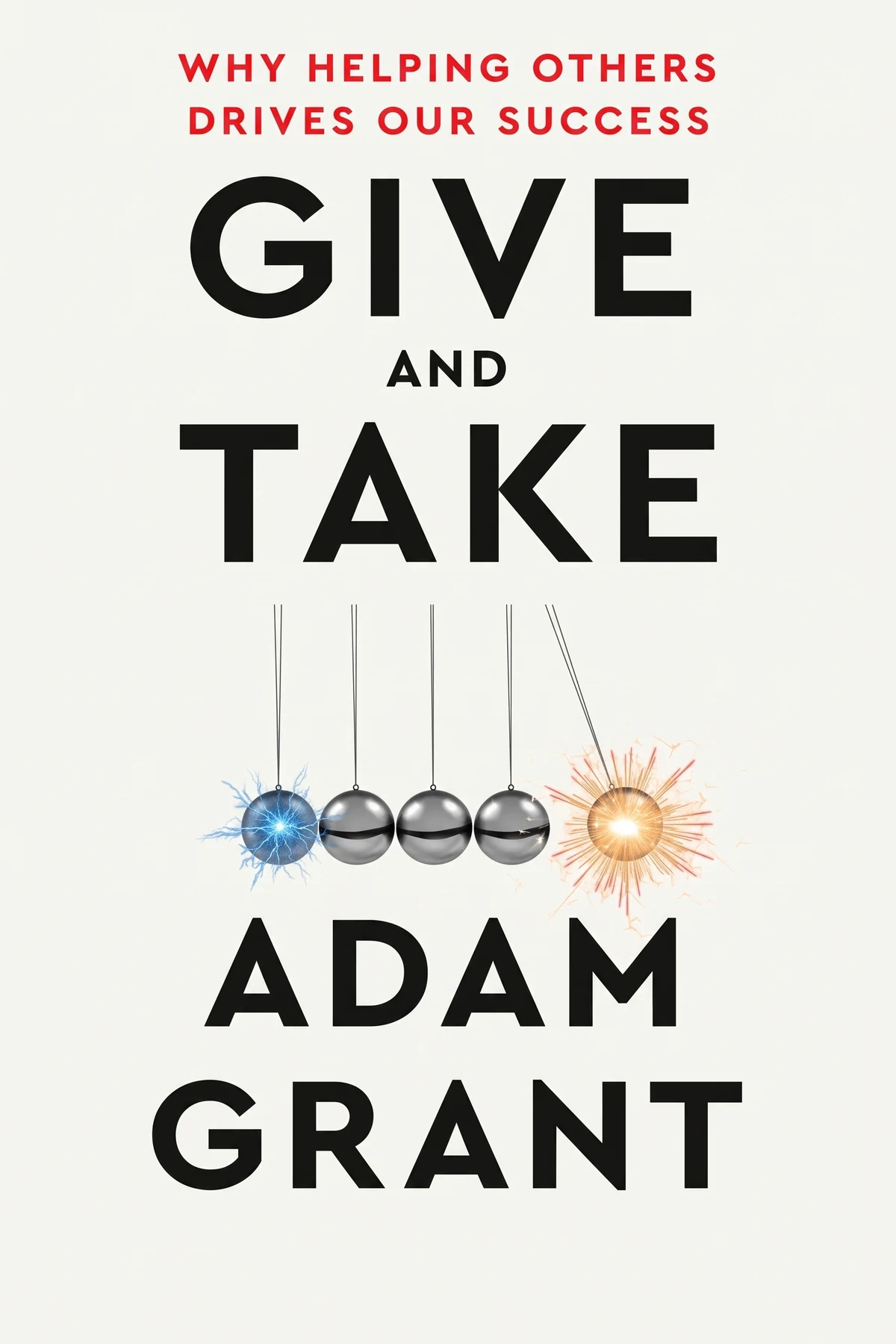
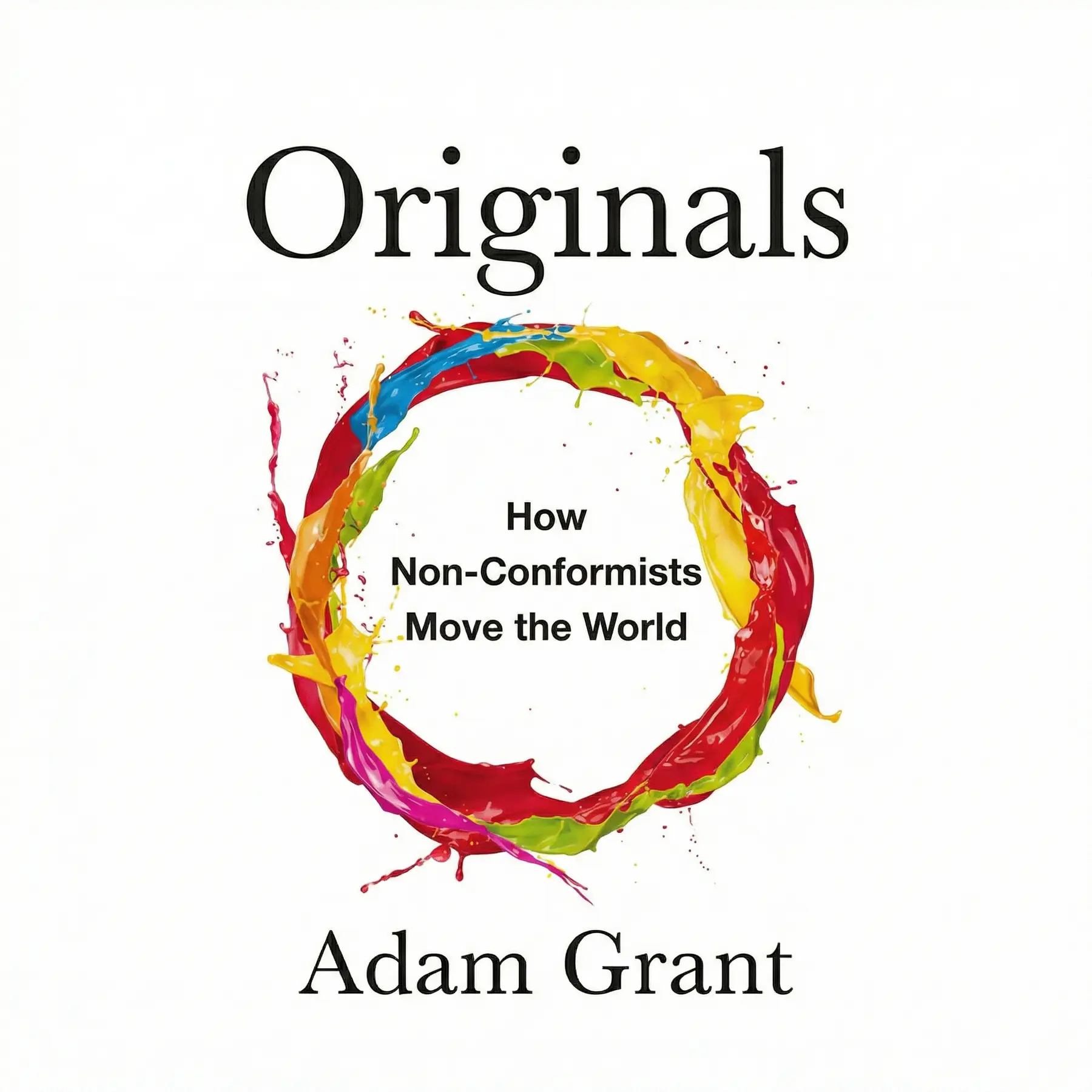
EnglishไทยOriginals: How Non-Conformists Move the World
By Adam Grant
Shows how ordinary people turn new ideas into real change. They generate many options, give them time and invite dissent, then pitch with candor and familiar framing so colleagues and backers say yes.
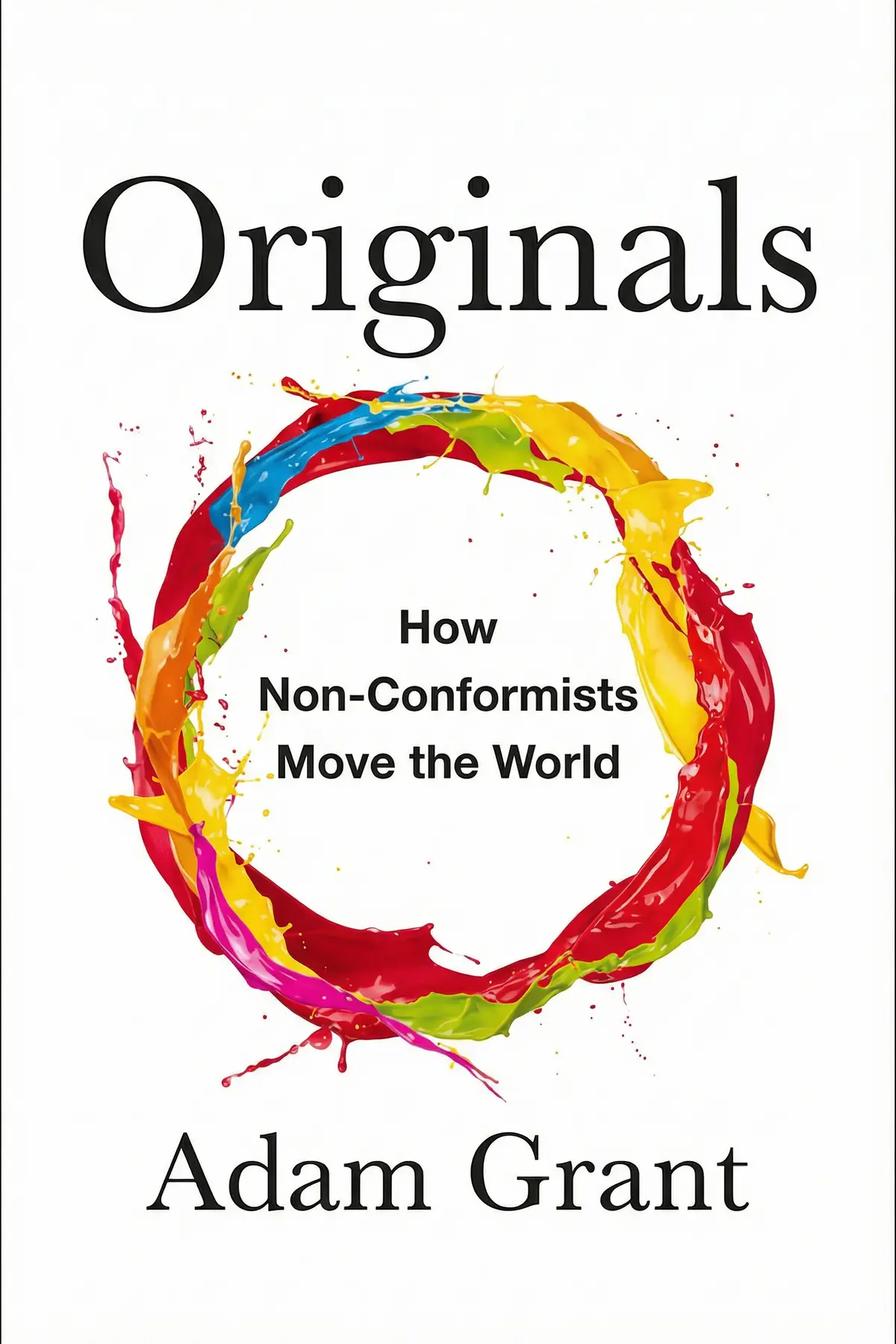
Table of Content
1. Introduction
1 min 01 sec
Most people at work carry an idea that could make things better, and most never push it far enough to matter. In Originals, Wharton organizational psychologist Adam Grant argues that the people who do push are not necessarily the ones with better ideas. Research he draws on shows that highly creative people simply produce more ideas, and that volume is what turns up the rare great one.
Grant’s original is someone who imagines something new and also takes the initiative to make it real. His case is that anyone can learn to do this. Originals generate widely, give their ideas time to ripen, invite people to attack them, and then present them in ways that lower resistance. Along the way come a hiring experiment rescued by a contrarian, a pitch that won millions by listing its own flaws, and a famous speech still unwritten the night before. Each becomes a move to try with your next proposal.
2. Turn small initiative into a longer career
1 min 38 sec
A study of customer service staff found that one small technical choice predicted who stayed in the job longer. The choice itself was trivial, but the habit behind it separates people who solve problems from those who burn out.
3. Produce more ideas to find your best few
1 min 45 sec
Picasso made far more work than anyone remembers, and Beethoven often misjudged which of his own pieces were good. Their records point to a simple rule for finding a great idea, and it has little to do with talent.
4. Let unfinished work make your ideas better
1 min 46 sec
One of the most famous lines in modern history was never written down in advance, and the Mona Lisa took sixteen years. Both suggest that putting work off can sometimes make it better, under one condition.
5. Build better ideas with people who disagree
1 min 42 sec
In a hiring experiment, groups kept drifting away from the best candidate. Adding one unpopular opinion changed the outcome dramatically, and a navy team built that same effect into its daily work.
6. Win backers by naming your idea's flaws
1 min 42 sec
Employees who speak up often can lose out on promotions. A pair of founders found an odd way around the risk, and it involved telling investors exactly what was wrong with their business.
7. Make a strange idea feel familiar
1 min 46 sec
People dislike their own faces in photographs for the same reason decision makers reject bold proposals. A dark story about lions nearly stalled at Disney until someone found the right comparison.
8. Win allies by shrinking how radical you sound
1 min 38 sec
Your toughest critics may be the people who share your goals. An inventor whose idea experts called impossible found backers by changing one thing: how she described what she was building.
9. Conclusion
1 min 14 sec
Grant’s originals turn out to be ordinary people who refuse a few defaults and then work on two separate problems: making an idea good and making it acceptable. The first yields to volume, time and critics. Picasso’s thousands of drawings, Leonardo’s sixteen years and Kohlmann’s rule-breaking officers all serve it. The second yields to candor, familiarity and modest framing, the way Babble’s founders listed their own flaws and The Lion King borrowed from Shakespeare.
The second problem is easy to underestimate. The study of employees who spoke up shows that people who shared suggestions and worries with their bosses more frequently had lower odds of getting a raise or a promotion across two years.
So the next time an idea matters to you, give it more company and more time before you show it: write out many versions, and leave the draft open for a while. Hand it to the most contrary person you know and let them attack it. When you finally pitch, open with its weak spots and tie it to something your audience already trusts.
Think back to those customer service workers with the unusual browser. They noticed there was a choice, and they made it.
About this book
What is this book about?
Most people have ideas that could improve their work, yet few act on them, and speaking up can carry real costs. A large study found that employees who raised ideas and concerns with their bosses more often were less likely to win raises and promotions over two years. Adam Grant, an organizational psychologist at Wharton, sets out to show how originals get past that. His argument has two halves. The first is about making ideas good. That means producing many of them, as Picasso and Beethoven did, and using strategic delay the way Martin Luther King Jr. and Leonardo da Vinci did. It also means inviting people who disagree, so the group stops drifting toward easy consensus. The second half is about making ideas acceptable: admitting a project's flaws up front, repeating an idea until it feels familiar, tying it to something people already know, and presenting a radical plan in a less threatening form. Readers get concrete moves for their next proposal, pitch or team decision. Each comes with a story from the book, from a Disney film rescued by Shakespeare to an inventor who reframed her plan to win funding.
Book Information
Who it's for
Professionals with ignored ideas
Professionals whose suggestions keep getting ignored or turned down by managers.
Founders preparing investor pitches
Founders preparing to pitch an unusual product to skeptical investors.
Hoping for real disagreement
Team leads who want honest dissent in meetings instead of quick, comfortable agreement.
About the Author
Adam Grant
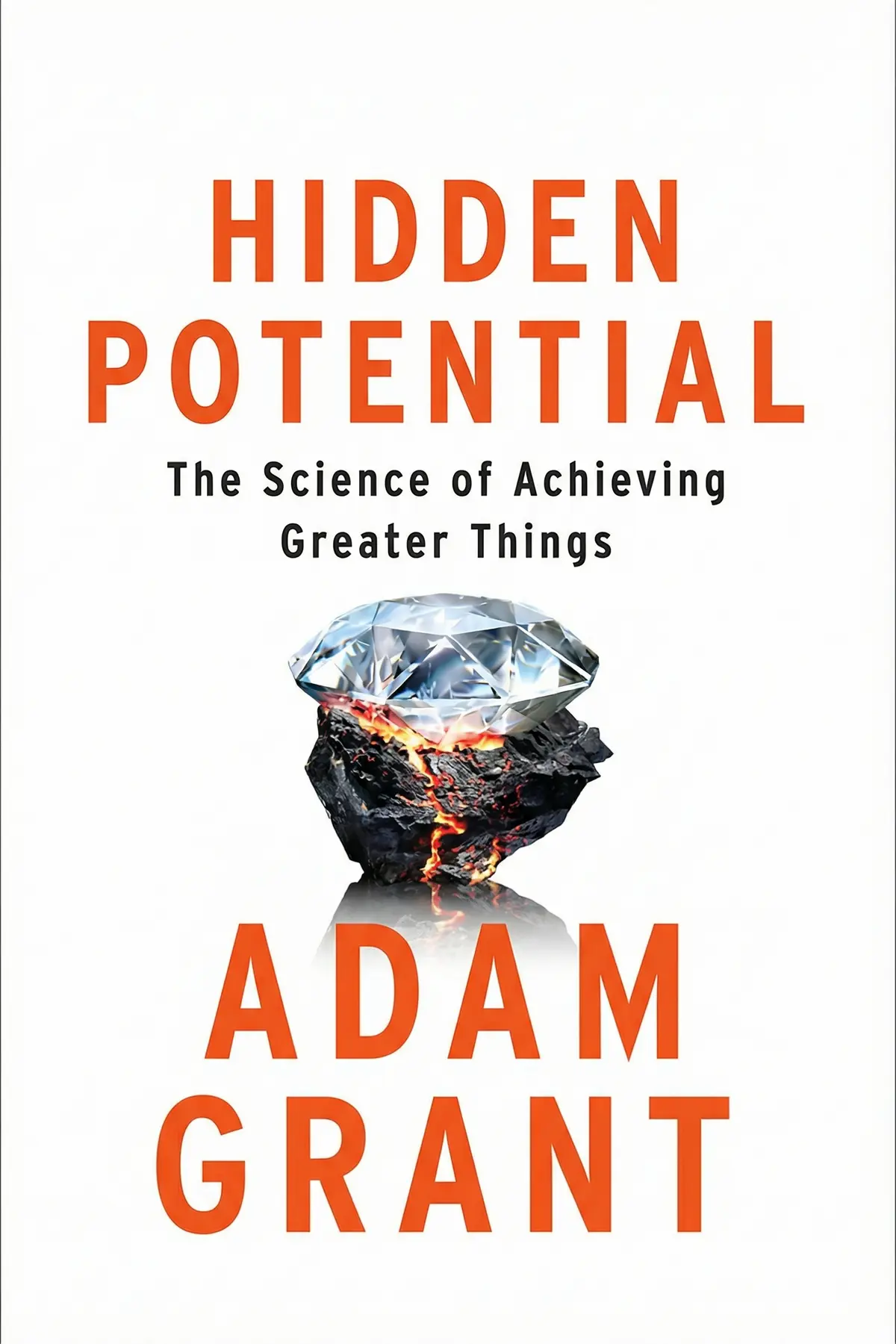
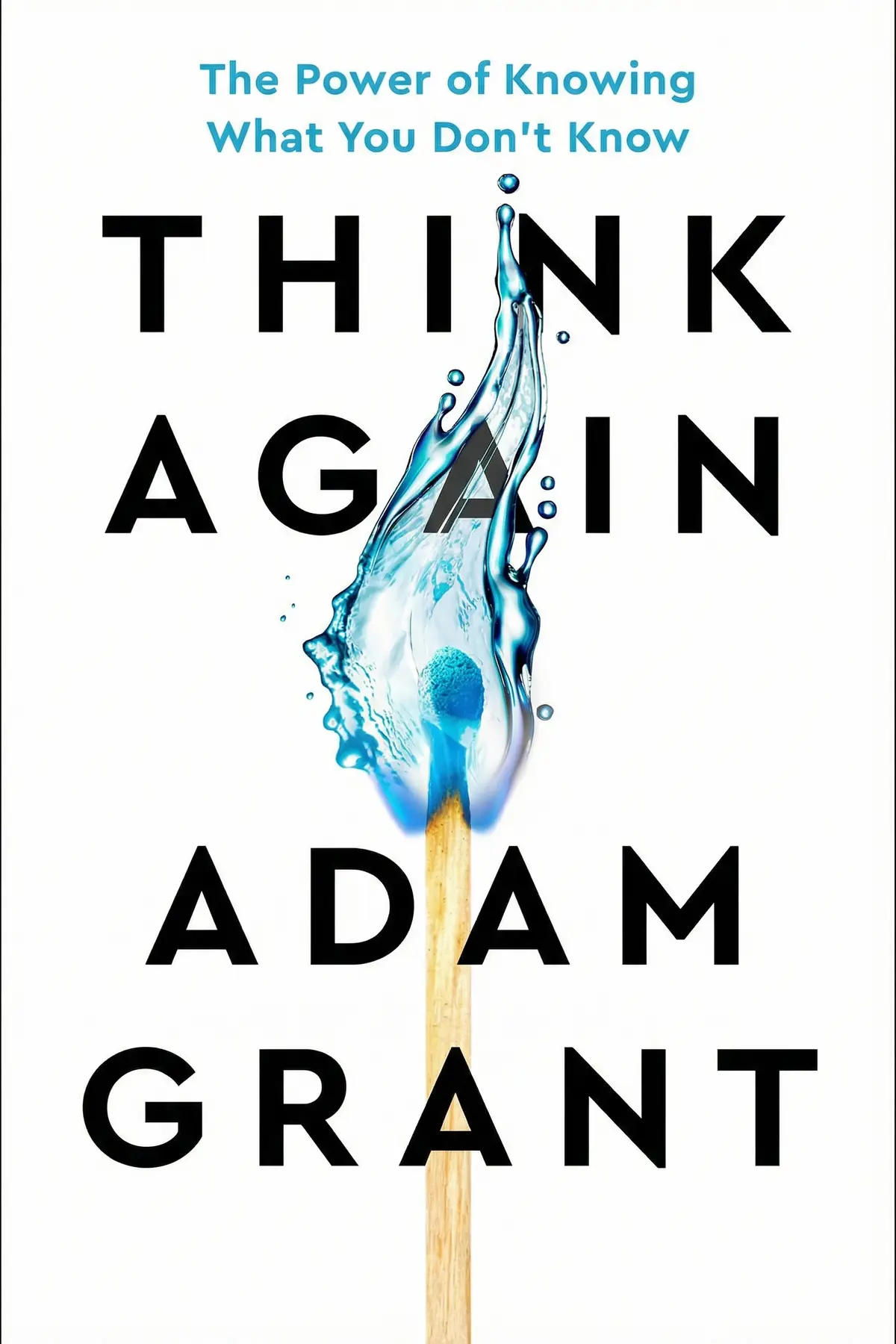
Adam Grant teaches at the University of Pennsylvania's Wharton School, where he works as an organizational psychologist. His research covers motivation, generosity, creativity and potential. He is a number one New York Times bestselling author whose books include Give and Take, Originals and Think Again, and he hosts the WorkLife podcast. He earned his BA at Harvard and his PhD at the University of Michigan. He has also been a magician and a junior Olympic springboard diver.

Ratings & Reviews
Ratings at a glance
What people think
Listeners find this title to be essential reading that offers superb insights and impressive research, resulting in an engaging social-science narrative. The book also delivers strong leadership concepts and actionable advice, complemented by a wealth of motivational stories. Furthermore, listeners value the emphasis on innovation, with one review highlighting its ability to boost both creativity and decision-making skills.
Top reviews
Pakinee
Ever wonder why some people actually change the world while others just talk about it? Grant breaks down the mechanics of non-conformity in a way that feels both rigorous and accessible. Frankly, the most helpful part for me was the section on 'strategic procrastination'—the idea that letting an idea simmer can actually lead to better results than rushing to be a first mover. I’ve always felt guilty about my own delays, but seeing the data on 'settlers' versus 'pioneers' changed my perspective on leadership. The book is packed with inspiring stories, from the Segway's failure to the surprising success of later-born siblings. It’s a must-read for anyone looking to improve their decision-making. My only minor gripe is that the tone can get a bit 'preachy' towards the end, but the practical suggestions for action more than make up for it.
Show moreTun
Picked this up after seeing Grant’s TED talk and it definitely lived up to the hype. What really struck me was how he reframes the concept of the 'genius.' Instead of the lone wolf, he shows how originality is a team sport and depends heavily on how we select and pitch our ideas. The story of Rufus Griscom and his 'anti-pitch' for Babble was a total eye-opener for me. It’s one of those rare books that improves both your creativity and your ability to spot a bad bet before you sink too much time into it. In my experience, most business books are 200 pages of fluff, but this is packed with practical suggestions. Grant makes a compelling case for why we should all be a little more non-conforming.
Show moreLuke
Adam Grant has written a definitive guide for anyone trying to navigate the messy reality of innovation. From the very first chapter, he challenges the dogma of what it takes to succeed. I especially appreciated the deep dive into the organizational blueprints of companies and how they influence long-term survival. The truth is, most of us are afraid to be original because we fear the risk, but Grant proves that the most successful people are those who manage their risks most carefully. It’s a must-read for any manager. The stories are inspiring and the research feels robust enough to back up the big claims. This is easily one of the best books I've read on creativity and decision-making this year.
Show moreThawee
Finally got around to reading this and it’s a total game-changer for my creative process. The way Grant explains how to overcome the 'confirmation bias' when evaluating our own work has already changed how I approach my projects. I loved the practical advice on how to build a 'challenge network' of people who will give you honest, critical feedback. Most books just tell you to 'think outside the box,' but this actually gives you the tools to do it. It’s a powerful social-science read that manages to be both academic and incredibly practical. Every chapter left me with a new suggestion for action. If you’re serious about moving the world with your ideas, start here.
Show morePhichai
As someone who usually avoids the self-help shelf, I found Grant's approach to organizational psychology surprisingly grounded. To be fair, it does follow that familiar social-science formula of an anecdote followed by a study, but the insights into risk portfolios were genuinely fresh. I loved the counterintuitive argument that the most original people aren't reckless gamblers; instead, they are often the most risk-averse, balancing a wild idea with a very stable day job. The writing style is punchy and keeps you engaged throughout. I did find the hand-washing study a bit questionable in its methodology, but the overarching message about how to champion new ideas is solid. It's a fantastic research-heavy read that actually provides powerful leadership ideas you can use on Monday morning.
Show moreHazel
Not what I expected, but in a good way. I thought this would be another 'follow your passion' manifesto, but it’s actually much more cynical about the myths of success. Frankly, the debunking of the 'first-mover advantage' was worth the price of the book alone. Grant shows that being a 'settler'—someone who enters a market later and improves on the pioneer’s mistakes—is often a much safer and more profitable path. The research is presented in an infotainment style that makes it easy to digest, though some of the transitions between chapters felt a bit forced. It’s a great social-science read for anyone in a leadership position. You’ll walk away with a lot of 'why didn't I think of that?' moments.
Show moreSuphan
While it leans heavily on the Gladwell-esque storytelling style, the data Grant provides on birth order and risk portfolios is fascinating. I’ve read a lot of these pop-psych books, and this one stands out because it focuses on the selection of ideas rather than just the generation of them. We all have ideas, but knowing which ones to kill is the real skill. Personally, I found the section on how to speak truth to power without getting fired particularly useful. The book is earnest and the author’s zest for the subject is contagious. It’s not perfect—some of the studies feel a bit thin—but it’s an entertaining read that offers some genuinely powerful leadership ideas.
Show moreBig
This book feels a bit like a greatest hits album of other pop-psychology books you’ve probably already read. Not gonna lie, I was expecting something more 'original' given the title. Grant is a talented writer, and he knows how to weave a narrative, but much of this felt like a mash-up of Gladwell and Pink with a few personal anecdotes thrown in. The chapter on the Segway was interesting, though I felt the analysis of why it failed was a bit surface-level. Truth is, it’s a very US-centric look at entrepreneurship that ignores a lot of the global context of innovation. It’s an easy read and entertaining enough for a flight, but if you’re looking for deep, cutting-edge science, you might be disappointed by how formulaic it becomes. Still, there are some useful nuggets about fostering creativity in teams.
Show morePui
Look, the anecdotes are fun, but I struggled with how much of this felt like a collection of blog posts with very little first-hand research. To be fair, Grant is a great storyteller, and I enjoyed the bits about how doctors responded to different signs for hand-washing. However, I often felt like the evidence was being massaged to fit a specific 'pithy moral.' It’s a pleasantly readable book, but it lacks the detailed critical analysis you’d find in something like 'Thinking Fast and Slow.' It’s definitely aimed at a general audience rather than scientists. If you want a light, entertaining read about success, this fits the bill. Just don’t expect it to be as cutting-edge as the marketing suggests.
Show moreMarasri
The chapter on the 'I Have a Dream' speech really soured the experience for me because it felt so intellectually dishonest. Grant tries to paint MLK as a procrastinator who just ad-libbed his way to greatness, but then hedges so much that the point becomes gibberish. Look, I get that he’s trying to be provocative, but cherry-picking anecdotes to fit a 'counterintuitive' narrative is exactly what’s wrong with this genre. The book is strikingly unoriginal for something claiming to be about originality. It feels like a collection of blog posts designed to be bought by MBA types who love words like 'disruption' but don’t want to do the actual hard work of research. It’s more of a sales pitch than an educational text, and I found the lack of critical analysis frustrating.
Show moreQuestions about this book
What is the main idea of Originals by Adam Grant?
Grant argues that originality is a practice anyone can learn, not a rare gift. Originals produce many ideas, give the promising ones time to develop and invite people who disagree. Then they work just as hard on getting support: admitting flaws, repeating the idea until it feels familiar, linking it to something people know and presenting radical plans in a less threatening form.
Does Originals say procrastination is good?
Grant argues that strategic delay can help creative work. An unfinished task stays active in the mind, which psychologists call the Zeigarnik effect. Martin Luther King Jr. began his March on Washington speech the night before and partly improvised its most famous line. Leonardo da Vinci took sixteen years to finish the Mona Lisa, experimenting along the way. The benefit depends on steady progress, not on starting late.
How does Adam Grant suggest pitching a new idea?
Start with the weaknesses. When the founders of Babble told investors about low engagement, too much celebrity gossip and an outdated back end, the honesty built trust and they raised 3.3 million dollars. Grant also recommends repeating an idea so it grows familiar, comparing it to something known, as Disney did by linking The Lion King to Hamlet and King Lear, and making radical plans sound more modest.
How can a team avoid groupthink according to Originals?
Bring in a dissenting view. In Charlan Nemeth’s hiring experiment, groups that heard someone argue for a third candidate became four times as likely to choose the best one, because the dissent pushed people to think for themselves. Ben Kohlmann applied the same idea in the navy by staffing an innovation team with junior officers who had challenged authority.
Readers also enjoyed

Acting with Power: Why We Are More Powerful Than We Believe
Deborah Gruenfeld


Age of Propaganda: The Everyday Use and Abuse of Persuasion
Anthony Pratkanis




A Room of One’s Own
Virginia Woolf

59 Seconds: Change Your Life in Under a Minute
Richard Wiseman

AUDIO SUMMARY AVAILABLE
Listen to Originals in 15 minutes
Get the key ideas from Originals by Adam Grant, plus 5,000+ more nonfiction titles.
- 5,000+ titles
- Listen as much as you want
- 7-day free trial
- Cancel anytime









