
12 min 21 sec
Available in: English
 ไทย
EnglishไทยOption B: Facing Adversity, Building Resilience, and Finding Joy
Shows how to rebuild resilience after a loss by catching the thoughts that deepen grief and letting joy back in. It also shows how to support a grieving friend in ways that actually help.

Table of Content
1. Introduction
59 sec
When grief arrives, most people assume they must simply wait it out, and that friends should keep a respectful distance. In Option B, Facebook chief operating officer Sheryl Sandberg and Wharton psychologist Adam Grant argue against both ideas: resilience can be built, and other people can help build it.
The book grew out of loss. Sandberg was widowed suddenly at 45, with two children still in elementary school. In one low moment she told a friend that all she wanted was her husband, Dave. The friend’s answer gave the book its name: Option A was no longer on the table, and what remained was Option B.
The case the authors make is that recovery from tragedy rests on a few habits of mind anyone can learn, and on others showing up in specific ways. Whether the loss is yours or a friend’s, the ideas here give you thoughts to catch, small things to write down and better words to say.
2. Spot the three thoughts that make grief heavier
1 min 47 sec
A first medical report made Sandberg blame herself, and a second one gave her a fresh reason to. Three predictable patterns of thought can turn a terrible loss into something that feels even larger than it is.
3. Keep a nightly record of small good moments
1 min 46 sec
Doing the laundry and making a decent cup of coffee hardly sound like victories. For a widow who could barely get through a workday, writing them down each night did something that comforting words from others could not.
4. Give yourself permission to feel joy again
1 min 41 sec
A mother lost her son on the eve of her daughter’s wedding and had to choose what happened next. Her decision challenges the guilt so many grieving people feel the first time they catch themselves laughing.
5. Draw strength from people who share your loss
1 min 49 sec
Their radio told them the search had been called off. Stranded survivors in the Andes still found a way to keep going, and the way they did it holds a lesson for anyone facing a long, hard recovery.
6. Say the hard thing instead of looking away
1 min 39 sec
A dinner with friends, an evening of polite chat about sports and the weather, and a guest who left feeling invisible. One common habit of well-meaning friends does real harm, and one extra word can repair it.
7. Be the panic button a friend can press
1 min 29 sec
In a famous stress experiment, people blasted with noise had a button that would stop it. What happened next suggests that the most useful help you can give someone is not always the help they end up using.
8. Conclusion
1 min 11 sec
The book’s title began as a refusal. Option A, the life Sandberg had planned with Dave, was gone, and nothing she did could bring it back. What Option B offers instead is a working method for the life that remains, and it has two sides.
One side faces inward. Notice when grief tells you the loss is your fault, that it touches everything and that it will last forever, and answer it with evidence of the good still happening around you. The other side faces outward, because the Andes survivors did not get off that mountain alone, and the authors see no reason anyone should face loss by willpower in isolation.
If you are grieving, keep a notebook by the bed for the day’s good moments, and let a laugh be a laugh. Seek out people who have lived through something similar, and tie each hope to one small step. If someone you know is grieving, do not wait for them to finish. Say their loss out loud, ask how they are today and offer a particular errand on a particular day.
None of the people in Glass and Singer’s study pressed the button. Knowing it was there was enough.
About this book
What is this book about?
When Sheryl Sandberg's husband died suddenly on vacation, she was 45, running operations at Facebook and raising two young children. In her grief she told a friend that she only wanted him back. The friend answered that this first option, Option A, was gone. Option B is about what to do with the life that remains. Written with Wharton psychologist Adam Grant, the book treats resilience as something people can build. It draws on Martin Seligman's three Ps of self-blame, all-consuming pain and endless pain, a classic 1971 stress experiment with a panic button, and the 1972 Andes plane crash survivors. These sit alongside Sandberg's own nightly journal and the story of a friend who went ahead with her daughter's wedding after her son died the night before. Readers get two sets of tools. For their own loss: ways to spot the thoughts that make grief heavier, record the good that still happens and stop feeling guilty for laughing. For a friend's loss: why silence hurts, what to ask instead of how's it going, and why a specific offer of help beats a vague one.
Book Information
Who it's for
Stuck after a loss
People facing a recent death, divorce, illness or job loss who feel stuck in guilt or endless sadness.
Unsure how to comfort
Friends, colleagues and managers who want to support someone grieving but freeze or stay silent.
Team leads
Team leads looking for simple, humane ways to help people through hard times at work.
About the Author
Sheryl Sandberg
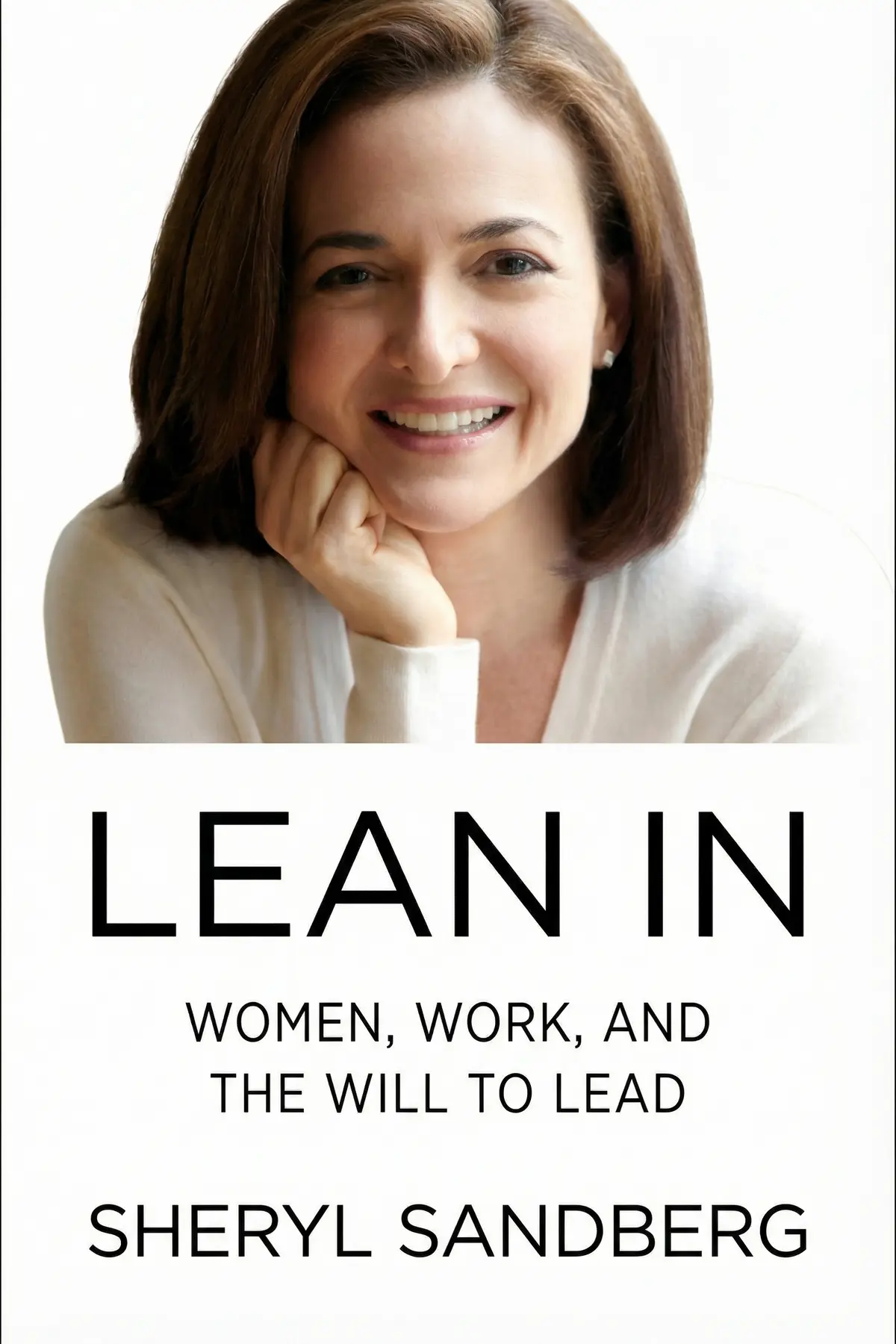
Sheryl Sandberg was chief operating officer at Facebook and earlier a vice president at Google. She served as chief of staff at the US Treasury Department and worked at McKinsey and the World Bank. She wrote Lean In and founded LeanIn.Org. Adam Grant is an organizational psychologist at the University of Pennsylvania's Wharton School who studies motivation and generosity. He is a number one New York Times bestselling author of books including Give and Take and Originals, and hosts the WorkLife podcast.
Ratings & Reviews
Ratings at a glance
What people think
Listeners view this work as essential for those experiencing grief, providing useful life wisdom and actionable advice for managing hardship. The content is poignant and motivating without feeling condescending or overbearing, which helps people acknowledge their emotions and progress. Listeners value the authentic accounts of bereavement shared in the text and find the material highly beneficial for navigating tough times.
Top reviews
Rose
Wow, this was a punch to the gut in the best way possible. I lost my father suddenly last year, and this book validated feelings I didn't even know how to name. The distinction between asking 'How are you?' and 'How are you today?' is such a small change, yet it makes a world of difference to someone in pain. It acknowledges that grief isn't a linear path with five neat stages, but a messy, fluctuating state. I found the section on building resilience in children particularly moving, especially the four core beliefs they need to develop. The writing is clear and surprisingly vulnerable, making it feel like a long conversation with a friend who has been through the fire. This isn't just a book about death; it’s a manual for anyone whose life hasn't gone according to Plan A. Highly recommend for the practical empathy cards alone.
Show moreSven
Finally got around to reading this, and I wish I had discovered it months ago when I was first dealing with my own loss. The authors do a fantastic job of explaining that resilience is a muscle you build, not a fixed personality trait you're born with. I was stuck in the 'Permanence' trap, thinking I would never feel happy again, but the stories shared here helped me see a path forward. The journaling exercises are simple but effective, and they helped me reclaim some sense of control over my daily life. It’s a deeply emotional journey that manages to stay grounded in real-world application. I’ve already bought three extra copies to give to friends who are struggling with various life setbacks. This book doesn't just offer platitudes; it offers a strategy for survival when Option A is no longer on the table.
Show moreConnor
Truly an inspiring read for anyone who feels like they are drowning in an 'Option B' life because 'Option A' is no longer available. This book helped me realize that acknowledging pain is the first step toward healing, rather than just trying to 'stay positive' all the time. The story of NFL veteran Vernon Turner was particularly powerful and served as a great example of using adversity as fuel. Sandberg and Grant have created a guide that is both deeply personal and broadly applicable to any kind of hardship, from divorce to job loss. I found the section on 'contributions' versus 'blessings' to be a game-changer for my mental health. It’s well-written, emotional, and doesn’t feel heavy-handed despite the somber subject matter. It helped me find the courage to start seeking joy in small moments again, and for that, I am incredibly grateful.
Show moreHugo
Picked this up during a particularly rough patch, and while Sandberg’s world is light-years away from mine, the core message of resilience really landed. The book introduces the 'Three P's'—Personalization, Pervasiveness, and Permanence—which act as a helpful framework to stop the downward spiral after a tragedy. To be fair, her billionaire status is obvious throughout, but the psychological insights provided by Adam Grant add a layer of scientific credibility that I appreciated. I especially loved the suggestion to write down three things you did well each day rather than just a gratitude list. It shifts the focus from what you're thankful for to how you are contributing and growing. It is an emotional read, often raw, and it doesn't try to sugarcoat the fact that some days just suck. While I can’t relate to her private jets, I can relate to the feeling that the world has ended when you lose someone you love.
Show moreRoydao
After hearing Sheryl Sandberg talk about her husband's passing on a podcast, I felt compelled to see how she translated that agony into words. This book is a courageous exploration of the 'shouting silence' that follows a tragedy. The way she describes Dave’s sudden death is heartbreaking, yet the book quickly pivots to how one can find joy again without feeling guilty. I appreciated the focus on post-traumatic growth and the idea that we can actually become stronger after a crisis. There are moments where the tone feels a bit preachy, and the constant Facebook plugs are distracting, but the overall message is one of hope. It’s a helpful resource for coworkers too, providing a roadmap for how to handle the 'elephant in the room' when someone returns to the office after a loss. It’s not a perfect book, but it is a necessary one.
Show moreArjun
The chapter on 'Self-Compassion' was exactly what I needed to hear right now. We are often our own harshest critics during a crisis, and the research Grant includes about soldiers with PTSD was eye-opening. Personally, I found the book's emphasis on finding meaning through work to be a very powerful concept. It reminded me that even when our personal lives are in shambles, contributing to something larger can be a form of therapy. My only real gripe is that some of the advice feels tailored to people who have a lot of help at home. Not everyone can lean on a massive support network or take time off whenever they need to cry. Still, the psychological tools are universal, and the writing style is engaging enough to keep you turning pages. It’s a solid 4-star read for the mental health insights alone.
Show moreEye
Look, it is easy to dismiss this because of Sandberg’s status, but the psychological framework provided by Adam Grant is rock solid. The book does a great job of deconstructing the cultural pressure to always be 'awesome' and 'enthusiastic' even when we are suffering. I appreciated the honesty about how loneliness and isolation are often the worst parts of any tragedy. The advice on how to be a better friend—by offering specific actions instead of vague 'let me know if you need anything'—is something everyone should read. While the tone can be a bit somber, the ending is surprisingly uplifting. It’s a book about the strength of the human spirit and the importance of community. It isn't a replacement for therapy, but it’s an excellent supplement for anyone trying to navigate their way through a dark season of life.
Show moreIsaiah
As someone who usually avoids the self-help genre, I found the blend of memoir and psychological research quite interesting. The chapters are well-organized, and the case studies of people overcoming varied adversities—like incarceration or illness—were more relatable than the author's personal anecdotes. Frankly, I skimmed through the parts where she talks about her high-pressure job at Facebook because it felt disconnected from my life. However, the 'Platinum Rule' of friendship—treating others how they want to be treated—is a great takeaway for anyone supporting a grieving friend. It’s a decent read, though it feels a bit like it was written by a committee at times. You can definitely tell where Adam Grant’s clinical voice takes over from Sandberg’s personal narrative. Not a life-changer for me, but it has some solid, actionable tips if you can look past the corporate backdrop.
Show morePong
Ever wonder how the ultra-wealthy handle tragedy? This book gives you a front-row seat, for better or worse. On one hand, the vulnerability Sandberg shows regarding her grief is genuinely moving. On the other hand, the book feels like a weird advertisement for the Facebook culture. The name-dropping is relentless, and the 'advice' sometimes feels like it belongs in a corporate HR manual rather than a grief guide. I did enjoy the section on the five states of grief and how they aren't linear, as that matched my experience much more than the old 'stages' model. There's definitely some gold in here, especially regarding how to talk to kids about hard things, but you have to mine through a lot of privilege to find it. It’s okay, just don't expect it to solve your financial stressors if those are part of your tragedy.
Show moreKek
Not what I expected from a book that claims to be a universal guide for the grieving. Truth is, most of the advice felt entirely out of touch with the reality of average working people. Sandberg suggests that it's okay to cry at work or even fall asleep in meetings as a sign of progress, but for most of us, that's a quick way to get a pink slip. She mentions the financial struggles of other widows almost as a footnote while describing her own international travels and elite support systems. The name-dropping of Mark Zuckerberg and constant mentions of Facebook’s 'healing' power felt like a corporate PR move. I felt for her loss, I really did, but the lack of perspective regarding her privilege made it difficult to finish. If you aren't a high-powered executive with limitless resources, you might find this more frustrating than helpful.
Show moreQuestions about this book
What is the main idea of Option B?
Sheryl Sandberg and Adam Grant argue that resilience after a loss can be built rather than simply waited for. It grows from habits of mind, such as catching self-blame and recording small joys, and from other people who acknowledge the loss and offer real help. The title comes from a friend telling Sandberg, after her husband’s death, that Option A was gone and she had to make the most of what remained.
What are the three Ps in Option B?
The three Ps come from psychologist Martin Seligman. Personalization is blaming yourself for a tragedy, as Sandberg did after her husband died. Pervasiveness is the sense that pain has spread into every part of life, like being unable to sit through a work meeting. Permanence is the belief that the pain will never end. Recognizing which one is driving your thoughts is the first step toward recovering.
How can I help a friend who is grieving, according to Option B?
Do not avoid them or pretend nothing happened, which psychologists call the mum effect. Acknowledge the loss directly, and ask how they are today rather than how it’s going, since that admits some days are harder than others. Then make a specific offer, such as buying groceries or helping find a new home, instead of saying let me know if you need anything. Knowing help is close makes people calmer.
What daily practice does Option B recommend for building resilience?
Sandberg kept a notebook by her bed and wrote down three moments of happiness each night. She also noted minor wins, such as arriving at the office punctually, finishing the laundry or brewing a really good cup of coffee. The authors argue that acknowledging feelings, good or bad, helps you process them, and that recording the good shifts attention away from the negative and shows joy is still possible.
Who should read Option B?
It suits anyone dealing with a death, a layoff or another painful turn who feels weighed down by guilt or sadness. It also serves friends, coworkers and managers who want to support someone in pain without saying the wrong thing. The tools are small and concrete, from a nightly journal to giving people your phone number, as Adam Grant does in every class.
Featured in
Readers also enjoyed

A Liberated Mind: How to Pivot Toward What Matters
Steven C. Hayes


ADHD an A-Z: Figuring It Out Step by Step
Leanne Maskell




AUDIO SUMMARY AVAILABLE
Listen to Option B in 15 minutes
Get the key ideas from Option B by Sheryl Sandberg, plus 5,000+ more nonfiction titles.
- 5,000+ titles
- Listen as much as you want
- 7-day free trial
- Cancel anytime









