
14 min 16 sec
Available in: English
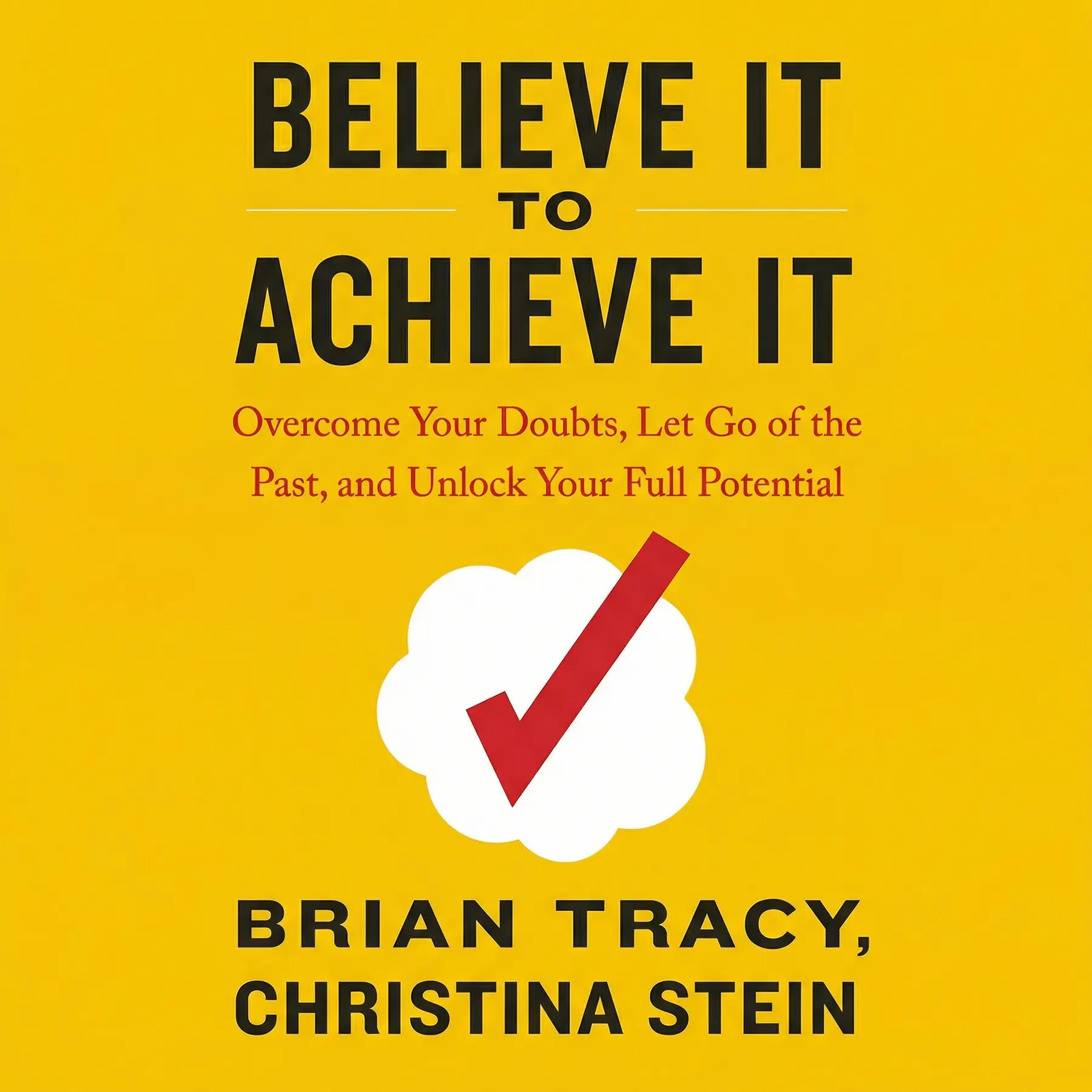
Believe It to Achieve It: Overcome Your Doubts, Let Go of the Past, and Unlock Your Full Potential
Brian Tracy and Christina Stein show how old doubts, grudges and guilt keep capable people stuck. They also show how responsibility, forgiveness and a clear map from values to daily action help you get moving again.
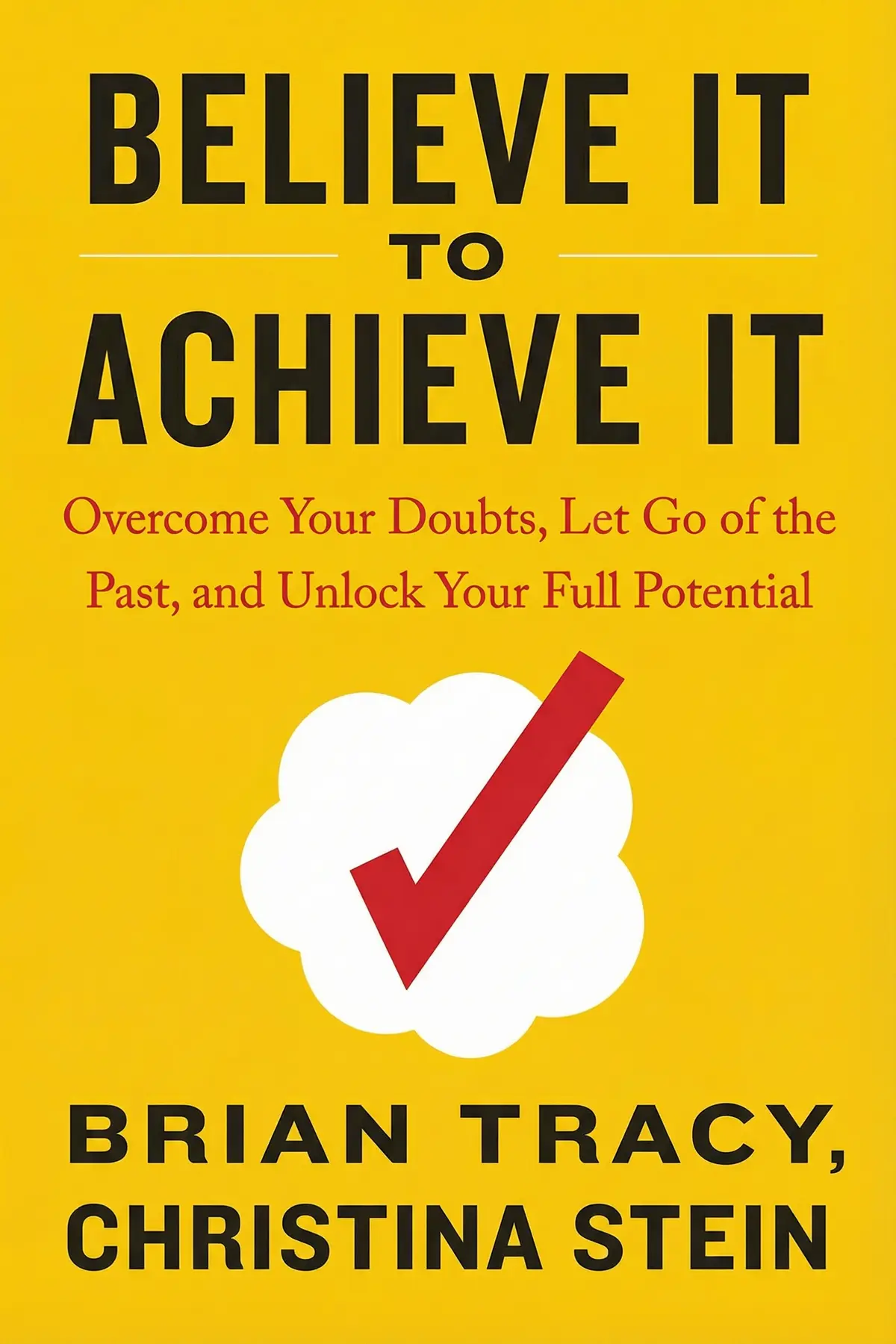
Table of Content
1. Introduction
1 min 04 sec
Many capable people work hard and still stay stuck, and Brian Tracy and Christina Stein think the cause usually sits in their heads rather than their schedule. In Believe It to Achieve It, the two authors argue that an old memory, a doubt or a limiting belief you accepted long ago can hold back a career or a relationship, however much effort you put in. Tracy is a veteran trainer on achievement and Stein is a licensed marriage and family therapist, so the book mixes goal-setting with emotional repair.
Their case runs in a clear order. Your results follow your thoughts. Negative emotions, mostly anger and guilt rooted in blame, poison those thoughts. Responsibility and forgiveness clear them away, and only then do values, goals and daily action have room to work. Along the way the authors hand over small exercises you can try today: a notebook for your thoughts, a pencil held in a fist, a worst-case drill and a seven-step map from values to action.
2. Catch the thoughts that are steering your life
1 min 59 sec
Most people never decide where their life is going. Outside events push them from one job, relationship and purchase to the next. The authors trace this drift to a habit you can spot with a pen and paper.
3. Spot the five habits that keep anger alive
2 min 09 sec
Some resentments refuse to fade no matter how much time passes. The authors name five mental habits that keep feeding them, then point to one short sentence they say can drain the charge almost at once.
4. Drop the grudge the way you drop a pencil
2 min 00 sec
Holding on to a grudge can feel like strength, even like justice. A simple exercise with an ordinary pencil shows what that grip really costs you, and what changes the moment you stop squeezing.
5. Forgive four people, starting with yourself
1 min 49 sec
Forgiving someone can look like letting them win. The authors see it as the step from a child’s way of living into an adult’s, and they name the four groups of people most of us still need to forgive.
6. Treat each setback as a lesson you planned for
1 min 55 sec
Most people hope life will improve without having to change themselves. The authors offer a worst-case drill and a habit of looking years ahead that turn sudden shocks into problems you have already started solving.
7. Map your life from values down to today's task
2 min 05 sec
Feeling lighter is not the same as moving forward. The authors close with seven keys that run from what you stand for down to what you do tomorrow morning, and a simple formula for setting any single goal.
8. Conclusion
1 min 15 sec
Tracy and Stein’s book works like a cleanup followed by a construction project. First you clear out what the past left behind: the childhood voice that says you can’t, the inner lawyer arguing for your anger, the grudge squeezed so tight that your hand goes numb. Then, with that energy back, you point your thinking somewhere on purpose, through values, a five-year vision and written goals. The authors’ bet is that results follow the thoughts you hold most often, and that most people never choose those thoughts at all.
The book backs a handful of small, concrete moves. When anger or guilt flares, tell yourself that you are responsible and let the pencil drop. Choose one person from each of the four groups to forgive, and count yourself among them. Run the Disaster Report on your loudest worry, and ask what each setback is trying to teach you. Then write down your values and one dated goal, and take a step toward it every morning.
Think back to the bumper car, knocked around by every passing bump. The book’s promise is that you can take the wheel. It starts with the sentence the authors keep coming back to: you like yourself, and you are responsible for what happens next.
About this book
What is this book about?
Plenty of people work hard and still feel stuck. They may have the effort and the talent, but something keeps pulling them back in their careers and relationships. Brian Tracy and Christina Stein argue that the block usually sits in the mind, whether it is a memory from long ago, a doubt that will not fade or a limiting belief that was accepted early and never questioned. The book follows a clear sequence. First it shows how thoughts shape results and how childhood criticism plants habits of fear and approval-seeking. Then it turns to the negative emotions that feed those habits, mainly anger rooted in blame and guilt passed down through families. It offers concrete tools for releasing them: a pencil exercise borrowed from the Sedona Method, four groups of people to forgive, and a worst-case drill called the Disaster Report. With the past cleared, the authors move to building. They explain how to plan ahead for change, and they give seven keys that run from values and vision down to priorities and daily action. A step-by-step formula for setting any single goal comes with them. Readers get exercises they can try the same day and a structure for turning belief into steady progress.
Book Information
Who it's for
Professionals feeling held back
Professionals who work hard but feel held back by doubts or old criticism they can't shake.
Hoping to drop resentment
People carrying resentment toward parents, former partners, colleagues or themselves who want a practical way to let it go.
Ready to write goals
Anyone ready to turn a vague wish for a better life into written values, goals and daily steps.
About the Author
Brian Tracy
Brian Tracy is a Canadian-American speaker and self-development author. He chairs and runs Brian Tracy International, a training company. He has advised more than 1,000 companies, has worked in over 80 countries, and has made over 300 audio and video learning programs. His books include Eat That Frog! and No Excuses! Christina Tracy Stein is an international speaker and coach with a master's in clinical psychology and a doctorate in human sexuality. She spent close to 20 years in private practice as a Licensed Marriage and Family Therapist, and she co-wrote the bestseller Kiss That Frog.
Ratings & Reviews
Ratings at a glance
What people think
Listeners observe that while perspectives differ on the depth and precision of the psychological principles shared, many value the emphasis on taking personal ownership and practical steps. Additionally, they consider the exercises and introspective prompts to be very useful for moving beyond self-defeating habits. They also remark that the tone is straightforward and inspiring, with one listener highlighting that the authors effectively lead the way toward growth "without falling into empty positivism."
Top reviews
Pakpoom
Wow, this isn't just another 'think positive' manual; it’s a blueprint for re-wiring how you approach your daily obstacles. Christina Stein’s influence seems to add a layer of emotional intelligence that balances Brian Tracy’s usual high-octane productivity advice. The central theme of responsibility really hit home for me because it shifts the power back into the reader's hands. I’ve started using the self-reflection questions at the end of each chapter, and they are surprisingly effective at uncovering hidden fears. Truth is, I was skeptical about the 'believe it' part of the title. However, the authors explain it as a psychological foundation rather than a mystical force. If you’re tired of books that offer nothing but vague promises, you’ll appreciate the directness found here. It’s practical, it’s motivating, and it’s genuinely changed my internal dialogue.
Show moreMo
The chapter on overcoming self-sabotage alone is worth the price of the book, as it pinpointed exactly where I was holding myself back. I’ve read a lot of self-help, but the way Tracy and Stein break down childhood beliefs into actionable change is quite impressive. They don’t just tell you to be better; they give you a roadmap of exercises that force you to confront your own excuses. I particularly liked the emphasis on moving toward a 'valuable ideal' through consistent, small actions every single day. Not gonna lie, some of the advice on affirmations felt cheesy at first. When you actually do the work, the results speak for themselves. This book is a powerful reminder that our mental filters determine our reality. Highly recommended for anyone ready to stop playing the victim.
Show moreHazel
Believe It to Achieve It offers a refreshing take on the idea that our internal world dictates our external success. I loved how it avoids the trap of 'empty positivism' by demanding that the reader take massive action alongside their mental shifts. The book guides you through a process of identifying old, limiting beliefs and replacing them with a more empowering narrative of self-worth. In my experience, the exercises on visualization were the most helpful because they were tied to specific, measurable objectives. It’s not about magic; it’s about focus and the discipline to follow through even when you don't feel like it. The authors make a compelling case that happiness is the progressive realization of a worthy ideal. This book is a must-read for anyone who feels like their own worst enemy.
Show moreManika
Ever wonder why some people seem to breeze through life while others struggle with constant self-doubt and failure? This book provides a very clear answer: it’s all about the mental blueprints we’ve been carrying since we were children. Tracy and Stein show you how to tear down those old structures and build something better using simple, effective tools. I particularly resonated with the idea that the most powerful words you can say are 'I like myself.' It sounds simple, but practicing that mantra while taking real action toward my goals has made a noticeable difference in my confidence. The book is short, punchy, and packed with insights that are easy to apply to your career or personal life. Personally, I think it’s one of the better collaborations Tracy has done recently. It’s motivating without being unrealistic.
Show moreNoo
Look, I’ve seen a thousand books on 'mindset,' but this one stands out because it treats belief as a muscle rather than a miracle. The authors do a fantastic job of explaining how our internal dialogue creates the ceiling for our potential achievements. I found the practical exercises for re-evaluating past mistakes to be incredibly cathartic and helpful for moving forward. It’s a very direct book, which I appreciate because I don’t have time for fluff or vague 'energy' talk. While it covers a lot of ground quickly, the core message about taking 100% responsibility for your life is one that everyone needs to hear. There are some minor parts that felt a bit repetitive, but the sheer motivation it provides is undeniable. If you’re ready to stop sabotaging yourself, this is a great place to start.
Show moreNiramai
Picked this up because I needed a kick in the pants, and Tracy delivered exactly that without the fluff. The core of this book isn't about wishing on a star; it’s about taking total responsibility for your current situation, which is a tough pill to swallow. Personal responsibility is the single most important key here. I found the exercises on identifying self-sabotaging habits particularly useful, though some of the psychological claims felt a bit dated. It is a very fast read. Even if you’ve read every self-help book out there, the sections on childhood programming provide a fresh perspective on why we repeat the same mistakes. To be fair, some parts are repetitive, but the focus on action over empty manifestation makes it a solid tool for anyone stuck in a rut.
Show moreSatit
Finally got around to reading this after a friend recommended it for my career slump, and I must say it’s very effective. The writing is incredibly direct, avoiding the flowery language that often plagues the self-improvement genre. I appreciated that they distinguish between 'wishful thinking' and 'informed belief' backed by a concrete plan of action. There are several exercises focused on identifying your true goals, which helped me realize I was chasing things I didn't actually want. To be fair, some of the examples are a bit old-fashioned, and the co-authoring makes the tone jump around a little. Still, the message about 'liking yourself' as a fuel for success is something I think most of us forget in the hustle. It’s a quick, motivating read with plenty of underlining opportunities.
Show moreNattapong
After hearing about this in my book club, I was worried it would be another generic 'manifesting' guide, but it turned out to be much more grounded. The focus is heavily on the link between self-esteem and responsibility, which is a message I think is sorely needed today. I really enjoyed the sections on how our early environment shapes our adult fears. It explained a lot of my own procrastination habits. While it’s a fast read, it doesn’t sacrifice the practical side, offering plenty of prompts that make you think deeply. Some of the psychological theories are a little simplified, and I didn't agree with every single point made. However, the overall tone is so encouraging and direct that you can't help but feel a bit more capable by the end. It’s a solid guide for personal growth.
Show moreUbolrat
As someone who has followed Tracy for years, I found this to be a bit of a mixed bag compared to his earlier classics. It’s a decent compendium of his theories, but many of the ideas feel oversimplified to the point of being a bit 'light' for seasoned personal development readers. While the focus on personal responsibility is great, some of the psychological explanations for how neurons work felt a bit dubious. Frankly, the writing is accessible and the 'I like myself' mantra is a good starting point for beginners. I was hoping for more depth. It’s an okay read if you need a quick boost or a refresher on goal setting. However, don't expect groundbreaking scientific insights here; it's more about mindset and basic habit formation than anything else.
Show moreNaomi
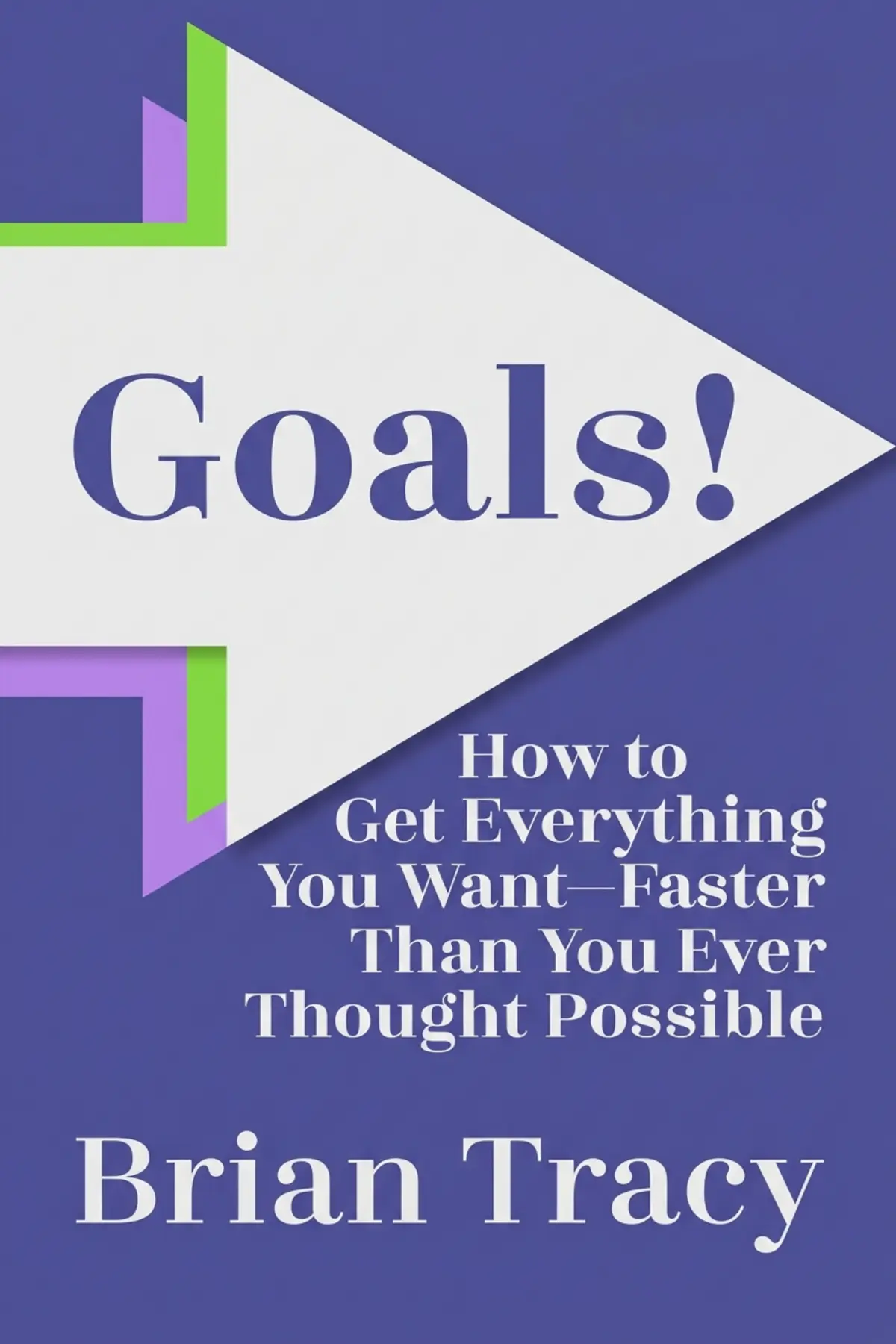
Not what I expected from Brian Tracy at all, and frankly, it was a massive disappointment compared to his previous work. The book is riddled with what I consider misleading psychological myths and advice that feels almost dangerous. I'm talking about the suggestions regarding calling ex-partners with texts bordering on stalking. I found the claims about brain function and neuron signals to be scientifically inaccurate, which made it hard to trust the rest of the content. While there are a few decent tips on responsibility, they are buried under layers of superficiality and recycled platitudes. It feels like a rushed collaboration that lacks the substance and rigor of his older material. I’d suggest skipping this one and sticking to 'Goals' if you want actual value. It’s rare that I regret finishing a book, but this was a chore.
Show moreQuestions about this book
What is the main idea of Believe It to Achieve It?
Brian Tracy and Christina Stein argue that success starts in the mind. Hidden beliefs, old memories and negative emotions often keep hardworking people stuck. The authors show how to clear those blocks by taking responsibility, letting go of anger and guilt, and forgiving others and yourself. Then they explain how to direct your thinking through values, vision, goals, priorities and disciplined daily action.
What are the five factors that feed negative emotions?
The authors name justification, the inner lawyer arguing that you are right to stay angry. Identification is taking things personally. Hypersensitivity is needing constant approval and crumbling at small criticism. Judgmentalism is condemning others, and rationalization is excusing poor choices or blaming circumstances. Beneath them all, they say, lies anger rooted in blame, which fades when you accept responsibility for your own wellbeing.
Who do Tracy and Stein say you need to forgive?
They name four groups: your parents, your past partners, everyone else who has hurt you, such as siblings, friends, bosses and coworkers, and finally yourself, whom they call the most important. You don’t need to tell others you have forgiven them. Whenever they come to mind, replace the negative thought with a wish for their wellbeing.
What is the Disaster Report exercise?
The Disaster Report is the authors’ tool for facing a setback without panic. You define the problem clearly, imagine the worst outcome that could follow, accept that outcome, and then immediately start working to improve on it. The authors say that walking through the worst case this way dissolves anxiety and puts you back in control.
How can I apply Believe It to Achieve It in daily life?
Start by tracking your thoughts in a notebook to see whether you lean positive or negative. When anger or guilt flares, tell yourself you are responsible and picture dropping a tightly held pencil. Then write down your top values and one clear goal with a deadline, and take at least one small step toward it each morning.
Readers also enjoyed

59 Seconds: Change Your Life in Under a Minute
Richard Wiseman





A Guide to the Good Life: The Ancient Art of Stoic Joy
William B. Irvine


A High-Performing Mind: Strengthen Your Mind and Live Your Best Life
Andrew D. Thompson


Abundance: The Inner Path to Wealth
Deepak Chopra
AUDIO SUMMARY AVAILABLE
Listen to Believe It to Achieve It in 15 minutes
Get the key ideas from Believe It to Achieve It by Brian Tracy, plus 5,000+ more nonfiction titles.
- 5,000+ titles
- Listen as much as you want
- 7-day free trial
- Cancel anytime









