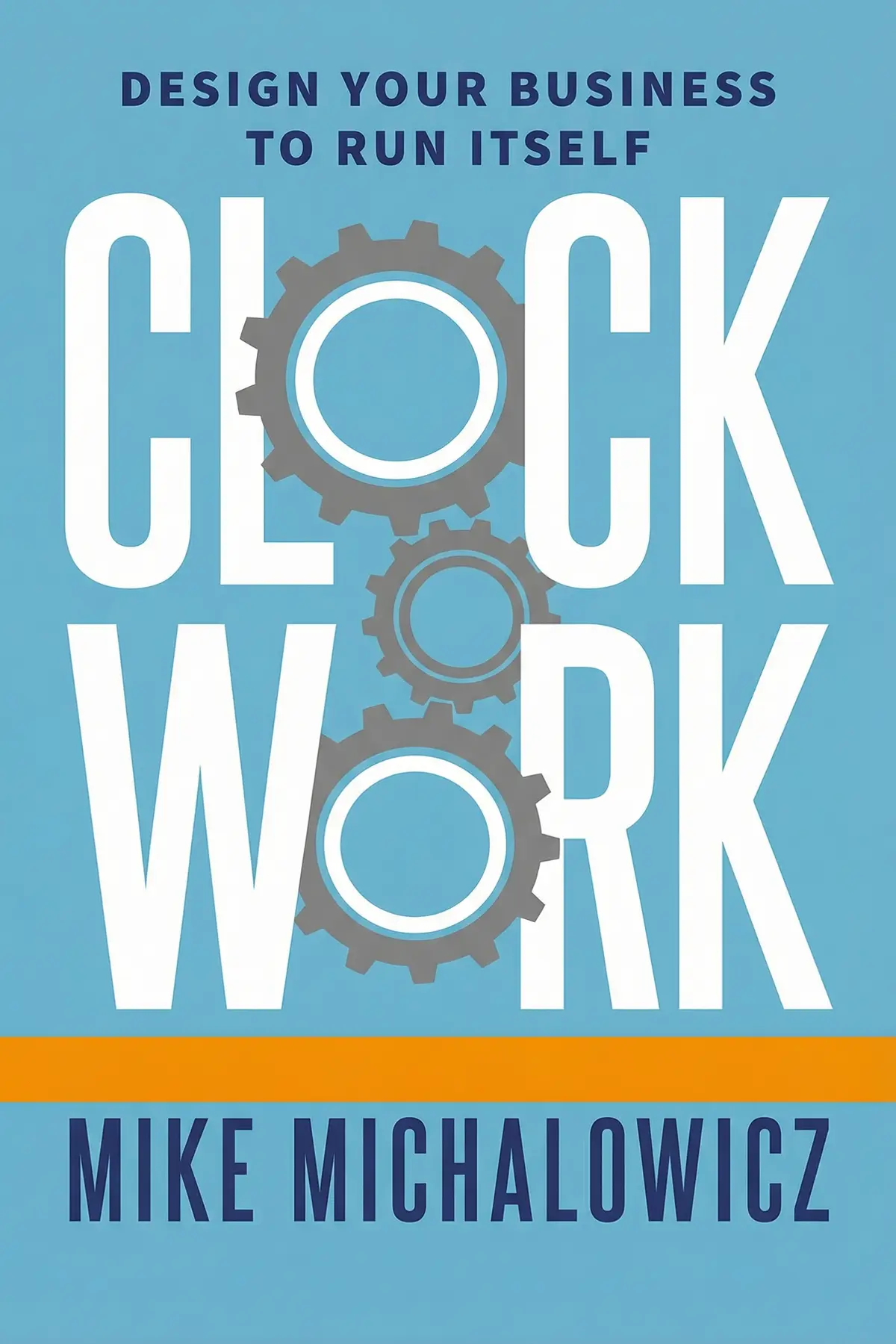
Clockwork: Design Your Business to Run Itself
Mike Michalowicz
 English
Shows founders and managers how to build a team that cares like an owner: recruit before you are desperate, judge candidates by watching them work, make honesty safe and give each person real control and real numbers.

58 sec
Hire in a rush and you can spend months cleaning up after the wrong person, and the fault may not be theirs. In All In, entrepreneur Mike Michalowicz argues that teams start to break down at the recruiting stage, and that people commit to a business only after its leader commits to them. He cites research suggesting that only about one hire in ten becomes top talent.
His formula for beating those odds has four parts: fit, ability, safety and ownership, which together produce a team that is all in. The claim at the center of the book is that employees begin to act like owners when a leader stops shopping for resumes and starts investing in people, from a candidate’s first workshop to the numbers the whole team tracks each week. Along the way you get a sharper test for candidates than the interview, a reason to share more of your numbers, and a plan for a first day people remember.
1 min 56 sec
A polished candidate, a fifteen-minute interview and a sigh of relief. Weeks later came a family funeral that turned out to be a party in Vegas, and the hiring mistake behind it is one most busy managers make.
1 min 47 sec
The natural response to a dishonest employee is to blame them. The more useful response asks what the leader failed to give, and it changes what you can fairly expect from anyone you hire.
1 min 54 sec
Almost every leader believes they are a top performer and that almost no one else is. That odd survey result points to talent hiding in plain sight, sometimes drumming its fingers on a desk.
1 min 49 sec
A home improvement chain teaches customers to build birdhouses, and some of those customers end up on staff. The approach does the interview’s job better, and it costs less than you might think.
1 min 42 sec
A five percent bonus for arriving early sent workers racing through snowstorms and cheating on time cards. The episode shows how easily good intentions can make a team afraid, and what to share instead.
1 min 53 sec
A lawn care boss wrote names on gloves and wheelbarrows, and nine in ten of his workers stayed. Company shares alone rarely produce that kind of loyalty, for a reason a meatpacking plant revealed.
1 min 36 sec
One new hire sat alone on an unfamiliar project until nine at night. Another was welcomed warmly and stayed twenty years. The difference started with something most companies barely plan.
1 min 10 sec
Michalowicz turns the familiar complaint about disengaged staff around. When people seem not to care, he looks first at what the leader gave them: a rushed interview, a silent first week, numbers kept private, decisions made behind someone’s back. Fit, ability, safety and ownership are what make a team go all in, and almost every one of them is something a leader offers before asking for anything back. His stated aim is to make employees into believers, and then to make those believers into builders.
The changes he supports are modest. Start recruiting long before you are desperate, by teaching what you know well and watching who shows real curiosity. Swap part of your interview for a paid trial day. Then give every person something visibly theirs, whether a number to report each Monday, a decision nobody overrides or simply a name written on a pair of gloves.
Sabine could have stopped at blaming one dishonest employee. She asked instead what she had failed to give, and that question is where an all-in team begins.
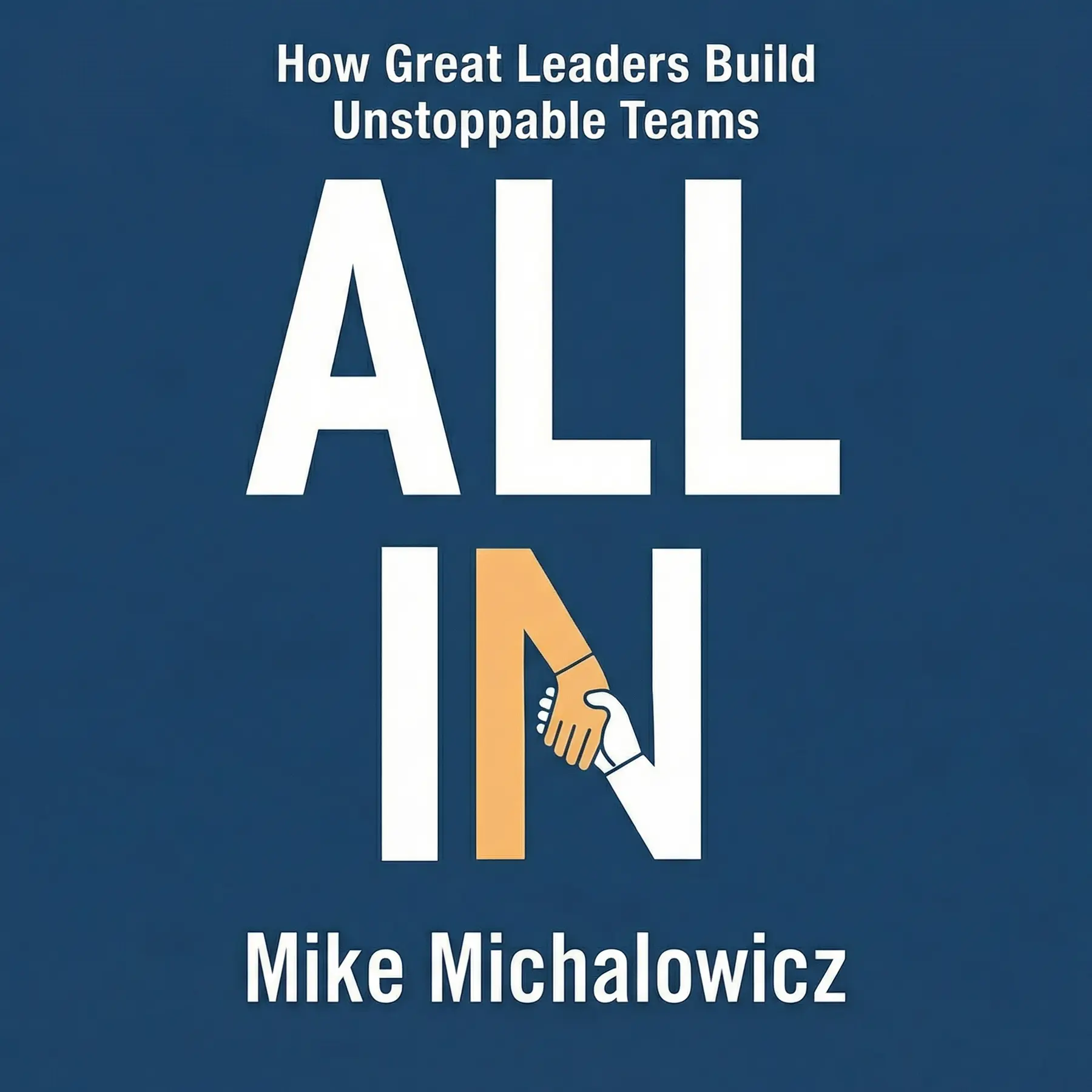
Most leaders hire the way people shop under pressure: a quick look at the resume, a short interview, a hopeful yes. Mike Michalowicz argues that this is where teams begin to break. He cites research suggesting only about one hire in ten becomes top talent. His answer starts with the leader. People commit to a business, he argues, once the person running it commits to them first. From there the book lays out a formula of fit, ability, safety and ownership. It treats everyone as a potential A-player and replaces much of the interview with workshops and paid trial days. It also warns how well-meant rewards can make people afraid, and shows how shared numbers and real control turn employees into people who behave like owners. The stories range from a marketing firm owner whose new hire invented a funeral to a lawn care company that wrote workers' names on their gloves and kept 90 percent of its crew. Readers get a practical way to find people with potential, to make them feel safe and to keep them for years, starting with a first day worth remembering.
Founders and small business owners who keep hiring in a hurry and regretting it.
Managers and hiring leads tired of polished interviews that end in disengaged staff.
Team leads who want people to treat the business as their own, without handing out shares.
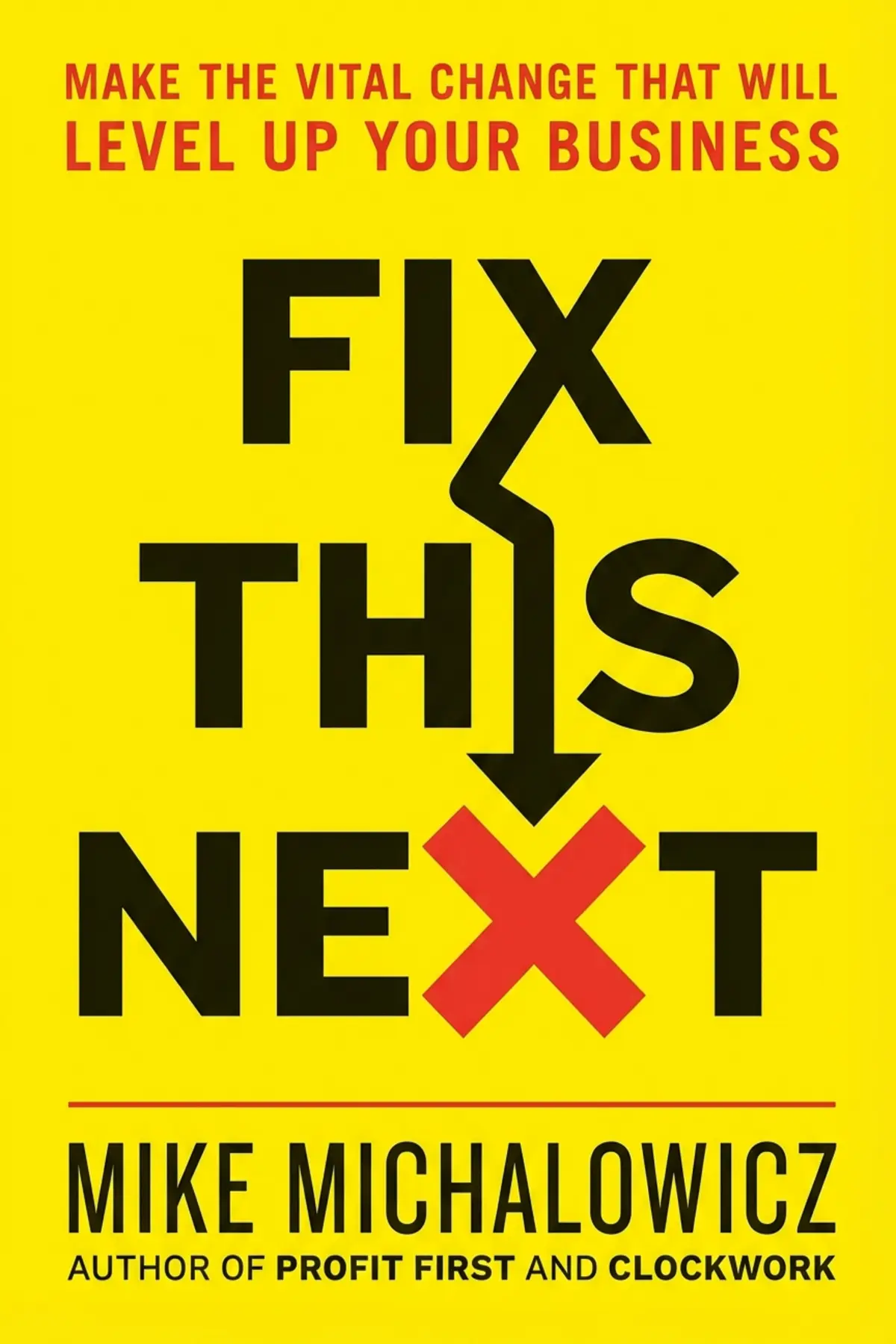
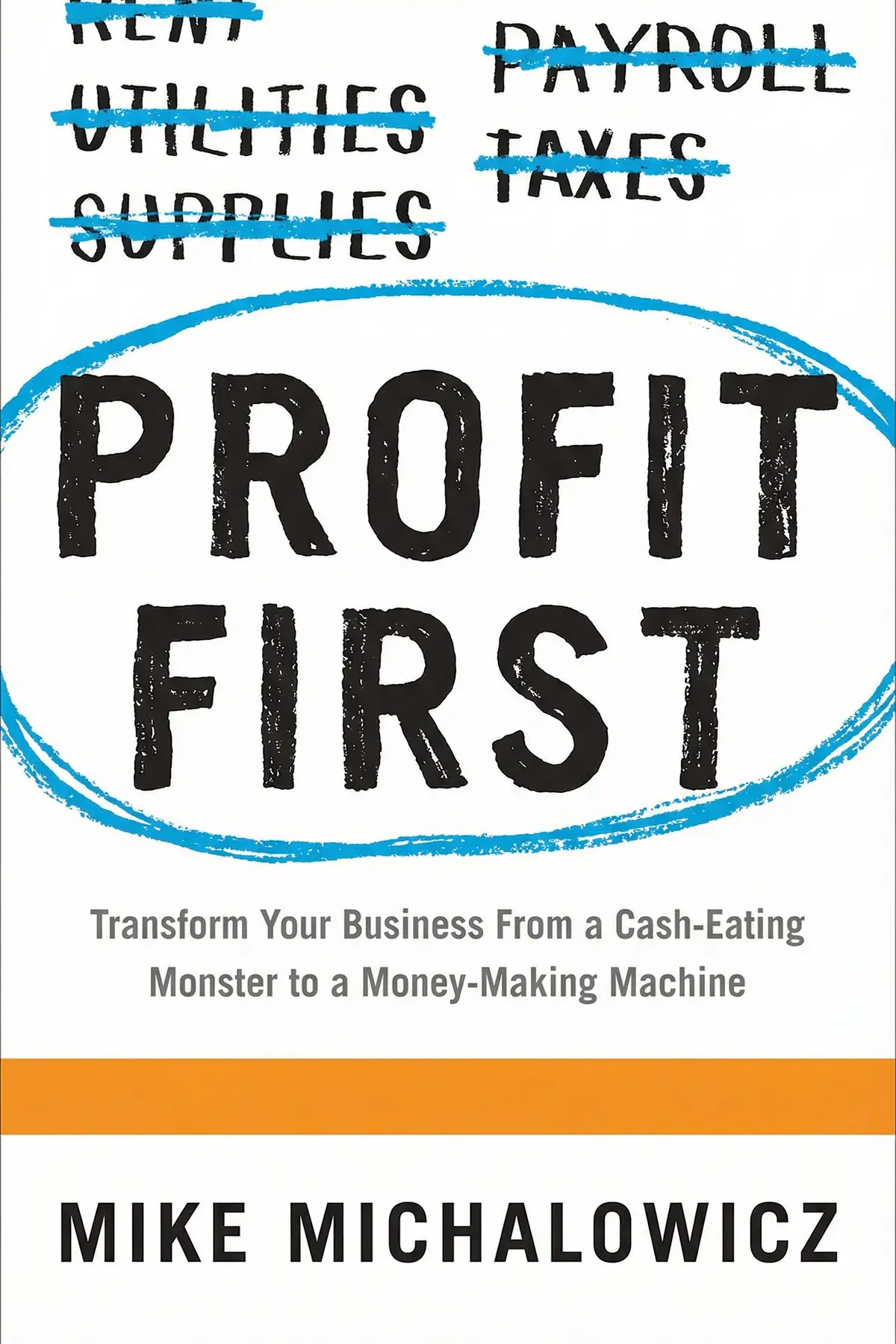
Mike Michalowicz is an American entrepreneur and author. Before the age of 35 he had built and sold two companies, each worth millions. Angel investing in other small firms later cost him everything, and he rebuilt from zero. He created Profit First, a method for handling a company's profit, and Clockwork, a method for helping a business run without its owner's constant involvement. Fix This Next became an instant Wall Street Journal bestseller, and his books have appeared in more than 27 languages. He has written a small business column for The Wall Street Journal and hosted a Business Rescue segment on the MSNBC program Your Business.
Mike Michalowicz
Mike Michalowicz

Listeners find the book successful in establishing strong teams and offering a roadmap for leadership. They appreciate the clear, practical, and implementable advice, with one listener specifically praising the useful tools and illustrations. The storytelling is well-regarded, as one listener mentions the impactful anecdotes. While a large number find it simple to follow and digest, views on the overall readability remain divided.
Finally got around to reading Mike’s newest, and it is a masterclass in shifting from a standard boss mindset to a genuine teammate mentality. The core formula of Success + Wellbeing x Purpose + Joy provides a surprisingly practical framework for anyone looking to revitalize a stagnant office culture. To be fair, I was skeptical about whether we needed another leadership book, but the human-centered approach here feels incredibly relevant for today's workforce. The writing is clear and the storytelling keeps you engaged through every chapter. You will walk away with actionable tools that help reposition your employees' personal dreams to the front line of your business strategy.
Show moreThe chapter on creating an 'unstoppable team' is worth the price of the book alone because of how it breaks down complex interpersonal dynamics. Michalowicz has a gift for taking abstract leadership concepts and turning them into golden nuggets of advice that you can implement by Monday morning. I’ve read a lot of management books, but the way he emphasizes repositioning the goals of the individual to align with the company is unique. The anecdotal stories are meaningful and provide a clear roadmap for anyone feeling overwhelmed by high turnover rates. This book easily sits in my top three leadership recommendations for the year.
Show moreEver wonder why some companies have employees who would run through a brick wall for them while others can't keep staff for a month? This book answers that question by diving deep into the psychology of investment and the importance of a shared vision. I listened to the audio version and found the bits of advice to be fresh, relevant, and extremely motivating for my current project. The focus on Joy and Purpose as multipliers for Success and Wellbeing is a perspective I haven't seen articulated this clearly before. It’s a refreshing take that treats employees like people rather than just line items on a spreadsheet.
Show moreFrankly, this book provides the exact structure and motivation I needed to stop micromanaging and start leading my department effectively. By focusing on the 'Who' and the 'Why' of the business, I’ve already seen a shift in how my team engages with their daily tasks. The specific examples of how to reposition dreams to the front line helped me connect with my staff on a much deeper level than before. This isn't just a book about recruitment; it's about building a culture that people actually want to be a part of. If you want an unstoppable team, you need to follow the blueprint laid out in these pages.
Show moreWow, the way Michalowicz breaks down the transition from a good leader to a great leader is exactly what the modern workplace requires. I am so thankful for the insights regarding employee well-being and how it directly correlates to the long-term performance of the company. The book is filled with quotable tidbits and golden nuggets of advice that are easy to share with your management team during meetings. I especially appreciated the focus on the formula for joy, which is often ignored in traditional corporate environments. It is a humanizing, brilliant, and essential read for anyone who wants to build a business that thrives on collective success.
Show moreAfter hearing about the human-centered leadership approach Mike advocates for, I decided to give this a try to see if it could help my struggling startup. The insights regarding the 'who, what, and why' of a business were helpful, though I found the readability to be a bit mixed in the middle sections. I really appreciate how humanizing this approach is compared to the cold, analytical style of most corporate guides. It provides a solid justification for prioritizing employee well-being as a primary driver of performance. While some parts felt like a repeat of his earlier themes, the specific tools for harboring success are well worth the price of admission.
Show moreAs someone who has followed this author for years, I found this to be a very insightful follow-up to his previous business guides. The book provides a necessary structure for leaders who want to move beyond just 'getting by' and actually build something that lasts. I particularly liked the focus on the formula for harboring success, though I wish there was more depth on the 'recruitment mindset' he mentions. It is an easy read, but you should definitely take notes because the actionable content comes at you fast. It is a great guide for anyone looking to foster a culture where employees feel valued and heard.
Show morePicked this up on a whim after seeing it on a 'best of' list and I’m happy to report that the advice is quite practical. Mike’s writing style is casual and easy to follow, which makes the more complex organizational theories much easier to digest during a busy week. My only minor gripe is that some of the storytelling felt a little repetitive, though the overarching message of human-centered leadership is vital. The book successfully argues that a business can only boom when the team is actually 'all in' on the mission. It’s a solid addition to any business library, even if it doesn't reinvent the wheel entirely.
Show moreTo be fair, there are some helpful insights in here, but I didn’t think the value was as high as with his other books like Profit First. It felt a bit like 'nothing new, nothing old,' just a repackaging of standard leadership tropes with new catchy titles. The anecdote about Sabine being slow to respond was a good cautionary tale, but it felt like a lesson most managers should have learned years ago. While the human-centered approach is appreciated, I was looking for something more revolutionary than 'be nice to your staff.' It’s a good book for a first-time manager, but seasoned leaders might find it a bit elementary.
Show moreLook, I have enjoyed this author's previous work, but this particular release gave me a massive headache because it offers zero revolutionary concepts. The book basically argues that if you want a great team, you just have to be a great teammate, which should be common knowledge. I found the story of Sabine and Janet particularly frustrating because it highlights a total lack of onboarding that the author blames on 'mindset' instead of fixing toxic management. It felt like the text was encouraging a form of unpaid labor by expecting people to be personally invested without any extra compensation. Frankly, instead of writing books for managers to learn basic empathy, we should probably just stop shoving people into the deep end without support.
Show moreMichalowicz argues that employees commit to a business only after its leader commits to them. He sees teams failing as early as recruiting, and he cites research suggesting only about one hire in ten becomes top talent. His formula combines fit, ability, safety and ownership, and he treats everyone as a potential A-player whose strengths can be developed once they are in the right role.
It is the feeling that part of the business belongs to you, the way a car owner cares for a car more than a renter does. Drawing on Professor Jon Pierce’s research, the book argues that legal ownership is not enough without control, information and rights. One example is a lawn care company that wrote workers’ names on gloves and wheelbarrows and kept 90 percent of its people.
Instead of relying on interviews, Michalowicz recommends watching people do real work. Teach a workshop, as Home Depot does with birdhouse building, and observe who is most engaged, using his method of teaching, immersing and monitoring. Then offer promising people a paid trial day, which he considers fairest to both sides. Recruiting this way all the time also keeps a bench of candidates, so you never hire out of desperation.
Start by sharing numbers. After his staff misunderstood his company’s finances, Michalowicz introduced Monday Metrics, a weekly report to which every employee contributes key figures, along with short daily huddles. Give each person an area or decision that is clearly theirs and do not go around them. And plan new hires’ first days as celebrations, since people remember the first and last days of a job most.
It suits founders, managers, hiring managers, culture leaders and coaches, and even employees who want a team that is fully committed rather than simply present. It is especially useful for small business owners who hire under pressure, since its methods, from workshops to paid trial days and named equipment, work without a large budget.




Joseph A. Maciariello



Deborah Gruenfeld



Hamilton Helmer
AUDIO SUMMARY AVAILABLE
Get the key ideas from All In by Mike Michalowicz, plus 5,000+ more nonfiction titles.