
13 min 57 sec
Available in: English
Dave Ramsey’s Complete Guide To Money
By Dave Ramsey
A step-by-step order for handling money: how to budget every dollar, build an emergency cushion, clear debt from the smallest balance up, insure your progress, fund retirement and college, and give generously.
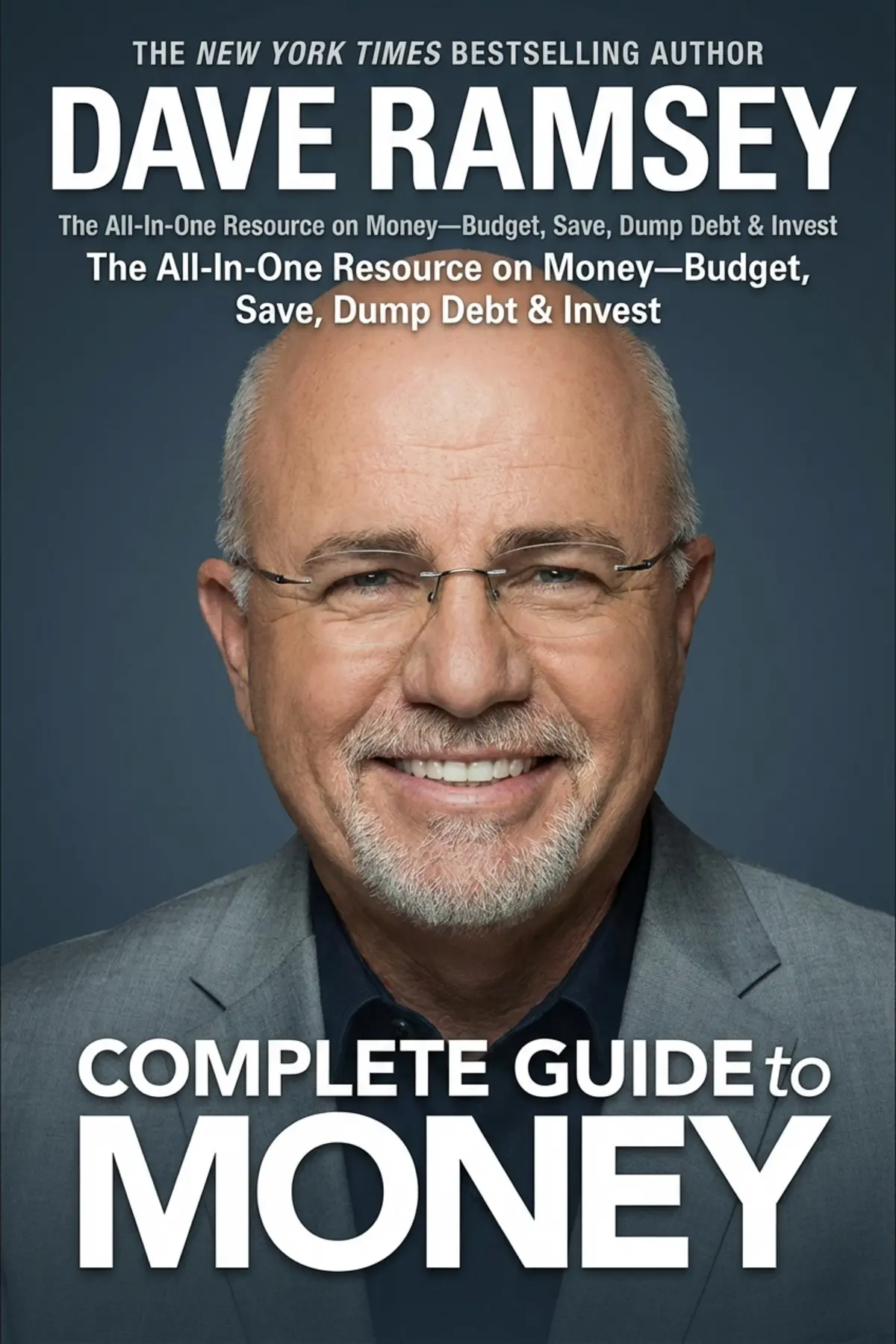
Table of Content
1. Introduction
1 min 00 sec
Plenty of people earn a decent salary and still end each month staring at an empty account, carrying card balances and student loans, with nothing set aside for old age. In Dave Ramsey’s Complete Guide to Money, the radio host and founder of Ramsey Solutions argues that the fix starts with a plan written before payday, one that gives every dollar of income a purpose until nothing is left over.
From there he lays out seven Baby Steps, an order of operations for money. A small emergency cushion comes first, then clearing debt, a full safety fund, retirement, the children’s college, the house and, last of all, generous giving. His case is that the order itself is what turns money chaos into peace, because each step makes the next one possible.
Follow the sequence here and you will know which money problem to tackle first, which ones can wait, and exactly what to do with your next paycheck.
2. Give every dollar a job before payday
1 min 57 sec
Many people who wonder where their salary went are overspending without knowing on what. They are missing one simple document, and Ramsey shows how to write it whether your income arrives like clockwork or in unpredictable bursts.
3. Build a cash cushion before the next surprise
1 min 47 sec
A broken car or a sudden dental bill is often what sends careful people back to their credit card. Ramsey’s defense starts with a surprisingly modest number, and he is strict about where that money may sit.
4. Clear your debts from the smallest balance up
1 min 57 sec
Debt feels normal because almost everyone carries it. Ramsey’s way out starts somewhere unexpected, and for people who cannot even meet their minimum payments, he offers a fair, written plan to send to every creditor.
5. Six policies that protect what you have built
1 min 59 sec
A single illness, accident or theft can erase years of careful saving. Ramsey names the exact cover he wants in place, and one of his recommendations concerns a family member most people forget to insure at all.
6. Fund your retirement before your children's college
2 min 15 sec
Many parents feel guilty putting their own future ahead of their children’s education. Ramsey reverses that instinct without apology, and he gives a precise order for filling retirement accounts so no free employer money is left behind.
7. A paid-off home and room to give
1 min 48 sec
After years of saving hard, the final step asks you to hand money away. Ramsey explains why he puts giving at the very end, and why he warns just as clearly against giving too much.
8. Conclusion
1 min 14 sec
Ramsey’s guide reads like a set of rules, yet its deeper lesson is about sequence. A written budget comes before savings, a small cushion before the debt attack, protection before investing, retirement before college, and a paid-off house before generous giving. Doing a sensible thing in the wrong order is how households stay stuck: funding a child’s tuition while their own old age goes unfunded, or investing while card balances keep growing.
The steps also ask for patience. Ramsey says plainly that investing runs across years and even decades, and that a budget changes nothing unless it is followed every single month.
The place to start is small and close. Before your next paycheck, write a plan where income minus every line equals zero, and put the grocery money in an envelope. Set aside your first $1,000 somewhere you can reach it fast. Then list your debts from the smallest balance upward and aim every spare dollar at the first one.
At the end of the seven steps, Ramsey pictures someone who owes nothing, has a funded future and can afford to leave a 200 percent tip. It begins with one written plan.
About this book
What is this book about?
Many people earn a fair income and still end every month with an empty account, card balances and no savings for later life. Dave Ramsey suggests that money often vanishes because there is no monthly budget. His remedy is a plan, worked through in order with the help of seven Baby Steps. His answer is a sequence he calls the seven Baby Steps. It begins with a monthly zero-based budget and a $1,000 emergency fund, moves through the debt snowball and a full three to six month cushion, and then turns to retirement, the children's college, the mortgage and, at the end, generous giving. Along the way he covers the insurance every household needs and his rules for investing in mutual funds and property. Readers get a clear answer to a question that freezes many people: what to do first. Each step comes with concrete numbers, from the 15 percent of income set aside for retirement to the liability cover a home policy should carry.
Book Information
Who it's for
Young professionals in debt
Young professionals with card debt and student loans who cannot seem to save anything.
Living on irregular income
Freelancers and commission earners who need a budget that works with irregular income.
Parents weighing money priorities
Parents unsure whether to put money toward retirement, the mortgage or their children's college first.
About the Author
Dave Ramsey
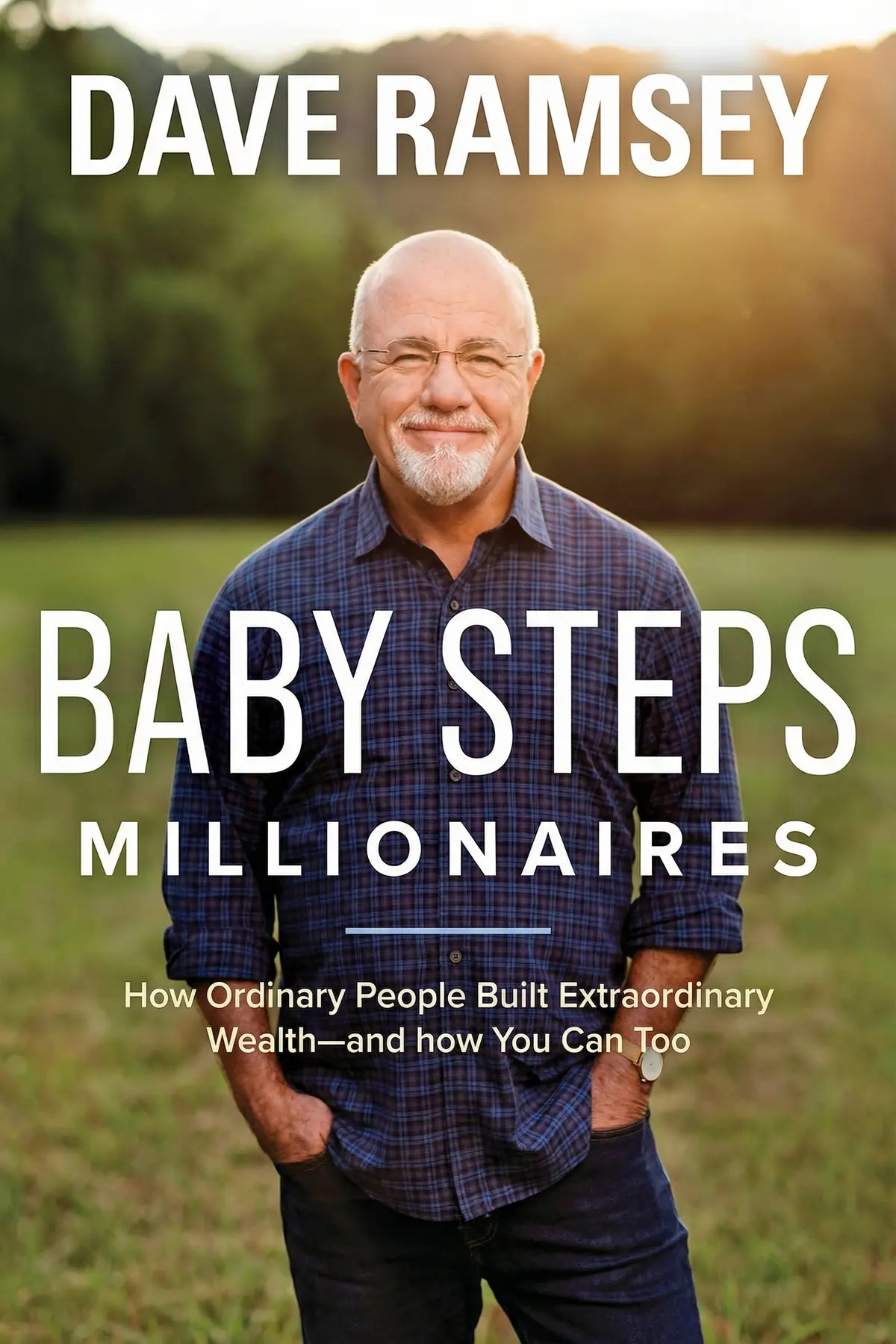
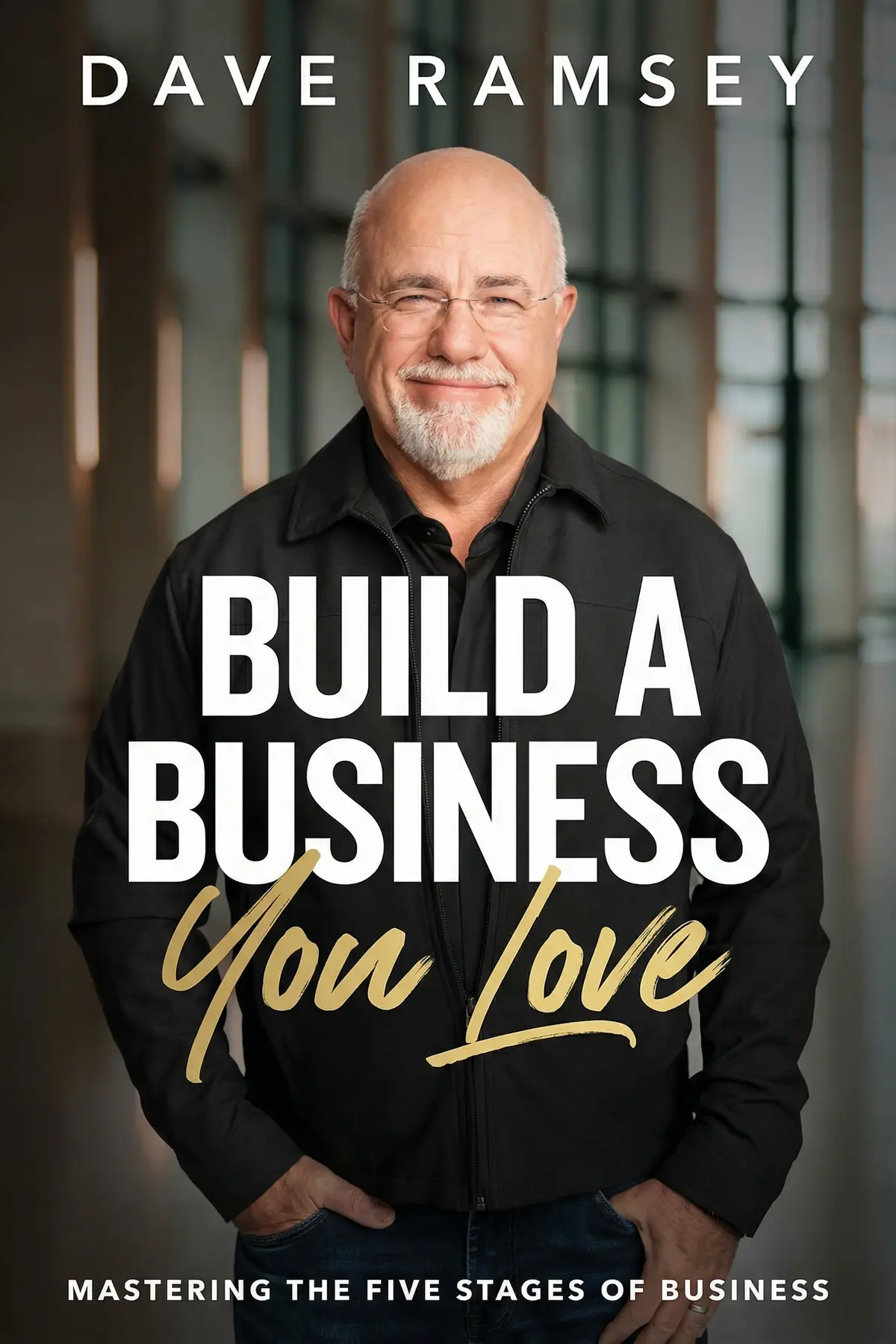
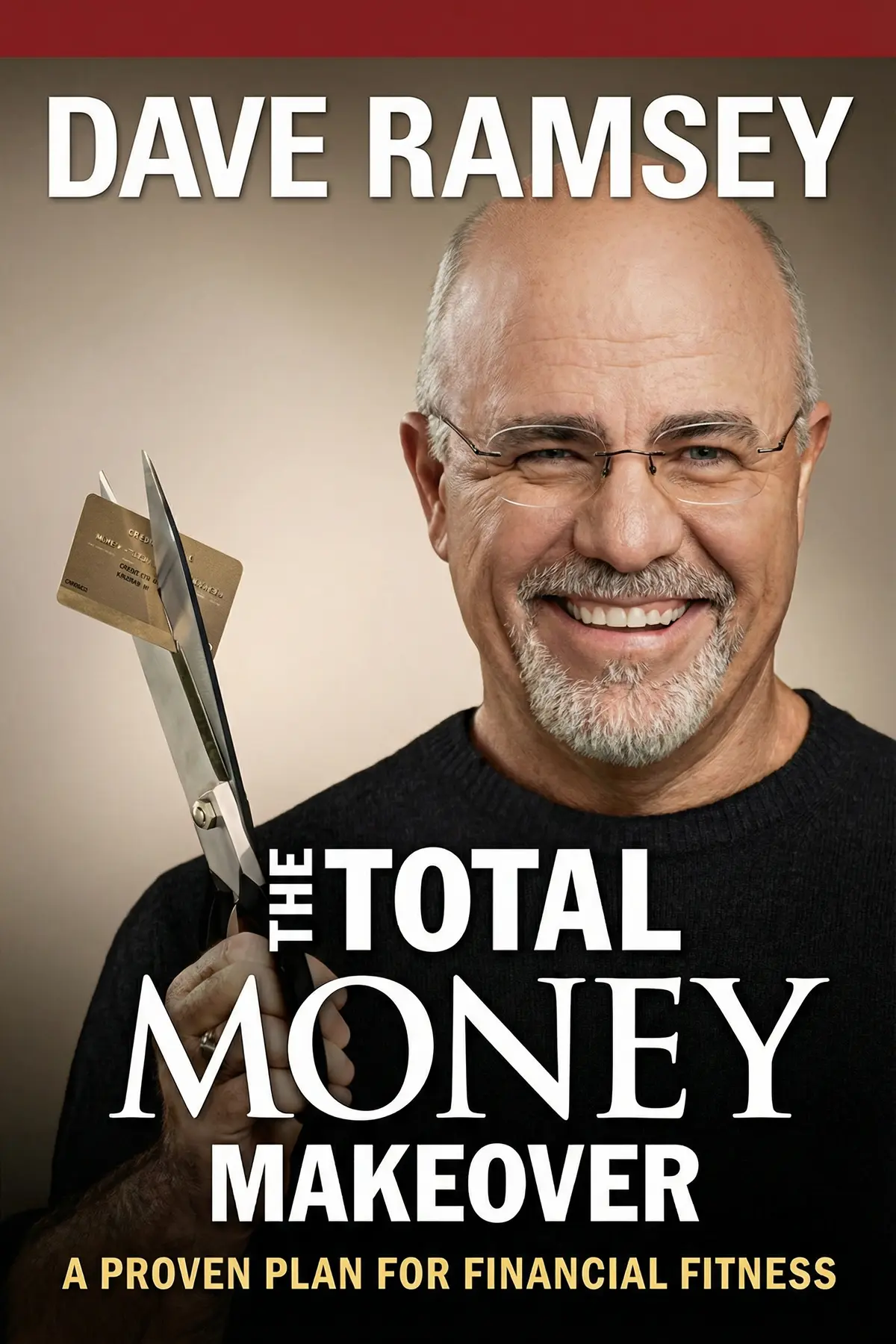
Dave Ramsey was born in 1960 in Antioch, Tennessee. Since 1992 he has worked to help people take control of their money and build wealth. He co-hosts The Ramsey Show, a syndicated radio program heard across the US, and founded Ramsey Solutions, where he serves as CEO. From 2007 to 2010 he also hosted a show on Fox Business. His books include the New York Times bestseller The Total Money Makeover and Baby Steps Millionaires.

Ratings & Reviews
Ratings at a glance
What people think
Listeners find this financial manual highly applicable and straightforward, simplifying intricate ideas into manageable tasks. The guide offers beneficial instruction on managing wealth and reaching financial independence, helping audiences reassess their monetary status to save 3-6 months of expenses. They value its transformative influence, with many noting substantial shifts in just weeks, and view it as a helpful tool for young adults.
Top reviews
Supatra
If you're feeling suffocated by bills and debt, this is the manual you didn't know you needed. It doesn't matter if you make six figures or minimum wage because the psychological shift Ramsey demands works across the board. The 7 Baby Steps provide a clear, linear path that takes the guesswork out of what to do next. I particularly liked the section on dumping debt using the snowball method; seeing those small balances disappear first gave me the emotional win I needed to keep going. The writing style is punchy and direct, which I appreciated given how dry most finance books tend to be. This isn't just a book about money; it is a total overhaul of your lifestyle. Since starting, our family has found a sense of peace we haven't felt in years.
Show moreWipawan
After years of hearing snippets on the radio, I finally dove into the full text of Ramsey’s guide. Personally, I appreciated the focus on how money affects a marriage, specifically the 'four pillars' of agreement. Having those conversations about religion, in-laws, and parenting alongside budgeting feels much more holistic than your average finance book. Some might find the evangelical tone a bit much, but if you share those values, it serves as a powerful motivator. We started the 'commissions, not allowances' system with our kids last month, and the change in their work ethic is already visible. It’s about more than just numbers; it’s about character and teaching the next generation to be responsible. This book gives you the tools to change your family tree forever.
Show moreFrida
Wow, I never thought I’d actually understand how to handle my finances without getting a headache. This guide breaks down intimidating financial concepts into bite-sized, achievable steps that anyone can follow. Ramsey's focus on behavior over math is exactly what I needed to stop the cycle of living paycheck to paycheck. Within just three weeks of starting the zero-based budget, I found 'extra' money I didn't even know I was wasting on mindless subscriptions. It feels like I’ve finally been given the keys to a cage I’ve lived in for a decade. Every person needs to read this before they buy a car they can't afford. It is truly life-changing for anyone willing to put in the work and make some temporary sacrifices for long-term freedom.
Show moreNathan
Truth is, I was skeptical about the whole 'no credit card' philosophy until I actually sat down and crunched the numbers. This book forces you to look at your debt as a thief that steals your most powerful wealth-building tool: your income. The section on negotiating with the 'That’s Not Good Enough' technique was a fun and practical addition I’ve already used at a local furniture store. I love how Dave doesn't sugarcoat the reality of our spending habits. He tells you exactly why your car lease is a scam and why you should never get a 30-year mortgage. It is a refreshing, albeit aggressive, wake-up call for the average American consumer. If you follow the plan, you will see results. Our debt is shrinking every month, and our stress levels have dropped significantly.
Show moreThitima
Money used to be the biggest source of conflict in our house until we implemented the 'zero-based budget' Ramsey preaches. This book gives you the exact worksheets and mindset needed to stop fighting and start winning with your spouse. I especially appreciated the 'Pinnacle Point' section which discusses what to do once you've actually built wealth. It’s not just about hoarding cash; it’s about being able to give outrageously to others. The 10% tithe and the philosophy of being a 'manager' of God’s money really resonated with my family’s values. We are currently on Baby Step 3, building our 6-month emergency fund, and the sense of security is incredible. If you are tired of the status quo and want a real plan that works, buy this book today. You won't regret it.
Show moreMatteo
As a college graduation gift for my nephew, I decided to read through this first to make sure the advice was sound. I was pleasantly surprised by how accessible the language is for someone just starting their career. Ramsey emphasizes saving 3–6 months of expenses for a full emergency fund, which is a concept every young adult needs to grasp before life hits them hard. The chapter on 'Relating with Money' provides excellent insights for young couples on how to avoid the common pitfalls that lead to divorce. Some of the investment advice, like the 12% return expectations, seems a bit optimistic given historical averages, but the underlying principle of consistency is solid. It's a practical guide that replaces confusing jargon with achievable, step-by-step instructions. I'll definitely be passing my copy along to him.
Show moreFord
The chapter on mutual fund diversification alone was worth the cover price for a novice investor like me. Ramsey breaks down the four types—growth, growth and income, aggressive growth, and international—in a way that actually makes sense. Frankly, I used to be intimidated by the stock market, but now I feel confident about where my 15% retirement contribution is going. My only gripe is that the book is quite wordy in parts where a simple chart would have sufficed. The constant repetition of his success stories can get a little tiresome if you're just looking for the raw data. Regardless, the advice on 15-year fixed-rate mortgages and avoiding car leases is top-notch. It’s a very comprehensive resource that covers everything from tithing to title insurance. I'd recommend it to anyone wanting to take control of their future.
Show moreNongnuch
This book is essentially the comprehensive textbook version of Ramsey's famous course, and it covers more ground than his previous bestsellers. I found the 'Clause and Effect' chapter on insurance to be the most enlightening part of the entire read. Most people are either over-insured or have the wrong types, and Ramsey clears up the confusion regarding term vs. whole life insurance. He makes a compelling case for identity theft restoration that I hadn't considered before. While the 'folksy' tone can be a bit much for some, the logic behind the Baby Steps is hard to argue with. I did find the sections on college funding a bit brief, but for a general guide, it hits all the right notes. It’s a fantastic starting point for anyone feeling lost in the woods of personal finance.
Show moreOtt
To be fair, the analogies can get a bit grating after three hundred pages, but the core logic is undeniable. I particularly appreciated the detailed breakdown of disability insurance, as that is an area most financial books breeze over. Learning about own-occ coverage and why to avoid short-term policies was incredibly eye-opening for my family's long-term planning. The advice on identity theft restoration services—not just monitoring—is worth the price of the book alone. While I don't agree with every single rule Ramsey sets in stone, especially regarding credit scores, his emphasis on self-insuring and avoiding gimmicky warranties is very practical. It’s a comprehensive resource that I’ll be keeping on my shelf for future reference. It definitely helps you rethink your relationship with every dollar you earn.
Show moreMoo
Look, I have a love-hate relationship with Dave Ramsey's approach. While the core advice on the debt snowball is helpful for behavior modification, the content is extremely similar to his other titles like 'The Total Money Makeover.' The ebook version I purchased was cluttered with distracting testimonials that broke up the flow of the instructional text, making it feel like an advertisement. I also found the 'no credit history' advice a bit extreme for young people trying to rent an apartment in the real world. To be fair, the chapter on insurance and mutual funds was very informative and offered some of the best explanations I've seen. However, the tone can be quite patronizing at times, especially toward women and those who don't share his religious views. It is a solid resource for those in deep trouble, but take the rigid rules with a grain of salt.
Show moreQuestions about this book
What are Dave Ramsey's seven Baby Steps?
Ramsey’s sequence runs in a fixed order. Save $1,000 for emergencies, pay off all debt except the mortgage using the debt snowball, then grow the emergency fund to three to six months of expenses. Next, invest 15 percent of household income for retirement, save for the children’s college, pay off the home early, and finally build wealth and give generously, starting with a 10 percent tithe.
How does the debt snowball work?
You list your debts by balance, smallest to largest, leaving out the mortgage. Every debt gets only its minimum payment apart from the smallest one, and all the spare money goes toward that smallest balance. When it is cleared, you move to the next smallest. If you cannot meet minimum payments, Ramsey suggests a pro-rata plan that splits spare income among creditors by their share of the total debt.
Should I save for retirement or my kids' college first?
Ramsey puts retirement first. Baby Step 4, investing 15 percent of household income for retirement, comes before Baby Step 5, the college fund. He argues children can work to help pay for college and that parents who cannot cover it alone are not failing them. For college savings he suggests tax-favored options such as an Education Savings Account, a flexible 529 plan or a UTMA or UGMA account.
How does zero-based budgeting work in Dave Ramsey's plan?
Each month you list every expense, including savings and giving, then assign amounts until your entire income is allocated, so income minus expenses equals zero. With irregular income, rank expenses with food, housing, clothing and transportation at the top and pay down the list as money arrives, carrying unpaid items to next month. Ramsey pairs this with cash envelopes for categories like groceries and gas.
Readers also enjoyed



AUDIO SUMMARY AVAILABLE
Listen to Dave Ramsey’s Complete Guide To Money in 15 minutes
Get the key ideas from Dave Ramsey’s Complete Guide To Money by Dave Ramsey, plus 5,000+ more nonfiction titles.
- 5,000+ titles
- Listen as much as you want
- 7-day free trial
- Cancel anytime









