Aware: The Science and Practice of Presence
Daniel Siegel
 English
Shows parents and teachers what is happening inside the teenage brain, why adolescents chase risk and friends so hard, and how to turn that energy into safer thrills, lasting skills and real empathy.
58 sec
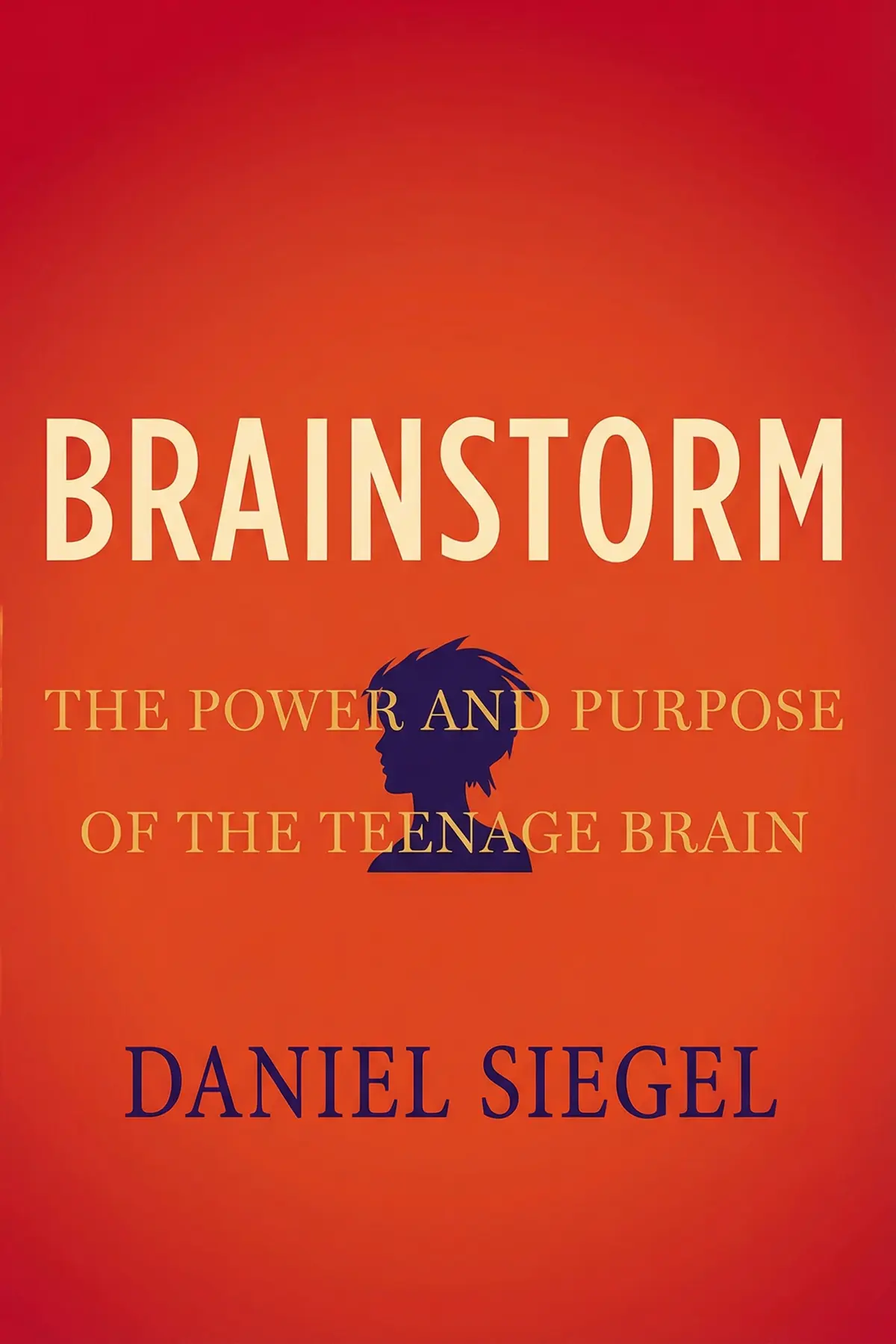
If you live or work with a teenager, the eye-rolling, the dares and the sudden scorn for parents can feel like a war you keep losing. In Brainstorm, child psychiatrist Daniel Siegel argues that much of it is a brain getting ready to leave home. Thrill-seeking, peer obsession and sharp criticism, in his account, are signs of a mind being rebuilt for adult life, and adults help most when they channel that energy rather than fight it.
Siegel draws on his teenage patients, his friends’ children and his own son, and on what brain science says about dopamine, pruning and the prefrontal cortex. Listen through and a slammed door or a reckless dare starts to read differently. You also get practical moves to try at home or in a classroom: safer thrills, one focus worth protecting, and conversations that build empathy.
1 min 44 sec
The child who once adored you now winces when you speak in public. It feels personal, and it often hurts. Siegel sees a purpose behind it that changes how a parent might respond.
1 min 31 sec
Adults assume reckless teenagers simply don’t know better. One of Siegel’s patients knew exactly what she risked at a school party, and that knowledge made no difference at all.
1 min 42 sec
A boy in Spain broke his leg on a dare he admits he would never have taken alone. Siegel explains why the pull of friends is so strong, and why evolution built it in.
1 min 39 sec
After their son crashed his car into a tree, one couple simply bought him another. What happened next shows why hands-off parenting can fail, and what a helmet and a halfpipe offer instead.
1 min 49 sec
During adolescence the brain throws away connections it decides it no longer needs. What a child does before puberty helps settle what survives, and that changes how to think about lessons and hobbies.
1 min 39 sec
A school band nearly blew the windows out of their frames, and the school’s first instinct was a permanent ban. The second instinct turned out far better, for the teenagers and for the school.
1 min 48 sec
Most conversations between parents and teenagers circle homework, sports and whose turn it is to clean up. Siegel describes another kind of talk that, he says, changes the teenage brain itself.
1 min 18 sec
Teenagers are often written off as lazy, unruly or simply foolish. Siegel’s portrait points the other way. Under all that noise, young people are building self-reflection, critical thinking, independence and the ability to bond outside the family, the very skills adult life demands. The risk-taking and boundary-pushing are part of the construction, and adults help decide whether that energy ends in a crashed car or a helmet on a halfpipe.
The book backs a few concrete habits. Offer a supervised thrill before an unsupervised one finds your teenager. Protect one interest long enough for the brain to keep it. Talk about hopes and feelings, your own included, more than about chores.
And expect to lose your temper sometimes; Siegel treats that as normal. What counts is what follows. After a shouting match, think it over: was your reaction justified, or do you owe an apology? Teenagers are still very sensitive, so naming hurt feelings soon keeps one fight from leaving a lasting mark. Once you are speaking again, you can return to the behavior that started it.
A teenage brain is being built for a life you will not be there to supervise. Your part is to make the building site a little safer.
Adolescence has a bad reputation. Parents sigh about it, teachers brace for it, and teenagers themselves often feel awkward and misunderstood. Child psychiatrist Daniel Siegel argues that the familiar frustrations, from rule-breaking and reckless dares to embarrassment about parents, make sense once you see what the brain is doing during these years. Siegel explains how stronger dopamine releases make thrills feel irresistible, why friends raise the stakes, and how pruning and myelination decide which skills a young person keeps for life. He draws on cases from his practice and his own family: a patient expelled after a night of tequila, a boy who broke his leg jumping from a cliff, and his son's band almost blowing out the school windows. The book's promise is practical. Parents and educators learn to offer supervised outlets for risk, help teenagers commit to one focus, give room to their urge to invent, and hold reflective conversations that build empathy. They also learn how to repair things after a shouting match, so a single fight does not damage the relationship.
Parents worn down by a teenager's risk-taking, rule-breaking and sudden criticism.
Teachers and school staff who want to channel adolescent energy instead of only policing it.
Coaches and mentors who want to understand what drives the young people in their care.
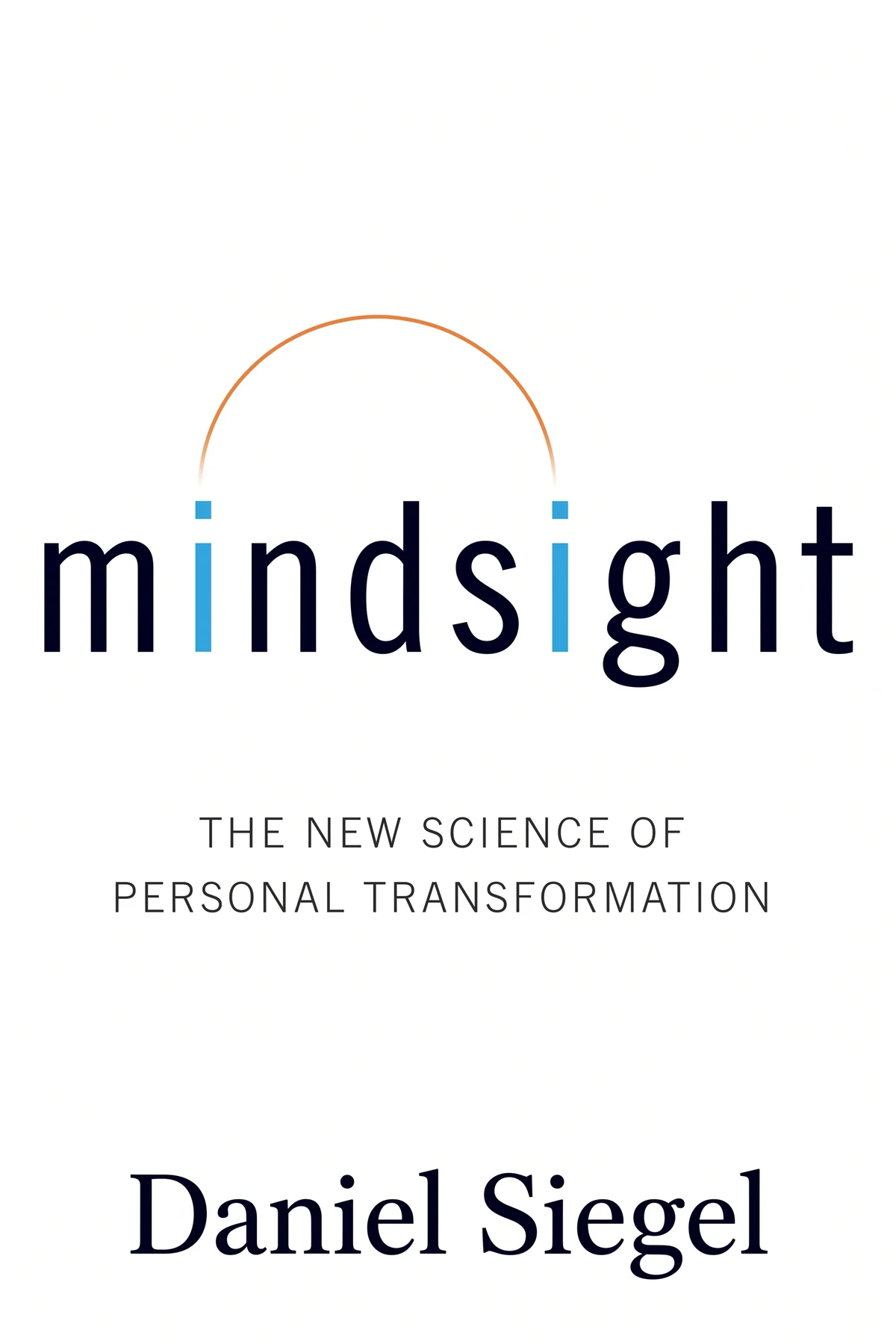
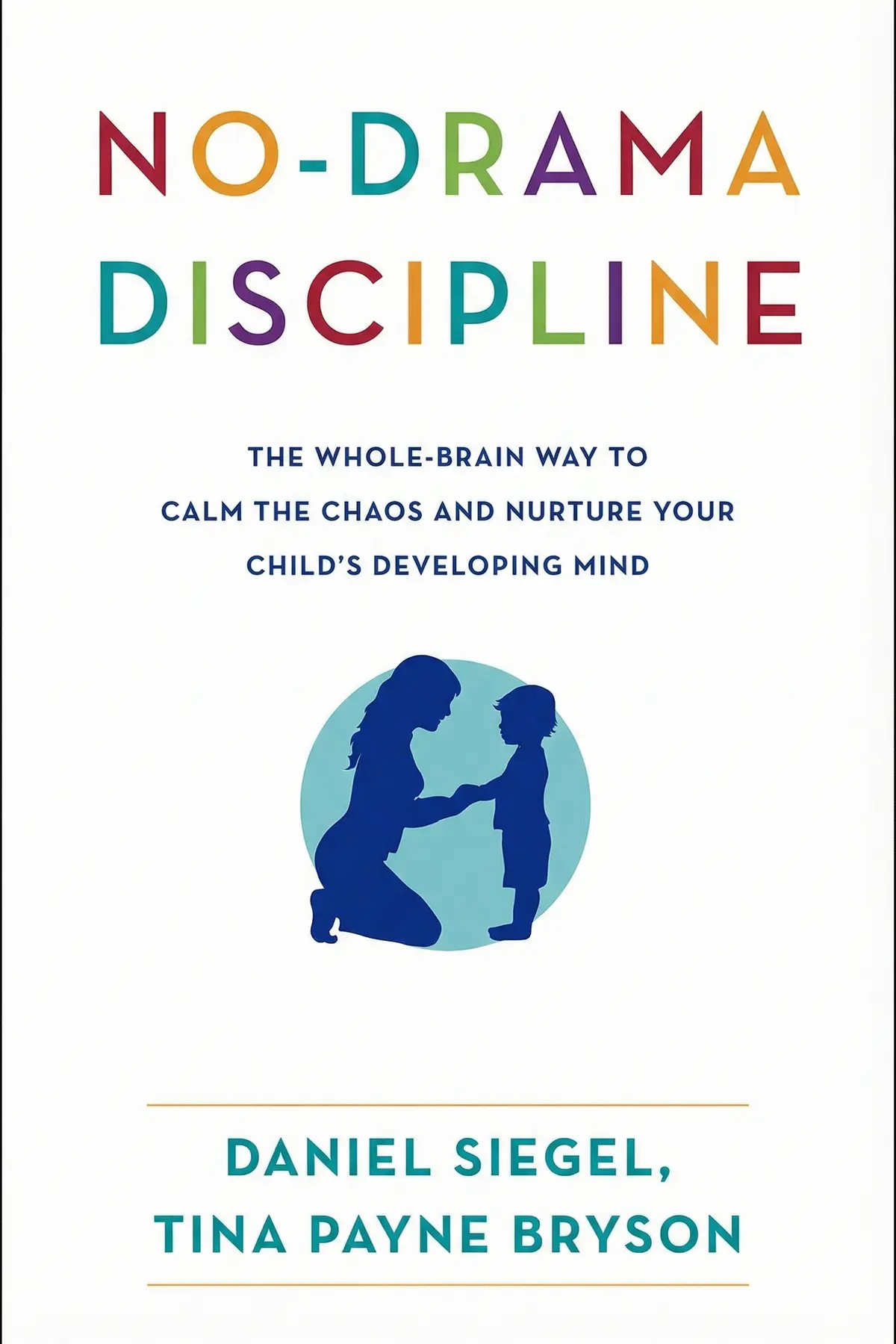
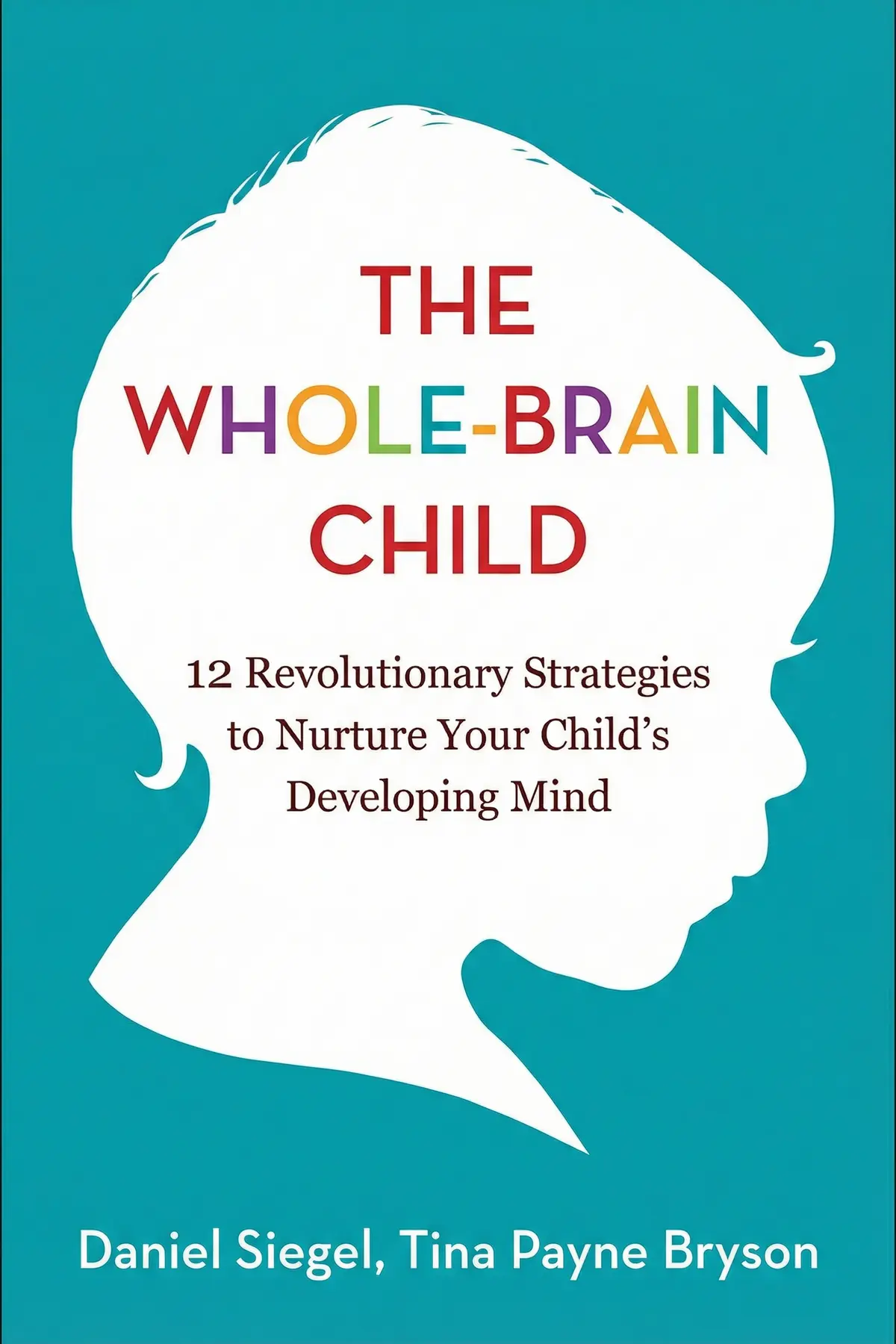
Daniel J. Siegel is a child psychiatrist and a graduate of Harvard Medical School who trained at UCLA in pediatrics and in child, adolescent and adult psychiatry. He is a clinical professor of psychiatry at the UCLA School of Medicine, co-director of the Mindful Awareness Research Center and executive director of the Mindsight Institute. He was the founding editor of the Norton Professional Series on Interpersonal Neurobiology. His books include Mindsight and, with Tina Payne Bryson, The Whole-Brain Child and No-Drama Discipline.
Listeners find this work an exceptional resource that offers valuable perspectives on maturing brains and supports parents in grasping the changes their teenagers undergo. The prose is highly approachable for both young people and adults, and listeners value the straightforward summary provided. Furthermore, they find the guidance beneficial for professionals and appreciate the segments detailing the evolution of feelings. Nevertheless, perspectives on the scientific elements are varied, as some applaud the high-quality research while others consider it overly academic.
Finally got around to reading Siegel’s take on the adolescent years, and it’s honestly a breath of fresh air compared to the 'survival mode' books most parents buy. Instead of treating teenagers like ticking time bombs or defective adults, he frames this period as a vital time of innovation and social engagement. I particularly liked how he breaks down the neurological shifts that lead to risk-taking, explaining that it isn't just rebellion but a necessary drive for exploration. The 'mindsight' tools might feel a bit touchy-feely for some, but they actually offer a concrete way to handle the emotional turbulence that usually leaves me speechless. If you can get past the slightly cheesy acronyms like ESSENCE, there is a wealth of wisdom here about staying connected. It helped me realize that my son’s intensity is a gift, even when it’s exhausting. We’ve started using some of the reflection exercises together, and while he rolled his eyes at first, it’s actually opened up some real conversations.
Show moreEver wonder why your teenager seems to have no 'off' switch when it comes to risky behavior? This book was a total game-changer for my household because it reframes that impulsivity as a search for novelty that is actually essential for human progress. Siegel argues that we shouldn’t try to stifle the 'spark' of adolescence but rather guide it so it doesn't burn the house down. I love that he includes sections for both the parent and the teen to read, making it a collaborative experience rather than a top-down lecture. The writing is clear, the science is explained in a way that doesn't require a medical degree, and the emotional intelligence on display is top-tier. I particularly appreciated the focus on the 12-to-24 age range, acknowledging that the transition to adulthood takes a lot longer than we traditionally think. It’s helped me stay patient when I’d normally be at my wit’s end. Truly an essential read for anyone living with a young adult.
Show moreDr. Siegel has a way of making you feel like everything is going to be okay, which is exactly what I needed while raising two teenagers. He challenges the myth that the teen years are just a 'horrible phase' to survive and shows how the changes in their brains are actually a superpower. I found the sections on social connection particularly moving, especially the idea that teens are hard-wired to prioritize peers to prepare for leaving the nest. It changed how I react when my daughter chooses her friends over family dinner; I see the biological necessity now, not just a personal slight. The book is written for both parents and teens, which is a nice touch, though I suspect most 15-year-olds won't have the patience for the longer 'mindsight' chapters. My only real complaint is that it can be a bit dry in the technical sections, but the emotional payoff in the later chapters makes it worth the effort.
Show moreTruth is, the 'mwe' concept is incredibly cheesy, but if you can look past Siegel’s occasional cringey phrasing, this book is pure gold. I’ve read a lot of parenting books, but this is the first one that made me actually want to reconnect with my own sense of adventure. He captures the 'on fire' nature of the teenage years perfectly, showing how the dopamine-heavy reward system drives them toward new experiences. Instead of just telling you what’s happening, he gives you the tools to actually stay present during the chaos. It’s a very compassionate book that asks the adult to do as much work on themselves as they expect from their kids. The idea that we need to 'rekindle' our own adolescent zest to avoid becoming 'stuck in a rut' adults really resonated with me. It’s more than a manual; it’s a philosophy for staying mentally young. I’ve already recommended it to three of my friends who are struggling with their 13-year-olds.
Show moreThe chapter on brain remodeling in this book is worth the price of admission alone for any middle school teacher. I’ve spent a decade in the classroom wondering why my students suddenly lose their minds at thirteen, and Siegel provides a very accessible neurological explanation. He moves away from the 'raging hormones' cliché and focuses on the 'pruning' process of the brain, which makes so much more sense when you see it in action. That said, I did find the writing style a bit grating at times with the constant alliteration and the branding of every concept. Does everything need to be an acronym? Probably not. Also, the anecdote about his son and the dirty dishes left me more confused than enlightened—I’m still not sure how they actually solved the problem! Despite those minor stylistic gripes, the core message is vital. It’s a great reminder that our students aren't just being difficult; they are literally rebuilding their identities from the inside out.
Show morePicked this up after hearing Siegel on an NPR interview, and I’m glad I did. As a therapist, I find his 'ESSENCE' framework (ES for emotional spark, SE for social engagement, etc.) very useful for explaining developmental stages to parents who are frustrated. It’s an easy-to-grasp overview that bridges the gap between complex neurology and everyday behavior. I will say that the book feels a bit repetitive in the middle, and he definitely has a 'style' that you either love or hate—lots of alliteration and making up new words like 'mwe.' However, the underlying message that we need to keep our own 'adolescent' curiosity alive as we age is a beautiful take. It isn’t just a book about raising kids; it’s a book about how we, as adults, can prevent our own brains from becoming stagnant. A few of the exercises were a bit too 'California-zen' for my personal taste, but the insights into the 'boom and prune' phase of brain growth are incredibly solid.
Show moreTo be fair, I’m a bit of a science geek, so I would have loved more charts and raw data, but this is still an excellent read for the general public. Siegel is a master at taking esoteric concepts like neural integration and making them feel relevant to why your kid won't stop arguing with you. The 'mindsight' exercises are actually quite helpful once you get past the name—it’s really just about learning to observe your own reactions before you blow up at your teen. I appreciated the positive spin on risk-taking, even if I still worry about my kids. The book is accessible and written in a way that feels very inclusive of different family dynamics. My only hesitation is that some of the 'solutions' felt a bit too theoretical and didn't always account for kids who have more severe behavioral issues. For the average family looking to understand the 'brainstorm' of adolescence, however, this provides a wonderful, empathetic roadmap.
Show moreNot what I expected given the 'neuroscience' tag on the cover. I thought this would be a dense, data-driven look at the teenage brain, but it’s actually a mindfulness guide with some science sprinkled on top. Siegel spends a lot of time on his own proprietary terms like 'mindsight,' which, in my experience, is just a fancy word for self-awareness. To be fair, the advice is solid and the tone is very encouraging, but the lack of a proper bibliography made me question how much of this is peer-reviewed research versus personal philosophy. I also found the 'mwe' concept—merging 'me' and 'we'—to be incredibly cringey and unnecessary. If you’re a fan of self-help and meditation, you will likely love this. If you’re a scientist looking for hard data and clinical studies, you might find it a bit too 'woo-woo' for your liking. It’s a decent read for general insight, but it definitely leans more toward the spiritual than the biological.
Show moreAs a Christian parent, I found myself increasingly frustrated with Siegel’s approach as the chapters went on. While the initial scientific explanation of brain development in the first two chapters was genuinely fascinating, the book quickly veered into territory that felt diametrically opposed to my values. He suggests that parents should almost step out of the way to let teens explore every whim, which seems like a recipe for disaster in the real world. I was looking for a guide on how to provide firm boundaries and biblical guidance, but instead, I got 'mindsight' exercises that felt more like Buddhist meditation than practical parenting. Frankly, the focus on 'internal exploration' over external responsibility felt like it was encouraging the very narcissism many parents are trying to help their children overcome. If you want the science, read the first thirty pages and then put it down. I’d much rather stick to resources that emphasize discipline and spiritual growth over this brand of self-help.
Show moreLook, the science is there for about five minutes before the book dissolves into a series of bizarre breathing exercises and pseudoscience. I bought this to understand the biology of my daughter’s behavior, not to be told to practice 'mindsight' or imagine a 'wheel of awareness' in my head. The author seems more interested in building his personal brand with catchy names for everything than actually providing a rigorous scientific dissertation. The section where he talks about his adult son not doing the dishes was the final straw for me. Instead of addressing the lack of respect and chores, it turns into a psychoanalytical debate about Siegel’s own childhood. It felt like a bait-and-switch where I expected a medical perspective and got a Buddhist self-help manual instead. If you enjoy over-complicated acronyms and being told that 'exploration' justifies bad behavior, this is for you. Otherwise, save your money and find a book that actually values structure and discipline.
Show moreSiegel argues that typical teenage behavior, including risk-taking, intense friendships and criticism of parents, is the brain preparing for independent adult life. Stronger dopamine releases make thrills appealing, peers matter more as teenagers seek support outside the family, and pruning and myelination reshape the brain around the skills they use. Adults help most by channeling this energy into safer outlets and honest conversation.
Siegel says teenagers usually do understand risk. His patient Katey knew alcohol was banned at a school party but brought tequila anyway for the excitement of breaking rules. He explains that dopamine releases are on average stronger in adolescent brains, so thrills feel more rewarding, and teenagers tend to focus on the possible upside while overlooking the downside.
Siegel recommends offering supervised activities that deliver the same rush with controlled risk, such as athletics, go-kart racing or skiing. He went skateboarding with his own son, who wore a helmet and pads. In his view, a teenager who gets the thrill this way comes away calmer and less likely to look for a riskier high elsewhere.
Childhood leaves the brain with more neurons and synapses than it needs. In adolescence it trims the ones it judges unnecessary, based on experience, and keeps those that have been used. Siegel suggests immersing a child in an interest such as music before puberty and helping teenagers keep one clear focus so those circuits are spared and then strengthened by myelination.
Reflective conversation means sharing feelings, hopes, dreams and worries openly, with parents doing it too, and talking about relationships or love more than chores. Siegel cites brain studies showing it supports the development of the prefrontal cortex, which handles planning and helps us tune in to others. That builds empathy and helps teenagers relate better to their friends.

Anthony Pratkanis




Richard Wiseman





Steven C. Hayes
AUDIO SUMMARY AVAILABLE
Get the key ideas from Brainstorm by Daniel Siegel, plus 5,000+ more nonfiction titles.