
15 min 25 sec
Available in: English
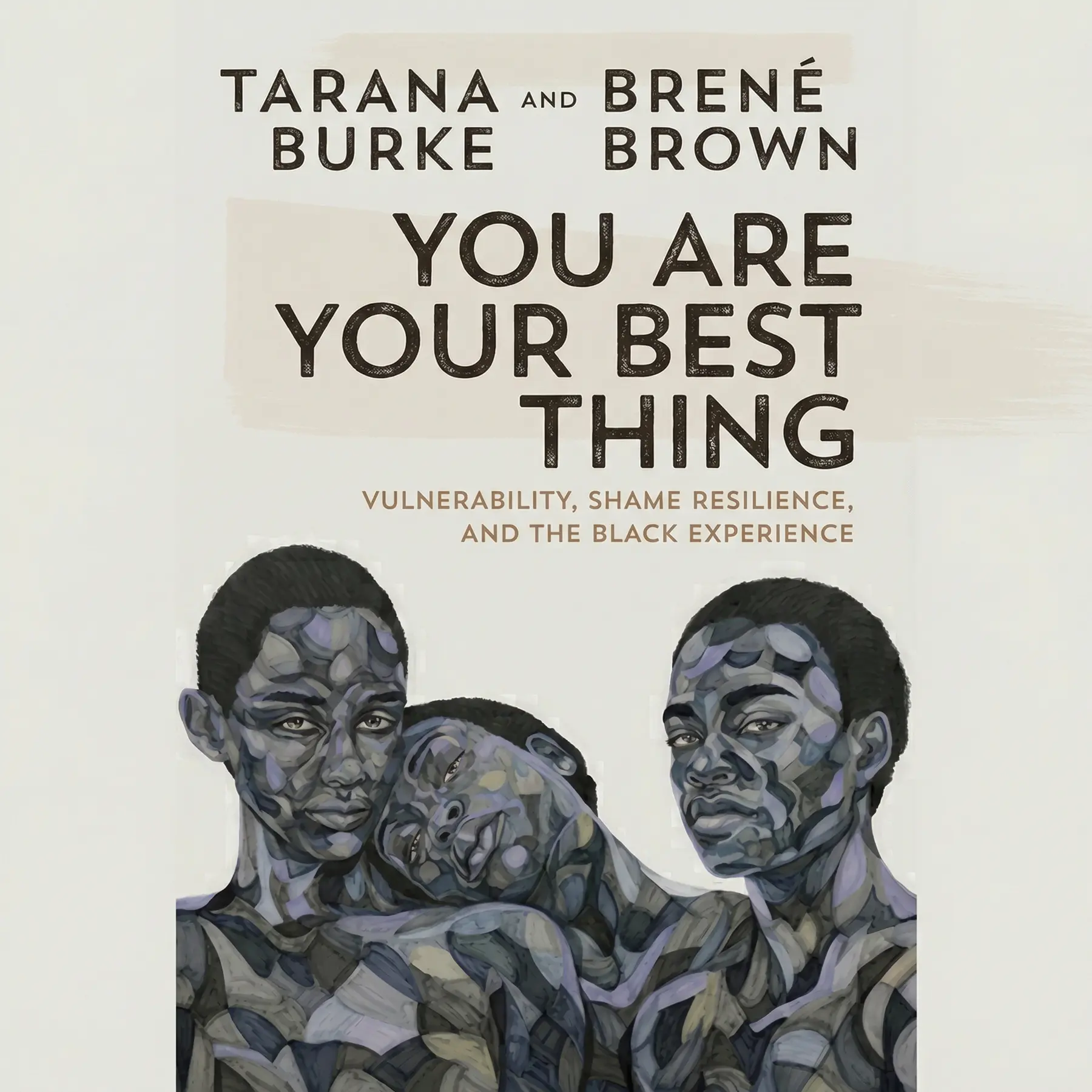
You Are Your Best Thing: Vulnerability, Shame Resilience, and the Black Experience
Black writers explain how racism shapes shame, fear and trauma. Their essays show why openness needs safety first, and how people rebuild self-worth and joy through community, purpose and naming the systems that hurt them.
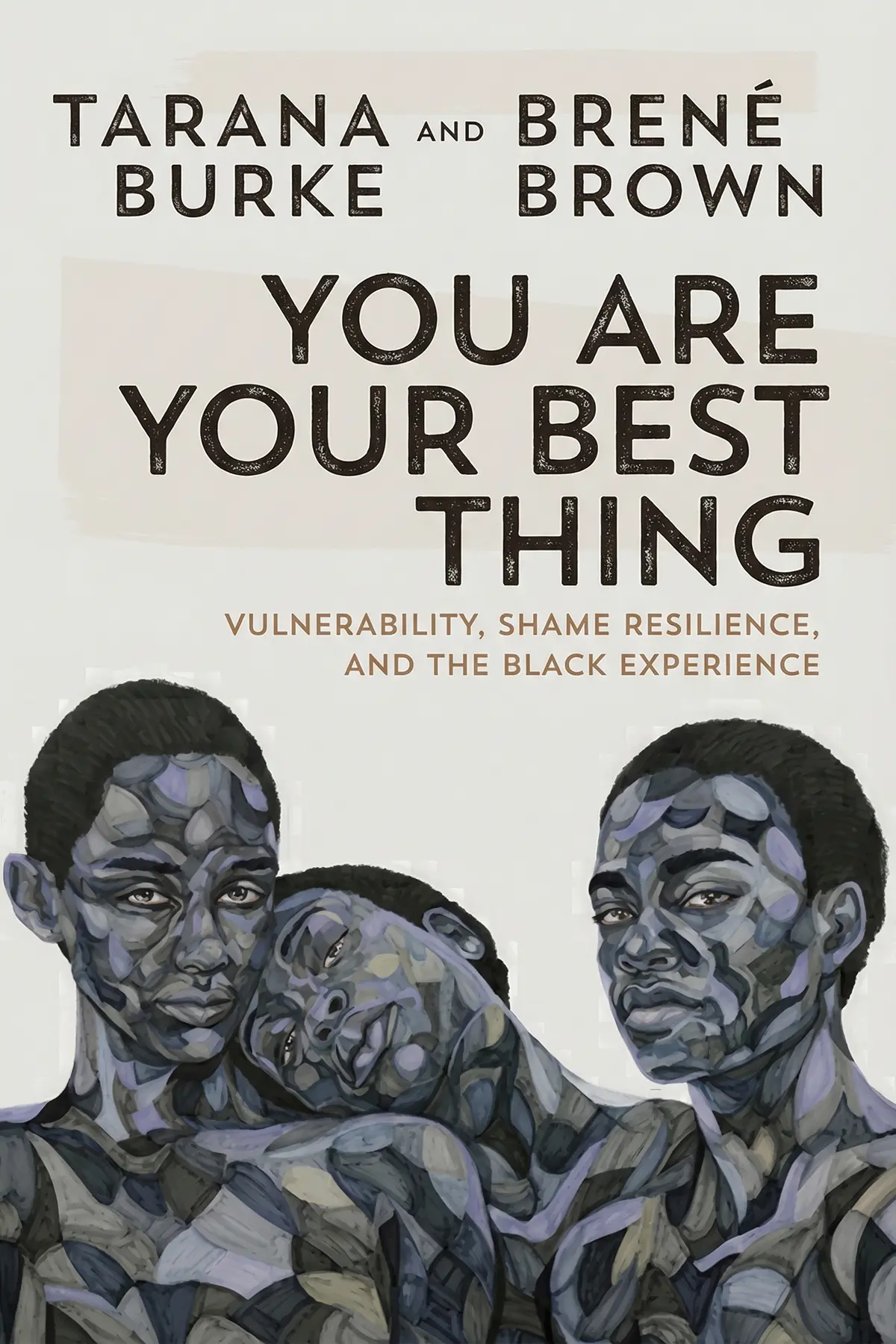
Table of Content
1. Introduction
56 sec
Maybe you have been told to just open up, ask for help or feel worthy of joy, and found that the advice did not fit your life. This book was written for that gap. In You Are Your Best Thing, Me Too founder Tarana Burke and shame researcher Brené Brown bring together Black activists, artists and thinkers. Their essays show that shame and vulnerability look different when the threats around you are real.
The voices are many, but they make one argument. For Black people, much shame is planted by racist systems, and vulnerability needs safety before it can happen. Resilience grows from naming those systems and building communities where people can be seen. Some essays describe abuse and violence, so listen with care. What you gain is a clearer reading of your own fear and shame, and practical ways to make places where people can lower their guard.
2. See the blind spot in advice about vulnerability
1 min 40 sec
A celebrated body of research on shame and openness inspired one of the country’s best-known activists. Yet she rarely found herself inside it, and the reason changes how that research should be read.
3. Hold on to joy even when fear is reasonable
1 min 43 sec
A loving glance at a toddler in a hooded jacket turns into dread in a single heartbeat. The usual advice says that dread is a habit to fix, and this mother has good reason to disagree.
4. Trace your shame back to where it started
1 min 49 sec
For years one woman felt ashamed of her looks, her children and her bank balance. On the worst night of her life she asked where that shame actually came from, and the answer led somewhere unexpected.
5. Stop measuring your worth by how hard you work
1 min 59 sec
A famous activist lay down for a rare nap in the middle of a crowded workday and woke up unable to move half her body. What her doctors told her next exposed a belief she had never questioned.
6. Build safety first, then invite people to open up
2 min 03 sec
Everyone tells struggling people to ask for help. One writer did, and learned why he had avoided it for years, while a youth worker in Oakland found that a single word in a textbook term was wrong.
7. Understand the trauma your family handed down
2 min 06 sec
A child spends a whole morning hunting cockroaches before a classmate’s visit. A Hollywood star still fears walking to the pharmacy. Both stories lead back through the generations.
8. Four tools that make shame lose its grip
2 min 02 sec
Collecting degrees, staying angry and keeping your head down can all keep you safe. One contributor found they also held her back from showing her full self, so she built a different kind of protection.
9. Conclusion
1 min 07 sec
The title carries the argument. Your worth does not have to be earned through work, looks, money or good behavior. It is already yours. Much of the shame these writers describe was pressed onto them by a racist society. Brené Brown’s ideas about vulnerability pass that test, but they change shape. Openness needs safety. Joy can sit beside fear that is fully justified. Healing is less a private repair than a shared one, done in circles, camps, churches and marches.
That leaves something to practice. When shame rises, ask whose standard it serves before you accept its verdict. When you want honesty from a team, a class or a family, make the space safe first and share your own feelings before asking for theirs. And when your body keeps sending warnings, treat rest as something you are owed.
Austin Channing Brown cannot make the world safe for her son. She can still kiss the top of his head while he stands in front of her, and the book asks us to keep choosing that kiss.
About this book
What is this book about?
Most advice about shame and vulnerability assumes it is safe to open up. For many Black people, that assumption fails. The danger on the street, at the doctor's office or even in church is real. After the 2020 protests, Me Too founder Tarana Burke saw that the public conversation about racism almost never asked what that danger does to Black people's inner lives. She invited shame researcher Brené Brown to co-edit a collection with her. Black activists, artists and thinkers wrote personal essays about fear, shame and inherited trauma. A mother sees a murdered teenager when she looks at her hooded toddler. A survivor of near-fatal abuse traces her shame back to racist beauty standards. A writer avoids doctors because one turned a diagnosis into a weapon. Burke herself has a stroke brought on by overwork. Read together, the essays reshape Brown's familiar ideas. Some foreboding is rational. Openness needs a safe container. Self-worth is a birthright, and it does not have to be earned. Readers also get practical tools for shame resilience: naming oppression, turning to Black thinkers and artists, finding a circle of support and holding on to a purpose larger than themselves.
Book Information
Who it's for
Black audiences
Black readers who found mainstream advice on shame and vulnerability did not reflect the dangers they face.
Leading groups and classrooms
Managers, teachers and facilitators who want people to open up and need to build real safety first.
Carrying inherited shame
Anyone who ties their worth to overwork or carries shame they inherited from family or community.
About the Author
Tarana Burke
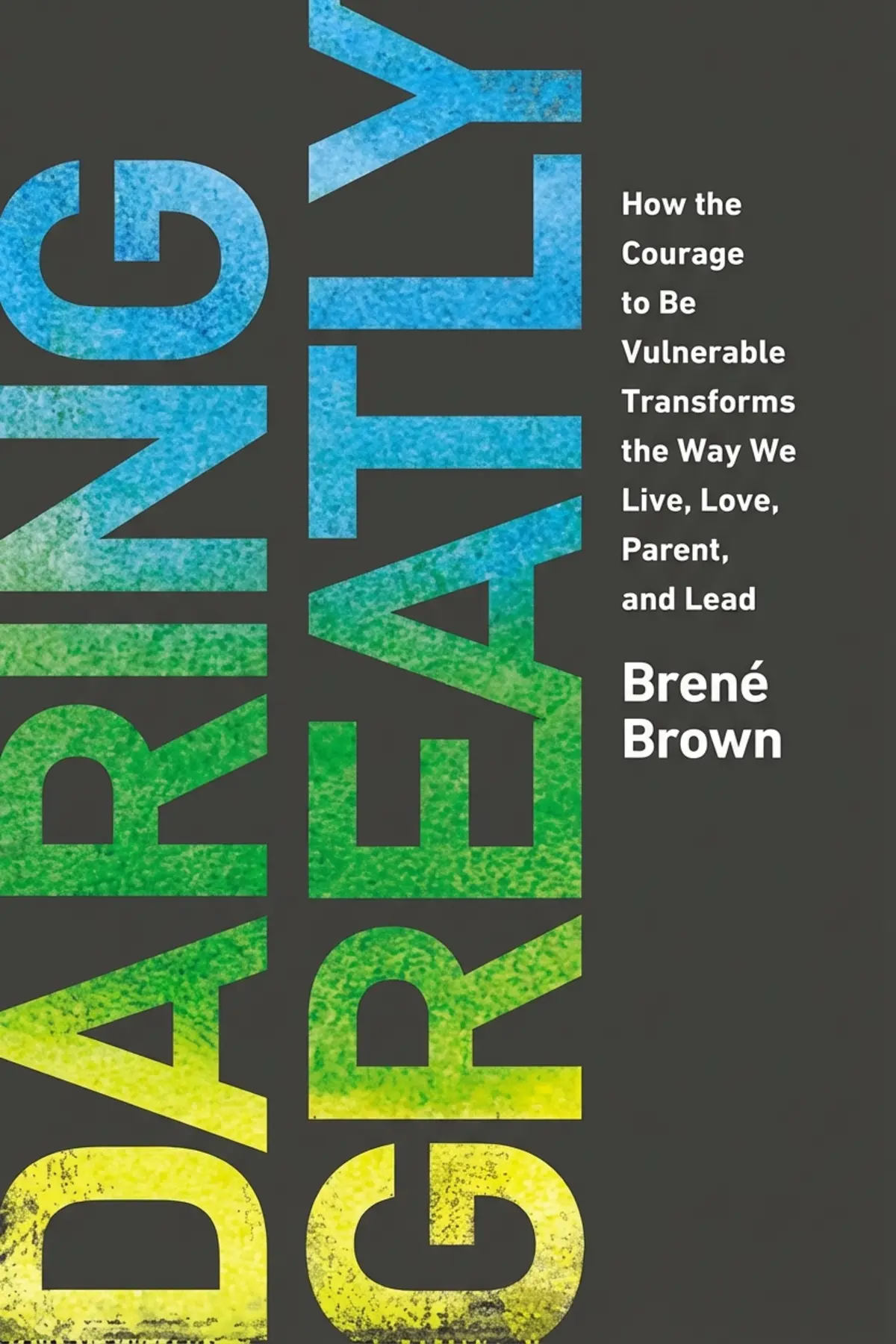
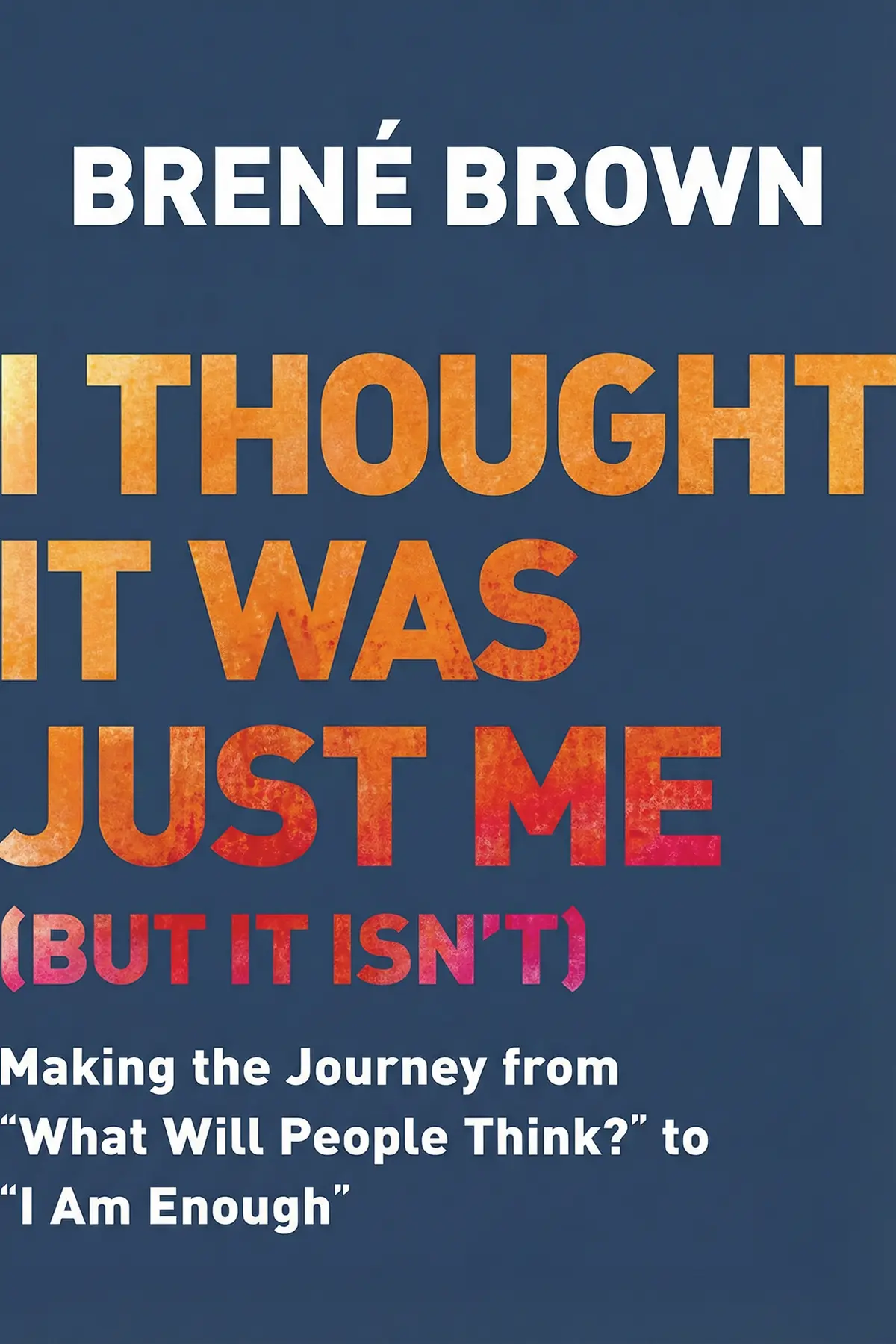
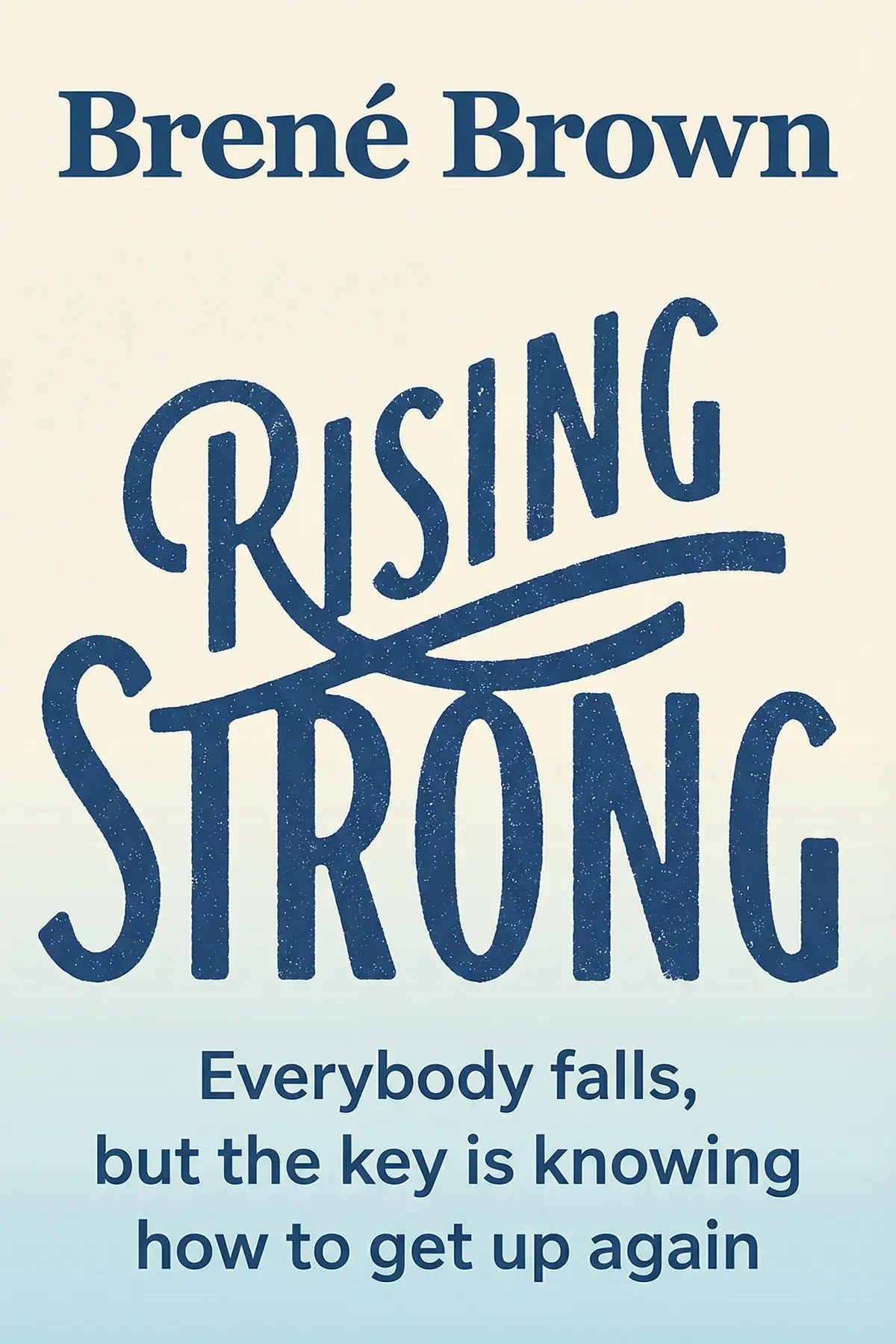
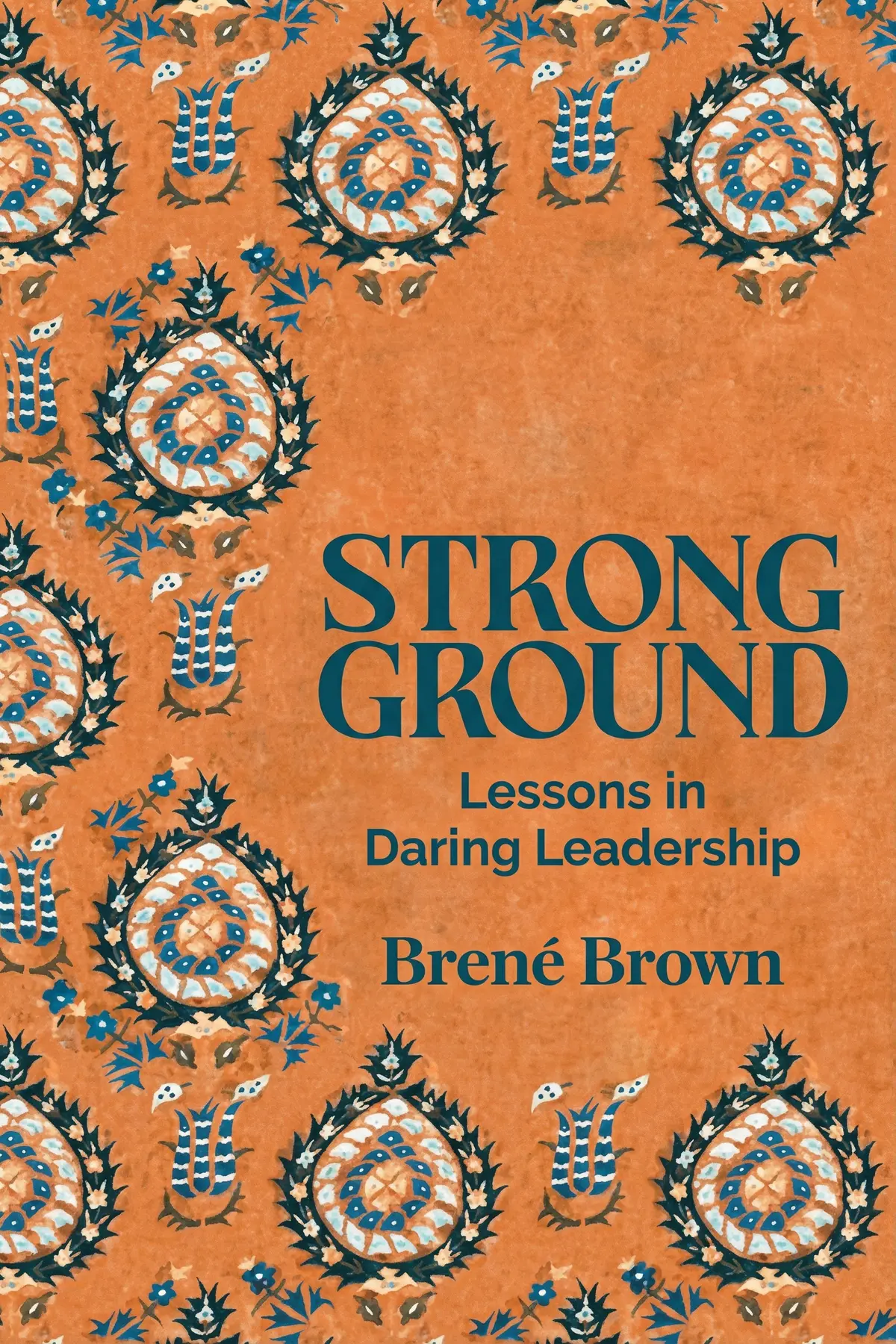
Tarana Burke, a native of the Bronx, founded the Me Too movement, which grew from her work with survivors of sexual violence, especially Black girls and women. Time named her one of the silence breakers it chose as Person of the Year in 2017, and in 2018 she founded me too. International. Brené Brown is a research professor at the University of Houston's Graduate College of Social Work. She wrote Daring Greatly, Dare to Lead and Atlas of the Heart, and her TED talk on vulnerability is among the five most viewed.
Ratings & Reviews
Ratings at a glance
What people think
Listeners find this work essential, highlighting its profoundly intimate narratives and the powerful empathy it generates. While it encourages listeners to embrace vulnerability, one listener notes the inclusion of robust frameworks for resilience. They value the prose's beauty and flow, while one listener characterizes the project as a gorgeous co-creation.
Top reviews
Maja
This anthology is a sacred space for Black healing that feels both expansive and deeply intimate. I found myself lingering on Kiese Laymon’s words, feeling the weight of every sentence as he navigated the intersections of vulnerability and survival. The truth is, many books try to tackle shame, but few do it with such raw, unvarnished honesty that recognizes the specific pressures of white supremacy. Some essays felt a bit shorter than I wanted, almost like they were cut off just as they found their rhythm, but the overall impact is undeniable. It is a powerful rebuttal to the idea that the Black experience is a monolith. Instead, we see a kaleidoscope of identities—queer, disabled, activist, and artistic—all wrestling with what it means to be seen. You will cry, you will reflect, and you will ultimately feel less alone in your own skin.
Show moreManee
Picked this up during a heavy month and it was exactly the balm I needed for my weary spirit. Sonya Renee Taylor’s essay, 'Running out of Gas,' absolutely floored me with its visceral descriptions of exhaustion and the radical act of simply being. It’s rare to find a book that feels like a co-creation between the authors and the readers, but Tarana Burke and Brené Brown have facilitated something truly special here. The audiobook is particularly stunning because hearing the contributors’ own voices adds a layer of empathy that text alone can't always capture. While Luvvie Ajayi’s piece felt a bit more like a promotional detour than a deep dive into shame, the rest of the collection more than makes up for it. This isn't just a book; it's an invitation to honor your own humanity in a world that often tries to strip it away.
Show moreDing
Wow, the emotional weight of these narratives is staggering and beautifully executed. This book challenges the reader to look beyond surface-level resilience and understand the grit required to maintain vulnerability under the weight of generational trauma. I was particularly struck by the segment from Irene Antonia and Diane Reece; their reflections on how anti-blackness permeates even the most private family structures were illuminating. The framework for shame resilience presented here isn't just a copy-paste of standard psychology; it is reimagined for a community that has historically been denied the safety to be vulnerable. It’s a must-read for anyone looking to understand the complexities of the Black experience. I appreciated that it didn't shy away from the pain while still managing to feel life-affirming and hopeful. This is a gift to literature and a roadmap for soul-work.
Show moreNatnicha
After hearing Tarana Burke talk about the 'Me Too' movement for years, seeing her pivot to this focus on internal healing is incredible. This collection is a masterclass in empathy-generation, forcing the reader to bear witness to stories that are often silenced or ignored. Look, it’s not always an easy read; some of these accounts of shame are raw and heartbreaking. But there is such immense beauty in the way these authors wrap words around their survival. Jessica J. Williams and Imani Perry provided insights that I will be thinking about for a very long time. The book succeeds because it doesn't try to provide a one-size-fits-all solution to trauma. Instead, it offers a collection of mirrors, allowing readers to see their own struggles reflected in a variety of Black identities. It is a powerful, transformative work of art.
Show moreNattapong
Rarely does a book leave me feeling both completely emptied and totally refilled at the same time. This anthology acts as a powerful rebuttal to the idea that strength means never showing your wounds. In my experience, the most impactful books are the ones that force you to re-examine your own biases, and this did exactly that. The writing styles vary wildly—some are poetic and airy, while others are grounded and academic—but they are bound together by a common thread of radical self-love. I loved how the contributors examined how racism adds layers of complexity to the shame we already feel as humans. It’s a brilliant, necessary co-creation. Even the essays that didn't immediately click for me had at least one sentence that stopped me in my tracks. Everyone needs to read this, regardless of their background.
Show moreTawee
Finalizing this read left me with a profound sense of gratitude for these authors' courage. Not gonna lie, I cried through several of the essays because the honesty was just that sharp. The book is an essential tool for anyone trying to navigate the wreckage of shame and find their way back to self-worth. It’s a beautifully structured piece of work that honors the specificity of Black trauma while speaking to universal human needs for belonging and love. Some people might find the shifting tones between narrative and theory jarring, but I thought it reflected the complexity of the subject matter perfectly. Tarana Burke is doing life-changing work here. This is the kind of book you buy in multiple copies to give to your friends. It’s an absolute five-star experience that stays with you long after the final page.
Show moreTum
Ever wonder how shame resilience shifts when you aren't looking at it through a purely white lens? This collection answers that with a resounding, multifaceted voice that is long overdue. I particularly appreciated the contributions from Marc Lamont Hill and Prentis Hemphill, which grounded the abstract concept of 'vulnerability' in real-world systemic struggles. To be fair, the book occasionally suffers from a lack of cohesion, feeling more like a series of disparate blog posts than a singular, flowing narrative. A few entries relied a little too heavily on therapy jargon for my taste, making the tone feel slightly clinical compared to the more visceral storytelling found elsewhere. However, the strength of the standout pieces makes the 'meh' moments easy to forgive. It’s a necessary addition to the canon of self-examination and social justice.
Show moreNongnuch
The chapter on 'Dirty Business' by Tanya Denise Fields is worth the price of admission alone. Frankly, I wasn't sure how Burke and Brown’s styles would mesh, but the introduction sets a clear, urgent stage for the voices that follow. My only real critique is that some of the essays felt over-edited, as if the transitional sentences were trimmed to fit a specific page count. This led to a few abrupt endings that left me hanging. Nevertheless, the diversity of contributors—from Laverne Cox to Yolo Akili Robinson—ensures that every reader will find a story that resonates with their specific struggle. It’s a beautiful, messy, and necessary exploration of what it means to belong to yourself. While not every essay is a home run, the ones that land really shake you up in the best way possible. I highly recommend taking your time with it.
Show moreSomsri
Gotta say, the framework for resilience provided here is unlike anything found in traditional self-help books. It’s deeply personal and rooted in the reality of living in a body that society often marginalizes. I appreciated the inclusion of writers like Kaia Naadira, whose voice felt so fresh and honest. To be fair, the book can feel a bit repetitive at times as different authors touch on similar themes of 'not being enough.' I also wish the connection between Tarana and Brené was explored a bit more in the text itself beyond the intro. However, these are minor gripes in what is otherwise a stellar collection. It’s a readable, accessible, and deeply moving look at how we can all work toward being our 'best thing.' It definitely made me rethink how I approach my own vulnerability.
Show moreLucia
As someone who follows Brené Brown’s work closely, I was curious how this collaboration would land, but I found myself feeling a bit disconnected. Personally, I think this would have worked better as a deep-dive podcast series rather than a printed anthology. The essays are quite short, usually around ten pages, which doesn't allow for the level of nuance these heavy topics deserve. Truthfully, it felt like I was constantly being rushed from one person’s trauma to the next without enough time to process the transition. Some contributors, like Jason Reynolds, are master storytellers who can do a lot in a small space, but others felt like they were just scratching the surface of their experiences. It's a noble effort and a beautiful concept, but the execution felt fragmented and uneven. I wanted to love it, but I just liked parts of it.
Show moreQuestions about this book
What is You Are Your Best Thing about?
It is an anthology edited by Tarana Burke and Brené Brown. Black activists, artists and thinkers write personal essays on how racism and white supremacy shape their experiences of shame, vulnerability and trauma. The essays also show how the writers find joy, connection and resilience. Together they argue that much of this shame comes from racist systems, and that real vulnerability is only possible where people feel safe.
How does the book change Brené Brown's idea of foreboding joy?
Brown describes foreboding joy as imagining disaster in a moment of happiness, and she links it to feeling unworthy of joy. Austin Channing Brown’s essay pushes back. When she fears for her hooded toddler or her husband on the road, her fear is rational, given the deadly traffic stops and killings of young Black men. She does not try to erase the fear. She loves harder and stays present anyway.
What is shame resilience according to Aiko D. Bethea?
Bethea describes shame resilience as a way to live wholeheartedly when armor such as assimilating, anger or hiding keeps you small. She uses four tools. She names white supremacy with the help of thinkers like Audre Lorde and James Baldwin. She imagines new futures through Black artists. She keeps an in-person circle of support, which for her is her Sister Circle. And she holds a purpose larger than herself.
Why did Tarana Burke and Brené Brown create the book together?
After the 2020 protests, Burke saw that the public discussion rarely looked at how racist violence affects Black people’s inner lives. She admired Brown’s research but often could not see herself in it. The book notes that Brown’s earlier work had presented her findings from a privileged white perspective. She signed on with two conditions: Burke would be listed as lead author, and the profits that would have gone to Brown would support Black storytellers.
How can I apply the ideas in You Are Your Best Thing?
When shame appears, ask whose standard it is judging you by, as Tanya Denise Fields did. If you lead a group, create safety before you ask for openness, and share your own feelings first, the way Shawn Ginwright does with young people. Watch for signs that you are tying your worth to overwork, which Tarana Burke learned only after a stroke. And find a circle where you can speak freely.
Readers also enjoyed


Abortion: Our Bodies, Their Lies, and the Truths We Use to
Jessica Valenti

ADHD an A-Z: Figuring It Out Step by Step
Leanne Maskell



Afropean: Notes From Black Europe
Johny Pitts


AUDIO SUMMARY AVAILABLE
Listen to You Are Your Best Thing in 15 minutes
Get the key ideas from You Are Your Best Thing by Tarana Burke, plus 5,000+ more nonfiction titles.
- 5,000+ titles
- Listen as much as you want
- 7-day free trial
- Cancel anytime









