
14 min 30 sec
Available in: English
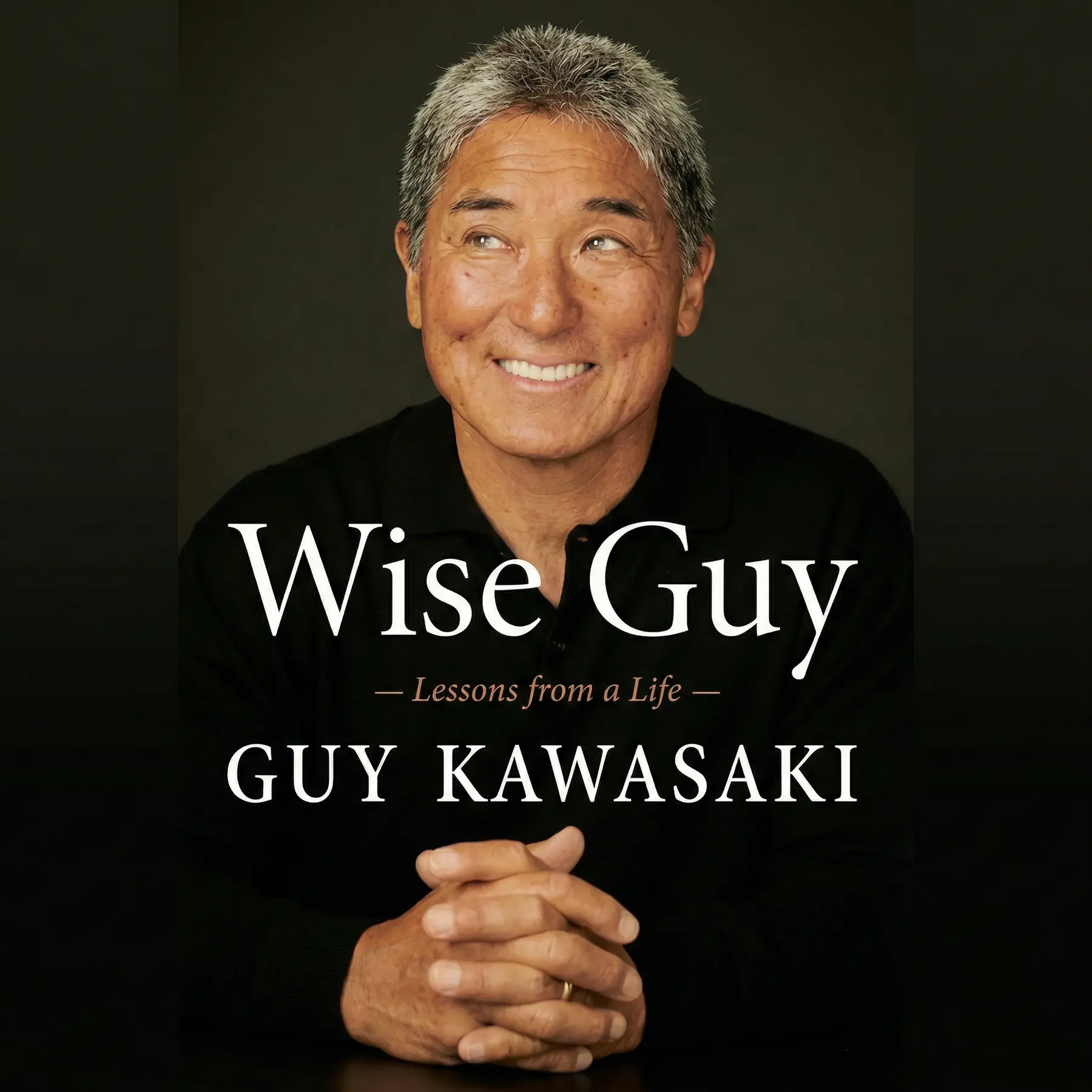
Wise Guy: Lessons from a Life
By Guy Kawasaki
Guy Kawasaki retells his path from a working-class Honolulu home to two stints at Apple and a surfboard at 62, showing how mentors, connections, smart quitting and humility shaped every turn.
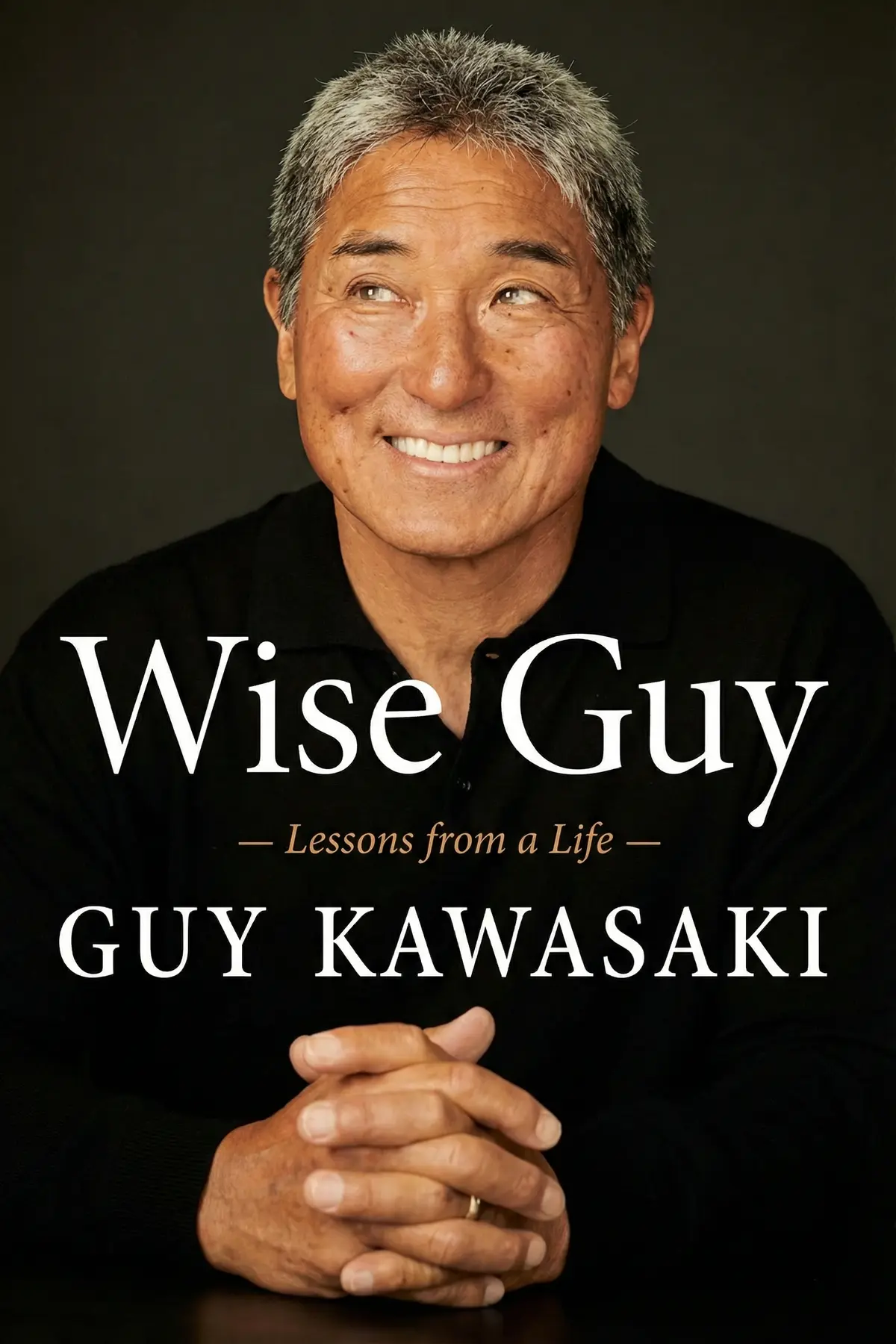
Table of Content
1. Introduction
1 min 00 sec
If you have been sending out job applications and hearing nothing back, Guy Kawasaki has an uncomfortable number for you. Of the more than fifteen positions on his résumé, from truck driver’s helper to brand ambassador for Mercedes-Benz, exactly one came from answering an ad. In Wise Guy, the former Apple evangelist tells his life story to explain where the rest came from: teachers who saw his potential, a college friend who bet his own career on him, and a daughter who told him plainly that his surfing was getting worse.
His case is that breaks mostly arrive through other people, and that keeping them depends on things within your reach: loving the work, quitting what does not fit and listening to people who know more than you. Follow his path from a working-class Honolulu neighborhood to two stints at Apple and a surfboard at 62, and you get a working model for spotting your own openings and earning the ones others hand you.
2. Let mentors see the potential your grades hide
1 min 46 sec
A boy with average grades from a family earning modest wages ended up at one of the most selective universities in the world. Two adults outside his family made that happen: his sixth-grade teacher and, later, his college counselor.
3. Quit the wrong path without quitting on yourself
1 min 53 sec
Within one week of starting law school, Kawasaki knew he had made a mistake. Admitting it meant facing parents who had sacrificed for his education, and their answer surprised him.
4. Turn a borrowed chance into a job you earn
1 min 43 sec
Steve Jobs agreed to hire Kawasaki on one harsh condition, and it had nothing to do with Kawasaki himself. What saved the hire was a skill nobody at Apple expected to need.
5. A lost promotion can point you somewhere better
1 min 57 sec
Kawasaki was ready for a board seat, stock options and a company car. Then his boss blocked him for reasons he did not want to hear, and the fallout led to a company still running decades later.
6. Keep your most loyal customers close in a crisis
1 min 46 sec
In the mid-1990s, experts were writing Apple off. Kawasaki’s job was to stop its remaining users from giving up, and his main tool was an opt-in email list that drew a sizable following for its day.
7. Learn empathy from the people closest to you
1 min 36 sec
At a school open evening, a successful executive sat down to a simple reading exercise and ended up in tears. What he saw that night changed how he judged his son, and himself.
8. Learn a hard skill even after sixty
1 min 39 sec
A man in his sixties with poor balance set out to master the hardest style of surfing, while onlookers laughed. The trick that finally got him standing broke the experts’ rules.
9. Conclusion
1 min 10 sec
Kawasaki’s life reads like a chain of other people’s choices: a teacher’s phone call, a counselor’s push, a father’s refusal, a friend’s gamble, a vice president’s request, a surfing legend’s lessons. Each of them saw something in him. Each time, he repaid the bet with work he cared about, a readiness to drop what did not fit and enough humility to be taught, even by his own daughter.
That is why his most practical advice concerns people. Of the more than fifteen jobs he has held since starting as a truck driver’s helper in 1971, only one came through an ad. The rest came through family, friends and acquaintances. So spend less time polishing applications and more time reaching out to people you already know; most of us could name a few right now and send the first message today. And when someone does open a door for you, look for what in your past makes you useful on the other side of it.
The next time you are tempted to judge yourself, or anyone else, by early results, picture a man past 60 with poor balance, finally standing on a board the experts said was wrong.
About this book
What is this book about?
Most career advice treats success as a solo effort: better grades, a sharper résumé, more applications. Guy Kawasaki's own record points somewhere else. Of the more than fifteen jobs he has held, only one came from answering an ad. In this memoir, the former Apple evangelist traces each turn of his life back to the people who made it possible. There is the teacher who phoned his parents, the counselor who pushed him toward Stanford and the college friend who risked his own career to get him hired at Apple. He is just as open about what he did with those chances. He quit law school within a week, turned jewelry bargaining into a talent for winning over software makers, lost a promotion and founded a company, then came back to help a struggling Apple keep its loyal users. The later chapters move from work to home: what a son with dyslexia and a blunt surfing daughter taught him about empathy, and what learning a hard sport in his sixties taught him about talent. Readers get a set of lessons drawn from one life for building connections, earning the breaks others hand you and learning at any age.
Book Information
Who it's for
Students and new professionals
Students and early-career professionals with ordinary grades who wonder how people actually get their first big break.
Worried about changing paths
Career switchers worried that quitting a path or an unusual résumé will count against them.
Wanting Apple's inside story
Apple and Silicon Valley fans who want an insider's view of the Macintosh years and Apple's near collapse.
About the Author
Guy Kawasaki
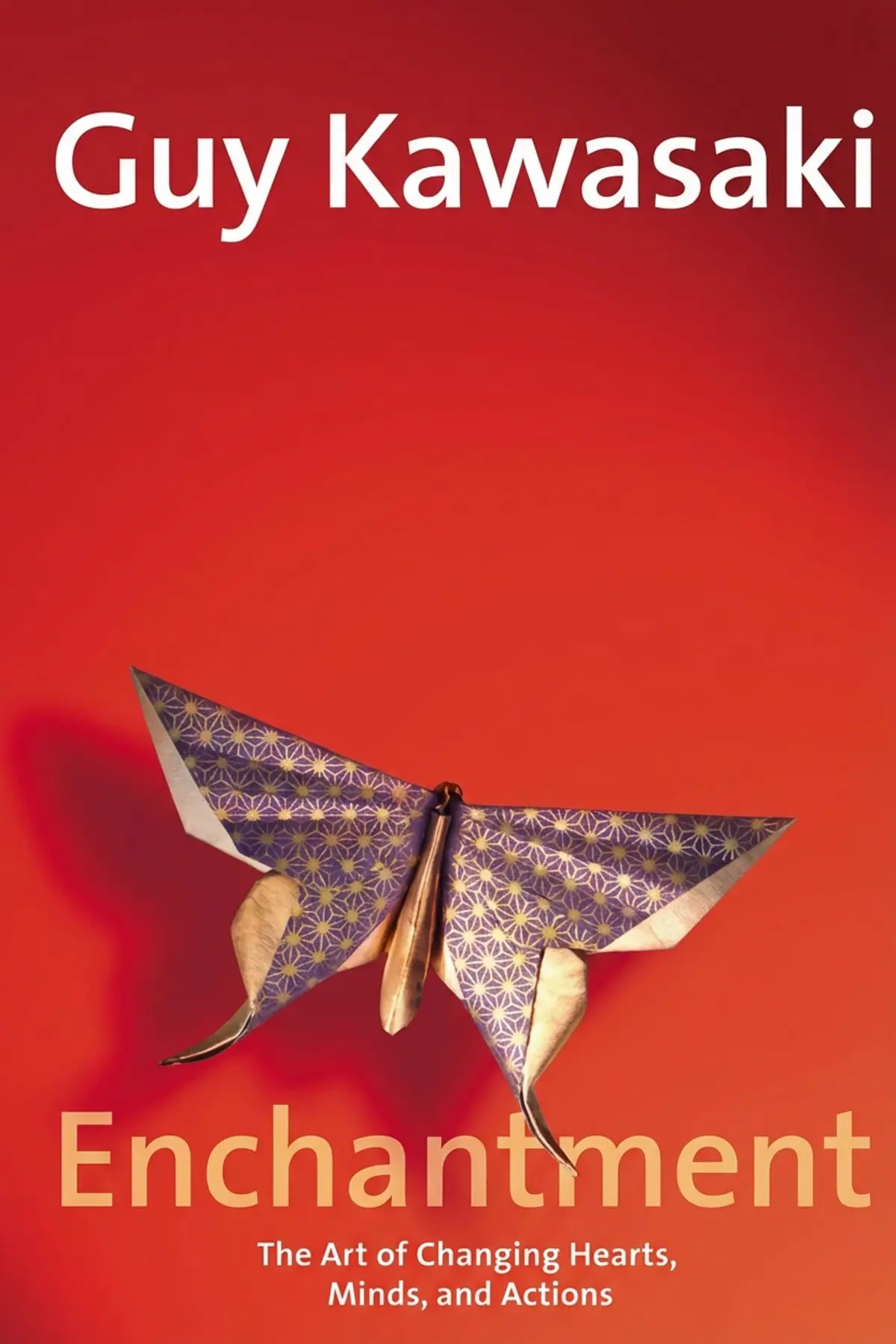
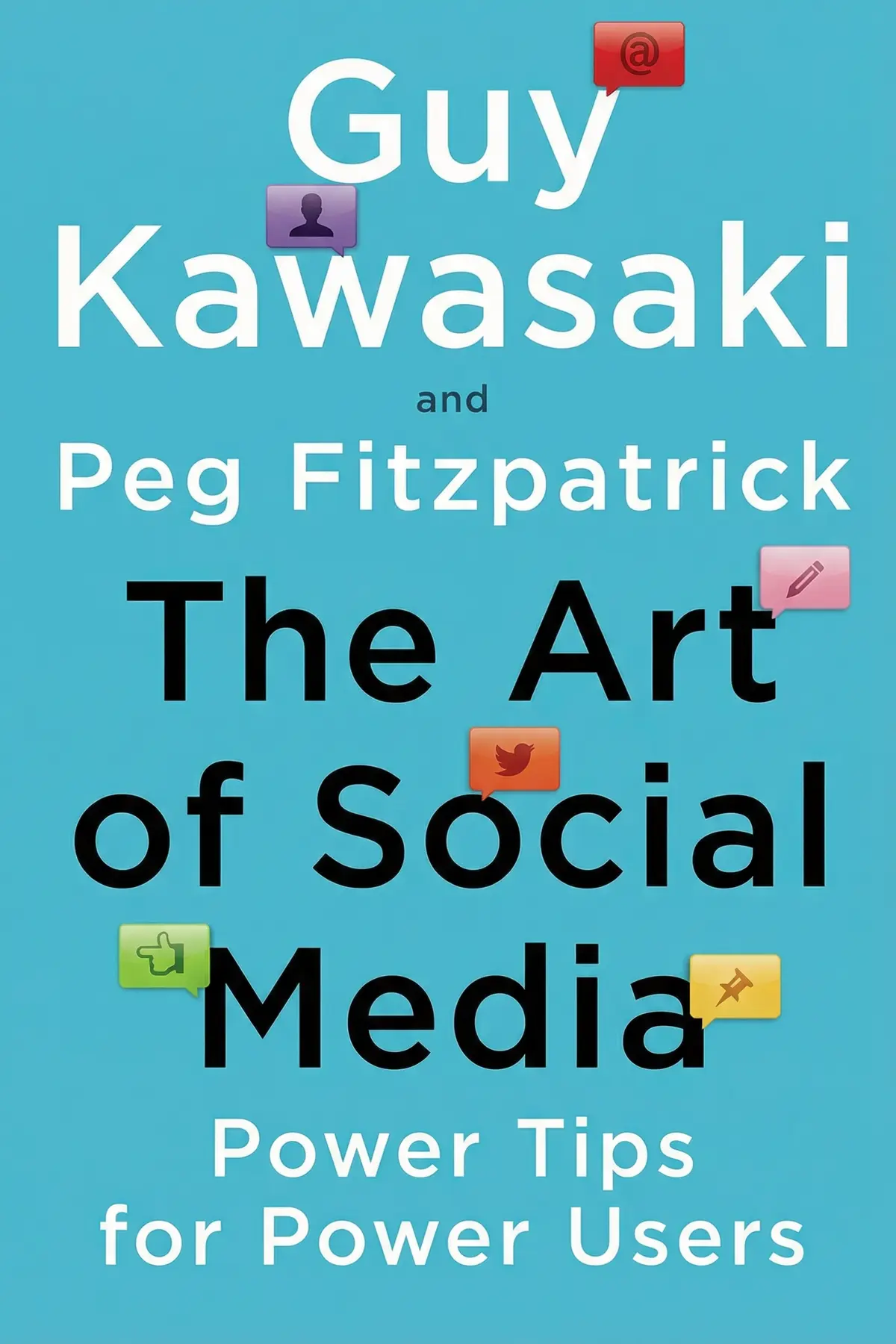
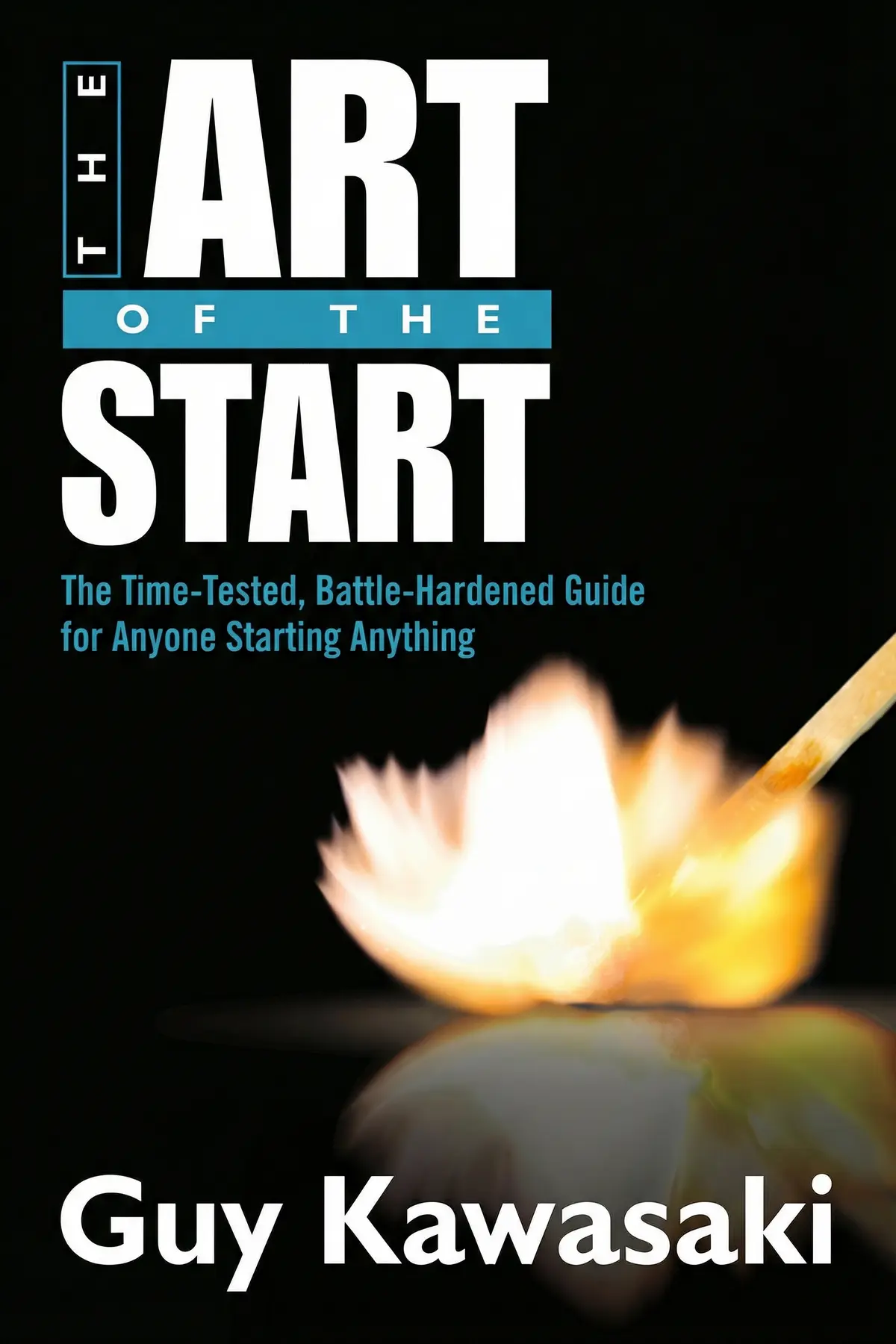
Guy Kawasaki was born in Honolulu in 1954, studied at Stanford University and earned an MBA from UCLA. At Apple he promoted the Macintosh to software and hardware developers and helped bring the word evangelist into everyday marketing use. He later helped start Garage.com, a matchmaking service for angel investors, served as chief evangelist of Canva and hosts the Remarkable People podcast. His other books include Enchantment and The Art of the Start, and he was a trustee of the Wikimedia Foundation from 2015 to 2016.
Ratings & Reviews
Ratings at a glance
What people think
Listeners find the book easy to read and value its enlightening 10 distilled lessons and wonderful anecdotes. The pacing also earns positive feedback, with one listener mentioning that it brings a smile to their heart. Additionally, listeners find the work relatable, including one who notes its relevance for people born in Hawaii, and they praise its warmth. However, the writing quality gets mixed reviews; while some consider it succinct, others say it's badly written.
Top reviews
Somsri
Few business icons manage to sound like a real human being, but Guy Kawasaki pulls it off here with incredible grace. This isn't just another dry tech manual about scaling a startup or disrupting industries. Instead, it’s a warm, rambling, and deeply personal look at a life lived across different cultures and decades. I especially loved the sections about his childhood in Hawaii and his late-life pivot into surfing at age 62. It’s rare to see a Silicon Valley legend admit to being a beginner at something so physical and humbling. The 'Wisdom' callouts at the end of each chapter provide great, bite-sized takeaways that don't feel like typical corporate jargon. Frankly, it’s the kind of book that makes you want to be a better person, not just a more successful entrepreneur. The pacing is wonderful and genuinely brought a smile to my heart while reading through his various adventures.
Show moreEnd
Wow, what a refreshing take on the standard Silicon Valley autobiography! Guy Kawasaki has a way of storytelling that feels like sitting down for a beer with a long-lost friend. I was particularly moved by his dedication to his children, specifically how he took up hockey and surfing just to connect with them on their level. That kind of parenting wisdom is much more valuable than any marketing tactic he could share. The book is easy to read and flows naturally from his immigrant roots in Hawaii to the heights of Apple and beyond. Each vignette is polished and ends with a 'Wisdom' section that helps anchor the story in a practical way. It’s an inspiring reminder that success isn't just about your job title, but about the meaningful lives you touch along the way. I highly recommend this to anyone looking for a boost of motivation mixed with real-world humility.
Show moreWachira
Finally got around to reading this, and the pacing is what really stands out to me. Guy manages to cover an immense amount of ground—from jewelry sales to the pinnacle of the tech world—without ever feeling boring or stagnant. The stories about Richard Branson shining his shoes or his failed attempts to work with political campaigns are told with a great sense of humor. It’s an easy read that manages to provide meaningful content without being dense. Not gonna lie, I was inspired by his grit; he isn't the most talented at everything, but he outworks almost everyone. The 10 lessons are easy to remember and actually applicable to daily life. Whether you’re a student, an entrepreneur, or just someone looking for a bit of direction, there is something in here for you. It’s a beautiful collection of life lessons that feels both honest and motivational.
Show morePornpimon
Picked this up expecting a standard Apple history, yet I found something much more intimate and relatable. While the stories about the original Macintosh team and Steve Jobs are definitely present, the book shines when Guy discusses his more obscure paths, like his time in the diamond industry. It turns out that sorting and selling diamonds taught him just as much about human nature as tech marketing did. The writing is succinct and moves at a brisk clip, though I did find some of the formatting in the digital version a bit frustrating to navigate. To be fair, the 10 distilled lessons at the core of the book are incredibly practical for anyone at any stage of their career. He balances a certain 'confident arrogance' with a surprising amount of vulnerability about his failures. It’s an enlightening read that feels more like a mentorship session than a formal autobiography.
Show moreKek
After hearing Guy speak years ago, reading this felt like catching up with an old mentor who has finally decided to tell the 'real' stories. The book is a fascinating journey from his Stanford days to the inner circles of the tech elite. I loved the variety of the presentation, especially the bulleted lists and transcripts from his commencement addresses. It keeps the energy high and prevents the memoir from feeling too self-indulgent. One minor gripe is that he occasionally drops names so fast it’s hard to keep up with the context. However, his advice on helping people simply because you can—not because they can pay you back—is a lesson more people in business need to hear. It’s a warm, enlightening book that captures the spirit of someone who has seen it all but still chooses to remain curious about the world.
Show moreDome
Ever wonder what it was actually like inside the original Macintosh team? Guy provides some great glimpses into that era, but the real heart of the book is everything that happened after he left Apple. I found his reflections on the diamond business and his later career at Canva to be just as interesting as the Steve Jobs years. He writes with a confident arrogance that is actually quite charming because he backs it up with genuine results and a willingness to laugh at himself. The book recommendations he shares throughout the text are a great bonus for any aspiring writers out there. Personally, I think the strongest chapters are the ones where he discusses his family and the values he tried to instill in his kids. It’s a solid 4-star read that offers a lot of food for thought, even if a few of the anecdotes feel a bit like filler.
Show morePichaya
As someone born in the islands, I found the chapters about Guy’s early life in Hawaii incredibly touching and authentic. He captures the immigrant experience and the drive to succeed in California perfectly. The book is filled with wonderful anecdotes that illustrate his 10 distilled lessons without being overly preachy. I particularly appreciated the variety of styles, from photographs to report cards, which made the reading experience feel very personal. It’s a quick read, but the meaning behind his stories resonates long after you finish the chapter. My only real complaint is that some of the wisdom nuggets feel a bit repetitive if you read the book straight through. Still, it’s a very relatable and humanizing look at a Silicon Valley icon. He reminds us that even 'wise guys' have to struggle through the basics of life, parenting, and learning to surf at 62.
Show moreEmily
To be fair, the structure of this book feels a bit haphazard at times, reflecting Guy’s self-described 'odd bod' collection of memories. While I enjoyed the anecdotes about Richard Branson and his experiences with various presidential campaigns, some chapters felt significantly stronger than others. At points, the writing leans a bit too heavily on repetitive phrases and quotes that I’ve heard in his previous books or speeches. It almost felt like it was written for a younger audience, perhaps high school or college students, rather than seasoned professionals. Look, the advice is solid—work hard, be nice to people, and keep learning—but it’s not exactly revolutionary stuff. I appreciated the inclusion of his 9th-grade report card and personal family photos, which added a nice touch of authenticity. However, the lack of a tight narrative thread made it a struggle to stay fully engaged through the middle sections.
Show moreCooper
The truth is, while the stories are engaging, many of the 'lessons' feel like common sense dressed up in fancy packaging. Guy is an excellent storyteller, and his life has certainly been more interesting than most, but I struggled with the lack of a linear timeline. One minute we are in the 1980s, and the next we are talking about his kids’ surfing habits in 2016. It’s a bit jarring. I did enjoy the authentic Hawaii vibes and his honesty about his own shortcomings, which makes him much more likable than your typical CEO author. In my experience, this book is best enjoyed as a series of short, daily readings rather than one long sitting. It’s a light, breezy read, but it lacks the 'meat' I was hoping for after reading his more technical marketing books. It’s fine for a vacation read, but don’t expect a masterclass in business strategy.
Show moreRyan
Not what I expected from someone of Kawasaki's stature. While I've followed his career for years, I found the writing quality in this particular volume to be quite mixed. Some sections are charming, but others feel badly written and rushed, as if the stories were just transcribed from a series of casual blog posts without much editing. The truth is, many of the lessons are essentially 'motherhood and apple pie'—common sense clichés that don't offer much depth. Additionally, I had a terrible time with the ebook formatting; the tiny, non-adjustable font made the experience a literal headache. It’s disappointing because I know Guy is a master of social engagement, but this felt like a missed opportunity to provide something truly profound. If you are looking for deep strategic insights into the tech world, you might find this a bit too superficial and repetitive for your taste.
Show moreQuestions about this book
What is Wise Guy by Guy Kawasaki about?
Wise Guy is a memoir in which Kawasaki draws lessons from his life: his Japanese-American family in Honolulu, the teachers who steered him to Stanford, quitting law school, selling jewelry, two stints at Apple, founding a software company, raising children and learning to surf at 62. His recurring point is that breaks come through people, and keeping them depends on loving the work and staying open to being taught.
How did Guy Kawasaki get his job at Apple?
A friend from his Stanford days, Mike Boich, first showed him the Apple II and afterward mentioned that a position was open. Kawasaki joined the Macintosh Division in September 1983 as a software evangelist. Steve Jobs doubted his résumé and told Boich his own career depended on the hire. Kawasaki kept the job by turning his jewelry sales experience into persuading skeptical software and hardware makers to build for the Mac.
Why did Guy Kawasaki quit law school?
In 1976 he started at the University of California, Davis, but the atmosphere startled him: a dean said students knew nothing, and professors embarrassed students in front of the class. He decided to leave within a week. His parents accepted it on one condition, that he make something of himself before 25. He then took an MBA at UCLA, where Fridays in the jewelry trade taught him to sell.
What is the main career advice in Wise Guy?
Build connections instead of firing off applications. Of Kawasaki’s more than fifteen positions, starting as a truck driver’s helper in 1971, only one came from answering an ad. The rest came through family, friends and acquaintances. He suggests thinking of people you already know who could help and contacting them now, then earning any chance they give you through committed, enthusiastic work.
What does Wise Guy say about learning new skills later in life?
Kawasaki took up prone surfing in his sixties despite poor balance. With lessons from surfer Jeff Clark and his own idea of using an old paddleboard, he learned it. He concludes that natural talent is overrated and that practice, belief in what you are doing, determination and following experts make the difference at any age.
Readers also enjoyed



A Promised Land
Barack Obama


A River in Darkness: One Man’s Escape from North Korea
Masaji Ishikawa

A Spy Among Friends: Philby and the Great Betrayal
Ben Macintyre


A Year in the Life of William Shakespeare: 1599
James Shapiro


AUDIO SUMMARY AVAILABLE
Listen to Wise Guy in 15 minutes
Get the key ideas from Wise Guy by Guy Kawasaki, plus 5,000+ more nonfiction titles.
- 5,000+ titles
- Listen as much as you want
- 7-day free trial
- Cancel anytime









