
11 min 24 sec
Available in: English
 ไทย
EnglishไทยThe Plant Paradox: The Hidden Dangers in “Healthy” Foods That Cause Disease and Weight Gain
Steven R. Gundry argues that lectins, defensive proteins in grains, beans and other plants, cause brain fog, weight gain and gut damage, and lays out a six-week program built on removing them.
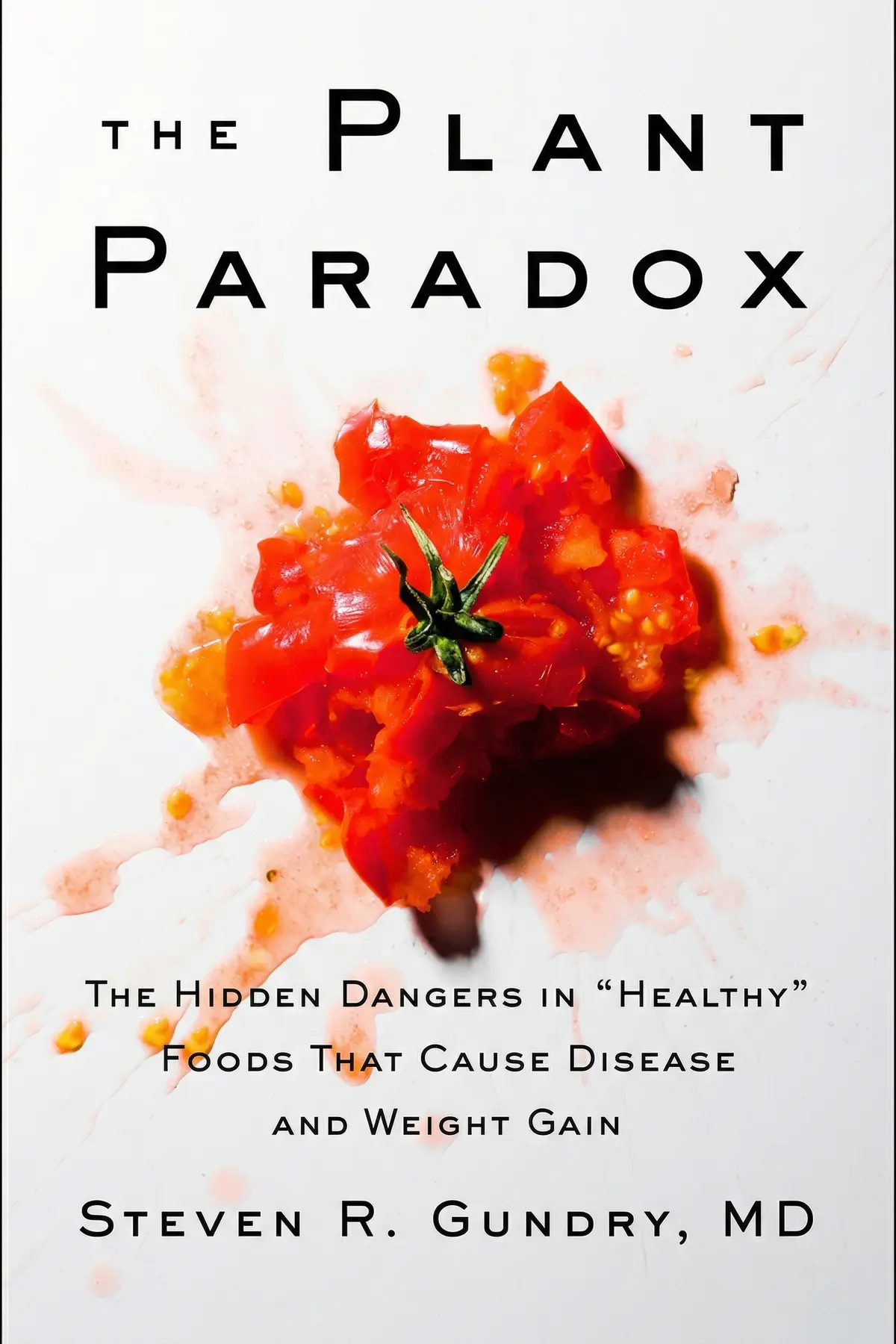
Table of Content
1. Introduction
56 sec
If you fill your cart with whole grains, beans and superfood seeds and still feel foggy and heavy, heart surgeon turned diet writer Steven R. Gundry offers an uncomfortable explanation. In The Plant Paradox, he argues that many plants carry defensive proteins called lectins, built to punish the animals that eat them, and that we are among those animals. Gundry claims these proteins can cloud thinking, add fat and weaken the wall of the gut.
His throughline is that health starts with subtraction: take the lectin-heavy foods out first, repair the gut, and only then worry about what to add. Scientists and dietitians have rejected his lectin claims, so his ideas are best heard as one doctor’s case. Followed through, that case gives you a new way to read a menu, a three-day reset built around a simple green smoothie, and a short list of foods Gundry wants you to stop eating.
2. Read your salad as a plant fighting back
1 min 37 sec
Animals escape predators with speed and sharp senses. Plants cannot run, yet Gundry argues they are far from defenseless, and their weapon of choice may explain both a foggy afternoon and an expanding waistline.
3. What hungry ancestors teach about grains and beans
1 min 34 sec
Grain built one of the ancient world’s richest kingdoms and fed the workers behind its monuments. Yet the bodies left behind tell a less flattering story about what that grain did to the people who ate it.
4. Learn how whole grains can harm your gut
1 min 37 sec
For centuries, bakers and cooks threw away the part of the grain that nutrition labels now celebrate. Gundry believes they may have had good reason, and his explanation starts with a comparison to a nuclear reactor.
5. Cut the wrong foods before adding good ones
1 min 29 sec
A patient’s skin condition cleared up on Gundry’s program, and the obvious explanation was sitting right there on the menu. Gundry rejected it, and his reason shapes everything the program asks you to do.
6. A three-day reset that readies your gut
1 min 29 sec
Gundry believes healthy food barely helps a gut that is already damaged. His fix is a short cleanse with a long list of exclusions, yet the plate that remains is fuller than you might expect.
7. Fill the gaps that modern produce leaves
1 min 31 sec
Eating more vegetables sounds like a safe answer to any nutrition worry. Gundry points to decades of measurements suggesting the vegetables themselves have changed, and to what our ancestors got that we no longer do.
8. Conclusion
1 min 11 sec
The Plant Paradox asks you to see the produce aisle as a battlefield. In Gundry’s telling, plants never agreed to be eaten, and the lectins they use to defend themselves follow us into the brain, the fat cells and the gut wall. Grains rescued humanity from hunger and then left Egyptian mummies with heavy bodies and bad teeth. The way back, he argues, is not a new superfood but a shorter list.
His most practical advice is about what to stop. Set aside beans and lentils, and question the whole-grain label before trusting it. Try the three-day cleanse, starting with the spinach, romaine, avocado and mint smoothie. And skip fast-food bread: Gundry warns that it can contain azodicarbonamide, a chemical also found in yoga mats, used to bleach flour and condition dough, which he says makes gluten reach the gut faster and irritates it.
Because scientists and dietitians dispute his lectin claims, treat the program as one surgeon’s hypothesis to test with care, with your own doctor involved. The question he leaves is a good one either way: before adding anything to your plate, what should come off it?
About this book
What is this book about?
Whole grains, beans and superfoods are supposed to be the safe choices. Heart surgeon turned diet writer Steven R. Gundry argues that many of them carry a hidden cost. Plants cannot run from the animals that eat them, so they defend themselves with chemistry, and one of their main weapons, he says, is a family of proteins called lectins. In Gundry's account, lectins interfere with signals between nerves and cells, push sugar into fat cells and make the gut wall leak, letting microbes escape and turning the immune system against the body. He traces the problem back to the end of the last Ice Age, when farming saved humans from starvation, and to the modern fashion for keeping the bran in grains. His answer is the six-week Plant Paradox Program. It starts with a three-day cleanse, cuts legumes and other lectin-rich foods, and fills nutrient gaps with supplements such as vitamins D and B12. His central rule is that removing harmful foods matters more than adding good ones. His lectin claims are disputed by scientists and dietitians, so readers get one doctor's case to weigh, along with a concrete plan for testing it.
Book Information
Who it's for
Struggling despite whole grains
People who eat whole grains and beans for their health and still struggle with weight, bloating or brain fog.
Curious about lectin-free eating
Readers curious about lectin-free eating who want Gundry's case and his three-day cleanse in plain terms before deciding whether to try it.
About the Author
Steven R. Gundry
Steven R. Gundry is an American physician who trained and worked as a heart surgeon. He was Professor and Chairman of Cardiothoracic Surgery at Loma Linda University Medical Center, where, with colleague Leonard Bailey, he helped pioneer heart transplants for babies and children. He later founded the International Heart and Lung Institute and Center of Restorative Medicine in California and turned to writing about diet. His lectin-free approach is controversial: scientists and dietitians have disputed his claims about lectins.
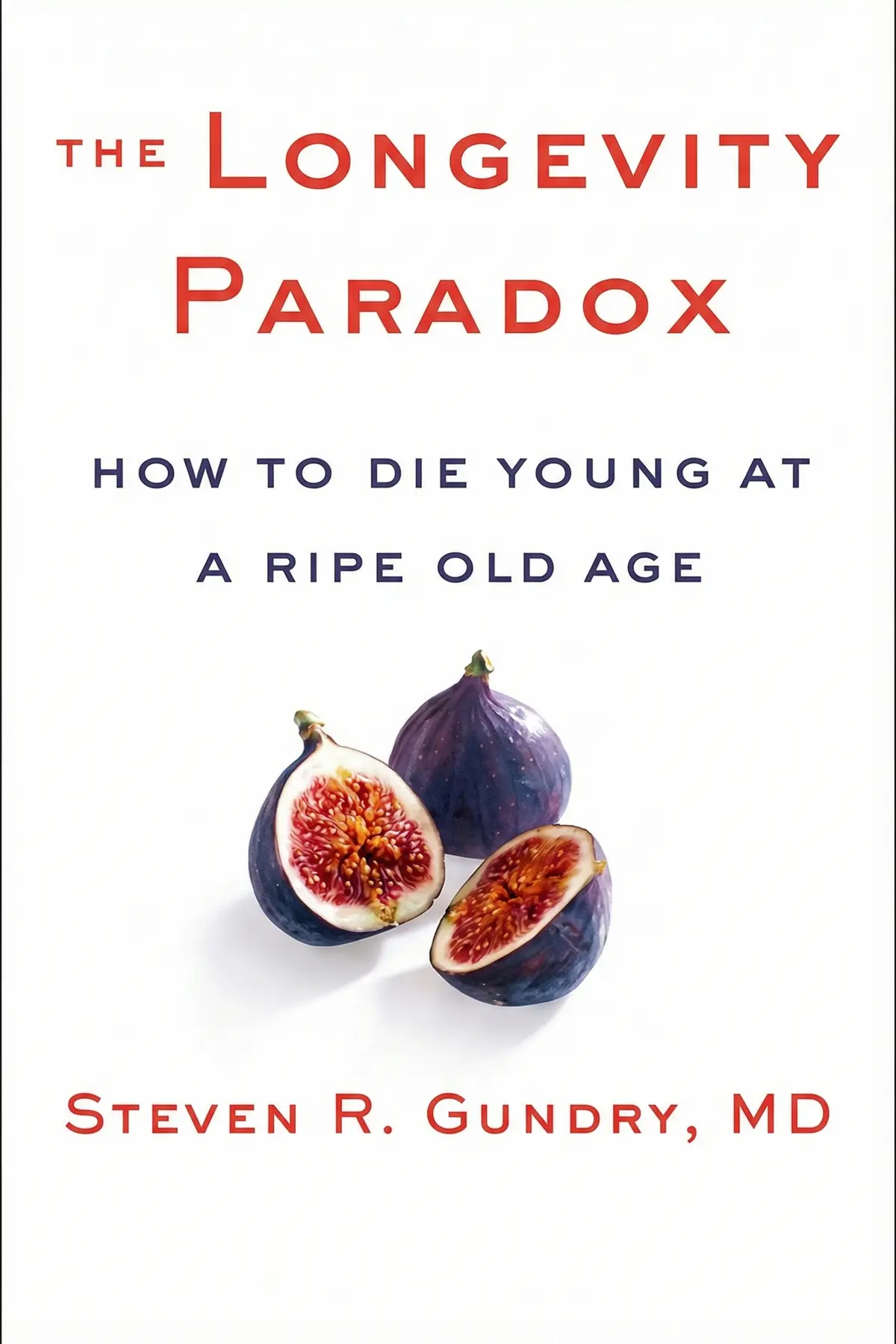
The Longevity Paradox: How to Die Young at a Ripe Old Age
Steven R. Gundry
Ratings & Reviews
Ratings at a glance
What people think
Listeners find this work revelatory and well-researched, with one noting it fills in missing facts about peanuts. Moreover, they appreciate how it helps reverse major health issues and improves quality of life, as many report reduced aches and joint pains. The book is also easy to read and follow; notably, one listener highlights its technical information presented in a readable style. However, opinions on value for money are mixed, with some finding it well worth the investment while others consider it not worth the cost.
Top reviews
Sing
Picked this up after years of struggling with mysterious joint inflammation that no doctor could explain. Gundry's take on lectins is definitely controversial, but I can't argue with the results I've seen in my own body. For me, the section on peanuts was the biggest lightbulb moment because I was practically living on peanut butter while my knees throbbed. To be fair, the dietary restrictions are intense and will test your willpower to the absolute limit. However, the trade-off for a life without constant aches feels well worth the investment of time and money. It’s written in a very accessible way, so you don't need a medical degree to grasp the biochemistry and start feeling better immediately.
Show moreSawit
Finally got around to reading this and I’m honestly blown away by the improvement in my quality of life. For years, I dealt with brain fog and lethargy that I just assumed were part of getting older. Following the 3-day cleanse was brutal, but once I transitioned into Phase 2, the inflammation in my hands completely vanished. I love how he breaks down the 'Do' and 'Avoid' lists so clearly, making grocery shopping much less of a headache. Frankly, even if only half of what he says is true, the results speak for themselves. This book is a must-read for anyone dealing with autoimmune issues who feels like they’ve run out of options.
Show moreSeksan
Not what I expected at all, but I’m so glad I gave it a chance. I’ve tried every diet under the sun, from Paleo to Keto, and nothing seemed to address my underlying health issues. This book provides a much-needed missing piece of the puzzle by focusing on the hidden toxins in our food supply. The truth is, our modern diet is a disaster, and Gundry’s research into how 'natural' labels are often meaningless is spot on. I’ve lost 15 pounds in the first month without ever feeling like I was starving myself. If you’re tired of feeling sick and tired, just buy the book and commit to the six weeks he asks for—you won't regret it.
Show moreSomboon
Wow, I never thought I’d be the person telling people to stop eating whole wheat and beans. Gundry’s approach is radical, but the way he connects gut health to neurological problems and heart disease is incredibly compelling. The book is well-researched and easy to understand, even when he dives into the nitty-gritty of biochemistry. I did find the constant mention of his own supplement line a bit annoying, but the core dietary advice seems solid. Since starting the program, my blood pressure has stabilized and I finally have the energy to exercise again. It’s an investment in your future that pays off in ways you wouldn't believe until you try it for yourself.
Show moreMeen
After hearing about the 'lectin-free' craze from friends, I decided to see what all the fuss was about. Gundry presents some truly eye-opening information regarding how certain plants protect themselves from being eaten. I appreciated how he explains complex biological processes in a style that is readable for the average person without being too simplistic. While I’m not totally convinced about cutting out every single nightshade, the logic regarding 'New World' fruits like zucchini and tomatoes gave me a lot to think about. Gotta say, I’ve noticed a significant boost in my energy levels since I started being more selective about my produce. It’s a bit pricey for a diet book, but the insights into gut health are valuable.
Show moreVera
The chapter on lectins and inflammation changed the way I look at my dinner plate forever. I never realized that my 'healthy' salads were actually packed with plant toxins that were aggravating my digestive tract. Not gonna lie, giving up my favorite fruits was the hardest part, but my skin has never looked better and my sleep has improved. Gundry has a way of presenting technical information that keeps you engaged even when the subject matter gets a bit dense. There is some minor frustration with how restrictive the early phases are, but the long-term benefits are undeniable. It's a polarizing read, but for those of us with chronic stomach issues, it feels like a lifesaver.
Show moreNikolai
As a long-time vegetarian, this book was a massive shock to my system. I’ve spent my entire adult life believing that beans and brown rice were the pinnacle of healthy eating. Gundry argues that these 'healthy' staples are actually wreaking havoc on our gut bugs and causing systemic inflammation. To be honest, I found his 'rewards' system for reintroducing foods in Phase 3 to be a bit yucky and hard to swallow. I’m giving it three stars because while the science feels a bit shaky in spots, the section on fats and oils was very informative. It’s a tough pill to swallow, literally and figuratively, but it might be worth a look if you’re stuck in a rut.
Show moreDimitri
Ever wonder why humans have survived for thousands of years on the very foods this author claims are 'toxic'? The central premise that we haven't adapted to 'New World' plants seems to ignore the reality of human evolution and diverse global diets. Personally, I found the three-phase structure of the plan to be needlessly complicated and confusing to track daily. One page he's telling you to avoid something entirely, and the next he’s explaining how to reintroduce it under very specific conditions. It feels less like a sustainable lifestyle and more like a series of rigid rules designed to make you feel guilty. While there’s some decent advice about cutting sugar, the rest feels like a reach.
Show morePun
This is just a glorified infomercial dressed up in a fancy book jacket. It is genuinely disheartening to see a doctor use his credentials to peddle high-priced supplements while dismissing healthy staples like beans and whole grains. If you do even a shred of outside research, you'll find that his 'clinically proven' claims aren't actually published in any reputable, peer-reviewed journals. Truth is, he’s cherry-picking data to support a narrative that happens to make him a lot of money. I found the tone condescending and the advice dangerously opposite to what most nutritional science suggests for long-term health. Save your money and just eat your vegetables instead of following this junk science.
Show moreSatit
How does a Yale-educated surgeon sleep at night while publishing such a collection of fictional conspiracy theories? The idea that we should fear tomatoes and squash while eating fatty meats is absolutely outrageous. This book reads more like a script for a late-night TV commercial than a serious medical text on nutrition. He makes these grand claims about curing stage 4 cancer patients without providing a single case study or publication to back them up. Look, if you want real health advice, go to a library and look up actual scholarly journals instead of this profit-driven junk. It’s a sad attempt to rake in cash from people who are desperate for a 'magic bullet' for weight loss.
Show moreQuestions about this book
What is the main idea of The Plant Paradox?
Steven R. Gundry argues that many plants defend themselves with proteins called lectins, found in foods such as grains and beans. In his view, lectins disrupt communication between nerves and cells, push sugar into fat cells and make the gut wall leak, prompting the immune system to attack the body. His six-week program aims to remove lectins from the diet.
Which foods does The Plant Paradox say to avoid?
Gundry’s main target is legumes: peas, lentils and all beans, including soybeans, which he says hold more lectins than any other food group. He is also wary of whole grains because of their bran. During his three-day cleanse he removes grains, legumes, soy, fruit, sugar, dairy, eggs, beef, seeds, tomatoes and root vegetables.
What can you eat on the Plant Paradox three-day cleanse?
Gundry suggests starting the day with a green smoothie of romaine lettuce, spinach, mint and avocado. Meals can include up to eight ounces of pasture-raised chicken or wild-caught fish with vegetables like broccoli, cabbage or cauliflower, eaten raw or cooked in avocado or extra-virgin olive oil. Coffee or green or black tea and eight cups of water complete the day.
Is the lectin-free diet in The Plant Paradox proven?
Gundry’s claims about lectins are controversial. Scientists and dietitians have disputed them and classed them as pseudoscience. The book presents his arguments, a patient case and figures he cites, such as a 2012 Centers for Disease Control claim about undercooked legumes and food poisoning. Readers considering the program should weigh it as one doctor’s view and involve their own physician.
What is the key rule of the Plant Paradox Program?
Gundry’s most basic rule is that what you stop eating matters more than what you add. He illustrates it with a patient whose vitiligo cleared on the program, which Gundry credits to the patient no longer eating lectin-rich foods, not to the antioxidant foods he added. Supplements such as vitamin D and B12 come after the removal.
Readers also enjoyed








AUDIO SUMMARY AVAILABLE
Listen to The Plant Paradox in 15 minutes
Get the key ideas from The Plant Paradox by Steven R. Gundry, plus 5,000+ more nonfiction titles.
- 5,000+ titles
- Listen as much as you want
- 7-day free trial
- Cancel anytime









