
14 min 48 sec
Available in: English
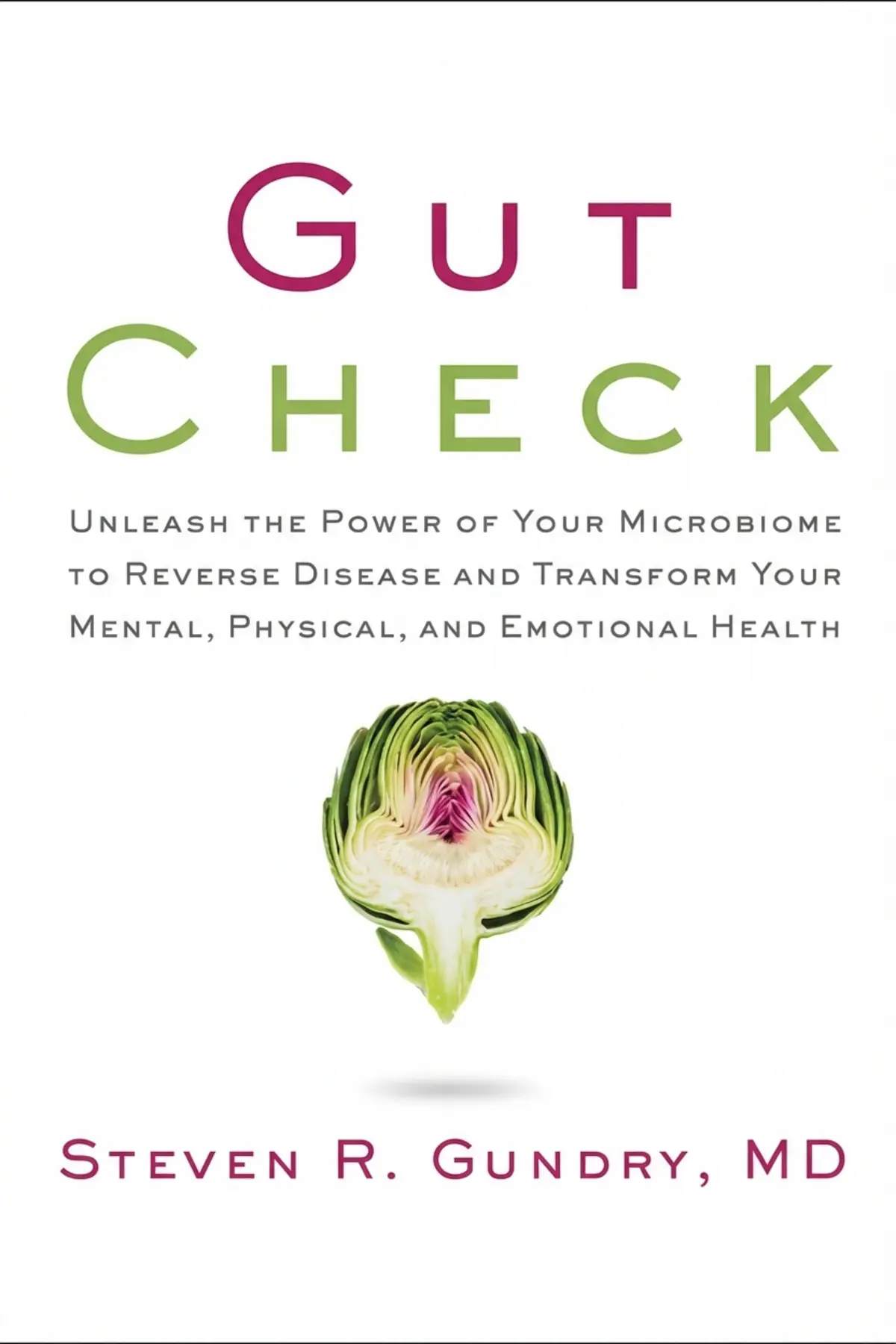
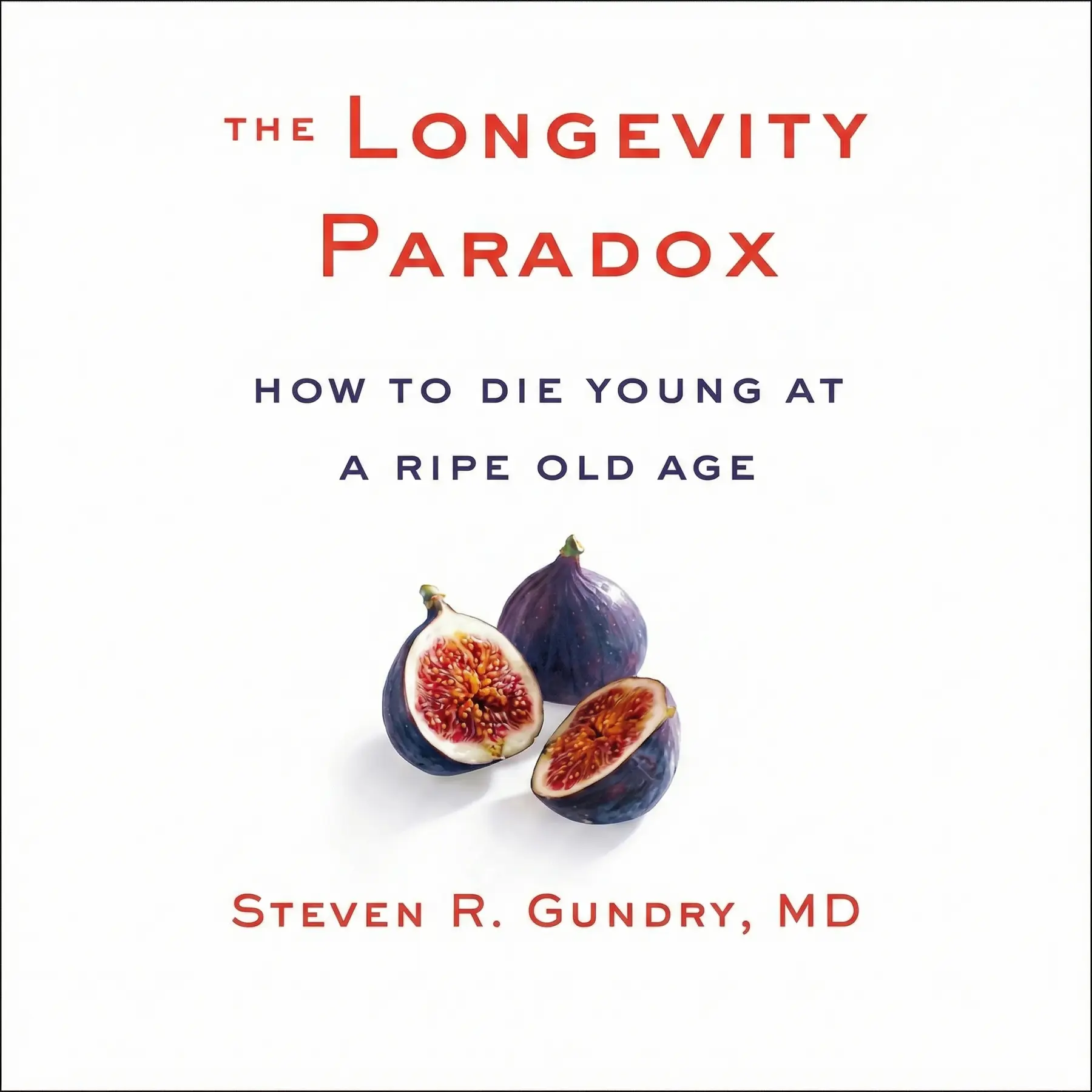
The Longevity Paradox: How to Die Young at a Ripe Old Age
Gundry explains why people live longer but not healthier lives, and how feeding gut bacteria, protecting the gut wall and stressing cells gently may help you reach old age with a younger body and mind.
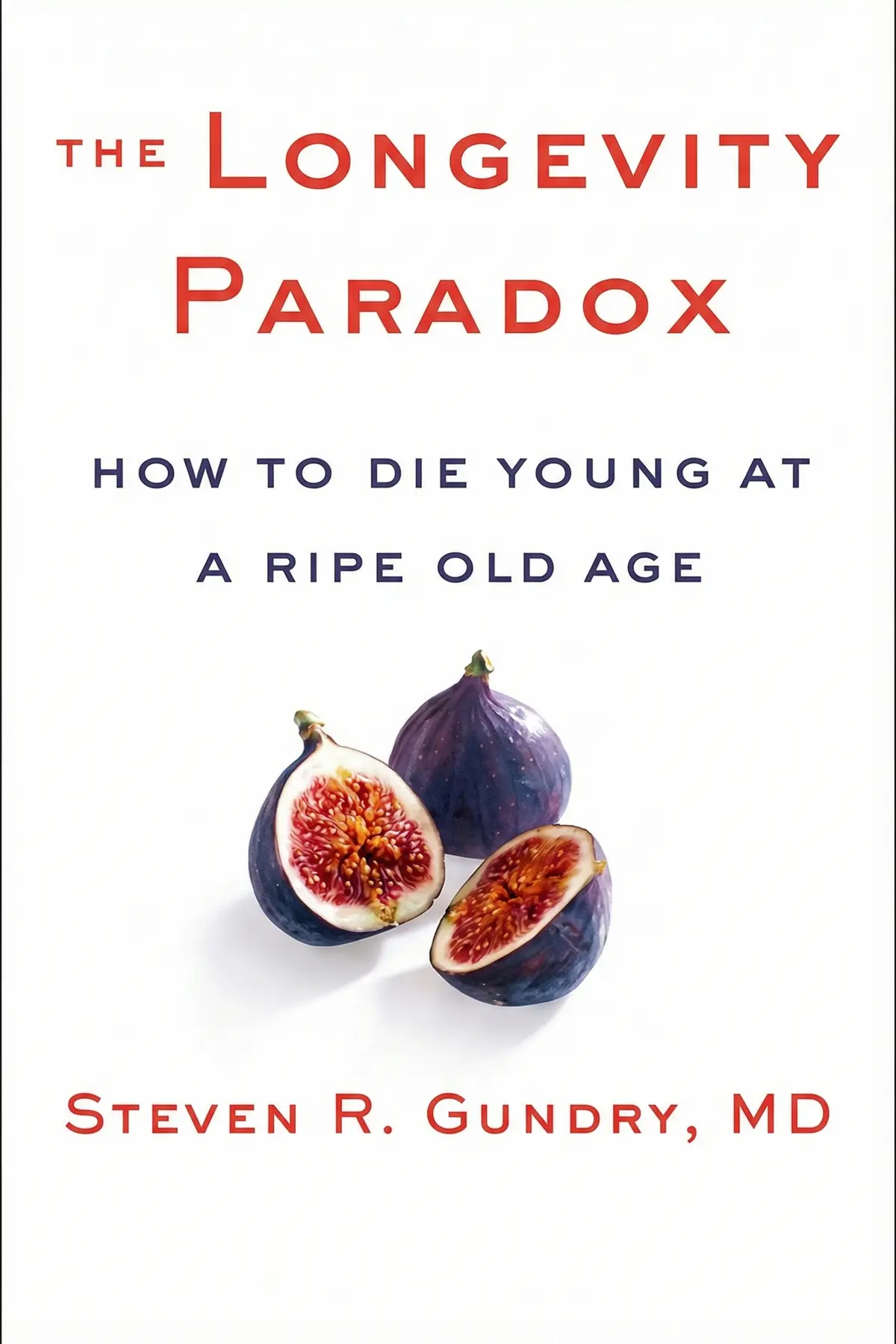
Table of Content
1. Introduction
55 sec
Most people would happily live to 90, but almost nobody wants the weak bones, failing memory and heart trouble that usually come along. In The Longevity Paradox, heart surgeon turned diet writer Steven R. Gundry argues that the two can be separated, and that the key sits in your gut. The genes that matter most for how you age, he claims, belong to the trillions of bacteria living in and on you.
Those bacteria, the thin wall of your intestines and the tiny energy producers inside your cells form what Gundry treats as one system. Feed it well and stress it lightly, and he believes you can reach your 80s with the body and mind of a healthy 40-year-old. What follows is his plan in plain terms: which foods to add and which to cut, why less exercise can be better than more, and why five hungry days a month sit at the center of it all.
2. Measure your health span, not just your years
1 min 51 sec
Average lives have stretched by about a decade, yet the extra years often arrive in a body that is already breaking down. Gundry names the age when decline typically begins, and it comes sooner than most people expect.
3. Feed the gut bacteria that fight inflammation
1 min 45 sec
Two kinds of gut bacteria with awkward Latin names pull your brain in opposite directions as you age. Some of the sweetest foods on a typical breakfast table, Gundry warns, are feeding the wrong side.
4. Keep your cells' energy engines running young
1 min 57 sec
Laboratory mice lost their fur and grew wrinkled within weeks, then looked young again. What the researchers switched off and back on points to a part of your diet you probably never connected with aging.
5. Learn how bacterial waste inflames your whole body
1 min 42 sec
Every day your gut produces trillions of tiny fragments that your immune system treats as enemies. A barrier just one cell thick is all that keeps them in, and Gundry links its failure, through inflammation, to many of the common ailments of aging.
6. Avoid the foods and pills that open your gut
1 min 52 sec
A common painkiller may be feeding the very problem it is meant to treat. Gundry also points at everyday grains, in his most contested claim, and explains why he thinks one wheat protein slips past every defense.
7. A little stress makes your body stronger
1 min 53 sec
Berries, red wine and short sprints share something with a hungry ancestor fleeing a wild boar. Gundry explains why gentle hardship toughens your cells, and why the marathon runner may be overdoing it.
8. Five hungry days a month for your bacteria
1 min 44 sec
Gundry’s central recommendation asks for real hunger, but the point is to send a message to someone else living inside you. He claims one habit strengthens all three parts of his longevity system at once.
9. Conclusion
1 min 09 sec
Gundry’s book turns aging from a matter of luck into a matter of upkeep, and the place he asks you to look is the gut. The bacteria living there, the single layer of cells guarding the border and the bacterial descendants powering every cell work as one team. Feed them, guard them and stress them gently, and he believes the decline that usually starts around 51 can be pushed far back. The Alabama mice, wrinkled and then sleek again, are his picture of what might be possible.
Some of his claims, especially about lectins, are contested, so treat them as one doctor’s argument. The steps that follow from the rest are concrete. Swap sugary fruit for sweet potatoes, yams and mushrooms, and some of your meat for walnuts and almonds. Cook with olive oil, which Gundry praises as a source of polyphenols and a trigger for autophagy, and the reason he thinks Mediterranean cooking earned its healthy name. Trade the long run for walks, short lifts and sprints, and mark five low-calorie days on next month’s calendar.
The goal was never simply more birthdays. It was arriving at them still young.
About this book
What is this book about?
Most people want to live a long time, but almost nobody wants the brittle bones, weak muscles, heart disease and memory loss that tend to come with it. Heart surgeon Steven R. Gundry argues that the two can be pulled apart, so that someone in their 80s keeps the body and mind of a healthy 40-year-old. His case centers on a team of three: the bacteria living in the gut, the thin gut wall that decides what enters the body, and the mitochondria that produce energy inside most of our cells. When this team breaks down, waste from bacteria leaks into the body and drives the chronic inflammation he blames for many diseases of aging. Gundry points to sugar, meat, lectins, painkillers, heavy drinking and even too much exercise as threats. Readers get his plan for keeping the team strong: prebiotic vegetables and nuts, polyamine and polyphenol foods, moderate wine and exercise, and five low-calorie days a month. His claims about lectins are disputed by scientists and dietitians, so the book works best read as one doctor's argument.
Book Information
Who it's for
Midlife adults
Adults in their 40s and 50s who want their later years to be active and clear-headed.
Curious about gut bacteria
Readers curious about gut bacteria, inflammation and fasting who want one doctor's complete plan.
Questioning their daily habits
Endurance athletes and daily painkiller users wondering whether their habits help or harm.
About the Author
Steven R. Gundry
Steven R. Gundry is an American physician who trained and worked as a heart surgeon. He was Professor and Chairman of Cardiothoracic Surgery at Loma Linda University Medical Center, where he and his colleague Leonard Bailey helped pioneer heart transplants for babies and children. He later founded the International Heart and Lung Institute and Center of Restorative Medicine in California and turned to writing about diet, including The Plant Paradox. Scientists and dietitians have disputed his lectin claims as pseudoscience.
Ratings & Reviews
Ratings at a glance
What people think
Listeners find this book to be an exceptional resource featuring robust, research-driven citations and thorough details that resolve many questions regarding health concerns. It outlines a strategy for achieving wellness, specifically through effective techniques for healing the gut, which listeners describe as both transformative and inspiring. They appreciate the book's utility, with one listener calling it a comprehensive yet practical program, and many share that they experienced great results by sticking to the nutritional plan. Although some listeners feel it is easy to grasp, others find the material perplexing.
Top reviews
Rod
This book is a total game-changer for anyone struggling with chronic inflammation or mystery digestive issues. I’ve read dozens of health books, but this is the first one that explained the 'why' behind my symptoms in a way that actually led to a solution. The focus on the intestinal barrier and how things like Advil can blow holes in it was a huge wake-up call for me. Truth is, we are what our 'gut buddies' eat. Since switching to the recommended fats like avocado and walnuts and ditching the 'healthy' whole grains, my brain fog has completely lifted. I also love the emphasis on sardines and anchovies for brain health. It’s a detailed, research-backed roadmap that provides a clear plan to follow. It’s not just a diet; it’s a manual for how to keep your biological machinery running for a hundred years. I can’t recommend this enough to anyone who wants to take their health into their own hands.
Show moreCholada
The Longevity Paradox offers a surprisingly comprehensive roadmap for aging gracefully without the typical decline we’ve come to accept. Dr. Gundry breaks down the myths of aging with such clarity that it’s hard not to feel motivated. I was particularly struck by the information on stem cell activation through temporary stressors like fasting and ketosis. It’s fascinating stuff! I’ve been incorporating the 'handful of nuts' rule (walnuts and pistachios only, no peanuts!) and sticking to the leafy greens daily. My energy is through the roof. What I appreciate most is that he provides a one-month plan that is actually doable if you're committed. The results have been life-changing for my digestion. Even though he mentions his own products, he’s very clear that you don’t actually need them to see results if you eat the right whole foods. This is easily one of the most important books I’ve read this year. Highly recommended for anyone over forty!
Show moreThida
Wow, the level of detail regarding mitochondrial health and the 'sister' relationship with our gut bacteria blew my mind. This isn't just another weight loss book; it's a deep dive into the cellular mechanics of aging. I was captivated by the discussion on how glyphosate and blue light are secretly aging us. Gundry manages to take very high-level science and turn it into actionable advice, like using glassware instead of plastic and avoiding conventional chicken. The section on polyamines and how shellfish can promote autophagy was particularly interesting. I’ve been following the protocol—lots of olive oil, cruciferous veggies, and limited animal protein—and I’ve already lost ten pounds without even trying. More importantly, my skin looks younger and I have more stamina during the day. This book is an amazing resource that answers so many questions about why our modern diet is failing us. It’s an enlightening, practical program that everyone should read if they care about their future.
Show moreOak
Finally got around to reading this after a friend swore it cured their joint pain, and I have to admit, the results are hard to argue with. I’ve been following the basic principles—limiting animal protein and loading up on leafy greens and olive oil—for about three weeks now. The inflammation in my knees has subsided significantly. Is it a bit extreme? Absolutely. Do I think he’s trying to sell too many supplements? Definitely. But the core message about healing your gut to heal your body seems to hold weight in my experience. The concept of WGA in whole wheat was a new one for me, and cutting that out made an immediate difference in my bloating. It’s not a perfect book, and some of the science feels like a stretch, but if you’re struggling with health issues that doctors can’t explain, this might offer the path you’ve been looking for. Just be prepared for a very strict lifestyle shift.
Show moreArnav
As someone who follows health trends closely, I found Gundry's take on the 'Longevity Paradox' to be a refreshing, albeit controversial, addition to my shelf. He challenges the standard Mediterranean diet myths by looking deeper into what actually makes those populations healthy. It’s not the pasta; it’s the polyphenols and the lack of glyphosate. Look, I know people get riled up about the lectin theory, but the way he explains the relationship between our gut bacteria and our mitochondria is quite compelling. The book offers a comprehensive program that goes beyond just eating; it covers light exposure, exercise like planks and squats, and the importance of social connections. I didn’t buy any of his branded supplements, and I still feel like I gained a lot of value. Some of the food recommendations are hard to find, like Pu’erh tea or specific roots, but the overall philosophy is motivating. It’s a solid four-star read for anyone interested in biohacking their way to a longer life.
Show moreDivya
Ever wonder why we age so poorly in the West compared to other cultures? Dr. Gundry argues it’s because we’ve declared war on our own gut microbiomes through antibiotics, sugar, and industrial farming. This book is a deep dive into how to fix that. I loved the section on 'brain washing'—the idea that our brains need a fasting period at night to clear out plaques. I’ve started stopping my meals at 7:00 PM and my sleep quality has skyrocketed. While I think some of his claims about fruit being 'poison' are a bit over the top, his advice on eating seasonally makes sense from an evolutionary perspective. The writing style is digestible and fast-paced, which helps when you’re wading through talk of stem cells and saccharides. It’s a very practical guide if you can ignore the parts that feel like a late-night infomercial. My gut feels better than it has in years, so I'm staying with it.
Show moreNattapong
Take everything in these pages with a massive grain of salt—though Gundry would probably tell you the salt has to be from a specific ancient sea bed. Personally, I found the information on the microbiome to be quite enlightening, and I’ve started paying much more attention to my fiber intake. However, I can’t get past the blatant supplement hawking. He suggests an exhausting list of substances that are supposedly necessary for longevity, many of which he just happens to sell. It’s a bit of a mixed bag. On one hand, the 'brain washing' cycle and the importance of a four-hour window before bed make a lot of sense. On the other hand, his war on whole grains contradicts almost every other longevity study I’ve ever read. It’s an interesting read if you can filter out the sales pitch and the more extreme claims. Just don't go into it expecting a simple, easy-to-follow lifestyle change.
Show moreNathan
The chapter on the microbiome is genuinely fascinating, even if the dietary protocols feel like they were designed for someone with a personal chef and a limitless bank account. Gundry writes in a way that makes complex biological processes like autophagy and mitochondrial signaling easy to grasp for the average person. I appreciate the focus on 'gut buddies,' even if the name is a bit cheesy. Still, the book is incredibly confusing at times. One minute he’s praising the Blue Zones, and the next he’s telling you to avoid the very beans and grains that those populations thrive on. It feels contradictory. To be fair, I did try the olive oil recommendations and felt a slight boost in my energy levels, but the sheer volume of 'forbidden' foods is overwhelming. It’s a decent resource for learning about gut health, but I’d suggest cross-referencing his 'scientific' claims before you throw out all the tomatoes in your kitchen.
Show moreConnor
Why is it that every health guru these days demands we cut out literally everything that makes life worth living? This book is another extreme entry in the 'good food vs. bad food' craze that seems to ignore cultural history. Gundry claims that things like cashews, tomatoes, and beans are essentially poisoning us. Seriously? Look, some of the advice on reducing sugar and processed junk is solid, but the lectin obsession feels like a massive stretch. The plan is so restrictive that it’s nearly impossible to follow for anyone with a social life or a budget. I found the tone to be a bit condescending, especially with the 'gut buddies' terminology. It felt like I was being sold a lifestyle brand rather than receiving objective medical advice. I gave it two stars because the section on sleep and community was actually decent, but the dietary stuff is just too out there for me to recommend.
Show moreKru
I wanted to believe this book had the answers, but the deeper I dug into the citations, the more the house of cards collapsed. To be fair, Dr. Gundry is a skilled writer, yet his 'science' is remarkably thin once you look past the medical jargon. Many of the studies he uses to justify avoiding lectins were performed on nematodes or mice, not humans. Truth is, telling people to stop eating beans and whole grains—staples of the longest-living populations on Earth—is irresponsible. It feels like he cherry-picked data to support a very specific, very expensive narrative. Then there is the constant push for his own line of supplements. If the diet is so revolutionary, why do I need to buy thirty different pills from your website to make it work? It's more of a marketing brochure than a medical text. Frankly, I expected more from a heart surgeon than anecdotal evidence and questionable biology.
Show moreQuestions about this book
What is the main idea of The Longevity Paradox?
Steven R. Gundry argues that you can live long without the usual decline of old age. He says aging depends on three parts working together: your gut bacteria, your gut wall and the mitochondria in your cells. When waste from bacteria leaks through the gut wall, it drives the chronic inflammation he blames for many diseases of aging. Feeding and protecting these three parts, he claims, extends health span.
What foods does Gundry recommend in The Longevity Paradox?
He favors prebiotic foods such as yams, mushrooms, turnips and sweet potatoes, which feed helpful gut bacteria. Nuts like walnuts, pistachios and almonds supply butyrate-related benefits and protein. Polyamine foods include leafy greens, lentils, seeds, shellfish, chicken liver and aged cheese, while berries, red wine and olive oil provide polyphenols. He advises cutting sugary fruits, meat, and grains such as rice and wheat.
What does Gundry say about fasting?
Gundry recommends eating fewer than 900 calories a day for five consecutive days each month. He argues that hungry gut bacteria signal cells to strengthen themselves through autophagy, which toughens the gut wall. Mitochondria also multiply, giving cells more energy, and slower bacterial reproduction means fewer inflammatory LPS fragments. Anyone with a medical condition should discuss such a plan with a doctor first.
Does The Longevity Paradox say exercise can be harmful?
Yes, in excess. Gundry argues our ancestors were sprinters who walked, carried loads and ran in short bursts, so the body suits walking, brief weight lifting and quick intense efforts. Long, heavy training, he says, causes oxidative stress and free radicals that speed aging. Moderate exercise, by contrast, acts as a helpful stressor and counters oxidative stress.
Are Gundry's claims about lectins accepted by scientists?
No. Gundry argues that plant proteins called lectins, found in grains like rice and wheat, open gaps in the gut wall and cause inflammation, and he singles out wheat germ agglutinin. Scientists and dietitians have disputed these lectin claims and classed them as pseudoscience. Readers can treat this part of the book as the author’s argument rather than settled science.
Readers also enjoyed



AUDIO SUMMARY AVAILABLE
Listen to The Longevity Paradox in 15 minutes
Get the key ideas from The Longevity Paradox by Steven R. Gundry, plus 5,000+ more nonfiction titles.
- 5,000+ titles
- Listen as much as you want
- 7-day free trial
- Cancel anytime









