
15 min 02 sec
Available in: English
 ไทย
EnglishไทยThe Let Them Theory: A Life-Changing Tool That People Can't Stop Talking About
Shows how two short phrases, Let Them and Let Me, help you stop managing other people's reactions and choices and spend that energy on your own calm, boundaries, friendships and goals.
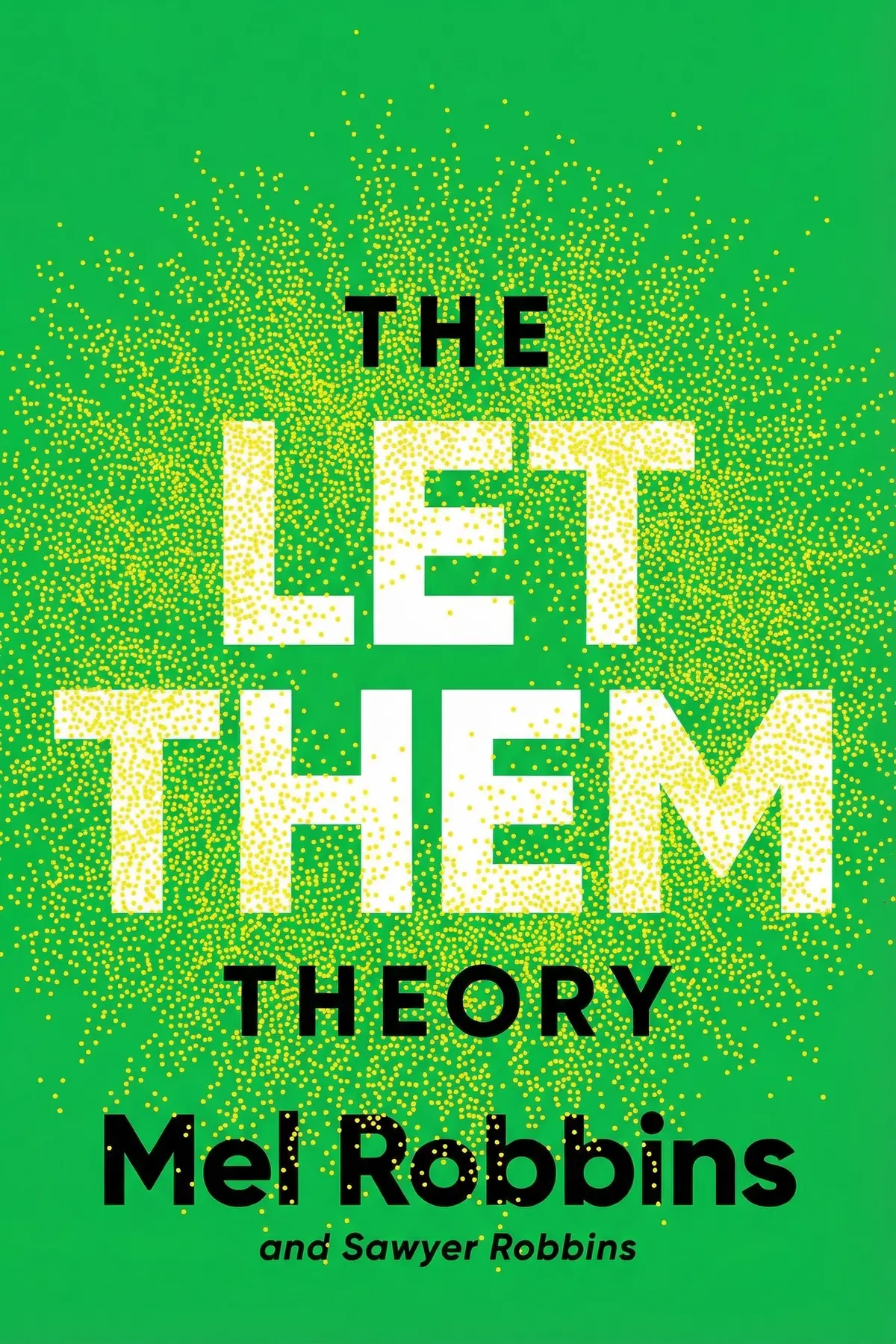
Table of Content
1. Introduction
58 sec
If you spend your days managing other people’s moods, opinions and choices, you probably end each one tired and no closer to the life you want. In The Let Them Theory, Mel Robbins, writing with her daughter Sawyer Robbins, argues that the exhaustion comes from trying to control what was never yours to control. Her fix is two short phrases. Let Them is the moment you stop fighting someone else’s behavior. Let Me is the moment you decide what you will do next.
The whole book rests on one claim: peace and progress both start when you hand other people back their choices and take full charge of your own. Robbins tests it where people struggle most, from a coughing stranger in an airport line to a friend who drifts away, a relative who refuses help and a partner who won’t commit. Each step leaves you with a sentence to say and something to try the same day.
2. Stop spending energy on what others choose
1 min 34 sec
Finding out friends made plans without you can send your mind racing for hours. Robbins traces that spiral to a reflex most of us use everywhere, and she warns that the obvious cure creates a problem of its own.
3. Keep a stranger's cough from ruining your day
1 min 42 sec
A slow security line, a careless cough, a meeting about to start. None of it matters much, yet together these moments can take over your mood. A Harvard physician explains what is happening inside your head.
4. Share the work you've been hiding from critics
1 min 35 sec
Robbins had a website, testimonials and a plan, then stalled for years on one simple step. What held her back was a fear she never voiced, worry over what her friends might think, and she is far from the only one it stops.
5. Other people's moods are not yours to manage
1 min 35 sec
The silent treatment, the guilt trip, the sudden outburst you replay all evening. Robbins offers one mental image that changes how these moments feel, and a surprisingly short timer for your own worst moods.
6. Turn jealousy into a map of what you want
1 min 38 sec
Sawyer Robbins spent years measuring herself against her younger sister and losing every time. The way out was not to stop noticing what others have, and an interior designer shows what to do instead.
7. Rebuild your friendships after the great scattering
1 min 37 sec
Somewhere after school, the group chats go silent and making friends stops happening by itself. Robbins explains why so many friendships fade without any fight, and what it really takes to find your people again.
8. Help someone change without pushing harder
1 min 38 sec
You bought the gym membership, cooked the healthy meals and offered money and advice, and nothing moved. Robbins argues the effort itself may be the obstacle, and she starts the fix with a question aimed at you.
9. Stop chasing potential and choose real love
1 min 38 sec
Falling for potential, ignoring red flags, waiting for a relationship to finally move forward. Robbins offers a script for the conversation most people avoid, and two extra letters for when nothing changes.
10. Conclusion
1 min 07 sec
What Robbins offers, finally, is a way to sort every hard moment into two piles. Other people’s choices, moods, opinions, timing and readiness to change go in the first pile, and you hand it back. Your breath, your answer, your boundaries, your next message and your next risk go in the second, and that pile is entirely yours. Most of the exhaustion she describes comes from carrying the first pile while neglecting the second.
The practice is small enough to start today. When someone’s behavior grabs you, say Let them, then finish with Let me and one action you control. When a feeling surges, give it about 90 seconds to rise and fall before you reply. When envy stings, ask what it is pointing you toward. And before asking someone you love to change, run the 5 Whys on yourself.
The authors end the dating chapter on a line worth keeping: you are the love of your life. Live as if that is true, and other people’s choices stop deciding how your day goes.
About this book
What is this book about?
Many people spend their days smoothing things over: replaying conversations, giving in to guilt trips, waiting for approval before they act, and pushing loved ones to change. Mel Robbins and her daughter Sawyer Robbins argue that this exhaustion has one source. We keep trying to control things that are not ours to manage. Their answer is a two-step tool. Let Them means accepting what other people choose, feel and think. Let Me means deciding what you will do next. The authors apply the pair to everyday stress, fear of judgment, other people's emotions, comparison, adult friendship, helping someone who resists help, and dating. Readers get specific methods along the way: breathing to calm a stressed brain, letting a feeling pass in about 90 seconds, the 5 Whys for finding what really bothers you, and the ABC Loop for influencing someone without pressure. What it offers is a calmer mind, firmer limits, and an existence that feels truly yours.
Book Information
Who it's for
Struggling to say no
People pleasers who say yes when they mean no and feel drained by other people's moods.
Professionals steered by others
Professionals who let a boss, a coworker or fear of judgment decide how their day and career go.
Working on their relationships
Anyone trying to help a loved one change, rebuild adult friendships or stop chasing unavailable partners.
About the Author
Mel Robbins
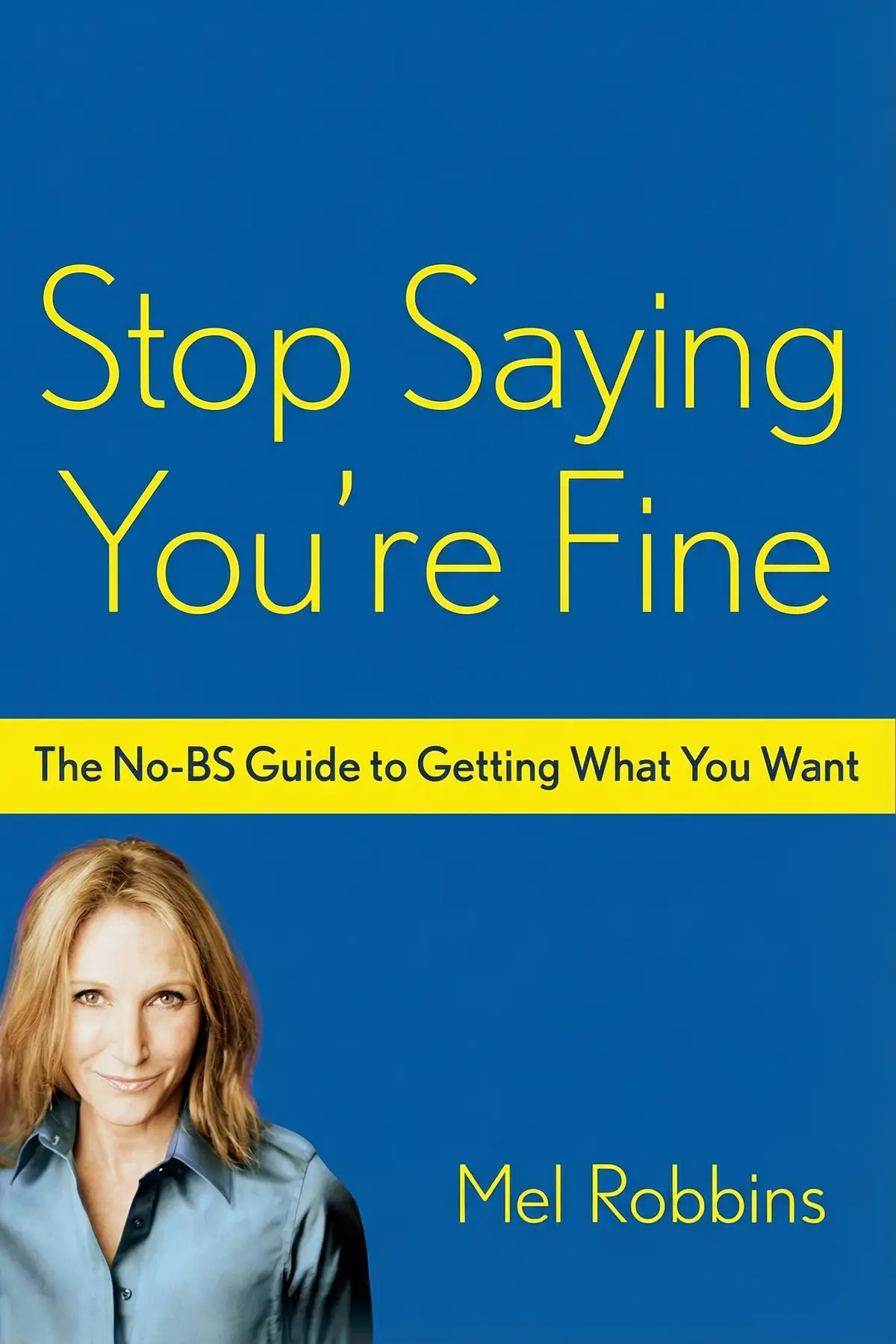
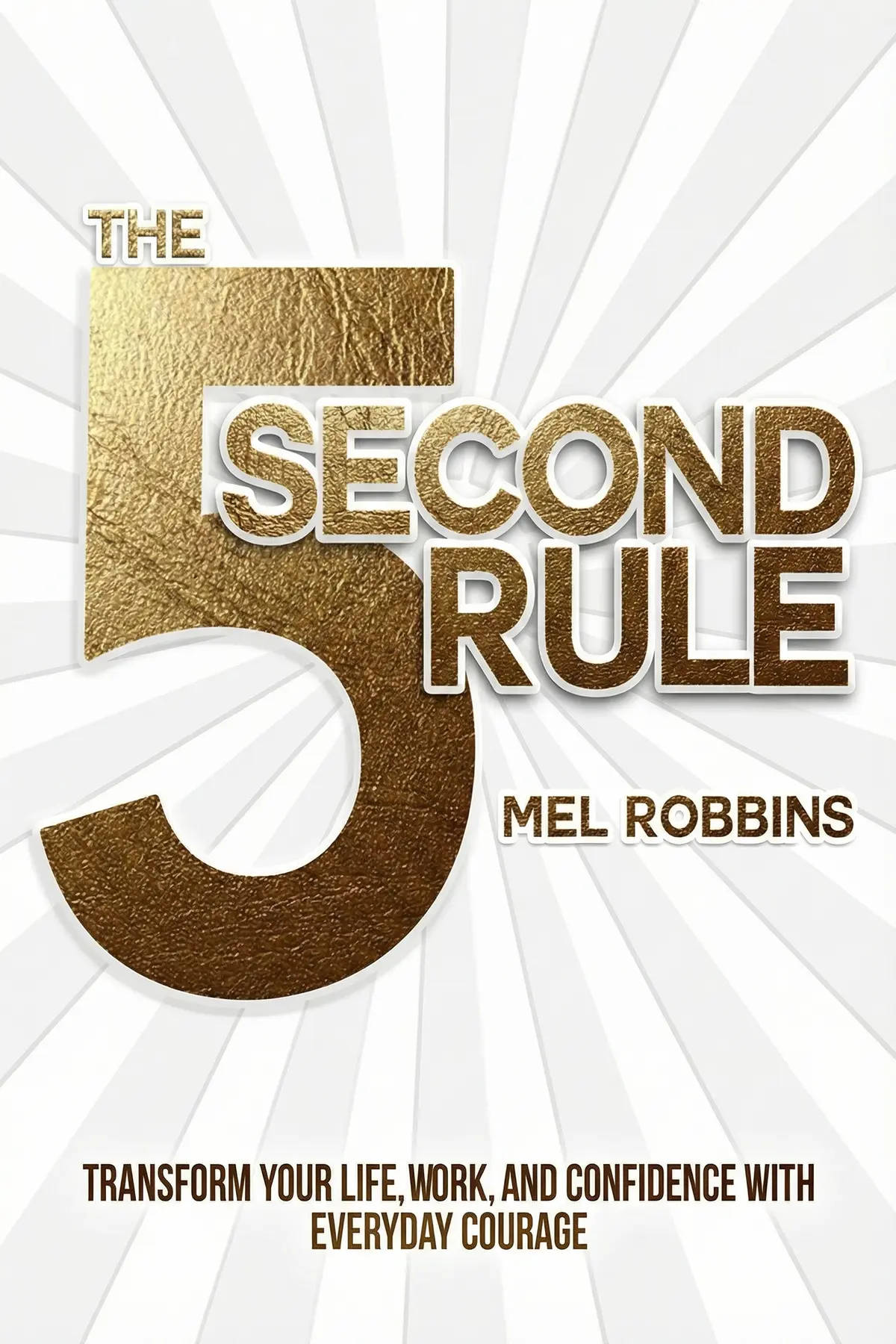
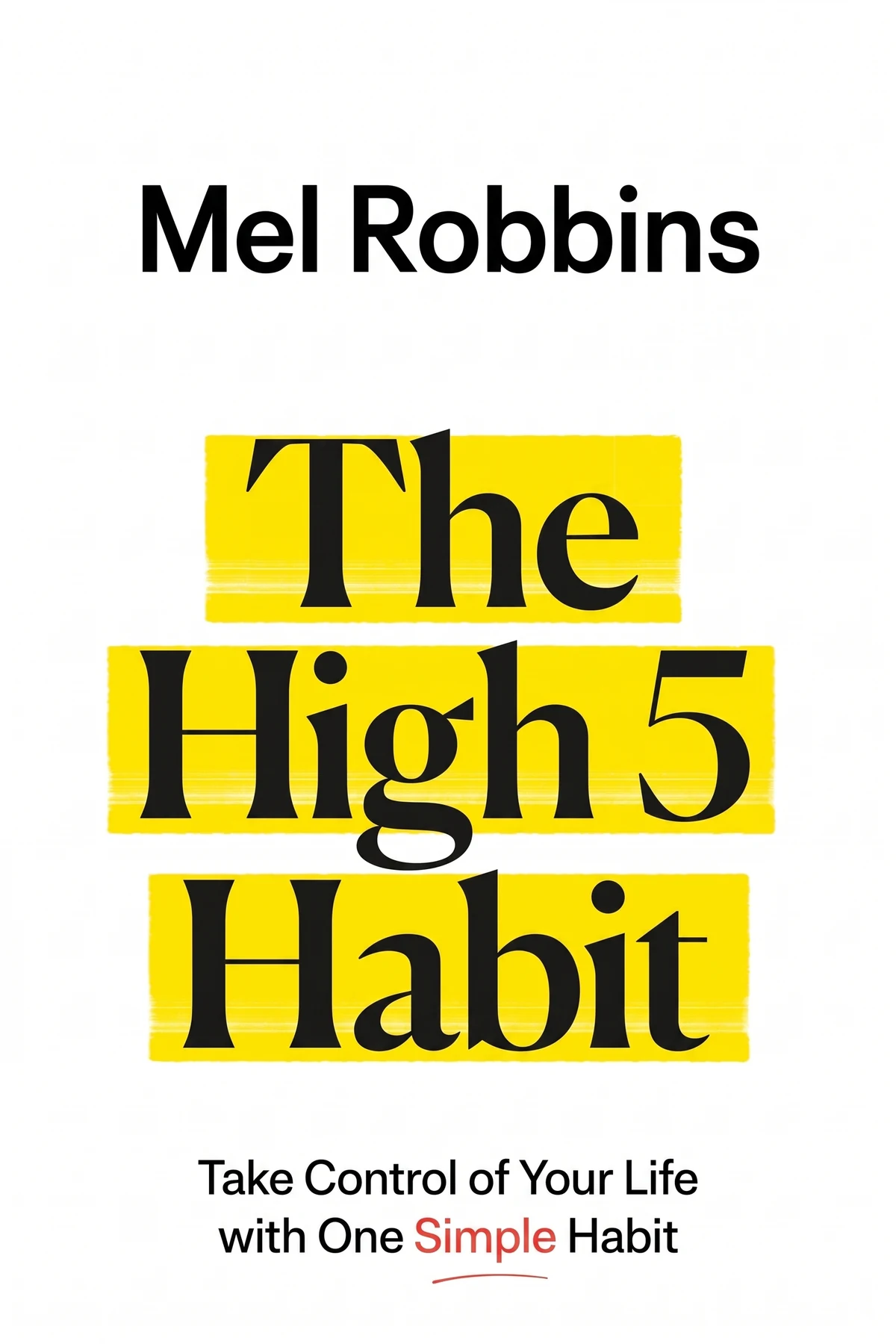
Mel Robbins studied at Dartmouth College and Boston College Law School and trained as a lawyer before her TEDx talk, How to Stop Screwing Yourself Over, made her widely known. Her books include The 5 Second Rule and The High 5 Habit, translated into 65 languages. She hosts The Mel Robbins Podcast and runs 143 Studios. Sawyer Robbins, her daughter, is the book's co-author, named on later printings.
Ratings & Reviews
Ratings at a glance
What people think
Listeners find the material very accessible and clear, offering plenty of useful guidance that helps shift their mindset. They value the sincere research and the seemingly uncomplicated method, noting its effectiveness in easing tension and soothing the nervous system. Furthermore, the work provides an empowering viewpoint on managing personal relationships. However, perceptions regarding its financial value are split; while some feel it is a worthwhile purchase, others find the experience underwhelming.
Top reviews
Por
Two words have literally changed the way I process my daily anxiety. Mel Robbins hits it out of the park again with a tool that feels deceptively simple but actually works wonders on your nervous system. It’s not just about letting people do whatever they want; it’s about the empowerment that comes with the 'Let Me' phase of the process that follows. I’ve read the 5-second rule and liked it, but this feels deeper and more applicable to long-term relationship stress. Truth is, I was skeptical that a TikTok trend could fill an entire book without being fluffy, but the research and personal stories kept me engaged. Seeing her open up about her husband Chris’s struggles made the advice feel grounded in real, messy life rather than some unattainable influencer perfection. This is the ultimate relief for anyone who is tired of carrying everyone else's emotional baggage.
Show moreAna
Wow, I didn't realize how much of a control freak I was until I started practicing these steps. This book came at the perfect time when I was drowning in workplace politics and family drama. The way she explains the Let Them mindset helps quiet the constant noise in my head about what others are thinking of me. Frankly, the most impactful part wasn't the 'Let Them' part, but the 'Let Me' response that follows it. It shifts the focus from being a victim of your circumstances to being the architect of your own peace. The stories about her personal failures make the whole thing feel authentic and relatable rather than preachy. My nervous system feels significantly calmer since I started implementing these tiny, actionable shifts in my daily interactions with colleagues and friends.
Show moreSamira
Finally got around to reading this, and I’m genuinely impressed by how Mel distills complex psychological concepts into something so accessible. While some critics might call it a 'vibe,' I think there’s a real brilliance in making emotional intelligence this easy to understand for the average person. We live in a world that thrives on outrage and control, so choosing to 'Let Them' is actually a radical act of self-care. The book does a great job of explaining how our nervous systems get hijacked by other people's behavior and how this mantra acts as a circuit breaker. In my experience, the simplicity is the point; you can actually remember it when you’re in the middle of a heated moment. It’s an empowering perspective that places the power back in your hands where it belongs.
Show moreMason
Direct, honest, and exactly what my therapist has been trying to tell me for years. Mel Robbins has this uncanny ability to say exactly what you need to hear in the most straightforward way possible. This isn't just another fluffy self-help book filled with toxic positivity; it’s a practical guide to reclaiming your mental energy. The Let Them theory has become a daily mantra for me, especially when dealing with difficult family members who used to trigger me constantly. I love that she doesn't pretend to be perfect and shares her own 'screwing up' moments to show how the process works in real time. If you’re feeling overwhelmed by the weight of everyone else's expectations, just buy this book. It is the ultimate relief for a stressed-out brain.
Show moreAnna
Picked this up on Audible because Mel Robbins’ narration always hits differently. There is something about her voice that makes even the simplest advice feel like a firm hug from a wise friend who isn't afraid to tell you the truth. While the core concept of the Let Them theory is all over social media, the book dives into the nuances of setting boundaries without being a jerk. I really appreciated the sections on handling family dynamics, even if some parts felt a bit repetitive toward the middle. To be fair, some chapters could have been tightened up, but the overall shift in perspective is worth the price of the book. It’s a great reminder that we waste so much energy trying to control the uncontrollable. Highly recommend for anyone who feels constantly drained by other people's choices and needs a way back to themselves.
Show morePop
After hearing Mel talk about this on her podcast for months, I finally grabbed the hardcover. The book definitely expands on the viral clips we've all seen, providing more context and real-world applications for different scenarios. It’s an easy read, written in a very conversational style that makes it feel like you’re just chatting with a mentor over coffee. While I do think some of the concepts were repeated a bit too often to fill the page count, the core message is incredibly powerful. Not gonna lie, I was worried it would be too similar to some of those other 'not giving a f*ck' books, but it’s much more focused on emotional regulation and empathy. It’s a solid addition to any self-development library, especially if you need a clear roadmap for letting go of control.
Show moreSaowalak
The chapter on handling adult children and aging parents was worth the price of admission alone. Many self-help books focus on 'cutting people off,' but Mel Robbins offers a more nuanced way to stay in relationships without losing your mind. The Let Them theory is a deceptively simple tool that helps you stop the internal tug-of-war you have with people who simply won't change. Personally, I found the action steps for dealing with unmotivated coworkers particularly helpful for my current situation at the office. It’s not a magic wand, and you still have to do the hard work of emotional regulation, but it provides a clear framework. The writing style is punchy and direct, which I appreciate. It's a solid 4-star read that I've already recommended to several friends who struggle with boundaries.
Show moreWei
As someone who appreciates actual psychology, I found this to be more of a 'vibe' than a scientific theory. I wanted to love this because the concept is so catchy, but the execution felt like a very long blog post padded out to several hundred pages. Mel is a fantastic speaker, but the writing here relies heavily on anecdotal evidence and personal family stories that didn't always translate to my own life. Look, the advice isn't bad—it’s actually quite helpful for chronic people-pleasers—but calling it a 'theory' feels like a bit of a stretch in the academic sense. It’s more of a mindset shift or a mantra than a rigorous framework. If you're looking for deep, peer-reviewed research, you might be disappointed. However, if you want a quick, easy read to help you stop overthinking, it serves its purpose well enough.
Show moreSuvannee
Everything in this book is stuff you probably already know deep down, but it's packaged in a very digestible way. If you are new to the world of personal development, this will likely be a five-star read for you because the concepts are presented so clearly and without jargon. However, if you’ve already read extensively on Stoicism or Cognitive Behavioral Therapy, you might find the 'theory' a bit thin on actual research. To be fair, Mel Robbins is great at what she does—which is motivating people—but I was hoping for a bit more 'meat' in the middle sections. I did enjoy the anecdotes about her daughter Sawyer, as they added a fresh perspective to the narrative. It’s a light, breezy read that serves as a good reminder to stay in your own lane.
Show moreGai
Not what I expected after all the hype on social media. This felt like a massive case of 'this could have been an email' or at least a single podcast episode. The amount of filler in these chapters is staggering, and I felt like the author was just circling the same point over and over again to meet a word count. It’s essentially a 200-page expansion of a two-minute TikTok video. If you’ve ever read a single book on boundaries or stoicism, you won't find anything groundbreaking here. Plus, the way she uses her husband's personal struggles with alcohol and depression to sell her 'theory' felt a bit uncomfortable to me as a reader. I’m giving it two stars because the core message is decent, but the value for money just isn't there for a full-priced book.
Show moreQuestions about this book
What is the main idea of The Let Them Theory?
Mel Robbins argues that much of our stress comes from trying to control what other people choose, think and feel. Her tool has two steps. Let Them means accepting their behavior instead of fighting it. Let Me means deciding what you will do next with the energy you saved. She applies the pair to stress, judgment, other people’s emotions, comparison, friendship, helping loved ones and dating.
Is Let Them just a way of not caring about people?
No. Robbins warns that saying only Let Them can slide into withdrawal and a belief that you are better off alone. If the theory leaves you feeling isolated, she says you are doing it wrong and need the second step. Let Me is where you reach out, reflect, set boundaries and act. She also says she treats children differently.
What is the ABC Loop in The Let Them Theory?
The ABC Loop is Robbins’s method for influencing someone without pressure. Step one is to say sorry for having tried to control them, then pose open-ended questions, for example how they feel about their health. Second, back off, watch and model the change yourself. Third, celebrate small progress warmly. In long relationships she adds D, deciding whether something is a deal breaker, and E, ending the complaining or ending the relationship.
How can I apply the Let Them Theory at work?
Robbins gives workplace examples. If a boss keeps stringing you along, let them, and let yourself focus on finding something better. If a coworker sends a passive-aggressive message, let them, and choose not to take the bait. When stress builds, she suggests slow breathing, which she says activates the vagus nerve and helps the brain calm down so you can respond with a clear head.
What does the book say about comparison and jealousy?
Comparison becomes self-torture when it targets things you cannot change, such as genetics or upbringing, as co-author Sawyer Robbins found comparing herself with her sister Kendall. The authors suggest letting others have their wins and studying your jealousy instead, since it often points to a buried goal. They describe an interior designer whose envy of a neighbor’s website pushed her to build her own.
Featured in

Readers also enjoyed

59 Seconds: Change Your Life in Under a Minute
Richard Wiseman





A Guide to the Good Life: The Ancient Art of Stoic Joy
William B. Irvine


A High-Performing Mind: Strengthen Your Mind and Live Your Best Life
Andrew D. Thompson


Abundance: The Inner Path to Wealth
Deepak Chopra
AUDIO SUMMARY AVAILABLE
Listen to The Let Them Theory in 15 minutes
Get the key ideas from The Let Them Theory by Mel Robbins, plus 5,000+ more nonfiction titles.
- 5,000+ titles
- Listen as much as you want
- 7-day free trial
- Cancel anytime









