
14 min 33 sec
Available in: English
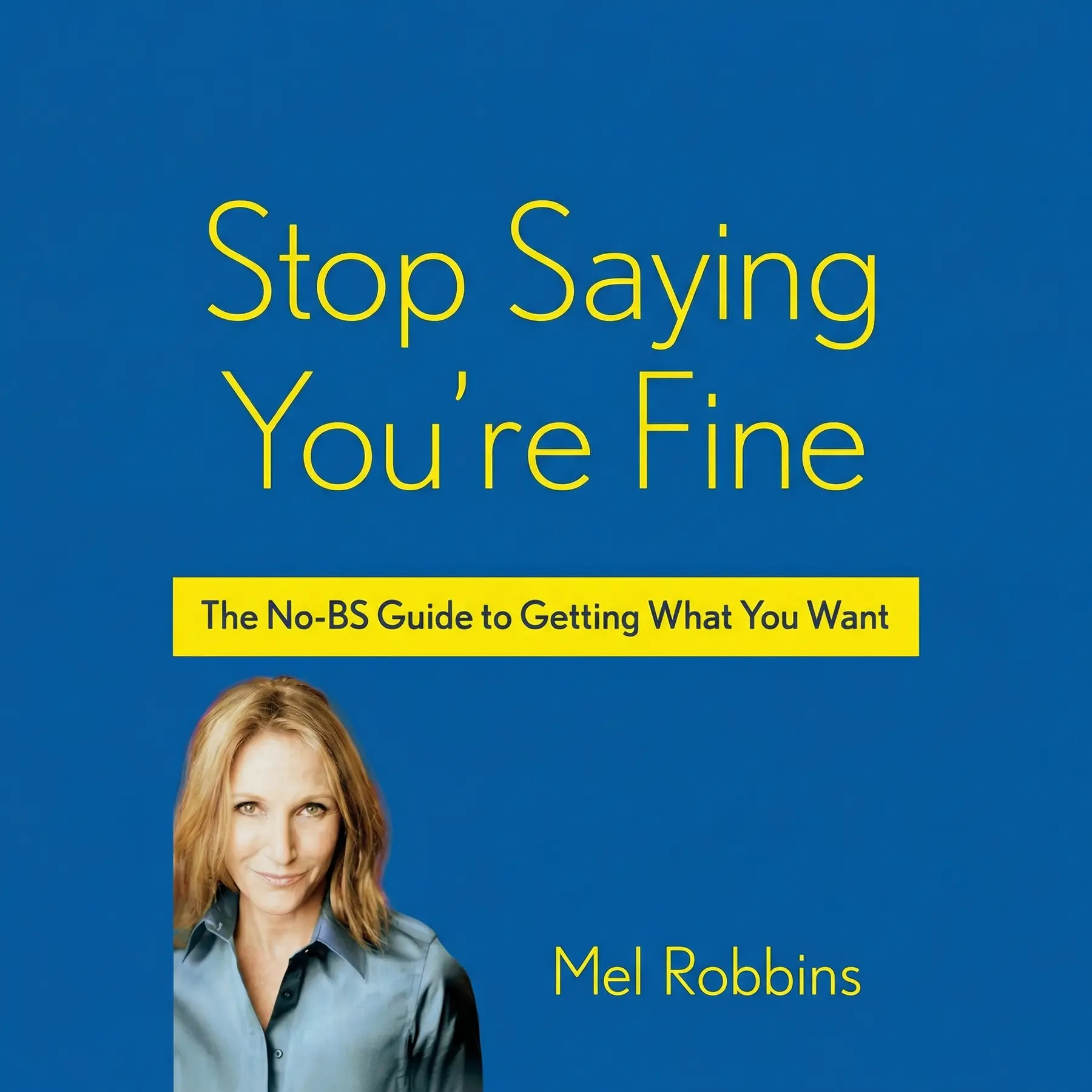
Stop Saying You’re Fine: The No-BS Guide to Getting What You Want
By Mel Robbins
Shows why people who want more keep insisting they are fine, and gives blunt tools to break the pattern: a written life audit, a five-second rule for hesitation and a map with many routes to a goal.
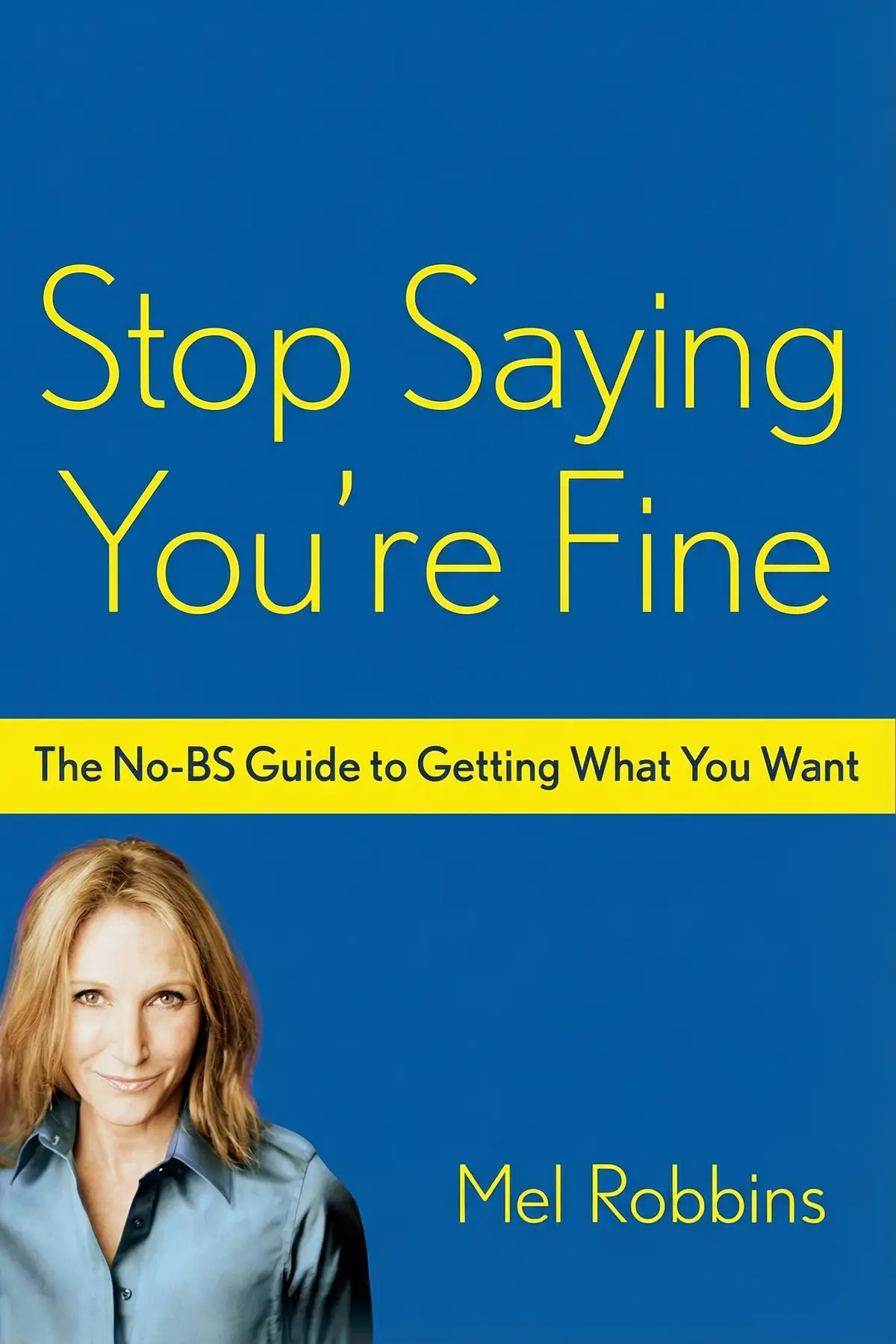
Table of Content
1. Introduction
1 min 03 sec
If you keep telling people you’re fine while privately wanting a different job, relationship or life, Mel Robbins has a blunt diagnosis. The trouble is rarely a lack of ideas; it is the few seconds after an idea arrives, when your brain starts building excuses.
In Stop Saying You’re Fine, her first book, the lawyer turned radio host argues that inside everyone a drive to grow fights a pull toward safety, and safety wins by default. Her throughline is simple and a little uncomfortable: change is entirely your job, and it happens when you see your life honestly and act on the impulse before resistance talks you out of it.
Along the way you meet a would-be actress who had never acted, a granola maker who almost gave up in seconds, and a father who found his way back to his estranged daughter. Each story leads to a tool you can try this week: a rule for the moment of hesitation, a written audit of your life and a map with many routes to one goal.
2. Spot the chicken and the jerk in you
1 min 58 sec
One caller had dreamed of a career for decades without taking a single step toward it. Another blamed everyone in sight for the job he hated. Their excuses sound opposite, yet Robbins traces both to the same hidden force.
3. Outsmart the brain that guards your routine
2 min 21 sec
An assistant’s praise gave one woman a business idea, and within moments a flood of practical questions had erased it. Those questions felt like realism. Robbins argues they were something far more self-serving.
4. Find the real problem hiding behind fine
2 min 03 sec
A radio caller wanted advice about a noisy boyfriend. A few minutes of conversation revealed a far bigger story she had been careful not to tell, and a habit of mind most of us share.
5. A seven-part audit that exposes your excuses
1 min 53 sec
Vague dissatisfaction is easy to live with for years. Robbins turns it into numbers and two columns on a page, then asks you to do something with those pages that most people find surprisingly hard.
6. Act within five seconds, before excuses arrive
2 min 00 sec
The moment between wanting to do something and actually doing it is tiny, and Robbins believes it decides careers and relationships. Her rule for that moment is almost embarrassingly simple, and it comes with a blunt line to say.
7. Map many routes so no obstacle stops you
2 min 00 sec
A father who had abandoned his daughter could not find a way back, until he stopped looking for the one right plan. His method works for a bakery, a career change or any goal that keeps hitting walls.
8. Conclusion
1 min 15 sec
Robbins has written a case against waiting. Waiting for the right moment, a better economy, someone’s blessing or the feeling of being ready all look reasonable from the inside, and she treats each one as resistance in a convincing disguise. The person who says fine is rarely fine. They are standing between a drive to grow and a pull toward safety, and letting safety decide.
Her answer is personal responsibility with practical tools attached. No one else will make the change for you, so begin by seeing your life clearly: score its seven areas, set what bothers you beside your excuses, cross the excuses out and hang the pages where you cannot avoid them. Then take one goal and draw it as a river with many stones, adding small versions of the dream, people worth following and obstacles rewritten as tasks. When the urge to step onto one of those stones appears, move before five seconds pass, and answer the doubts with the line Robbins recommends.
Alison had wanted to act her whole life and had never once stood on a stage. What separated her from an audition was one small step, taken before the excuses could gather.
About this book
What is this book about?
Plenty of people feel a spark of possibility, a new career or a better relationship, and then watch it fade within moments. Mel Robbins argues that this is no accident. Inside everyone, a drive to grow competes with resistance, an old pull toward safety and routine, and when life feels flat, resistance is in charge. Drawing on callers to her radio show and other everyday stories, Robbins shows resistance in its two self-defeating forms: the frightened chicken who asks what if I fail, and the blaming jerk who says it doesn't matter anyway. She explains how the brain protects the status quo with busywork, worst-case thinking and even pride, and why the complaint we voice is often a decoy for the problem we avoid. Her answer is personal responsibility with practical tools. Readers learn to score seven areas of their life and strike through their excuses, to act on an impulse within five seconds, to reclaim just 5 percent of their energy for what excites them, and to draw a map of many possible steps toward a goal so that no single obstacle can stop them.
Book Information
Who it's for
Professionals quietly wanting change
Professionals who tell everyone they're fine while quietly wanting a different job or life.
Career switchers and dreamers
Career switchers and side-project dreamers whose ideas fade within minutes of having them.
Stuck blaming others
Anyone stuck blaming a boss, partner or economy who wants a blunt, practical push to act.
About the Author
Mel Robbins
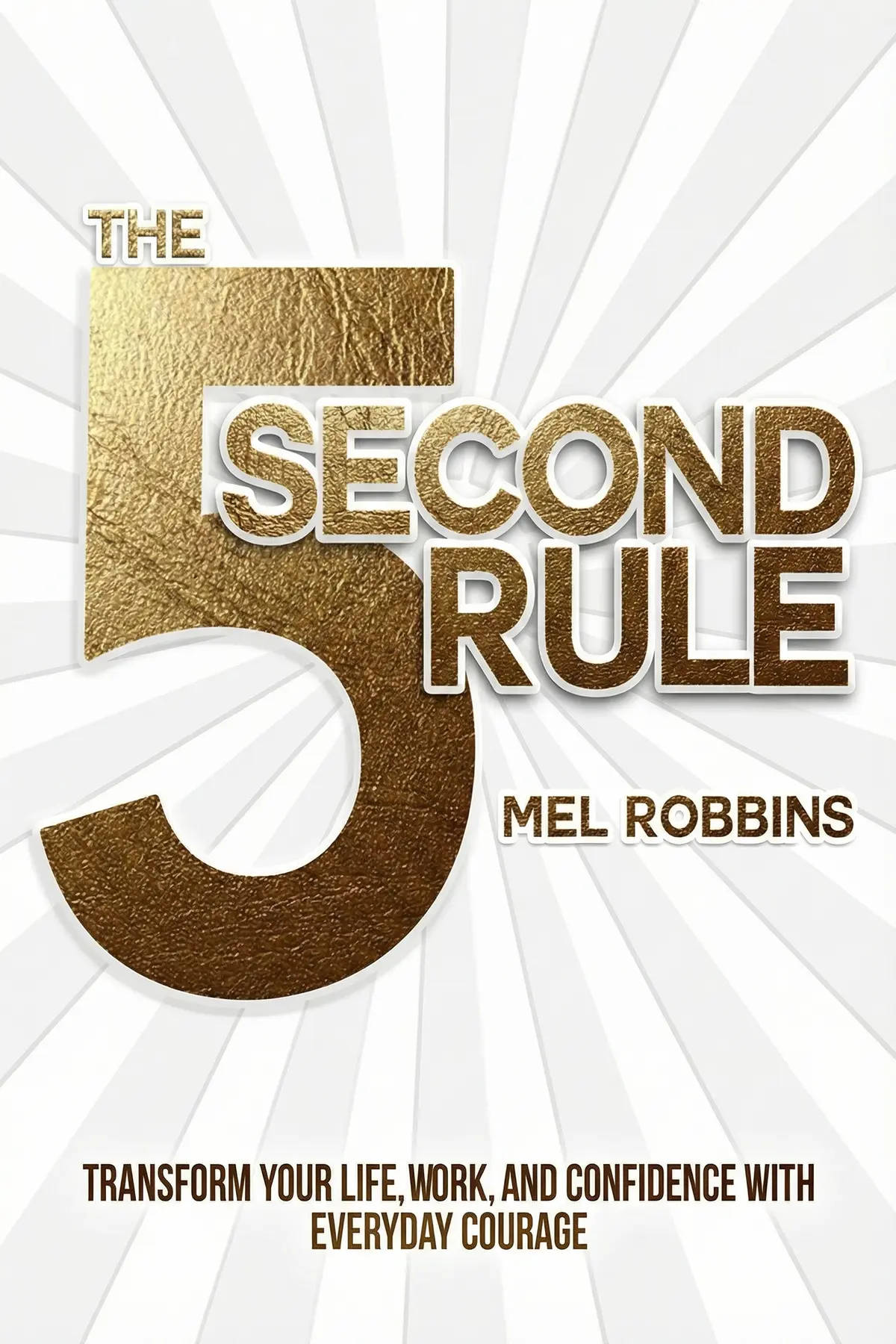
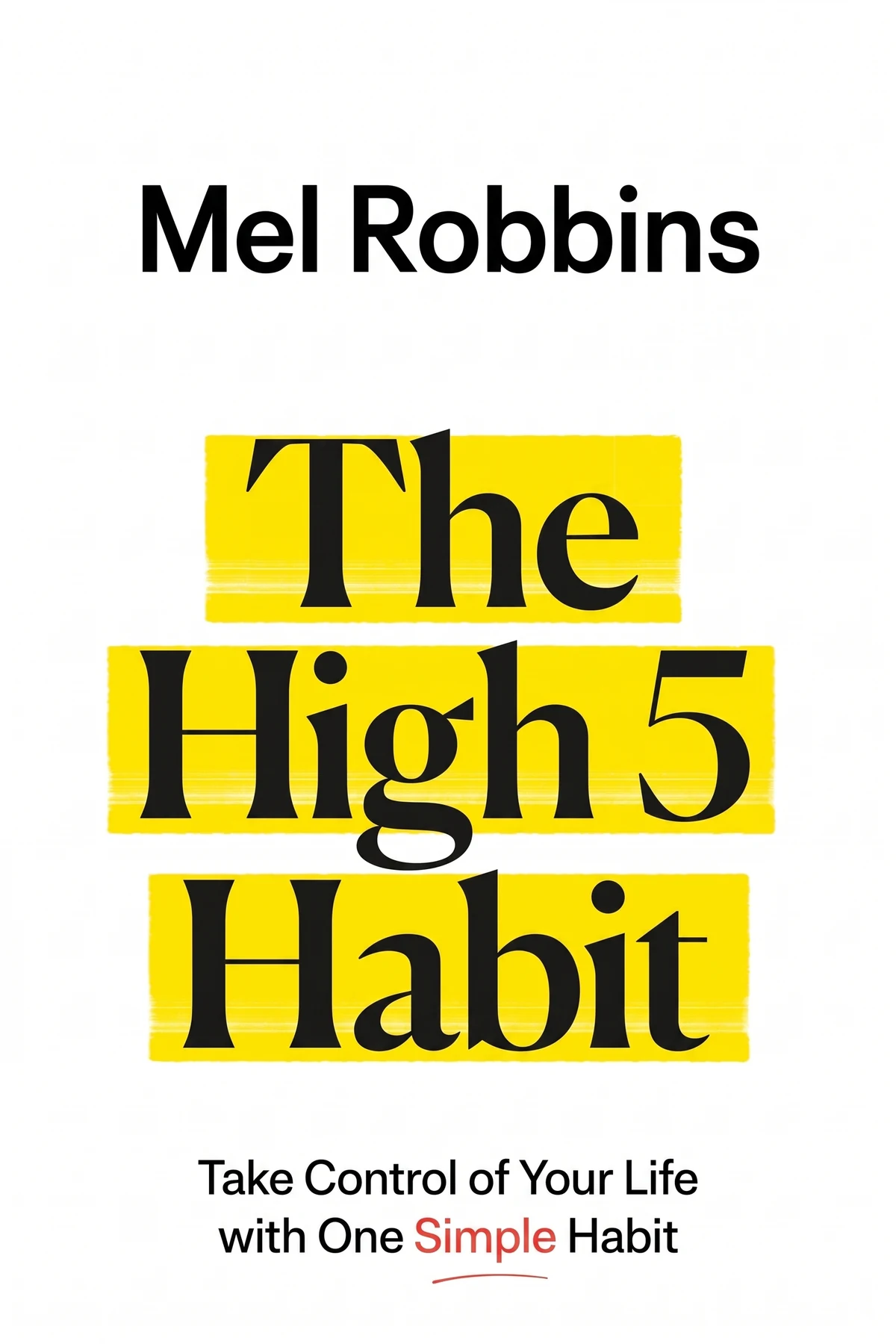
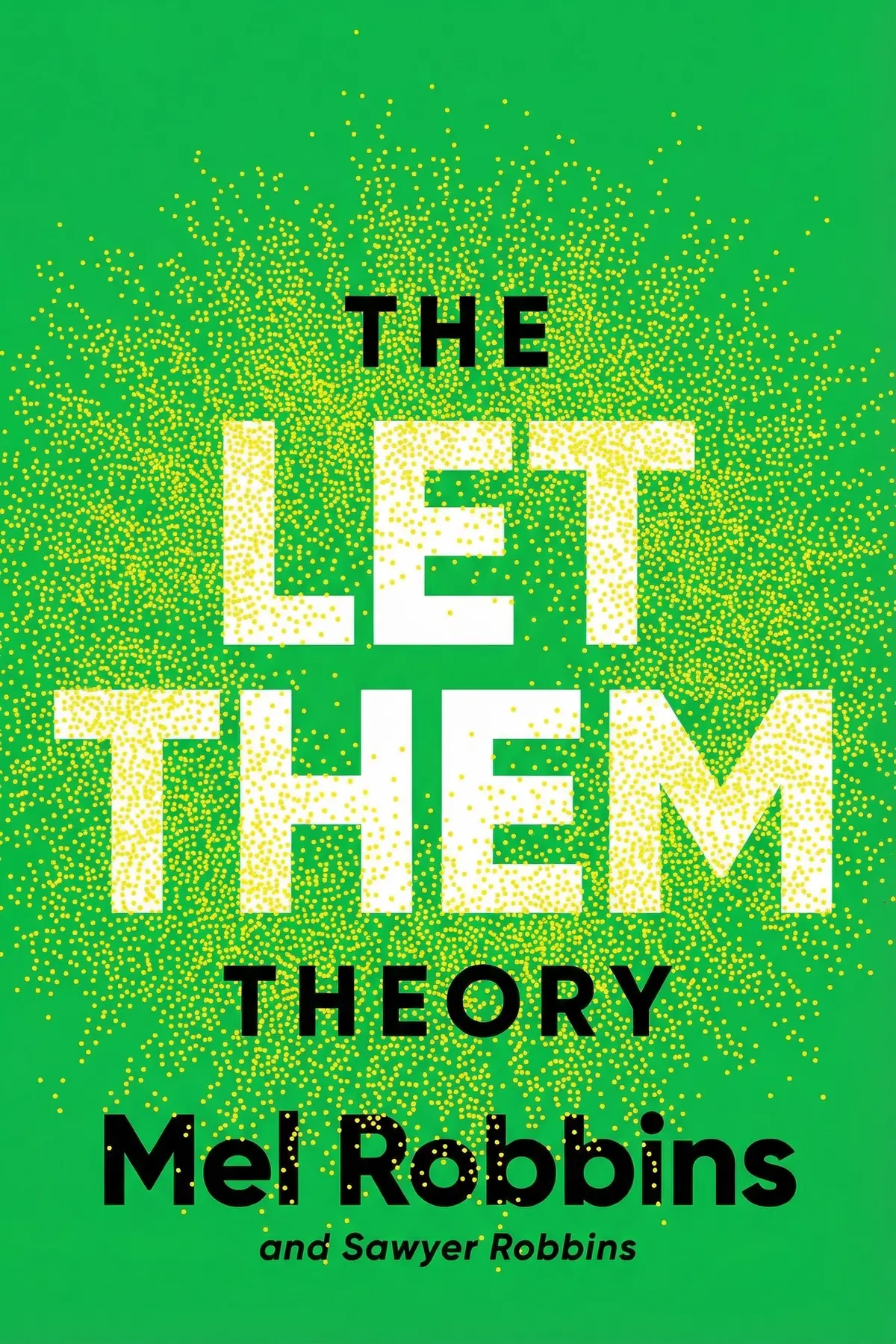
Mel Robbins studied at Dartmouth College and Boston College Law School and trained as a lawyer before becoming known for her TEDx talk How to Stop Screwing Yourself Over. Stop Saying You're Fine, published in 2011, was her first book, followed by The 5 Second Rule, The High 5 Habit and The Let Them Theory, which reached number one on the New York Times list. Her books appear in 65 languages, and she hosts The Mel Robbins Podcast.
Ratings & Reviews
Ratings at a glance
What people think
Listeners find this book very easy to read and eye-opening, as it offers useful advice for hitting targets. The material is also blunt and hands-on, providing clear tasks for people to follow. They prize the encouraging message, with one listener describing how it helped them overcome a slump, while another says it had a massive impact on them. Furthermore, listeners admire its life-altering capability and ingenuity, including one review that emphasizes how it opens your eyes to infinite potential.
Top reviews
Moo
After hearing Mel's TED talk, I was eager to dive deeper into her philosophy on breaking habits. This book is a highly readable guide that goes beyond just 'taking action' by explaining the biological reasons we stay stuck in ruts. Essentially, your brain wants to save energy, so it pushes you toward the familiar even when the familiar is miserable. Robbins provides tangible steps to outsmart these neural pathways and move toward limitless possibilities. While it gets a bit repetitive in the middle chapters, the overarching push to stop settling for 'fine' is incredibly enlightening for anyone feeling stagnant. It is a blunt, actionable resource for personal growth.
Show moreAroon
Ever wonder why you have all the information but still can't seem to make a change? This book bridges that gap by showing you how to outsmart your own biology. Robbins explains that our brains aren't designed for change, which is why we need a physical intervention to break out of a rut. The book is incredibly straightforward and provides tangible steps that you can implement immediately. I loved the focus on limitless possibilities and the way she pushes you to stop being your own biggest obstacle. It’s a creative approach to self-help that feels much more practical than the usual abstract advice found in the genre.
Show moreBig
The section explaining how our brains are wired to resist change was a total lightbulb moment for me. I’ve read dozens of self-help books, but few explain the 'why' behind procrastination as clearly as this one does. By understanding that change requires extra neural energy, I was able to stop blaming my personality and start focusing on my habits. This book is enlightening and provides a clear, step-by-step path toward achieving your goals. It made a huge impression on me because it’s so actionable. If you are tired of your own excuses and want a life-changing shift in perspective, this is the one to read.
Show moreArjun
Wow. I wasn’t expecting to be this moved by a self-help book, but Robbins really delivered something life-changing here. I spent years saying I was 'fine' while secretly feeling stuck in a rut and unsure of how to move forward. This book gave me the motivational push I needed to finally take tangible steps toward my real passions. The writing is straightforward and accessible, making it easy to digest even when the advice is tough to hear. It’s more than just a pep talk; it’s a manual for seeing the limitless possibilities in your own life. I feel more creative and empowered than I have in a long time.
Show moreJoy
This book offers a straightforward roadmap for anyone looking to achieve their goals without the usual fluff. Robbins doesn't sugarcoat anything, which is refreshing, though I found her 'chicken or jerk' analogy a little condescending at times. The truth is, the advice is highly actionable and focuses on the simple act of doing the thing you don't feel like doing. It's about breaking that cycle of hesitation that kills most dreams before they even start. If you can move past the aggressive tone, you will find a wealth of practical tips to help you see new opportunities. It's a solid, motivational read that really makes an impression.
Show moreSomrutai
Look, this is essentially a high-energy manual for getting out of your own way. Robbins has a very specific, direct style that might come across as scolding to some, but I found it to be the wake-up call I needed. The core concept is simple: your feelings don't matter as much as your actions do. There is a lot of repetition, and she does reference her radio show quite a bit, which can feel like a PR stunt. However, the underlying message about reclaiming your life from the 'fine' trap is powerful. It’s a highly readable book that provides a much-needed push for anyone feeling stuck in a repetitive cycle.
Show moreSamuel
As someone who is constantly looking for ways to improve my productivity, I found the tangible steps here very useful. The book is enlightenment for the chronically indecisive. Robbins cuts through the typical 'believe in yourself' fluff and gets straight to the biological reasons why we hesitate. It’s a very readable, fast-paced book that helps you identify the ruts you’ve dug for yourself over the years. My only complaint is that it feels a bit repetitive toward the end, and the constant mentions of her show get a bit tiring. Still, the practical tips for achieving goals are worth the price of admission. It's a solid, straightforward kick in the pants.
Show moreBam
Frankly, I think you could get about 80% of the value of this book just by watching her TED talk and skipping the rest. While the ideas are solid, the book takes forever to get to the point and repeats the same three or four concepts over and over. It feels a bit like a padded-out version of 'Eat That Frog' or Dweck's 'Mindset' but with a more aggressive, Americanized 'dog-eat-dog' flavor. The advice to 'just do it' is fine, but the execution here is a bit thin. It’s not a bad book, and the brain science is interesting, but it certainly isn't as profound as the high ratings might lead you to believe.
Show moreBo
I honestly found the tone of this book to be quite off-putting and unnecessarily scolding. While I appreciated the initial message about honesty, the author quickly devolves into sweeping generalizations and harsh language. Referring to people as 'fat slobs' or 'chickens' feels like an outdated, coercive method of motivation that science has largely debunked. To be fair, there are some helpful nuggets about how the brain resists change, but they are buried under layers of shame. I had high hopes after the viral videos, but the actual text felt like a watered-down version of better psychology books. It left me feeling icky rather than inspired.
Show moreRotjanee
Not gonna lie, the audiobook version of this was a struggle to get through due to the narrator’s tone. She sounds like she’s scolding you for 300 pages, which made the content feel more like a lecture than a guide. The author uses some pretty questionable language regarding weight and lifestyle choices that felt like fat-shaming rather than actual coaching. While the central idea of outsmarting your brain is a winner, the delivery is just too negative for my taste. Psychology shows that positive reinforcement works better in the long run, yet this book doubles down on calling the reader a 'chicken.' It’s a shame because the core message is actually quite useful.
Show moreQuestions about this book
What is the main idea of Stop Saying You're Fine?
Mel Robbins argues that feeling stuck comes from resistance, a built-in pull toward safety that fights our drive to grow. It shows up as fear or as blame, and the brain backs it with busywork and worst-case thinking. Her remedy is personal responsibility plus tools: an honest audit of your life, acting on impulses within five seconds and mapping many possible steps toward a goal.
What are the chicken and the jerk in Mel Robbins's book?
They are the two faces of resistance. The chicken is frozen by fear and keeps asking what happens if it fails, like the caller who wanted to act all her life but never auditioned. The jerk excuses inaction through frustration and blame, like the commuter who blames his company, his wife and the economy for a job he hates. Both keep people from moving.
What is the five-second rule in Stop Saying You're Fine?
When you feel an impulse to act toward a goal, start within five seconds. If you wait, Robbins says, your brain fills the gap with excuses until the impulse fades. Seeing a job ad that fits and writing the application right away is her example. She pairs the rule with a mantra for doubts: “Shut up. I’m doing it anyway.”
How do you do the life audit from Stop Saying You're Fine?
Rate seven areas of life from zero to ten with reasons: family, love and sex, spirituality, career and purpose, friends and community, body and health, and money. For each, split a page into what bugs you and your excuses for not acting. Cross out the excuses, label them as fear and resistance, and display the pages where you will see them daily.
Who should read Stop Saying You're Fine?
It suits people who sense they want more from work, relationships or health but keep postponing change, whether out of fear or frustration. Career switchers, would-be founders and anyone stuck in a routine they dislike will find concrete tools, from claiming 5 percent of their energy for what excites them to drawing a map of small steps toward a bigger dream.
Readers also enjoyed





A Guide to the Good Life: The Ancient Art of Stoic Joy
William B. Irvine


A High-Performing Mind: Strengthen Your Mind and Live Your Best Life
Andrew D. Thompson


Abundance: The Inner Path to Wealth
Deepak Chopra
AUDIO SUMMARY AVAILABLE
Listen to Stop Saying You’re Fine in 15 minutes
Get the key ideas from Stop Saying You’re Fine by Mel Robbins, plus 5,000+ more nonfiction titles.
- 5,000+ titles
- Listen as much as you want
- 7-day free trial
- Cancel anytime









