How to Love
Thich Nhat Hanh
 English
 ไทย
A Zen teacher's guide to facing pain directly. It shows how to name your suffering, stop feeding it, notice the joy already present, and turn the Buddha's core teachings into daily habits of attention, speech and action.
58 sec
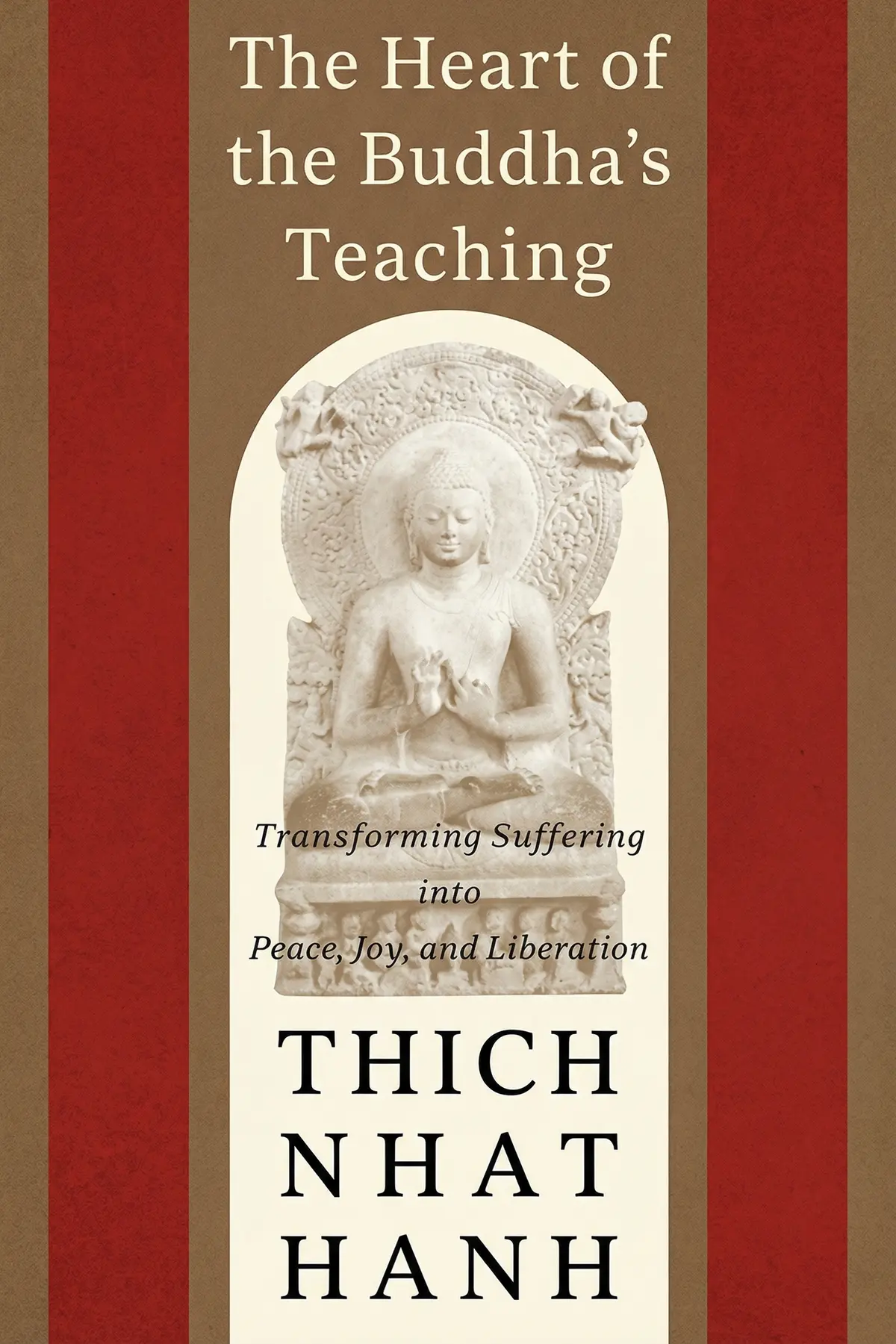
Most of us treat pain as something to outrun, and in The Heart of the Buddha’s Teaching, Zen monk Thich Nhat Hanh argues that the running is what makes it heavier. His alternative sounds backwards at first: turn toward the suffering, hold it with care, and study it until you can name it. That, he says, is where peace begins.
Nhat Hanh draws on the framework the Buddha used to convey his awakening to students, the Four Noble Truths and the eight practices of the path that follows from them. He insists they are practices to live, not theories to admire. The thread running through all of it is simple: suffering you embrace and understand can be transformed into joy, one daily practice at a time.
What you get is a way to read your own pain the way a doctor reads symptoms, a test for what you consume, and a way of listening that can begin to mend a damaged relationship within minutes.
1 min 49 sec
The instinct to escape a painful feeling seems like self-protection. Nhat Hanh argues it is the very thing that keeps the weight on your shoulders, and he borrows a scene from a clinic to show the alternative.
1 min 50 sec
A disturbing parable about a family lost in a desert is one of the Buddha’s own teaching stories. Its lesson reaches into your fridge, your screen and your ambitions in ways that are easy to miss.
1 min 49 sec
Most people only notice their health once it is gone. Nhat Hanh turns that common blind spot into a practice, and his chosen example is a household chore nobody looks forward to.
1 min 58 sec
A reporter at a 1966 peace rally wanted Nhat Hanh to pick a side. His reply points to a habit of mind that quietly distorts how you judge colleagues, strangers and family.
1 min 56 sec
Nhat Hanh names one simple act as the best way to show love, and it costs nothing. It also sits behind his advice for repairing a relationship when the right words will not come.
2 min 01 sec
A woman who had enjoyed two glasses of wine a week for twenty years asked why she should stop. Nhat Hanh’s answer widens the circle of who your everyday choices actually affect.
1 min 54 sec
A monk in ancient China out-meditated everyone around him and still fell short of his goal. His failure reveals a signal that tells you whether your own hard work is pointed the right way.
1 min 14 sec
The heart of this book is a reversal. The thing we spend so much energy escaping turns out to be the doorway. Pain that is held, examined and named reveals what feeds it, and once the feeding stops, the ordinary wonder of being alive has room to appear. The eight practices simply carry that turning toward into how you see, think, speak, act, work, strive, attend and focus.
Nhat Hanh is plain that you will suffer and that you will cause suffering. He offers a different relationship with both, built from small daily moves. Greet the next hard feeling the way a patient meets a doctor: admit it, study it, name it. Notice which films, conversations and ambitions leave you drained, and feed yourself something better. When a relationship hurts, give the other person ten minutes of listening with no advice, or write the letter and rewrite every line that could wound.
He once told a reporter in Philadelphia that he came from the center. That is where the practice places you: close enough to your pain to understand it, and steady enough that it no longer carries you away.
Most people try to escape their pain, and Thich Nhat Hanh argues that this only makes it heavier. His alternative is to turn toward suffering with care, study it until it can be named, and discover what keeps feeding it. He builds the method on the framework the Buddha used to convey his awakening, the Four Noble Truths together with the Noble Eightfold Path. He presents them as practices to live, each worked through in three stages of recognition, encouragement and realization. A doctor's examination becomes a model for understanding your own pain. A grim desert parable shows how people nourish their own misery through what they eat, watch, want and think. Readers get concrete practices: a test for what they consume, a way to find joy in a chore as plain as washing dishes, checks for distorted perceptions, deep listening that can mend a relationship in minutes, and a letter-writing method for conversations that feel too hard to have. The promise is steady peace that rests on the simple fact of being alive.
People worn down by stress or grief who keep trying to outrun painful feelings.
Newcomers to Buddhism who want the Four Noble Truths and the Eightfold Path explained as daily practice.
Partners, parents and colleagues stuck in strained relationships who want to listen and speak with less harm.
Thich Nhat Hanh was a Vietnamese Zen monk who entered a monastery at 16 and was ordained in 1949. He helped found the School of Youth for Social Services in the mid-1960s, was exiled from South Vietnam in 1966 for opposing the war, and was nominated for the Nobel Peace Prize by Martin Luther King Jr. in 1967. In 1982 he founded Plum Village Monastery in France. He published about a hundred books, translated into more than forty languages, and died in 2022.
Thich Nhat Hanh
Thich Nhat Hanh
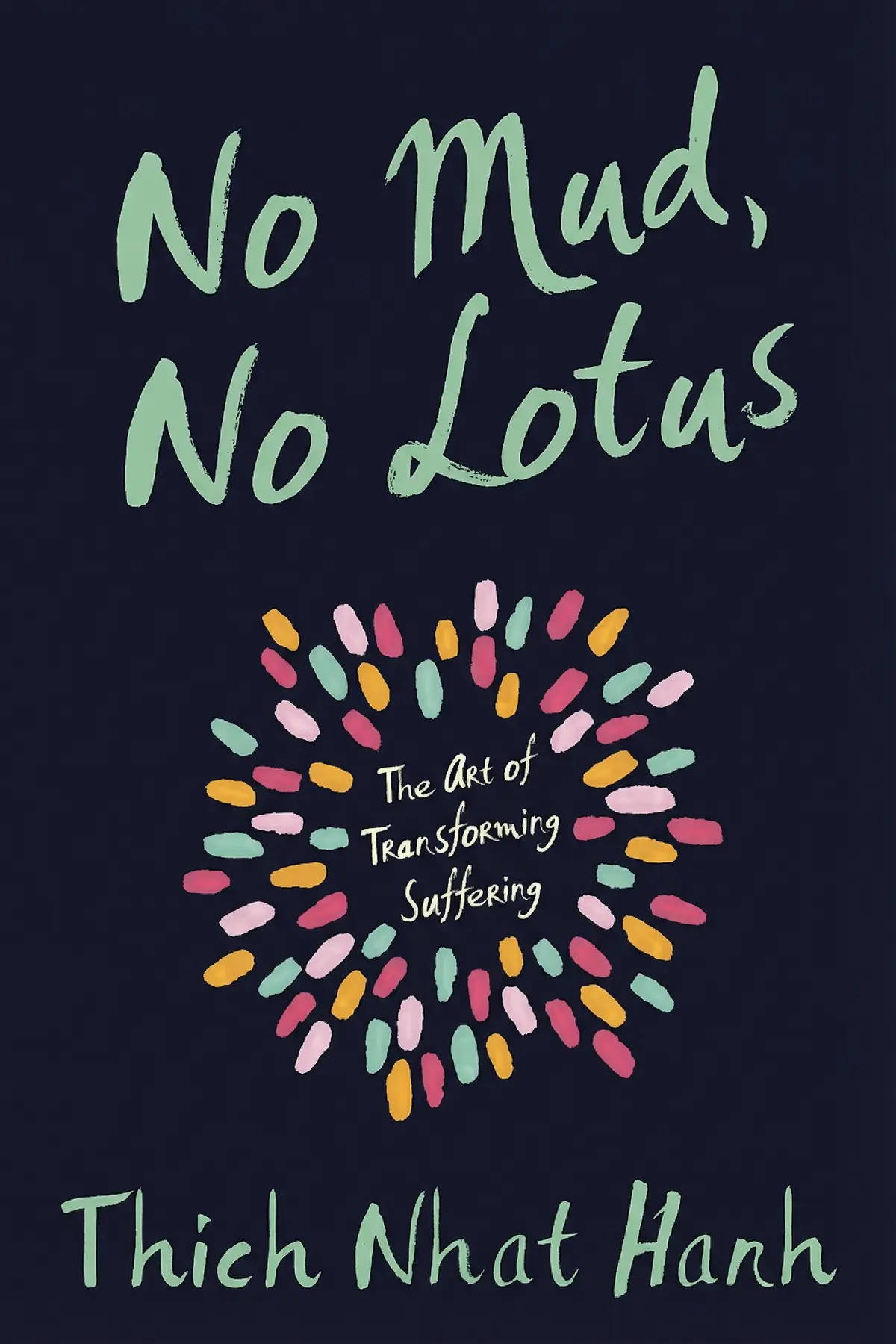
Thich Nhat Hanh
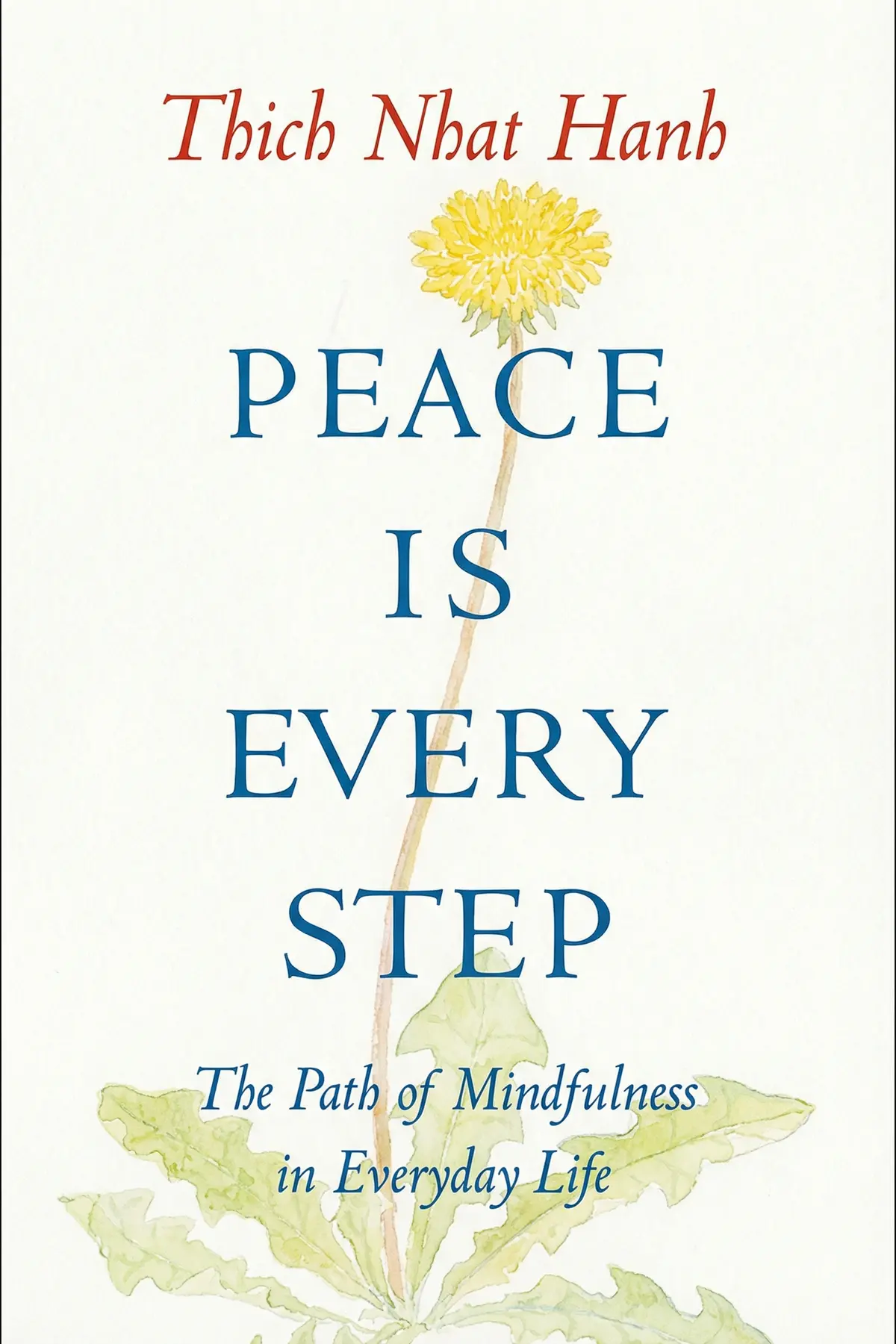

Thich Nhat Hanh
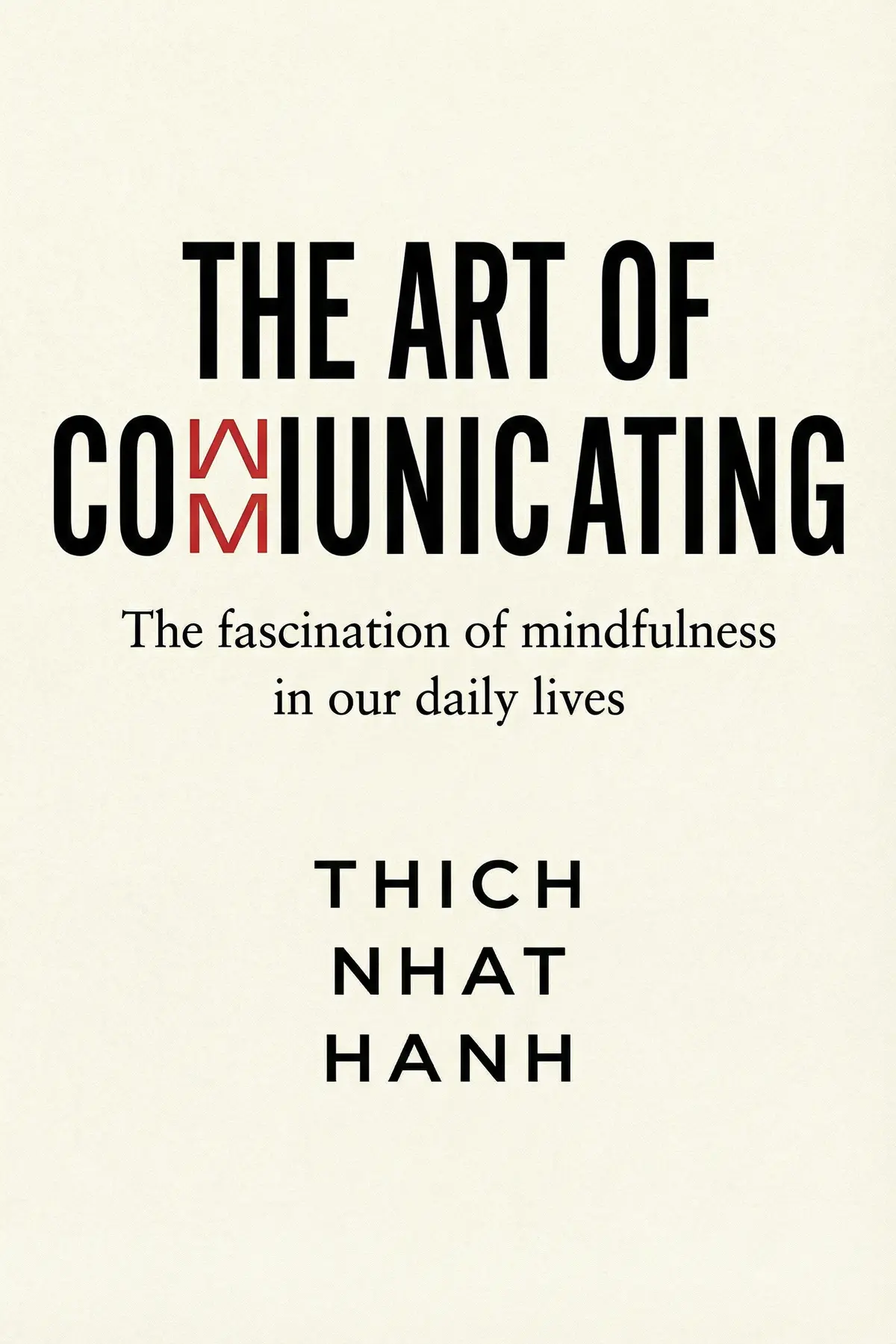
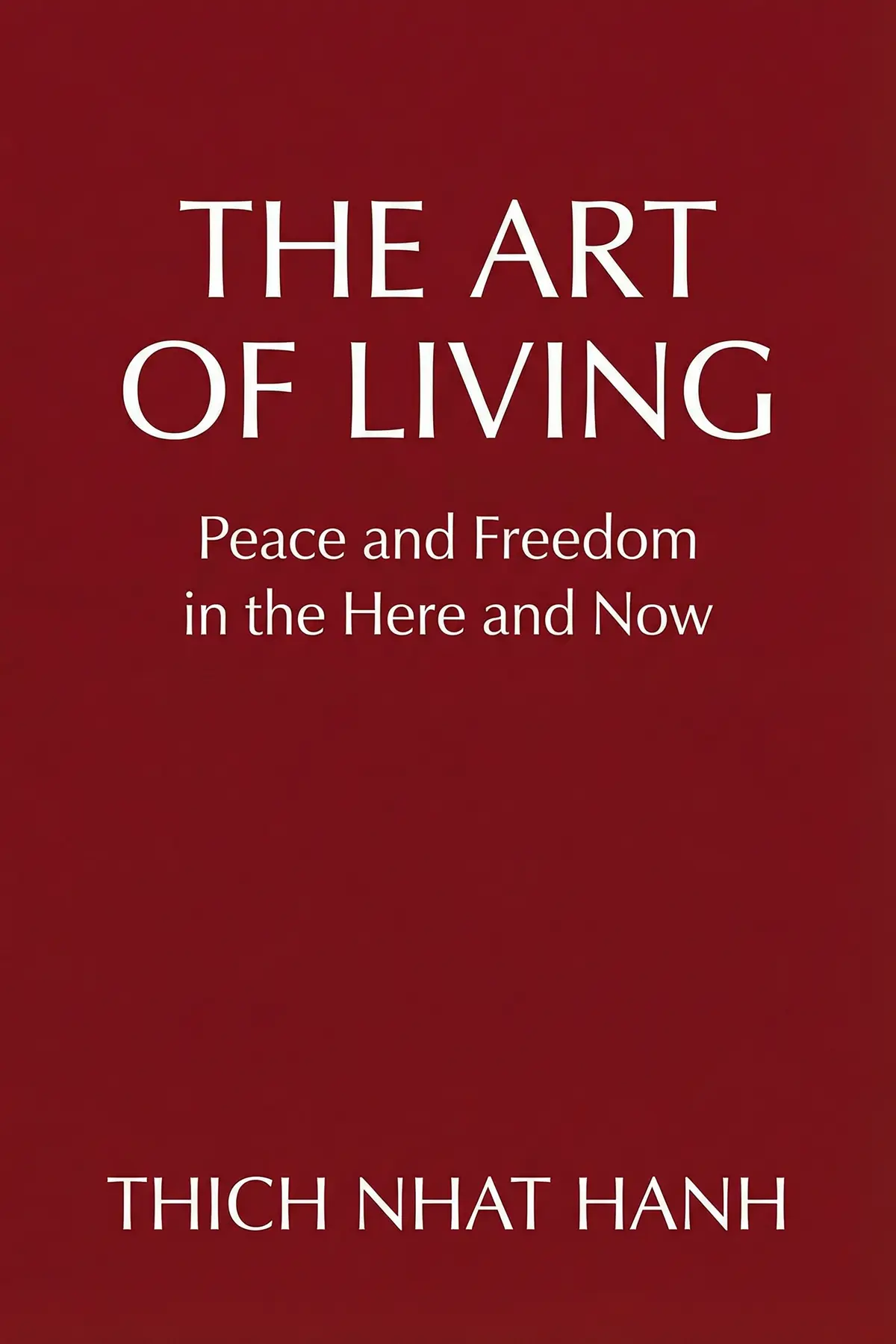
Thich Nhat Hanh
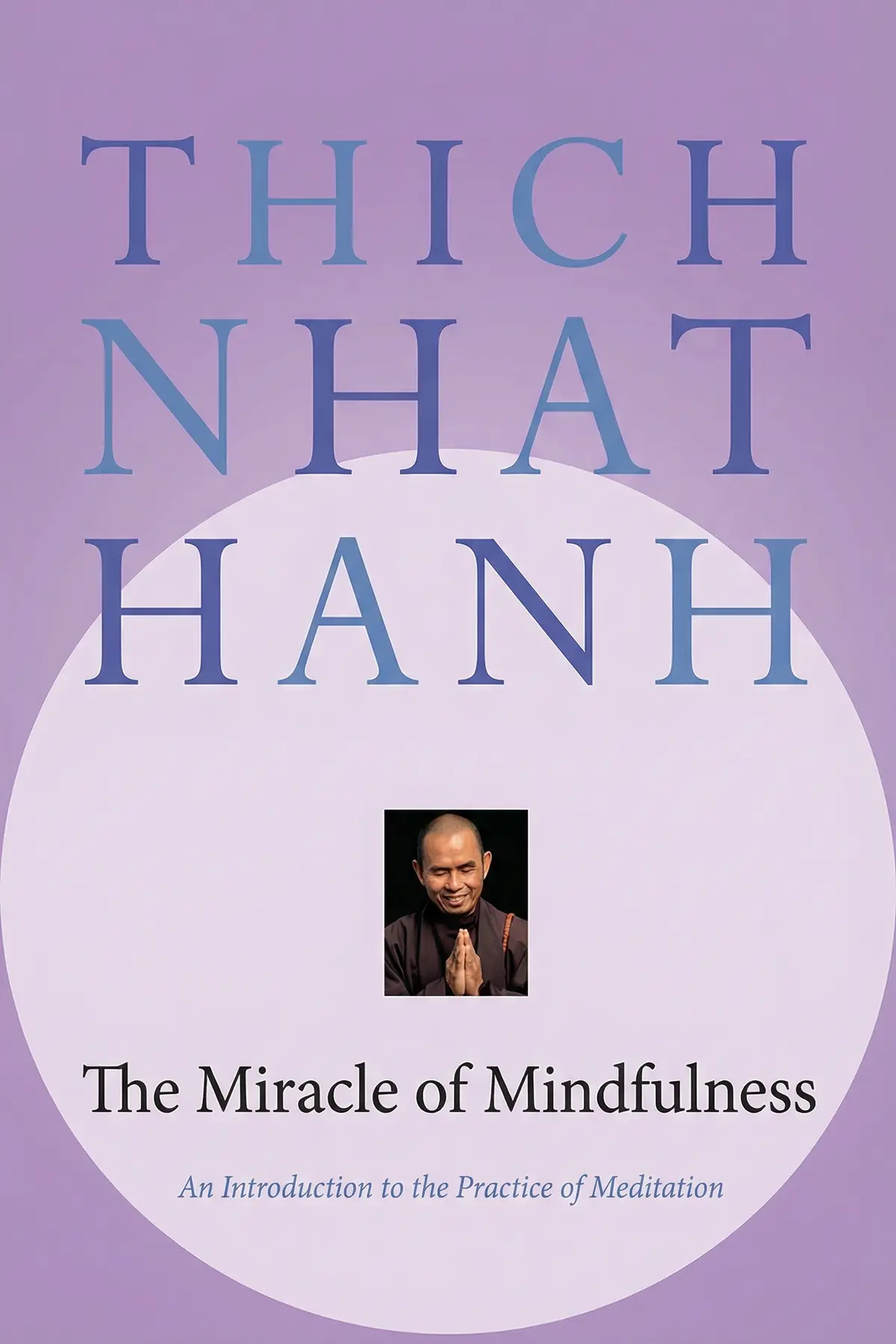

Listeners find this book to be a marvelous, straightforward primer on Buddhism that delivers high-quality recaps of essential tenets. Beyond that, the narrative voice is easy to relate to, and listeners like how the content broadens their viewpoints while opening their minds and hearts. Plus, the guide offers a thorough survey of foundational ideas in a lucid, succinct format, earning its reputation as a top 10 Buddhist book of all time.
Have you ever felt like you're drowning in your own suffering? Thich Nhat Hanh offers a lifeline in this profound yet accessible guide. He takes the Four Noble Truths and makes them feel like practical tools rather than ancient relics. I especially loved his poetic metaphors, like the wave realizing it is actually the ocean. It’s a beautiful way to understand non-self and impermanence without needing a PhD in philosophy. Truth is, most spiritual books are either too airy or too dry, but this strikes a perfect balance. It really helped me reframe my daily anxieties into moments of mindfulness. Even if you aren't looking to 'become' a Buddhist, the wisdom here regarding compassion and presence is universal. It’s a book I’ll keep on my nightstand for years. Definitely a top-tier recommendation for anyone seeking a more peaceful heart.
Show moreThis is probably the most lucid explanation of the Dharma I’ve encountered. Thich Nhat Hanh has a remarkable ability to distill complex concepts into simple, heart-centered truths. I’ve read a few books on meditation, but this one explains exactly why we do what we do. The way he breaks down the Eightfold Path is so clear that it feels like common sense rather than 'religion.' I felt my heart opening as I read about the Four Immeasurable Minds of love, compassion, joy, and equanimity. Frankly, it’s rare to find a book that challenges your intellect while simultaneously soothing your soul. It provides a comprehensive overview that doesn't shy away from the traditional roots of the practice. It helped me see that suffering isn't something to run from, but something to transform. This is essential reading.
Show moreWow, Thich Nhat Hanh has a way of turning complex theology into something you can feel in your bones. I was particularly moved by the chapter on 'Touching the Buddha Within.' It’s not about worshiping a deity; it’s about recognizing the capacity for enlightenment inside your own heart. The author’s writing style is relatable and poetic, especially when he discusses the inter-being of a flower and the sun. He reminds us that the present moment contains all future moments, which is a powerful way to look at life. I found the sections on Right Action very convicting in a good way. It isn't just about sitting on a cushion; it’s about how we treat the gardener, our spouses, and even our enemies. This book is a masterpiece of spiritual literature. It has definitely earned its spot as one of the best introductions to Buddhism ever written.
Show moreFinally got around to reading this staple of Buddhist literature, and I finally understand the hype. It’s a comprehensive overview that manages to be both deep and concise at the same time. I loved how Hanh explains that Nirvana isn't the absence of life, but the extinction of our narrow notions about it. The Twelve Links of Interdependent Co-Arising was a bit heavy, but the author’s metaphors helped bridge the gap. I really appreciated the focus on Right Speech and how our words can either water seeds of anger or seeds of peace. It’s a very personal approach that emphasizes individual responsibility. You don't have to take a leap of faith to see that these principles work. After reading this, I feel like I have a much clearer roadmap for my own spiritual practice. A true 5-star gem.
Show moreThe chapter on 'Transforming Suffering' changed the way I look at my own trauma. Hanh argues that Buddhism is born out of suffering, not academic study, and you can feel that truth on every page. He doesn't ask you to ignore your pain; he asks you to embrace it with mindfulness. I loved the 'man in the mirror' approach—realizing that peace starts with my own thoughts and actions. The writing is incredibly relatable, and the insights are profound without being pretentious. Even the parts that felt a bit 'listy' were worth the effort for the clarity they eventually provided. It’s a wonderful, easy-to-understand introduction that provides a different perspective on what it means to be alive. I can see why people consider this a top 10 book of all time. It’s a life-changer.
Show morePicked this up on a whim after a stressful month at work. While I found the core message incredibly grounding, I’ve got to say, the middle sections can be a bit of a slog. There are so many lists—the Eightfold Path, the Seven Factors of Awakening, the Twelve Links of Interdependent Co-Arising—it gets a bit overwhelming. Sometimes it feels more like an academic textbook than a spiritual guide. However, when Hanh shares personal anecdotes from his time in Vietnam or his community in France, the book really shines. Those stories make the dense theories feel real and applicable. Personally, I found the 'Five Mindfulness Trainings' to be the most helpful part for my actual life. It isn't a quick read, but it is a rewarding one if you have the patience to sit with it.
Show moreAs someone who grew up in a very traditional religious environment, I was fascinated by the distinction between 'secular' and 'cultural' Buddhism mentioned in this text. Thich Nhat Hanh doesn't just give you a westernized version of these truths; he keeps the richness of the tradition intact. I appreciated how he explored the 'store consciousness' and the idea of watering positive seeds in our minds. It’s a very practical technique for working with the universe we actually inhabit. Not gonna lie, some of the more technical sections about the Four Reliances were a bit over my head on the first pass. But the overall tone is so gentle and encouraging that I didn't mind being a little confused. The book feels like a conversation with a very wise, very kind grandfather. It’s definitely a 4-star experience that invites multiple re-readings.
Show moreLooking for a deep dive into the Eightfold Path without getting bogged down in dogma? This book is a fantastic resource. Thich Nhat Hanh handles the religious aspects of Buddhism with a lot of grace, making them accessible to a modern audience. However, be prepared for some dry patches. There are several chapters that feel like a purely academic rundown of major ideas, which can be a bit tedious for those not looking for a theology degree. But then he'll drop a line about how the present moment is the only moment we have, and everything clicks again. I liked his insistence on the inter-dependence of all things. It’s a perspective that really opens your mind and heart to the world around you. To be fair, it's more technical than a lot of other popular mindfulness books, but worth the effort.
Show moreTo be fair, I expected something a bit more narrative-driven based on the title. Instead, what I got was an exhaustive, somewhat dry rundown of Buddhist theology. I really enjoyed the chapters where the author connects the teachings to modern life, but the 'listy' nature of the writing made my eyes glaze over at times. It’s hard to stay engaged when you’re reading about the Fourteen Mindfulness Trainings followed immediately by another dozen categories. That being said, the explanation of the Three Dharma Seals was genuinely enlightening. It helped me understand the concept of Nirvana as something attainable in this life, not just some distant afterlife. If you want something light and breezy, maybe try Pema Chodron instead. But if you want the meat and potatoes of the Dharma, this is it. It’s a solid 3-star read for me, mainly because of the pacing issues.
Show moreThe audiobook narration was a total dealbreaker for me, unfortunately. I tried to listen to this while commuting, but the reader sounded so robotic that I couldn't absorb any of the meaning. It felt like I was being lectured by a computer about the nature of the soul, which is pretty ironic given the subject matter. I ended up switching to the paperback version and had a slightly better experience, but the structure is still a bit disorganized. It jumps from beautiful personal stories to very technical lists of behaviors that are hard to keep track of without taking physical notes. Look, the content is obviously high-level wisdom, but the presentation makes it a difficult slog for a casual reader. I’m giving it 2 stars just to warn people away from the audio version. Buy the physical book so you can go at your own pace.
Show moreThich Nhat Hanh argues that escaping suffering only makes it worse, while embracing and understanding it lets you transform it into peace and joy. He explains the Buddha’s Four Noble Truths as a cycle you move through: recognizing suffering, finding what feeds it, noticing well-being, and following the Eightfold Path. Each truth is practiced in three stages, recognition, encouragement and realization, and he stresses that these are practices to live rather than theories.
He holds that people keep their pain alive through what they consume. He names four kinds of nourishment: food and drink, what your senses take in such as films, music, books and conversations, your intentions and goals, and your consciousness, shaped by your own past, your family and society. If something leaves you exhausted, it was likely toxic. The practice is to notice what you take in, intend to change, and then choose mindfully.
Through Right Mindfulness and Right Speech. Paying attention, even just looking into someone’s eyes, is in his view the best way to show love, and acknowledging another person’s pain often eases it. Deep listening means hearing them with compassion, without judging or giving advice. He says ten minutes of such listening and kind words can sometimes heal a wound. If speaking feels too hard, write a letter and rewrite any phrase that could hurt.
Nhat Hanh gives small, concrete steps. Question your perceptions and ask whether you are sure a thought is right. Check in with yourself about what you are doing right now. Bring attention to chores like washing dishes. At work, notice how you move between meetings, answer the phone and treat colleagues. Choose actions and a livelihood that cause no harm. And treat ease as the sign that your effort is the right kind.
It suits anyone dealing with pain, stress or strained relationships who wants a practical response grounded in Buddhist teaching. Beginners get a clear explanation of the Four Noble Truths and the eight practices of the path. Readers already interested in mindfulness get concrete exercises, from examining what they consume to deep listening and writing a careful letter to someone they are in conflict with.


Daniel Goleman

Marianne Williamson

Deepak Chopra

Alcoholics Anonymous World Services
Eckhart Tolle

Pico Iyer
AUDIO SUMMARY AVAILABLE
Get the key ideas from The Heart of the Buddha’s Teaching by Thich Nhat Hanh, plus 5,000+ more nonfiction titles.