A Bigger Prize: How We Can Do Better Than the Competition
Margaret Heffernan
 English
Shows managers and founders how to make work and buying feel human again, through casual conversation, built-in generosity, a little earned struggle, selective mystery and endings handled with care.
1 min 04 sec
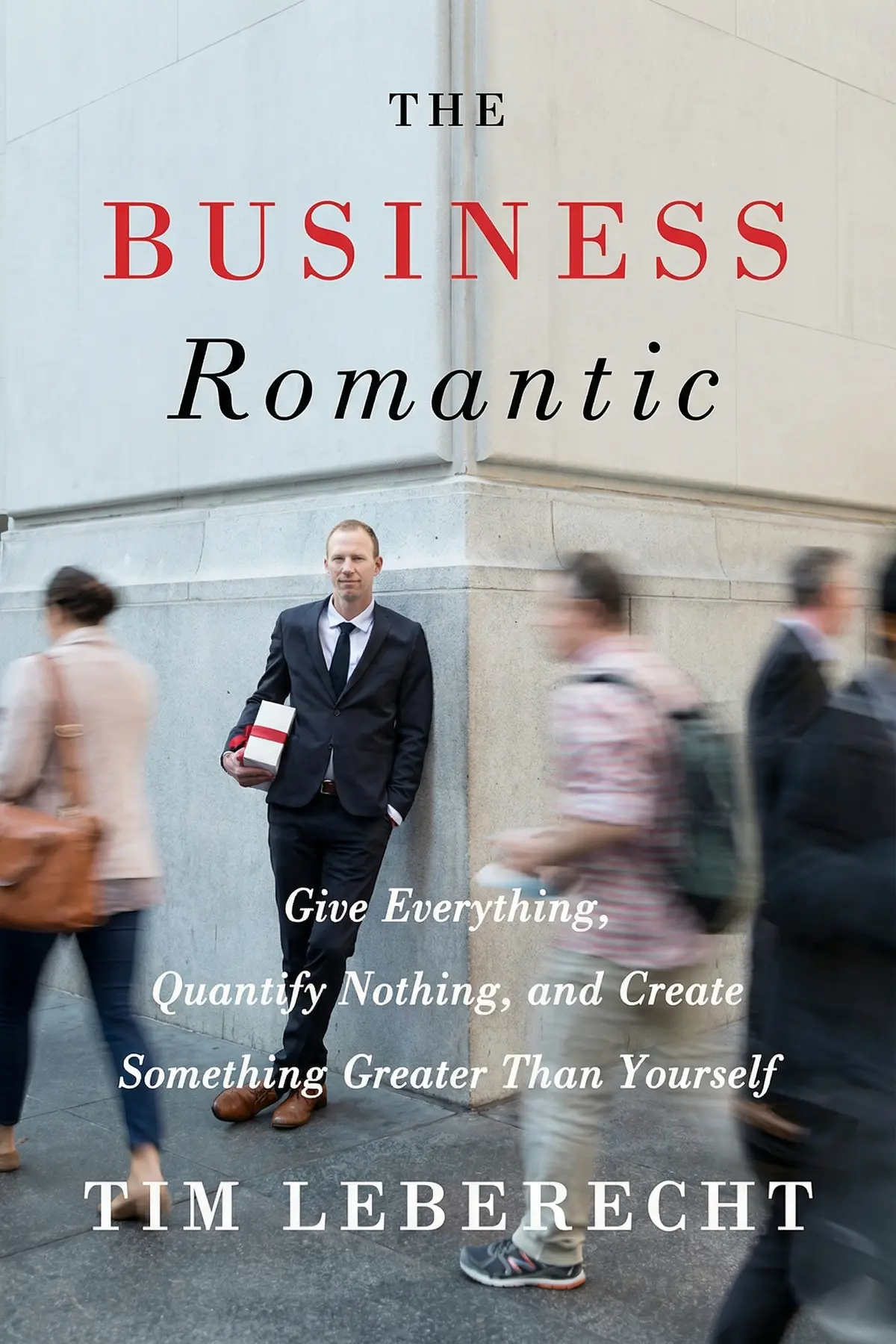
If your work feels like a string of tasks and your customers feel like numbers, Tim Leberecht thinks the cure is a dose of romance. In The Business Romantic, the writer and former chief marketing officer of Frog Design points to a 2013 Gallup poll across 140 countries: just 13 percent of workers worldwide were fully engaged in their jobs. Everyone else was unmotivated, or worse.
Leberecht’s argument is that companies earn committed people and loyal customers by designing for human experience, not efficiency alone. That means room for conversation, chances to give, a bit of earned struggle, some mystery and endings handled with grace. Each of those can be built on purpose, and he shows how with cases from Reddit, IKEA, McKinsey, KLM and Groupon.
What follows is a handful of small moves for making a team, a product or a goodbye feel more human, starting with the way people talk to each other at work.
1 min 48 sec
A generation that posts its life online also says it hardly trusts anyone. That odd contradiction, and a set of global engagement numbers, explain why so many people work hard and still feel empty.
1 min 38 sec
Office chatter is usually treated as stolen time. One study found it does something nothing else at work can match, and a dinner of 15 strangers shows how to make it happen on purpose.
1 min 34 sec
A chocolate shop that refused to take money and a website that let strangers buy each other dinner both found the same thing. Their trick can work inside an ordinary team, too.
1 min 25 sec
Delivery has never been faster or easier, yet people still sleep on the pavement outside certain shops. The reason says something uncomfortable about how much convenience customers really want.
1 min 31 sec
Many firms bet that total openness would make people love them. One social network learned otherwise in six painful hours, while a famously discreet consultancy grew more attractive by saying less.
1 min 34 sec
Airlines cannot fix the misery of boarding, so they put their effort somewhere else. A three-month farewell gone wrong and one short resignation letter show why the last moment counts most.
1 min 04 sec
Leberecht’s book makes one bet: that the moments businesses treat as inefficient are where loyalty is made. The chat by the coffee machine, the favor nobody asked for, the hour with an Allen key, the secret a firm keeps and the last minute of a flight all look like waste on a spreadsheet. He asks companies to design those moments on purpose instead of squeezing them out.
None of it needs a new strategy. The book’s own advice is to open up the office: swap closed doors for open spaces and cold meeting rooms for comfortable places to talk, so the casual conversations that make people happy can actually happen. Beyond that, pay attention to the endings you control, the close of a sale, the final week of a project, the day you leave a job, and make them shorter and warmer than feels necessary.
In Gallup’s count, only 13 percent of the world’s workers were fully engaged. The other 87 percent are waiting for someone to make work feel human again, and that someone can be you.
Most workplaces run on efficiency, and most people in them are checked out. Tim Leberecht cites a 2013 Gallup poll across 140 countries in which just 13 percent of workers were fully engaged. At the same time, a generation that shares its life online says it barely trusts anyone. Leberecht's answer is the business romantic: a person, and a company, that seeks meaningful experiences at work, not just financial reward. He argues that the parts of business usually treated as waste are where commitment is made. Chatting with coworkers, giving without expecting a return, struggling a little to earn a product, sensing that a firm keeps some secrets, and parting on a good note all shape how people feel about a company. The cases range from a dinner of 15 strangers at the World Economic Forum to Reddit's pizza campaign, IKEA's flat-pack furniture, McKinsey's discretion, KLM's farewell gifts and a resignation letter from the founder of Groupon. Readers get a set of small, practical moves for making teams, products and goodbyes feel more human.
Team leads and managers watching good people drift into disengagement.
Founders and marketers who want customers to feel something beyond convenience.
Professionals who feel their work has become efficient but empty and want it to mean more.
Tim Leberecht is a German-American writer, speaker and consultant. He served as chief marketing officer of Frog Design from 2006 to 2013 and later held the same role at NBBJ, a global design and architecture firm. He co-founded the House of Beautiful Business, a think tank and community with an annual gathering in Lisbon. His articles have appeared in outlets such as Harvard Business Review, Fast Company and Wired, and he has given TED Talks, including one on usefully losing control of your brand.
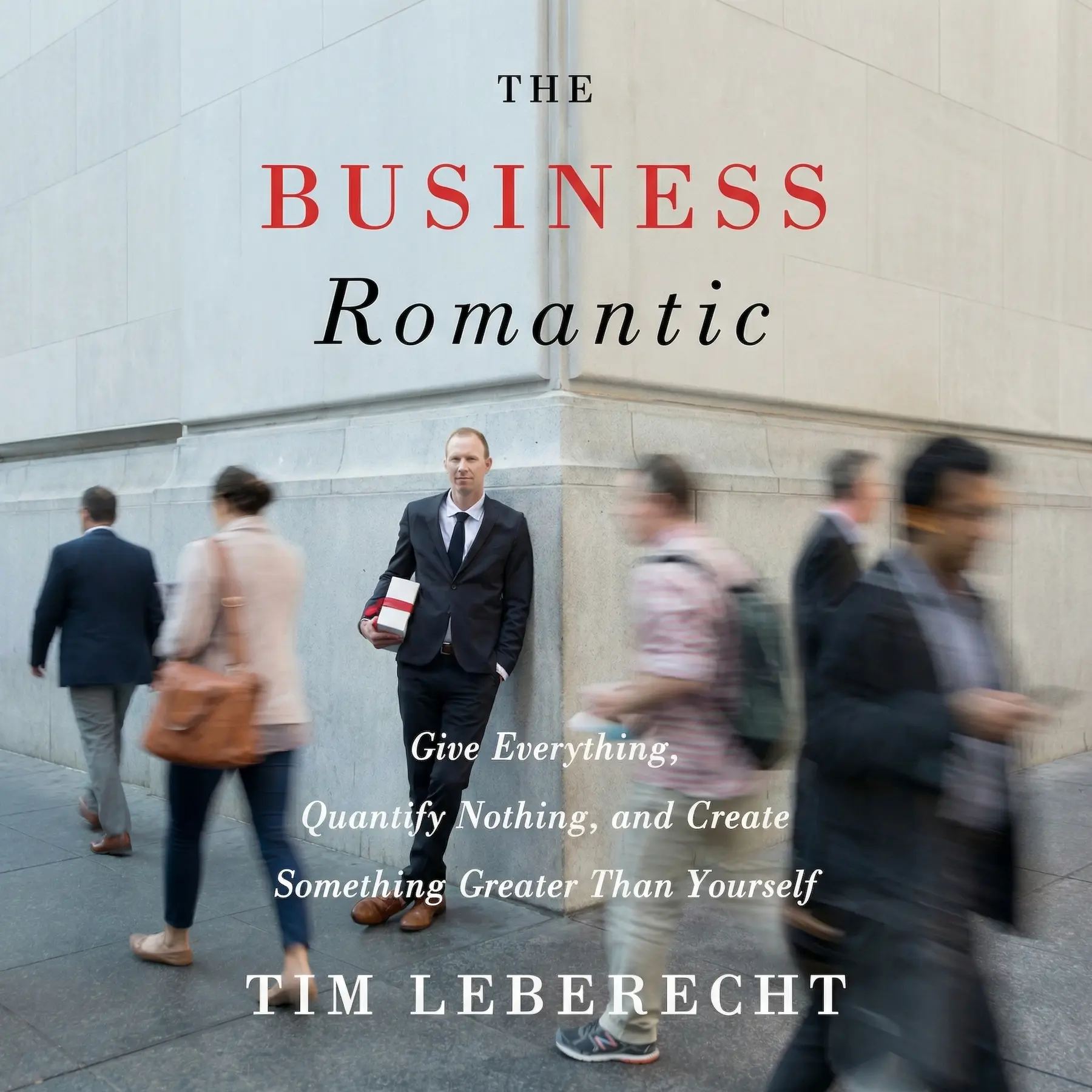
Listeners find the book accessible and engaging, with one listener noting how it reveals intriguing new areas for further study. The quality of the material is well-regarded, as one listener points out the deliberate way it showcases pertinent organizations. However, impressions of the book's clarity are mixed.
The way Tim Leberecht reframes our daily grind as a 'romantic' endeavor is nothing short of transformative for the soul. I used to think of business as purely transactional, but this text argues for a richness and appreciation of everyday life that I hadn’t considered before. It’s a serious book that doesn’t take itself too seriously, allowing for a playful wandering through ideas of joy and aesthetics. Not gonna lie, I was skeptical about the 'romance' tag at first, but the passion in the writing is absolutely infectious. If you want to move through the world with a bit more whimsy and pleasure, this is your roadmap. It’s about building skills and nurturing them until they become something you truly love.
Show moreIt is rare to find a business book that reads like a manifesto for the heart, but Leberecht has achieved something special here. This isn't just about productivity; it’s about a way of being and creating that embraces the richness of human emotion. The writing style is passionate and rousing, making it a must-read for anyone who feels like they are losing their soul to the corporate grind. Personally, I loved the idea of making work 'beautiful' again through whimsy and joy. It’s practical in its own way, showing that good business doesn’t have to be cold and calculating. A truly beautiful book that I will be recommending to my entire leadership team.
Show moreAfter hearing Tim speak on a podcast, I knew I had to grab this book to dive deeper into his philosophy. It serves as a powerful reminder that we can produce great things without sacrificing our humanity or our sense of wonder. The book inspires a slight but powerful shift in how we see our daily tasks, turning them into opportunities for pleasure and connection. Truth is, the world needs more 'business romantics' who are willing to take risks on aesthetics and heart. It’s a serious text that manages to stay light on its feet, never getting too goofy or 'fluffy.' Highly recommended for anyone looking to transform their vision of what a career can be.
Show moreFinally got around to finishing this, and it really uncovers some exciting new ground for me to explore in my own career development. Leberecht takes the idea of 'doing things with style' and elevates it into a full-blown philosophy for the modern workplace. While some parts felt a bit dense, the way he specifically mentions companies like Frog Design makes the concepts feel grounded and real. It is a direct and engaging read that doesn't just stick to dry data, but instead invites you to bring more heart into your spreadsheets. Personally, I think the mix of practical advice and rousing calls to action creates a nice balance for any professional. It’s a thoughtful look at how we can stop being cogs and start being humans again.
Show moreEver wonder why some companies manage to create such intense loyalty while others just fade into the background? Leberecht explores this through the lens of authentic experiences, suggesting that the new Millennial market demands more than just a product. He uses real-world examples of organizations that use exclusivity and creative challenges to engage both their employees and their customers in meaningful ways. Truth is, the book is a bit of a mixed bag when it comes to clarity, but the high points are incredibly stimulating. I found myself highlighting dozens of passages about creating love in what we do. It’s a challenging read that pushes you to rethink your relationship with your desk.
Show morePicked this up because I was looking for a fresh perspective on employee engagement, and I found exactly that. The author argues that if we want people to actually care about their work, we need to inject some altruism and personal touch back into the corporate machine. It’s a delightful guide that pushes boundaries for those of us tired of the same old HR manuals. Gotta say, the chapter on 'universal' transferable skills was a highlight for me. Even though the structure is a bit loose, the moral remains patently clear throughout the text. We owe it to ourselves to nurture our skills with love. It's a refreshing change from the standard corporate drivel.
Show moreLook, the central message here is quite lovely—we should create love in what we do—but the path to get there is a bit winding. While the author is clearly an expert in his field, the clarity of the book suffers from a bit too much poetic license at times. It’s accessible in its goals but sometimes confusing in its execution, which might alienate readers looking for a traditional 'how-to' guide. I did enjoy the thoughtful highlighting of various organizations that are trying to do things differently. It’s an interesting perspective on the Millennial market, though I’m not sure all the advice is scalable. In my experience, romance is hard to maintain in a high-pressure environment.
Show moreAs someone who works in design, I appreciated the focus on aesthetics and the 'beautiful' side of business, though the book does tend to meander. There are moments where the prose is rousing and practical, and then suddenly you're lost in a philosophical tangent that feels a bit self-indulgent. To be honest, it’s a bit of a rare text because it tries to bridge the gap between soul and profit, which is no easy feat. I liked the examples of companies like Frog, yet I wish there was more concrete data to back up the romantic claims. It’s a decent read if you have the patience for a more wandering narrative style. Not everyone will embrace this approach, but it’s an interesting experiment.
Show moreTo be fair, I really wanted to love this concept, but the execution left me feeling quite confused by the end. The writing is certainly passionate, yet the lack of clarity in some chapters made it difficult to find the actionable takeaways I was hoping for. It wanders off the path frequently, and while the author claims this is intentional, it just felt like a lack of focus to me. Frankly, it borders on being a bit too 'fluffy' for a business book, even if the intentions are good. I appreciated the sections on Apple and design firms, but those stories have been told better elsewhere. It’s a nice concept that ultimately fails to deliver a cohesive or logical argument.
Show moreThis was a complete letdown because I actually won this through a giveaway and never received the physical copy. I tried messaging several times to get a reply or a tracking number, but I was met with total silence, which is ironic for a book about 'romance' and human connection. It’s hard to rate the content fairly when the experience of trying to get the book was so frustrating. Based on the few chapters I previewed online, it seems like a lot of flowery language without much substance. I’m just disappointed in the lack of follow-through from the promoters. One star for the poor communication and the missing book.
Show moreTim Leberecht argues that companies win engaged employees and loyal customers by making business feel human again. Instead of treating efficiency as the only goal, he urges firms to encourage casual conversation, build generosity into work, give customers a little earned struggle, keep some mystery and end relationships gracefully. He points to a 2013 Gallup poll in which just 13 percent of workers worldwide were fully engaged as evidence that the efficiency-first approach is failing.
Leberecht defines a business romantic as someone who seeks jobs that provide worthwhile experiences instead of pursuing only financial gain, and who ends up happier because of it. He contrasts this with people who work ever harder for raises and promotions to keep pace with what they see on social media. He cites Harvard Business Review research linking meaningful work to longer tenure, higher satisfaction and stronger engagement.
Start by letting people talk instead of policing chatter, since a London School of Economics study found casual exchanges with coworkers were the one part of work that brought outside-level happiness. Leberecht also recommends open office spaces and comfortable discussion areas. Look for ways to let staff give to each other, as Reddit did with Random Acts of Pizza, and handle departures quickly and clearly.
He argues that buyers value experiences and rewards they feel they have earned, which is why people camp outside Apple stores and enjoy assembling IKEA furniture. A little effort raises a product’s perceived value. He warns that balance matters: too little effort and customers do not value the product, too much and they get annoyed.
It suits team leads worried about disengaged staff, founders and marketers who want customers to feel more than convenience, and professionals who find their work efficient but joyless. Its cases are easy to adapt, from a dinner where 15 strangers toasted the good life to KLM’s farewell gifts and a Groupon founder’s brief, honest resignation letter.
AUDIO SUMMARY AVAILABLE
Get the key ideas from The Business Romantic by Tim Leberecht, plus 5,000+ more nonfiction titles.