
13 min 59 sec
Available in: English
 ไทย
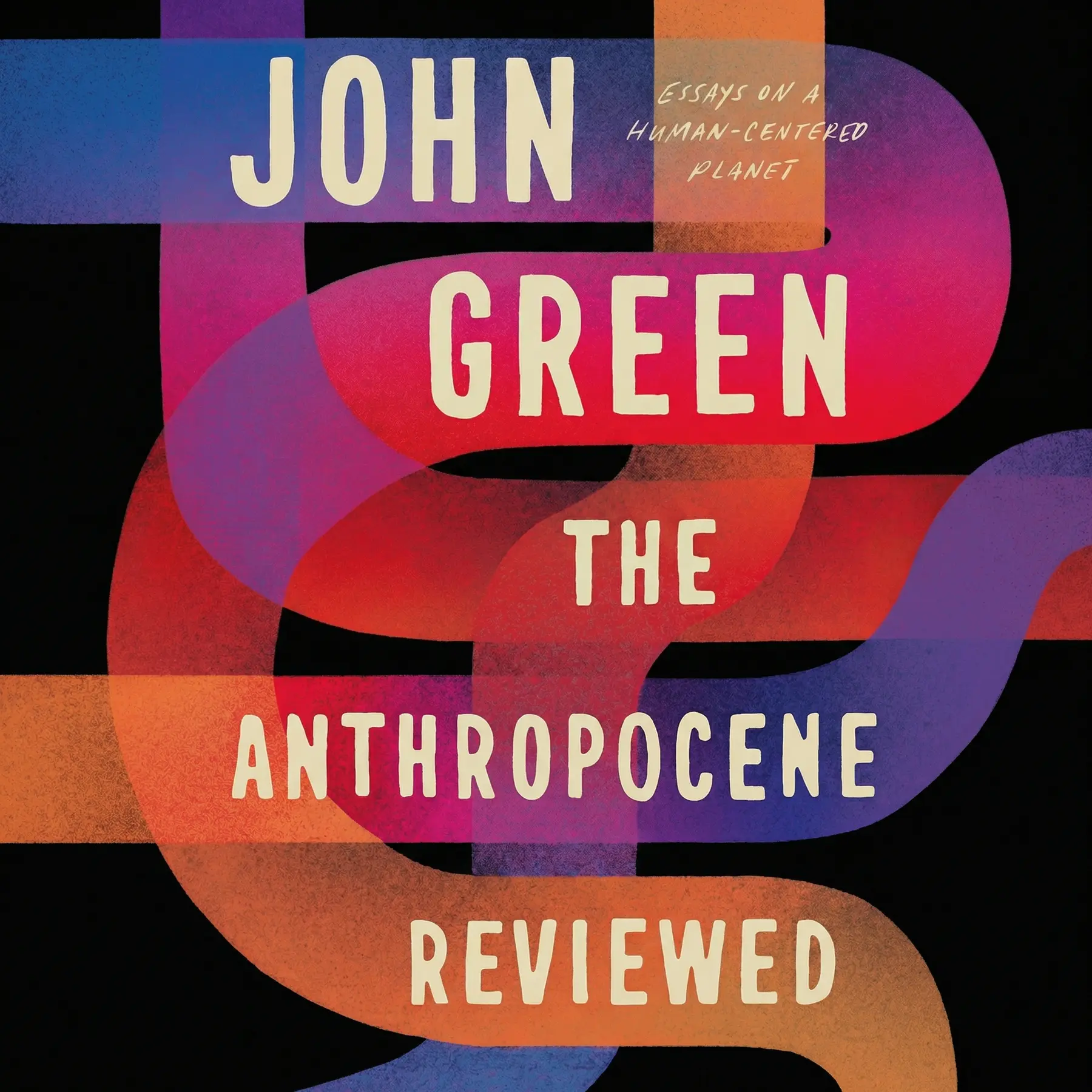
EnglishไทยThe Anthropocene Reviewed: Essays on a Human-Centered Planet
By John Green
John Green examines single pieces of our human-shaped world, from the Lascaux cave paintings to Canada geese, air-conditioning and the early internet, to show how people change the planet and are changed by it in return.
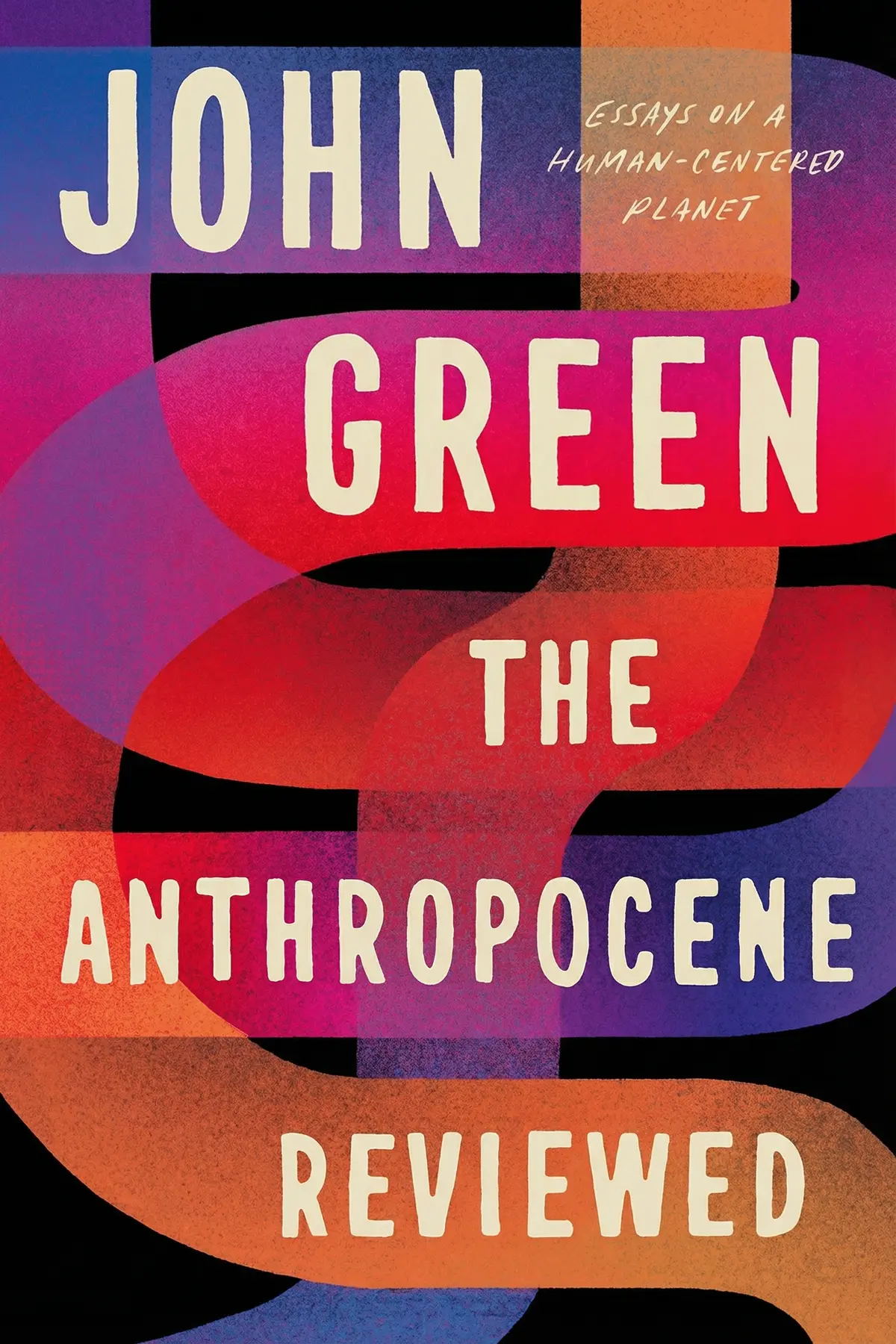
Table of Content
1. Introduction
59 sec
If news about the planet leaves you feeling guilty or helpless, John Green offers a different way in: our species has existed for only about 250,000 years, a short span next to elephants or alpacas, yet it has reshaped the entire Earth. In The Anthropocene Reviewed, the novelist looks closely at single pieces of that human-shaped world, from a cave full of painted bison to the air conditioner humming in your office.
One idea carries every essay. Humans now shape almost everything around them, and what they shape keeps shaping them back, for good and for ill. The way to live with that is neither denial nor despair but attention: looking at one thing honestly and seeing both its wonder and its cost.
Follow Green through six of his subjects and you gain a habit of mind you can use anywhere, a way to read the hidden story in a goose on a lawn, a web search or a cool room.
2. Measure your worries against a billion-year clock
1 min 57 sec
A planetarium show can leave visitors shaken by what it says about the far future. Green uses that shock, and a man who kept predicting the end and kept being wrong, to wonder where a short-lived species fits in the long sweep of time.
3. Find yourself in art painted 17,000 years ago
2 min 02 sec
Four friends and a dog stumbled into a hidden gallery while war raged above ground. The paintings survived thousands of years in darkness, and then the people who loved them most began to put them at risk.
4. Golf courses helped bring the Canada goose back
2 min 05 sec
The loud, grumpy bird on your local lawn was once close to vanishing. Its return involved a cruel hunting trick, a surprise discovery in 1962 and a type of grass most people never think about.
5. Count the real cost of a cool room
2 min 09 sec
A desert city grew from a few thousand people to well over a million and now has its own ice hockey team. The invention behind that growth brings relief to millions, and it sends a bill somewhere else.
6. Keep the internet's gifts and watch for its harms
1 min 54 sec
In the 1990s, going online meant blocking the family phone and staring at green text. For one kind of lonely teenager, it also offered something school never could, along with darker things that were there from the start.
7. Weigh your curiosity against a stranger's privacy
1 min 47 sec
Years after leaving a children’s hospital, Green faced a search box and a name he could not forget. What he feared finding, and what he actually found, shows why easy information is never a simple gift.
8. Conclusion
1 min 06 sec
Green’s essays reach from the death of stars to a search bar, and they arrive at the same place. Humans have become a force on the scale of the whole planet, yet the Anthropocene is lived in small moments: a dog finding a way into a hillside, a goose on a lawn, a sigh of relief in a cool room. Our power runs in both directions. We can paint bison that seem to move by torchlight, and we can love a cave so much that it has to be closed.
What the book offers is a way of paying attention. When a comfort feels free, trace where its cost lands, as with the share of world electricity spent on cooling and the poorer communities who carry more of the damage. When a familiar animal or habit seems ordinary, ask which human decisions made it so. And when the future looks like an ending, remember that a species aware of its own limits has survived this long by adapting.
The oceans will boil away in a billion years. Until then, the planet we have shaped is still ours to look after, one thing at a time.
About this book
What is this book about?
Talk about the planet's future often leaves people stuck between guilt and helplessness. Humanity's reach now extends into the climate, the animals around us and the smallest routines of daily life, and that reach is both creative and destructive. John Green's response is to look closely, one subject at a time. In these essays he moves from the scale of the cosmos to the scale of a search bar. He considers a red giant star and a man who kept predicting the end of the world. He tells how teenagers found the Lascaux cave paintings during the Second World War, and how hunting nearly wiped out the Canada goose before golf courses helped bring it back. He follows air-conditioning from a New York printing company to a desert city with an ice hockey team, and recalls the early internet and the ethics of looking up strangers. Readers get a way of seeing their own surroundings: tracing where a comfort's costs land, noticing the human decisions behind ordinary things, and holding the wonder and the damage together without giving up hope.
Book Information
Who it's for
Anxious about the planet
Readers who feel anxious or helpless about the planet and want a calmer, clearer way to think about it.
Professionals who enjoy essays
Curious professionals who enjoy essays linking history, nature and technology to everyday life.
Curious about everyday trade-offs
Anyone uneasy about online privacy or climate costs who wants to see the trade-offs in ordinary things.
About the Author
John Green
John Green was born in Indianapolis and studied English and religious studies at Kenyon College. His debut novel, Looking for Alaska, won the Printz Award for 2006, and The Fault in Our Stars followed in 2012. With his brother Hank he started the Vlogbrothers YouTube channel in 2007 and later helped launch the educational channel Crash Course. The Anthropocene Reviewed began as a podcast and became his first nonfiction book in 2021. He is a trustee of the global health nonprofit Partners In Health and has worked on fighting tuberculosis.
Ratings & Reviews
Ratings at a glance
What people think
Listeners find the book absorbing and charming, featuring profoundly sincere material that evokes a broad spectrum of feelings. Furthermore, the prose is lauded for its remarkable command of language, and listeners value the reflective perspective on everyday subjects. They also take pleasure in the wit, noting it moves them to both laughter and tears, while the essays are described as a deeply personal collection of reviews.
Top reviews
Yongyut
The chapter on the Lascaux Cave Paintings alone is worth the price of admission. John Green has this incredible gift for taking something as mundane as a hot dog stand or a Scratch ’n’ Sniff sticker and turning it into a profound meditation on human existence. I found myself laughing at his feud with a garden creature one moment and then wiping away tears the next as he discussed the isolation of the pandemic. It’s deeply personal and heartfelt, feeling less like a collection of facts and more like a conversation with a very smart, very vulnerable friend. While some might find the five-star review format a bit gimmicky, I think it perfectly captures the absurdity of our modern age. He doesn't shy away from the dark parts of the Anthropocene, but he always manages to circle back to hope. I give this book five stars.
Show moreDao
This book is a masterclass in making the ordinary feel extraordinary. I’ll be honest: I never thought I’d care about the history of air conditioning or the migratory patterns of Canada geese, yet here I am, completely enthralled. Green’s ability to weave together disparate threads—global history, personal memoir, and scientific data—is nothing short of wizardry. The emotional resonance of the essays written during the height of COVID really struck a chord with me, capturing that specific brand of existential dread we all felt. It’s a beautiful, messy, and deeply sincere love letter to a planet that is often difficult to love. His prose is so carefully crafted that even a sentence about a soda can feels like poetry. I give The Anthropocene Reviewed five stars.
Show morePakinee
Finally got around to this and it’s a total gut-punch in the best way possible. There is something so incredibly comforting about Green’s voice, especially as he navigates the complexities of the pandemic and the climate crisis. He has this way of acknowledging the sheer scale of global suffering without falling into total nihilism. The essay on the "Notes App" was unexpectedly relatable, and his description of the consciousness-crushing pain of meningitis was terrifyingly vivid. It’s rare to find a book that can make you feel so many conflicting emotions in such a short span of time. Deeply human and remarkably thoughtful, this is a book I’ll be gifting to everyone I know. I give The Anthropocene Reviewed five stars.
Show moreWitthaya
John Green’s prose has this uncanny ability to make you weep over a soda. His review of Diet Dr Pepper isn't just about a drink; it's about the strange, artificial, yet delightful world we've built for ourselves. I was particularly moved by the sections where he discusses his OCD and the rhythmic, grounding process of signing thousands of tip-in sheets. It’s these small, intimate glimpses into his life that make the book feel so authentic. Personally, I think this is his best work to date. He manages to be both a teacher and a student of the world, exploring everything from the "yips" to the end of the world with equal curiosity and grace.
Show moreLena
Truth is, I didn't think I needed a book of essays about air conditioning and teddy bears, but I was wrong. This book arrived at a time when I felt particularly cynical about the world, and Green’s five-star format actually helped me reframe my own perspective. He doesn't ignore the horrors of the plague or the extinction of species, but he chooses to fall in love with the world anyway. That sentiment really resonated with me. The writing is gorgeous, filled with quotable lines and deep insights that stay with you long after you close the cover. It’s a beautiful reminder that there is still wonder to be found in the mundane. Five stars for helping me look up at the stars again.
Show moreKatya
As someone who grew up with his novels, I found this transition into adult nonfiction surprisingly smooth. Green’s writing style is as sharp as ever, but there’s a new layer of maturity here that I really appreciated. He tackles topics like viral meningitis and OCD with a raw honesty that makes the more humorous bits—like his assessment of Diet Dr Pepper—hit even harder. My only real gripe is that a few of the shorter essays felt a bit like filler, almost like expanded Wikipedia entries without enough of his personal voice to anchor them. However, when he hits his stride, especially in the essay about the Kauaʻi ʻōʻō bird, it’s absolutely haunting. It's a thoughtful, wandering journey through our weird world that left me feeling more connected to my surroundings.
Show moreManop
How do you even begin to rate the entire human-influenced era on a five-star scale? John Green manages it with a mix of dry humor and intense earnestness that I found quite refreshing. The structure of the book is perfect for dipping in and out of, though I found myself binge-reading several chapters at once because his words are so addictive. I particularly loved the segments on Halley’s Comet and the Indy 500. Some essays are definitely stronger than others—the one on Monopoly felt a little repetitive compared to the rest—but the overall impact is profoundly moving. It makes you look at the "boring" parts of your life with a bit more wonder. Gotta say, it’s a great companion for a long walk.
Show morePloy
Picked this up on a whim after hearing a few episodes of the podcast, and I was pleased to find that the essays translate beautifully to the page. Green’s perspective is undeniably American, which might alienate some international readers, but his themes of loneliness and the desire for connection are universal. I loved the humor he brought to the Canada geese review—anyone who has lived near a pond knows the terror of those birds and their prodigious output of excrement. The book does lean heavily into sentimentality, which might be a turn-off for some, but I found it felt earned. It’s a 4-star experience for me, even if I still disagree with his ranking of velociraptors!
Show moreBenjamin
After years of reading his YA fiction, I wasn't sure how his nonfiction would land, but this is a lovely collection. It’s quirky, informative, and surprisingly dark in places. The way he discusses the Anthropocene isn't just about climate data; it's about how we feel living through it. I found the essay on Kentucky Bluegrass to be a fascinating look at how humans try to control nature, often to our own detriment. Look, some of it feels a bit like a Google deep-dive, but his emotional honesty keeps it grounded. My only minor complaint is that the pacing can feel a bit stop-and-start due to the essay format, but the strength of the individual pieces usually makes up for it. A very solid 4-star read.
Show moreKanokwan
Not exactly what I expected, to be fair. While the writing is undeniably polished and there are moments of genuine brilliance, the collection felt a bit disjointed at times. At its best, it's a poignant memoir about struggling with mental health and finding beauty in the small things. At its worst, it feels like a series of blog posts that haven't quite been unified into a cohesive book. I found the constant quoting of other authors like Kurt Vonnegut a bit distracting; I wanted more of John’s original thoughts and fewer reminders of what others have said. It’s a decent read for fans of his internet presence, but I’m not sure it entirely holds up as a standalone work of non-fiction. Three stars for some great lines buried in a lot of fluff.
Show moreQuestions about this book
What is The Anthropocene Reviewed by John Green about?
It is a collection of essays about the Anthropocene, the era in which human influence reaches almost every part of the world. Green looks closely at single subjects, including a red giant star, the Lascaux cave paintings, Canada geese, air-conditioning, the early internet and the ethics of googling strangers. Each one shows how people shape the planet and how those changes shape human lives in return, for better and for worse.
What does John Green say about air-conditioning?
Green describes it as both ingenious and costly. Willis Carrier created it in 1902 to manage humidity at a printing firm in New York, and it later helped Phoenix expand from 5,544 residents in the year 1900 to roughly 1.7 million by 2021. But cooling relies heavily on fossil fuels, and with electric fans it is estimated to use around 10 percent of global electricity. Wealthier people benefit most, while poorer communities suffer more of the damage.
Why are there so many Canada geese, according to the book?
Unlimited hunting, including the use of injured geese as live decoys, nearly wiped the species out in the early twentieth century. Live decoys were banned in 1935, and numbers slowly recovered. In 1962 Harold C. Hanson found the giant Canada goose, once thought extinct, still alive. Today there are four to six million worldwide, helped by suburbs, parks and golf courses planted with Kentucky bluegrass, which the geese eat.
What is the main takeaway of The Anthropocene Reviewed?
The book suggests that human power over the planet is real and runs in two directions, creative and destructive. Green’s response is close attention rather than despair: noticing the human choices behind ordinary things, tracing where the costs of our comforts land, and taking hope from humanity’s long record of adapting to hard conditions.
How can I apply the ideas in The Anthropocene Reviewed?
Use Green’s way of looking. When something feels comfortable and free, such as a cooled room, ask who pays its environmental cost. Approach online spaces with curiosity and caution, since the early web carried racism and conspiracy theories alongside real connection. Before searching for a person online, ask whether the search serves them, your own peace of mind or only curiosity, as Green weighed before looking up a child he met as a hospital chaplain.
Readers also enjoyed
Beyond Words: What Animals Think and Feel
Carl Safina
Cod: A Biography of the Fish That Changed the World
Mark Kurlansky
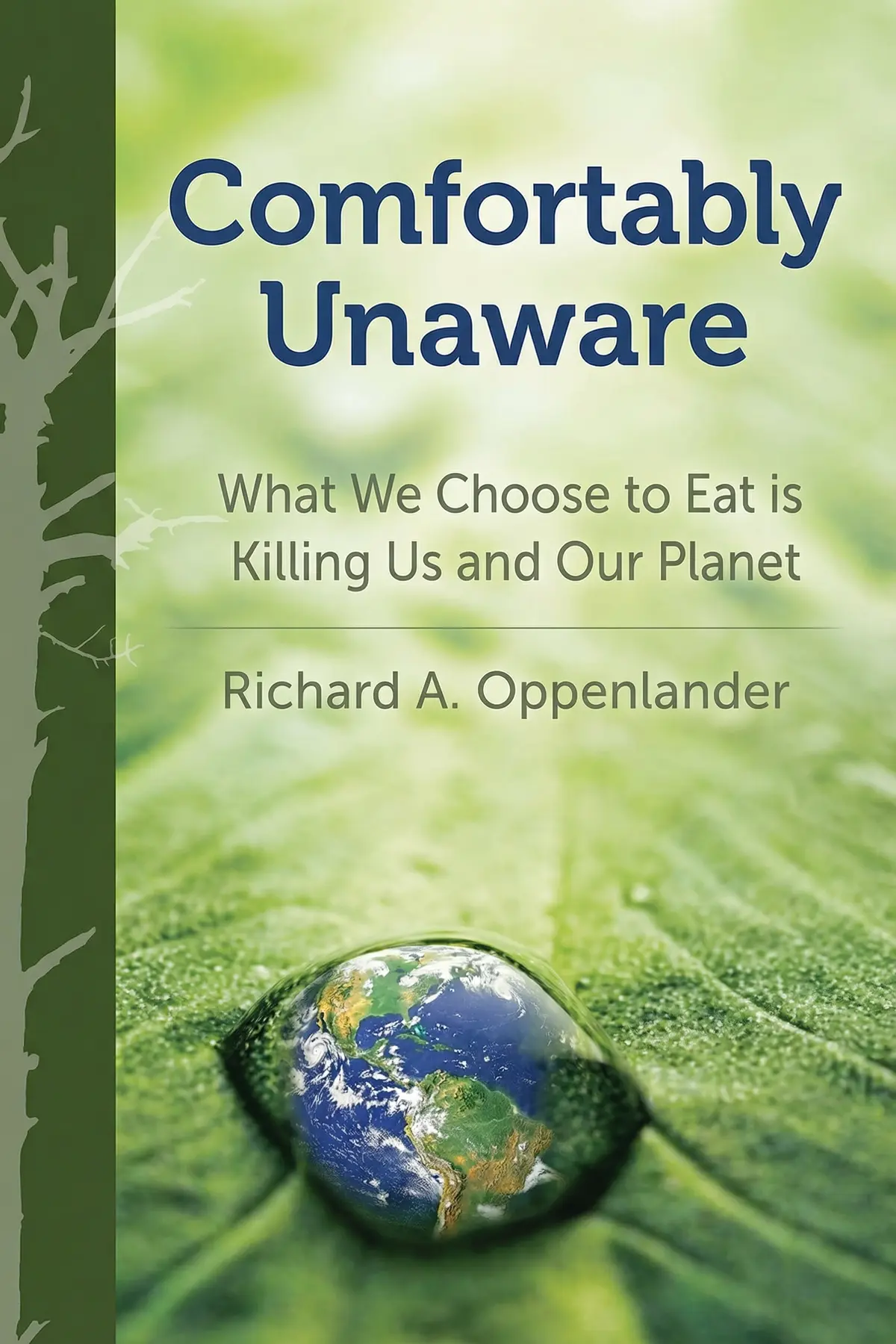
Comfortably Unaware: What We Choose to Eat is Killing Us and Our
Richard A. Oppenlander
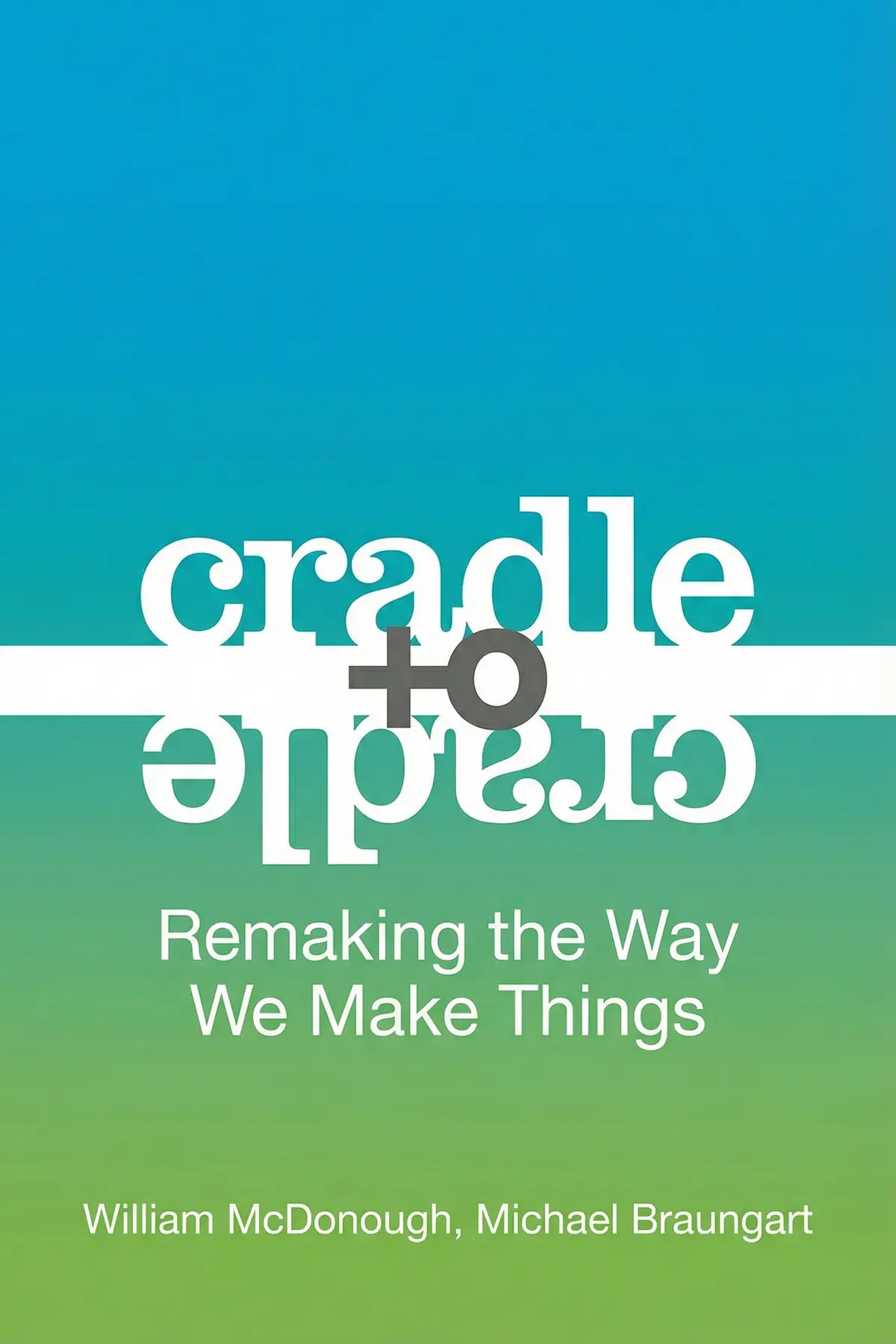
Cradle to Cradle: Remaking the Way We Make Things
William McDonough
Drinking Water: A History
James Salzman
AUDIO SUMMARY AVAILABLE
Listen to The Anthropocene Reviewed in 15 minutes
Get the key ideas from The Anthropocene Reviewed by John Green, plus 5,000+ more nonfiction titles.
- 5,000+ titles
- Listen as much as you want
- 7-day free trial
- Cancel anytime









