
13 min 06 sec
Available in: English
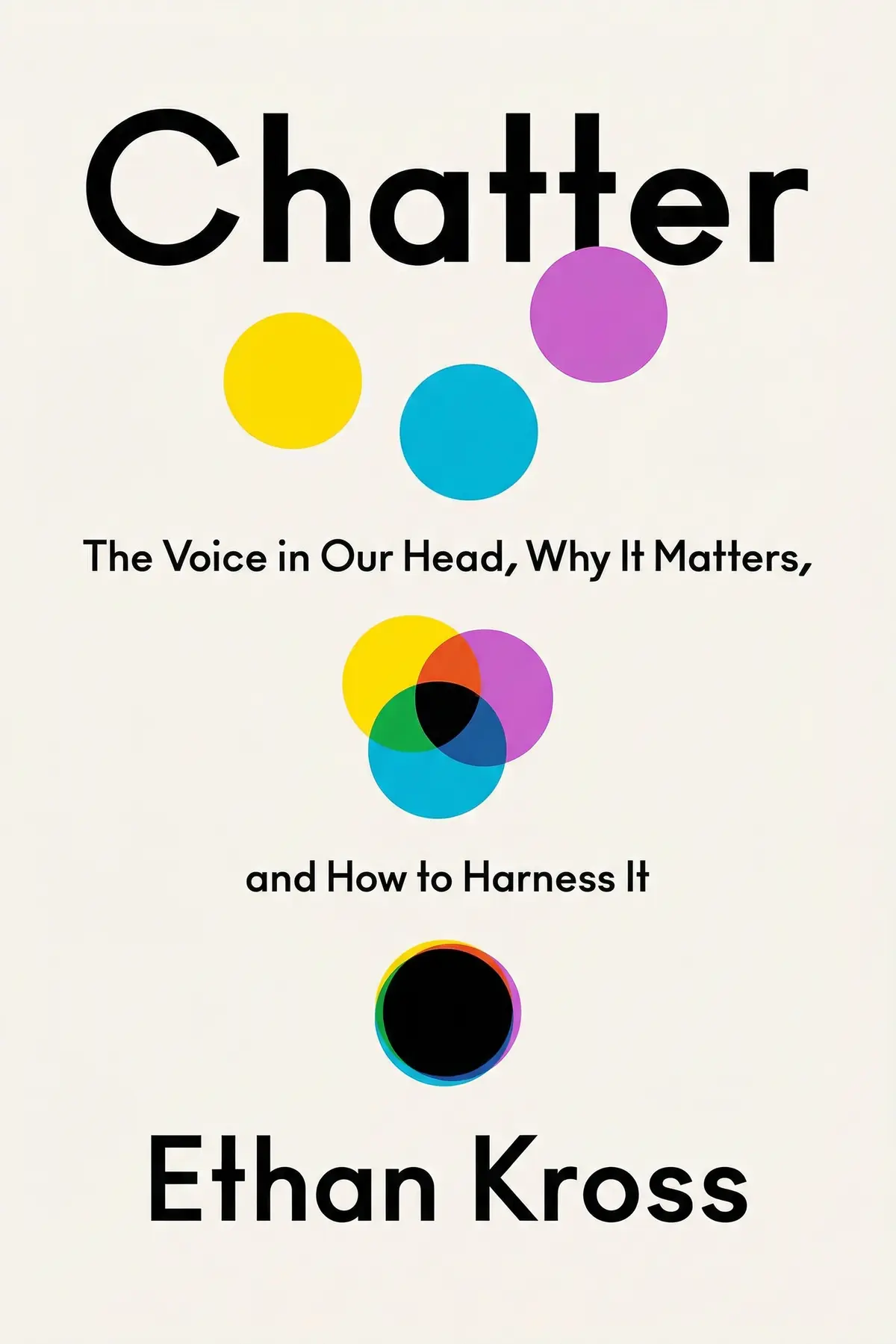
Shift: Managing Your Emotions - So They Don't Manage You
By Ethan Kross
Ethan Kross shows how to make strong feelings fade or grow by adjusting four everyday dials (your senses, attention, surroundings and relationships) and how to plan for the moments when emotions run hottest.
Table of Content
1. Introduction
1 min 00 sec
Most people treat their moods like the weather: something that happens to them and has to be endured until it passes. In Shift, experimental psychologist Ethan Kross argues that this is a misunderstanding. Nobody can stop a feeling from arising, but anyone can influence how strong it gets and how long it stays. Kross directs the Emotion and Self Control Laboratory at the University of Michigan, and his case is that the tools for this are ordinary ones.
The idea that runs through the whole book is simple. You can’t choose which emotions show up, but you can turn the dials that shape them. Kross describes four. Two sit inside you: your senses and your attention. Two sit outside: the places where you spend your time and the people around you. A short planning method from psychology then ties them together. What you get is a set of small moves for a sleepless night, a worry that keeps circling or a tense office, and a way to choose them before the hard moment arrives.
2. Feelings are signals you can learn to adjust
1 min 48 sec
Many of us were taught that sensible people keep their feelings out of their decisions. Kross thinks that advice gets emotions wrong, and that seeing what they are made of reveals where we can step in.
3. Calm yourself in seconds through your senses
1 min 53 sec
The same brain shortcuts that help you react fast in danger can keep you wide awake at midnight. Kross shows how to put those shortcuts to work for you, with almost no willpower involved.
4. Know when to face a feeling or step away
1 min 57 sec
Popular advice says you should always confront painful feelings head-on. Kross argues that a well-timed retreat can protect you, and offers a simple way to tell which move a given moment needs.
5. Use your surroundings to change your mood
1 min 39 sec
A cramped office and a walk among trees feel different for reasons that go beyond the view. Kross explains two ways to make your rooms work for your mood, and neither requires spending money.
6. Stop catching moods you never chose
1 min 46 sec
You can walk into a meeting calm and leave it tense without a word being said to you. Kross explains how feelings travel between people, and when comparing yourself to others helps instead of hurts.
7. Plan your response before the hard moment arrives
1 min 52 sec
Good intentions tend to vanish at exactly the moment you need them, in the middle of a long day. A four-step method from psychology turns a sincere wish into a sentence you can act on.
8. Conclusion
1 min 11 sec
What Shift really changes is where you stand. Strong feelings will keep arriving, on the high days and the low ones, and Kross never promises otherwise. The difference is that you move from passenger to someone with a hand on the controls. Those controls turn out to be modest things. A recording of waves. A spotlight you can move. A cafe, a tidy desk, a colleague whose mood you notice before it becomes yours. A single if-then sentence.
Kross is careful about the goal. Turning up the pleasant feelings and muting the painful ones is not the aim. A full life, in his view, covers the whole range of emotion, and living it well means managing those states before they manage you.
A sensible start follows from that. Pick the moment that most often goes wrong for you, perhaps the minutes before sleep or the hour after a draining meeting. Choose one of the four dials, whether sense, attention, space or people, and set it up in advance. Then write one if-then sentence for the day it fails. The feeling will still come. This time, you will already know what to do with it.
About this book
What is this book about?
Many people feel their moods happen to them. A good morning turns into a bad afternoon, a colleague's stress becomes their own, and a racing mind keeps them awake at night. Experimental psychologist Ethan Kross argues that this sense of helplessness comes from a misunderstanding. No one can stop an emotion from arising, he says, but everyone can influence how intense it becomes and how long it lasts. Kross starts by showing that feeling and thinking are not opposites. An emotion combines a bodily sensation with the meaning we give it, and even unpleasant emotions carry useful signals. From there he sets out four shifters. Two are internal: the senses, which change mood almost without effort, and attention, which can move toward a feeling or step back from it. Two are external: the spaces we spend time in and the people around us. The book closes with WOOP, a planning method from psychology that turns good intentions into if-then plans for difficult moments. Readers get small, specific moves for sleepless nights, worry spirals, draining meetings and lonely afternoons, and a way to decide on those moves in advance.
Book Information
Who it's for
Professionals wanting practical resets
Professionals whose mood swings with every tense meeting and who want quick, practical ways to reset.
Can't quiet their thoughts
People who lie awake with racing thoughts or keep replaying painful memories.
Leads watching stress spread
Team leads who notice one person's stress spreading through the whole group and want to respond well.
About the Author
Ethan Kross
Ethan Kross is an experimental psychologist and writer who specializes in emotion regulation. He is a professor of psychology and management at the University of Michigan, where he directs the Emotion and Self Control Laboratory. He studied at the University of Pennsylvania and did his doctoral work at Columbia University. Kross has taken part in policy discussions at the White House and has spoken at TED and South by Southwest. He is also the author of Chatter.
Ratings & Reviews
Ratings at a glance
What people think
Listeners find the book both educational and approachable, with one listener mentioning it can be consumed in separate segments. They value the actionable strategies for regulating emotions, and one listener specifically points out its importance for individuals managing mood disorders. The writing incorporates gripping anecdotes while simplifying intricate scientific ideas into an understandable format. Listeners appreciate the eye-opening insights, with one review characterizing the experience as an outstanding chance for deep self-reflection.
Top reviews
Phu
This book is essentially the operating manual for life that we should have been handed in middle school. Ethan Kross manages to break down incredibly complex neurobiological concepts into practical steps that anyone can use. I’ve struggled with mood swings for years, and the “attention shifters” mentioned here have given me a sense of control I didn't think was possible. The stories are riveting, and the writing is so engaging that I finished it in just two sittings. I particularly liked how he reframes negative emotions as information rather than bugs in our system. It’s an excellent opportunity for self-reflection that actually provides the tools to change your perspective. If you want to move toward a more balanced life, buy this immediately.
Show moreWissanu
The chapter on culture shifting alone made this entire book worth the price of admission for me. As someone who works in a high-stress corporate environment, understanding how norms and customs shape our collective emotional state was eye-opening. Kross explains that we are not at the mercy of our sensory inputs, but can intentionally curate them to create a desired internal state. I’ve started implementing the WOOP (Wish, Outcome, Obstacle, Plan) method into my daily routine, and it’s helped me navigate workplace irritability much better. The writing is incredibly polished and the research feels rigorous yet totally approachable. It is rare to find a book that offers both deep scientific insight and actionable, day-to-day advice.
Show moreValentina
After hearing Ethan Kross on a podcast, I knew I had to grab a copy of Shift, and it did not disappoint. The way he describes emotions as “weather systems” that we can adapt to is such a helpful metaphor. I was particularly struck by the discussion on emotional contagion and how we unknowingly adopt the tension of those around us. It’s helped me become much more aware of my interactions with my family. The book is filled with practical tools, like the if-then planning for obstacles, which makes the advice feel very concrete. It’s an empowering read that makes you feel like you finally have the steering wheel to your own brain. High-quality science writing at its best.
Show moreWatcharee
Ever wonder why you can walk into a room and immediately feel the tension? Kross does a fantastic job explaining “emotional contagion” and how our relationships act as a lever for our own internal states. I’ve been practicing the sensory bundling technique—using specific scents and music to wind down—and it’s actually made a noticeable difference in my sleep quality. The book is structured in a way that’s easy to digest, though some of the chapters felt slightly longer than necessary. I especially loved the section on “space shifting” and how something as simple as a childhood cafe can disrupt negative thought patterns. It’s an enlightening look at the mechanics of the human heart. Definitely worth a read if you want to be more intentional about your reactions.
Show morePlernpiriya
Picked this up on a whim and was pleasantly surprised by how much I took away from the section on “internal shifters.” The idea that we can use our five senses as levers to calibrate our emotional experience is powerful. I never really thought about how a specific scent or a change in furniture layout could disrupt a habituated thought pattern. Kross writes with a lot of empathy and clarity, avoiding the heavy jargon that usually plagues these kinds of science-based books. My only gripe is that it can be a bit repetitive at times, hammering home the same three or four points in different ways. Still, the ABC framework is a keeper. It’s a solid resource for anyone looking to understand the “why” behind their feelings.
Show moreChaiwat
As someone who tends to overthink everything, the concept of “attention shifters” was a total game-changer for me. Kross explains that our ability to decide where to focus is what sets us apart from other species, and he gives great tips on how to toggle between approaching and avoiding. While I agree with other reviewers that some of the anecdotes feel like filler, the core science is incredibly sound. The book is an excellent opportunity for self-reflection and has genuinely improved how I handle stress at home. It’s easy to read in segments, which I appreciated given my busy schedule. I'd recommend it to anyone who feels like their emotions are currently in the driver's seat of their life.
Show moreJoshua
Is it just me, or are all these modern psychology books starting to sound the same? The author has a very breezy, easy-to-read writing style that makes the science accessible, which I appreciated. However, I didn't find the frequent stories about his life or random corporations all that helpful to the actual application of the tools. The ABC framework and WOOP method are interesting, but they feel like things you could find in any standard lifestyle magazine. I think it’s a decent introductory text for someone struggling to understand their internal “weather systems.” For me, it was a bit too much fluff and not enough “meat” on the bones of the actual research. Not a bad read, but certainly not earth-shattering.
Show moreNutnicha
Finally got around to reading this after seeing it everywhere, and it’s… fine. To be honest, the core message is that while we can’t avoid emotions, we can shift them by changing our environment or our focus. It's good advice, sure, but it felt a little bit like a listicle padded out to meet a publisher's word count. The most fascinating parts were the explanations of how research was conducted and the evolutionary standpoint of why we feel things in the first place. I didn’t find the personal anecdotes about his grandmother or his own life particularly compelling, though they did help illustrate his points. It’s a quick read, but I probably could have just read a summary and gotten the same value out of it.
Show morePaisley
Frankly, this felt like a high-quality blog post that got turned into a 300-page book through sheer willpower. The central premise—that we can manage intensity and duration of emotions by changing our perspective—is solid. But did we really need a dozen different illustrative stories to understand that music changes your mood? The author’s breezy style makes it a fast read, which is good because there is a lot of filler to get through. I did appreciate the “space audit” idea and the concept of sensory bundling. Those are practical takeaways that I will actually use. If you’re looking for a light introduction to emotional regulation, this is a safe bet, but don't expect it to change your entire worldview.
Show moreSomsak
Look, I really wanted to like this, but it felt like a 20-page pamphlet stretched into a full-length book. Ethan Kross definitely knows his stuff, yet he spends a hundred pages explaining things most people already do instinctively, like changing your music to feel better. The “public service” summary is basically: change your thoughts, change your surroundings, and change your people. It’s not that the advice is bad—it’s actually quite solid—it's just that it’s extremely repetitive. I found myself skimming through the endless anecdotes just to find a single nugget of unique information. If you've never read a self-help book in your life, you might find this revolutionary, but for anyone else, it’s mostly filler. To be fair, the “space audit” was a cool concept, but I didn't need 300 pages to get there.
Show moreQuestions about this book
What is the main idea of Shift by Ethan Kross?
Kross argues that we cannot stop emotions from arising, but we can influence how intense they become and how long they last. He describes four shifters we can use: two internal ones, the senses and attention, and two external ones, the spaces we spend time in and the people around us. He then offers the WOOP method so that these tools get used in difficult moments.
What is the WOOP method in Shift?
WOOP stands for wish, outcome, obstacle and plan. You name a meaningful wish, picture the outcome it would bring, identify the main obstacle, and write an if-then plan for when that obstacle appears. In one of Kross’s examples, an employee left irritable by an overlong meeting plans to find and praise a colleague’s useful contribution.
Is Shift about staying positive all the time?
No. Kross says even sadness, anger and guilt are useful signals that something needs attention or a change of approach. Emotion regulation, in his view, means adapting to whatever feelings come and shifting between them, not only boosting pleasant emotions and muting painful ones. He also notes that some people may need professional support or medication alongside these tools.
How can I use my senses to change my mood, according to Kross?
Kross says sensory tools work mostly below awareness, so they take little effort. Choose inputs on purpose for the moments that go wrong. If the sound of waves relaxes you, have a recording ready to play as you lie down to sleep. Then add another input, such as a pillow spray or diffuser, which he calls sensory bundling.
Who should read Shift?
It suits anyone who feels pushed around by their moods: people who struggle to sleep, who get stuck in self-criticism, who pick up stress from colleagues, or who compare themselves to others too often. Its tools are small and everyday, from a space audit of your three most-used places to a single if-then plan.

Readers also enjoyed

Acting with Power: Why We Are More Powerful Than We Believe
Deborah Gruenfeld




Age of Propaganda: The Everyday Use and Abuse of Persuasion
Anthony Pratkanis



Alcoholics Anonymous
Alcoholics Anonymous World Services


AUDIO SUMMARY AVAILABLE
Listen to Shift in 15 minutes
Get the key ideas from Shift by Ethan Kross, plus 5,000+ more nonfiction titles.
- 5,000+ titles
- Listen as much as you want
- 7-day free trial
- Cancel anytime









