

A Long Way Gone: Memoirs of a Boy Soldier
Ishmael Beah
 English
 ไทย
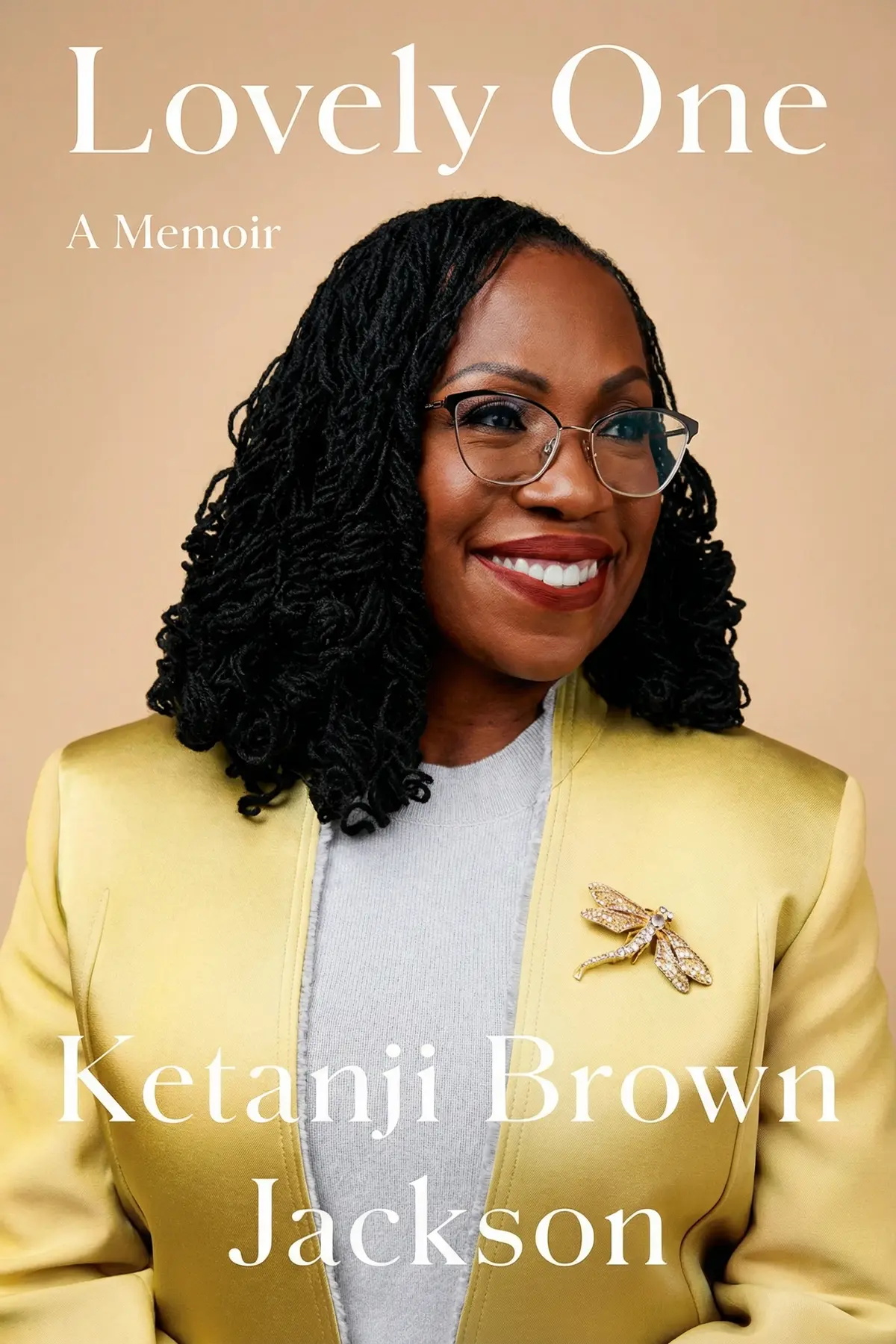
Supreme Court Justice Ketanji Brown Jackson recounts how a Miami girl raised on her parents' sacrifices kept going through doubt, motherhood and public scrutiny, and why she credits the people who carried her.
1 min 02 sec
Many capable people walk into a classroom, an office or a courtroom and wonder whether they belong there. Ketanji Brown Jackson felt that doubt at Harvard, and in her memoir Lovely One she shows how a single word, whispered by a stranger, helped carry her past it. Jackson, the first Black woman appointed to the US Supreme Court, tells her life as a chain of people who held the door: parents who studied and saved, a grandmother who forgave her, friends, mentors and a family that stood behind her under public scrutiny.
Her throughline is that nobody reaches a high seat alone, and that perseverance works best when it is shared. Along the way you see segregation’s long shadow over a Miami family, the hard choices of a working mother raising a neurodivergent daughter, and one judge’s view of what her job is for. It is a story to borrow from the next time a room makes you feel like a guest.
2 min 13 sec
A four-year-old drawing pictures at the kitchen table seems like a small memory. For Jackson it holds the first clue to everything that followed, and to the grandparents who crossed state lines to make it possible.
2 min 09 sec
In a gifted classroom full of White children, a young Black girl sensed what some people assumed about her. Then a misspelled note from her grandmother taught her something harder: who she owed her place to.
2 min 13 sec
Far from home and sure she did not belong, a Harvard freshman was having one of her worst days. What happened next took only a second, and she leaned on it for years.
2 min 11 sec
A disability case in a Boston courtroom felt like a professional milestone for a young clerk. She had no idea that its subject would one day walk into her own home.
2 min 22 sec
Mistaken for support staff at a big law firm and torn about leaving her newborn, a young lawyer faced a choice many parents know. Her detour led somewhere nobody would have predicted.
2 min 02 sec
Before agreeing to the most public test of her life, Jackson sat her family down to ask what it might cost them. Her older daughter’s answer, and a single viral photograph of her younger daughter, helped steady her as she faced it.
1 min 13 sec
Lovely One reads like a relay race. Each runner hands something on: a grandmother’s forgiveness, a mother’s insistence that what others can do, you can do, a stranger’s single word on a cold campus, a judge who proved a family and a career could share one life. Jackson’s accomplishment is historic, yet she insists it belongs not to her alone; in her view it mirrors what many others hope and dream, particularly young Black girls who recognize themselves in her story.
The book supports a few habits worth keeping. When a new place makes you doubt yourself, find your circle early, the way her Harvard study group became a sisterhood. When a job stops matching your values or your family’s needs, treat leaving as a step forward, as her move away from big law turned out to be. And when you finally arrive somewhere, say out loud who carried you.
The image to keep is the first one: a four-year-old practicing letters across the table from a father studying law. She was copying his focus long before she understood it. Someone may be watching you work that way now.
Ketanji Brown Jackson became the first Black woman appointed to the US Supreme Court, but her memoir is less about a single victory than about everyone who made it possible. She begins at a Miami kitchen table, watching her father study law, in a family shaped by segregation and determined to give its children an education. From there she follows the moments that tested her: being one of few Black students in a gifted program, feeling out of place at Harvard until a stranger whispered one word of encouragement, learning from demanding judges and mentors, and rebuilding her career after becoming a mother to a daughter with seizures and autism. Readers get an honest account of how perseverance works in practice. It depends on study groups, mentors, a spouse who encourages, and a family willing to face public scrutiny together. It is also a portrait of a judge who believes her job is to uphold the rule of law, not her own preferences.
Students and young professionals who feel out of place in elite schools or firms.
Working parents weighing a demanding career against a family's needs.
Readers curious about the life and judicial outlook of the first Black woman on the US Supreme Court.
Ketanji Brown Jackson is a Justice of the US Supreme Court. Born in Washington, D.C., and raised in Miami, she earned her undergraduate and law degrees at Harvard, where she edited the Harvard Law Review. She clerked for Justice Stephen Breyer, whose seat she later filled. She worked in private practice, as an assistant federal public defender and as vice chair of the US Sentencing Commission, then served as a federal district judge and on the DC Circuit appeals court. Nominated by President Joe Biden in 2022, she is the first former federal public defender on the Court.
Listeners find this memoir captivating and expertly written, describing it as a powerful life narrative that resonates deeply within them. This account is highly educational, offering detailed insights into the judicial process, and listeners admire the author's brilliance and bravery throughout the story. They value the book’s informative nature, with one listener mentioning how it acts as a role model for young women pursuing significant ambitions.
Justice Jackson's journey from Miami to the highest court in the land is a masterclass in perseverance. I was particularly struck by the descriptions of her high school debate days and how those formative years shaped her sharp legal mind. It’s refreshing to read a memoir from a public figure that feels so grounded and genuinely personal. She doesn’t shy away from the awkwardness of being a 'first' in elite white spaces or the exhausting reality of breastfeeding while working at a high-pressure law firm. While some sections on sentencing guidelines got a bit dense, her warmth always brings the reader back. This is more than just a biography; it's a roadmap for young women who have been told their dreams are too big. Truth is, her 'Lovely One' moniker is perfectly earned through these pages.
Show moreAs a parent navigating the world of neurodiversity, the sections about her daughter Talia hit close to home. Justice Jackson writes about these challenges with a vulnerability that I didn't expect from a Supreme Court Justice. She avoids the typical tropes of struggle, instead offering a perspective of adjustment and deep love. Frankly, the story about her grandmother confusing Harvard for Howard was both hilarious and touching. It highlights the rapid generational ascent her family achieved through education and grit. Some might find her optimism a bit 'Pollyanna,' but in today’s political climate, this kind of hope feels necessary. The prose is clear, sophisticated, and deeply humanizing.
Show moreWow, the audiobook version narrated by the Justice herself is an absolute must-listen. Hearing her voice—and even her singing!—adds a layer of intimacy that makes the story resonate on a much deeper level. She details her upbringing with such vividness that you can almost feel the humidity of Miami and the intensity of her debate tournaments. I loved learning about the 'Sister Locks' and the cultural nuances of being a Black woman in the legal field. It’s an empowering life story that manages to be both educational and soul-touching. Personally, I found her dedication to her 'work product' while balancing a new infant incredibly relatable. She makes the impossible seem achievable through sheer force of will.
Show moreNot what I expected from a Supreme Court Justice, in the best way possible. Instead of a stiff, formal account of her career, Ketanji Brown Jackson delivers a warm and deeply personal narrative. She treats the reader as a confidant, sharing the self-doubt of imposter syndrome and the messy realities of motherhood. The way she describes her relationship with her husband Patrick is sweet and surprisingly candid about their different backgrounds. I was also intrigued by the mention of her family connection to Paul Ryan; those Thanksgiving dinners must be intense! It’s an informative look into the making of a Justice. Even if you aren't a law nerd, the human element here is enough to keep you hooked.
Show morePicked this up because I wanted to understand the woman behind the robe, and I wasn't disappointed. The narrative is packed with intelligence and a sense of duty that is truly inspiring. I especially enjoyed the chapter on her high school debate coach; it’s a beautiful tribute to the people who see our potential before we do. The honesty about her career/motherhood struggles—like the 'crusty statues' of the law firm versus her new baby—was incredibly poignant. It’s a well-written memoir that doesn't shy away from the difficulties of being a Black woman in spaces not built for her. While it’s a bit of a long read, every page feels earned. She is a powerhouse.
Show moreAfter hearing her talk about her life in recent interviews, I had high expectations for this book. It’s rare to find a memoir that manages to be so informative about the judicial system while remaining so deeply emotional. Her ascent is breathtaking, but she stays humble, acknowledging the 'blessings' and connections that helped her along the way. I appreciated the specific details about her daughter’s autism diagnosis; it added a layer of relatability that many public figures avoid. This is a soul-touching account of a life lived with purpose. It should be required reading for law students, but anyone looking for a boost of courage will find it here. Truly a remarkable achievement for a debut author.
Show moreFinally got around to reading this after seeing her interviews, and I have to say, the writing style is incredibly engaging. I appreciated how she discussed the intersection of her professional ambitions and her role as a mother to a neurodivergent daughter. It’s rare to see a high-profile figure emphasize obtaining consent from their children before sharing their stories, and that spoke volumes about her integrity. The book can feel a bit long in the middle, especially when she dives deep into specific case law, but those details highlight her brilliance. To be fair, some might find the 'blessed' tone a bit much, but her hard work is undeniable. I left the book feeling like I’d just had a long, meaningful conversation with a mentor.
Show moreThe anecdote about her grandmother’s reaction to her college acceptance is a highlight that perfectly encapsulates the themes of this book. It’s a story about legacy, expectations, and the weight of being 'the one.' I found the details about her time at Harvard particularly fascinating, especially the bonds she formed with her three lifelong friends. The book does a great job explaining the judicial process without feeling like a dry textbook. While her life lacks the extreme 'rags to riches' drama some memoir fans crave, her 'middle-class excellence' is a story we don't hear often enough. My only gripe is that it runs about 50 pages too long. Regardless, it’s an uplifting read that serves as a powerful role model for anyone with ambitious goals.
Show moreEver wonder what it takes to reach the top of the American legal system? This book provides the answer: iron-clad discipline and a massive heart. Jackson’s voice is authoritative yet accessible, and she clearly has a talent for storytelling that probably comes from her early interest in journalism. The sections on her parents’ careers as educators were particularly moving, showing how their 'demand for excellence' paved her way. I did find the pacing a bit uneven, as the book slows down significantly during her time on the Sentencing Commission. To be fair, those parts are educational, but they lack the emotional punch of the earlier chapters. Still, it’s a compelling look at a woman who is truly special.
Show moreLook, I admire her immensely as a jurist, but as a memoir, this felt like it needed a tighter edit. At over 400 pages, the chapters on administrative law and sentencing guidelines were quite a slog for a casual reader. However, the personal anecdotes—especially the 'blue blood' family dynamics with her husband Patrick—kept me turning the pages. It was fascinating to see how she navigated the cultural divide between her family and his Boston Brahmin roots. I wish she had delved deeper into the tensions of those social circles rather than glossing over them. It’s an informative read for anyone interested in the judicial process, but it lacks the narrative tension of more 'edgy' memoirs. Still, her courage and intelligence shine through every chapter.
Show moreIt is Justice Ketanji Brown Jackson’s memoir of her path from a Miami childhood to the US Supreme Court. She describes parents who worked through segregation, her doubts at Harvard, clerkships with judges including Stephen Breyer, raising a daughter with seizures and autism, her work on sentencing fairness, and her 2022 confirmation. Throughout, she argues that her success belongs to the many people who supported her.
Her aunt Carolynn named her Ketanji Onyika, meaning Lovely One, when she came into the world in 1970. The name gave her a strong sense of identity and pride in her heritage as she grew up, and it frames a memoir about family, legacy and the people who shaped her.
Perseverance runs through the whole book. Her mother taught her never to give up, and during a low point at Harvard a stranger whispered the word persevere, which became her motto. Jackson also shows that persistence depended on others: a study group that became a sisterhood, the Black Students Association, mentors like Judge Patti Saris, and a supportive husband.
After her daughter Talia was born in 2001, Jackson felt big law did not fit her values or family, especially after being mistaken for support staff. She moved to smaller roles and then the US Sentencing Commission, which offered better balance and renewed her passion for criminal law. Supporting Talia through seizures and an autism diagnosis also became central to her family life.
It suits readers who have felt they did not belong in a school or workplace, working parents balancing ambition and family, and anyone interested in how a Supreme Court justice thinks about her role. In her account of the confirmation hearings, Jackson explains her belief that a judge should uphold democracy and the rule of law instead of acting on personal beliefs.
Ishmael Beah

James Herriot



Pankaj Mishra

Barack Obama

Anthony Pratkanis


Masaji Ishikawa

Ben Macintyre
AUDIO SUMMARY AVAILABLE
Get the key ideas from Lovely One by Ketanji Brown Jackson, plus 5,000+ more nonfiction titles.









