

15 min 13 sec
Available in: English
Flow: The Cultural Story of Menstruation
Shows how ancient myths, religious rules, ad campaigns and drug marketing made periods shameful, and replaces that shame with plain facts about cycles, fertility, the pill and menopause.
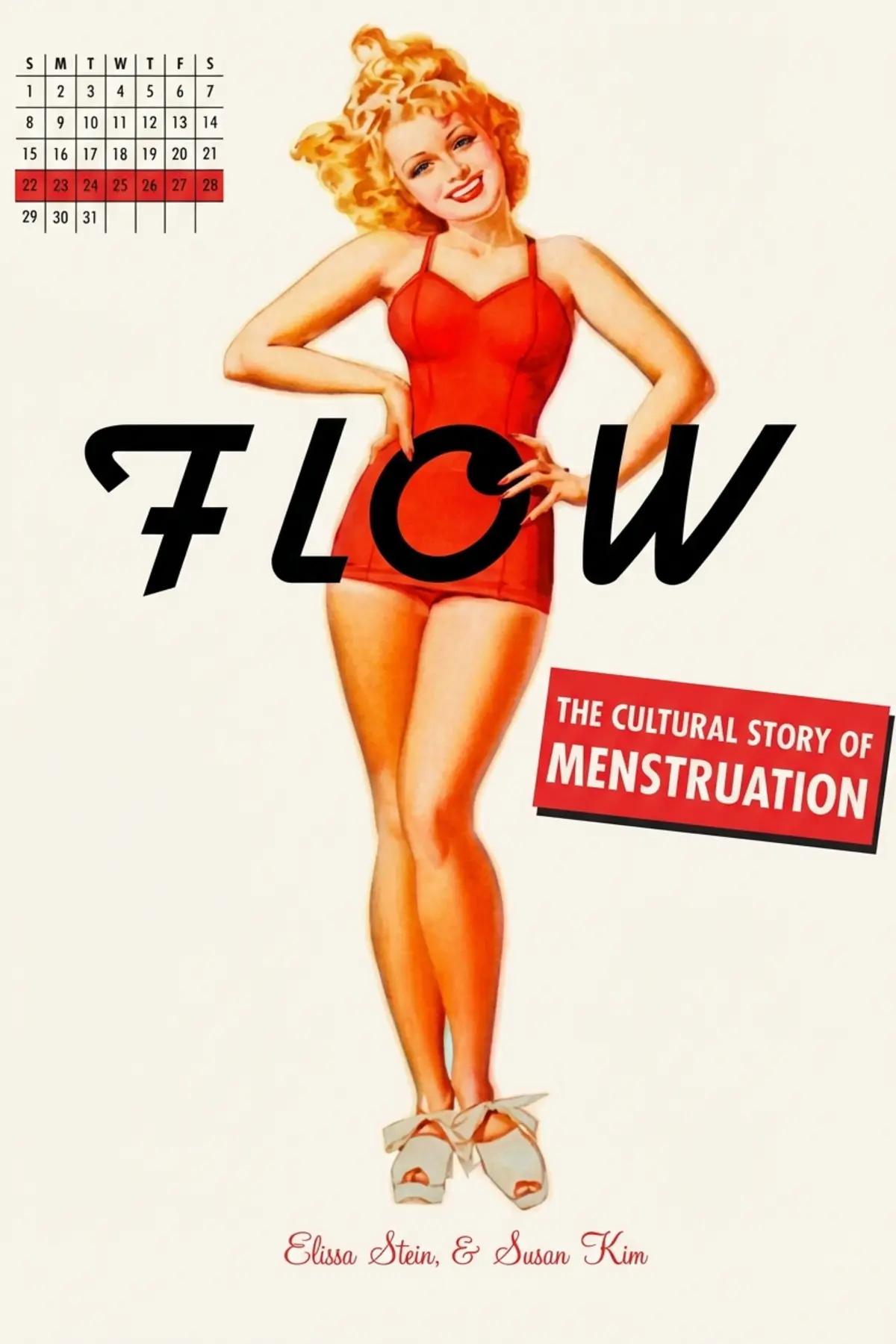
Table of Content
1. Introduction
52 sec
On average, a woman has about 450 periods in her lifetime, yet many women could not explain what their body is doing during one. In Flow, graphic designer Elissa Stein and Emmy-nominated writer Susan Kim trace that gap to its roots. They argue that centuries of myth made menstruation shameful, and that advertisers and drug companies kept selling that shame long after science had moved on.
This silence has real costs. Without the facts, women can’t be sure what a late period means, what the pill actually does or whether a popular product is safe to use. The authors move from Roman natural history and medieval witch hunts to blue liquid in television ads and the marketing of hormone therapy. By the end, period shame looks like a story people made up, and the facts underneath it are yours to use.
2. See where period shame really started
1 min 41 sec
Ancient peoples called menstrual blood sacred and, in the same breath, poisonous. That contradiction led to cages, huts and closed doors, and some of those rules lasted much longer than most people would guess.
3. Separate what is known about PMS from guesswork
1 min 38 sec
Insomnia and sudden tears once marked a woman as a possible witch. The modern label sounds far more scientific, but the authors argue that medicine still knows surprisingly little about what lies behind it.
4. Learn that period sex is safe despite the taboo
1 min 36 sec
Religious rules have kept couples apart for days or weeks each month. Modern science tells a very different story, and one study even points to a possible health benefit that hardly anyone talks about.
5. Pads and tampons widened what women could do
1 min 39 sec
Before modern pads, most women relied on moss, leaves and sheepskin for about a week every month. The dates when better products arrived line up closely with some of the biggest political gains in women’s history.
6. Read femcare ads for what they actually sell
1 min 51 sec
Period products are more visible than ever, and yet the ads seem to go out of their way to show nothing real. The authors argue the gap is deliberate, and that one popular product carried real medical risks.
7. Know what a late period can really mean
1 min 27 sec
Two words, I’m late, send most people’s thoughts straight to one conclusion. The authors list several other explanations, along with some fertility facts that catch many adults by surprise.
8. The bleed on the pill is not a period
1 min 38 sec
More than 100 million women take a pill that changes what happens in their bodies each month. Most of them, the authors say, misunderstand one simple thing about the bleeding that comes with it.
9. Question the drugs that promise to end periods
1 min 38 sec
A life without periods or hot flashes can sound like pure relief. The authors look at who first designed the pill pack, who profits from the new promise, and what the long-term risks look like.
10. Conclusion
1 min 13 sec
Flow makes a simple claim with large consequences: ignorance about periods was produced. It started with Roman natural history, continued through priests and physicians, and carried on through ad agencies and drug marketing. Each benefited from keeping the female body mysterious. Each left women knowing less about something that happens to them around 450 times in a life.
The authors’ answer is attention. Keep a period diary, on paper or in an app, and note what each cycle brings: tiredness or strong emotions, hunger or bloating, whether the period came on time and when you had unprotected sex. Over a few months, that record turns surprises into patterns, and it gives you something concrete to show a doctor. When an ad shows blue liquid or promises freshness, notice the old shame it is selling. When a pill offers to switch off a natural process, ask whether it solves a real problem for you.
Pliny’s claim that period blood could kill flowers, like his other assertions on the subject, went unchallenged for more than a thousand years. Writing down what your own body does each month is how you check.
About this book
What is this book about?
The average woman has about 450 periods in her life. Even so, many women could not say what actually happens during one, and many still feel embarrassed to ask. Elissa Stein and Susan Kim trace that silence back through history, from Roman claims that menstrual blood killed flowers to medieval witch accusations and menstrual huts. Their argument is that the shame did not fade when science arrived. Advertisers took it over and kept it going, with blue liquid in commercials and douches sold to cover odors that a healthy body usually does not have. Drug companies followed, selling pills that stop periods and hormone therapy that promises to hold back menopause. Alongside the cultural history, the book gives readers facts they can use. A late period can mean many things besides pregnancy. Pregnancy is possible after sex during a period. The bleeding on the birth control pill is not a period at all. It ends with one practical habit: keeping a record of your own cycle.
Book Information
Who it's for
Women unsure about cycles
Women who feel unsure or embarrassed about how their cycle, fertility or the pill really work.
Curious about cultural history
Readers curious how religion, medicine and advertising shaped attitudes toward women's bodies.
Hoping to discuss periods
Partners, parents and teachers who want to talk about periods plainly and accurately.
About the Author
Elissa Stein
Elissa Stein is a New York City author and graphic designer whose visual histories of pop culture landed on Entertainment Weekly's Must Have list. Susan Kim is a writer for children's television with five Emmy nominations and a Writers Guild Award for best documentary. She adapted Amy Tan's The Joy Luck Club for the stage and has taught writing at Goddard College and New York University. Together they wrote Flow, a humorous history of how fear, shame and sexism came to surround menstruation.
Ratings & Reviews
Ratings at a glance

What people think
Listeners find the work thoroughly documented and educational, especially valuing the way it explores the history of menstruation and various cultural elements. They characterize the narrative as fun and witty with an approachable style, and one listener mentions it makes an excellent present for a young woman starting her first period. The inclusion of vintage ads garners praise; one listener points out the gorgeous copies of print advertisements, while another values how it talks about women in other cultures.
Top reviews
Emma
Picked this up because the cover looked like a pop-art masterpiece, but the contents are even more striking than the design. This book is an absolute treasure trove of historical artifacts, specifically the vintage advertisements that showcase just how bizarre the feminine hygiene industry used to be. I spent hours poring over the gorgeous copies of print ads for Tampax and various douches. It’s a fascinating, deeply researched look at how our perceptions of menstruation have been shaped by corporate interests. Some might find the tone a bit casual, but I thought it made the heavy historical data much more digestible. It’s rare to find a book that manages to be both a coffee-table visual treat and a serious piece of cultural commentary. I've already recommended it to several friends who were equally stunned by the ' Lysol' era of feminine care.
Show moreCarlos
Wait, people actually used bleach-based products like Lysol to stay 'fresh' back in the day? This book is absolutely terrifying in the best way possible. I had no idea that for decades, companies were assuring women their douche products were safe with zero testing whatsoever. It is eye-opening to see how the 'fem care' industry was essentially born out of shame and marketing myths. The authors do a fantastic job of blending humor with some pretty grim historical facts. I loved the section on how Kotex pads became available the same year the 19th Amendment passed—talk about a turning point for liberation! Honestly, this should be required reading in health classes. It’s hilarious, shocking, and incredibly empowering all at once. I'll never look at a box of tampons the same way again.
Show moreJun
Finally got around to reading this and I’m genuinely shocked it took me this long to learn about 'hysterical paroxysm' and the bizarre medical history of women’s health. For historical authors, this book is an absolute goldmine for understanding what female characters would have actually dealt with each month. The research into the myths surrounding menstruation is deep and truly eye-opening. Despite the slightly irreverent tone, the facts are hard-hitting. It’s an engaging, fast-paced read that successfully turns a 'taboo' subject into a conversation piece. Definitely a must-read for anyone with a uterus.
Show morePensuda
After hearing several friends rave about this, I bought a copy for my niece's first period and ended up reading the whole thing myself before wrapping it up. It truly is an informative read that pulls back the curtain on the 'taboo' nature of periods. I was particularly floored by the section on ancient myths, like the Roman philosopher Pliny the Elder claiming period blood could cause horses to miscarry. It’s wild to see how these ridiculous assertions remained uncontested for over a thousand years just to keep women in their place. The book does a wonderful job of arming the reader with knowledge about their own body. While the authors sometimes try a bit too hard to be funny, the sheer volume of eye-opening facts makes it a must-read for any woman wanting to understand the history of her own anatomy.
Show morePatchara
The truth is, we spend so much of our lives menstruating that it's wild how little we actually know about what's going into our bodies. This book forced me to confront the idea that my choices—like using tampons for ten years without a second thought—have been heavily influenced by corporate marketing rather than health education. After reading the chapter on how companies have historically kept women in the dark, I’m seriously considering switching to a menstrual cup. The information provided here is vital for anyone who wants to break free from the taboos we've been conditioned to follow. My only minor gripe is that the writing can be a bit scattered and 'phrasey,' but the message is too important to ignore. It’s an essential guide for navigating the intersection of biology, history, and capitalism.
Show moreOm
Ever wonder why the history books conveniently leave out the fact that Kotex and the 19th Amendment arrived in the same year? This book brilliantly connects the dots between feminine hygiene and women's political liberation. It’s fascinating to see how self-adhesive pads in the 70s coincided with the women’s movement, proving that our bodily autonomy and our social freedoms are inextricably linked. I also appreciated the brief but important mentions of how menstruation affects women in other cultures, like girls in Sub-Saharan Africa missing school due to a lack of supplies. It puts our own history into a much-needed global context. While the writing leans a bit toward the 'humorous' side, the underlying research into the gaps in our medical knowledge is top-notch. It's an enlightening read that highlights how much work we still have to do to de-stigmatize a natural process.
Show moreJai
While I appreciated the deep dive into American consumerism, I couldn't help but feel a bit short-changed by the lack of international perspectives. This book is mainly about how American women's views of menstruation have been warped by a century of misogynistic rhetoric and an industry built on our collective insecurity. The research into how big businesses prioritize sales over health is solid and genuinely concerning. However, I wish there had been more about how the rest of the world views our 'monthlies' rather than focusing almost exclusively on the US market. The writing is engaging enough to hold your attention until the end, but the tone can be a bit 'full-on' at times. It’s a decent starting point for the subject, though I’m still searching for a more global history.
Show moreJoe
To be fair, the vintage print advertisements scattered through these pages are worth the price of admission alone. They do a magnificent job of expressing the attitudes of the advertising industry through modern times—usually by preying on women's fears of being 'unclean.' However, the book itself is a bit of a mixed bag. The authors have a tendency to be a bit repetitive, and their reliance on certain 'alternative' authorities made me skeptical. I didn't necessarily 'enjoy' the reading experience because the tone felt a little too much like a lecture, but I can't deny that it was informative. It’s a great resource for seeing the visual history of the period industry, even if the writing style doesn't quite live up to the graphics.
Show moreElena
Look, the concept here is absolutely vital, but the execution felt like being lectured by a patronizing older sister who thinks she's 'hip' to the youth. The writing style really grated on me. It felt exactly like reading a back-issue of Seventeen magazine—preachy, didactic, and way too cutesy for a book aimed at adults. I found the constant attempts at humor to be more distracting than entertaining, often pulling me right out of the narrative. To be fair, the primary source materials and old advertisements are great to look at, but they don't make up for the 'craptastic' prose. Plus, the authors include Gary Null as a respected authority on alternative medicine. Really? That alone made me question the validity of the rest of their research. It’s a great idea for a book, but the tone is just too juvenile for my taste.
Show moreRatchada
This book is a classic case of great research being absolutely tanked by a writing style that tries way too hard to be edgy and funny. Frankly, the tone was overly intimate and littered with annoying phraseology that made it hard to take the information seriously. Every time the writers wanted to point out something odd, they used the phrase 'funnily enough,' which irked me to no end by the third chapter. There were so many repetitious phrases that I started losing focus on the actual history. While the vintage ads are fantastic and the subject matter is undeniably interesting, I couldn't get past the wretched prose. If you're looking for a serious historical analysis, you might want to look elsewhere, as this feels more like a long-form blog post than a polished book.
Show moreQuestions about this book
What is Flow by Elissa Stein and Susan Kim about?
Flow is a cultural history of menstruation. Stein and Kim show how ancient myths treated period blood as both sacred and toxic, how hysteria became PMS, and how religions restricted menstruating women. They argue that advertisers and drug companies later kept that shame alive to sell products. Along the way they explain what a period actually is, so readers can make better-informed choices about their bodies.
Is the bleeding on the birth control pill a real period?
No, according to the authors. Most pills supply estrogen, or estrogen with progestin, for three weeks so that the body acts as if it were pregnant. During the placebo week, a thin, mild lining breaks down and leaves the body. That is why bleeding and cramps feel gentler on the pill. They point out that the placebo week was added because companies feared women would reject a product that stopped a natural process.
Can a late period mean something other than pregnancy?
Yes. The authors list stress, perimenopause and the fact that ovulation has not happened yet as possible causes. They also note that up to 80 percent of cycles in the first two years after periods begin involve no ovulation. Pregnancy is still possible after sex during a period, because sperm can survive for a few days and ovulation can come soon after.
What do the authors say about douching and femcare ads?
They argue that femcare ads present periods as impure, for example by showing blood as a blue liquid. Since the 1930s, douche ads have played on fears about odor, although a healthy vagina usually has no smell. Douches made with diluted bleach, Lysol or even vinegar can upset the body’s pH and cause infections, yet between 20 and 40 percent of women in America say they douche regularly.
How can I apply the ideas in Flow?
The authors recommend a period diary, on paper or in an app. Record whether you feel tired, emotional, hungry or bloated, whether your period came on time and when you had unprotected sex. A record like this helps you spot patterns and avoid surprises. They also suggest being wary of ads and drugs that sell freedom from natural processes, especially long-term hormone therapy with its known risks.
Readers also enjoyed

A Room of One’s Own
Virginia Woolf

Abolish Rent: How Tenants Can End the Housing Crisis
Tracy Rosenthal

Abortion: Our Bodies, Their Lies, and the Truths We Use to
Jessica Valenti



Afropean: Notes From Black Europe
Johny Pitts


All About Love: New Visions
bell hooks

AUDIO SUMMARY AVAILABLE
Listen to Flow in 15 minutes
Get the key ideas from Flow by Elissa Stein, plus 5,000+ more nonfiction titles.
- 5,000+ titles
- Listen as much as you want
- 7-day free trial
- Cancel anytime









