

13 min 44 sec
Available in: English
 ไทย
EnglishไทยFast. Feast. Repeat.: The Comprehensive Guide to Delay, Don't Deny® Intermittent Fasting
By Gin Stephens
Explains why the timing of meals matters as much as their size, and how clean fasting, a varied schedule and a retrained appetite help you lose fat without the hunger of ordinary diets.
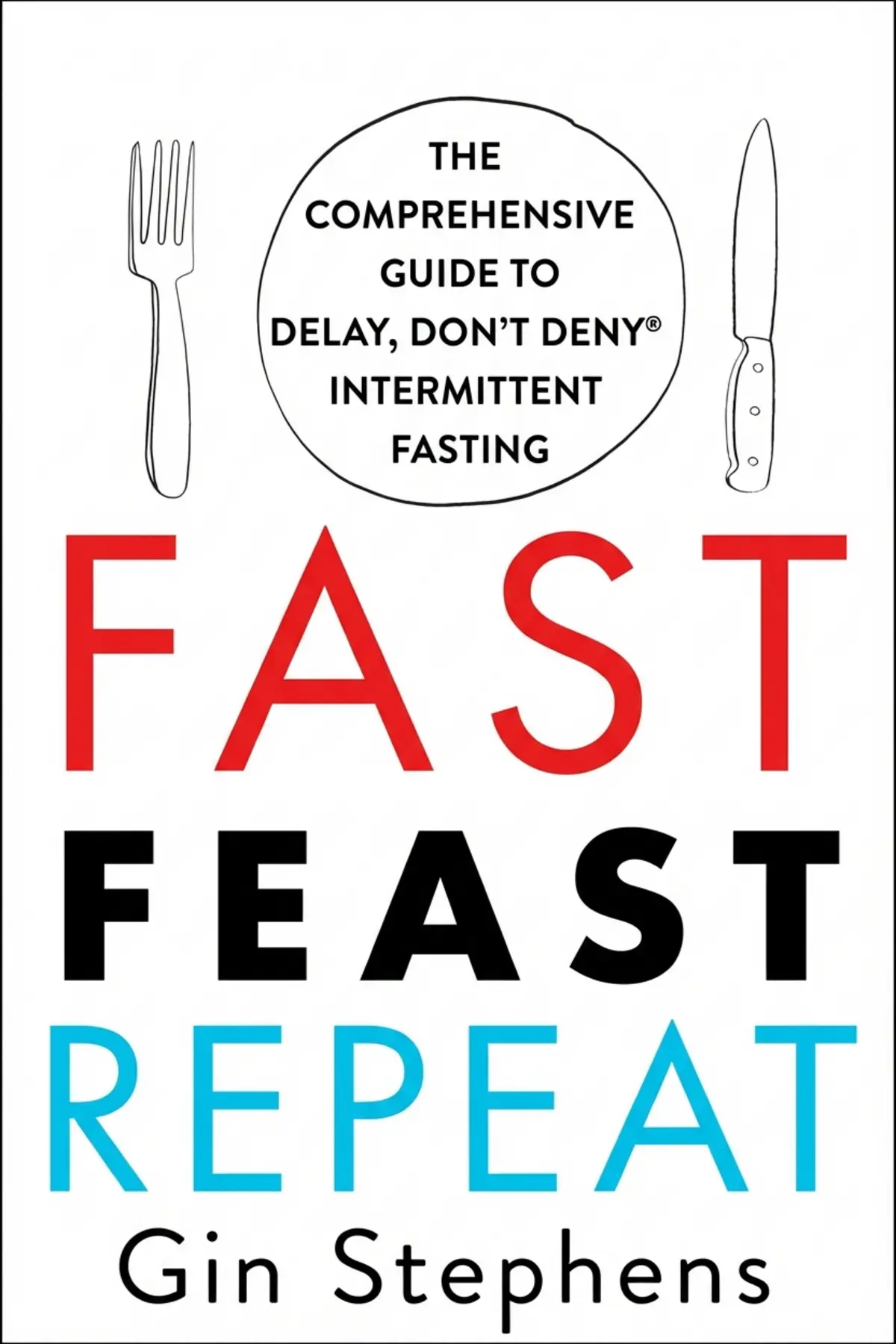
Table of Content
1. Introduction
56 sec
If every diet you have tried left you hungry, tired and stuck at the same weight a few weeks in, the problem may not be your willpower. In Fast. Feast. Repeat., Gin Stephens argues that the clock matters, and that the familiar rule of a calorie being a calorie, at midnight or after dinner, is wrong.
Her case rests on hormones. Spacing out your meals lets insulin fall, and that lets your body burn the fat it has stored without setting off the alarm that ordinary diets trigger. The method works best, she argues, when the fast is clean, the pattern changes from time to time, and the eating window is spent on real food.
By the end, you will be able to choose a fasting schedule that fits your week, know exactly which drinks keep a fast intact, break a plateau on purpose, and tell true hunger from a passing pang.
2. Burn stored fat without your body fighting back
1 min 58 sec
Cutting calories should work on paper, yet the body seems to punish every dieter who tries it. Stephens traces that rebellion to a few hormones and explains why skipping meals can avoid the trap that eating less walks straight into.
3. Health gains that reach far past the scale
1 min 53 sec
For people who like their eating habits, a few lost pounds may not justify skipping meals. A study of religious fasters and a strange word for cell repair make a stronger argument than weight ever could.
4. Pick the fasting pattern your week can carry
2 min 06 sec
Ratios like 16:8, 19:5 and 5:2 make fasting sound like a math exam. Behind the numbers sit two very different ways to live, and one detail about timing decides which delivers more.
5. Keep your fast clean with the right drinks
1 min 48 sec
A drink with zero calories seems harmless during a fast. One experiment involving nothing more than a sweet mouth rinse suggests your body disagrees, and it rules out several habits many fasters rely on.
6. Break a plateau by changing your routine
1 min 56 sec
Finding a fasting schedule that fits your life feels like the finish line. Stephens sees it as the moment the body starts to catch up, and she explains how to stay one step ahead of it.
7. Fasting retrains your appetite and shifts your cravings
2 min 00 sec
Trusting your appetite sounds like bad advice if appetite is what added the weight. A short study of fasters suggests the signals themselves can change, and a simple kitchen timer helps you hear them.
8. Conclusion
1 min 07 sec
Stephens’ book rests on a plain change of attention: from how much you eat to when, and then back to what. The old rule says a calorie counts the same at noon or at midnight. Her case is that timing changes the hormones, and the hormones decide whether your body guards its fat or spends it. Long gaps between meals let insulin fall, spare you the hunger and slowdown of a classic diet, and may protect your heart and cells along the way.
The method holds up only with its guardrails. Choose a window or an up and down day pattern that your real week can carry. Keep the fasting hours to water, black coffee and plain tea, and drop the sweet zero-calorie extras. When progress stalls, change the pattern before you change your goal, and never stack down days back to back. Then let the eating window fill up with real food.
And when hunger feels urgent, start a 30-minute timer. Most of the time, by the moment it rings, the urgency has passed and you know your own body a little better.
About this book
What is this book about?
Most diets cut calories and fail the same way: hunger rises, progress slows and the weight comes back. Gin Stephens argues that the standard rule, a calorie is a calorie whenever you eat it, misses what actually drives fat loss. Timing changes your hormones, and your hormones decide whether the body holds onto its fat or burns it. Her approach is intermittent fasting. Long gaps between meals let insulin drop so the body draws on stored fat, without the alarm that makes dieters ravenous and slows their metabolism. Stephens adds benefits beyond weight, from lower diabetes risk to calmer inflammation and the cell repair process called autophagy. The book is also a manual. It explains eating windows, one meal a day and up and down days, what you can and cannot drink while fasting, why the routine should change now and then, and how fasting can reset appetite so healthy food becomes what you want.
Book Information
Who it's for
Repeat dieters
People who have dieted again and again and keep losing to hunger and plateaus.
Juggling work and family
Busy professionals looking for a simple eating schedule that fits work and family.
Curious about fasting's benefits
Anyone curious about fasting for blood sugar, heart health or longevity who wants clear rules on what breaks a fast.
About the Author
Gin Stephens
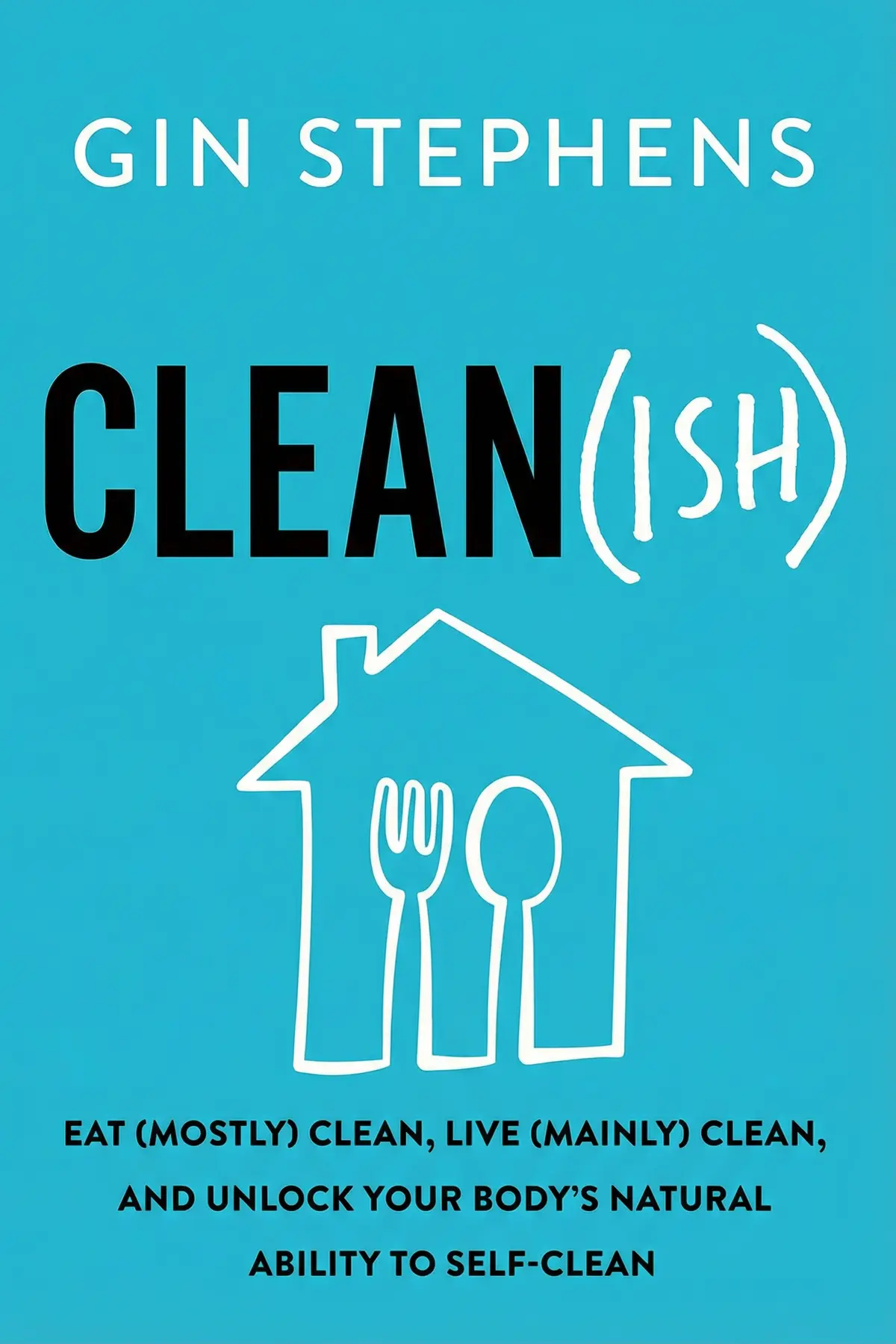
Gin Stephens has lived by intermittent fasting since 2014 and lost more than 80 pounds in the process. She built a website, support groups and two podcasts around the practice, among them Intermittent Fasting Stories. A former elementary school teacher of 28 years, she holds a doctorate in education and completed health coach training in 2019. Her other books include Clean(ish) and 28-Day FAST Start Day-by-Day.
Ratings & Reviews
Ratings at a glance

What people think
Listeners consider this guide to fasting thorough and backed by research, offering straightforward breakdowns of the biology behind intermittent fasting. Written with the tone of a close companion, the content is simple to grasp, ensuring it serves both newcomers and those experienced with the lifestyle. Listeners mention major health gains and effective weight reduction, noting instances where some individuals lost 50+ pounds in 4 months. They value the practical advice provided and find the message motivating, often characterizing the experience as genuinely life-changing.
Top reviews
Methinee
Finally got around to reading this after hearing so much buzz in the IF community. Gin Stephens takes a really daunting topic and makes it feel entirely doable. I’ve been struggling with my weight for a decade, but something about her "clean fast" explanation just clicked for me. It’s not just about skipping breakfast; it’s about metabolic flexibility and letting your body heal. I’ve lost 12 pounds in my first six weeks without feeling deprived. To be fair, she does use a lot of exclamation points and her tone is very upbeat, which might not be for everyone. However, if you need a cheerleader and a clear roadmap, this is it. It’s a comprehensive guide that feels like a long chat with a supportive friend who has done the heavy lifting of the research for you. I especially appreciated the breakdown of why those "zero calorie" flavored waters actually stall your progress. It's a game-changer for anyone tired of traditional dieting.
Show moreAraya
Wow. This book literally changed my life. I started Intermittent Fasting four months ago after finishing this and I am down 52 pounds already. More importantly, my blood pressure has stabilized and my chronic brain fog is completely gone. Gin writes in a very accessible, friendly way that makes you feel like you can actually succeed. She breaks down the "Clean Fast" which was the missing piece for me—I didn't realize my cream in my coffee was ruinous! Look, some people might find the teacher-like tone a bit much, but for me, it worked perfectly. The science is explained clearly enough that I could explain it to my kids. It’s a comprehensive tool that covers everything from the 28-day jumpstart to long-term maintenance. If you are on the fence, just buy it. It's the last diet book you will ever need because it's actually a lifestyle shift.
Show moreKom
After hearing Gin on her podcast, I knew I needed the physical book as a reference. This is the ultimate how-to guide for Intermittent Fasting. Unlike other books that focus purely on the "why," this one gives you the "how" in great detail. The FAQ section at the end is worth the price of the book alone. It covers every possible scenario you might run into, from social eating to plateau-busting. I’ve read a lot of health books, but this one feels the most practical. I love the way she emphasizes that we are all an "N=1" experiment, meaning we have to find what works for our own unique bodies. My energy levels have skyrocketed since I started following her advice on the clean fast. It’s not just a weight loss book; it’s a total health manual. It's easy to read, encouraging, and provides a clear structure for anyone looking to reclaim their metabolic health.
Show moreSofia
Picked this up on a whim after seeing a friend's amazing transformation, and I'm so glad I did. I had tried IF before but always failed because I was doing it "dirty"—drinking diet sodas and using stevia in my tea. Gin’s explanation of the insulin response to sweet flavors, even without calories, was a total lightbulb moment for me. Since switching to a clean fast, the hunger has actually disappeared. The book is comprehensive and covers everything from the 28-day transition to how to live this way forever. It’s written in such an encouraging way that you feel like success is inevitable. I’ve already recommended it to three people in my office. If you've tried dieting and failed, give this a shot. It focuses on healing your body from the inside out, and the weight loss is just a fantastic side effect.
Show moreAnchalee
Ever wonder why you can't seem to lose weight even when you're counting every single calorie? This book has the answer, and it’s not what you think. Gin Stephens breaks down the science of intermittent fasting in a way that is actually fun to read. She’s funny, relatable, and clearly knows her stuff. I love that she doesn't tell you exactly *what* to eat, but rather *when* to eat. It makes the whole lifestyle feel so much more sustainable than a restrictive keto or low-fat diet. The success stories included are so inspiring; I found myself tearing up at a few of them. I’ve been fasting for two months now and I feel better at 45 than I did at 25. This book is a must-have for anyone looking to improve their health without giving up the foods they love.
Show moreMonthon
Gin Stephens has a way of making complex biological processes feel simple and manageable. I've read several books on fasting, but this is the most comprehensive lifestyle guide I've found. It’s not just about the weight loss—though losing 30 pounds has been great—it’s about the freedom from food obsession. The way she describes "food peace" is exactly what I’ve experienced. No more thinking about my next meal all day long! The book is laid out perfectly, starting with the basics and moving into more advanced concepts like different fasting windows. It feels very well-researched, with plenty of citations for those who want to look up the studies themselves. Truly, it’s been a life-changing read for me. It’s easy to understand, encouraging, and provides all the tools you need to succeed long-term.
Show moreWaree
As someone who has struggled with diet culture for years, I found this approach refreshing. The book is incredibly well-researched, though it’s presented in a way that’s very easy to digest rather than being overly academic. Gin explains the science behind insulin and autophagy without making your head spin. My only real gripe is that it can be quite repetitive; she hammers home the same few points across multiple chapters to the point where it feels like padding. Personally, I think the book could have been about fifty pages shorter and still delivered the same impact. That said, the "Feast" part of the title is a crucial reminder that this isn't about starvation. It’s about timing. The testimonials included are encouraging, even if there are a few too many of them from her Facebook groups. It’s a solid resource for beginners, though seasoned fasters might find themselves skimming the first half to get to the new tips.
Show moreApichat
This book reads like a conversation with a very knowledgeable friend who is really, really excited about fasting. There is a lot of great information here, especially regarding the psychological hurdles of changing when you eat. I appreciated the specific tips on how to handle social situations and what to do when you hit a plateau. To be fair, the sheer number of exclamation points can be a bit exhausting to read after a while. It’s very high-energy! But the core message is sound and the results speak for themselves. I’ve lost 15 pounds and my clothes are fitting so much better. The section explaining why sugar-free sodas are a no-go during the fasting window was a huge eye-opener for me. It’s a very practical guide that avoids the dense medical jargon that usually makes these books a chore to get through.
Show moreJun
The truth is, I wanted to love this more than I did. While the information is definitely useful and I’ve seen some success with the methods, the writing style just isn't my cup of tea. It feels very much like it was written by an elementary school teacher—which I know Gin was—but it can feel a bit patronizing at times. Everything is very "science-light" and oversimplified. I was hoping for something with the depth of "The Obesity Code," but this felt more like a collection of blog posts and anecdotal testimonials. There is an obscene amount of padding with stories from other people that I didn't find particularly helpful. Frankly, you could probably get 90% of this information from a quick Google search or by listening to a few of her podcasts. It’s an okay starting point if you want something conversational and un-scary, but it lacked the analytical rigor I was looking for.
Show morePornthip
Not what I expected based on the hype. I started reading this hoping for a deep dive into the physiological mechanisms of autophagy and hormonal regulation. Instead, I got a book that feels very gimmicky and repetitive. The author uses way too many anecdotes from her Facebook groups, which started to feel like filler after the first few chapters. I found the tone to be a bit grating—lots of quips and over-simplifications that felt like they were written for a 4th grade audience. If you want actual science, go read Dr. Jason Fung instead. This felt more like a self-help book than a serious health resource. I’m sure it’s helpful for people who need a lot of emotional encouragement, but for someone who wants data and clinical studies, it falls short. It’s basically a long-winded way of saying "don't eat for most of the day."
Show moreQuestions about this book
What is the main idea of Fast. Feast. Repeat.?
Gin Stephens argues that when you eat matters, not only how much. Fasting lets insulin drop, which allows the body to burn stored fat. Because the body is living on its reserves, it does not react as if facing starvation, so it avoids the rising hunger and slowing metabolism that make ordinary diets fail. She pairs this with clean fasting, a varied routine and healthy food in the eating window.
What can you drink during a clean fast according to Gin Stephens?
For a clean fast, Stephens permits only plain tea, black coffee, and water, either flat or carbonated. Anything sweet or food-flavored is out, even with zero calories, including diet soda, gum, flavored water and fruit teas. She cites a 2008 study in which simply rinsing a sweetened liquid in the mouth raised insulin significantly, which is the response a fast is meant to avoid.
What fasting schedules does the book describe?
Two families. Eating windows limit food to set hours each day, such as 16:8, 19:5 or one meal a day, which often spans three or four hours. Up and down day patterns, such as 5:2, alternate eating days with fasting days, where some people eat nothing and others have one meal of up to about 500 calories. Stephens notes that shorter windows bring more benefit.
How do you break a weight loss plateau while fasting?
Stephens recommends changing your pattern, because the body’s drive for stability, homeostasis, adapts to any fixed routine. You can switch approach entirely, vary the length of your eating window from day to day, or mix fasting days, unrestricted days and windows. She cautions against prolonged fasts and against stringing together two or more down days consecutively, because either one can slow the metabolism.
Is intermittent fasting only useful for weight loss?
No, in Stephens’ view. Lower insulin reduces the risk of type 2 diabetes, fasting helps calm chronic inflammation, and a 2008 study found lower rates of coronary artery disease among people who fast for religious reasons, such as during Ramadan. Fasting also supports autophagy, the cell repair process, and she cites a 2018 review suggesting fasting may help people live longer.
Featured in
Readers also enjoyed








AUDIO SUMMARY AVAILABLE
Listen to Fast. Feast. Repeat. in 15 minutes
Get the key ideas from Fast. Feast. Repeat. by Gin Stephens, plus 5,000+ more nonfiction titles.
- 5,000+ titles
- Listen as much as you want
- 7-day free trial
- Cancel anytime









