

14 min 31 sec
Available in: English
Clean(ish): Eat (Mostly) Clean, Live (Mainly) Clean, and Unlock Your Body's Natural Ability to Self-Clean
By Gin Stephens
Shows how to lower the daily load of toxins from food, cleaning products and cosmetics, and how real food, fasting, sleep and movement help your body clean itself, with progress valued over perfection.
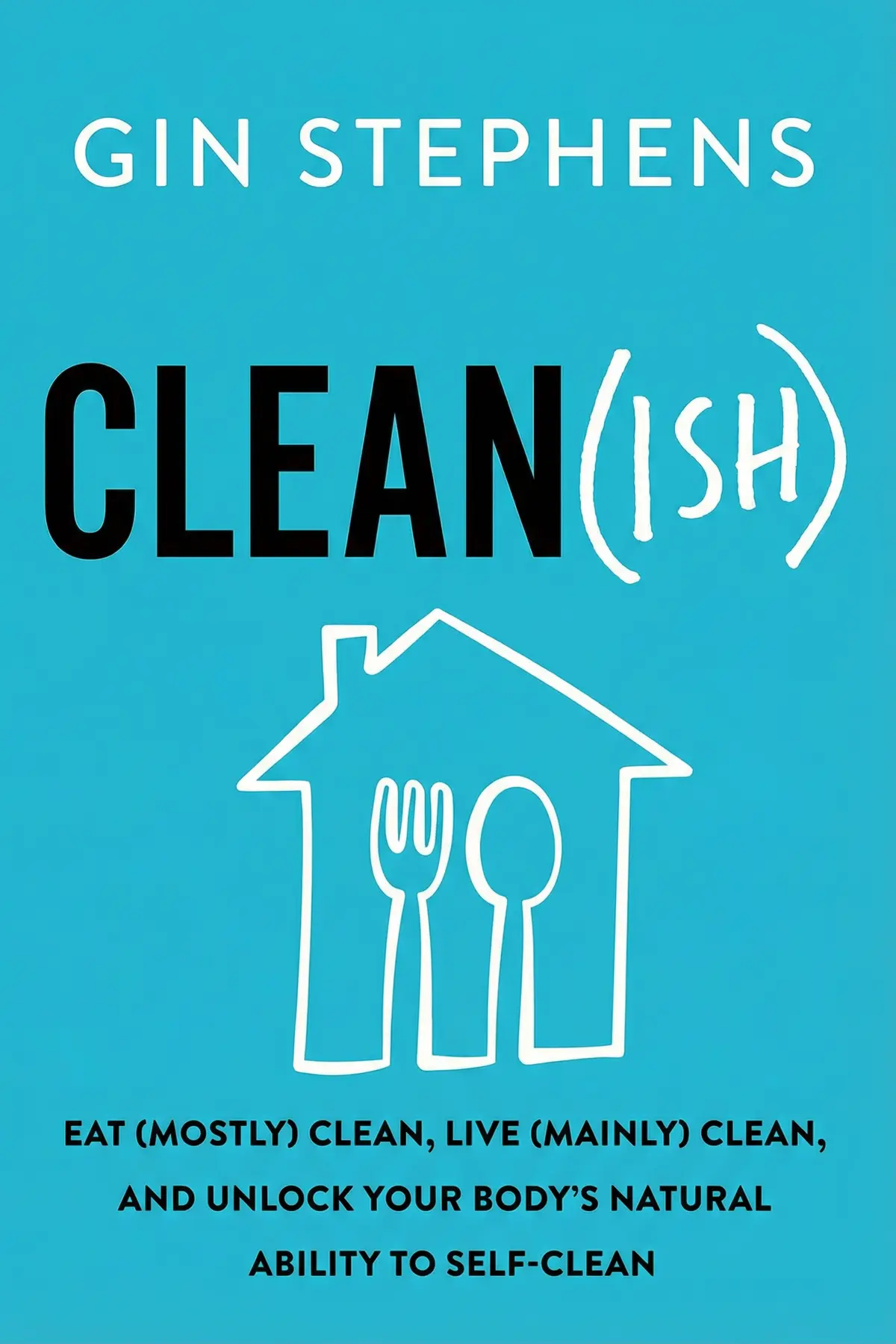
Table of Content
1. Introduction
53 sec
If choosing food has started to feel like a second job, full of calorie math, unpronounceable ingredients and perfect bodies on social media, Clean(ish) offers a calmer place to start. Gin Stephens argues that the body is already built to clean itself, and that our real task is to stop overloading it. A former elementary school teacher who lost over 80 pounds through intermittent fasting, she reached this view slowly, beginning with one question about her son.
Her case runs like this. Toxins reach us in small doses every day, through food, household products, water and air. We can’t avoid them all, but we can cut the largest sources, eat real and varied food, and support the organs that do the cleaning. The aim, she insists, is clean-ish, never perfect. Expect a simple scale for judging any food, a sharper eye for labels, and a set of habits small enough to keep.
2. Trace a mystery symptom back to what goes in
1 min 40 sec
A little boy from a loving home kept melting down at day care, and nobody could say why. The person who finally cracked it was not a doctor, and her question changed his mother’s whole approach to health.
3. See through natural, unscented and hypoallergenic labels
1 min 56 sec
The bottles under your sink and in your makeup bag may carry reassuring words on the front. Stephens explains why those words promise far less than they seem to, and what hides behind them.
4. Sort any food on a simple apple scale
2 min 01 sec
An apple, a jar of applesauce and a box of apple-flavored cereal share a name and very little else. One quick comparison gives you a way to judge almost anything in a supermarket.
5. Eat real food in the way that fits you
1 min 53 sec
Healthy traditional diets around the world looked nothing alike: some had no meat, others no dairy. Yet early researchers found one thread running through them all, and it frees you from chasing a single perfect plan.
6. Give your body's cleaning crew less to carry
1 min 43 sec
Your body runs a team of specialists that clear out toxins day and night, and one popular drink makes the rest of them wait. Knowing who does what shows you exactly where to help.
7. Let fasting and sleep do the deep cleaning
1 min 40 sec
Stephens built her own health on a daily eating window, and she argues it starts a repair process inside every cell. Exercise and good sleep also set that process going, and a separate cleansing habit involves taking off your shoes.
8. Clean-ish habits that last without the guilt
1 min 32 sec
After years of researching toxins, Stephens still refuses to give up two everyday products. Her reasons reveal why perfection is the fastest way to fail, and what to aim for instead.
9. Conclusion
1 min 13 sec
Clean(ish) rests on a trust in the body that much diet writing lacks. Stephens never asks you to scrub every chemical from your life, a task she treats as impossible. She asks you to stop handing your liver, kidneys, skin and gut more than they can clear, and then to give them what they need: real food in wide variety, rest, movement and long gaps between meals. The worry about toxins is real in her account, yet the tone stays forgiving, because a frightened, guilty eater rarely keeps going.
The habits she supports are small enough to start today. Turn the shampoo bottle and the cereal box around and read what is actually inside, placing each food somewhere between the fresh apple and the apple-flavored cereal. Fill your plate with many kinds of plants, since variety feeds the microbiome. Try an eating window and protect your sleep. And keep your own version of Duke’s mayonnaise without apology.
It all began with a kindergarten teacher asking what a small boy had eaten that day. That is still the best question to carry into your kitchen.
About this book
What is this book about?
Choosing what to eat has turned into hard work for many people: counting calories, decoding ingredient lists, and comparing yourself with perfect meals and bodies online. Gin Stephens knows that pressure well. She grew up on frozen pot pies and bologna sandwiches and struggled with her weight for years, until a question from her son's kindergarten teacher started her looking at what goes into our bodies. Her argument is reassuring and practical at once. Toxins reach us every day in small doses, through processed food, household cleaners, cosmetics, water and air, and they add to a load that she links to headaches, poor sleep and weight gain. Yet the body has its own cleaning crew, from the liver and kidneys to the skin and the colon, and we can make its work easier. Stephens shows how to read past misleading labels, how to place any food on a scale from natural to ultra-processed, why a varied, plant-rich diet feeds the gut, and how intermittent fasting and good sleep support the body's own cleanup. Above all, she asks readers to aim for clean-ish, to keep a few favorite indulgences and to drop the guilt.
Book Information
Who it's for
Overwhelmed by diet rules
People who feel overwhelmed by diet rules and want a forgiving, practical way to eat better.
Parents questioning everyday products
Parents wondering whether food or household products affect their children's behavior and health.
Fasters wanting cleaner food
Intermittent fasters who want to pair their eating window with cleaner food and fewer toxins at home.
About the Author
Gin Stephens
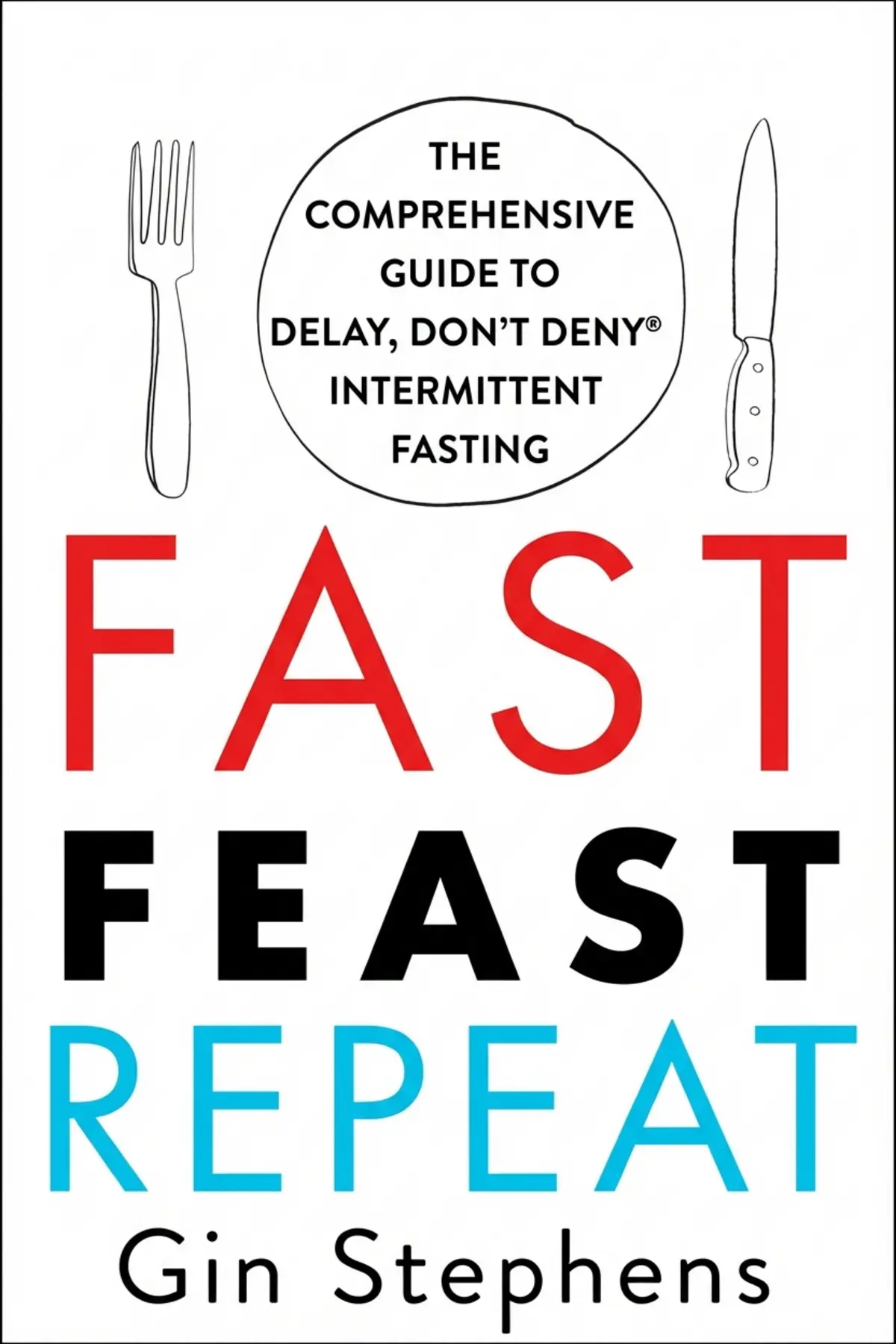
Gin Stephens has lived by intermittent fasting since 2014 and lost over 80 pounds along the way. She went on to create a website, support groups and two podcasts, among them Intermittent Fasting Stories. Her other books include Fast. Feast. Repeat. and 28-Day FAST Start Day-by-Day. Before that she taught elementary school for 28 years, earned a doctorate in education focused on gifted students, and completed a health coach training program in 2019.
Ratings & Reviews
Ratings at a glance

What people think
Listeners find this book both educational and beneficial, specifically highlighting their appreciation for the science-backed information. The content is straightforward and easy to grasp, with one listener noting that it provides practical suggestions and ideas. Listeners also praise the author’s instructional approach, as one listener describes her as a fantastic health educator. They find the work quite captivating as well, with one listener sharing they felt energized by reading it.
Top reviews
Eli
Gin Stephens has a way of taking complex biological concepts and making them feel like a chat over coffee. This book isn't just about what you eat; it’s about the silent stressors we put on our bodies through laundry detergent, skin care, and even the air in our homes. Her teaching style is fantastic because she breaks down the science of toxicants without making you feel like you need a PhD to understand it. I was particularly struck by her personal story regarding her sons and red food dye—it was a total lightbulb moment for me. While some might find the 'homework' sections a bit much, I think they provide necessary structure for those actually looking to make a change. It's an empowering read that focuses on progress, not perfection.
Show moreMilk
Ever wonder what’s actually inside your children’s shampoo or that 'fresh' smelling cleaner? This book will make you look at your bathroom cabinet in a completely different way. I was shocked to learn about the toxicity levels in products specifically marketed to people of color—it’s honestly heart-wrenching. Gin manages to deliver this heavy information without using scare tactics, which I really appreciated. The focus is on unlocking your body's natural ability to self-clean by reducing the daily toxic load. It’s an informative, science-backed guide that feels both urgent and accessible. I’ve already recommended it to several friends who are starting their wellness journeys this year.
Show moreWanphen
What a fantastic health educator Gin is! She has this unique ability to take dense research and turn it into something that feels doable and energizing. Reading this book made me feel empowered rather than guilty about my past choices. I love that she doesn't demand total purity; the goal is just to do better where you can. The chapter on the 'real smell of clean' was a total game-changer for my household. It turns out that lemon-scented chemical spray isn't actually the smell of a clean house! This is a must-read for anyone looking to reduce their toxic load without losing their mind.
Show moreChatchai
The 'ish' in the title is what really sold me on this approach. Most health books are so rigid that you end up quitting after three days, but Gin makes it clear that we don't have to be perfect. She openly admits to still using Duke's mayonnaise, which is the kind of relatability I need in a wellness guide! The book offers practical suggestions that don't require you to throw out everything in your pantry overnight. Instead, it’s about making manageable swaps over time. I did feel like some chapters were a bit repetitive, and the middle section dragged a little. However, the science-backed content regarding the body's natural ability to self-clean was eye-opening and highly motivating.
Show moreOm
There is so much more to health than just when we eat, and Gin really nails that here. I loved how this book expands on the concepts of self-cleaning and autophagy that she introduced in her fasting books. The 'Choose Your Own Adventure' format makes it feel less like a lecture and more like a personalized toolkit. I’ve already started swapping out my household cleaners for safer alternatives, and I don't feel overwhelmed because of her 'clean-ish' philosophy. Some of the history on government regulations was a bit dry, but overall, it's a very engaging read. It’s refreshing to find a health book that prioritizes compassion and grace over strict rules.
Show moreSirinat
As someone who successfully used intermittent fasting to lose weight, I was curious about Gin's next move. This book is a logical progression, focusing on the quality of what we put in and on our bodies. The sections on mystery labels and anonymous brands were incredibly enlightening. I never realized how many chemicals were hiding behind the word 'fragrance.' My only real gripe is that it can be a bit overwhelming despite her relaxed tone. Trying to overhaul your food, cleaning supplies, and makeup all at once is a lot of work! Still, the practical suggestions for transition are helpful for those willing to put in the effort.
Show morePriya
Picked this up because I’ve enjoyed Gin’s previous work on fasting, but I have to say I’m a little conflicted. On one hand, the information about 'greenwashing' in beauty products was genuinely helpful and changed how I look at labels. On the other hand, the book feels like it could have been about a hundred pages shorter. There is a lot of repetition, and at times, it felt more like an extended advertisement for her website and podcasts than a standalone book. If you are already well-versed in clean living or have been following her for years, you might find yourself skimming through sections you’ve heard before. It's a decent entry point for beginners, though.
Show moreJack
It’s a bit of a mixed bag for me. While I find the science-backed information on toxicants fascinating, the execution of the book felt clunky. The third part was especially redundant, repeating many of the same points made in the first two sections. I also wasn't a huge fan of the journaling prompts—I'm reading for information, not for school assignments. However, I can't deny that it’s an easy-to-understand resource for someone just starting out. It's helpful, but you definitely have to be in the right mindset to slog through the more repetitive chapters. 3 stars for the effort and the useful data.
Show moreSupatra
To be fair, I expected more hard science and less personal memoir. The author spends a significant amount of time recounting her own journey, which is fine, but it often felt overlong and elementary. I felt like I was being spoken to like a fourth grader, especially during the parts where she assigns actual 'homework.' Additionally, the lack of medical credentials shows when she presents studies that only support her specific claims without addressing any counterpoints. It boils down to eating organic and using green cleaners, which is advice you can get from a five-minute Google search. I appreciate her enthusiasm, but this was a miss for me.
Show moreBo
Look, if you already know to avoid processed food and buy green cleaning products, you won't find much new here. I found the tone to be quite patronizing at times, as if the reader has never considered that McDonald's might be unhealthy. The book is over 400 pages, but the core message is very simple and could have been summarized in a pamphlet. I also struggled with the 'earthing' section—walking barefoot outside is nice, but the pseudo-science behind it felt a bit like a Dr. Oz segment. I ended up DNF-ing around the halfway mark because it just wasn't offering the depth I was looking for.
Show moreQuestions about this book
What is the main idea of Clean(ish) by Gin Stephens?
Stephens argues that the body is designed to clean itself, but daily exposure to toxins from processed food, cleaning products, cosmetics, water and air adds to its load. The answer is to reduce the biggest sources, eat real and varied food, and support the body’s detox organs with fasting, sleep and movement. The goal is clean-ish living, with small steps and no guilt, because perfection is impossible.
How can I tell if a food is processed according to Clean(ish)?
Stephens uses an apple as a scale. A fresh apple is natural, applesauce sits in the middle, and apple-flavored cereal is ultra-processed, full of dyes, refined grains, sugar and additives. Prefer foods with recognizable ingredients and short lists, watch for vague names like natural flavors, and in the US look for the USDA Organic or Non-GMO Project Verified labels, which she found reliable.
Why does Gin Stephens say labels like natural and hypoallergenic are misleading?
She points out that hypoallergenic has no real approval from the FDA, the US regulator, and that companies use such words to greenwash products so they sound safer than they are. Natural only means something comes from a natural source, and arsenic is natural too. All-natural food can still carry pesticides, and cage-free hens may have been kept in a small space.
What role does intermittent fasting play in Clean(ish)?
Stephens, a long-time faster, recommends eating inside a daily window, often with 16 hours without food, such as eating from 11 a.m. to 7 p.m. She says fasting triggers autophagy, the cleanup and recycling process inside cells, and points to evidence linking it to fewer tumors and less protein buildup in the brain. Exercise and good sleep also support autophagy.
How do I start eating clean-ish without becoming obsessed?
Stephens suggests a few easy moves: buy basics in season and in bulk, use frozen or canned food, swap processed sugar for honey or maple syrup, and drop one thing entirely, such as soda. Keep the indulgences you love; she still uses Duke’s mayonnaise and regular deodorant. She warns against guilt and negative self-talk and asks readers to treat themselves with compassion.
Readers also enjoyed






AUDIO SUMMARY AVAILABLE
Listen to Clean(ish) in 15 minutes
Get the key ideas from Clean(ish) by Gin Stephens, plus 5,000+ more nonfiction titles.
- 5,000+ titles
- Listen as much as you want
- 7-day free trial
- Cancel anytime









