Brain Maker: The Power of Gut Microbes to Heal and Protect your
David Perlmutter
 English
Shows how uric acid, a compound your body makes from fructose and purines, may drive weight gain, high blood sugar and chronic disease, and how changing food, drink, sleep and movement can bring it down.

1 min 00 sec
Plenty of people eat what seems a sensible diet and still watch their weight, blood pressure and blood sugar creep upward. In Drop Acid, physician David Perlmutter points to a blood marker most checkups ignore: uric acid, which the body makes itself when it breaks down fructose and purines. He cites an eight-year study by the American College of Rheumatology that tied high uric acid to 16 percent of deaths from any cause, and to 39 percent of deaths from cardiovascular disease such as stroke.
His argument is that uric acid helps drive many modern illnesses, from obesity and diabetes to fatty liver and dementia. Daily choices about food, drink, sleep and movement decide how much of it you make. That turns it into a number you can move. By the end, you will know which foods and habits push it up, which pull it down, and how a three-week plan turns that knowledge into a routine.
1 min 42 sec
A disease of kings and painters never really went away, and the blood marker behind it may be doing harm long before any joint hurts. The official safe limit may be less safe than it looks.
1 min 43 sec
Uric acid appears on no ingredient label, yet two common parts of the modern diet feed it every day. Once it forms, it can change how hungry you feel and where your body puts its energy.
2 min 00 sec
The same trait that once kept our ancestors alive through hungry seasons now works against almost everyone with a cheap, sweet drink in hand. Our genes have not caught up with our food.
2 min 02 sec
A woman with five warning signs of metabolic syndrome ate mostly healthy food and still could not lose weight. One question from a doctor stumped her, and answering it changed her health.
1 min 52 sec
Some of what pushes uric acid up looks harmless: a diet soda, a beer after work, a daily pill. Perlmutter’s full list of raisers and droppers surprises even people who think they already eat well.
1 min 30 sec
Most gout attacks strike at night, which fits with sleep playing a part. Two studies suggest the hours you spend asleep shape both your uric acid and your odds of developing diabetes.
2 min 06 sec
Knowing what raises uric acid is easy to forget by the next grocery trip. Perlmutter’s three-week plan begins with a test and a fast, and ends with rules meant to outlast it.
1 min 10 sec
Gout was once the mark of kings and painters. Perlmutter’s warning is that the compound behind it now reaches ordinary people who never feel a twinge in their toes, through rising weight, stubborn blood sugar, fatty livers and, in his view, conditions from heart disease to dementia. What makes his case hopeful is that the body makes uric acid every day, from what goes into it and how it rests. A number made daily can be lowered daily.
That puts the starting point within reach. Find out your level and judge it against his 5.5 mark. Stop drinking sweetened beverages, juice included, the way Joanna did, and check bread, sauces and yogurt for fructose you never chose. Give sleep real protection, starting with a bedroom free of phones. If you want structure, three weeks of the LUV diet, with a test before and after and your doctor involved from the first day, will let you see what changes in your own body.
Henry VIII never had a test kit. You can know your number this month and decide what to do with it.
Many people eat what looks like a sensible diet and still watch their weight, blood pressure and blood sugar climb. Physician David Perlmutter argues that one overlooked blood marker helps explain why. Uric acid is best known as the cause of gout, but he links high levels to obesity, diabetes, fatty liver disease, heart disease and dementia, and he thinks the official reference range is set too high. Perlmutter explains where uric acid comes from: the body produces it when it breaks down fructose, including high-fructose corn syrup, and purines, found in meat, seafood and beer. He shows how it can switch on fat storage, why bodies shaped for scarcity struggle with cheap modern calories, and which foods, drinks, medicines and habits push levels up or pull them down. The book ends with the LUV diet, short for Lower Uric Values, a three-week plan that starts with a baseline test and a short fast. It then moves through acid-dropping meals, better sleep and regular movement, and finishes with a weekly review so the new habits hold. Readers get a clear reason to check one number, plus a practical way to change it.
Adults whose weight, blood pressure or blood sugar keeps rising despite eating what seems a healthy diet.
People with prediabetes, gout or a family history of heart disease who want one more marker to watch.
Busy professionals who drink soda, juice or beer daily and want to see what it may be doing.
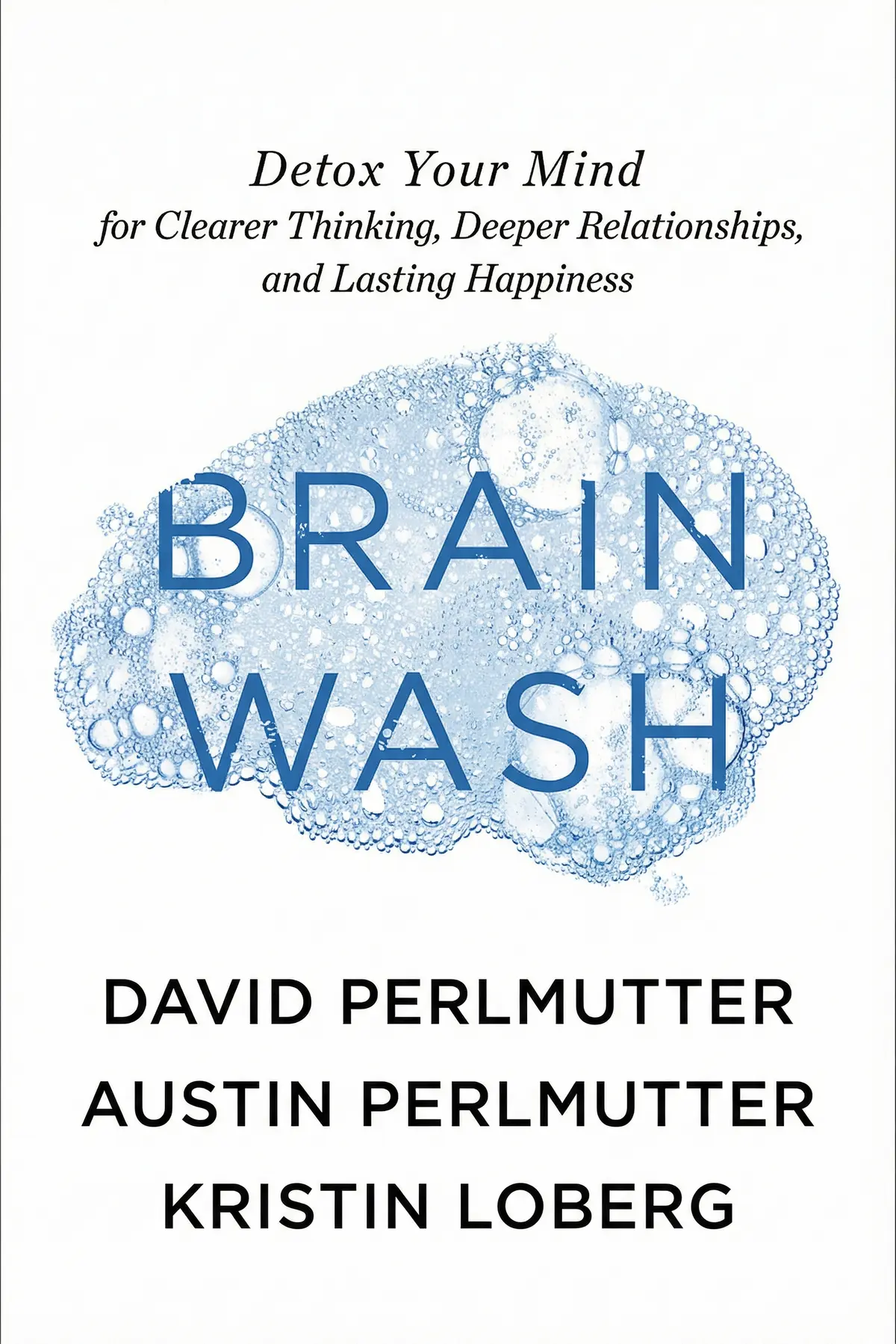
David Perlmutter, born in 1954, earned his medical degree at the University of Miami School of Medicine and is a Fellow of the American College of Nutrition. He has lectured at institutions including Harvard University and Columbia University. In 2002 he received the Linus Pauling Award for his approaches to neurological disorders. His book Grain Brain was a number one New York Times bestseller, Brain Maker also made that list, and he wrote Brain Wash with his son, Austin Perlmutter, MD.
Listeners find the material both educational and accessible, offering an excellent analysis of research regarding uric acid and its vital role in the body. They value its potentially transformative impact and view it as a roadmap for improved well-being, with one listener noting the thorough medical look at preventing illness through dietary choices. The narrative style is highly regarded and listeners find the content deeply engaging, with one review specifically mentioning the intriguing insights regarding coffee. Opinions on the recipes are divided; some listeners find them fantastic while others consider them awful.
After hearing Dr. Perlmutter on a podcast, I knew I had to grab this. It’s wild how we’ve focused on blood sugar for so long while completely ignoring uric acid. The book does a stellar job of explaining how fructose isn't just 'empty calories' but a metabolic trigger that signals our bodies to store fat for a winter that never comes. While some of the science gets a bit dense, the breakdown of how high-fructose corn syrup essentially 'breaks' our satiety signals was a total lightbulb moment for me. I’ve already started tracking my UA levels with a home kit. It’s scary to realize my 'normal' labs were actually in the danger zone for metabolic syndrome. Frankly, this feels like the missing piece of the health puzzle for anyone who eats 'clean' but still struggles with weight or brain fog.
Show moreWow, I never realized that my history with kidney stones was actually a red flag for my entire cardiovascular system. This book is a life-changer because it connects the dots between minor ailments like gout and major risks like Alzheimer’s and diabetes. The 'LUV' (Lower Uric Values) protocol is easy to follow if you're committed to making a real change, and I've already seen a drop in my morning fatigue. I especially loved the segment on how salt intake actually triggers the body to produce its own fructose internally. That was a total 'a-ha' moment for me as someone who loves savory snacks! The writing style is encouraging and clear, making complex biological processes easy for a layperson to grasp. It’s not just a diet book; it’s a guide to understanding how our evolutionary biology is being hijacked by the modern food industry.
Show moreAs a healthcare professional, I've started recommending this to patients who are struggling with stubborn hypertension or 'pre-diabetic' numbers despite traditional efforts. Perlmutter makes a compelling case for why the standard laboratory 'reference range' for uric acid is dangerously high and based on outdated metrics. The way he breaks down the biochemistry of how the liver processes fructose into UA is both brilliant and accessible. It’s rare to find a book that manages to be both a detailed medical examination and a practical guide for the general public. I’ve personally implemented the 24-hour fast and the LUV diet, and my own levels dropped from a 'high normal' 6.2 to a much safer 4.8 in just a month. This is essential reading for anyone interested in longevity and proactive health management.
Show moreDirect and powerful. This book completely changed how I look at my annual blood work and my daily snacks. I had no idea that uric acid was anything more than a 'gout thing,' but Perlmutter shows it’s actually a master regulator of our metabolism. The chapter on the connection between UA and non-alcoholic fatty liver disease was particularly sobering for me. I’ve already cut out sodas and fruit juices, and the brain fog I’ve lived with for years is finally starting to lift. It’s a fast read, well-referenced, and incredibly motivating if you're ready to take control of your health. Don't let the punny title fool you; this is serious science delivered in a way that actually makes sense for the average person.
Show moreFinally got around to reading Perlmutter’s latest, and it’s a worthy follow-up to 'Grain Brain' even if it feels a bit more specialized. He really hammers home the danger of high-fructose corn syrup, linking it directly to everything from gout to cognitive decline through the lens of uric acid. I found the section on 'acid-dropping' foods like tart cherries and broccoli sprouts to be highly actionable and easy to incorporate into my daily routine. My only real gripe is with the recipe section; some of the meals felt unnecessarily complex or used ingredients that aren't easy to find at a standard midwestern grocery store. Despite that, the medical examination into disease prevention is top-notch and provides a clear roadmap for anyone worried about their metabolic health. It's a wake-up call for how we treat our bodies in an environment flooded with cheap sugar.
Show moreThis book provides an excellent breakdown of the recent studies linking uric acid to systemic inflammation. As a longtime fan of Perlmutter’s work, I appreciate how he continues to evolve his theories based on new research into the microbiome and metabolic markers. The focus on the 'thrifty gene hypothesis' helps explain why our bodies are so efficient at storing fat, even when we don't want them to. Look, the diet is restrictive—no way around that—but the science he presents makes it hard to argue against the necessity of these changes. I found the chapter on sleep and its inverse relationship with UA levels to be particularly enlightening, as I usually average only six hours a night. It’s a well-organized read, though I wish there were more budget-friendly alternatives included in the three-week meal plan. Overall, it’s an eye-opening deep dive into a marker most doctors completely ignore.
Show moreEver wonder why you can't seem to lose weight even when you're counting every calorie? This book argues that your uric acid levels might be the hidden switch keeping your body in 'hibernation mode.' I was skeptical at first, but the evidence regarding high-fructose corn syrup's role in this process is pretty hard to ignore. The 3-week plan is a great way to jumpstart a lifestyle change, even if you don't stick to the recipes exactly. I appreciated the specific list of 'acid-dropping' foods to add, rather than just a list of things to avoid. The tone is very 'rah-rah you can do it,' which can be a bit much, but the underlying science is solid. Just be prepared to spend a bit more at the grocery store for the organic eggs and specialty oils he recommends.
Show moreThe core message here—that uric acid is a primary driver of metabolic dysfunction—is absolutely fascinating and well-supported by the cited studies. However, I can't help but feel that the entire premise could have been distilled into a long-form article rather than a full-length book. Much of the text feels like repetitive padding, constantly reminding the reader that a 'new life starts today' without offering fresh insights in every chapter. To be fair, the 'LUV' diet plan is structured well, but it often feels like it's written for people with a lot of time and a massive grocery budget. I appreciated the deep dive into purines and the role of coffee, but I found myself skimming the second half. It’s a solid introduction to a niche topic, but it lacks the information density of something like the 'Code' series by Jason Fung.
Show morePicked this up because I was curious about the catchy title, but it turned out to be a fairly standard health manual with a specific hook. The truth is, we already know sugar and processed foods are bad for us, and adding 'uric acid' as the middleman doesn't change the advice much. I did find the work on coffee and tart cherries fascinating, as I’m always looking for excuses to drink more of my favorite morning brew! However, the constant self-promotion of his other books and his website got a bit annoying after a while. The recipes are hit or miss; the chicken salad with pesto was great, but some of the other 'gourmet' options felt a bit pretentious for a Tuesday night dinner. It’s worth a read if you’re a data nerd who wants to track every single bio-marker, but casual readers might find it a bit repetitive.
Show moreNot what I expected based on the sensationalist title. While I agree that the modern diet is a metabolic disaster, Perlmutter loses a lot of credibility when he starts attributing every form of neurodiversity and mental illness to sugar consumption. It feels like he’s over-extrapolating from limited data to fit a specific narrative he’s been pushing for years. The advice to basically cut out all wheat, most meat, and half of all vegetables is just not realistic for the average person who isn't wealthy. In my experience, these types of 'one-size-fits-all' dietary revolutions do more to cause anxiety than they do to actually heal people. If you’ve read his previous work, you’ve already heard about 70% of this information before. There are some good nuggets about hydration and sleep, but the 'fear-mongering' tone regarding uric acid levels felt exhausting by the end.
Show morePerlmutter argues that uric acid, which the body makes when it breaks down fructose and purines, is linked to many modern health problems, including obesity, diabetes, fatty liver disease, heart disease and dementia. He says it can switch on fat production and long-term inflammation. Because food, drink, sleep and movement shape how much uric acid you make, he presents it as a number you can lower through daily choices.
The usual reference range is often below 7 milligrams per deciliter, a limit set mainly with gout in mind. Perlmutter considers anything above 5.5 high normal and argues that this zone already carries risk. He cites an eight-year study by the American College of Rheumatology linking high uric acid to 16 percent of deaths from any cause and 39 percent of cardiovascular deaths.
The main drivers are added fructose and high-fructose corn syrup, found in soda, desserts, bread, sauces and yogurt, and purine-rich foods such as red meat, oily fish like sardines and organ meats. Perlmutter also flags gluten, refined carbohydrates, MSG, most artificial sweeteners, excess salt and alcohol, especially beer. Acid-dropping choices include tart cherries, broccoli, sprouts and coffee.
LUV stands for Lower Uric Values. It is a three-week plan that starts with a doctor’s check, a baseline test with a home kit and a 24-hour water-only fast. Week one focuses on acid-dropping meals, with unlimited healthy fats, nuts, vegetables and legumes. Weeks two and three add better sleep and regular movement, and week three ends with personal nonnegotiable rules and a weekly review.
Perlmutter cites a 2019 study that found the longer people slept, the lower their uric acid tended to be, which fits the fact that most gout attacks happen at night. A 2017 study of prediabetic adults found that sleeping under six hours raised the chance of diabetes by 44 percent, and under five hours by 68 percent. He suggests keeping phones out of the bedroom.
AUDIO SUMMARY AVAILABLE
Get the key ideas from Drop Acid by David Perlmutter, plus 5,000+ more nonfiction titles.