
15 min 08 sec
Available in: English
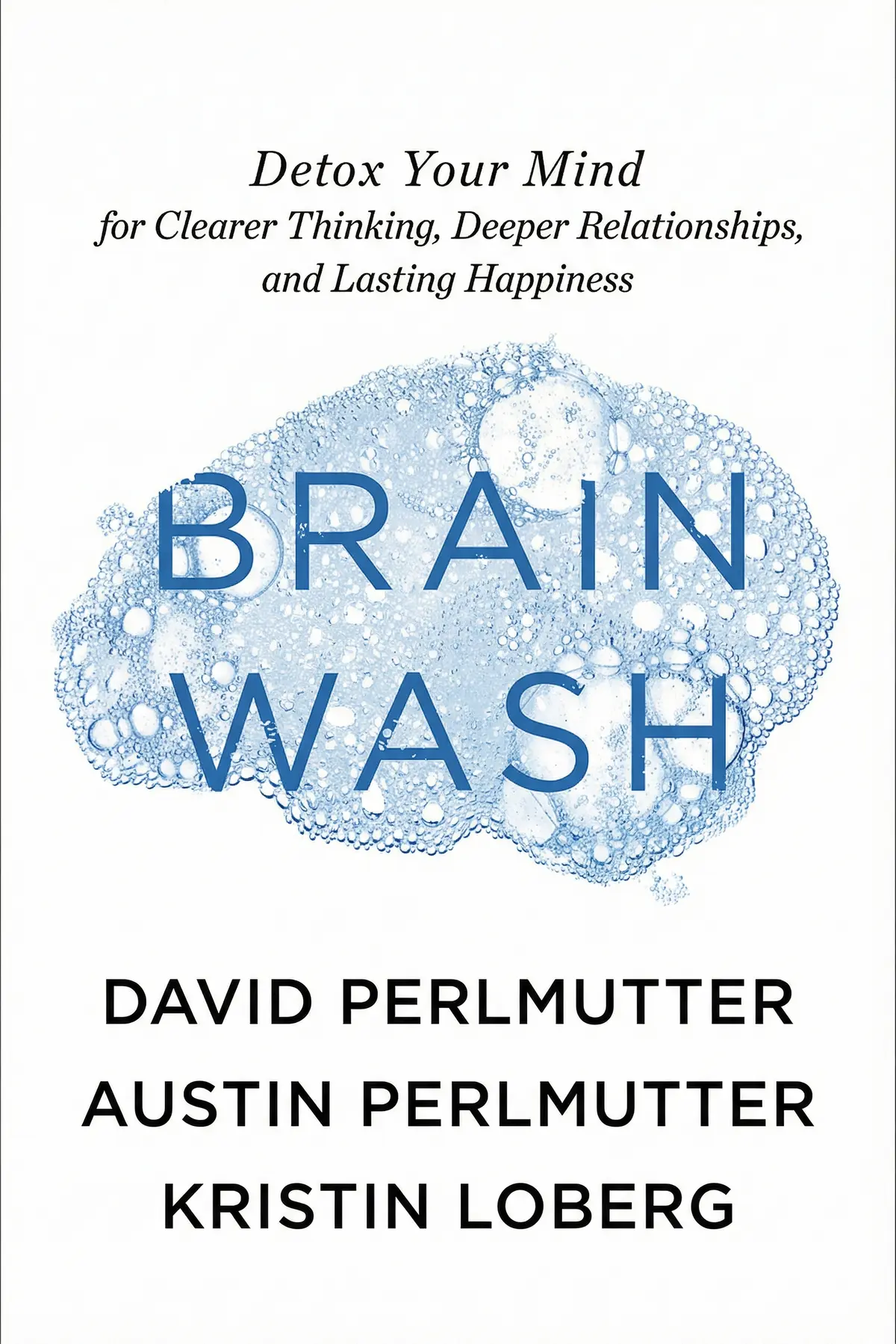
Brain Maker: The Power of Gut Microbes to Heal and Protect your Brain – for Life
Shows how the bacteria in your gut affect your weight, inflammation and brain health, and which everyday changes to food, medicine and home chemicals help the good microbes win.
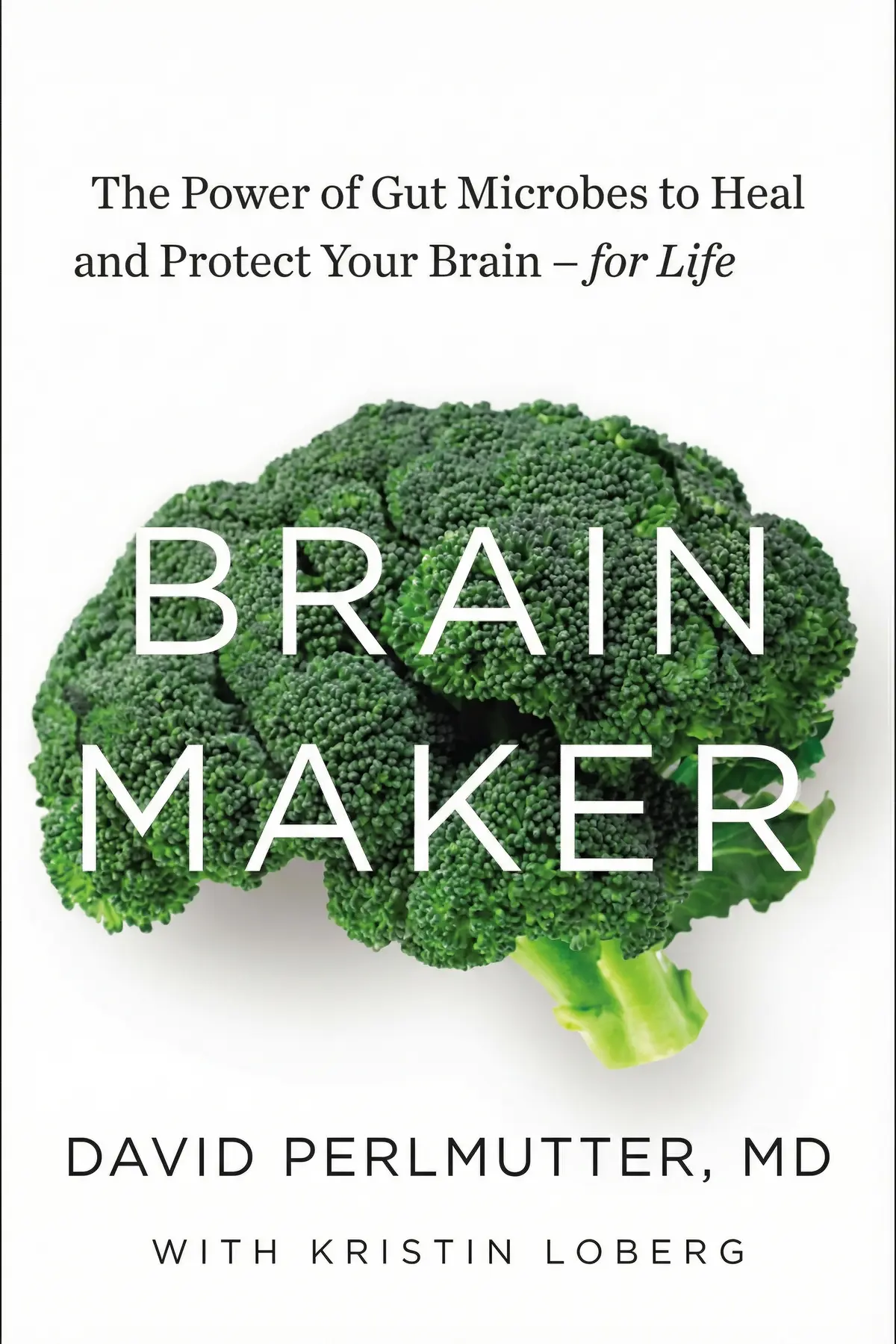
Table of Content
1. Introduction
56 sec
If you think of your stomach and your brain as two separate problems, Brain Maker argues you are missing the link between them. Physician David Perlmutter, writing with Kristin Loberg, makes the case that the bacteria in your gut help set your weight, your level of inflammation and even the health of your brain. Obesity, depression, Alzheimer’s and autism, in the authors’ view, may all be shaped by which microbes win inside your intestines.
The hopeful part is that you get a vote. What you eat, which medicines you take and which chemicals reach your body all tip the balance. That is the thread through everything that follows: protect and feed the good bacteria, and you protect your brain. Along the way you’ll hear why a can of soda strains the liver, how a ten-year-old boy tied his shoes for the first time, and which small changes to your plate and medicine cabinet the authors believe matter most.
2. Understand the bacteria behind your waistline
1 min 42 sec
Two families of microbes make up most of the life in your gut, and one of them is unusually good at squeezing calories from food. A comparison between two continents suggests the balance matters more than you think.
3. Tell helpful inflammation from the harmful kind
1 min 31 sec
The redness around an insect bite is your body protecting you. The same response, left running, is tied to a long list of serious illnesses. Two everyday factors decide whether the alarm switches off.
4. Protect your brain by healing a leaky gut
1 min 25 sec
The brain was long thought to sit safely behind its own barrier. New research described by the authors suggests trouble in the gut can reach it anyway, and you would have no pain to warn you.
5. Healing the gut may ease autism symptoms
1 min 47 sec
A boy who received several rounds of antibiotics as a baby was found, years later, to be missing a whole group of helpful bacteria. When doctors tried to restore them, the treatment brought some real progress.
6. Cut the sugar and gluten that stoke inflammation
1 min 35 sec
One sugar barely moves your blood sugar at all, which makes it look safe. The authors argue it does its harm somewhere else, and that a common protein may be bothering far more people than know it.
7. Protect your microbes from antibiotics and plastics
1 min 57 sec
Antibiotics are among medicine’s greatest gifts, and the authors agree. Their concern is how freely we now use them, and how a chemical once banned as a drug ended up in everyday paper and plastic.
8. Feed good bacteria with fermented food and fasting
1 min 51 sec
Wine, yogurt, sauerkraut and black tea share a process humans have used for thousands of years. The authors pair it with another ancient practice that shifts the balance of bacteria inside you.
9. Add turmeric and coconut oil to everyday cooking
1 min 23 sec
A yellow spice used for thousands of years in Asia is only now being studied in the West. The authors pair it with a common cooking fat they believe may help protect the brain.
10. Conclusion
1 min 01 sec
Brain Maker asks you to see your gut as a garden your brain depends on. Helpful and harmful bacteria compete there every day, and the winners help decide how much inflammation reaches your liver, your blood sugar and, quietly, your brain. What makes the authors’ message hopeful is how ordinary the forces tipping that contest are: a can of soda, an unneeded prescription, a plastic receipt, a bowl of yogurt.
Acting on it does not require a new life. Replace one sugary drink a day with water or a piece of fruit. Keep plain yogurt or sauerkraut in the fridge, and reach for it every time you finish a course of antibiotics. Put a filter jug beside it, and let turmeric and a spoon of coconut oil find their way into your cooking.
None of these changes will feel like much on the day you make them. Their effect, in Perlmutter and Loberg’s account, shows up where you will never feel it directly: in a brain that stays calm because the gut beneath it is in good order.
About this book
What is this book about?
Most of us treat stomach trouble, weight, mood and memory as separate problems. Physician David Perlmutter and writer Kristin Loberg argue that they share a hidden root: the colonies of bacteria living in the gut. Which microbes dominate, they say, helps decide how many calories you absorb, how inflamed your body becomes and whether harmful bacteria can reach the brain. The authors trace a chain running from an imbalanced or leaky gut to silent brain inflammation, which they connect to Alzheimer's, Parkinson's, depression and possibly autism. They describe a Harvard comparison of Western and African gut bacteria, the case of a boy named Jason whose symptoms eased after his gut was treated, and the risks of fructose, gluten, overused antibiotics and chemicals like BPA. The book then turns practical. Readers get a short set of changes the authors favor: fermented foods such as yogurt and sauerkraut, periods of fasting, turmeric, coconut oil, filtered water and probiotics after every course of antibiotics.
Book Information
Who it's for
Worried about brain health
People worried about memory, mood or dementia in their family who want to know what the gut has to do with it.
Stubborn weight or antibiotics
Anyone whose weight resists diets, or who takes antibiotics often.
Parents exploring autism research
Parents curious about the gut research the authors connect to autism.
About the Author
David Perlmutter
David Perlmutter, born in 1954, earned his medical degree at the University of Miami School of Medicine. He is a Fellow of the American College of Nutrition, has lectured at Harvard and Columbia, and received the Linus Pauling Award in 2002 for his approaches to neurological disorders. He also wrote the bestseller Grain Brain. Kristin Loberg is an American author and ghostwriter who has worked on books with Sanjay Gupta, David Agus, Phil Town and Perlmutter himself.


Ratings & Reviews
Ratings at a glance

What people think
Listeners find the material presented in a clear and accessible manner, though one listener points out that the print edition contains more data than the audio version. The book offers a route to improved wellness by detailing the link between the gut and the brain, and one listener reports reversing MS and other illnesses through proper diet. Listeners value the actionable guidance and feel empowered by the content, with one listener labeling it a ground-breaking work of profound importance.
Top reviews
Narut
Wow. This book completely changed how I view my morning yogurt and my overall mental health. Dr. Perlmutter makes a compelling case that our gut is essentially our 'second brain,' and the implications for our cognitive longevity are massive. By focusing on the microbiome, he provides a clear path to better health that feels both empowering and achievable. I loved the specific lists of 'Brain Maker' foods like jicama, garlic, and fermented vegetables. To be fair, some of the claims about reversing serious neurological illnesses sound almost too good to be true, but the research presented is quite extensive. It is a ground-breaking work of profound importance that I'll be recommending to my entire family.
Show moreAom
Picked this up because I’ve been struggling with brain fog and chronic inflammation for years. The results after just three weeks of following the recommended diet are nothing short of miraculous. Who knew that eating more healthy fats like avocado and coconut oil could sharpen my thinking? The book explains the gut-brain axis in a way that is easy to understand without being patronizing. I was especially fascinated by the stories of patients reversing conditions like ADHD and depression simply by fixing their gut. It’s a very practical guide that doesn't just theorize but gives you a literal grocery list for success. Truly an essential read for anyone feeling stuck in a health rut.
Show morePop
To be fair, I initially rolled my eyes at the suggestion that eating more butter and steak could actually protect my brain. We've been told the exact opposite for decades! But the evidence provided in these pages is hard to argue with. Dr. Perlmutter explains the biological mechanisms of how sugar and gluten trigger inflammatory responses that eventually lead to cognitive decline. Since following his advice on intermittent fasting and taking specific probiotic strains like Lactobacillus plantarum, my energy levels have skyrocketed. This isn't just another diet book; it's a manual for protecting your most important organ. I'm honestly shocked at how much better I feel after making these changes.
Show moreWatcharin
Finally got around to reading this ground-breaking work, and the section on Fecal Microbiota Transplantation (FMT) absolutely floored me. The idea that we can literally 'reboot' our health by introducing healthy bacteria is mind-blowing. Perlmutter writes with a sense of urgency that makes you want to go out and buy a jar of pickles immediately. I've read a lot of health books, but few provide such a clear, actionable path toward reversing chronic inflammation. The success stories he shares, like the 12-year-old boy with autism who improved after treatment, are incredibly moving. This book is a must-read for anyone suffering from 'mystery' ailments that traditional doctors can't seem to solve. Five stars!
Show moreJune
The connection between our gut flora and neurological health is something I’ve ignored for too long. Perlmutter presents an impressive amount of data here, far more than you'd get from just listening to a quick podcast on the subject. He is clearly passionate about the urgency of improving our internal ecosystems through diet. However, I have to admit the writing style occasionally feels like one long, breathless infomercial for his specific brand of wellness. Despite that slight annoyance, the practical advice regarding avoiding gluten and sugar is life-changing. I’ve already started making my own kefir and sauerkraut. This is a very informative and excellent read for any health-conscious individual.
Show moreGrace
Ever wonder why your mood shifts so drastically depending on what you had for lunch? This book answers that question by diving deep into the world of Firmicutes and Bacteroidetes. The author does a great job of explaining how our modern, sanitized lifestyle is actually killing the beneficial bacteria we need to stay sharp. I particularly appreciated the recipes for fermented foods included at the end. My only real gripe is that he pushes organic, grass-fed meat so heavily. For a lot of people, that kind of diet is just too expensive or hard to access. Still, the core message about ditching bread and embracing probiotics is solid advice that anyone can use.
Show moreDavid
The chapter detailing the impact of C-sections and the lack of breastfeeding on an infant's future health was a total eye-opener for me. As someone who was born via C-section, it explained so much about my own struggle with allergies and digestive issues. Perlmutter’s writing is clear and the information is presented in a way that makes sense even if you don't have a medical degree. I do think he overstates the benefits of a high-fat diet a bit, and his dismissal of cholesterol concerns is controversial. However, the connection between inflammation and brain health is undeniable. It’s a solid 4-star read that will definitely make you think twice before reaching for that slice of bread.
Show moreJoy
After hearing several podcasts mention Perlmutter, I decided to see if the microbiome hype was justified. There is no doubt that the science of gut bacteria is the next frontier in medicine. The author provides a decent overview of how prebiotics and probiotics can influence our mood and focus. Unfortunately, the tone of the book is often over the top. He uses exaggerated, silly sentences that make the research feel less professional than it probably is. While I agree that eating less sugar is beneficial, I'm not entirely convinced that a fecal transplant is a 'miracle cure' for every ailment under the sun. It is a decent starting point, but stay skeptical.
Show moreDiego
Look, there’s no denying that the core message—eat less sugar and more fiber—is solid advice for anyone. I appreciated the deep dive into how our gut bacteria help produce important brain chemicals like serotonin and GABA. That said, the author’s obsession with avoiding all grains feels a bit extreme and lacks nuanced context. He quotes scholarly research but then leaps to conclusions that seem way ahead of where the science actually is right now. I found the section on fecal transplants interesting but a bit stomach-turning to read about in such detail. It’s a useful book if you can filter out the hyperbole and focus on the practical food recommendations.
Show moreMaria
Frankly, I found the tone of this book to be incredibly unprofessional and bordering on dangerous pseudoscience. While I agree that gut health is vital, Perlmutter makes wild extrapolations that simply aren't supported by the current depth of peer-reviewed medical research. He presents himself as a pioneer, but he comes across more like a quack looking to capitalize on a trend. The way he promises 'miracle cures' for complex diseases like Alzheimer’s is irresponsible and preys on the desperate. If you want real science, you should probably stick to authors like Michael Pollan or Giulia Enders instead of this snake oil. It’s a classic case of taking a grain of truth and blowing it into a marketing campaign.
Show moreQuestions about this book
What is the main idea of Brain Maker?
David Perlmutter and Kristin Loberg argue that the bacteria living in your gut strongly influence your weight, your level of inflammation and the health of your brain. An imbalanced or leaky gut, they say, can let harmful bacteria trigger silent brain inflammation, which they link to Alzheimer’s, Parkinson’s, depression and possibly autism. Food, medicine and everyday chemicals decide which bacteria win.
How do gut bacteria affect weight according to Brain Maker?
Two bacterial families make up about 90 percent of the gut microbiome. Firmicutes are good at extracting calories from food, while bacteroidetes break down plant fibers and starches. The authors describe a Harvard comparison in which Westerners carried more firmicutes and Africans more bacteroidetes, and suggest that an excess of firmicutes may contribute to obesity in the West.
What foods does Brain Maker recommend for gut health?
The authors favor fermented foods such as unsweetened yogurt and sauerkraut, which supply probiotic bacteria that they say the body absorbs better than supplements alone. They also recommend turmeric, whose compound curcumin helps steady blood sugar, and coconut oil, used instead of canola oil or taken at one to two teaspoons a day. They advise cutting back on fructose-heavy drinks and, for sensitive people, gluten.
What does Brain Maker say about antibiotics?
The authors accept that antibiotics save lives but argue they are heavily overused, citing about 258 million courses prescribed in the United States in 2010, often for colds. Overuse breeds resistant bacteria and kills helpful gut microbes. Their advice is to follow any course of antibiotics with probiotics from foods like yogurt or sauerkraut to help the gut recover.
Who should read Brain Maker?
It suits readers concerned about their memory, mood or family history of dementia, people whose weight has not responded to diets, and anyone who takes antibiotics often. Parents interested in the gut research linked to autism will find the case of a boy named Jason, whose anxiety eased after doctors rebuilt his gut bacteria with probiotics and vitamins.
Featured in
Readers also enjoyed









AUDIO SUMMARY AVAILABLE
Listen to Brain Maker in 15 minutes
Get the key ideas from Brain Maker by David Perlmutter, plus 5,000+ more nonfiction titles.
- 5,000+ titles
- Listen as much as you want
- 7-day free trial
- Cancel anytime









