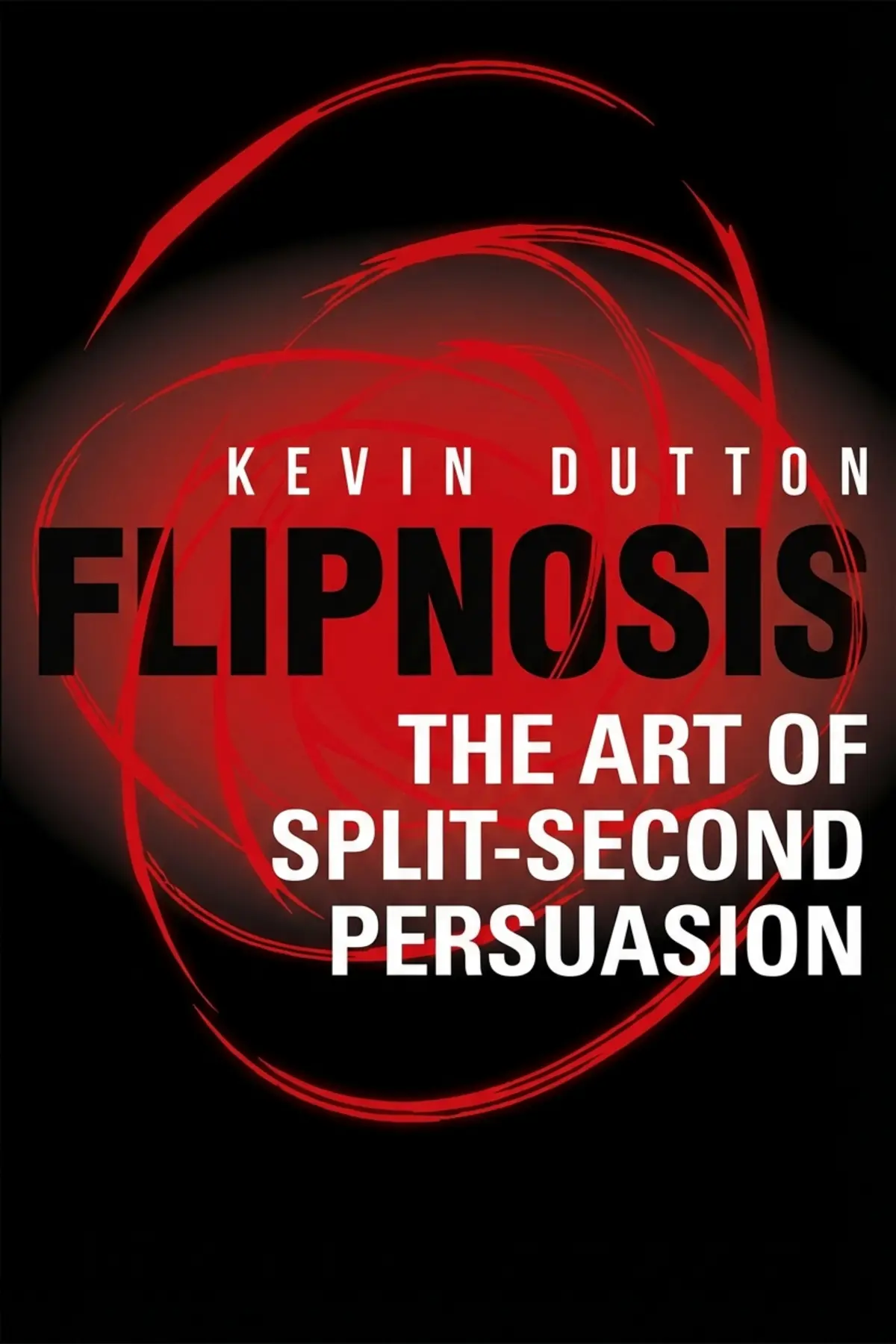
Flipnosis: The Art of Split-Second Persuasion
Kevin Dutton
 English
Shows why the human brain sorts the world into either-or boxes, how that habit fuels stereotypes, tribalism and persuasive slogans, and how to find the gray between too few categories and too many.
1 min 00 sec
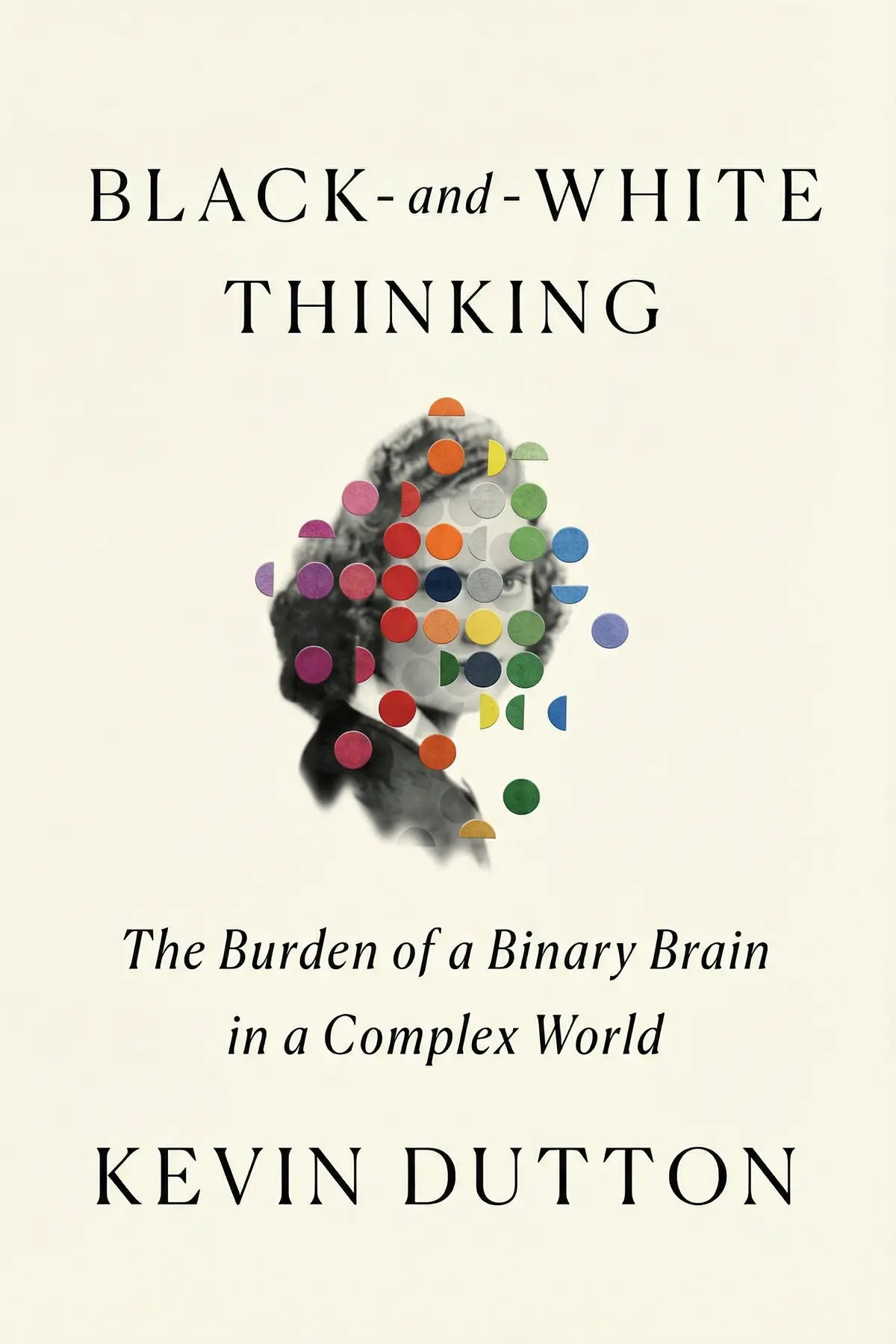
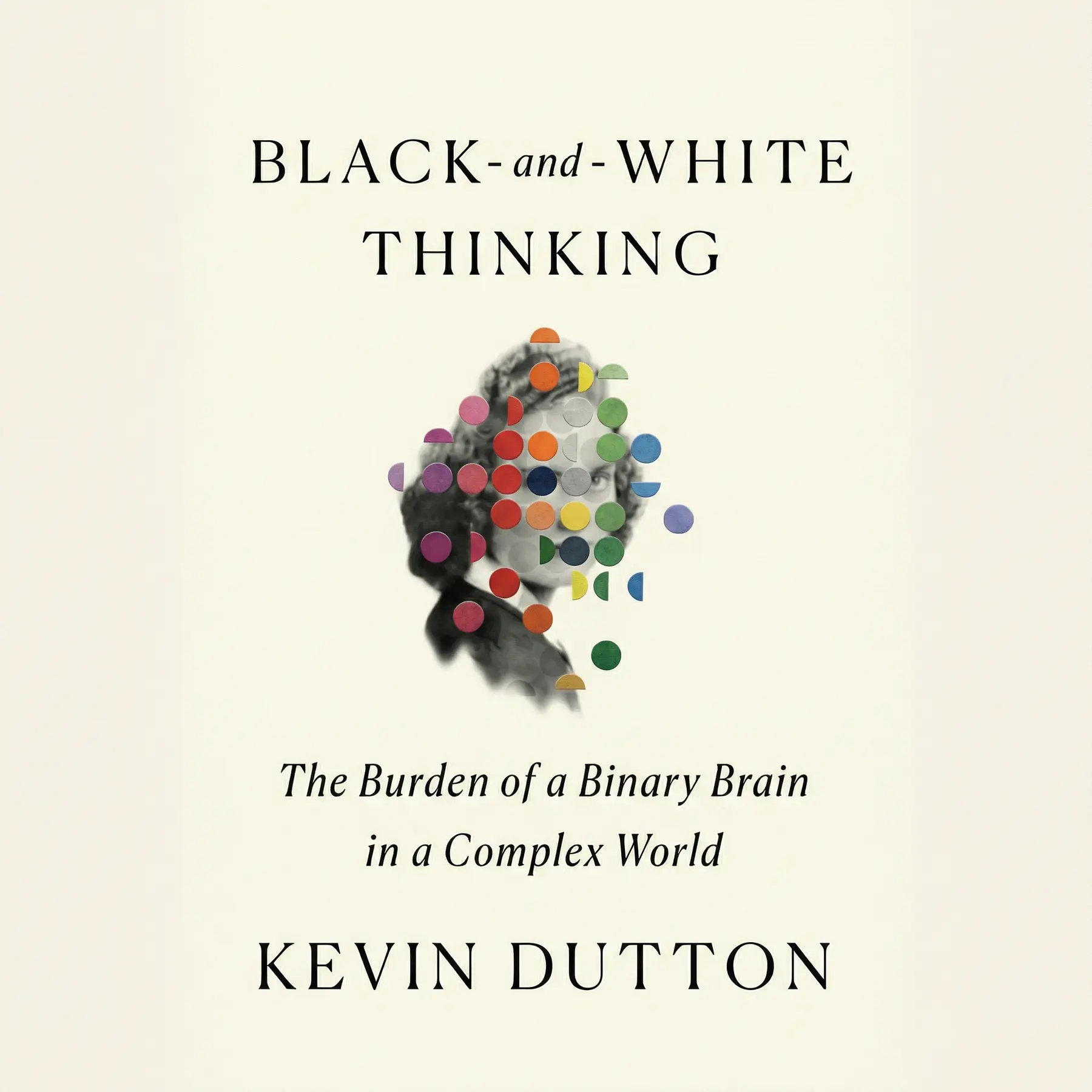
Arguments that split into two camps who cannot hear each other say something about how every human brain is built. In Black-and-White Thinking, British psychologist Kevin Dutton shows that we start sorting the world into boxes as infants, and that evolution gave us three especially strong splits: fight or flight, us or them, right or wrong. Those splits kept our ancestors alive. In a world full of gray, they now feed stereotypes, tribal blindness and slogans that win votes.
Dutton’s answer is balance: enough categories to see detail, not so few that everything becomes a cartoon, plus the habit of spotting the binaries hidden in other people’s arguments. The evidence runs from a Welsh hill that villagers turned into a mountain to a soccer manager who cut his season into four-game blocks, and a single word that picked most Australian election winners. What you gain is an ear for oversimplification, your own included.
1 min 39 sec
Babies only four months old already react differently to one kind of animal than another. That early reflex shaped our ancestors’ survival, and it still decides more of your snap judgments than you might expect.
1 min 47 sec
A few feet of rock separate a hill from a mountain, and a single grain of sand separates a heap from a pile of nothing. The same puzzle sits inside laws that decide matters of life and death.
1 min 43 sec
Hoarders and people who stereotype seem to have nothing in common. Dutton argues they share one mistake from opposite directions, and an English soccer manager found a way to sit between them.
1 min 44 sec
Shown a cat slowly morphing into a dog, some volunteers in the 1940s never saw the dog at all. What set them apart says a lot about leaders, activists and the decisions in front of you.
1 min 33 sec
In a shooting simulation, people pulled the trigger faster depending on who appeared on screen. Yet a simple piece of clothing at a football game shows that the categories driving such reactions can be overruled.
1 min 40 sec
Weather forecasts now warn of Frankenstorms and a lipstick shade is called Gash. A week-long experiment with students suggests this inflated vocabulary does more than add drama to everyday life.
1 min 43 sec
One political slogan, a newspaper column about a veil and decades of Australian campaign speeches all lean on the same hidden machinery. Once you can hear it, persuasive arguments start to sound very different.
1 min 16 sec
What Dutton describes is a mismatch. The splits that served our ancestors were built for a small world of sudden dangers. Then culture and language grew enormously in a short span, and our brains did not keep up. We now carry a binary brain through a world that is mostly gray, and anyone who wants our votes, money or anger knows which switches to press.
His answer is to see the boxes clearly while keeping them. His own exercise is to find the Sorites paradox inside an argument, on both sides of it. He describes Hamza Choudhury, a Bangladeshi-British footballer who has faced a great deal of racial abuse. Choudhury had tweeted a crude racial joke at 15, and he was fined several thousand pounds and sent on an education course. Dutton asks whether that punishment was right, and at what age a person becomes accountable: five, seven, 12. Working out where the line falls for your view and for the other side, he says, sharpens your reasoning.
Smaller habits follow from the rest of the book: review work in mid-sized blocks, choose moderate words, and notice who keeps saying we. The world will keep handing you two boxes. Clear thinking starts in the space between them.
Public debates keep collapsing into two camps, each sure the other is wrong. Psychologist Kevin Dutton argues that this is no accident of the moment. One of the first skills a human brain picks up is sorting the world into categories, and evolution handed us three especially powerful divisions: whether to fight or flee, whether someone is one of us or one of them, and whether something is right or wrong. They helped our ancestors survive. In a world of gray areas, they misfire. Dutton draws on studies from infant labs, a famous cat-to-dog drawing experiment, a shooting simulation, interviews with football fans and his own experiment on extreme adjectives. He shows how people sort too finely or too loosely, why some crave certainty while others welcome ambiguity, how group loyalty bends what we see, and how inflated language narrows our thinking. He also explains how campaigners use the old binaries to persuade, a technique he calls supersuasion. Readers get a clear model of why oversimplification feels so natural, plus practical tests: finding the point where a sharp line stops making sense, choosing the right scale for a problem, and naming the frame hidden inside an argument before it does its work.
Professionals tired of debates at work or online that collapse into two hostile camps.
Team leads trying to unite mixed groups and avoid snap judgments about people.
Curious listeners who want to see how slogans, framing and extreme language shape what they believe.
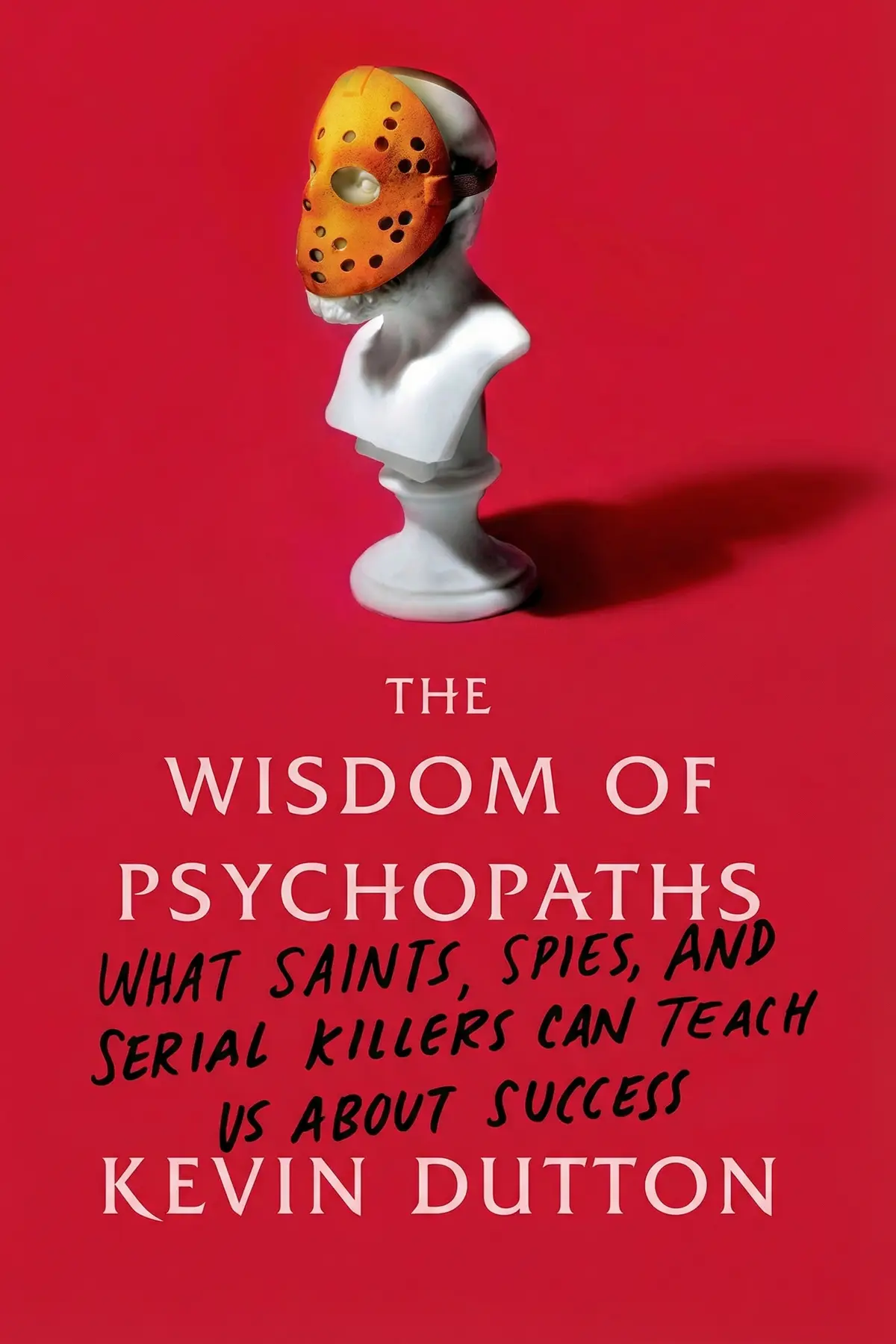
Kevin Dutton, born in 1967, is a British psychologist and writer who specializes in the study of psychopathy and also works on persuasion. He has been a researcher in the Department of Experimental Psychology at the University of Oxford and a member of its Oxford Centre for Emotions and Affective Neuroscience research group. He has published in scientific journals and spoken at conferences around the world. His other books include The Wisdom of Psychopaths and Flipnosis, about split-second persuasion.
Listeners find the book’s exploration of dualistic logic to be highly stimulating, though perspectives differ regarding the author’s winding narrative and his use of political stories. Many listeners value how the text applies evolutionary biology to clarify why human minds naturally revert to basic categories. Furthermore, the observations on framing and cognitive dissonance are considered deeply educational. Listeners also highlight the quality of the included citations, with one listener noting that the work effectively encourages people to move past inflexible mindsets and instead welcome the complexities of the "gray areas" of life.
Finally got around to reading this and it’s easily one of the most relevant books of the decade. The exploration of the binary brain is groundbreaking stuff that everyone should understand. Dutton explains how detecting risk used to be black and white, but our current world is full of nuance we aren't wired for. Not gonna lie, I was gripped from the very first page to the end. It is a masterclass in understanding cognitive dissonance and why we struggle to see the other side of an argument. This should be required reading in schools.
Show moreAs someone who struggles with seeing the middle ground, this was a complete revelation for my personal growth. I’ve always been a categorical thinker, and this book helped me realize that it’s just my evolutionary hardwiring acting up. The research on Kahneman and Tversky’s loss avoidance was integrated into the narrative beautifully. It’s a well-written guide to training your brain to embrace the complexity of the gray matter in life. Highly recommended for anyone interested in the why behind human behavior and our constant need for simplistic categories.
Show moreIn an era of increasing extremism, this is the psychological manual we desperately need to read. Dutton pulls back the curtain on the mind’s machinery with incredible precision and wit. I loved the super categories framework—fight or flight, us vs them, and right or wrong. It’s an uplifting guide that motivates you to move beyond simplistic stereotypes and actually think for yourself. Frankly, this is going on my must-read list for the year because it explains the world so well. Seeing the gray really does matter more than ever now.
Show moreAfter hearing Dutton on a podcast, I had to grab the book to see if the hype was real. It is a thought-provoking look at how our ancestors’ survival mechanisms now cause modern chaos. The way he breaks down right or wrong as a mental shortcut is brilliant and really made me reflect on my own life. Some of the narrative paths are a bit winding, sure, but the payoff in the final chapters regarding the gray area makes it worth the effort. It definitely changed how I view my snap judgments in daily life and made me more empathetic toward others.
Show moreThis book is essentially a wake-up call for anyone currently trapped in rigid ideologies or social media echo chambers. Using evolutionary biology to explain modern extremism is a clever angle that offers much-needed perspective on our behavior. I found the sections on linguistic determination and George Orwell especially relevant to today's political climate. While he does meander into personal politics occasionally, the core message about escaping binary traps is too important to ignore. It is a dense read, but deeply informative if you have the patience to stick with the author's wandering style.
Show moreWait, why do we keep drawing lines where none exist in the real world? Dutton answers this by looking at our 'chessboard' environment of the evolutionary past. The writing is accessible, which I appreciated since neuroscience can often be dry and impenetrable to laypeople. Look, it’s not perfect—there are some repetitive sections that could have been trimmed down quite a bit. But the appendices alone are worth the price of admission for the cognitive closure tests. It really makes you question your own biases and why you categorize people the way you do.
Show moreEver wonder why we are so incredibly polarized in the modern world? Dutton attempts to explain our cognitive drive to pigeon-hole everything into neat, manageable buckets using evolutionary psychology. To be fair, the research on framing and the three super categories of survival is genuinely fascinating to read. However, the middle section of the book drags significantly with anecdotes that don't always feel relevant to the core science. It’s a solid read that could have been a masterpiece with a tighter narrative. Personally, I found the appendices more useful than several of the actual chapters.
Show moreThe concept of the 'uncertainty reduction engine' is probably the most insightful part of the entire text. I appreciated the deep dive into how smartphones and social media exacerbate our evolutionary instincts for categorization. But frankly, the book falls into the very trap it warns against by being quite one-sided in its choice of political examples. It is a bit of a mixed bag for me. It’s good for beginners to psychology, but might feel too basic for those already familiar with cognitive dissonance theory. I wanted more depth and fewer stories about the author's personal views.
Show morePicked this up because I enjoyed 'The Wisdom of Psychopaths,' but this one missed the mark for me. The concept of the binary brain is okay, but the writing is incredibly repetitive and slow. He keeps hammering the same points about us vs them without offering any real actionable solutions for the reader. If you have already read Kahneman or Tversky, you’ve seen most of this research presented much better elsewhere. To be fair, it’s not a total loss, but it definitely needed a more aggressive editor to trim the fat and keep the narrative focused on the science.
Show moreI really wanted to love this, but it felt like a massive chore to get through. The core thesis is simple: we categorize to survive, but sometimes it causes issues. Dutton stretches this one-sentence idea across 400 pages filled with meandering stories. While the evolutionary biology bits are interesting at first, the book stays on a basic level for way too long. Truth is, there is probably an article out there that conveys this information in a tenth of the time. Plus, the political bias and the author’s fixation on specific anecdotes felt distracting and unnecessary.
Show moreDutton argues that the brain evolved to sort the world into categories from infancy onward, and that three ancient binaries still dominate us: the choice to fight or flee, the split between us and them, and the divide between right and wrong. These helped our ancestors survive, but in a complex world they feed stereotyping, tribalism and extreme thinking. The aim is balance: neither too many categories nor too few, and an eye for the binaries inside arguments.
The Sorites paradox asks when grains of sand become a heap: one grain is not a heap, and adding one grain never seems to make one, so where is the line? Dutton shows the same puzzle inside laws, such as the 24-week abortion limit in the UK, and recommends finding the paradox on both sides of any argument to sharpen your reasoning.
Dutton uses the term supersuasion for persuasion that draws on the three evolutionary binaries, which are fight or flight, us or them, and right or wrong. He found all three in one opinion piece about banning the niqab in France. He also cites Nik Steffens, who found that in 34 of 43 Australian elections the candidate who said we and us more often won.
Test sharp rules by asking what changes one small step either side of the line. Review projects in mid-sized blocks, as soccer manager Eddie Howe did with his four-game mini-seasons. Swap extreme words for moderate ones, since Dutton’s student experiment linked extreme adjectives to more black-and-white perception. And when someone tries to persuade you, name the frame they are using.
No. Dutton says that neither a strong need for certainty nor a love of complexity is simply good or bad. Labeling all cancer cells as bad is perfectly sensible, and in uncertain times decisive thinkers have a role. He points to Greta Thunberg’s view of climate action as a blunt either-or that can push people to act.



Steven C. Hayes


Deborah Gruenfeld


Anthony Pratkanis



AUDIO SUMMARY AVAILABLE
Get the key ideas from Black-and-White Thinking by Kevin Dutton, plus 5,000+ more nonfiction titles.