

A Promised Land
Barack Obama
 English
 ไทย
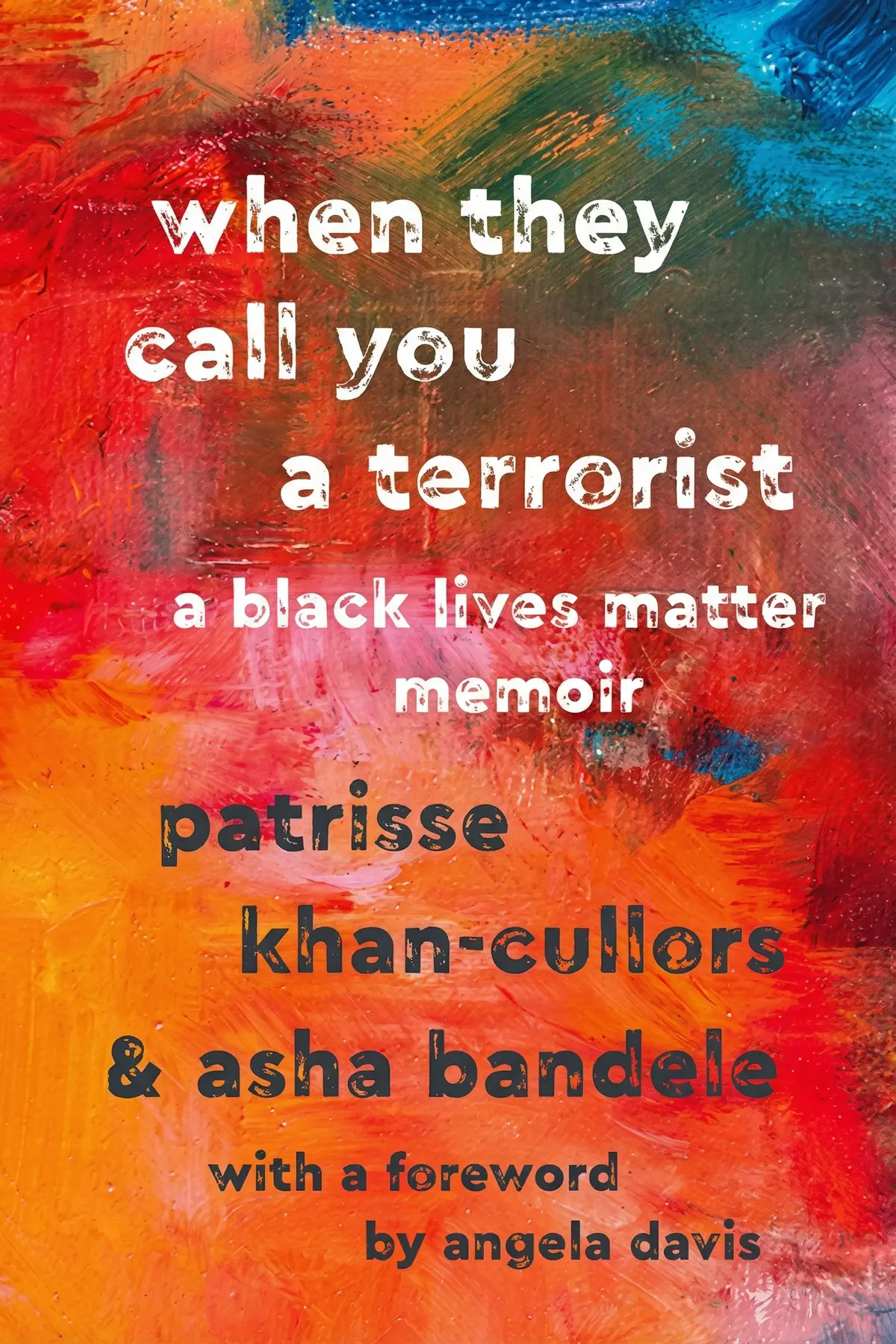
A memoir that traces the hunger, school arrests, job losses and prison sentences in one Los Angeles family, and shows how those experiences led Patrisse Khan-Cullors to help start the Black Lives Matter movement.
1 min 05 sec
Most people meet stories of police violence one headline at a time, each death argued over as if it stood alone. In When They Call You a Terrorist, Patrisse Khan-Cullors, who helped start Black Lives Matter, argues with journalist Asha Bandele that those headlines are the visible edge of something far larger. Her own family lived inside it long before any camera arrived: a refrigerator left broken for over a year, a brother searched in an alley at twelve, a father and a brother locked up when, in her view, they needed treatment.
The throughline is simple to say and hard to hear. The troubles people blame on Black families are produced by systems of policing, schooling, work and prison, and the movement she co-founded grew from learning that those systems can be fought. Follow her from a Los Angeles childhood to the 2013 verdict that pushed her into organizing, and you will be able to explain why a slogan became a movement, and what it actually asks for.
1 min 40 sec
A nine-year-old girl watched officers line her brother and his friends up against a wall beside her home. What the boys had done, and what happened to the family afterward, shaped everything she later fought for.
1 min 40 sec
Two schools, the same twelve-year-old, the same small offense. In one building nothing would have happened at all. In the other, an officer arrived two days later, and her classmates watched what came next.
1 min 55 sec
A stepfather walked out on his family, and a father spent years in recovery meetings. Most people would call both men failures. Khan-Cullors asks a different question about each of them, one their own programs never asked.
1 min 52 sec
One man won years off his sentence by agreeing to do something most people would refuse. Another went into prison sick and came out far worse. Both were members of the same family.
1 min 53 sec
A shouted argument with a stranger left a sick man facing the rest of his life in prison. His sister turned to friends and family to fund a defense lawyer. What she did next changed how she saw herself.
1 min 45 sec
The movement began with a single verdict, then grew far wider within its first year. Its founders also made a choice about leadership that many outsiders overlook, and Khan-Cullors believes justice depends on it.
1 min 16 sec
Khan-Cullors’s memoir ends where her organizing begins, and its force comes from accumulation. A broken refrigerator, a twelve-year-old in handcuffs, a mechanic whose plant closed, a gentle father fighting wildfires for his freedom, a sick brother charged with terrorism: each could be waved away as one family’s bad luck. Laid side by side, they show policing, schools, jobs and prisons pressing on the same lives from every direction. Black Lives Matter is her response, a demand that those systems stop treating Black people as threats, made on behalf of every Black person, trans women among them.
The book also changes how a listener reads the news. When the next story of a police killing appears, look past the single incident to what surrounds it: the school, the lost job, the prison, the care that never came. When someone’s failure is explained by character alone, ask what was taken from them first. And keep in mind the 10,000 dollars gathered from friends and family, which pulled a brother back from a life sentence.
The word used against Monte now stands on the book’s cover. What his sister did next helped start a movement.
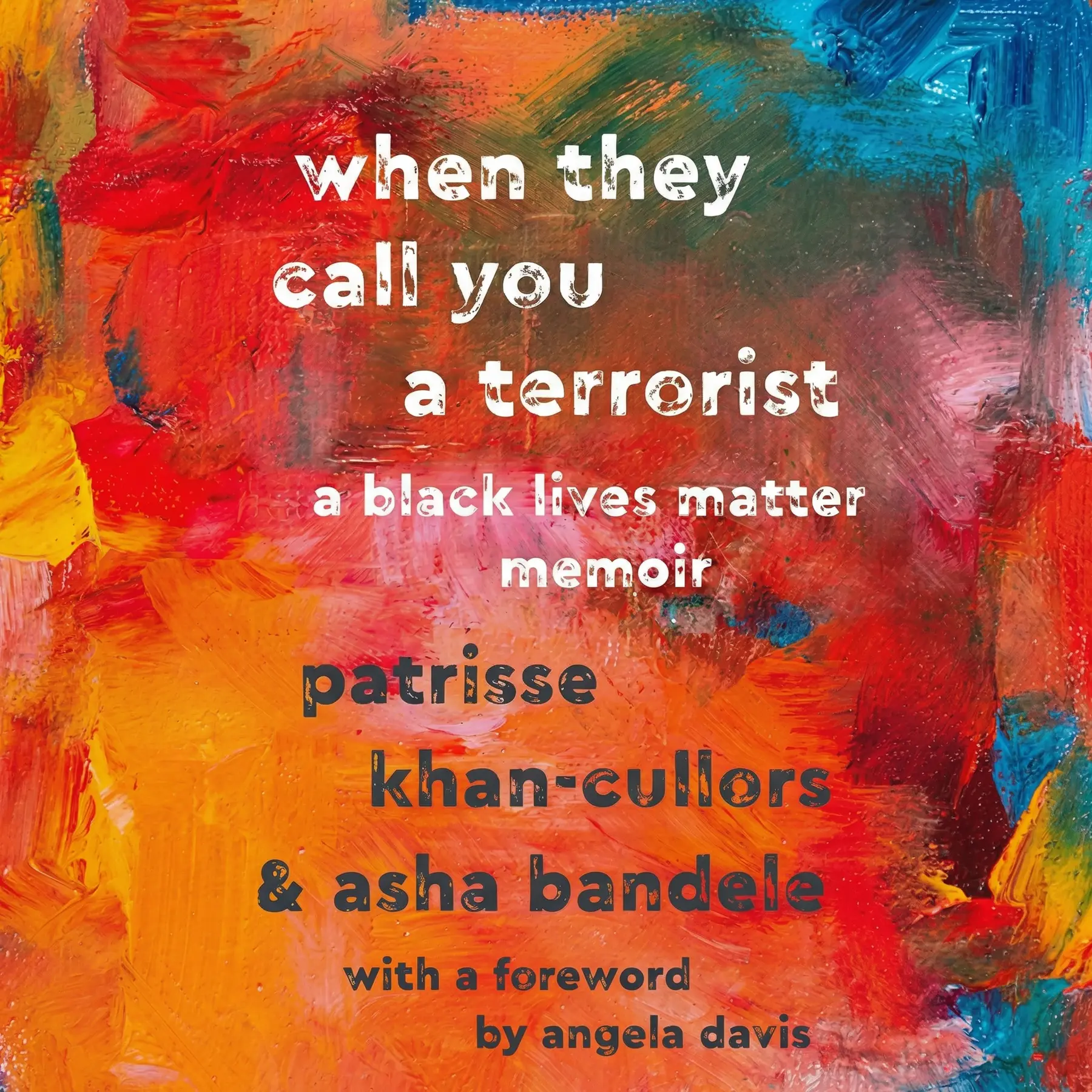
News stories about Black Americans killed by police usually arrive one at a time, each debated as if it stood alone. Patrisse Khan-Cullors, writing with journalist Asha Bandele, argues that these deaths are the visible edge of something much larger, and she proves it with her own family's story. She grew up in 1990s Los Angeles with a mother working sixteen hours a day, a refrigerator left broken for over a year and brothers searched and arrested by police from their early teens. She was handcuffed at school at twelve. Her stepfather lost his factory job and left. Her gentle, addicted father and her mentally ill brother both went to prison, where her brother was held in solitary and denied his medication. When he was later charged with terrorism for shouting at a woman, she fought back and won. That fight, and the 2013 acquittal of Trayvon Martin's killer, led her to co-found Black Lives Matter. Readers come to see how policing, schools, work and prisons press on the same lives, and what the movement she started demands, including its commitment to every Black person.
Readers who see headlines about police killings and want to understand the lives and systems behind them.
Teachers, managers and parents who want to recognize how unequal discipline shapes children.
Anyone curious about how Black Lives Matter began and what it actually demands.
Patrisse Khan-Cullors, born in 1984, is an activist who helped start the Black Lives Matter movement. This memoir, first published in 2018, became an instant New York Times bestseller. Her co-author, Asha Bandele, is an author and journalist and a former features editor at Essence Magazine. Bandele's own memoirs, The Prisoner's Wife and Something Like Beautiful, tell of her marriage to a man serving twenty years to life and of how that relationship was later lost.
Listeners find this memoir to be an essential read that engages from the very first page, with one noting that the narrative flow resembles a novel. The work is eye-opening and profound; specifically, one listener mentions how it aids in comprehending African American experiences. Additionally, the prose is expertly composed, with listeners characterizing the account as sincere, moving, and stunning.
Wow. This book hit me like a physical weight from the very first page, and I couldn't put it down. Khan-Cullors and Bandele have created something that feels less like a dry political text and more like a haunting, beautiful novel. The descriptions of her childhood in Los Angeles, watching her mother work multiple jobs while the police terrorized their neighborhood, are simply gut-wrenching. It is an honest and powerful look at how the state treats Black bodies as disposable. I was particularly moved by the raw vulnerability she showed when discussing her brother Monte’s mental health struggles and his experiences behind bars. This isn't just a memoir about a movement; it’s a story about the fierce love that sustains people through absolute horror. Every single person in this country needs to read this to understand the true roots of the Black Lives Matter movement.
Show moreEver wonder what it actually looks like to build a global movement from the ground up? This memoir provides a captivating answer while remaining deeply rooted in the soil of Van Nuys. Khan-Cullors doesn’t just tell us why Black lives matter; she shows us the lives that shaped her, from her hardworking mother to her brilliant, struggling brothers. The writing style is lyrical and evocative, making the most painful scenes of police brutality feel visceral and immediate. I was especially struck by how she credits her intellectual and emotional support systems throughout her journey. It’s a beautiful testament to chosen family and the power of organizing. The truth is, this book changed how I view the news and the legal system entirely. It is a mandatory text for anyone who claims to care about human rights in the 21st century.
Show morePicked this up for a book club and was absolutely blown away by the sheer honesty on display. The authors do an incredible job of humanizing the statistics we see on the news every day regarding mass incarceration. Hearing about Patrisse’s childhood—how she was punished in school for things white children would get a pass for—was eye-opening. The book is powerful and frequently infuriating, especially when it quotes the Nixon-era architects of the drug war who admitted to targeting Black communities. It’s a thought-provoking look at how language is used to brand activists as terrorists while ignoring the state-sponsored violence they are fighting against. I finished it in two sittings because the narrative flow is just so compelling. This is a vital piece of modern literature that bridges the gap between the personal and the political flawlessly.
Show moreAs a non-Black person of color, reading this was a humbling and deeply necessary experience. It challenged me to look at my own complicity in systems of white supremacy and how I can better support my Black siblings. The authors write with a level of vulnerability that is rare, especially when discussing the intersection of mental illness and the criminal justice system. The way Patrisse describes Monte’s descent and the state’s refusal to provide actual care is a tragedy that happens every day. This book is a powerful reminder that the 'terrorist' label is often used to silence those who are simply demanding the right to exist. The prose is beautiful, almost poetic at times, which makes the harsh reality of the subject matter even more striking. It’s a captivating story of resilience and the transformative power of love and community.
Show moreThis memoir is a masterclass in truth-telling and one of the most honest books I’ve read in years. Khan-Cullors and Bandele have a way with words that makes even the most complex systemic issues feel deeply personal. I was captivated by the history of the movement, but I was even more moved by the story of a girl trying to keep her family together. The chapter on her brother being shot at by police while he was in a mental health crisis was absolutely soul-crushing. It’s a thought-provoking work that demands you pay attention to the world around you. To be fair, it’s a difficult read emotionally, but the insight it provides is invaluable for understanding the Black experience in America. Powerful, beautiful, and absolutely essential for our times. I can’t recommend it enough.
Show moreKhan-Cullors doesn't hold back in this stunning memoir that is both a scream of rage and a song of hope. The way she documents her family’s history of being targeted by the state is both terrifying and tragically common. I was particularly struck by the Angela Davis introduction which sets the stage for a book that refuses to be polite about injustice. This is a powerful, thought-provoking journey through the life of a woman who chose to fight back instead of being crushed. The truth is, we often see these activists as icons, but this book reminds us they are daughters, sisters, and friends first. It’s an honest, well-crafted account of what it means to be Black in America today. If you want to understand the heart of the movement, you must start here. It is absolutely captivating and necessary.
Show moreThe way Patrisse weaves together her personal trauma with the broader systemic failures of the American carceral state is truly well-crafted. I found the sections regarding her brother’s treatment in prison to be some of the most difficult, yet necessary, things I have ever read. Truth be told, there were moments where the transition from personal anecdote to political theory felt a little abrupt, which broke the immersion for a second. However, the poetic force of her writing quickly pulls you back into the narrative. It’s an enlightening read that forced me to interrogate my own biases and the privileges I carry as someone who has never feared the police. This book is a masterclass in how to connect the individual heart to the collective struggle for justice. Definitely worth the time for anyone looking for a thought-provoking perspective on modern activism.
Show moreFinally got around to reading this and it lived up to the hype, though it’s definitely a heavy read. The memoir is exceptionally well-crafted, blending a coming-of-age story with a manifesto for social change. I appreciated the specific details about her upbringing in LA and the way she described the constant surveillance her community faced. Not gonna lie, some of the descriptions of her brother's abuse at the hands of the police were so vivid they were hard to stomach. It really highlights the depth of anti-Blackness in America in a way that data points never could. My only minor gripe is that the second half felt a bit rushed compared to the deeply detailed childhood sections. Still, it’s an enlightening book that provides much-needed context for the movement. Everyone should have a copy on their shelf.
Show moreHonestly, I wasn't expecting this to read so much like a novel, but the narrative arc is incredibly strong. It’s an enlightening look at the foundations of Black Lives Matter and the women who sparked the fire. I loved the focus on Patrisse’s mother and the silent sacrifices she made; it added such a rich layer of humanity to the activist we see today. However, I did feel like some of the criticisms about the movement’s internal struggles were a bit glossed over. The book focuses heavily on the external threats, which is understandable, but I would have liked more about the complexities of organizing within queer circles. Regardless, the writing is well-crafted and the message is undeniably powerful. It’s a captivating read that will stay with me for a long time.
Show moreI have so much respect for the work Patrisse Khan-Cullors has done for the movement, but I had some complicated feelings about this memoir. On one hand, the prose is stunning and the history of BLM is vital to understand. On the other hand, it felt a bit disjointed how much space was given to the men in her life compared to her queer identity. I was surprised that for a book written by a queer woman, the most deeply explored romantic relationship was a heteronormative one. Also, while her brother Monte clearly suffered immense trauma, I felt she glossed over the harm he caused to the women in his life during his episodes. Frankly, it felt like she was excusing toxic behavior in a way that didn't quite align with the feminist values she champions elsewhere. It’s an important book, but I expected more focus on the complexities of queer Black womanhood.
Show moreIt is the memoir of Patrisse Khan-Cullors, written with Asha Bandele, about growing up poor in 1990s Los Angeles under constant police pressure. She describes her own arrest at school at twelve, her stepfather losing his factory job and her father and brother going to prison. Those experiences, and the 2013 acquittal of Trayvon Martin’s killer, led her and other activists to start Black Lives Matter.
The word appears in the most dramatic episode of the memoir. Khan-Cullors’s brother Monte, who had schizoaffective disorder, shouted angrily at a white woman during a breakdown without physically harming her. He was charged with terrorism and, under California’s three-felony law, faced life in prison. His sister raised 10,000 dollars for a defense lawyer, and his sentence was substantially reduced.
Khan-Cullors argues that the state would rather imprison sick people than treat them. Her brother Monte served five years for attempted robbery despite serious mental illness, was kept in solitary confinement and was denied medication, and came out much worse. She notes that American prisons hold more people with mental illness than all the country’s psychiatric institutions combined.
The movement began as a response to George Zimmerman’s acquittal and quickly focused on ending police violence against Black people. Khan-Cullors cites California figures showing police kill someone every 72 hours, with Black and Latino people making up 63 percent of victims. She stresses that inclusion is equally central, including the leadership of Black transgender people and attention to violence against Black trans women.
The book offers a way of looking at hardship. Before calling someone a failure, as people might call a father who left or a man with an addiction, ask what pushed them there: a factory closing, a neighborhood without mentors, a school that punishes some children harder than others. It also shows that ordinary people, pooling resources, can change outcomes inside an unjust system.
Barack Obama


Masaji Ishikawa


Ben Macintyre

Fay Bound Alberti


Daniel Goleman

James Shapiro

AUDIO SUMMARY AVAILABLE
Get the key ideas from When They Call You a Terrorist by Patrisse Khan-Cullors, plus 5,000+ more nonfiction titles.









