
15 min 37 sec
Available in: English
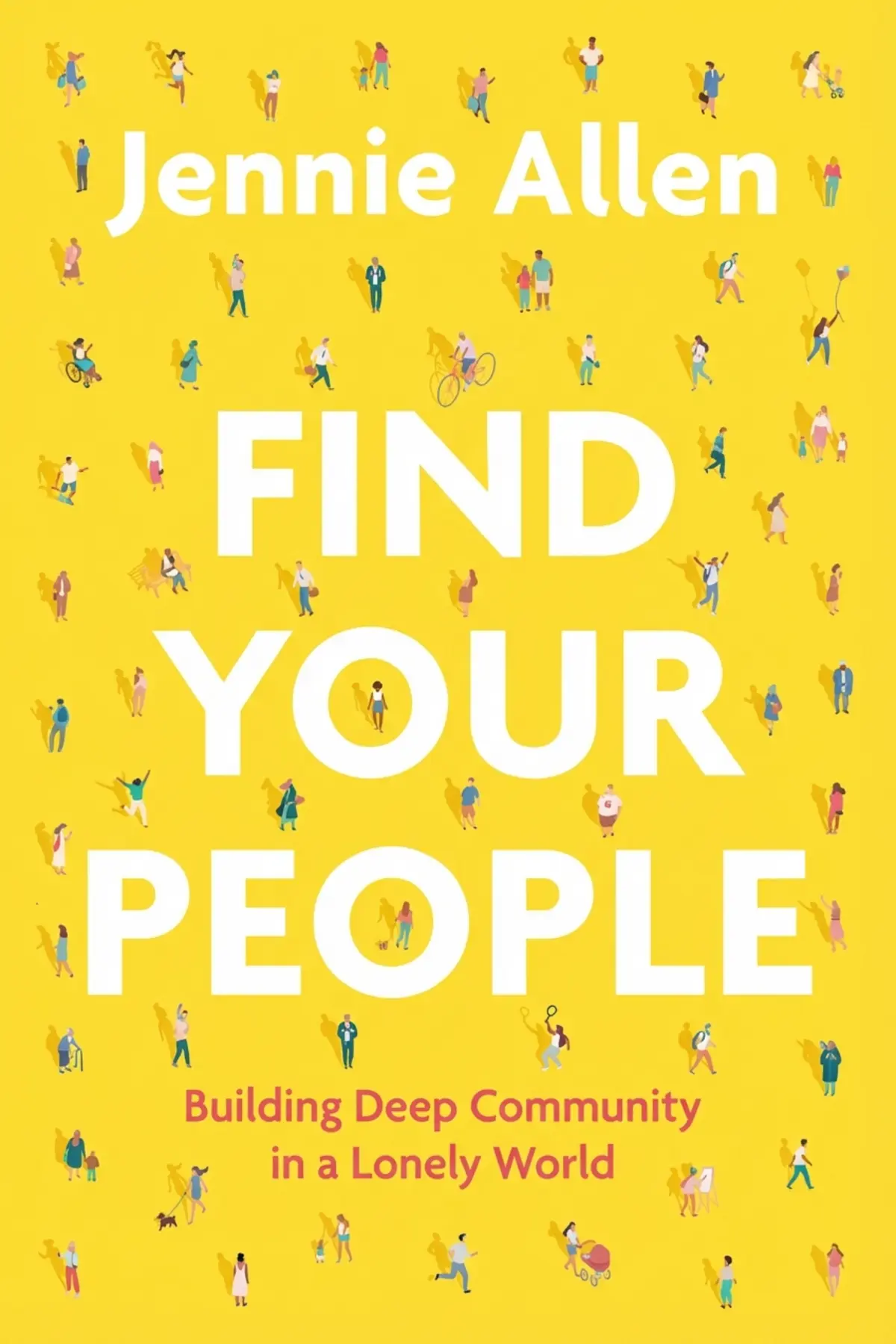
Untangle Your Emotions: Naming What You Feel and Knowing What to Do About It
By Jennie Allen
A faith-based guide to feeling your emotions instead of burying or fixing them. It offers a practical way to notice, name, feel and share what is inside so that it connects you to God, to others and to yourself.
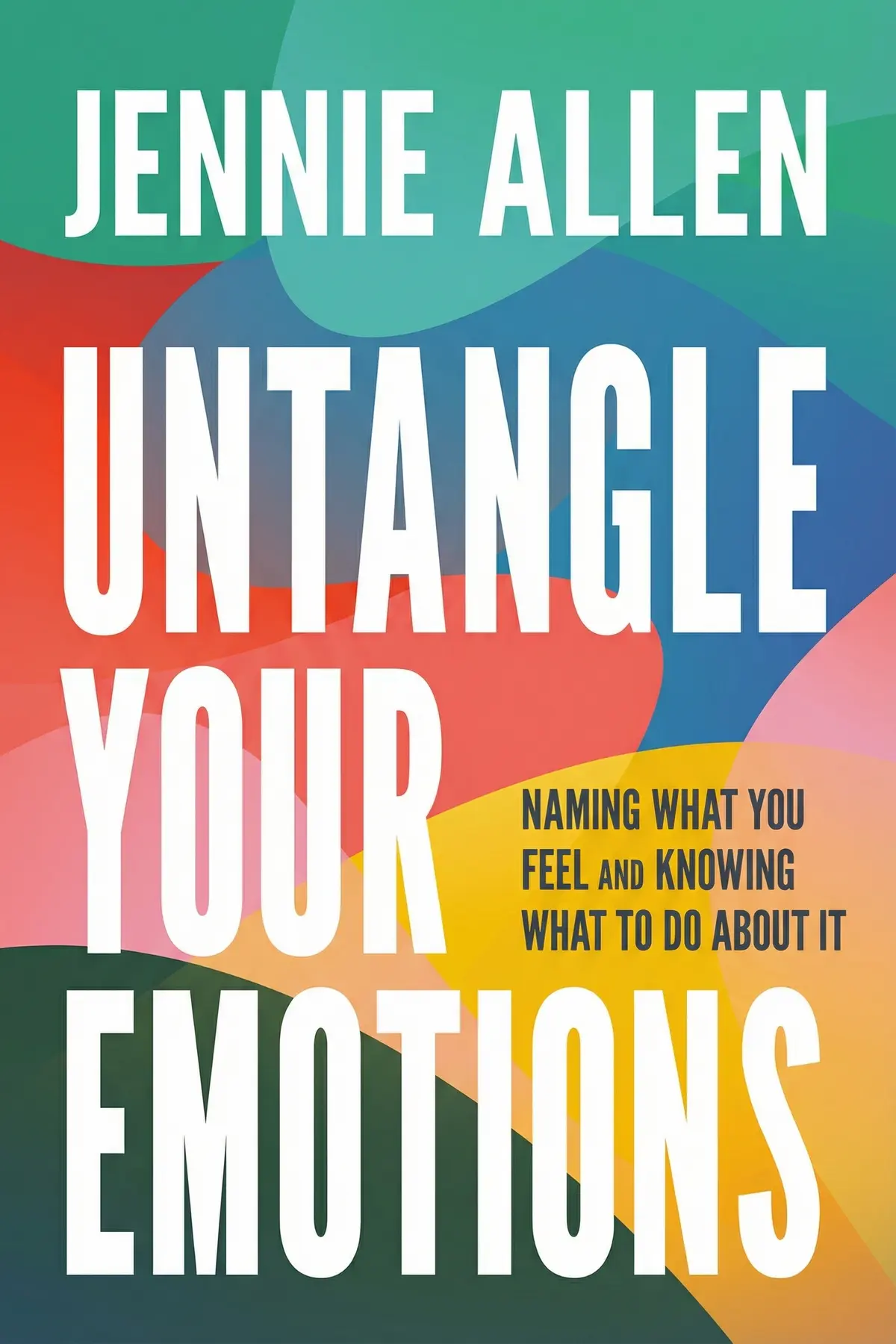
Table of Content
1. Introduction
1 min 09 sec
If you tend to swallow hard feelings until they leak out at the wrong moment, or you feel almost nothing at all, the fix may be the opposite of what you were taught. In Untangle Your Emotions, Bible teacher and author Jennie Allen argues that feelings cannot be repaired like a broken appliance. They are meant to be felt. Rushing to solve or bury them only ties them into knots that come back later, sometimes after one careless remark from a relative.
Allen writes as a Christian and draws on Scripture alongside psychology. Her claim is that emotions are one way God connects us with Him, with other people and with ourselves. Her method has four parts: notice what you feel, name it precisely, let yourself feel it, and share it with God and safe people. Do that, she argues, and the knots begin to loosen. The tools she offers are practical: a vocabulary of four core emotions and their shades, a habit of reading your body, and words for comforting someone without trying to fix them.
2. Stop fixing feelings and start hearing them
2 min 12 sec
Some people go numb, some get flooded, and some rush to repair every bad mood they see. Allen argues that all three are caught in the same trap, and that a stray family comment can show exactly where it is.
3. Steer your emotions like a captain on a river
2 min 17 sec
Following your heart can excuse almost anything, and shutting your heart down can make the eventual blowup worse. Allen offers a third picture, borrowed from water, that keeps both the feeling and your judgment in play.
4. Name what you feel in sharper words
2 min 23 sec
Most people answer “fine” without thinking, whatever is happening inside. Research suggests the words we use for our feelings affect our health and our relationships, and Allen offers a simple map for finding better ones.
5. Read your body for early emotional clues
2 min 03 sec
Tight shoulders and a churning stomach often know what you are feeling before you do. Allen suggests taking small steps that start with the physical, and notes that a medical checkup can uncover underlying issues when your emotions feel out of balance.
6. Feel it fully, before God and safe people
2 min 07 sec
Binge-watching and tight control both keep painful feelings at a distance, and both wear people out. One honest admission about a daughter leaving home shows what can happen when a hard feeling is spoken out loud.
7. Turn shared feelings into freedom and closeness
2 min 13 sec
A buried feeling can act like a riptide, pulling you under when the water looks calm. Allen describes what changes in the brain when feelings are shared, and the two rewards that come with learning to do it.
8. Conclusion
1 min 13 sec
Allen’s book asks for a different attitude toward your own heart. Feelings stop being an interruption to a productive, faithful life. They become part of how that life connects: to God, to the people closest to you and to yourself. The numb and the overwhelmed turn out to hold the same thing, a rope full of knots, and both can loosen it the same way, slowly and with other people.
The practice she describes is small enough to begin today. When something stirs, check your body first. Then find the primary emotion and the exact shade beneath it, so that a vague sense of stress becomes something truer, like feeling betrayed or unseen. Say it honestly to God, and then to one person who will listen without trying to fix you. If the weight stays heavy, see a doctor or a counselor, as Allen’s own family did.
In her account, hard feelings are not the problem. They show where you are and where you need help. Laid before God and shared with safe people, the same emotions that once tangled you up become the threads that tie you to what matters most.
About this book
What is this book about?
Many people handle hard emotions in one of two ways. They push them down until they go numb, or they let them take over until they feel flooded. Some do both in the same week. Bible teacher Jennie Allen argues that both habits come from the same mistake: treating feelings as a problem to solve. In her view, feelings are meant to be felt. Allen draws on Scripture and on psychology. She shows God expressing a full range of emotion and argues that feelings are given to connect us with Him, with other people and with ourselves. Her picture of health is a river with banks. Emotion is the current, reason keeps it in its course, and you steer the boat. The book turns that view into a method. You learn four primary emotions and their finer shades, a habit of short daily check-ins, and how to read the body for clues. It also covers where to express a feeling, how to comfort someone without rushing to fix them, and when to look for counseling. Allen illustrates the method with stories from her own family, and she promises two rewards: freedom from hiding what you feel, and deeper closeness with the people who matter most.
Book Information
Who it's for
Numb or burned-out Christians
Christians who were taught to hide or rise above their feelings and now feel numb or burned out.
Overwhelmed by strong emotions
People who get flooded by anger, anxiety or grief and want a step-by-step way to name and steady it.
Wanting to listen better
Parents, spouses and friends who rush to fix other people's pain and want to listen better.
About the Author
Jennie Allen
Jennie Allen is a Bible teacher, author and speaker. She founded IF:Gathering, a discipleship ministry, and hosts the podcast Made For This. Her New York Times bestsellers include Find Your People, Get Out of Your Head and Untangle Your Emotions, and she also wrote Nothing to Prove and Restless. She holds a master's degree in Biblical Studies from Dallas Theological Seminary. She lives in Dallas, Texas, and leads the vision for Gather25, a global prayer gathering that lasts 25 hours.
Ratings & Reviews
Ratings at a glance

What people think
Listeners find this book profoundly perceptive, as it helps them navigate their feelings while offering actionable strategies for mental health. The writing is sincere and heartening, with one listener noting the gentle way it nudges people to move beyond their survival mechanisms. They value its clear style and view it as essential, while additionally commending its therapeutic effect and how it permits them to experience every emotion free of shame.
Top reviews
Niphon
This book is a breath of fresh air for anyone who has spent years suppressing their heart and hiding from their true feelings. It is incredibly insightful and offers a very clear roadmap for understanding the complex internal landscape God gave us. Jennie Allen has a way of gently encouraging readers to push past those old survival mechanisms we all use to stay safe. I found the practical tools for naming and processing emotions to be exactly what I needed to move toward a more integrated life. To be fair, I used to think counseling was just for other people, but this read helped me see how vital emotional health is for every believer. You will likely walk away feeling validated and ready to face the things beneath the things with newfound courage.
Show moreHugo
Picked this up during a particularly heavy season of life, and I am so incredibly glad that I made the time to read it. The healing power found in these pages comes from Jennie’s ability to pair personal, vulnerable storytelling with the truths of the Bible. She helps you realize that your feelings are not evil things that need to be beaten back or ignored. I appreciated how she gave me permission to feel all my emotions without the heavy weight of guilt I usually carry. This is one of those rare books that you need to own so you can highlight every other sentence. The tools provided are very practical and have already helped me navigate some difficult conversations with my family and friends.
Show morePim
As someone who has always viewed my own sensitivity as a major weakness, this book offered a much-needed perspective shift that I desperately required. Jennie validates the way we are wired and reminds us that Jesus himself experienced a full range of human emotions during his time on earth. The truth is that we cannot experience true joy if we are constantly trying to numb the pain or the anger. This book is incredibly insightful and helped me identify several things beneath the things that were driving my anxiety lately. I am finally learning how to name what I am feeling instead of just feeling completely overwhelmed by a cloud of mystery. It is a must-read for anyone who wants to live a more authentic and emotionally healthy life.
Show moreKiattisak
Stop what you are doing and grab a highlighter because you are definitely going to need it for every single page of this book. Jennie Allen has written something truly special here that manages to be both deeply personal and widely applicable to everyone. The way she explains how we can feel all our emotions without an ounce of guilt is a total game-changer for me. I have over a hundred highlights already and plan on returning to these chapters again and again throughout my life. It is practical, encouraging, and filled with the kind of wisdom that actually leads to lasting change and healing. If you have ever been told that you shouldn't feel a certain way, you need to read this book immediately.
Show moreWin
Have you ever felt like your emotions were a tangled ball of yarn that you just could not unravel no matter how hard you tried? Jennie Allen’s latest work addresses this exact struggle with compassion and a deep connection to the gospel. While the writing is very accessible and easy to digest, there were a few moments where I wanted her to dive a bit deeper into the theology of suffering. Look, the practical steps she provides are wonderful for beginners, even if some of the concepts feel like a general introduction to emotional health. The emphasis on how God designed us to feel is a necessary message for the modern church today. It is a solid resource that I would recommend to anyone feeling overwhelmed by their own internal world.
Show moreMan
Wow, Jennie Allen has a way of making you feel like you are sitting right across from her at a cozy coffee shop. That conversational tone makes the heavy subject of emotional health feel much less intimidating for the average reader. There were a few places where the transitions felt a bit rushed, but the overall message is deeply encouraging and necessary. I love how she frames emotions as a way to move toward God and others rather than just something to be solved. Not gonna lie, I was skeptical at first, but the chapter on naming your feelings was surprisingly transformative for my daily prayer life. It is a fantastic starting point for anyone who wants a more integrated and rich emotional life.
Show moreSamira
Jennie Allen’s writing style is always so warm, which makes this a very quick and engaging read for busy parents or professionals. She does a great job of explaining why we shouldn't judge our feelings, but rather use them as signals to understand what is happening in our souls. I found the sections on survival mechanisms to be particularly eye-opening and helpful for my own self-reflection. Even though I wish she would have drawn more from classic theological sources, the gospel connection remains central throughout the entire book. It is a compassionate guide that encourages you to stop avoiding your pain and start processing it with the Lord. I would definitely recommend it to any believer who struggles with the habit of stuffing their emotions down.
Show moreJonathan
Not gonna lie, I was worried this would be another fluffy book about feelings, but it actually provided some very useful practical tools. The readability is excellent, and I found myself finishing it in just a few sittings because the stories were so relatable and honest. I appreciate how Jennie shares her own challenges and failures rather than acting like she has it all figured out perfectly. There were moments where the advice felt a bit basic, but sometimes the most basic truths are the ones we forget to apply. It gently encourages you to move past your defenses and actually look at what is going on inside your heart. Overall, it is a very helpful resource for the church and I'm glad I bought a physical copy.
Show moreIsaiah
The concept of 'untangling' is such a vivid metaphor, but the actual execution of the book felt a little bit light on scripture for my taste. I struggled with some of the semantics, especially using the word 'joy' as a catch-all starting point for every single positive emotion. While I agree with the heart behind the message, I kept waiting for a new revelation that just never seemed to arrive. To be honest, this content would have probably worked much better as a long-form essay or a special podcast series. It is a fine introduction to the topic, but it is too broad and surface-level to invite the deep conversation I was expecting. It is not a bad book, but it certainly did not change my life like her previous titles did.
Show moreWacharapol
After hearing so much hype about Jennie’s latest release, I have to admit I walked away feeling quite underwhelmed and disappointed. My experience was that the content barely hit the surface of the topic, offering advice we have all heard a thousand times before. I was looking for the depth of writers like Tim Keller or David Powlison, but this felt more like a basic self-help book with verses added in later. Some of the personal illustrations felt a bit cringy and repetitive if you have followed her previous books or attended IF:Gathering events. Frankly, the book promises a lot of revelation but delivers very little new perspective for those who have already done some work in biblical counseling. It might be helpful for a very young believer, but it lacked the meat I was searching for.
Show moreQuestions about this book
What is the main idea of Untangle Your Emotions by Jennie Allen?
Allen argues that feelings cannot be fixed. They are meant to be felt. Avoiding emotions, letting them spiral or rushing to solve them ties them into knots that come back later. Drawing on Scripture and psychology, she presents emotions as a way God connects us with Him, with other people and with ourselves, and she offers a method: notice, name, feel and share.
What are the four primary emotions in Untangle Your Emotions?
Allen names joy, anger, sadness and fear as the foundation of our emotional life. Each has shades. Joy includes contentment, delight and jubilation. Anger runs from irritation to outrage, sadness from disappointment to despair, and fear from worry to panic. She suggests identifying the primary emotion first, then searching for the more precise feeling beneath it.
Does the Bible say emotions are sinful, according to Jennie Allen?
No. Allen points out that Scripture shows God expressing the full range of emotion, from anger to elation, so feelings cannot be sinful in themselves. The danger comes when emotion overrides reason and will. She compares feelings to sex and money: none of them is evil, but each can tempt people toward wrong choices if it takes control.
How can I apply Untangle Your Emotions in daily life?
Pause several times a day to name what you feel in exact words. When words are hard to find, ask how your body feels. Pray honestly about your emotions, and share them with trusted friends, perhaps by writing them down weekly and talking them over. When others share, offer empathy instead of quick fixes, and seek a checkup or counseling if feelings stay overwhelming.
Who should read Untangle Your Emotions?
It suits readers of faith who feel numb, burned out or overwhelmed, and who were taught that good Christians should rise above their feelings. It also helps people who want to support a struggling spouse, child or friend. Allen shares how counseling helped her husband through depression and how honest sadness deepened her bond with her daughter.
Featured in
Readers also enjoyed






Alcoholics Anonymous
Alcoholics Anonymous World Services


A Force for Good: The Dalai Lama's Vision for Our World
Daniel Goleman


A Liberated Mind: How to Pivot Toward What Matters
Steven C. Hayes
AUDIO SUMMARY AVAILABLE
Listen to Untangle Your Emotions in 15 minutes
Get the key ideas from Untangle Your Emotions by Jennie Allen, plus 5,000+ more nonfiction titles.
- 5,000+ titles
- Listen as much as you want
- 7-day free trial
- Cancel anytime









