A Bigger Prize: How We Can Do Better Than the Competition
Margaret Heffernan
 English
Shows why exhaustion and constant busyness make work worse, and how joy, likable colleagues, real rest and time to think lead to better results, with simple tools like a daily team check-in and a Do Nothing Day.
1 min 03 sec
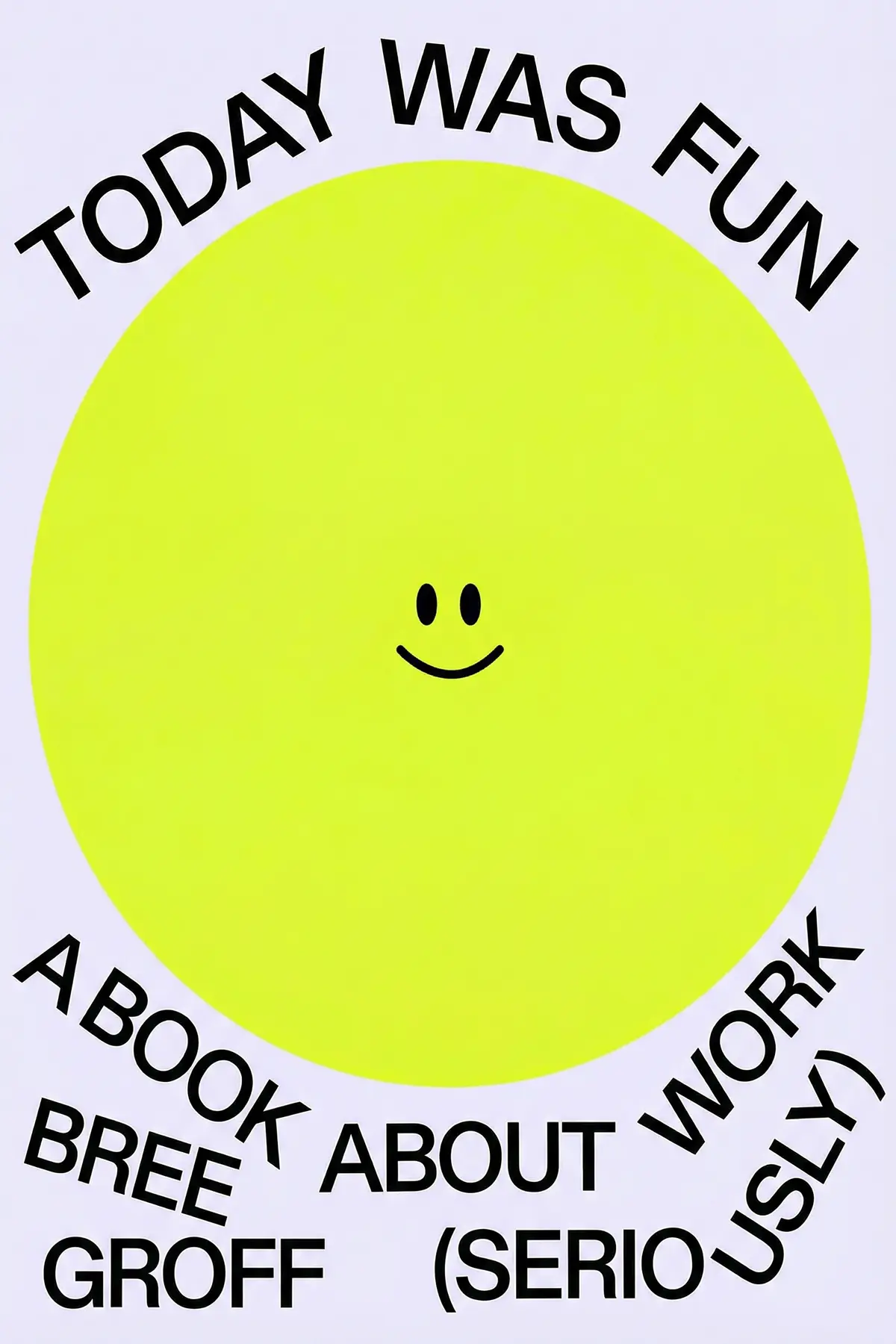
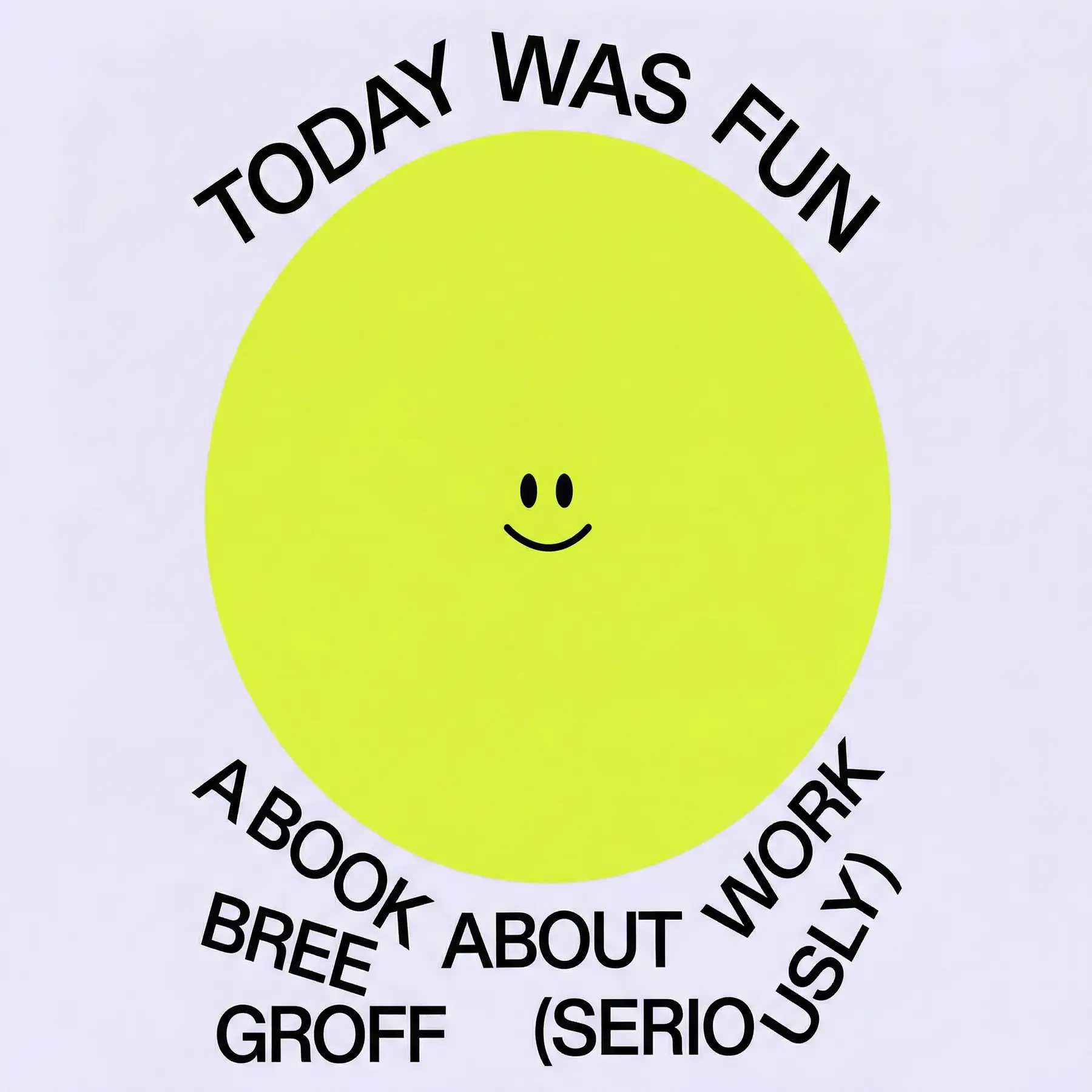
If your weeks feel like a test of how much you can endure, Bree Groff has an uncomfortable finding for you: the endurance is making you worse at your job. In Today Was Fun, the former CEO of the consultancy NOBL argues that skipped lunches, back-to-back meetings and pride in exhaustion leave minds less creative and calendars too crowded for insight. The opposite habits, she says, produce the stronger work.
That is the idea everything here builds on. Joy, good colleagues, a rested body and room to think are not rewards you earn once the work is done; they are the conditions that make good work possible.
Groff’s examples are small and human, from a janitor at NASA to a kindergarten teacher with 30 pupils and a team ritual that takes half a minute per person. Follow them and you will have a question that shows what your job owes you, a test for which projects deserve your yes, and one habit to try in tomorrow’s meeting.
1 min 48 sec
Most people judge a job by salary and title, then wonder why Mondays feel heavy. Groff turns the question around, and a famous story about a NASA janitor takes on a meaning few people notice.
1 min 50 sec
Nobody would prepare for a concert by smearing oil on a piano’s keys. Groff argues most professionals do something just as strange every week, and that piling on wellness perks does little when the causes of exhaustion remain.
1 min 52 sec
A full calendar can feel like proof you matter, which is exactly why it is so hard to give up. Groff names four patterns behind it, and one of them is flattering your ego right now.
1 min 55 sec
Playing it safe looks like the responsible choice for your career. Groff argues it is the surest route to forgettable work, and she proposes something many managers will find alarming: a whole day with nothing to show.
1 min 48 sec
Career advice rarely asks whether you will enjoy the people at the next desk. Groff thinks that simpler question can reshape your whole experience of work, and one of the easiest team habits she describes takes about thirty seconds per person.
1 min 10 sec
Groff turns the usual bargain of working life around. The habits that look like dedication, such as skipped lunches, sick days worked through and calendars packed solid, are the ones wearing down the quality of what you make. The things that look like luxuries, a good night’s sleep, a laugh with a colleague, a day spent thinking, turn out to be how good work gets made. A pianist cares for the piano because the concert depends on it.
The book supports a few moves you can make this week. Ask what you hired your job to do, and notice on Friday whether it did. Open your next team meeting with the zero-to-five check-in. Find one recurring meeting or task you could drop, and treat the freed hour as thinking time, or go further and book a Do Nothing Day. When two projects compete for your yes, pick the one that sparks something, or the one that scares you a little.
All of it treats work as worth caring about, enough to make it the kind of thing that lets you end a week and honestly say today was fun.
Many workplaces treat exhaustion as proof of commitment. People skip lunch, read email before greeting their families, work through illness and wear stress like a uniform. Bree Groff argues that none of this makes anyone better at their job. Tired minds are less creative, packed calendars leave no room for insight, and an always-on culture wears down even its most dedicated people. Groff, a former consultancy CEO who has advised leaders at some of the world's largest companies, offers another way to work. Her case is that the things often dismissed as soft extras are the conditions good work depends on: knowing what you want from your job, liking the people around you, caring for your body as the tool it is, and clearing away the busyness that crowds out brilliant ideas. Readers get practical tests and rituals. They can ask what they hired their job to do, open meetings with a quick zero-to-five check-in, choose projects by excitement and healthy fear, and set aside a full day for thinking with nothing to deliver.
Professionals who feel proud of their exhaustion and quietly suspect it is hurting their work.
Team leads who want closer, more open teams without another wellness program.
Makers and creatives whose best thinking keeps losing out to meetings and status updates.
Bree Groff was CEO of NOBL, a consultancy known for new ways of working, and later a senior advisor to SYPartners, a global transformation firm. Her clients have included senior executives at Target, Pfizer, Microsoft, Hilton, Atlassian and Google. She has given dozens of keynotes worldwide on the human side of work. Groff holds a master's in Learning and Organizational Change from Northwestern University and a bachelor's from the University of Pennsylvania, and she once taught middle and high school math and physics.
Listeners find this work delightful, describing it as an essential read for anyone designing their life and a vital tool for making work enjoyable. They appreciate the deep insights, with one listener noting how it broadens their view of work, and its sincere storytelling and humor. Listeners value the hands-on guidance, with one review highlighting its helpful thinking exercises, while another explains how it improves their connection to their job.
Bree Groff has written a must-read for anyone designing their life from the ground up. It’s incredibly refreshing to see someone finally admit that our brains work just as well in stretchy pants as they do in stiff suits. Her honest storytelling and wit made me rethink my entire approach to the 9-to-5 grind. I especially loved the 'thinking exercises' scattered throughout—they felt practical rather than performative. The way she frames work not as a punishment for a paycheck but as a vehicle for human flourishing really shifted my mindset. We spend so much of our lives at work; why shouldn't most days be fun? This isn't just about corporate perks. It's about reclaimed joy and finding deep, meaningful connection with the people you’re 'shoveling' alongside every day. My perspective on productivity is forever changed.
Show moreWow, I didn't think a book about work could be this much fun to read, but Bree Groff managed it. This is a must-have for anyone who wants to make work fun every day. I’ve been in that 'up and not crying' slump before, where you just feel your soul slowly dying at your desk. This book was the perfect antidote. It focuses on the 'job I hire my job to do for me,' which for me is about growth and connection. The advice about choosing your 'co-shovelers' carefully is genius. I’d much rather do a boring task with people I love than a 'prestigious' project with people who drain me. Frankly, this should be required reading for every CEO who thinks productivity comes from grinding 80 hours a week. It's time we prioritize human flourishing.
Show moreFinally got around to reading this and I can’t stop recommending the 'Do Nothing Day' concept to my coworkers. It sounds counterintuitive, but taking that space to reflect is exactly how you avoid the trap of mindless busyness. Groff's writing is incredibly engaging; it feels like getting advice from a very smart, very honest friend. I loved the focus on the body being the most important tool for work. We treat our laptops better than we treat our own sleep and nutrition! This book is a delightful reminder that work is just one part of a big, beautiful life. If you’re a workaholic who has forgotten how to laugh, buy this immediately. It’s a game-changer for your mental health and your career.
Show moreEver wonder why we act like busyness is a personality trait? Groff's critique of modern productivity culture is sharp, funny, and deeply necessary. She expands your perspective on work by challenging the idea that exhaustion equals success. I found her focus on 'brilliant work' versus just 'busy work' to be the most impactful part. The book is filled with honest storytelling that doesn't shy away from the author's own mistakes. It’s rare to find a business book that feels this human. I finished it feeling energized instead of guilty, which is a massive win. It’s not just about making work fun; it’s about making work *matter* by removing the rituals that strip away our joy. Truly a breath of fresh air in a crowded genre.
Show moreAfter hearing a lot of buzz on LinkedIn, I picked this up to see if it lived up to the hype. Bree Groff offers a really delightful expansion on how we view our professional roles. I’m a big fan of her 'portfolio life' concept. It’s a helpful reminder that we aren't just our job titles. Not every single chapter was a hit—some of the anecdotes about Tuscany felt a bit privileged—but the core message is solid. The practical advice on protecting 'date nights' and personal health as fiercely as client meetings is something every middle manager needs to hear. The writing style is very conversational and easy to digest. It’s the kind of book you can finish in a weekend but think about for months afterward. Not gonna lie, I'm already looking for more comfy work clothes.
Show moreAs someone who has been feeling the weight of corporate bureaucracy, this was the wake-up call I needed. The truth is, we spend so much time worrying about looking 'professional' that we forget to actually do brilliant work. Groff’s critique of pointless meetings and rigid hierarchies is spot on. I really appreciated the specific tips on how to improve relationships at work, like the mood check-ins. It sounds a little 'out there' at first, but it makes a huge difference in how a team functions. My only real gripe is that it feels very geared toward 'knowledge workers' in tech or creative fields. If you work in retail or a factory, a lot of this advice simply won't apply to your situation. Still, the underlying message of reclaiming your humanity is universal and powerful.
Show moreNot what I expected from a business book, but in the best way possible. Instead of dry strategies, you get a warm, witty guide to surviving the modern workplace. I particularly resonated with the section on 'shoveling shit' with people you actually like. It’s a realistic take—not every task is going to be a blast, but the people around you make it bearable. The advice on being the 'defender of date nights' is something I’ve already started implementing. To be fair, the tone can be a little 'quirky' for some, but if you can look past the cat pictures, there is some profound wisdom here. It’s a practical guide for anyone who wants to stop napping through their life and start actually living it.
Show moreThis book is essentially two different experiences wrapped in one cover. The first half felt a bit like a fever dream of millennial startup tropes—very quirky, very focused on aesthetics and being 'human' in a way that feels performative. I almost put it down when she started talking about the cat picture incident. However, I'm glad I pushed through. In my experience, the second half is where the real value lies. She dives into some heavy, insightful topics regarding burnout, the physical toll of stress, and how to actually foster brilliance by doing less. It’s a bit of a mixed bag, and I don't think every leader will buy into the 'stretchy pants' philosophy. Gotta say, it's worth a skim if you can ignore the fluff.
Show moreLook, the perspective here is interesting, but it feels like it was written from a very comfortable, white-collar ivory tower. Not everyone can just decide to work in stretchy pants or take a 'Do Nothing Day' without getting fired. If you're living paycheck-to-paycheck, the stories about Tuscany and being a CEO feel a bit alienating. That being said, I did find some of the thinking exercises useful for my personal life. The idea of not delaying fun until retirement is a good one, regardless of your income. Personally, I think the book is well-written and witty, but you have to take the advice with a grain of salt. It’s a nice dream of what work *should* be, but I’m not sure it’s the world most of us actually inhabit right now.
Show moreI struggled to get through this because the author’s persona felt like Jessica Day from New Girl trying to run a Fortune 500 company. The quirkiness was dialed up to an eleven. At one point, she tells a story about thanking a coworker for covering a Zoom call so she could take a 'cute picture of her cat.' That just isn't the reality for 99% of workers. To be fair, the second half of the book is significantly more grounded, touching on actual work-life balance and deep focus. However, the first half is filled with idealistic 'shoulds' that feel totally out of touch with anything outside of a niche startup environment. If you want to hear about what it’s like to work at a 'rainbow factory,' this is for you. Otherwise, it's hard to take seriously.
Show moreGroff argues that exhaustion and constant busyness make people worse at their jobs, not better. Good work depends on things often dismissed as extras: knowing what you want from your job, liking your colleagues, caring for your body as your main tool, and protecting space to think. When those are in place, she says, work can stay challenging and meaningful while also being something you enjoy.
Groff suggests flipping the usual view of employment. Instead of only asking what your employer wants from you, ask what you want your job to give you. For some, the job is hired to build their abilities, while for others it is brought on for engaging puzzles, wonderful coworkers or a bit of daily laughter. Naming your answer helps you see work as a source of meaning and judge whether a week delivered it.
Before a meeting’s agenda begins, each person rates how they are doing on a scale from zero to five and takes about 30 seconds to explain why, whether the reason is work, home or something trivial like mismatched socks. Groff says the ritual builds psychological safety, clears people’s minds, prevents misunderstandings and makes sure everyone speaks at least once.
It is a day set aside for reflection and developing ideas, with no requirement to produce anything. Groff recommends using it to ask whether you are working on the right things, whether there is a more elegant solution and what would make the work more captivating. She argues that months of intense activity cannot make up for a weak idea, and that pauses are where clarity tends to appear.
It suits knowledge workers who feel worn out by meetings and long hours, managers who want healthier and closer teams, and creative people whose focused time keeps getting crowded out. Its tools are small and practical, from treating sleep like an important appointment to choosing projects that excite or scare you, so readers can try them within a single working week.
AUDIO SUMMARY AVAILABLE
Get the key ideas from Today Was Fun by Bree Groff, plus 5,000+ more nonfiction titles.